
Steam Engines And Restored Depot Cars Turn This Arizona Railroad Museum Into A Kid’s Dream Day
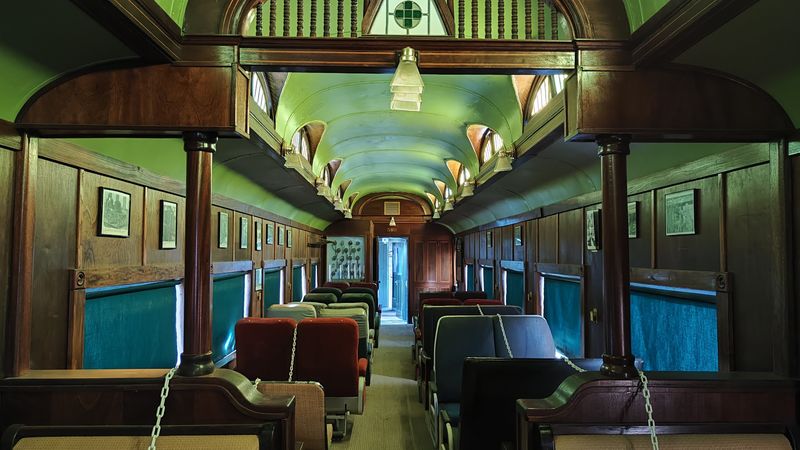
A railroad president once rode in a private business car built in 1879. Today, kids can walk right through it.
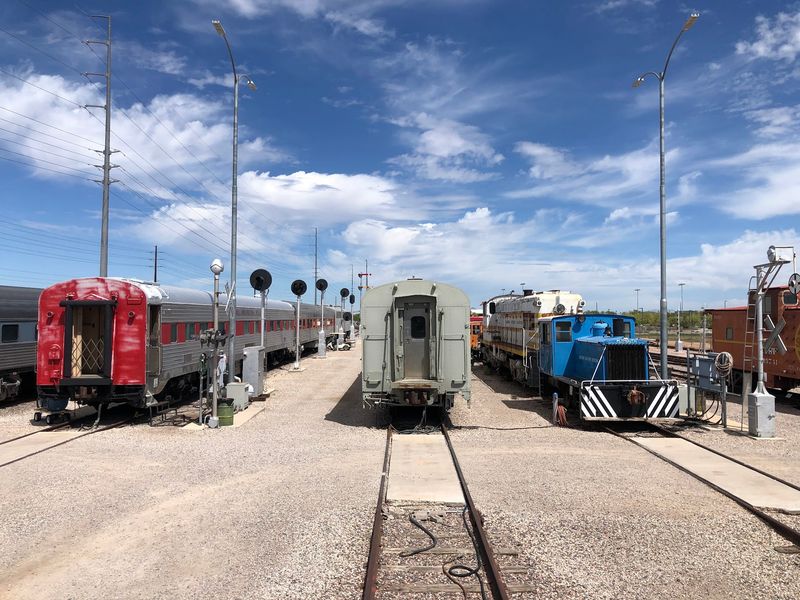
That car sits in a rail yard in Arizona, surrounded by a 1906 steam locomotive, glass dome cars, and a hulking steam wrecking crane. A dozen passenger cars open their doors to curious visitors.
Some of them have even shown up in Hollywood movies.
I love that nothing here hides behind velvet ropes. Little ones can stroll narrow hallways, peek into old kitchens, and climb into a steam engine cab.
Grown-ups get a dose of nostalgia for the golden age of rail travel.
The whole place runs on volunteer muscle and pure passion. It only opens on weekends, and only part of the year.
So when is the best time to climb aboard?
All Aboard A Volunteer-Built Rail Yard In The East Valley
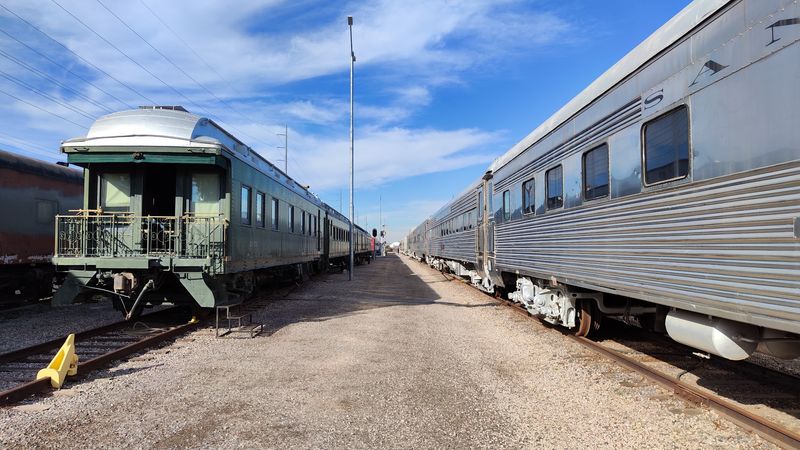
Trains are big. You don’t fully grasp how big until one towers over you on a sunny Arizona morning.
That’s the everyday thrill at the Arizona Railway Museum in Chandler, a nonprofit devoted to the railways of the Southwest.
The museum was founded in 1983 by people who simply couldn’t bear to see old rail equipment fade away. It’s still run entirely by volunteers, and that spirit shows in every polished handrail.
Admission fees, memberships, and donations all go toward restoration and preservation. In other words, your ticket literally helps fix up a train.
That’s a pretty satisfying way to spend a Saturday.
The collection covers antique locomotives, freight cars, cabooses, and a deep lineup of passenger equipment. Several pieces are listed on the National Register of Historic Places.
That’s serious credibility for a rail yard in a suburban neighborhood.
Families can explore on a self-guided tour at their own pace. Placards and QR codes explain what each car did and why it matters.
Kids who ask a million questions will finally meet their match.
Friendly volunteers are often around to share stories too. Some of them clearly know these trains better than their own cars.
The 1906 Steam Engine That Steals Every Photo
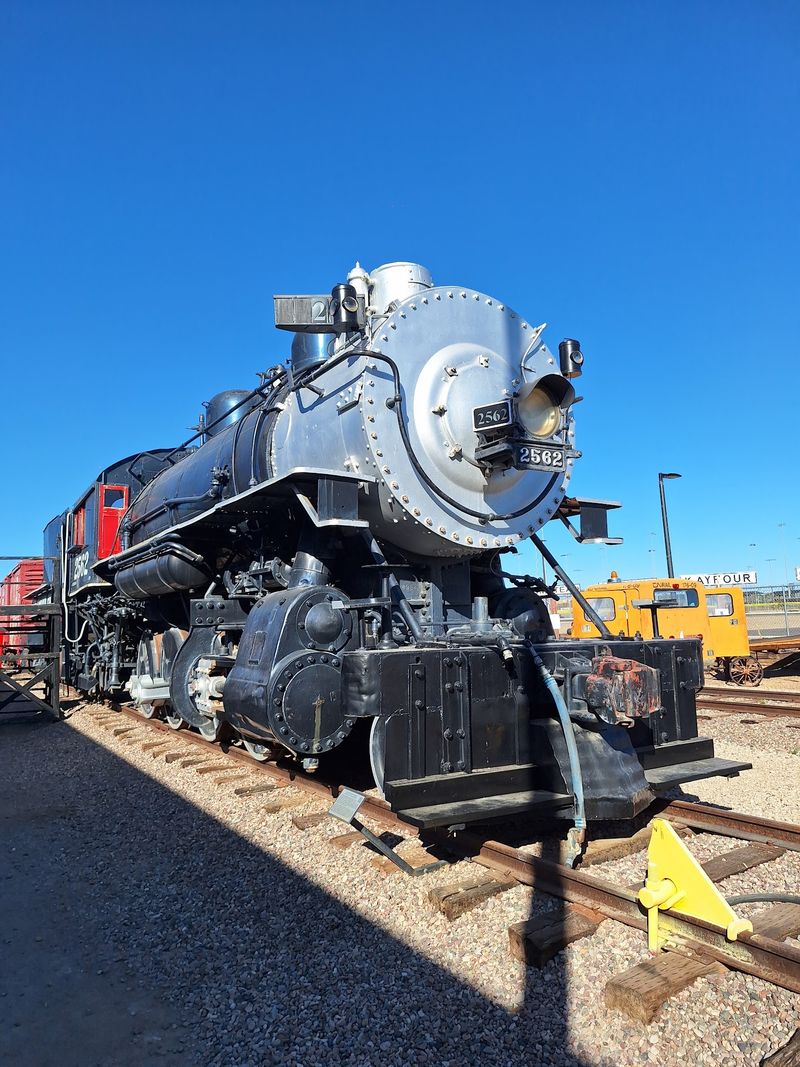
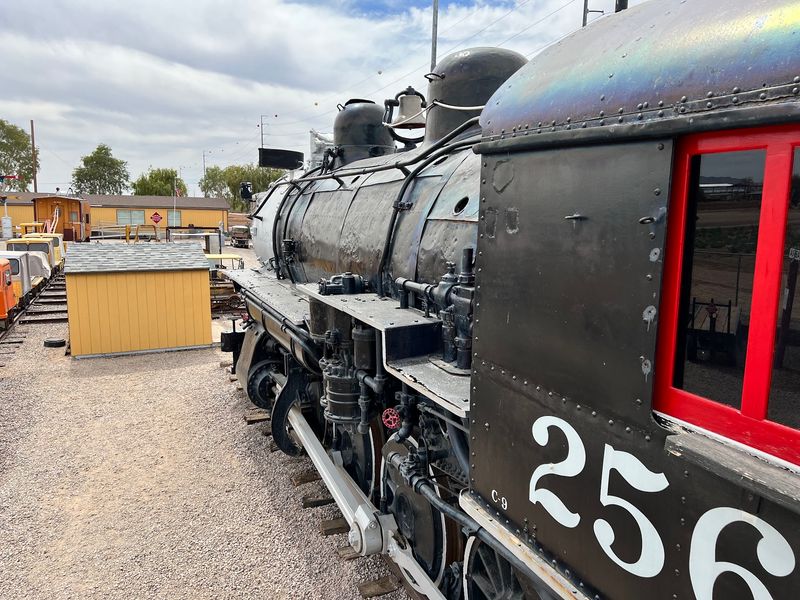
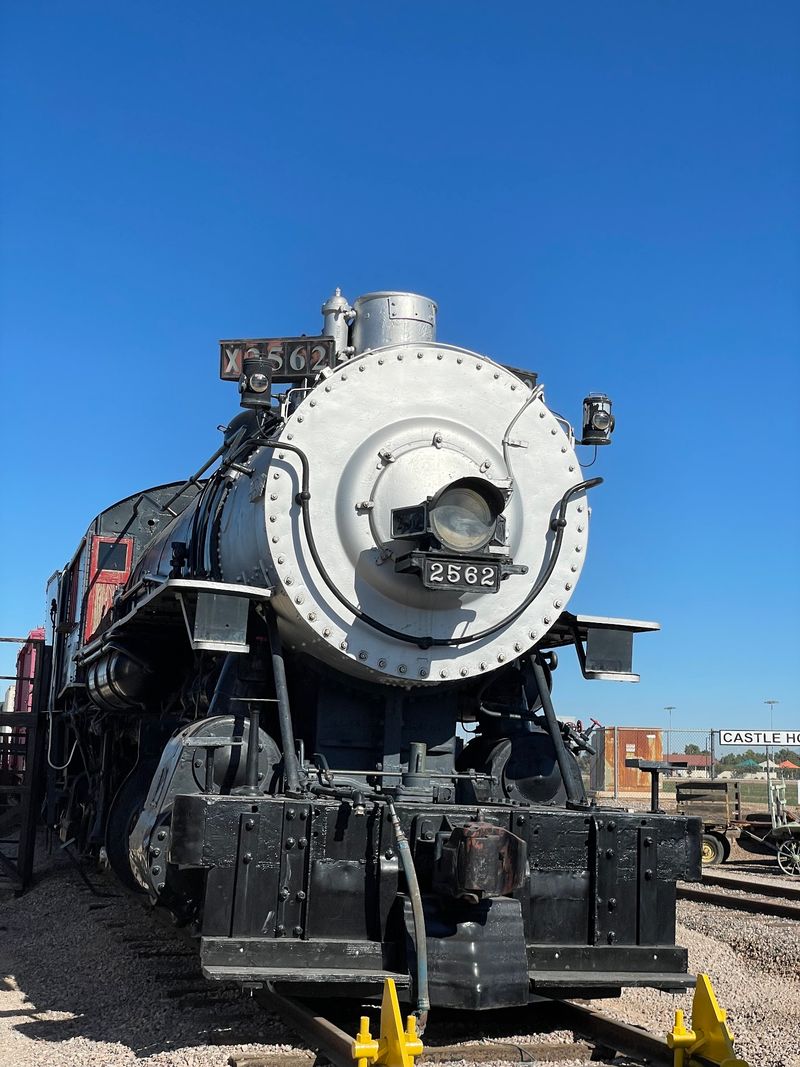
Built in 1906, Southern Pacific Locomotive No. 2562 has been around longer than Arizona has been a state. Statehood arrived in 1912, so this engine had a head start.
It’s a powerful steam locomotive, and it absolutely owns the yard.
The big black machine is one of the museum’s National Register pieces. Its wheels, rods, and boiler make toy trains look a little embarrassing.
Your kids may never view their train sets the same way again.
Here’s the best part for young engineers. Visitors can get into the cab of the steam locomotive.
Pulling an imaginary whistle cord is basically required.
Standing in that cab gives you a sense of how crews actually worked. Gauges, levers, and tight quarters tell the story without a single word.
It’s history you can touch, which makes it stick.
Grab a photo from the ground first, then another from inside. The scale difference is wild.
Parents may want a turn in the cab once the kids climb down, and nobody will judge.
Take a moment to notice the details on the wheels and frame. Craftsmanship from more than a century ago still looks impressive under the desert sun.
Twelve Passenger Cars Waiting To Be Explored
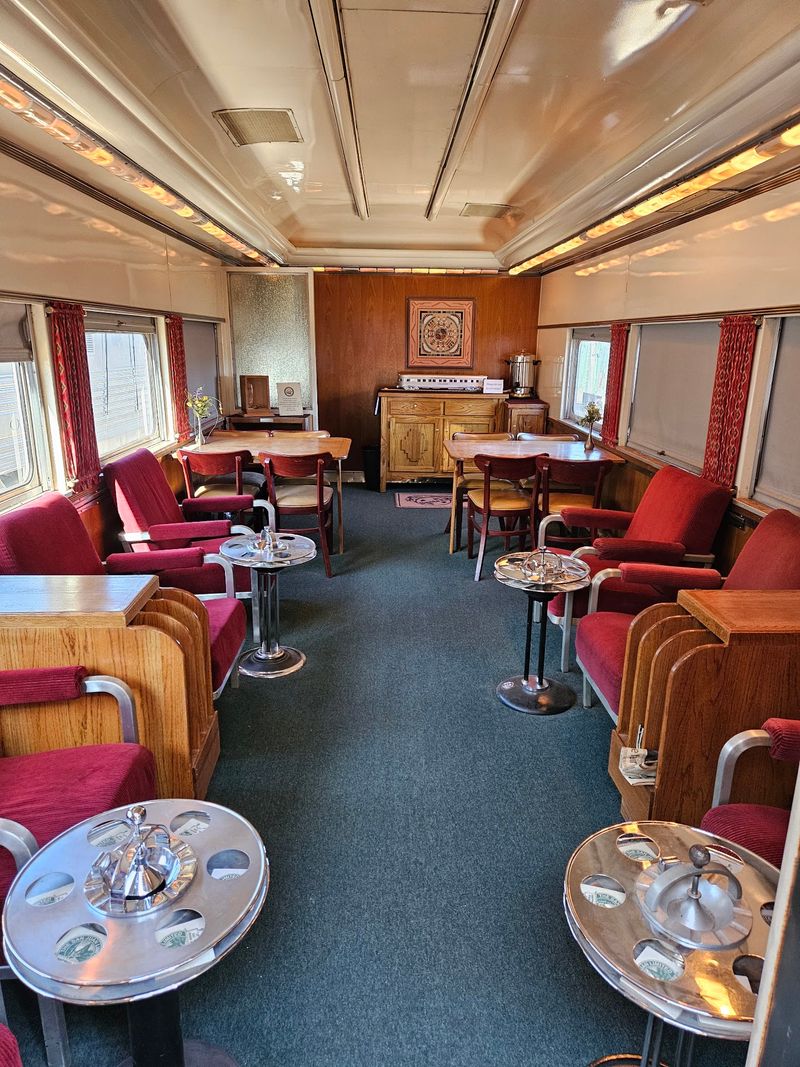
Twelve. That’s how many passenger cars and cabooses are open for exploring inside.
Most museums ask you to look from a distance, but here you get to walk the aisles.
The variety covers multiple eras of rail travel. You’ll find heavyweight cars, sleek streamlined cars, and tall Hi-Level equipment.
Kids tend to love the old wood slat cars and all their little rooms.
One standout is a Santa Fe Hi-Level lounge car. Another is a dome car named Plaza Taos, with glass up top for gazing at passing scenery.
Glass dome cars are a favorite for families.
Then there’s the South Carolina business car dating to 1879. A railroad president once traveled in it.
Picture a rolling office with far better views than a cubicle.
Hallways can be tight, so anyone uneasy in small spaces should know that going in. The cars also have stairs and aren’t wheelchair accessible.
That’s simply the nature of vehicles built long before modern accessibility rules.
The museum has done impressive work restoring classic Santa Fe streamline cars in recent years. Walking through them feels like borrowing a page from the era of long-distance luxury travel.
A Wrecking Crane Built For Heavy Lifting
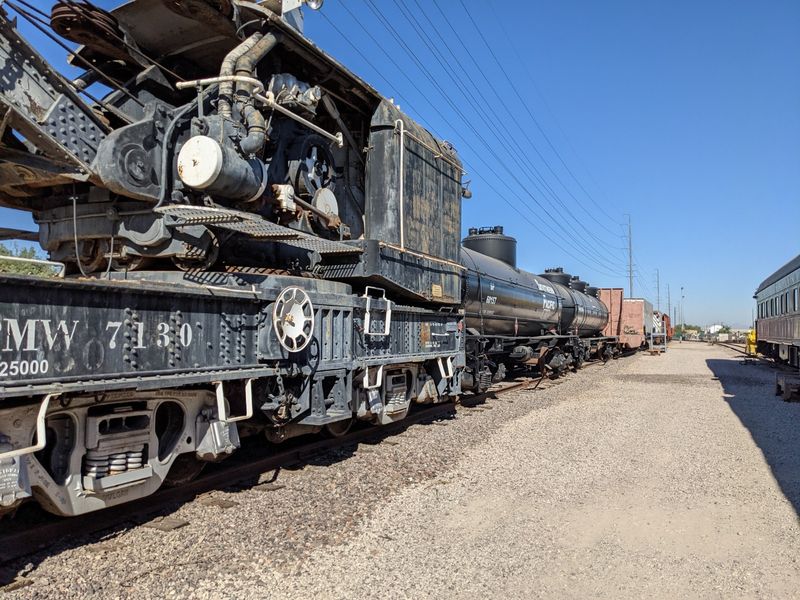
Some machines look polite. The Railroad Steam Wrecking Crane does not.
Assembled in 1949, it has the sturdy, no-nonsense look of equipment built for the toughest jobs on the line.
Paired with its Tool Car, the crane is another National Register piece in the collection. Railroads used cranes like this to clear tracks and lift heavy loads.
Every rivet seems to say it means business.
The museum also displays U.S. Military crane trains from the World War II era.
Kids who adore construction trucks will likely lose their minds a little. Honestly, plenty of adults want one in the driveway.
Beyond the cranes, the yard holds rarer gems for true rail fans. A Baldwin diesel ranks as a must-see among enthusiasts.
You’ll also spot a Magma Arizona Railroad diesel engine and a Denver and Rio Grande Western caboose.
That Magma engine carries a nice local connection to Arizona’s mining past. It’s a reminder that rails shaped this state long before freeways did.
Take time to walk around each machine. The angles change everything, and the sheer size never stops being surprising.
A Depot Doorway Into Railroad Days Gone By
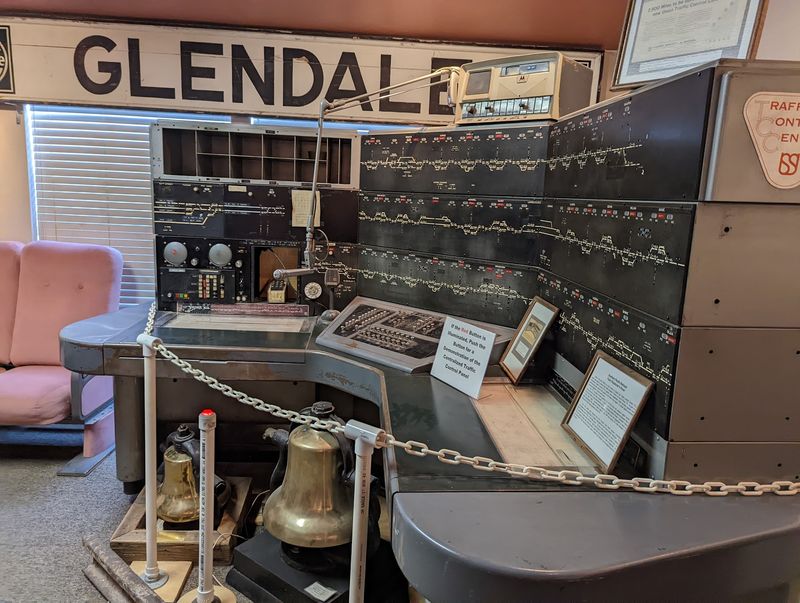
Before the trains, there’s the depot. The museum’s main building is a re-creation of the original Chandler Depot.
It sets the mood the second you arrive.
Inside, display cases hold genuine rail company glass and china. These were the dishes passengers used while dining on the rails.
Fancy plates on a moving train still feel like a bold idea.
The building also houses a 1950s Traffic Control Center. It shows how crews kept trains moving safely down the line.
Curious kids get a glimpse of the brains behind all that steel.
A separate display building offers smaller artifacts and a quieter pace. Interactive miniatures add something extra for hands-on learners.
The inside exhibits are informative and easy to follow.
Starting indoors before heading out to the yard works nicely. You get context first, then the giant payoff.
The layout makes navigating simple, even with little ones in tow.
The gift shop lives in that display building too. It’s a handy stop for a small souvenir.
A little train keepsake may help the memory ride home with you.
Movie Stars Hiding In Plain Sight
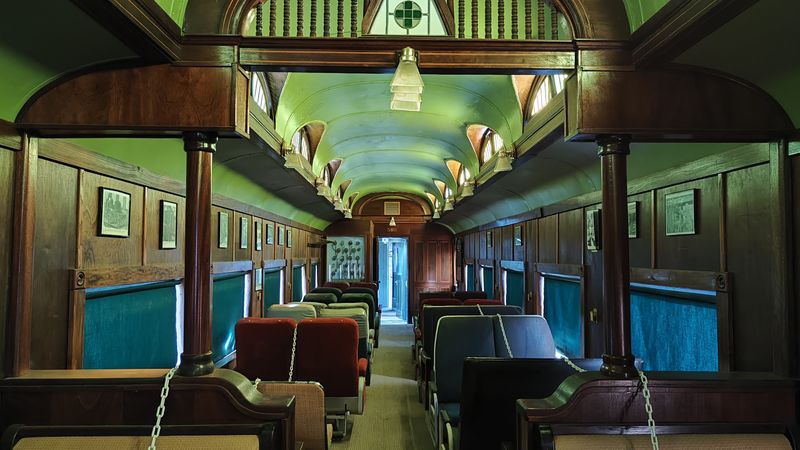
Hollywood has come calling. Some of the museum’s restored train cars have appeared in films, which gives a fun twist to your stroll.
The list includes the Western 3:10 to Yuma, the comedy Stay Tuned, and the thriller Terror Train. The cars also appeared in the drama There Will Be Blood.
Not bad for equipment that lives in a Chandler rail yard.
Movie fans may enjoy guessing which car played which part. Grown-ups can share the Western connection with older kids.
It turns a history lesson into a little game.
Trains have always been natural movie props. They bring drama, motion, and a sense of adventure to any scene.
Seeing them in person shows why filmmakers keep returning to rail settings.
The screen credits also highlight the quality of the restorations. Directors want cars that look authentic, and these clearly fit the bill.
The volunteers deserve a round of applause for that.
Keep it in mind next time you watch a classic Western at home. That train on screen may have a surprising Arizona address.
Movie night might suddenly get a lot more interesting.
Why Little Conductors Light Up Here
Kids aged two and up seem right at home in this rail yard. Toddlers love walking up and down the train cars.
Older children get hooked on the history, especially how it connects to Chandler.
The museum keeps things refreshingly simple. Families explore at their own pace, without a strict schedule.
A visit often lasts somewhere between 45 minutes and 90 minutes.
Special occasions get a fun option too. Families can rent passenger cars and cabooses for birthday parties.
There’s even an air-conditioned caboose, which feels like a small miracle in Arizona.
The value adds to the appeal. A family bundle covers two adults and three children, and infants under 2 get in free.
Active military members receive free admission with ID as part of the Blue Star Museums program.
Event days can bring vendors and stalls, sometimes with free entry. The museum’s annual Arizona Railway Day in February opens up the cars for a big showcase.
It’s worth watching for if your crew loves crowds of trains.
Plan for little legs needing breaks. The yard is mostly outdoors, so pacing matters for happy explorers.
Weekend-Only Hours Worth Circling On The Calendar
Spontaneous drop-ins won’t work here. The museum opens only on Saturdays and Sundays, from 10 a.m. to 4 p.m.
A little planning goes a long way.
It also runs on a seasonal calendar. Being all-volunteer, the museum closes in June, July, and August.
The upcoming season runs from September 5, 2026, through May 30, 2027.
Holiday closures include Christmas Eve, Christmas Day, New Year’s Day, and Easter Sunday. Double-check before heading out on those weekends.
Nobody wants a sad face at a locked gate.
You’ll find the museum at 330 E Ryan Rd, Chandler, AZ 85286. That puts it in the southeast Phoenix area, an easy drive for East Valley families.
Handicap parking is available near the entrance.
Cooler months make the best fit. Winter visits keep kids comfortable and engaged outside.
Spring mornings can be lovely too, before the heat kicks in.
Arrive near opening if you like a calmer pace. Early hours also mean softer sunlight for photos.
That makes the ride home a lot happier for everyone.
Sunscreen, Sneakers, And A Playground Next Door
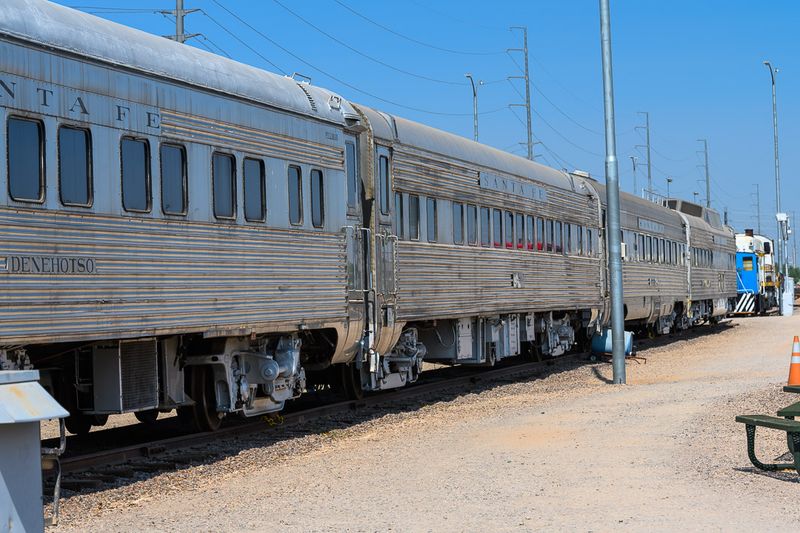
Crushed rock covers the outdoor rail yard. Sandals and strollers may struggle a bit, so comfortable walking shoes are the smart call.
Your ankles will thank you later.
Most of the museum is outdoors, which means the Arizona sun gets a vote. Bring sunscreen, sunglasses, and water.
Even mild days can feel warm out among the steel.
Some cars, like the observation car, stay covered by tarps to block the heat. That protects the equipment and keeps interiors from turning into ovens.
Smart thinking for a desert museum.
Once the trains are done, the fun keeps rolling. Tumbleweed Park sits right next door with picnic tables and ramadas.
A packed lunch fits perfectly here.
The big draw is Playtopia, a 2.5-acre playground. After careful museum exploring, kids can finally run wild.
It’s an easy way to stretch a short visit into a full day out.
Nearby cafes offer another option if nobody packed sandwiches. Between trains, swings, and snacks, the afternoon basically plans itself.
Naptime on the drive home is a bonus.
A Small Ticket To A Very Big Day
Simple pleasures often stick the longest. The Arizona Railway Museum proves it with steel, rivets, and a whole lot of volunteer heart.
Kids remember climbing into a steam engine cab long after other outings fade.
The grounds look modest from the road. Step past the depot, though, and the collection becomes a real find.
Around every corner waits another car with its own story.
I like how the experience feels personal rather than flashy. There are no gimmicks, just carefully restored trains and people who care about them.
That kind of passion is contagious.
It also fits nicely into an affordable family weekend in Arizona. Add a picnic and playground time next door, and the day fills itself.
Budget-friendly fun never felt so grand.
For train lovers, history buffs, and wiggly toddlers alike, this place delivers. Grandparents may enjoy it as much as the grandkids.
Shared wonder is the best kind.
Mark a cool-season weekend and bring curious minds. Those rails have plenty more stories to tell.
All you need to do is climb aboard.