
Step Back In Time On This Historic Colorado Railroad That Feel Lost To Another Era
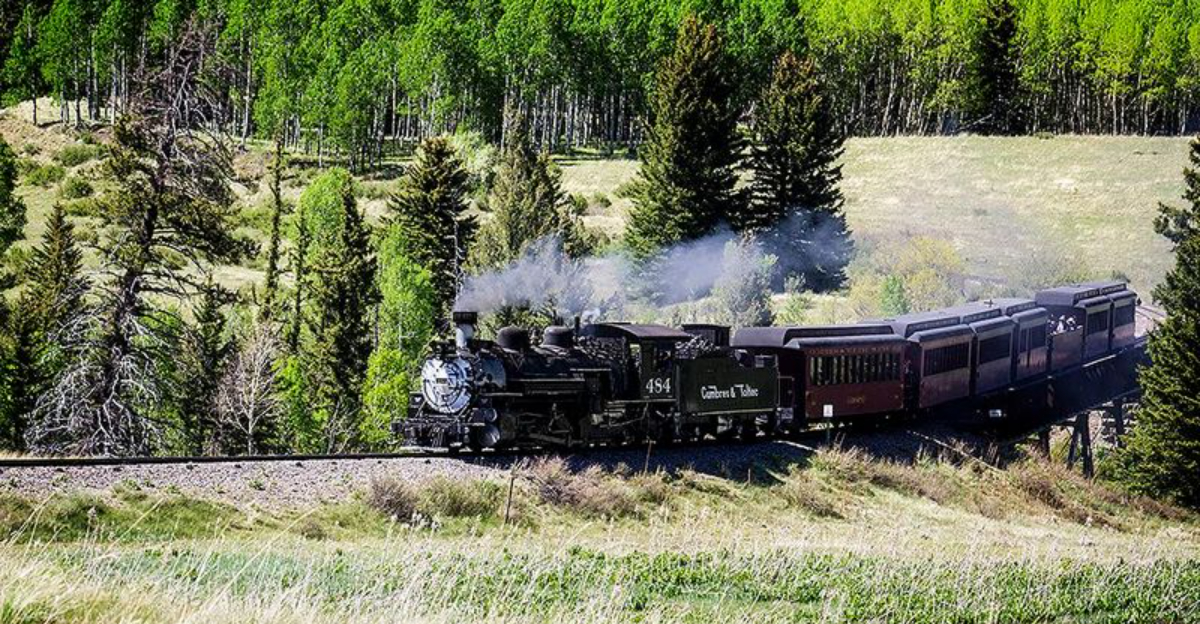
There is something wildly thrilling about finding an experience that does not feel curated for modern attention spans, but built for wonder instead. This historic rail journey delivers exactly that, trading rush and notifications for smoke, steel, and the deep, satisfying rhythm of a true steam engine at work.
The moment the whistle sounds, everything shifts. You are not just looking at history from a distance, you are moving through it, surrounded by sweeping passes, dramatic valleys, and the kind of scenery that makes you forget to reach for your phone.
In Colorado, adventures like this still know how to feel big, textured, and gloriously unpolished in the best way. Every mile invites you to slow down and notice more, from the smell of coal in the air to the creak of the cars around each bend.
Long before the ride is over, Colorado starts to feel less like a destination and more like a time machine with better views.
A Coal-Fired Steam Engine That Still Means Business
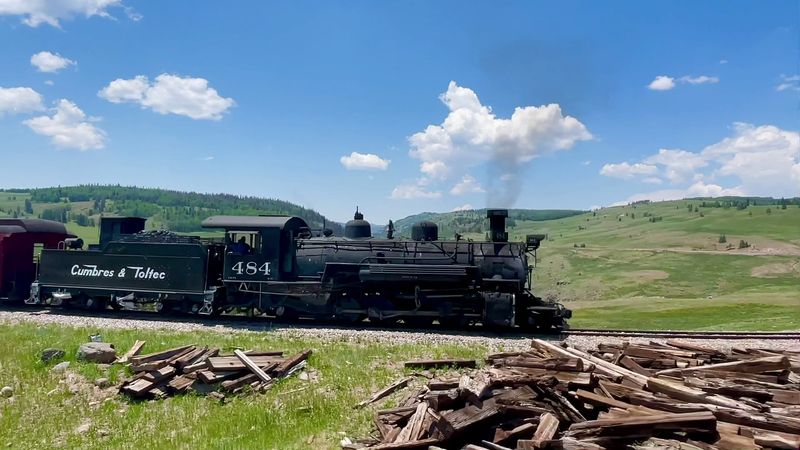
Most machines that are over a century old end up behind velvet ropes in a museum. This one is still doing its job.
The coal-fired steam engine at the heart of this railroad hauls passengers across some of the most dramatic terrain in the southwest, and it does so with a satisfying, rhythmic authority that no diesel engine has ever managed to replicate.
Watching the locomotive build up steam before departure is its own kind of entertainment. There is something deeply satisfying about a machine you can actually understand by looking at it, all pistons and pressure and purpose.
Families with curious kids will find this especially rewarding. You do not need to be a train enthusiast to appreciate the spectacle, though visitors who are self-described train nerds consistently report that this ride sets a new personal benchmark.
The open-air car gives you a front-row seat to the engine’s performance, and standing in it while the locomotive charges uphill is an experience that belongs on every Colorado bucket list. Pro tip: position yourself in the open-air car before tunnel crossings for an unforgettable sensory moment.
The Route From Antonito To Osier: Where Scenery Gets Serious
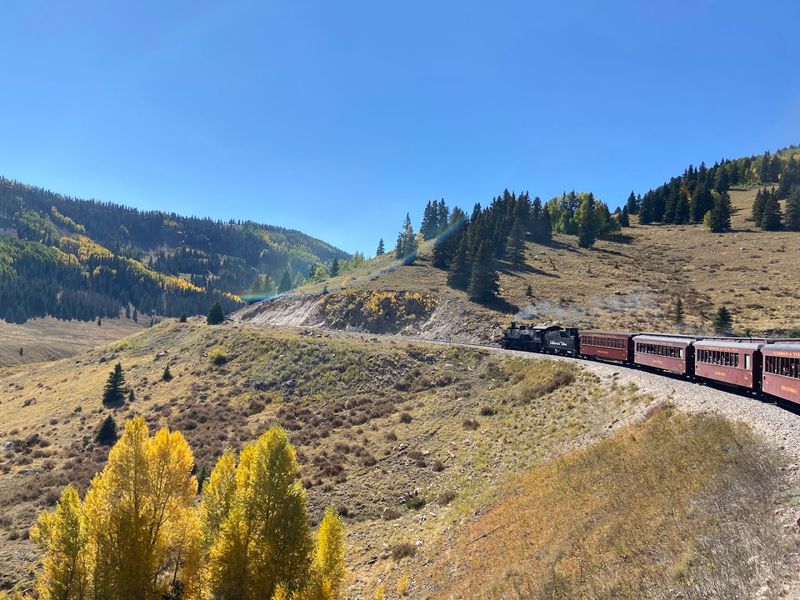
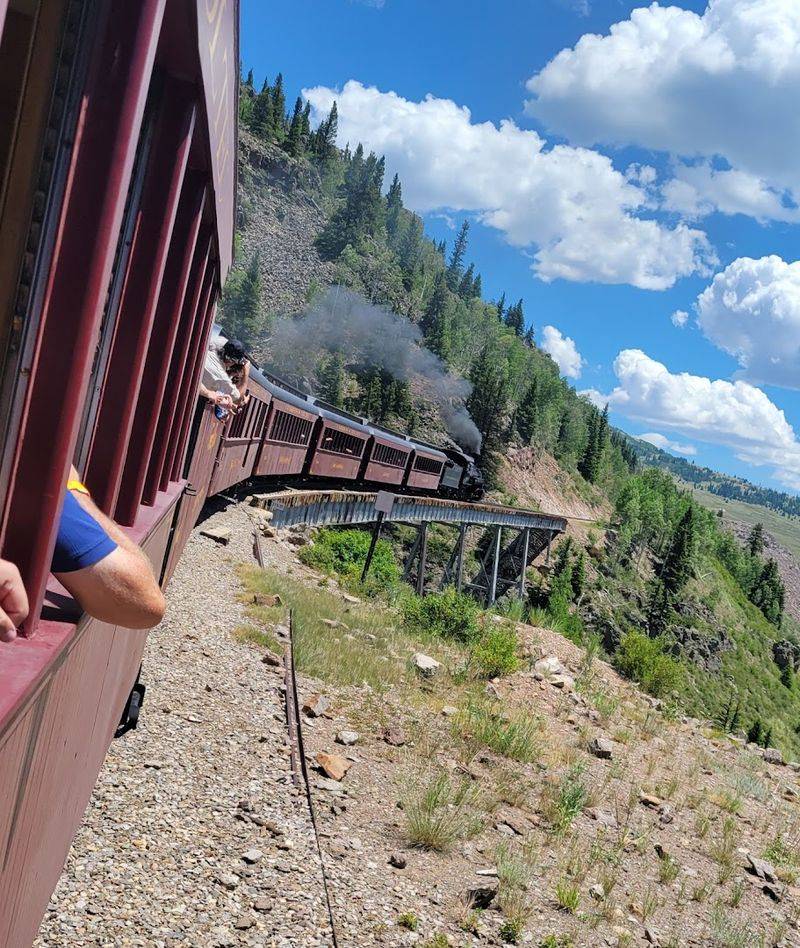
Someone once described this route as the kind of landscape that makes you realize your phone’s camera is not actually good enough. Starting from Antonito, the train rolls through the southern Colorado high plains before climbing into the mountains, passing through two tunnels and crossing a series of trestles that make the whole thing feel slightly cinematic.
The route to Osier is widely considered the more scenic of the two departure options, and visitors who have done both tend to recommend starting from Antonito if maximum scenery is the goal. The terrain shifts in ways that keep your attention locked out the window for the entire journey.
October riders get the added bonus of autumn color, with aspen groves turning gold along the ridgelines in a display that visitors consistently describe as bucket-list-worthy. But the route earns its reputation in every season, not just fall.
Why it matters: The Antonito-to-Osier direction is specifically noted by experienced riders as delivering a richer visual sequence than the reverse, making your starting point a meaningful planning decision rather than a coin flip.
Car Classes And What Each One Actually Delivers
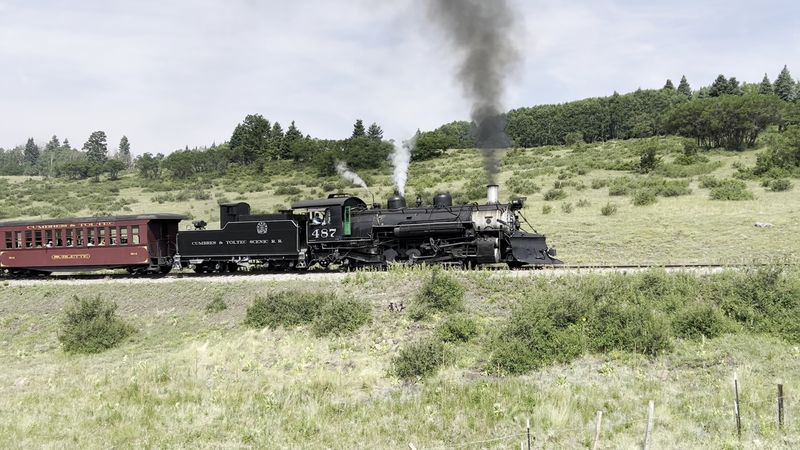
Choosing your car class on the cumbres and toltec is less like picking a seat and more like choosing what kind of day you want to have. Coach is the entry point, and it is perfectly fine for riders who plan to spend most of their time standing in the open-air car anyway.
The seats are reasonably comfortable and the experience is fully intact at this level.
Step up to the deluxe car and the dynamic shifts noticeably. You get a dedicated attendant, a table with room for activities or a napping toddler, a private bathroom, and unlimited refreshments.
Families traveling with small children have found this configuration especially practical, and the extra space makes a long journey feel genuinely manageable rather than just endured.
The premium and parlor car levels add private windows that lower for fresh air, personal guides who share history and answer questions throughout the ride, and an atmosphere that feels closer to a rolling living room than a train car. Best for: couples without young children are frequently pointed toward the parlor car experience, while families tend to get the most practical value from the deluxe option.
Lunch At Osier: A Buffet In The Middle Of Nowhere (In The Best Possible Way)
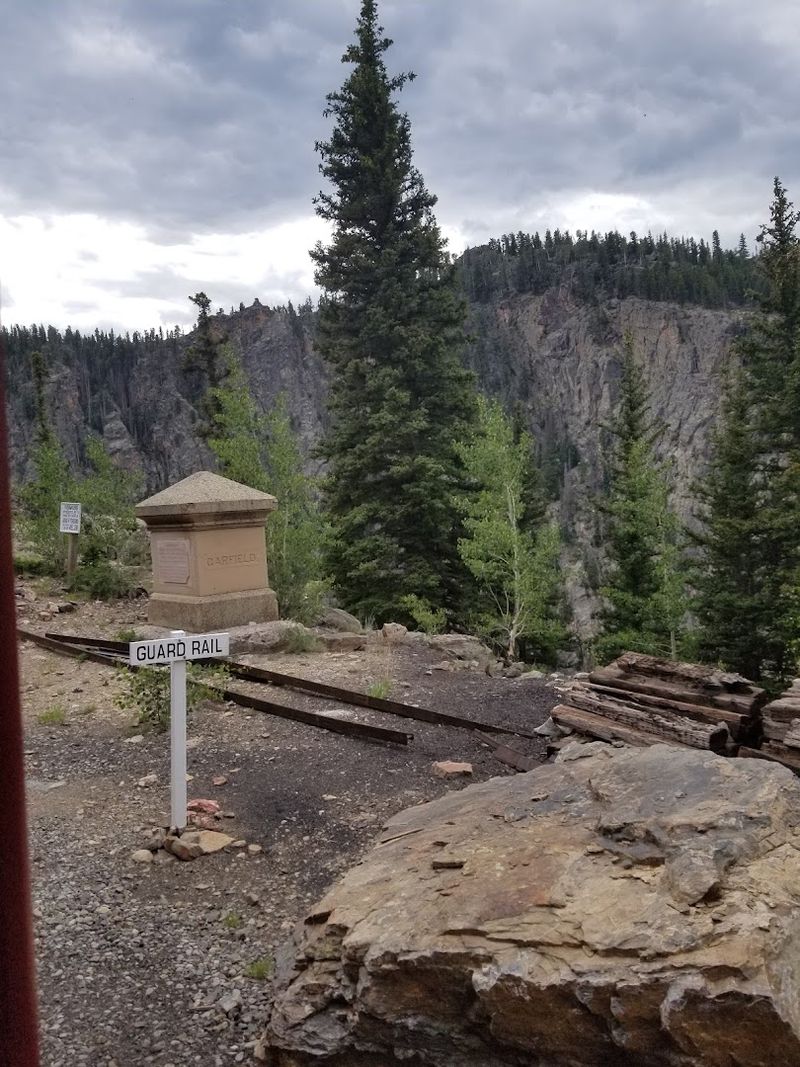
Halfway through the journey, the train stops at Osier, a remote mountain station that exists almost entirely to serve lunch and deliver one of the more unexpectedly satisfying mid-trip meals you will find anywhere in Colorado. The buffet is all-you-can-eat, and visitors have described it as everything from a college cafeteria with a view to an outright feast depending on the season’s menu.
Past menus have included turkey dinners with all the trimmings, barbeque options, salad bars assembled by staff, and desserts that have earned their own dedicated praise in visitor accounts. Rhubarb cobbler and buttermilk lemon pie have both been mentioned by name with noticeable enthusiasm.
The setting itself earns points independently of the food. Eating lunch in a dining hall surrounded by mountain wilderness, having just arrived by steam train, is the kind of experience that resets your expectations for what a meal can feel like.
Insider tip: come hungry. The all-you-can-eat format rewards appetite, and the return leg of the journey is long enough to work it off comfortably.
Picky eaters in your group will find enough variety to land on something satisfying.
The Open-Air Car: Where Everyone Becomes A Professional Photographer
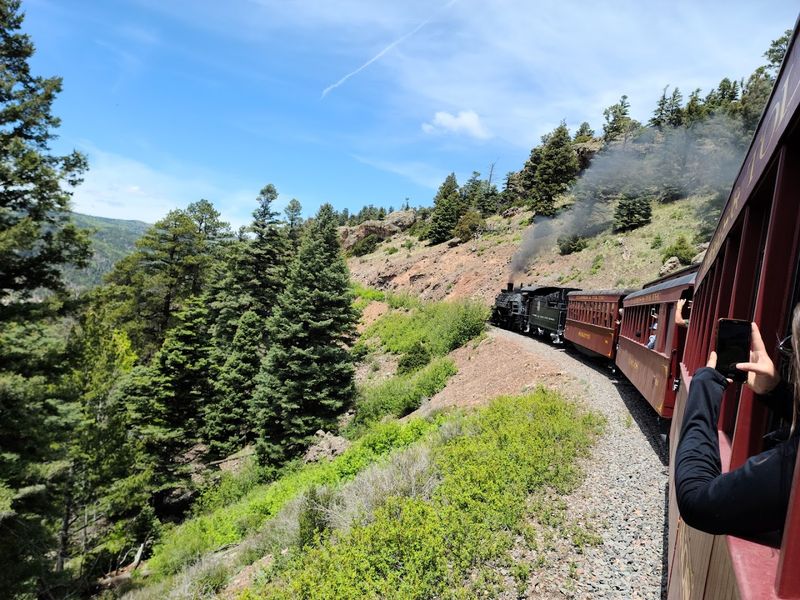
There is a moment in every open-air car ride where you stop trying to hold a conversation and just stand there with your mouth slightly open. Cumbres and Toltec Scenic Railroad open-air car delivers that moment reliably.
Unobstructed views in every direction, wind that carries a faint hint of coal smoke, and scenery that shifts from high-desert plains to mountain ridgelines within the same hour.
Photographers, amateur and otherwise, tend to gravitate here and stay. The car works for both still shots and video, and the constantly changing terrain means you will not run out of material before the train reaches Osier.
Each trestle crossing and tunnel approach offers a genuinely different visual opportunity.
A quick practical note: going through a tunnel in the open-air car is an experience that gets mentioned repeatedly by visitors as one of the ride’s standout moments. The combination of darkness, sound, and the sudden return to daylight is the kind of thing that makes the whole outing feel more like an adventure than a scheduled excursion.
Quick tip: bring a light jacket even in summer. Elevation and speed create a chill that the mountain air amplifies quickly once you are moving.
Staff And Service: The Kind Of Hospitality That Actually Registers
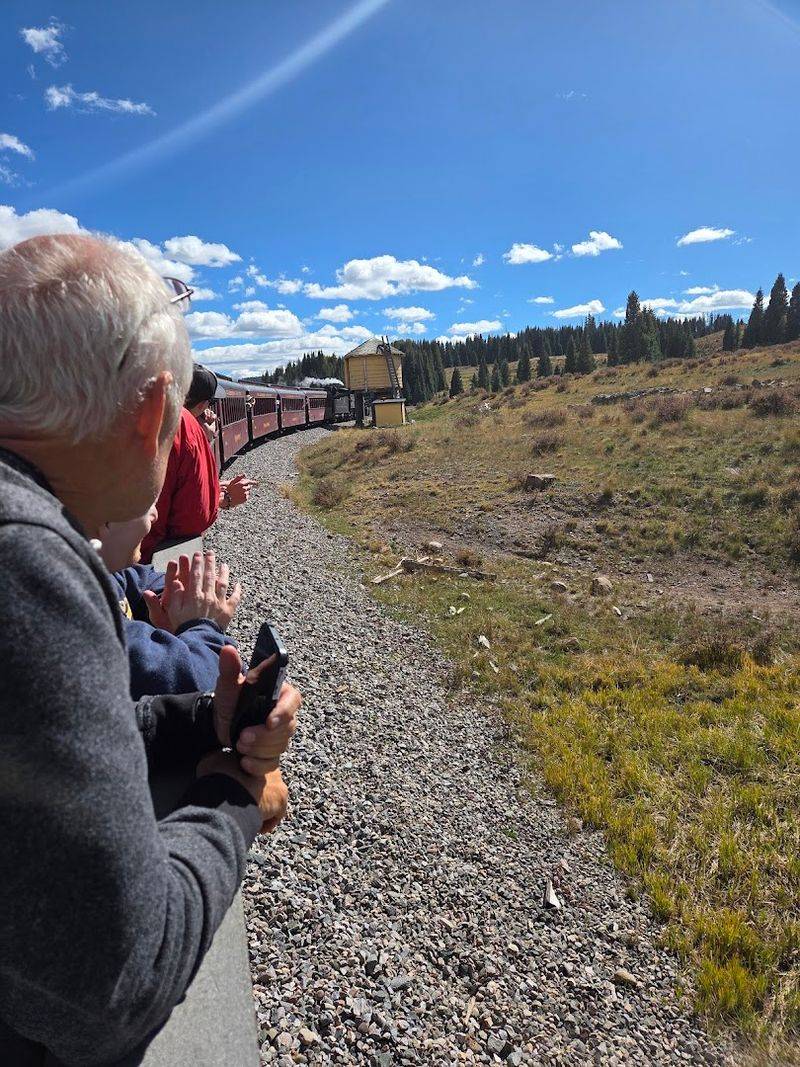
Some attractions coast on their scenery and let the surroundings do all the work. What separates the Cumbres and Toltec Scenic Railroad from a simple landscape tour is the staff, which visitors describe with a consistency that borders on suspicious until you experience it yourself.
Attendants, guides, and crew members are cited by name in visitor accounts with the kind of specificity that only happens when someone genuinely impressed you.
Dedicated guides in the upper-tier cars share history about the railroad and the surrounding landscape throughout the journey, answering questions and pointing out features that would otherwise pass unnoticed. The knowledge is genuine and the delivery is conversational rather than rehearsed, which makes a meaningful difference over the course of a full day.
Even visitors who encountered unexpected circumstances, such as a mechanical delay that required the train to turn back early, reported that the staff handled the situation with grace and kept the experience positive. That is the kind of service reputation that takes years to build.
Planning advice: if you are booking a higher-tier car, the personal guide experience is a significant part of the value. Ask about guide availability when you call (888) 286-2737 or visit cumbrestoltec.com before finalizing your booking.
Seasonal Riding: When To Go And What Changes
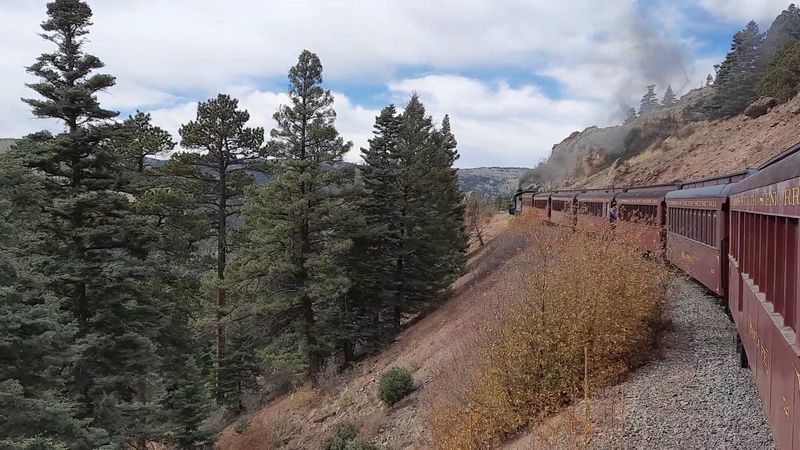
October gets the most enthusiastic endorsements from visitors, and the reason is straightforward: the aspen groves along the route turn gold in a display that the train’s elevation and path are uniquely positioned to showcase. Riders who timed their trip to peak foliage have described it as the kind of visual payoff that makes the planning feel worth every minute.
That said, the railroad’s appeal is not strictly seasonal. The route through the mountains and high plains holds its own in summer and spring, when the landscape offers different color palettes and the crowds thin out compared to peak fall weekends.
Winter operations vary, so checking the website before planning an off-season trip is a practical step.
Couples looking for a quieter, more contemplative experience may actually prefer a shoulder-season visit when the train is less crowded and the mountain air carries that particular stillness that only comes from being somewhere genuinely remote. Best strategy: If peak foliage is your goal, book early.
October dates fill up faster than any other period, and the train’s capacity is limited by car class. Weekday departures in peak season tend to offer a slightly less crowded experience than Saturday rides.
Taking The Bus: The Logistics Piece Most People Forget To Plan
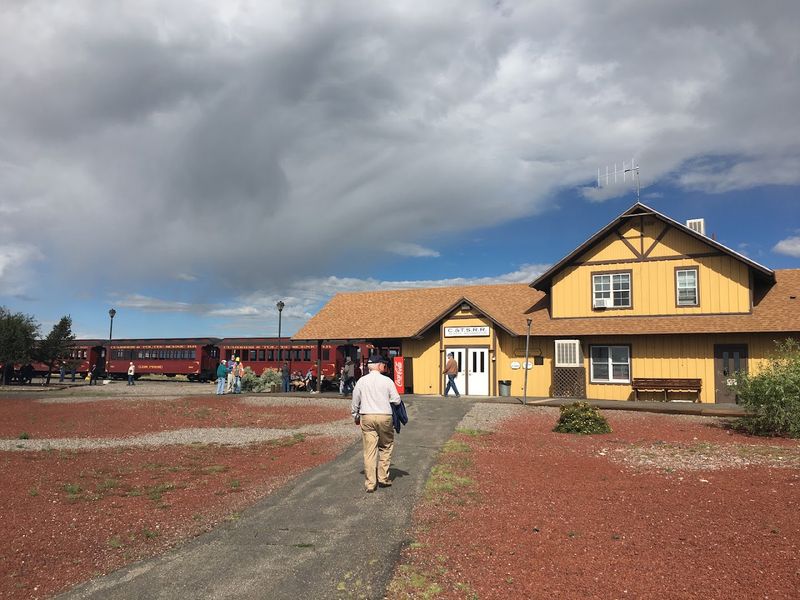
Cumbres and Toltec Scenic Railroad route runs between Antonito, Colorado and Chama, New Mexico, which means your journey ends at a different point than where it started. That is part of the experience’s charm and also the logistical detail that catches first-time visitors off guard if they have not read the fine print carefully.
A bus shuttle is available to return riders to their original departure point, and the general consensus from visitors is that you should take the bus before you take the train rather than after. The reasoning is simple: after a full day of mountain scenery and a satisfying lunch, sitting in a car for an hour feels like a reasonable trade.
Sitting on a bus for an hour after the train feels like the wrong order of operations.
One experienced rider put it plainly: if you are not riding a train, you just want to get in your car and go. That is fair and useful advice.
Planning advice: check the current shuttle schedule and logistics on the official website at cumbrestoltec.com before your visit. The bus option and its timing can affect how you structure the rest of your day in the Antonito area.
Families, Couples, And Solo Riders: Who This Ride Is Formed For
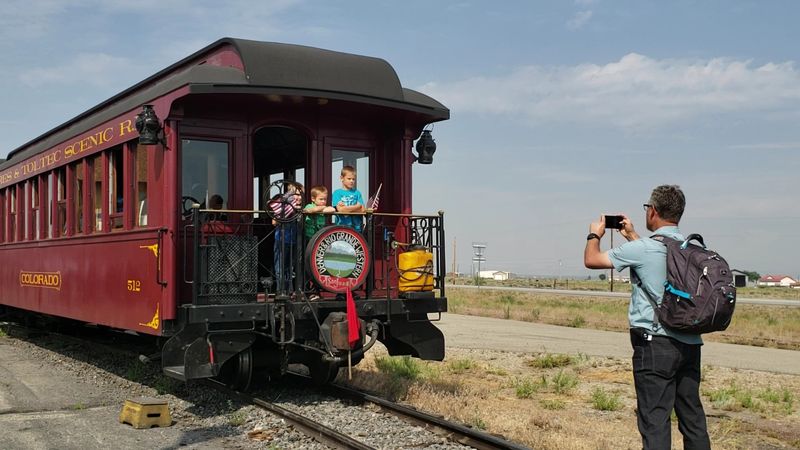
This is one of those rare outings that genuinely works across different group configurations without requiring anyone to compromise significantly. Families traveling with toddlers have made it work in the deluxe car, where table space and a private bathroom convert a long ride into something manageable.
One visitor noted that their toddler napped on the floor mid-journey, which is the kind of adaptability that family travel requires. Couples without children are consistently pointed toward the parlor car, where lowering windows, personal guides, and a more refined atmosphere make the experience feel like a proper occasion rather than just a day trip.
The scenery does the heavy lifting, but the car environment amplifies it considerably. Solo riders and small groups of friends report equal satisfaction, particularly those who identify as train enthusiasts or outdoor photography fans.
The open-air car functions as a social equalizer where strangers tend to bond over the same view at the same moment. Who this IS for: Anyone who values an unhurried, full-day experience with genuine historical character.
Who this is not for: travelers looking for a quick, under-two-hour activity. This is a committed day out, and it rewards that commitment fully.
The History You Ride Through, Not Just Look At
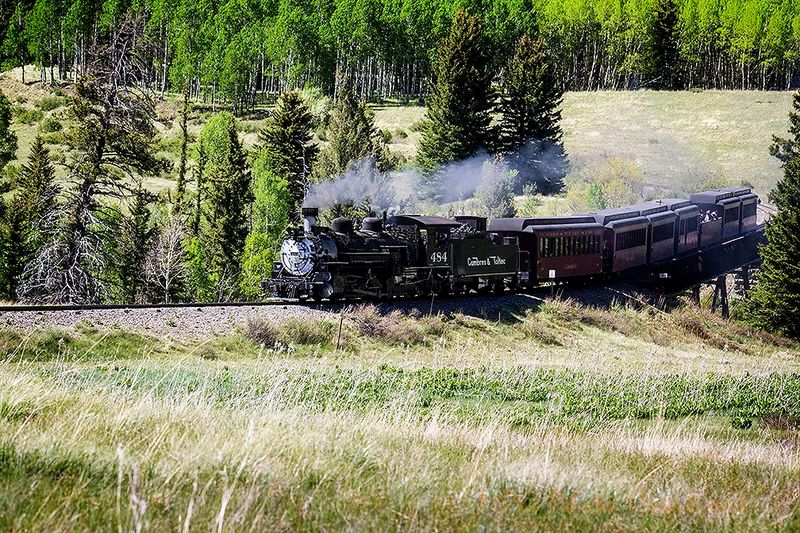
Cumbres and Toltec Scenic Railroad is not a replica or a recreation. It is an operating narrow-gauge steam railroad that has been running through this stretch of the Southern Rockies for well over a century, and the landscape it travels through has changed remarkably little in that time.
That continuity is part of what makes the experience feel so disarmingly genuine.
Dedicated guides share history about the railroad and the surrounding territory throughout the journey, and the information tends to land differently when you are physically inside the landscape being described. Learning about the engineering challenges of mountain railroading while crossing an actual mountain trestle at elevation is a more effective history lesson than any classroom version.
Two tunnels on the route add to the historical texture of the journey, each one a reminder of the labor and ingenuity that went into building this line. Fun fact: the railroad operates as a heritage railway jointly owned by the states of Colorado and new Mexico, making it one of the few tourist attractions in the country that is literally co-owned by two state governments.
That institutional backing is part of why the experience maintains such consistent quality year after year.
Making A Weekend Of It: Antonito As A Base
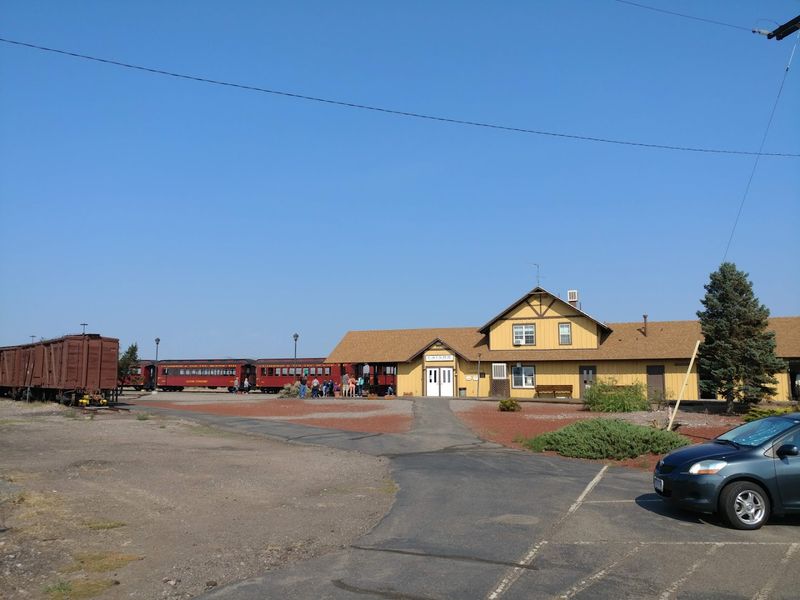
Antonito is a small Southern Colorado town with the kind of unhurried pace that makes it easy to arrive the night before your train without feeling like you wasted an evening. Some visitors have stayed at local bed and breakfast properties within walking distance of the station, which eliminates the morning logistics problem entirely and lets you start the day without the usual scramble.
The town itself is compact, and a short stroll along the main street gives you a clear sense of the local character before you board. There is nothing performative about Antonito’s small-town feel; it is simply a working Colorado community that happens to be the eastern departure point for one of the most celebrated heritage railroads in the country.
Parking near the station is straightforward, and the overall arrival experience is low-stress by design. Insider tip: If you are driving from outside the region, building in an overnight stay in Antonito rather than attempting an early-morning drive from a distant city will noticeably improve your experience.
The train is a full-day commitment, and arriving rested makes a genuine difference in how much you absorb and enjoy along the way.
Final Verdict: Why This Ride Still Earns Its Reputation
A 4.8-star rating across 747 visitor accounts is not an accident, and the Cumbres and Toltec Scenic Railroad has earned that number through consistent delivery rather than clever marketing. The combination of genuine historical infrastructure, dramatic landscape, attentive staff, and a full-day format that rewards patience is unusual enough to stand apart from most Colorado attractions.
Wise visitors who kept their expectations deliberately low before arriving have reported being genuinely surprised by how much the experience exceeded what they anticipated. That is perhaps the most reliable endorsement a place can receive: the one that comes from people who were actively trying not to be impressed.
If you are within driving distance of Antonito and have a free day, the decision is not complicated. This is the kind of outing that becomes a reference point for future trips, the thing you mention when someone asks what the best thing you did in Colorado was.
Key takeaways: book early for October. Choose your car class thoughtfully.
Take the bus before the train. Arrive hungry for lunch.
And give yourself the full day, because the Cumbres and Toltec Scenic Railroad does not reward rushing. It rewards showing up and letting the ride do its job.