
Step Inside This Lancaster, Pennsylvania Museum For Charles Demuth Masterpieces And A 1770 Tobacco Shop
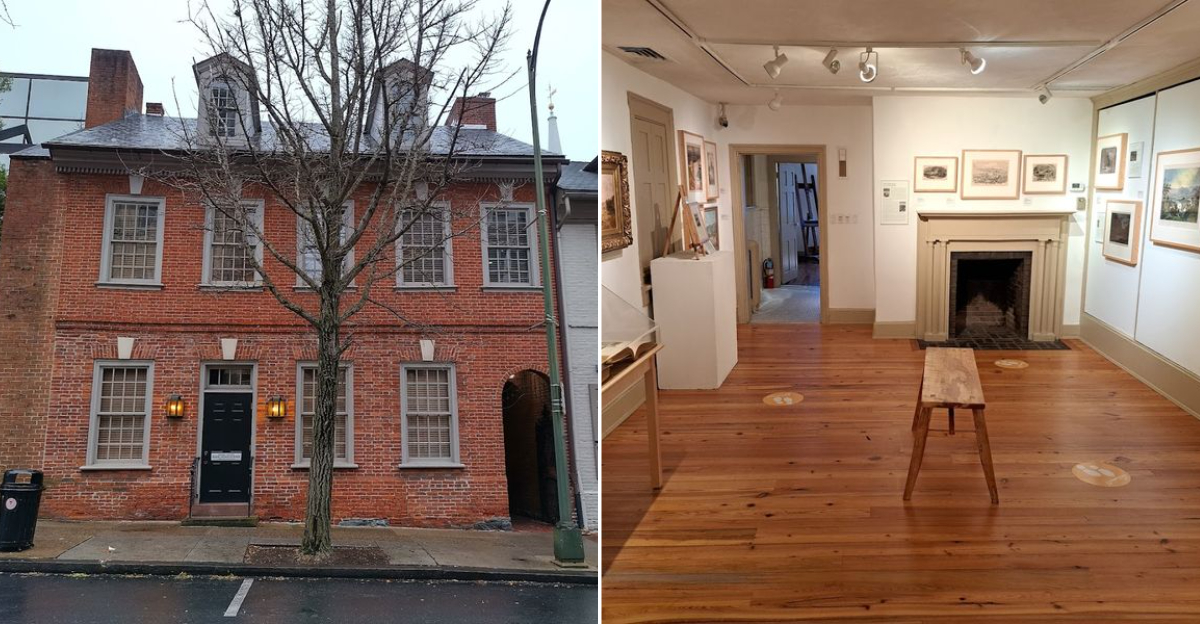
Art museums hit differently when the building has its own story to tell.
In Lancaster, Pennsylvania, this one blends bold paintings, local history, and an old tobacco-shop past into a visit that feels compact but full of surprises.
It is the kind of stop where a quiet room can suddenly feel electric, especially when the work on the walls carries that much personality. Nothing about it needs to feel overwhelming.
You can step inside for a simple afternoon break and leave with a better sense of the city, the artist, and the creative spark that still lingers there.
It is smart, memorable, and just unusual enough to make the visit feel like more than a quick culture stop.
A place like this is how my “just taking a look” plan turns into reading every detail and forgetting what time it is.
Charles Demuth: The Modernist Who Never Left Home
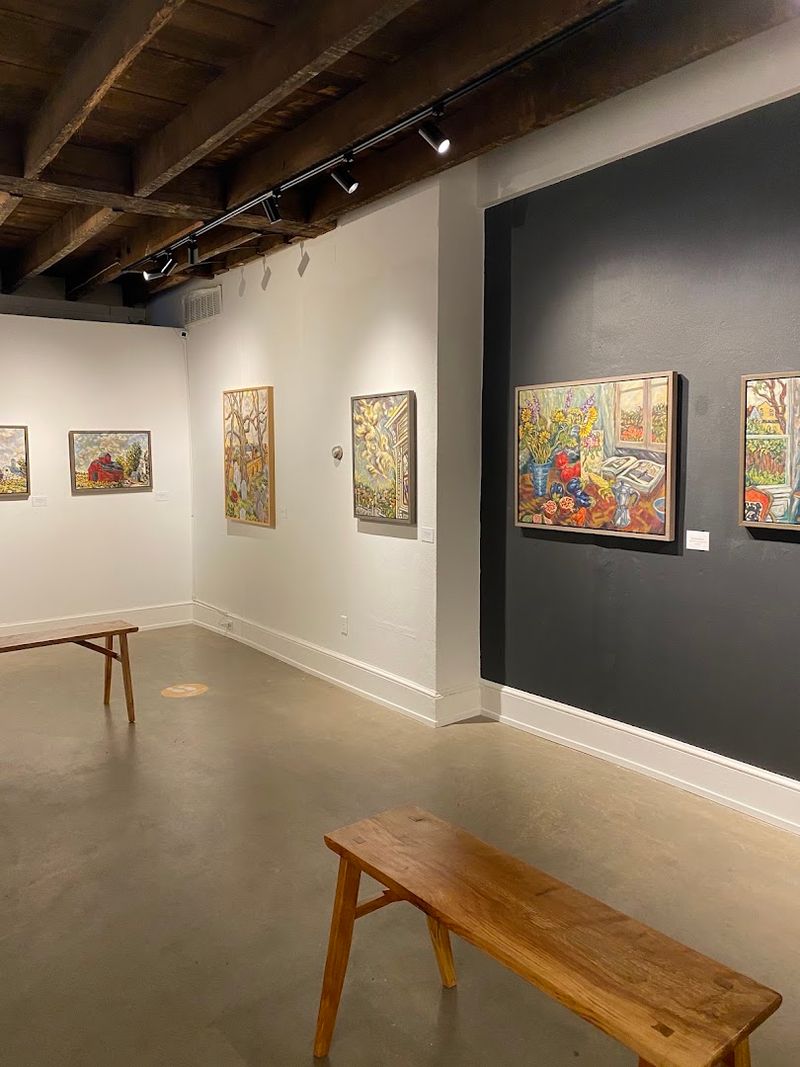
Most artists chase fame in big cities, but Charles Demuth spent much of his life rooted in Lancaster, Pennsylvania, and still became a giant of American modernism.
Born in 1883, he grew up in the very house that now serves as the Demuth Museum of Art on King, and that connection between artist and home is something you can genuinely feel when you walk through each room.
Demuth studied art in Philadelphia and Paris, soaking up European influences before bringing them back to Pennsylvania.
His style shifted between precise Precisionism, bold watercolors, and theatrical illustrations, showing a range that few artists of his era could match.
He captured Lancaster’s streets, flowers, and buildings with a sharp, poetic eye.
Seeing his work displayed in the actual spaces where he lived makes the experience feel personal in a way that a traditional gallery simply cannot replicate.
The Historic Home Turned Museum On East King Street
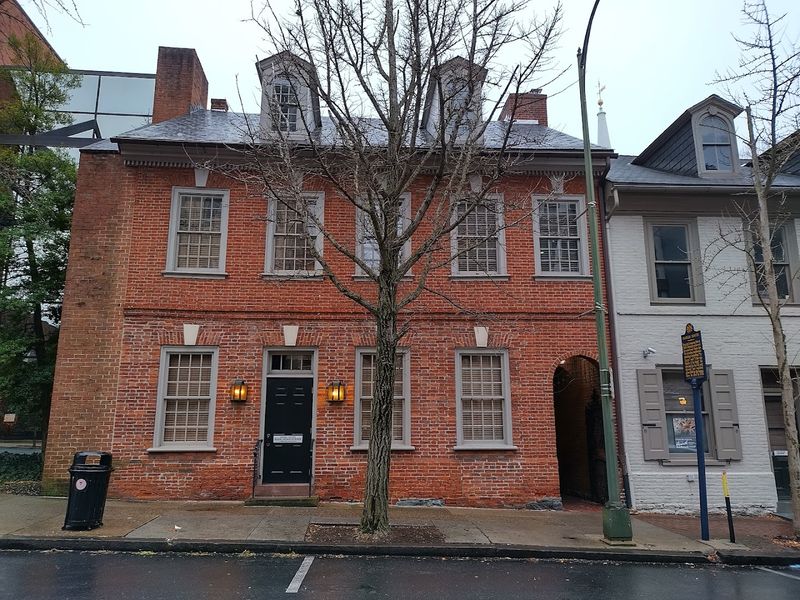
Walking up to 120 East King Street, Lancaster, PA 17602, you immediately notice that this is not your average museum building.
The structure is a historic 18th-century home that has been thoughtfully preserved, giving it a warm, lived-in character that grand museum halls rarely achieve.
The Demuth Museum of Art on King sits right in the heart of Lancaster city, making it easy to reach on foot from nearby shops, restaurants, and other cultural spots.
Pennsylvania has no shortage of historic buildings, but few have been converted into art spaces with this much care and personality.
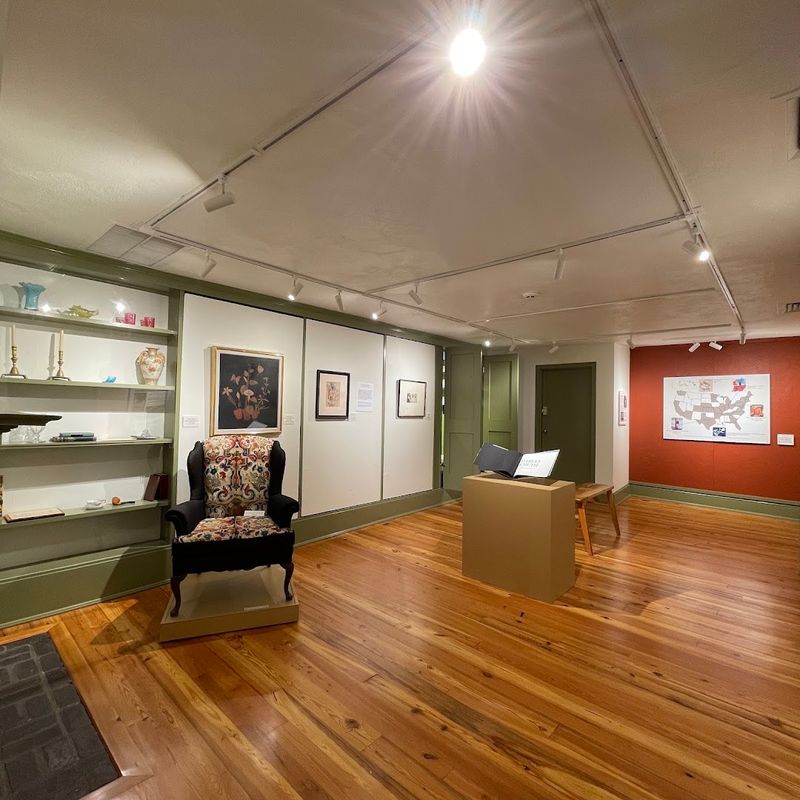
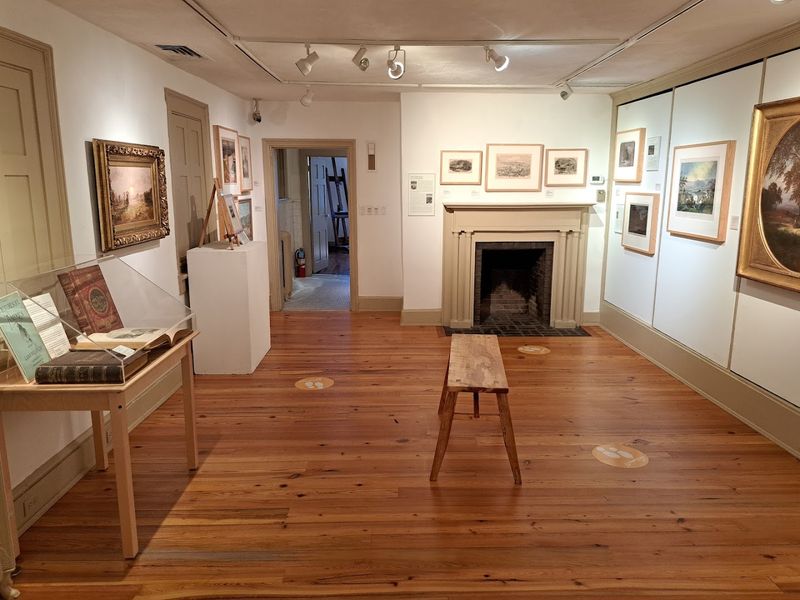
Inside, the rooms are compact but filled with meaning. Original architectural features blend naturally with rotating art displays, and the overall atmosphere feels more like a home visit than a formal gallery outing.
That intimate quality is exactly what makes this address so memorable for first-time and returning visitors alike.
The 1770 Tobacco Shop: A Time Capsule You Can Actually Enter
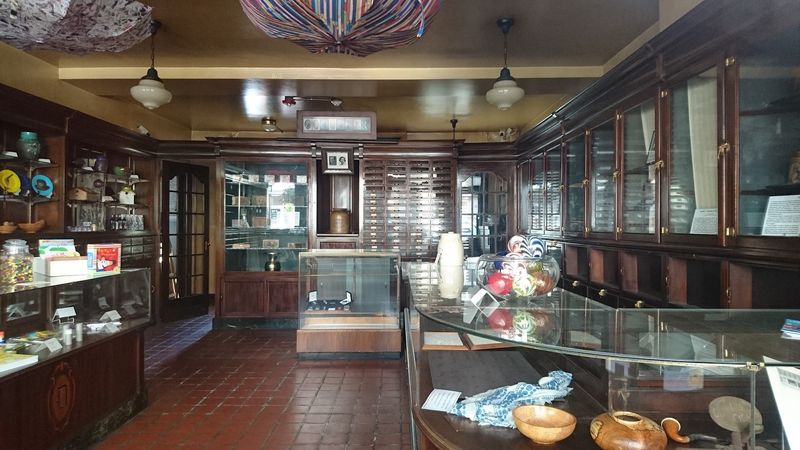
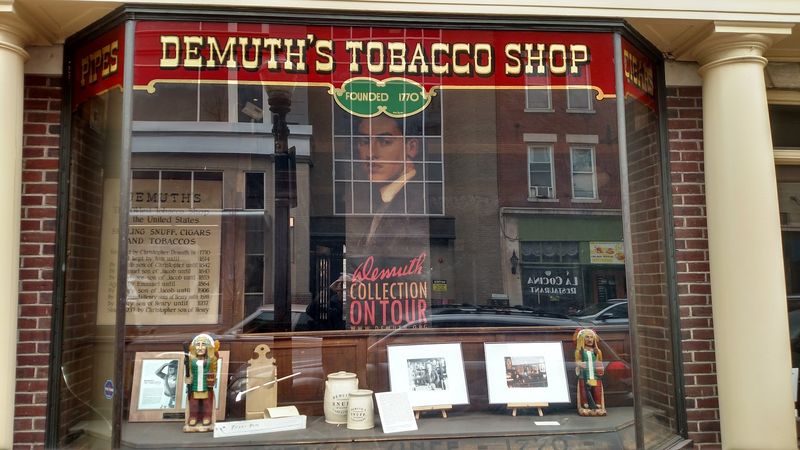
One of the most talked-about features tied to the Demuth Museum is the nearby tobacco shop, which dates back to 1770.
The Demuth family ran this shop for generations, and it continued under the Demuth’s Tobacco name until 2010, making it an important piece of Lancaster history.
Stepping into the preserved shop setting is genuinely like stepping into another century.
Dark wooden cabinets line the walls, antique drawers hold their quiet secrets, and the historic atmosphere still fills the space in a way that no exhibit label could ever fully describe.
For history lovers, this space alone is worth the trip to Lancaster. It bridges the gap between Charles Demuth the artist and the Demuth family as a whole, reminding visitors that the story here goes far deeper than paintings on walls.
It is a preserved piece of Pennsylvania’s commercial and cultural heritage, interpreted with remarkable authenticity.
Precisionism: The Art Movement Demuth Helped Define
Precisionism might sound like a school subject you would rather skip, but once you see it on a canvas, it is impossible to forget.
Charles Demuth was one of the key figures in this uniquely American art movement, which celebrated industrial and architectural subjects through clean lines, geometric shapes, and bold compositions.
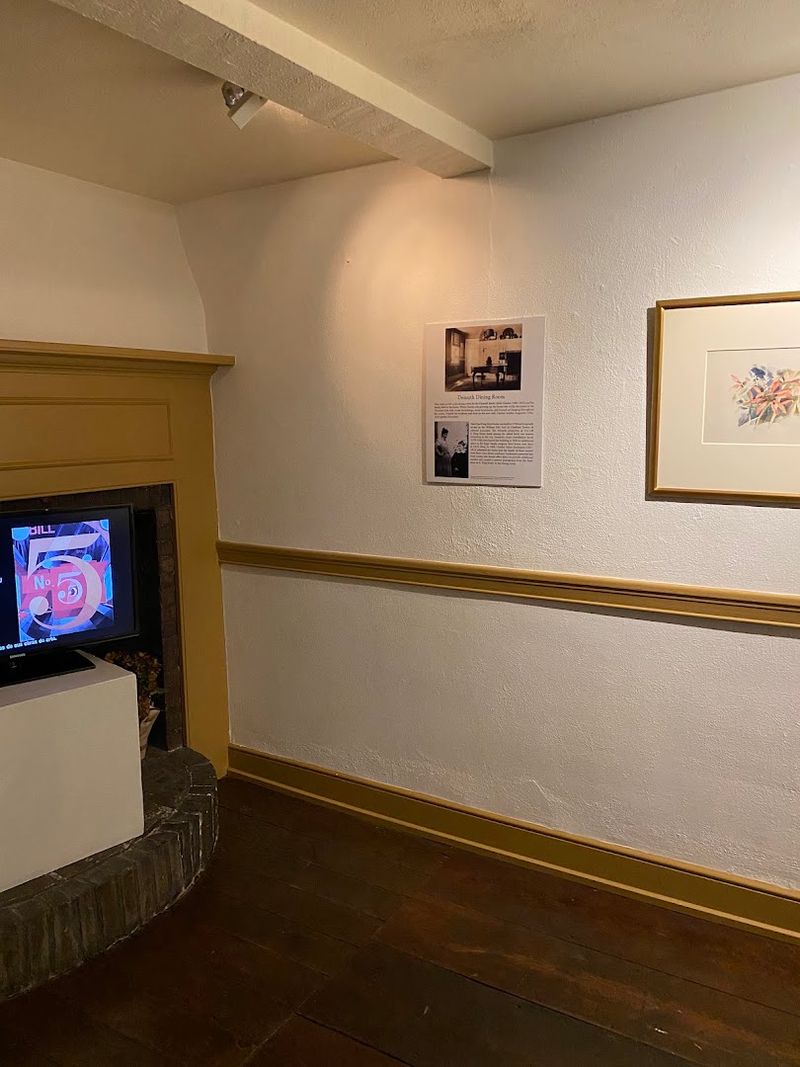
His most famous Precisionist work, “I Saw the Figure 5 in Gold,” is one of the most recognizable paintings in American art history.
While that particular piece lives in the Metropolitan Museum of Art in New York, the Demuth Museum in Lancaster, Pennsylvania, gives visitors essential context for understanding how and why Demuth developed this striking visual language.
Displays at the museum walk you through the evolution of his style, connecting his Lancaster surroundings to the broader story of American modernism.
Seeing that connection laid out so clearly makes the paintings feel alive in a fresh and exciting way.
The Restored Garden: Where Demuth Found His Inspiration
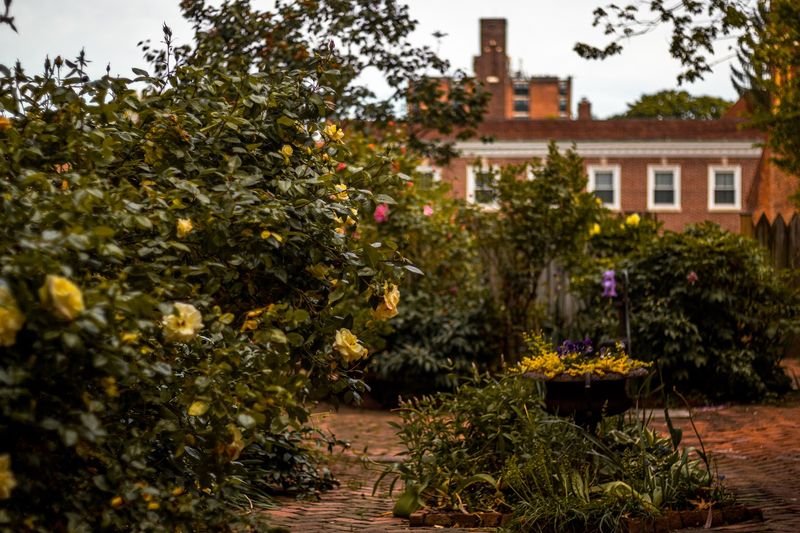
Art does not always start at a canvas. For Charles Demuth, the garden surrounding his Lancaster home was a constant source of creative fuel, and the Demuth Museum of Art on King has gone to great lengths to restore it to something close to what it looked like during his lifetime.
The courtyard garden is planted with species that would have been familiar to Demuth himself, giving the space a historically grounded feel rather than a generic prettiness.
It is a quiet spot that invites you to slow down and imagine the artist sitting nearby, sketching the flowers and light that appear so frequently in his watercolor work.
Families with young children especially appreciate this outdoor area, as it gives little ones room to breathe and explore while adults absorb the surroundings.
Pennsylvania has beautiful landscapes in every direction, but this small, curated garden carries an intimacy that wide-open spaces simply cannot offer.
Guided Interpretation That Brings Demuth’s Story To Life
Not everyone walks into a museum already knowing the full backstory of the artist on display.
The Demuth Museum of Art on King solves that problem with guided tours, interpretive exhibitions, and programming that help visitors understand the rooms, the artwork, and the larger Demuth story.
Current programs cover the key chapters of Charles Demuth’s life, from his Lancaster, Pennsylvania, childhood to his artistic education abroad and his eventual return home.
They are approachable enough for visitors of all ages, including kids, and they do a solid job of making Demuth feel like a real, relatable person rather than a distant historical figure.
Exploring that context before moving through the rest of the museum is a smart move, because it gives every painting and artifact you encounter afterward a richer layer of meaning.
Think of it as the opening credits to a really good story, one that the rest of the museum then tells room by room.
Watercolors That Prove Quiet Subjects Can Be Breathtaking
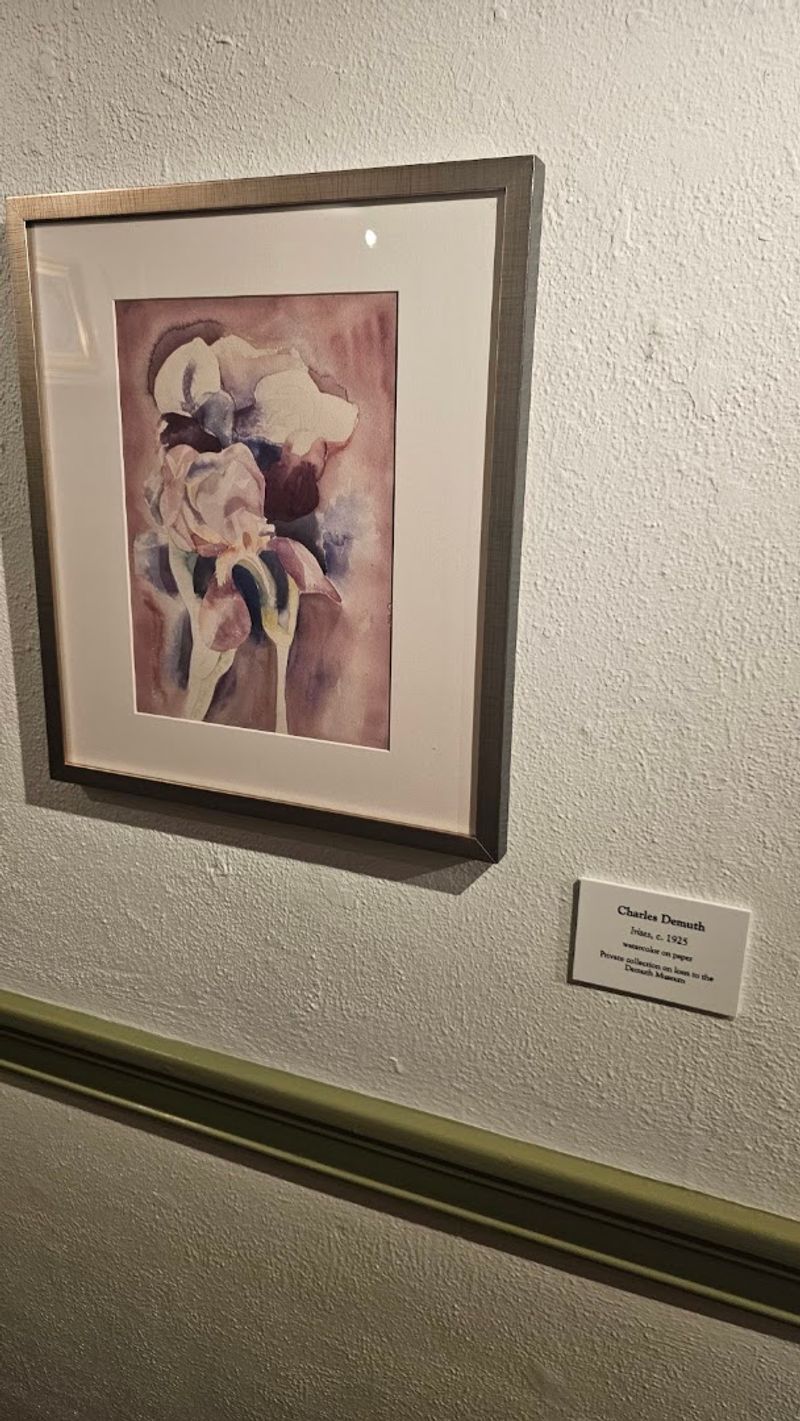
Before Demuth became known for his bold industrial Precisionist canvases, he was producing watercolors so delicate and alive that they practically hum.
His still-life studies of flowers, fruits, and everyday objects have a freshness that feels surprisingly modern, even more than a century after they were painted.
The Demuth Museum holds a selection of these works, and seeing them displayed in the actual home where they were created adds a layer of context that transforms a pretty painting into a personal document.
You start to notice which flowers likely came from the garden just outside, and which objects might have sat on a shelf in one of these very rooms.
Watercolor is often underestimated as a medium, considered somehow lighter or less serious than oil.
Demuth’s work pushes back hard against that idea, and the Lancaster, Pennsylvania, museum makes sure that point lands with quiet but unmistakable confidence.
Kid-Friendly Features That Make Family Visits Work
Art museums and small children do not always mix smoothly, but the Demuth Museum of Art on King has clearly thought about this challenge.
Current family programming includes interactive kids spaces designed to keep younger visitors engaged without disrupting the museum’s calm atmosphere.
There are also summer storytimes and sketchbook activities for kids, which turn a self-guided tour into a more interactive adventure.
It is the kind of thoughtful touch that keeps a seven-year-old interested long enough for the adults in the group to actually absorb what they are looking at.
The garden courtyard provides additional outdoor space for children to enjoy, and the overall layout of the museum, spread across a real family home, feels naturally less intimidating than a large formal institution.
Pennsylvania has plenty of impressive museums, but finding one this welcoming to families with toddlers in tow is genuinely refreshing and worth pointing out.
Admission by Donation: An Accessible Approach To Art
Great art should not require a hefty entrance fee, and the Demuth Museum of Art on King seems to agree.
The museum operates on a donation-based admission model, with a suggested contribution of around ten dollars, but the amount is genuinely up to each visitor.
This approach makes the museum accessible to a wide range of people, from curious locals stopping in on a whim to budget-conscious travelers exploring Lancaster, Pennsylvania, without a big spending plan.
Some visitors have even secured free entry through local library pass programs, making the experience available to almost anyone who wants it.
The donation model also reflects the community-centered spirit of the museum itself. It is not trying to be an exclusive destination; it is trying to be a living part of Lancaster’s cultural life.
That philosophy shows in everything from the friendly staff at the front desk to the thoughtful displays throughout the home.
Rotating Exhibitions That Keep Every Visit Fresh
The Demuth Museum of Art on King is not a static shrine to one artist.
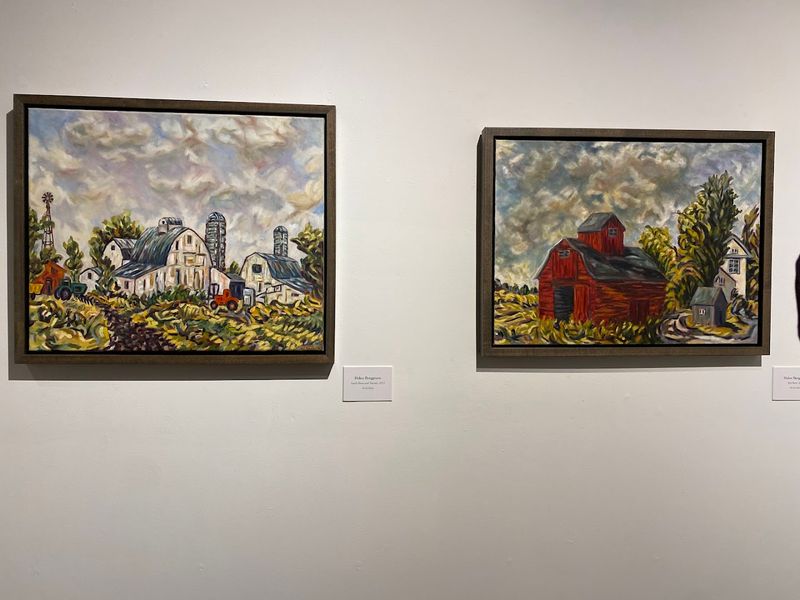
Alongside its permanent collection celebrating Charles Demuth, the museum regularly hosts rotating exhibitions that spotlight local and regional artists, keeping the experience dynamic for repeat visitors.
Past shows have included landscape paintings inspired by the Susquehanna River, contemporary works by Lancaster-area artists, and invitational exhibitions drawing from a broad pool of regional talent.
These rotating displays reflect Pennsylvania’s rich and ongoing artistic community rather than treating art history as something that stopped the moment Demuth put down his brush.
For anyone who has visited before and assumes there is nothing new to see, the changing exhibitions are a compelling reason to return.
The museum manages to honor its founding story while staying genuinely curious about what comes next, and that balance between past and present is one of its most appealing qualities. Art here is always moving forward.