
Step Into This Harrisburg, Pennsylvania Museum Where Union And Confederate Voices Tell The Story Of The Civil War
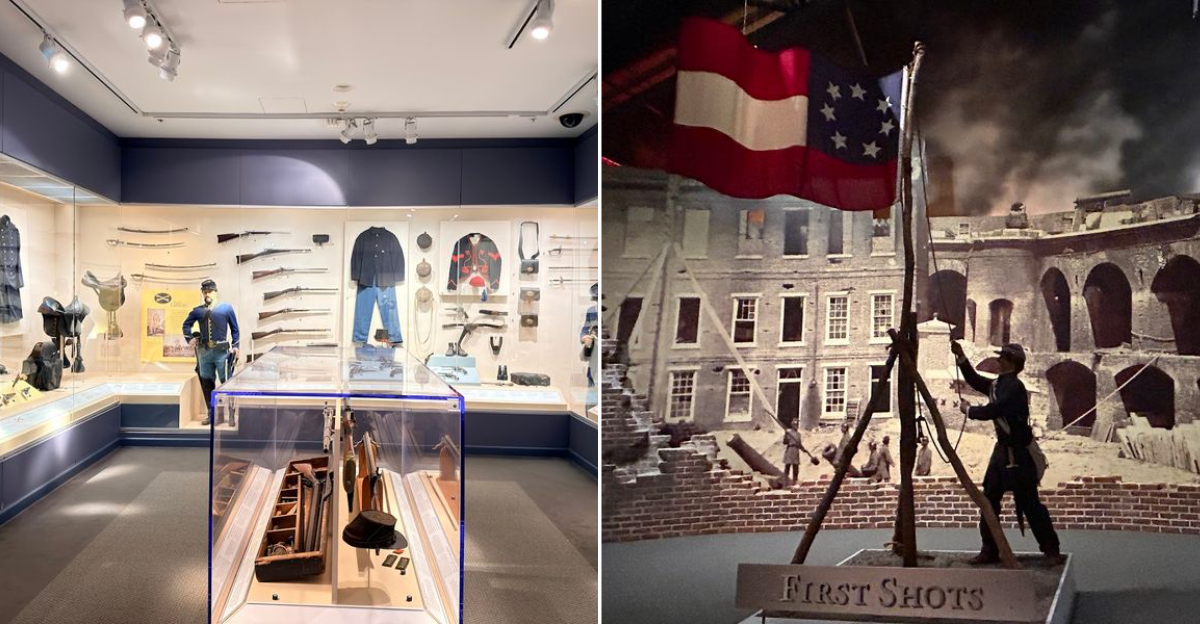
History feels more powerful when it refuses to sound one-sided.
In Harrisburg, Pennsylvania, this museum approaches the Civil War through voices from both sides, giving the past a weight that is hard to ignore. It is not the kind of stop where you simply glance at displays and move on.
The stories pull you in because they feel human, complicated, and much closer than a textbook ever made them seem.
That is what makes the experience so memorable. It turns a major chapter of American history into something you can sit with, question, and understand from more than one angle. A museum like this does not need noise to hold attention.
A visit would probably leave me quieter on the way out than I was walking in, still thinking about the people behind the history.
A Truly Balanced Perspective On Both Sides Of The War
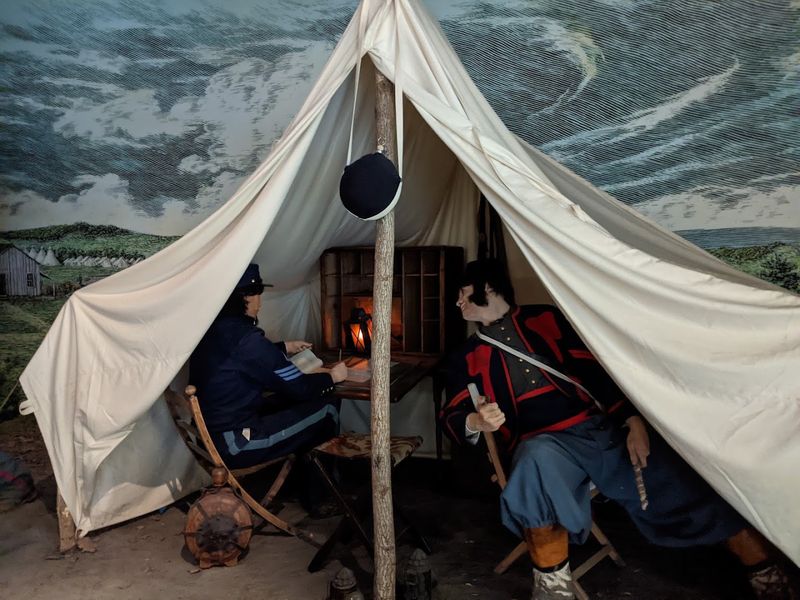
Most Civil War museums lean heavily toward one side of the conflict, but The National Civil War Museum takes a different approach.
Located at 1 Lincoln Circle in Harrisburg, Pennsylvania, this museum makes a deliberate effort to present both the Union and Confederate perspectives with equal care and detail.
Visitors move through exhibits that show how soldiers, families, and communities on both sides experienced the war. The storytelling feels fair and thorough, not one-sided or preachy.
This balanced approach is one of the main reasons the museum stands out from other Civil War sites across the country.
You walk away with a much fuller picture of why the war happened, how it unfolded, and what it meant for everyone involved.
For anyone who wants honest history without a political slant, this Pennsylvania museum delivers exactly that.
17 Galleries Packed With Artifacts And Stories
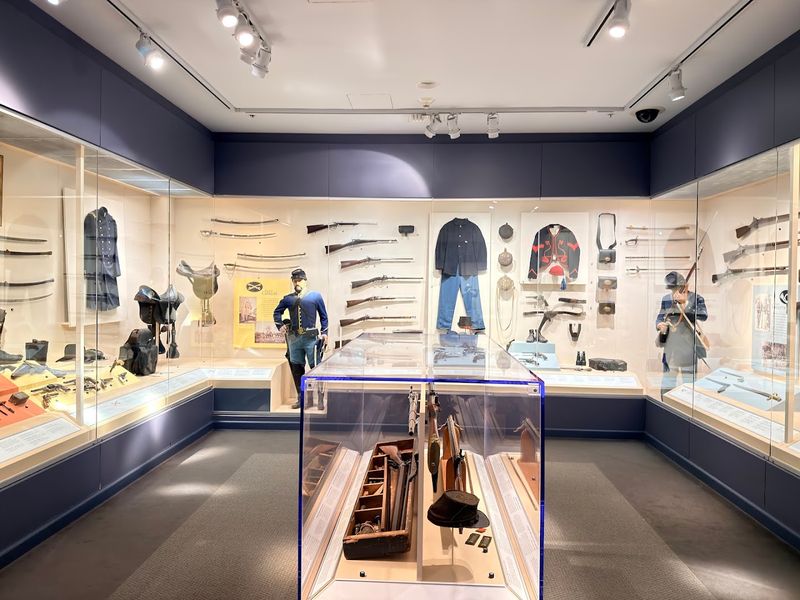
Seventeen galleries sounds like a lot, and honestly, it is.
The National Civil War Museum spreads its collection across two full floors, covering everything from the political tensions that sparked the war to the final campaigns that ended it.
Each gallery focuses on a different chapter of the conflict, so the experience feels organized and easy to follow. You are not just looking at random objects behind glass.
The displays are arranged to tell a story, and that narrative thread keeps you engaged as you move from room to room.
Plan your visit carefully because seeing everything takes serious time. Some visitors spend two and a half hours and still do not finish.
If you want to read every panel and watch every video, expect to be there for five or six hours. Pennsylvania history lovers will find it hard to leave early.
Smithsonian Affiliation Means Serious Credibility
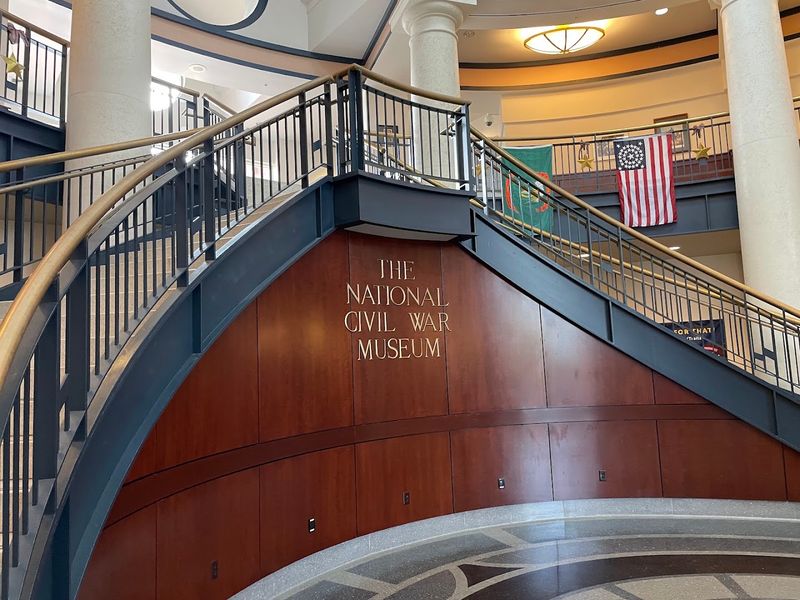
Not every museum earns recognition as part of the Smithsonian affiliate network, so this designation carries real weight.
The National Civil War Museum is listed by the Smithsonian as an affiliate, and that connection adds meaningful outside credibility to the visitor experience throughout the building and throughout its public programming.
Smithsonian affiliation can provide access to curatorial expertise, research, collections, resources, professional development, and national promotion that smaller independent museums may not have.
For visitors, this supports a more polished and trustworthy experience. The information presented is carefully researched, and the exhibits are built to educate rather than just impress for longtime learners.
Knowing the museum is part of a respected national affiliate network makes a real difference when you are trying to separate fact from myth about one of Pennsylvania’s most important historical periods and its aftermath today.
Life-Like Mannequins That Make History Feel Real
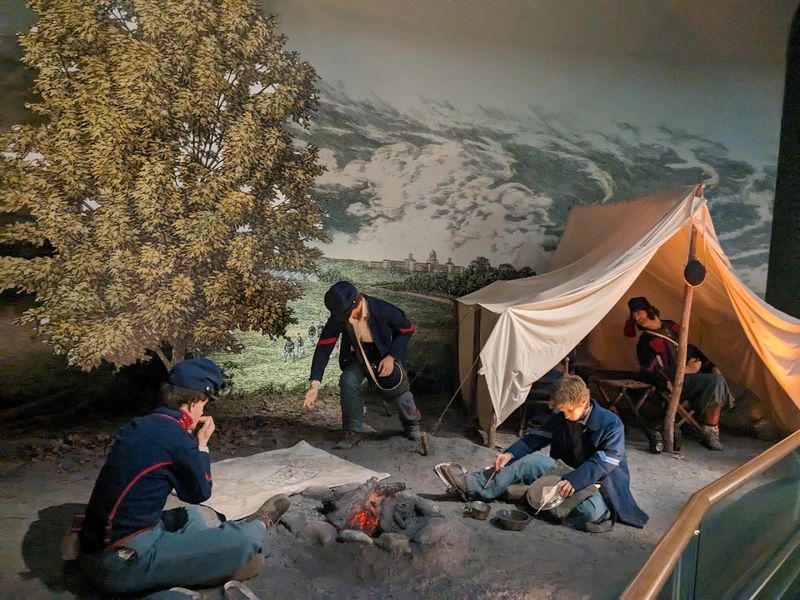
There is something quietly powerful about standing face to face with a figure that looks almost human.
The National Civil War Museum uses exceptionally detailed mannequins throughout its galleries, and they are not the stiff, dusty kind you might expect from an older institution.
These figures are dressed in period-accurate uniforms and gear, posed in scenes that reflect real moments from camp life, battle preparation, and everyday soldier experience.
The craftsmanship is detailed enough to stop you mid-step and make you look twice.
For younger visitors especially, seeing history represented in three dimensions makes the stories far more memorable than reading a paragraph on a wall.
Kids who might normally rush through a museum tend to slow down here.
The mannequins give the past a physical presence that photographs and documents alone just cannot replicate. It is one of the most effective storytelling tools the museum uses.
The Medal Of Honor Room Is A Must-See
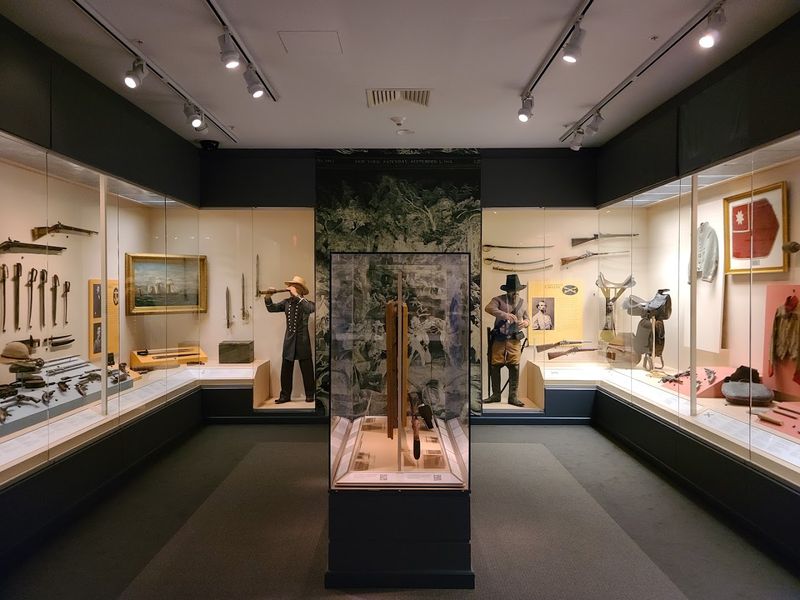
One section inside the museum tends to leave a lasting impression on many visitors who walk through it.
Medal of Honor stories appear within the broader Civil War narrative, highlighting people recognized for extraordinary acts of courage during the conflict, and the stories are genuinely gripping.
A particularly remarkable detail involves Dr. Mary Walker, the only woman ever awarded the Medal of Honor.
Her medal was revoked after the war and later restored, a story that captures just how complicated the era truly was.
The museum does not just name recipients. It provides context about what they did and why their actions mattered.
Standing near those stories, surrounded by that kind of courage, puts the scale of the conflict into sharp personal focus.
It is one of those corners of the museum that reminds you history is made by individuals, not just armies, alone today here.
Audio And Visual Presentations Bring The War To Life
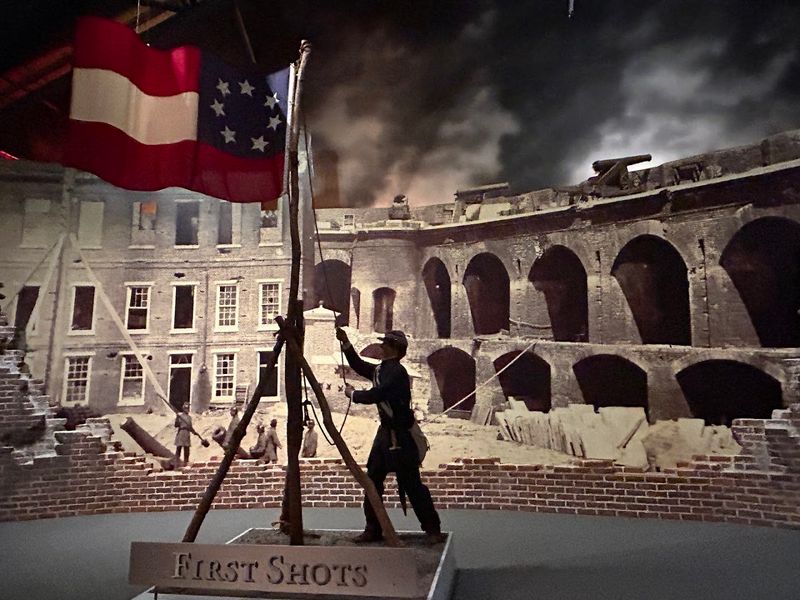
Reading wall panels is informative, but the audio and visual elements at The National Civil War Museum take the experience to a completely different level.
Video presentations are woven throughout the galleries, and they do a strong job of connecting the larger historical events to individual human stories.
Some of the video content follows fictional characters from different walks of life, showing how the war touched soldiers, enslaved people, women on the home front, and political figures.
These narratives have been part of the museum since it opened more than twenty years ago and still hold up well for first-time visitors.
The sound design and lighting in certain rooms are deliberately atmospheric, pulling you deeper into the mood of a particular moment in history.
For visitors who learn better through watching and listening than reading, these multimedia elements make the Pennsylvania museum especially accessible and engaging.
The Story Of Slavery And Emancipation Gets Full Attention
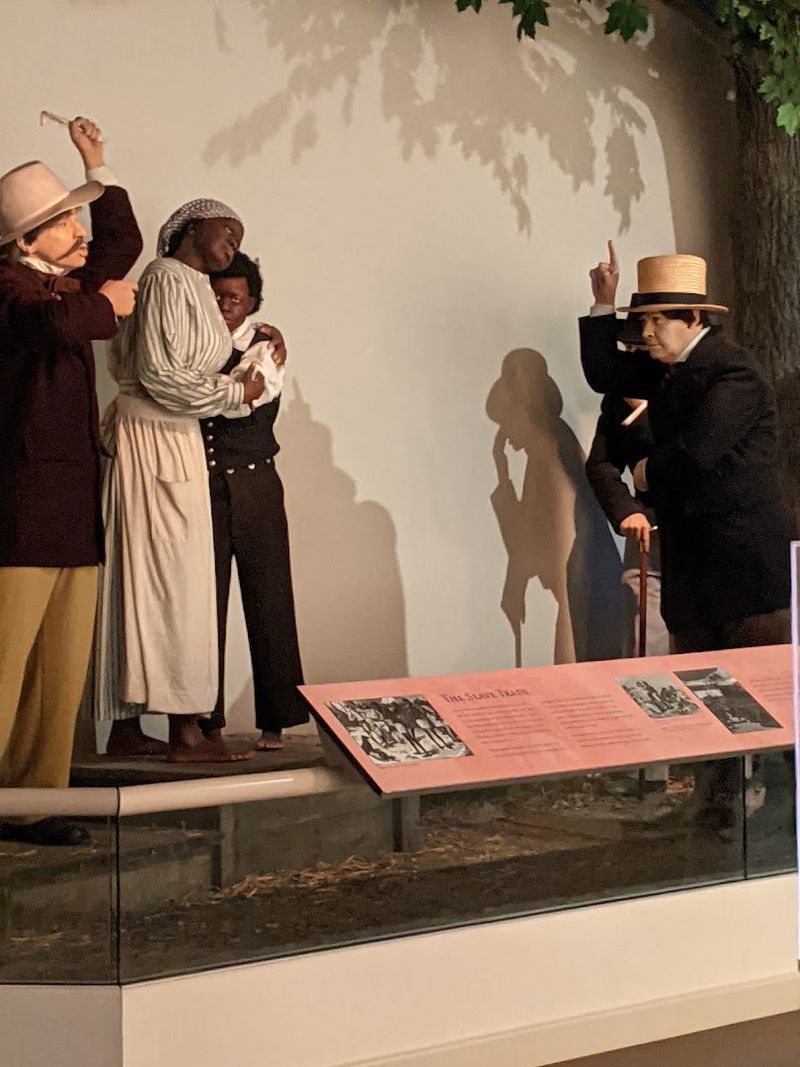
Many Civil War museums gloss over the role of slavery, but this one does not.
The National Civil War Museum dedicates significant exhibit space to the experiences of enslaved people, the path toward emancipation, and the contributions of United States Colored Troops during the conflict.
The coverage is honest and detailed. Visitors learn about the political and moral arguments that shaped the debate over slavery, as well as the deeply personal stories of people who lived through it.
The Black experience during this period is treated as central to the war’s meaning, not as a footnote. This level of inclusion makes the museum’s overall narrative much stronger and more complete.
Understanding why the war was fought requires understanding what was at stake for millions of people whose voices were often left out of older historical accounts.
Pennsylvania history education benefits enormously from exhibits this thorough and this direct.
Situated Inside A Beautiful Park With Great Views
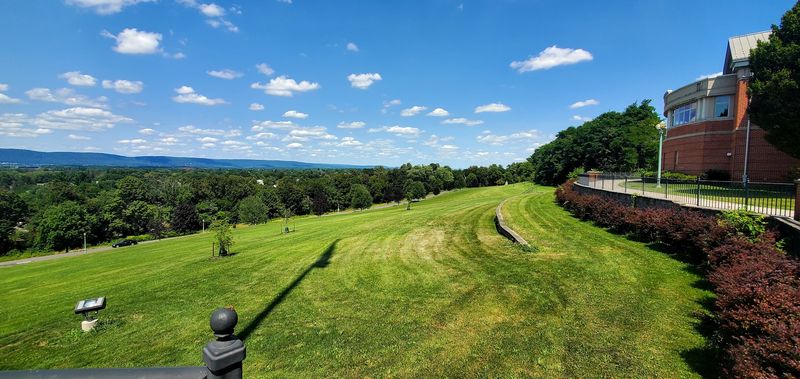
The building itself sits at the top of Reservoir Park in uptown Harrisburg, and the setting adds something special to the whole visit.
Before or after exploring the galleries inside, the grounds outside offer open space and a genuinely scenic view of the surrounding area.
The park location gives the museum a quieter, more contemplative atmosphere than you might find at a downtown attraction.
There is something fitting about a place dedicated to such a significant chapter in American history being surrounded by open sky and green space.
Parking is plentiful, which is a practical bonus that visitors tend to appreciate. The approach to the building through the park also gives you a moment to shift gears mentally before stepping inside.
It is worth arriving a few minutes early just to take in the surroundings before the galleries pull your full attention inward.
A War of Firsts That Will Surprise You
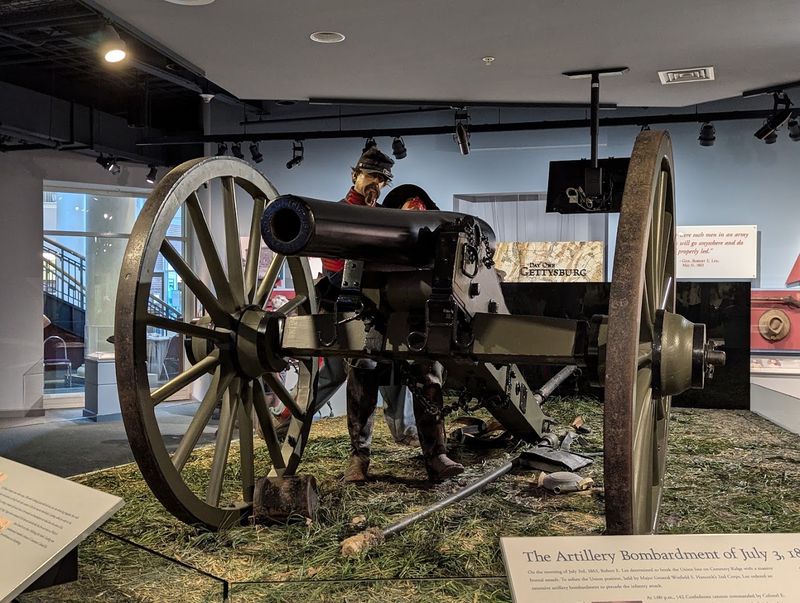
Scattered throughout the galleries are small but fascinating details labeled as firsts from the Civil War era.
These tidbits cover military innovations, medical breakthroughs, and social changes that appeared for the first time during the conflict and shaped the modern world that followed.
The Civil War introduced the widespread use of railroads for troop movement, early forms of aerial reconnaissance using balloons, and new approaches to battlefield medicine that saved countless lives.
Seeing these firsts framed within the larger story of the war makes them feel significant rather than just trivia.
For visitors who think they already know Civil War history well, these details have a way of catching you off guard.
The museum has a knack for presenting familiar events alongside surprising angles that reframe what you thought you understood.
It keeps the experience fresh even for history enthusiasts who have visited other Civil War sites before.
Practical Tips For Planning Your Visit
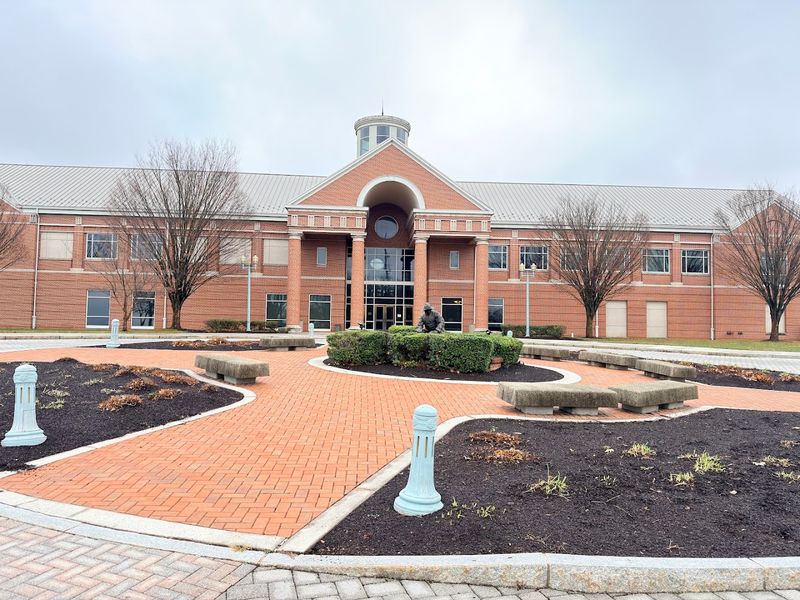
The National Civil War Museum at 1 Lincoln Circle, Harrisburg, PA 17103 has summer hours from 10 AM to 5 PM daily, with regular Sunday hours starting at noon outside that season.
Admission is priced per person, and the museum does offer senior pricing, student pricing, and a family pass, so it is worth checking the website for current rates before arriving.
The museum also has a shop, but no in-house food service available.
The building is fully accessible, with elevators serving all public areas, and free on-site parking is available for visitors. Bringing a light layer is a smart idea since the temperature inside can feel cool.
For a first visit to this Pennsylvania landmark, setting aside at least three hours gives you a solid experience without feeling rushed overall at all for most visitors exploring inside galleries.