
13 Strange and Fascinating Florida Museums You Have to Visit
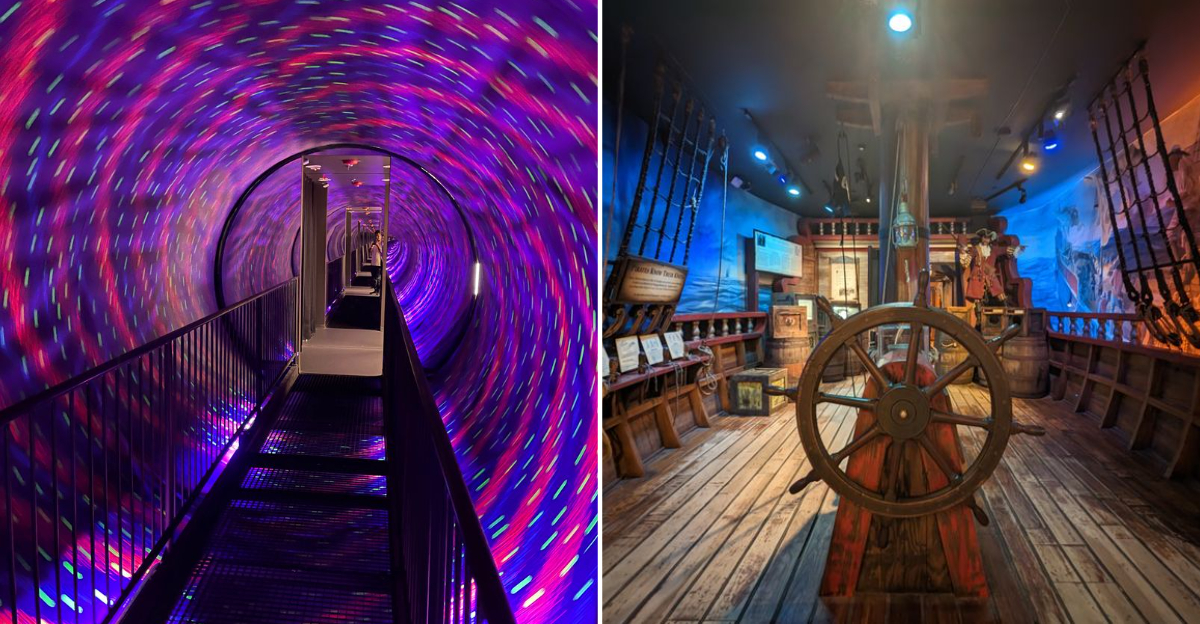
Florida isn’t just about theme parks and beaches—it’s also home to some of the weirdest and most wonderful museums you’ll ever encounter.
From cryptid creatures to medieval torture devices, the Sunshine State offers quirky collections that you won’t find anywhere else.
These offbeat attractions prove that learning can be fun, strange, and absolutely unforgettable.
1. Paradox Museum Miami
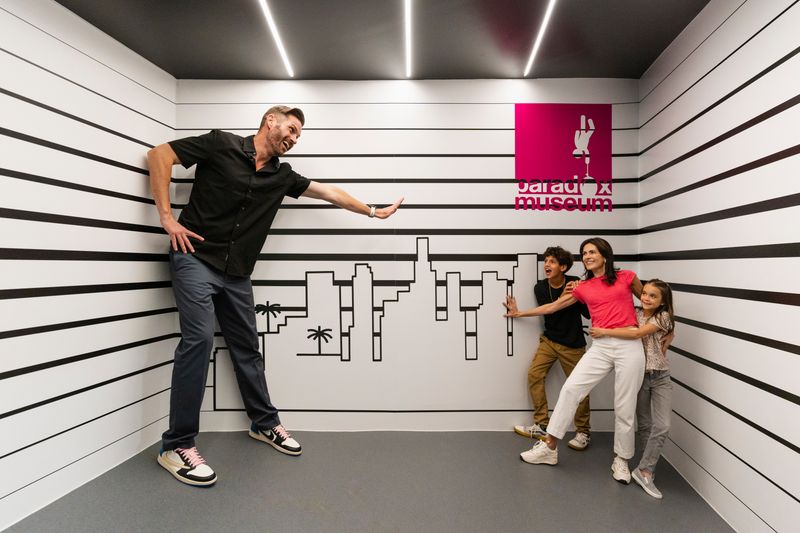
Reality takes a vacation at this mind-melting museum where nothing is quite what it seems.
Located at 2301 N Miami Ave, Miami, FL 33127, this attraction challenges everything you thought you knew about physics and perception. Visitors find themselves walking on ceilings, shrinking to miniature size, and questioning the very fabric of space-time.
Each exhibit plays tricks on your brain in the most delightful ways possible.
Photography enthusiasts absolutely adore this place because every corner offers Instagram-worthy shots that will blow your followers’ minds. You might appear to float in mid-air or defy gravity while standing perfectly still.
The interactive displays encourage touching, exploring, and experimenting with different angles.
Families with curious kids especially appreciate how the museum makes science entertaining without feeling like a classroom lecture. Everyone leaves with their brains pleasantly scrambled and their camera rolls completely full of impossible-looking photos that prove seeing isn’t always believing.
2. Museum of Illusions Orlando
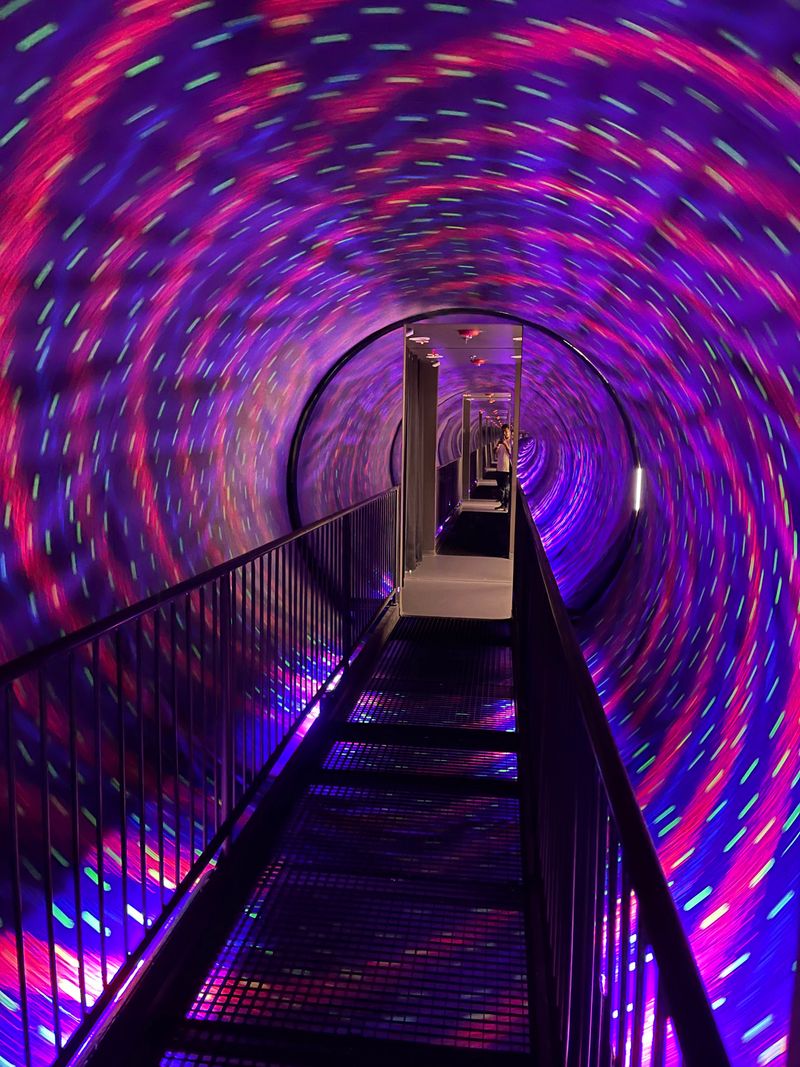
Prepare to have your eyeballs bamboozled at this spectacular showcase of visual trickery.
Situated at 8441 International Dr Suite #250 (near ICON Park), Orlando, FL 32819, this museum transforms perception into pure entertainment. Room after room reveals clever illusions that make you question whether your eyes are functioning properly or playing pranks on you.
The vortex tunnel feels like stepping into a spinning washing machine, except you’re completely stationary.
Kids giggle uncontrollably when they see their parents’ heads served on platters or watch themselves multiply into infinity through carefully positioned mirrors. Educational plaques explain the science behind each illusion, turning confusion into comprehension.
The Ames room makes people grow and shrink depending on where they stand, creating hilarious photo opportunities.
Groups of friends spend hours here, laughing at distorted reflections and impossible perspectives. The experience proves that sometimes the best education comes wrapped in wonder, leaving visitors both entertained and enlightened about how our brains interpret the world around us.
3. The Wizard of Oz Museum & Van Gogh

Somewhere over the rainbow meets starry night in this utterly unexpected pairing of pop culture and fine art.
Found at 7099 N Atlantic Ave, Cape Canaveral, FL 32920, this museum celebrates both Dorothy’s journey and Vincent’s genius under one roof. The combination sounds bizarre on paper, but somehow it works beautifully in practice.
Oz enthusiasts marvel at authentic props, costumes, and memorabilia from various adaptations of the beloved story.
Then, just when you’re clicking your heels together, you turn a corner and encounter an immersive Van Gogh experience that brings his most famous works to life through light and motion. The contrast between Kansas farmgirl adventures and Dutch post-impressionism creates a surprisingly delightful experience.
Children connect with the familiar Oz characters while adults appreciate the artistic brilliance displayed nearby.
This quirky combination proves that museums don’t need to follow traditional rules to be successful. Visitors leave with renewed appreciation for both childhood nostalgia and artistic achievement, proving that yellow brick roads and swirling brushstrokes can coexist harmoniously in the most unexpected of places.
4. Medieval Torture Museum
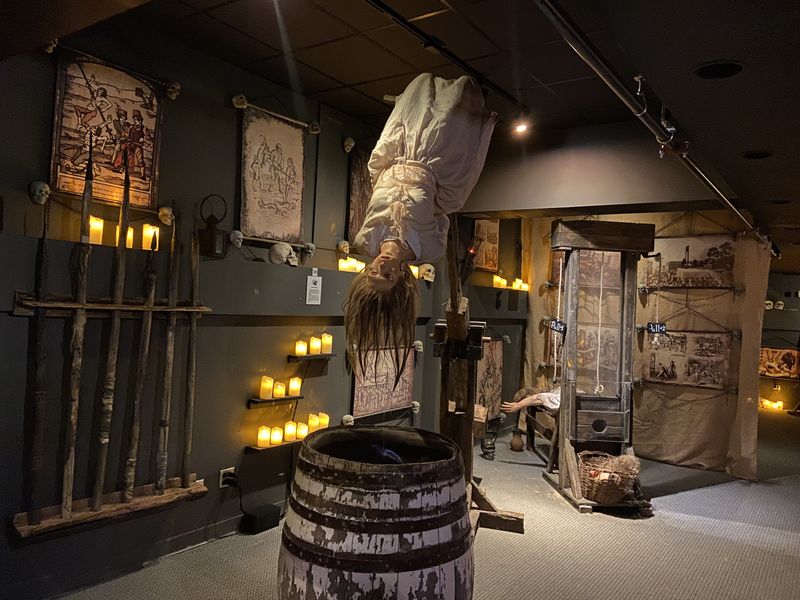
History’s darkest chapter comes alive in this spine-tingling collection of humanity’s most creative cruelty.
Located at 100 St George St (Second Level), St. Augustine, FL 32084, this museum isn’t for the squeamish but fascinates those curious about medieval justice systems. Replicas and historical artifacts line the walls, each accompanied by explanations of how punishment and interrogation were viewed in different eras.
The iron maiden stands as a chilling reminder of how myths and misconceptions can shape what we think we know about the past.
Visitors learn about interrogation techniques, public punishment, and the twisted logic behind medieval law enforcement. Educational displays provide historical context, explaining how these devices fit into the social structures of their era.
The museum doesn’t glorify violence but rather documents an important aspect of human history that shaped modern legal systems.
Teenagers find the macabre exhibits particularly intriguing, often sparking discussions about justice, human rights, and societal evolution. While undeniably dark, the museum serves as a powerful reminder of why contemporary justice systems emphasize human dignity and rehabilitation over punishment and suffering.
5. Potter’s Wax Museum
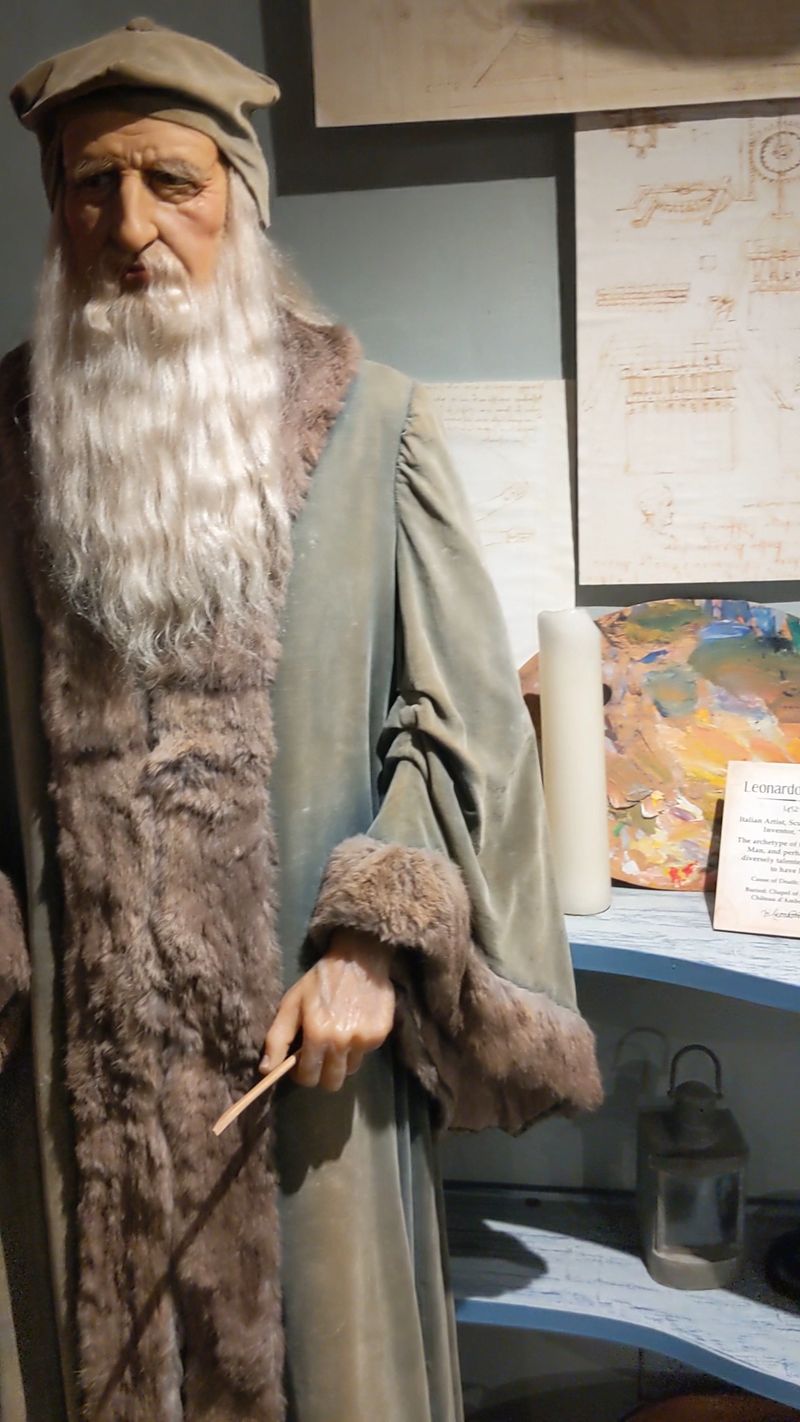
Celebrities frozen in time await your arrival at America’s first wax museum, still entertaining visitors after decades of operation.
Positioned at 31 Orange St, St. Augustine, FL 32084, this establishment has been creating incredibly lifelike figures since 1948. Walking through feels like attending the world’s strangest party where everyone stands perfectly still.
Historical figures mingle with modern celebrities, creating unexpected conversations across time periods.
The craftsmanship involved in creating each figure astounds visitors who examine the realistic hair, skin texture, and clothing details up close. Artists spend countless hours perfecting every wrinkle, freckle, and expression.
Some figures look so real that people instinctively wait for them to blink or move.
The museum has added newer figures over the years while maintaining classic favorites from decades past. Families enjoy identifying famous faces and learning about historical personalities they might not encounter in traditional textbooks.
Photography is encouraged, so visitors can pretend to shake hands with presidents or stand beside their favorite movie stars in delightfully convincing ways.
6. Pirate & Treasure Museum

Ahoy, matey! Prepare to sail into the golden age of piracy without leaving dry land.
Anchored at 12 S Castillo Dr, St. Augustine, FL 32084, this museum boasts one of the world’s largest collections of authentic pirate artifacts. Real treasure chests overflow with glittering coins that once crossed the Caribbean in the holds of merchant vessels.
The genuine Jolly Roger flags displayed here actually flew above notorious pirate ships terrorizing the high seas.
Interactive exhibits let visitors learn navigation techniques, decode secret pirate messages, and discover what daily life aboard a pirate vessel truly entailed. Surprisingly, Hollywood got many details wrong about these maritime outlaws.
The museum separates fact from fiction, revealing that real pirates operated under strict codes of conduct and democratic principles.
Children become completely absorbed in the adventure, imagining themselves as swashbuckling sailors searching for buried treasure. Educational displays explain how piracy impacted global trade and colonial development. The combination of authentic artifacts and engaging storytelling makes history feel thrillingly alive rather than dusty and distant.
7. Skunk Ape Research Headquarters
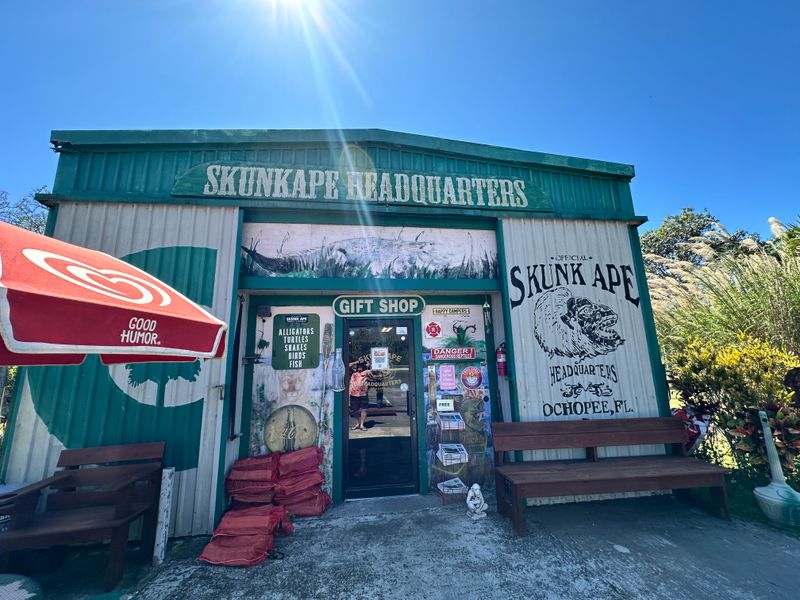
Bigfoot’s smelly southern cousin gets the spotlight at this wonderfully weird roadside attraction deep in the Everglades.
Stationed at 40904 Tamiami Trail E, Ochopee, FL 34141, this establishment takes Florida’s legendary cryptid seriously while maintaining a sense of humor about the whole situation. The Skunk Ape supposedly roams the swamps, leaving behind mysterious footprints and a distinctly unpleasant odor.
Evidence photos, plaster casts, and eyewitness accounts cover the walls, building a surprisingly compelling case for the creature’s existence.
Beyond the cryptozoology, the stop also features a small menagerie and Everglades-themed wildlife displays that help visitors appreciate the region’s ecology. You might spot alligators, exotic birds, and other swamp dwellers during your visit.
The owner’s passion for both wildlife conservation and cryptid research creates an unforgettable experience.
Skeptics and believers alike enjoy the quirky charm and genuine enthusiasm displayed throughout. Whether you leave convinced that the Skunk Ape exists or simply entertained by the possibility, you’ll definitely remember this delightfully strange stop.
8. Turtle Cannery Museum
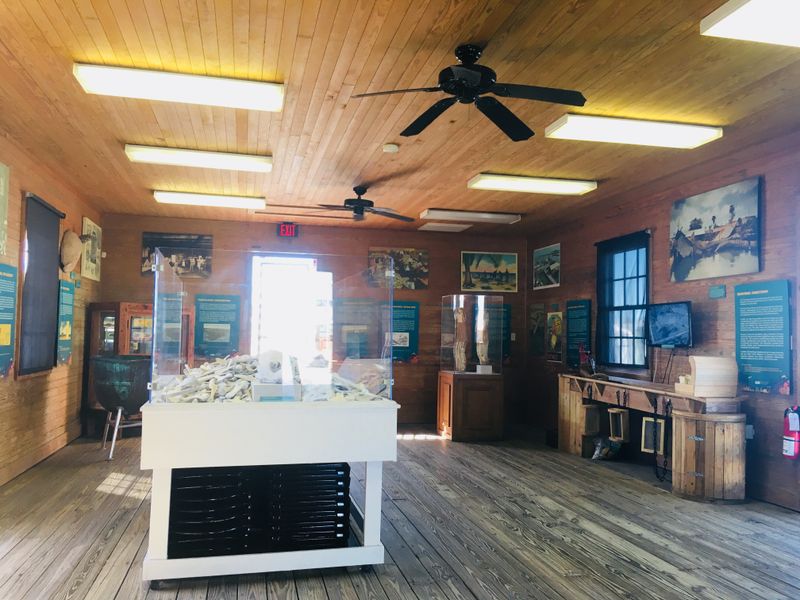
Once upon a time, Key West’s economy depended on turning sea turtles into soup, and this museum preserves that controversial chapter.
Located at 200 Margaret St, Key West, FL 33040, the building itself represents an important piece of Florida’s commercial fishing history. Before conservation efforts protected these marine reptiles, turtle canneries operated throughout the Keys, processing thousands of animals annually.
The museum doesn’t shy away from the ethical complexities of this industry.
Exhibits explain how changing attitudes toward wildlife led to the cannery’s closure and the implementation of protection laws. Vintage equipment shows the industrial process while educational displays highlight modern conservation efforts.
Visitors learn about different turtle species, their ecological importance, and ongoing threats to their survival.
The transformation from cannery to conservation-focused museum symbolizes humanity’s evolving relationship with nature. Children especially appreciate learning how people recognized past mistakes and worked to correct them. The museum serves as both historical record and hopeful reminder that societies can change course when they recognize the value of protecting rather than exploiting wildlife.
9. Toby’s Clown School & Museum

Step right up to discover where professional jesters learn their craft and celebrate circus history.
Nestled at 109 W Interlake Blvd, Lake Placid, FL 33852, this unique institution trains aspiring clowns while preserving the rich heritage of circus entertainment. Colorful costumes, oversized props, and vintage photographs fill every corner, creating an atmosphere of pure joy.
The museum section showcases memorabilia from famous clowns throughout history, proving that making people laugh requires serious skill and dedication.
Visitors learn about different clowning styles, from auguste to whiteface, and discover the techniques behind pratfalls, juggling, and comedic timing.
Depending on programming and tours, guests may also find opportunities to see training elements up close, making the visit feel more like a backstage peek than a typical museum stroll.
The experience reveals that clowning involves much more than silly behavior—it’s a respected performing art with centuries of tradition.
Many people arrive with vague unease about clowns but leave with newfound appreciation for these misunderstood entertainers. The museum’s cheerful atmosphere and educational approach help demystify clown culture while celebrating its contribution to entertainment history and childhood memories worldwide.
10. International Independent Showmen’s Museum
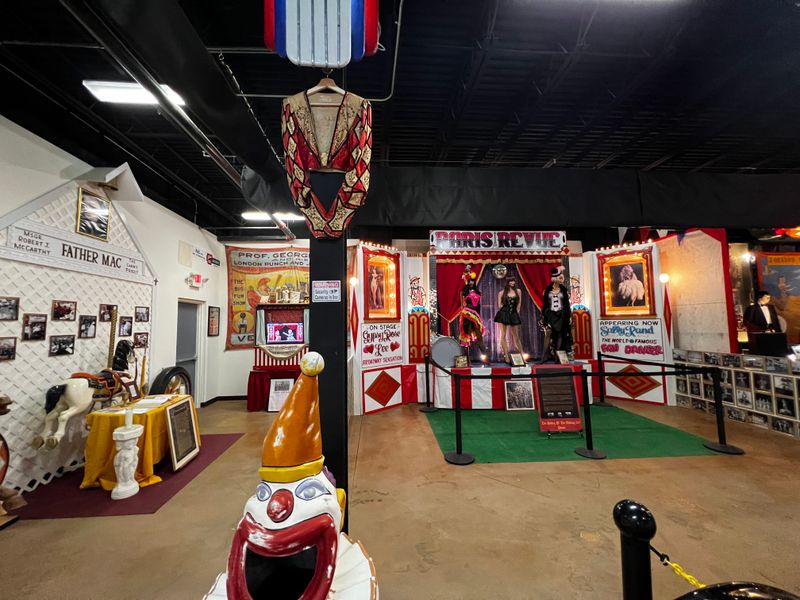
Carnival barkers, sideshow performers, and traveling entertainers receive their due recognition at this tribute to American showbiz history.
Parked at 6938 Riverview Dr, Riverview, FL 33578, this museum documents the lives of people who brought excitement to small towns across the country. Before television and internet, traveling shows provided entertainment, wonder, and a connection to the wider world.
Vintage carousel horses, game equipment, and sideshow banners transport visitors to the golden age of American carnivals.
The collection includes personal items donated by showmen families, preserving stories that might otherwise disappear from collective memory. Photographs capture the hard work, camaraderie, and dedication required to operate traveling shows.
These entertainers lived nomadic lifestyles, bringing joy to communities while facing numerous challenges on the road.
Visitors gain appreciation for an often-overlooked segment of entertainment history that shaped American popular culture. The museum celebrates the creativity, entrepreneurship, and showmanship of people who dedicated their lives to creating magical experiences for audiences nationwide, one town at a time.
11. Bailey-Matthews National Shell Museum
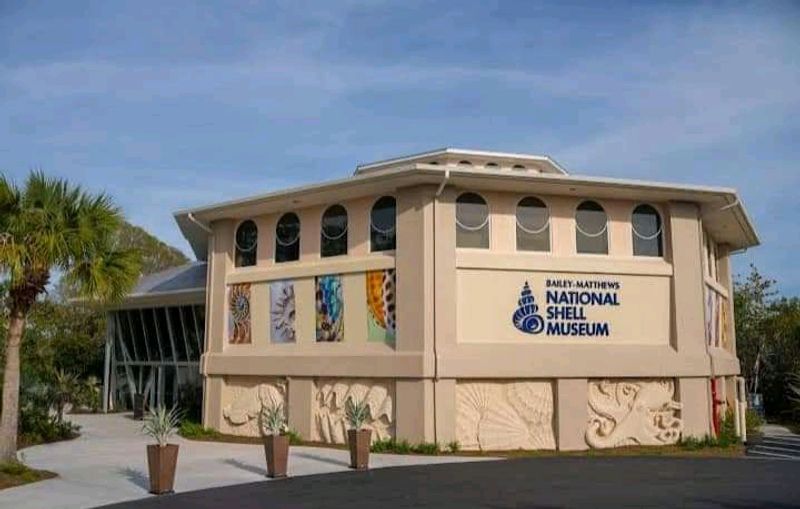
Seashell collectors consider this institution their Mecca, and even casual beachcombers find themselves mesmerized by the diversity displayed.
Positioned at 3075 Sanibel Captiva Rd, Sanibel, FL 33957, this museum celebrates the incredible variety of mollusks inhabiting our oceans. Sanibel Island’s unique geography makes it one of the world’s premier shelling destinations, so this museum fits perfectly in its location.
Thousands of specimens from around the globe showcase nature’s artistic capabilities in creating shells of every imaginable shape, size, color, and pattern.
Interactive exhibits explain mollusk biology, shell formation, and the ecological roles these creatures play in marine environments. Touch tanks let visitors handle living mollusks, connecting abstract displays to real organisms.
The museum also offers beach walks where experts help identify shells and share fascinating facts about their former inhabitants.
Photography opportunities abound as sunlight filters through translucent shells, revealing hidden colors and intricate structures. Whether you’re a serious conchologist or simply appreciate natural beauty, this museum transforms ordinary seashells into extraordinary works of art worth celebrating and protecting.
12. Panama City Publishing Company Museum
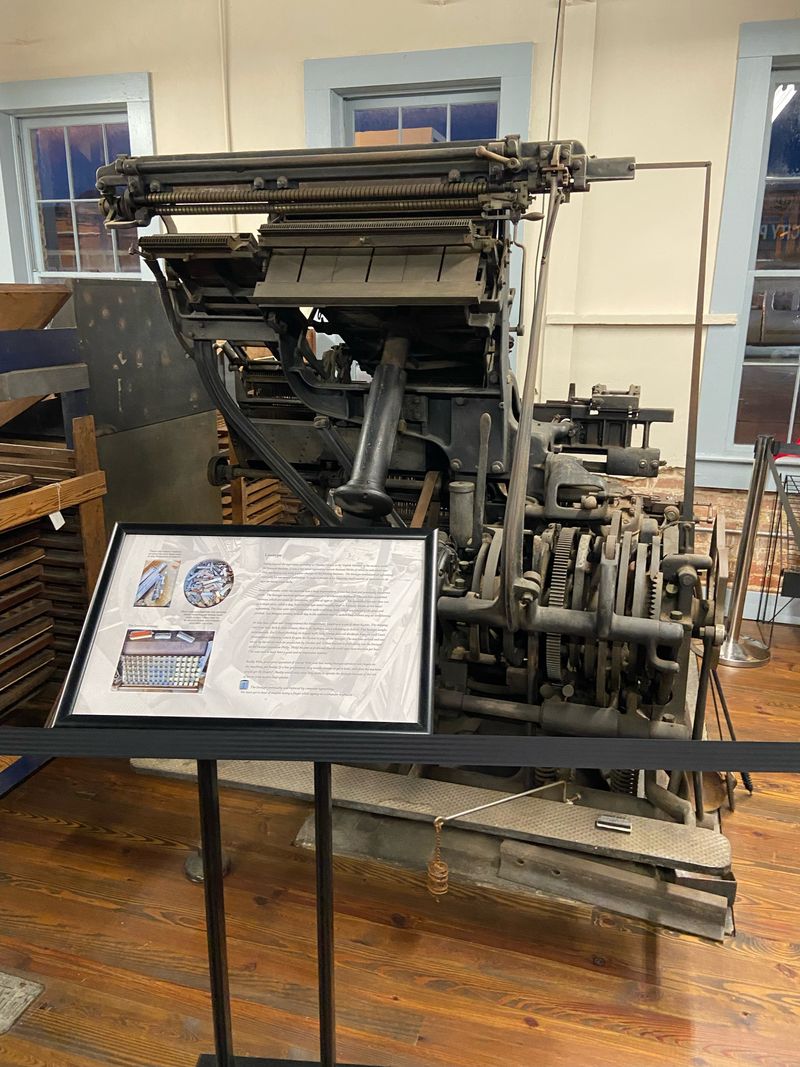
Ink-stained fingers and hot lead type defined journalism for generations, and this museum preserves that vanishing craft.
Found at 1134 Beck Ave, Panama City, FL 32401, this time capsule showcases how newspapers were produced before computers revolutionized publishing. Massive printing presses dominate the space, representing engineering marvels that churned out daily news for decades.
The smell of old paper and machinery oil evokes a bygone era when journalism meant physical labor as much as writing skill.
Visitors learn about typesetting, where individual metal letters were arranged by hand to create each page. This painstaking process required precision, speed, and encyclopedic knowledge of where every letter lived in the type cases.
Demonstrations show traditional printing techniques and letterpress-style production, bringing the craft to life without relying on modern digital tools.
The museum emphasizes how technological changes transformed journalism while preserving the industry’s core mission of informing communities.
Older visitors enjoy nostalgic connections to their youth while younger generations gain appreciation for the physical effort behind every newspaper their grandparents read over morning coffee.
13. Central Florida Railroad Museum
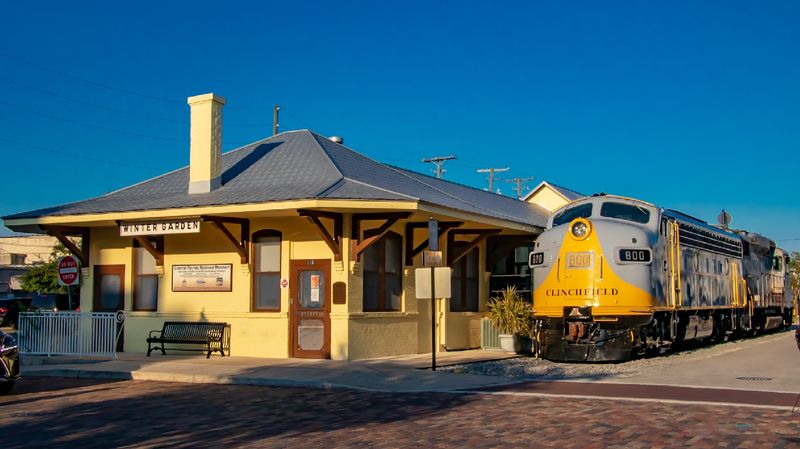
All aboard for a journey through Florida’s railway heritage at this charming depot-turned-museum.
Stationed at 101 S Boyd St, Winter Garden, FL 34787, this facility occupies an authentic train station that once served as a vital transportation hub. The building itself tells stories of travelers, freight shipments, and the railroad’s role in developing Central Florida.
Preserved railway equipment, vintage photographs, and authentic artifacts bring this history to vibrant life.
Model train layouts delight visitors of all ages, recreating Florida landscapes in miniature with incredible attention to detail. Children press their noses against the glass, watching tiny trains navigate through towns, over bridges, and around mountains.
The displays may vary with events and volunteer-led updates, giving repeat visitors something new to notice over time.
Educational displays explain how railroads transformed Florida from frontier territory to tourist destination, connecting remote communities and enabling agricultural commerce.
Volunteers share personal stories and historical knowledge, adding warmth to the experience. The museum proves that transportation history involves human stories as much as mechanical innovation, celebrating the people who built, operated, and depended on these iron horses.