
12 Stunning Botanical Gardens Across Illinois Worth Seeking Out
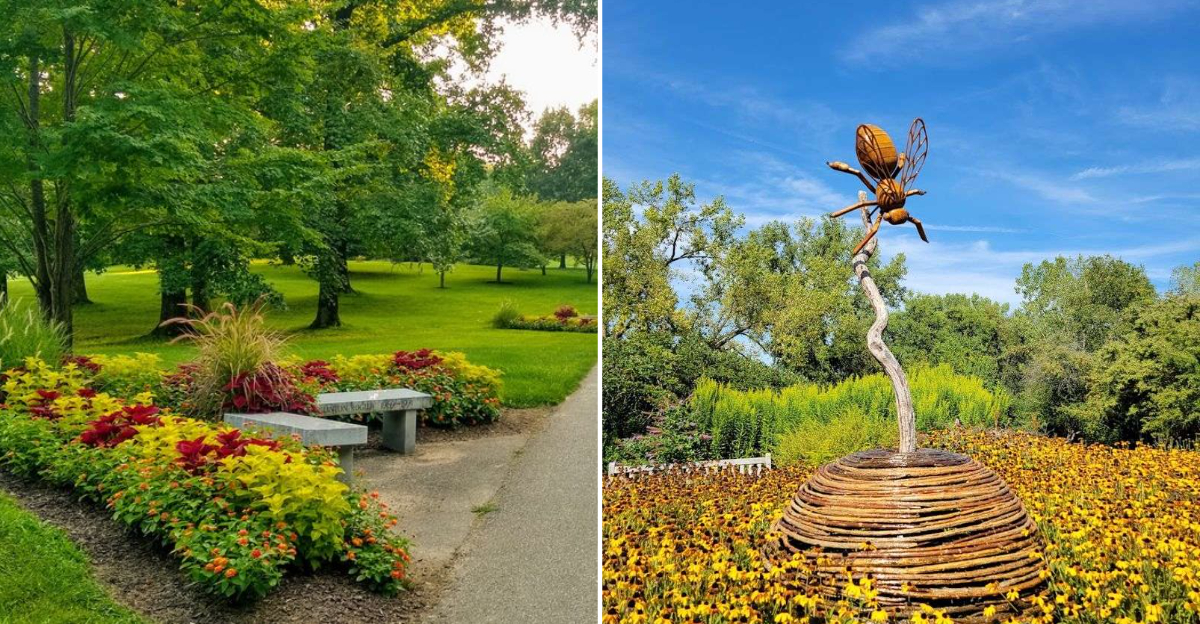
Illinois has a way of surprising you. One minute, you are thinking about deep-dish pizza, busy streets, and dramatic skylines, and the next, you are standing under towering palms, walking beside koi ponds, or watching prairie flowers move in the breeze.
That quieter side of Illinois deserves more attention. The state is filled with botanical spaces that feel worlds apart, even though many sit close to major cities, campuses, parks, and historic neighborhoods.
You will find tropical conservatories, Japanese-style retreats, formal gardens, native prairie plantings, woodland paths, and peaceful spots made for slow morning walks. This guide brings together twelve of the most beautiful botanical destinations in Illinois.
Each one offers its own kind of escape, with seasonal color, rare plants, thoughtful design, or simply a calm place to breathe.
1. Chicago Botanic Garden, Glencoe
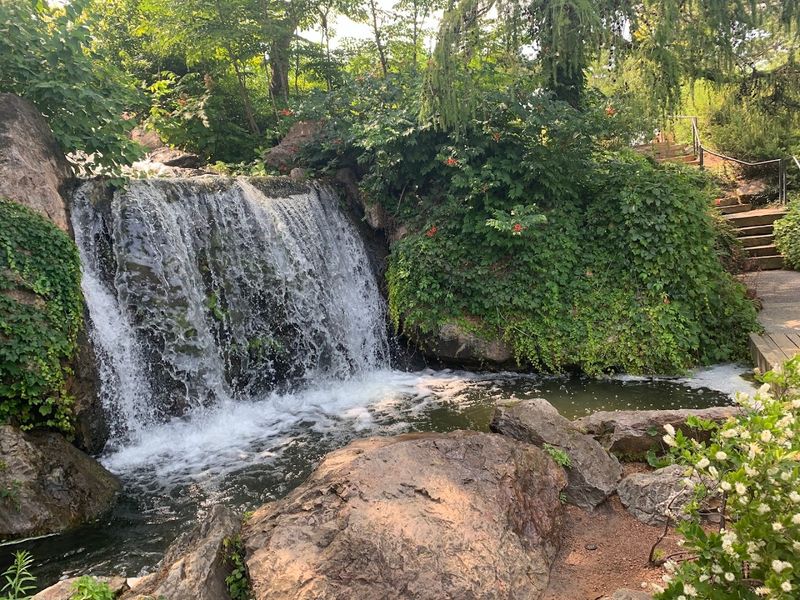
Spread across 385 acres of land and water just north of Chicago in Glencoe, the Chicago Botanic Garden is one of the most visited public gardens in the entire country.
It sits within the Skokie River corridor and features 27 distinct gardens, making it a destination you could visit a dozen times without ever feeling like you have seen it all.
Each season brings a completely different personality here. Spring fills the English Walled Garden with tulips and daffodils, summer lights up the Rose Garden with hundreds of varieties in full color, and autumn turns the entire landscape into a warm tapestry of oranges and reds.
Winter brings its own magic through the Garden’s annual holiday light show.
The address is 1000 Lake Cook Road, Glencoe, IL 60022. Families, photographers, and solo wanderers all find something worth staying for here.
Plan for at least three hours if you truly want to take it all in without rushing past the good stuff.
2. Garfield Park Conservatory, Chicago
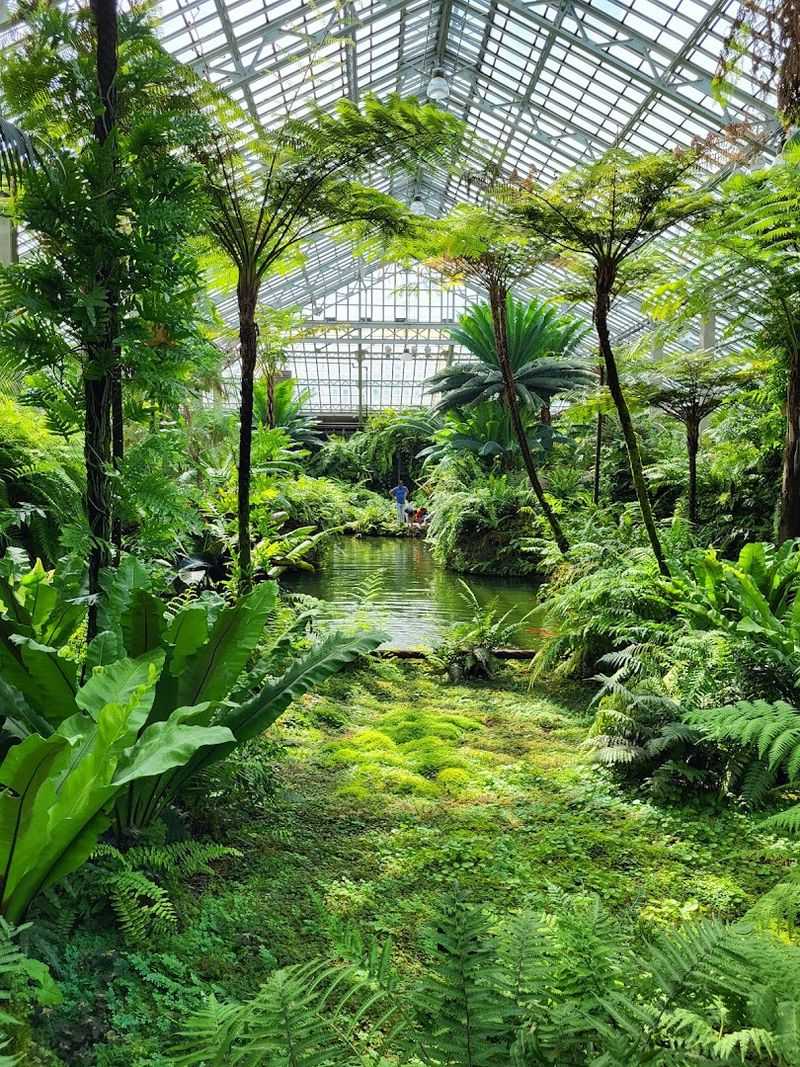
Right in the heart of Chicago’s West Side, the Garfield Park Conservatory stands as one of the largest and most architecturally stunning conservatories in the entire nation.
Built in 1908 and designed by Jens Jensen, its swooping glass-and-steel structure was meant to look like a rolling Midwestern haystack from the outside, a quietly clever nod to the landscape it calls home.
Inside, the space transforms into something almost otherworldly. Eight connected rooms house thousands of plant species, from towering palms and prehistoric-looking ferns to cactus collections and a dedicated children’s garden that turns botanical education into something genuinely fun for younger visitors.
Located at 300 N. Central Park Avenue, Chicago, IL 60624, the conservatory is free for Chicago residents with proof of residency, while non-Chicago residents pay admission.
It has a rich history tied to Chicago’s park system and remains deeply connected to the surrounding community. The fernery room alone, with its misty atmosphere and ancient plant varieties, is worth the trip across town on its own.
3. Lincoln Park Conservatory, Chicago
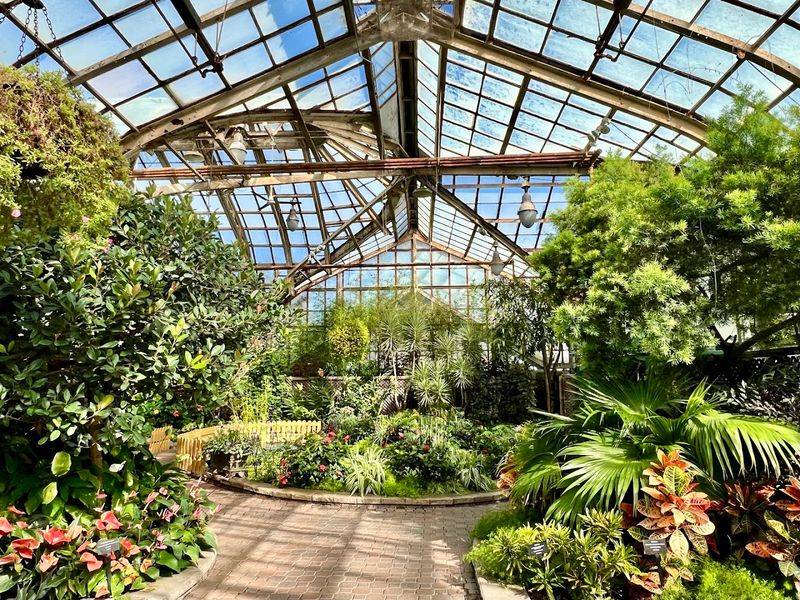
A short walk from the Lincoln Park Zoo, the Lincoln Park Conservatory has been a beloved Chicago institution since it opened in 1895. The building itself is a gorgeous piece of Victorian-era architecture, all wrought iron and glass, and it manages to feel both historic and alive at the same time.
Four main display houses make up the interior. The Palm House stretches tall with tropical trees and broad-leafed plants that transport you somewhere warm no matter what the Chicago weather is doing outside.
The Fern Room feels prehistoric and lush, while the Orchid House and Show House rotate seasonal displays that give regulars a reason to keep coming back throughout the year.
The conservatory is free to visit and located at 2391 N. Stockton Drive, Chicago, IL 60614.
It sits within Lincoln Park, meaning your visit can easily extend into a full afternoon of outdoor exploration along the lakefront.
For city dwellers craving greenery without leaving Chicago, this place consistently delivers a sense of calm that is hard to find anywhere else in the urban core.
4. Lurie Garden, Chicago
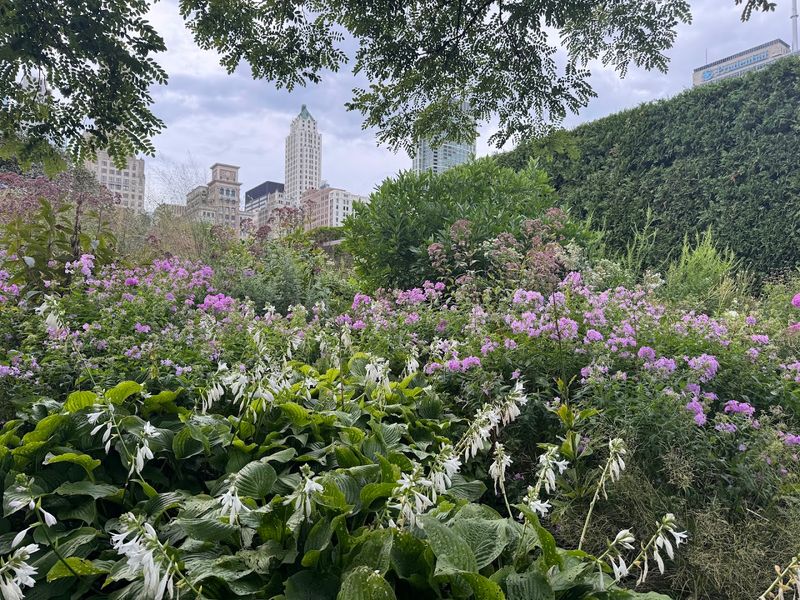
Sitting in the southeast corner of Millennium Park, Lurie Garden is a roughly three-acre perennial garden that manages to feel like a genuine natural escape right in the middle of downtown Chicago.
It opened in 2004 and was designed by landscape architects Kathryn Gustafson, Piet Oudolf, and Robert Israel, with Oudolf’s signature prairie-inspired planting style giving it a look unlike any formal garden you have visited before.
The garden is divided into two main sections: the Dark Plate, which is shaded and features woodland plants, and the Light Plate, which is open and sun-drenched with grasses and flowering perennials that bloom from spring through late fall.
A seam hedge separates the two zones and acts as a symbolic nod to Chicago’s transformation from a marshy landscape to a modern city.
Admission is completely free, and the garden is located at 201 E. Randolph Street, Chicago, IL 60601.
Summer evenings here, with the city glowing behind the blooms, are genuinely hard to beat. It rewards slow visitors who take time to notice the small details tucked between the grasses and seed heads.
5. The Morton Arboretum, Lisle
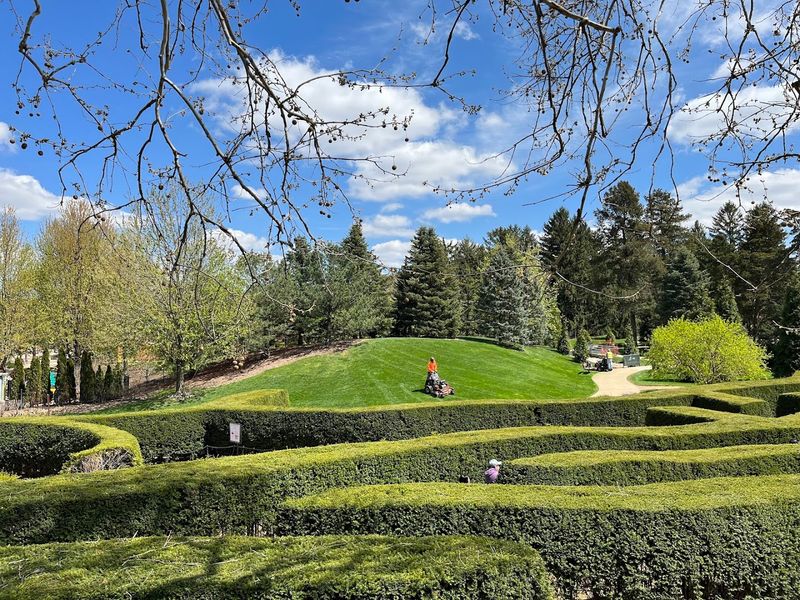
Founded in 1922 by Joy Morton of the Morton Salt family, The Morton Arboretum in Lisle is a 1,700-acre outdoor museum dedicated entirely to trees.
That might sound narrow in focus, but the sheer scale and variety here make it one of the most remarkable natural spaces in the entire Midwest, with over 222,000 plants representing thousands of species from around the world.
Visitors can explore the grounds on foot, by bicycle, or even by tram during busier seasons. The collections are organized geographically and by species, so you might walk through a grove of maples from Japan, then turn a corner into a meadow filled with native Illinois prairie plants.
The children’s garden here is especially well-designed and keeps younger visitors genuinely engaged. The arboretum is located at 4100 Illinois Route 53, Lisle, IL 60532.
Admission fees apply, though members visit free year-round.
Fall is arguably the most spectacular season to visit, when the tree canopy turns into a living color show that draws visitors from across the region. Spring blooms and winter walks through the bare, sculptural trees are equally worth your time.
6. Cantigny Park Gardens, Wheaton
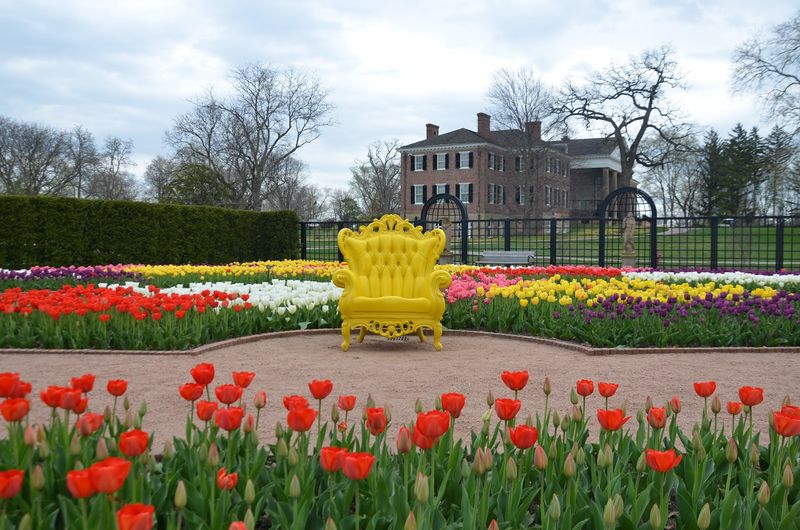
Cantigny Park in Wheaton carries a history that sets it apart from nearly every other garden destination in Illinois. The 500-acre estate was the home of Robert R.
McCormick, the longtime publisher of the Chicago Tribune, and he donated the entire property to the public upon his passing in 1955.
Today it operates as a free public park featuring formal gardens, a first-class military museum, and sweeping open lawns.
The gardens themselves are formal in design, with clipped hedges, geometric beds filled with colorful annuals, and a rose garden that peaks beautifully in June and September.
The grounds are immaculately maintained and feel more like a private European estate than a public park, which makes the free admission feel almost too good to be true.
Find the park at 1S151 Winfield Road, Wheaton, IL 60189. Admission is typically charged per vehicle and varies by date or event.
The combination of horticultural beauty, open green space, and genuine historical significance makes Cantigny a destination that works equally well for a solo afternoon outing or a full family day trip.
The First Division Museum on the grounds adds a layer of depth that makes the whole visit feel surprisingly rich.
7. Anderson Japanese Gardens, Rockford
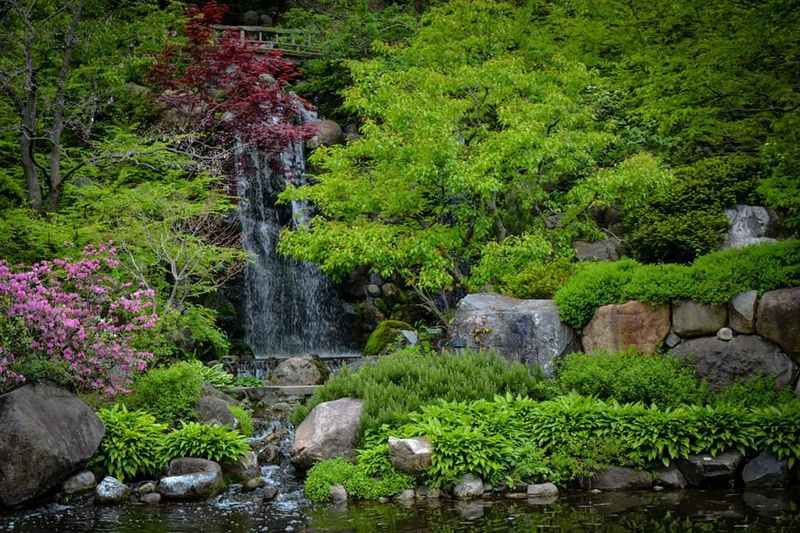
Consistently ranked among the top Japanese gardens in North America, Anderson Japanese Gardens in Rockford is the kind of place that genuinely slows your heart rate the moment you pass through the gate.
The garden was designed by master Japanese garden designer Hoichi Kurisu, and it shows in every carefully placed stone, every pruned pine, and every curve of the winding paths that guide you through the space.
Koi ponds, waterfalls, a teahouse, and guest quarters are woven throughout the 12-acre landscape, which was developed starting in the 1970s by businessman John Anderson.
The attention to seasonal detail here is extraordinary. Spring brings cherry blossoms and fresh moss, summer deepens the green layers, and autumn sets the maples on fire with color.
The garden is located at 318 Spring Creek Road, Rockford, IL 61107. Admission fees apply, and the garden is open seasonally from spring through fall.
Guided tours are available and highly recommended for first-time visitors who want to understand the philosophy and symbolism woven into every element of the design. This is a destination that earns every bit of its national reputation.
8. Klehm Arboretum & Botanic Garden, Rockford
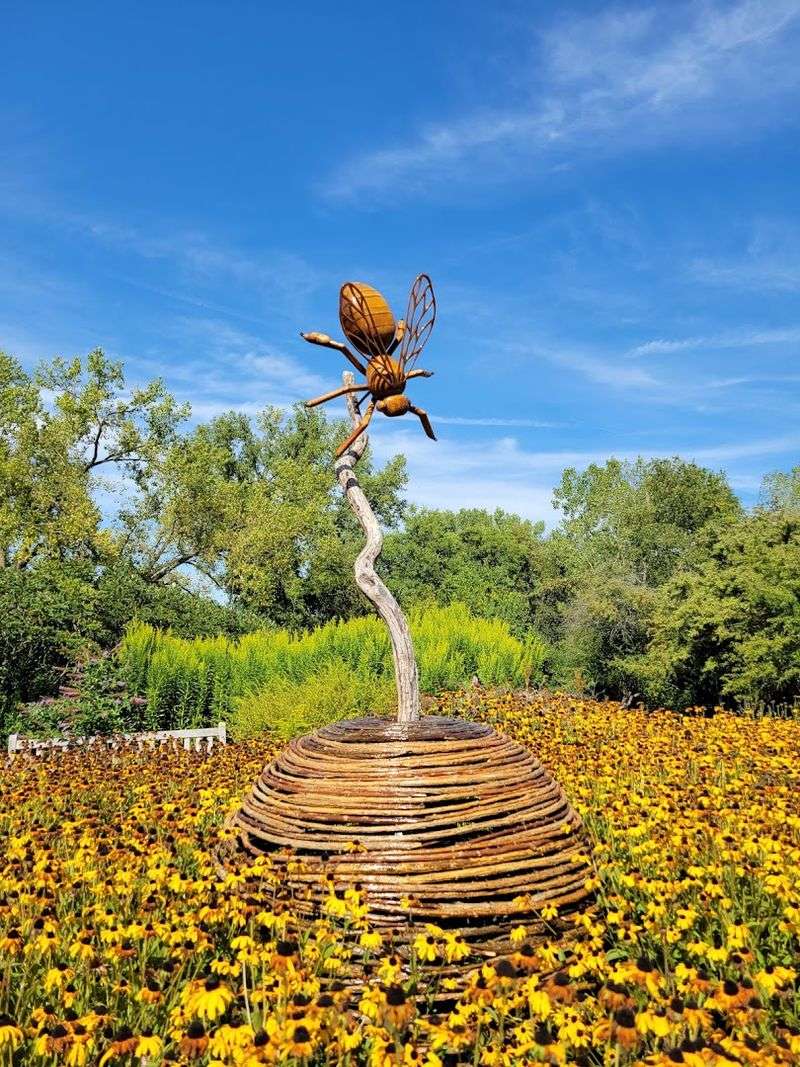
Just a few miles from Anderson Japanese Gardens, Klehm Arboretum and Botanic Garden offers a completely different but equally rewarding botanical experience in Rockford.
The 155-acre property blends a traditional arboretum with themed garden spaces, making it a versatile destination for plant enthusiasts, casual walkers, and families alike.
Highlights include a hosta garden with an impressive collection of varieties, a shade garden, a rock garden, and a restored prairie section that celebrates the native plant communities that once covered much of Illinois.
The arboretum also maintains a strong educational mission, hosting events, workshops, and children’s programming throughout the year.
The address is 2715 S. Main Street, Rockford, IL 61102.
Admission is free, which makes it one of the best botanical values in the state.
The combination of open meadows, wooded paths, and cultivated garden beds gives Klehm a relaxed, unhurried atmosphere that stands in pleasant contrast to larger, busier gardens.
It rewards visitors who slow down and pay attention to the smaller details, like the way light filters through a canopy of old oaks in the late afternoon.
9. Quad City Botanical Center, Rock Island
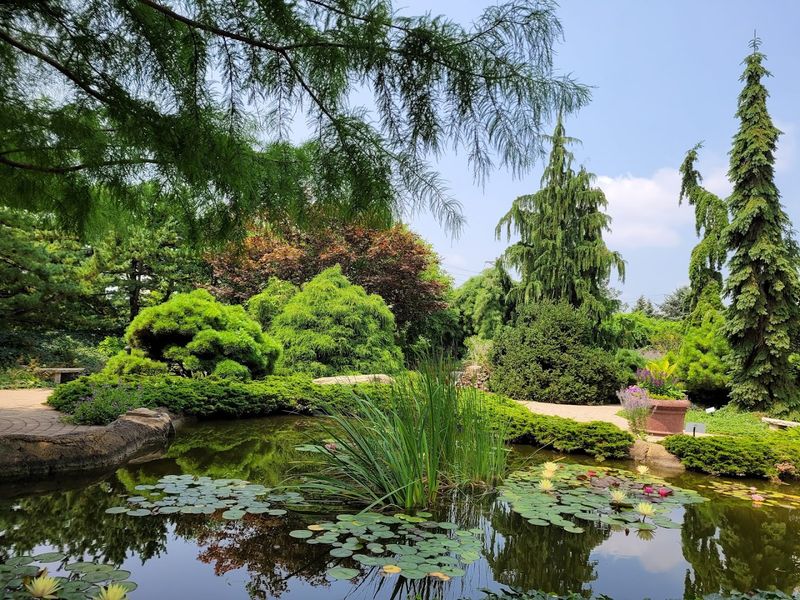
Rock Island sits along the Mississippi River at the western edge of Illinois, and the Quad City Botanical Center brings a surprising burst of horticultural beauty to this river city.
The center opened in 1998 and has grown into a community anchor that serves both as a public garden and an educational resource for the broader Quad Cities region.
The centerpiece is an indoor tropical conservatory that stays warm and green year-round, making it especially popular during Illinois winters when outdoor gardens go dormant.
The surrounding outdoor gardens feature themed sections including a rose garden, a sunken garden, and a children’s garden that encourages hands-on exploration.
Located at 2525 4th Avenue, Rock Island, IL 61201, the botanical center charges modest admission fees and is open throughout the year.
Its position near the Mississippi River gives the surrounding landscape a distinct character, and the center frequently hosts events that connect the garden to the local arts and culture scene.
For anyone road-tripping along the Illinois side of the Mississippi, this is a stop that adds real value to the journey without asking much of your schedule.
10. University of Illinois Arboretum, Urbana
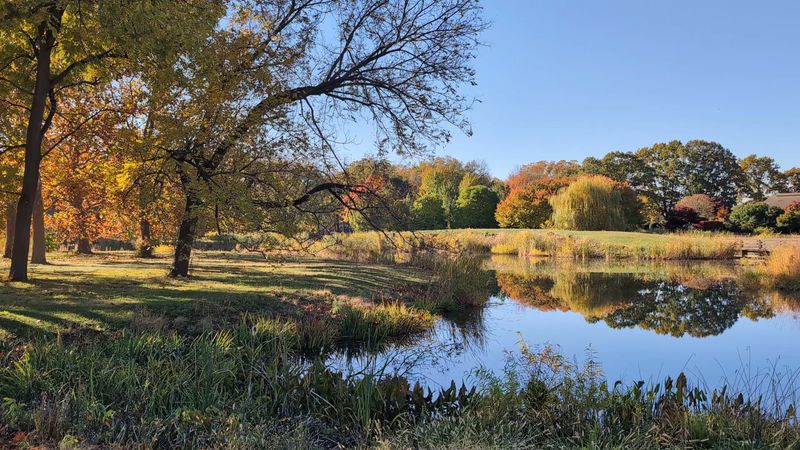
The University of Illinois Arboretum in Urbana is the kind of place that sneaks up on you.
It does not have the grand entrance of a major botanical garden or the manicured formality of an estate garden, but what it offers instead is a genuinely peaceful and thoughtfully curated natural space that rewards curious visitors who take time to explore.
Spread across about 160 acres on the university campus, the arboretum features collections of woody plants, native plantings, gardens, and restored landscapes that reflect the ecological history of central Illinois.
The space is free and open to the public year-round, making it a favorite spot for students, faculty, and Urbana-Champaign residents looking for a green escape close to home.
The arboretum is located at 1800 S. Lincoln Avenue, Urbana, IL 61802.
Self-guided tour materials are available, and the signage throughout the grounds helps visitors identify species and understand the ecological context of what they are seeing.
Fall is particularly lovely here, when the woody plant collection shifts into its seasonal color display across the open central lawn.
11. The Gardens at SIUE, Edwardsville
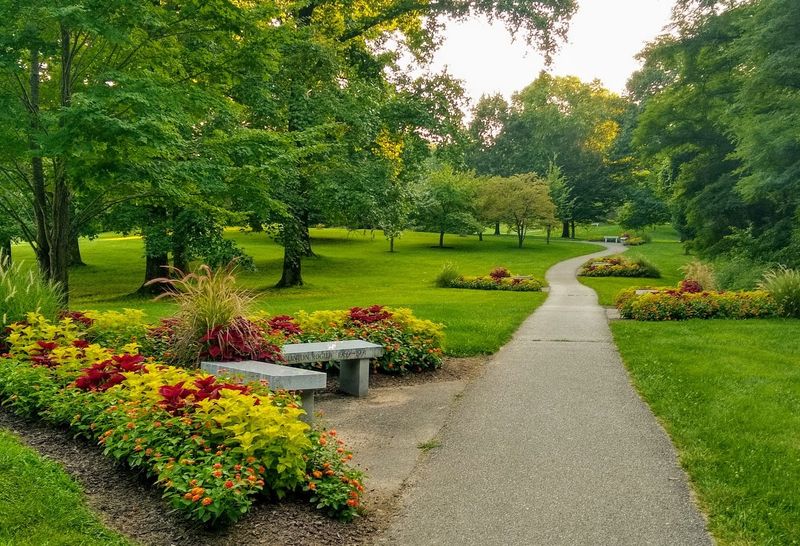
Southern Illinois University Edwardsville might not be the first place that comes to mind when you think about botanical destinations, but The Gardens at SIUE have quietly become one of the most interesting horticultural spaces in the southern half of the state.
Located on the university campus in Edwardsville, the gardens serve as both a public attraction and a living laboratory for students studying horticulture, ecology, and landscape design.
The collection includes native plantings, a prairie garden, a butterfly garden, an English cottage garden, a wind sculpture garden, and a Japanese-themed area.
The variety of garden styles spread across the 36-acre site makes it a surprisingly rich destination for a single afternoon visit.
Admission is free, and the gardens are located at 6 Arboretum Lane, Edwardsville, IL 62026. The campus setting adds an interesting layer to the experience, and the gardens are clearly maintained with genuine care and educational intention.
Edwardsville itself is a charming small city with good dining options nearby, making it easy to build a full day around a visit to the campus gardens and a walk through the historic downtown area.
12. Washington Park Botanical Garden, Springfield
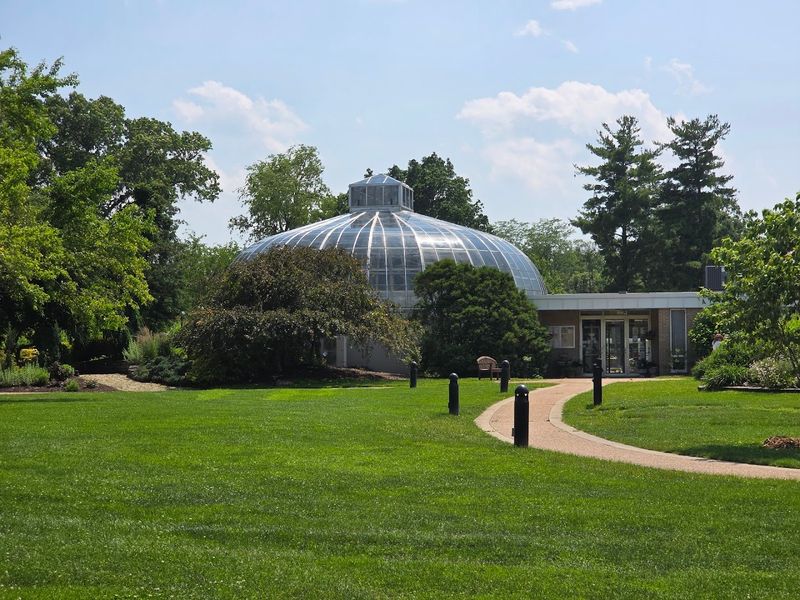
In Springfield, the capital of Illinois and the city most associated with Abraham Lincoln’s legacy, Washington Park Botanical Garden offers a green retreat that has served the community for well over a century.
The garden sits within Washington Park, a large and beautifully maintained public park on the west side of the city, and it manages to feel both historic and genuinely well-kept.
The centerpiece is a conservatory that houses tropical and subtropical plants, providing year-round color and warmth regardless of the season outside.
Surrounding the conservatory are formal outdoor gardens with seasonal plantings that change throughout the year, keeping the space visually fresh from spring through fall. A sunken garden and a fragrance garden add additional variety to what is already a well-rounded botanical offering for a mid-sized city.
The garden is free to visit and located at 1740 W. Fayette Avenue, Springfield, IL 62704.
Hours vary by season, so checking ahead before your visit is a smart move.
For anyone already in Springfield to explore Lincoln-related historic sites, Washington Park Botanical Garden makes for a genuinely refreshing change of pace, trading history for horticulture in the most pleasant way possible.