
12 Stunning Botanical Gardens In Michigan That Still Fly Under The Radar, And You Should Visit This Spring
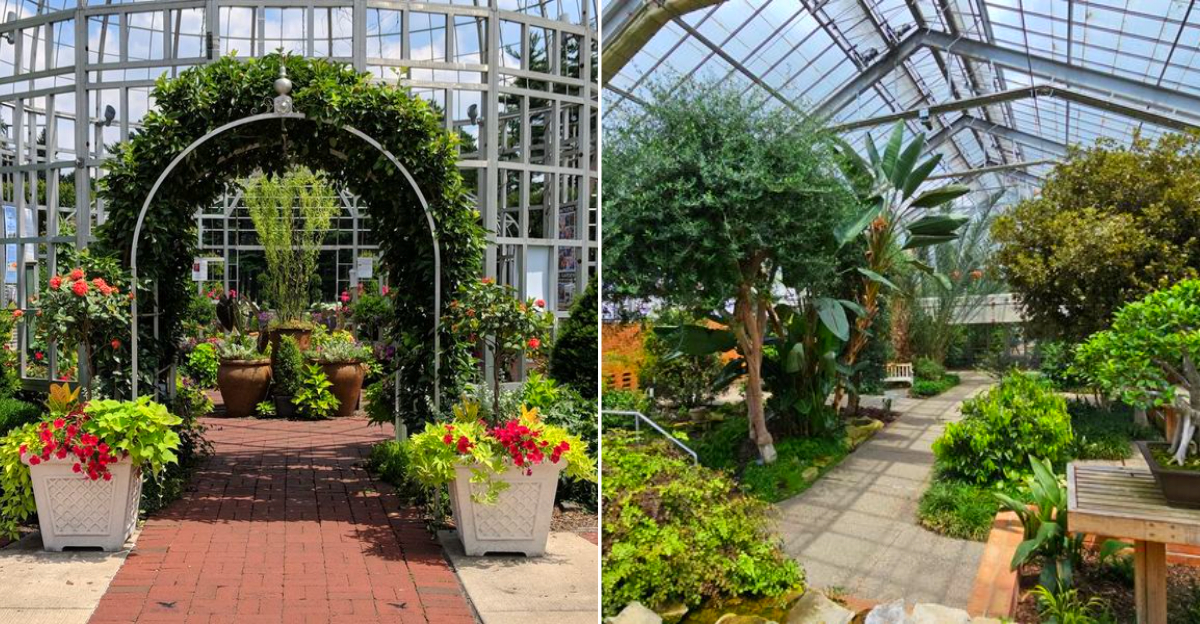
Spring in Michigan doesn’t exactly kick the door down, it’s more of a shy chorus that gradually turns up the volume until you’re suddenly surrounded by the scent of rising sap and the frantic, joyful clink of garden gates.
I’ve spent too many Aprils hovering over muddy flowerbeds, but the real magic happens when you bypass the famous zip codes for those quiet, tucked-away botanical corners that most people drive right past.
There is a specific, soul-soothing rhythm to these under-the-radar spots, where the only thing breaking the silence is your own footsteps on a cedar-plank path and the occasional burst of birdsong.
Michigan’s best hidden botanical gardens and secret spring blooms offer a peaceful, off-the-beaten-path nature walk.
Pack a light jacket and leave your schedule in the glove box, because these gardens are all about the unexpected detour. This is how Michigan handles renewal: with a massive amount of grace and a knowing wink.
1. Fernwood Botanical Garden, Niles
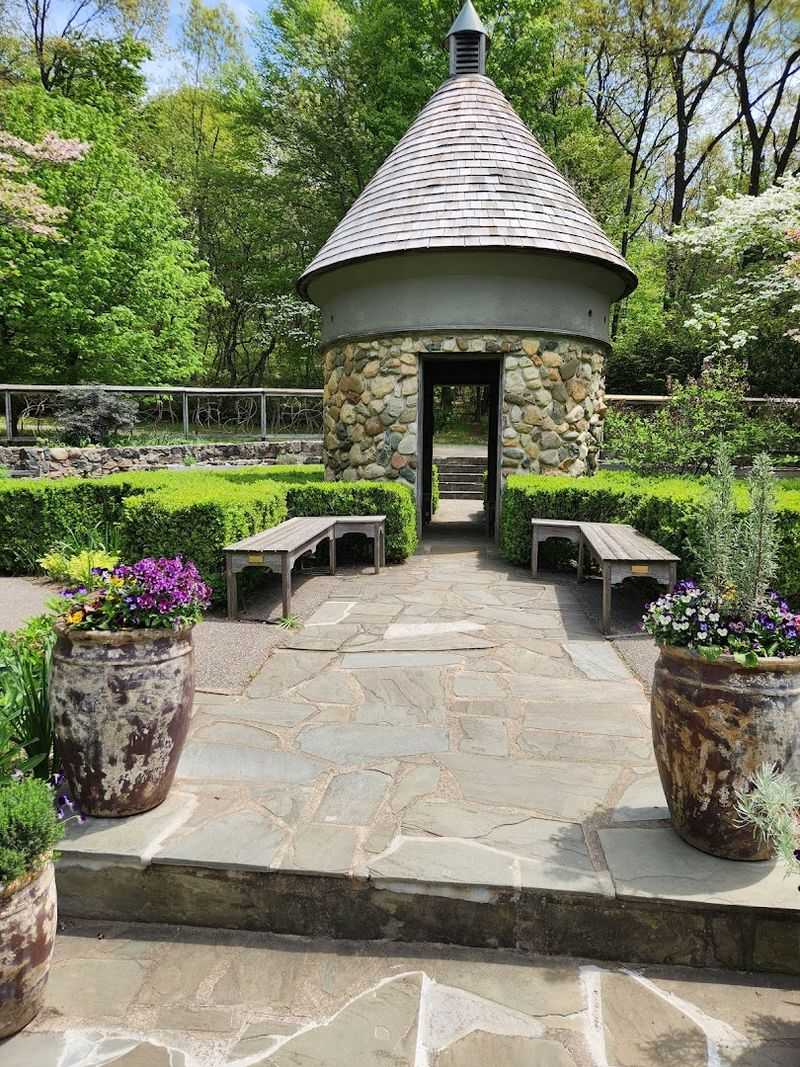
Morning light pools on Fernwood’s wooded ravines, and chickadees keep time above the St. Joseph River. The garden toggles gracefully between curated beds and honest-to-goodness oak savanna, so you can move from labeled hellebores to quiet leaf litter in a minute.
Spring brings snowdrops first, then carpets of bloodroot and trillium along trails that feel like they were laid with a whispered apology to the deer. History surfaces softly here: a former farmstead, a library, and the small Railway Garden chugging back to life as weather steadies.
Paths are firm, grades mellow, and maps easy to pocket, making this an ideal half day wander. Aim for weekday mornings, when river breath and woodpecker knocks read like your own private metronome.
2. Dow Gardens, Midland
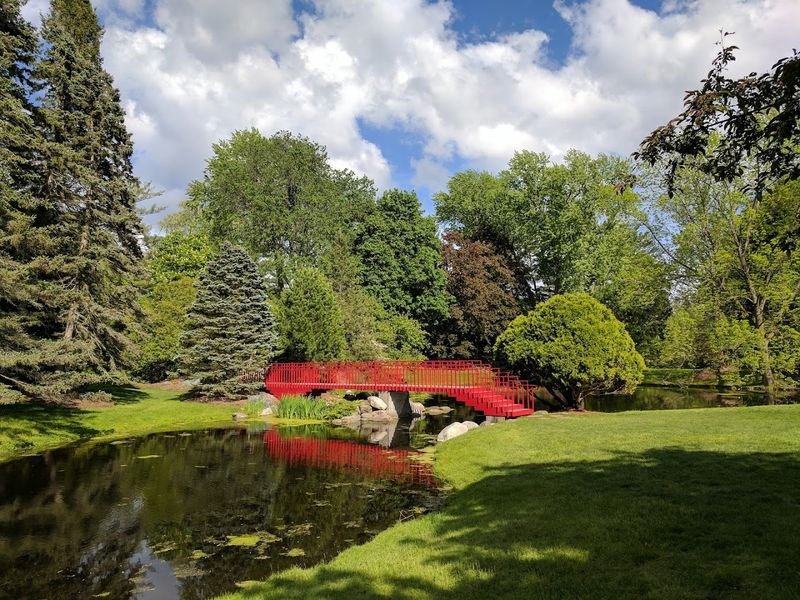
Red bridges arc over clear water while early tulips and daffodils spark the lawns at Dow Gardens. The campus blends Herbert H. Dow’s vision with modern additions, and Whiting Forest’s canopy walk floats you above birch and maple, giving spring a literal lift.
Sculpted borders sit beside practical kitchen plots, a reminder that beauty and function were never sworn enemies here. The whole property feels carefully layered rather than grandiose, with each section offering a slightly different argument for why designed landscapes can still feel alive, useful, and emotionally generous.
I like following the stream to the Pines, then rising onto the accessible canopy walk for a new angle on leaf-out. Midland’s polite scale means parking is easy, signage is clear, and snacks are nearby on Eastman.
If you catch the light wind, you will hear leaves rehearsing summer, and you will probably linger longer than planned. Even a short visit tends to stretch, because the paths keep unfolding into fresh textures, and the changing elevations make the gardens feel larger and more varied than they first appear.
3. Taylor Conservatory & Botanical Gardens, Taylor
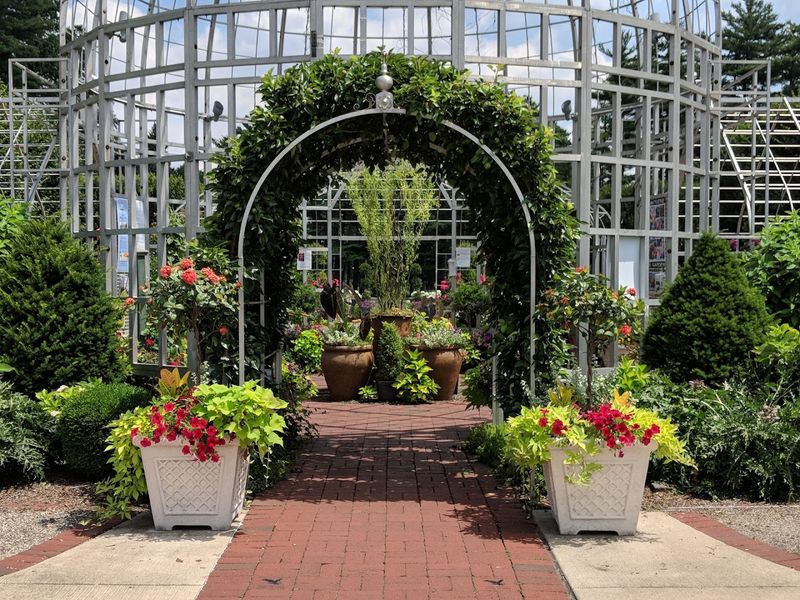
A classical frame rises against the sky in Taylor, hinting at grand conservatories yet keeping the mood neighborly. Beds curl around the structure with magnolias, early phlox, and tidy hedges, while small sculptures lend a civic-arts sparkle.
The setting grew from community grit, transforming a derelict site into a place where concerts, plant sales, and quiet strolls all feel equally appropriate. That history gives the garden extra texture, because the beauty does not feel imported or imposed, but built through local patience, shared labor, and a very practical kind of optimism.
Lean into the slower pace. Weekends can host events, but weekday afternoons often feel like a gracious backyard, with birds fussing and gardeners chatting over pruners. Bring a camera for the structural lines and a tote for plant-sale surprises.
If a breeze slides through the pergola, you will swear time just stretched to fit your plans. Even a short visit can reset your mood, especially when the flowers, architecture, and ordinary neighborhood life all seem to be cooperating at once.
4. Matthaei Botanical Gardens, Ann Arbor
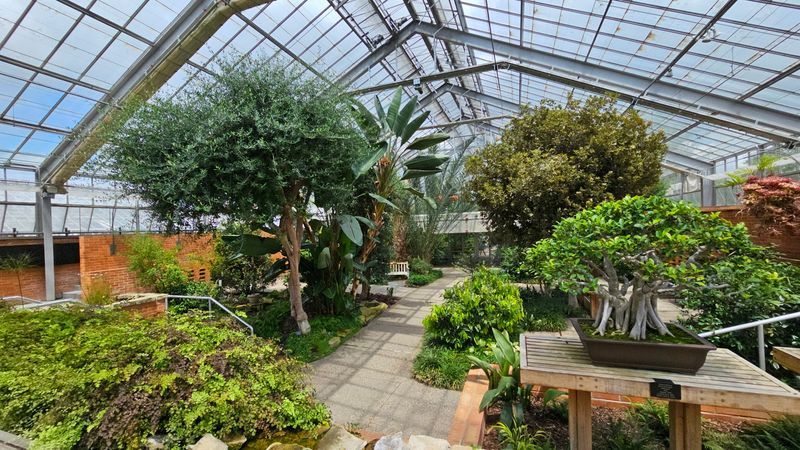
Quiet trails slip from glass to woods at Matthaei, where the conservatory’s tropical breath gives way to prairie edges and a disciplined bonsai collection. The place carries university DNA, so labels are precise and the plant stories run deep, but the vibe stays inviting.
Spring wildflowers lift the understory while the conservatory keeps rain days productive with palms, desert forms, and orchids.
History hums through research plots and long stewardship of Michigan ecosystems. Expect good signage, accessible pathways near the buildings, and more rustic footing farther out.
Time your visit to dodge student rush hours, then circle back for bonsai details that reward slow looking. When tree frogs start up, consider it your cue to linger beside the pond.
5. W.J. Beal Botanical Garden, East Lansing
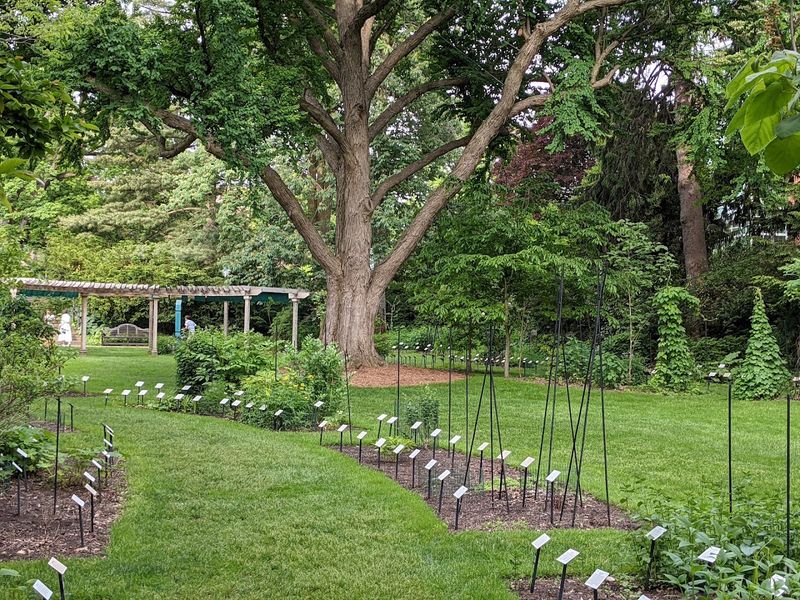
On MSU’s campus, Beal feels like a living syllabus set to birdsong. Established in the 19th century, it is one of the oldest continuously operated botanical gardens in the nation, with plots arranged by plant use and taxonomy.
Spring ephemerals edge the beds while students angle past, half-studying, half-basking in the first real sun. The whole place makes academic curiosity feel pleasantly physical, as if ideas have been coaxed into leaf, stem, texture, and seasonal color right in front of you.
I bring a notebook here; the labeling is that good, and the historical seed-burial experiment nearby is a rabbit hole worth falling into. Paths are flat, access is straightforward, and you can pair a visit with the nearby Beal seed plot markers for context.
Plan short, focused laps, then drift toward the Red Cedar River, where mallards annotate whatever you just learned. It is an easy place to leave feeling both calmer and a little smarter than when you arrived.
6. Hidden Lake Gardens, Tipton
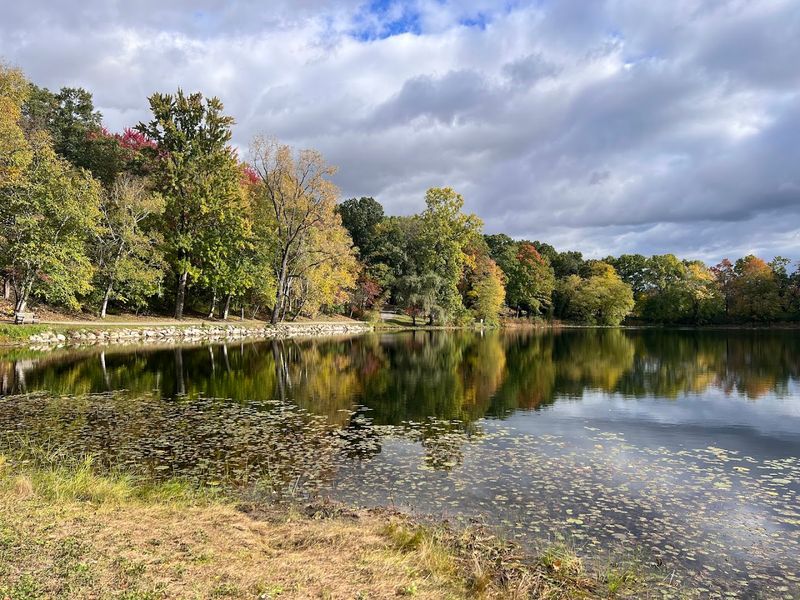
Hills roll like a slow waltz at Hidden Lake, and the lake itself throws light back at the flowering cherries and crabapples. Started as a private collection and now stewarded by Michigan State University, the grounds stretch over hundreds of acres, mixing formal collections with wild edges.
The newer Tree Tower and canopy walk give height and perspective to spring’s quick changes. What makes the place memorable is not one single feature, but the way the landscape keeps shifting character as you move through it, from curated garden scenes to broader, quieter pockets where the terrain seems to breathe on its own.
Drive the loops, then park and wander for the scent of thawing pine duff. Trails vary from paved to rustic, so sturdy shoes help, and the conservatory offers a quick tropical reset if weather flips.
Arrive early to hear sandhill cranes overhead, then end at the overlook where distant fields make your plans feel usefully small. Even the transitions between spaces feel restorative, as though the property has been arranged to keep resetting your attention before it hardens into routine.
7. DeTour Village Botanical Gardens, DeTour Village

Salt-kissed air without the salt: freighters slide past as hardy perennials shrug off lake wind in DeTour Village. The gardens lean small and sincere, built by locals who know what thrives this far north, favoring rugosa roses, daylilies, and wind-tough grasses.
Maritime touches, from painted anchors to friendly signage, stitch everything to the shoreline. Nothing feels overly designed, which is part of the appeal, because the place reads as cared for rather than curated for show.
History here is shipping lanes and seasonal rhythms more than grand estates. Pack layers; the breeze turns quickly, and benches face the water for unhurried ship-watching. Parking is easy, donations help maintenance, and conversations happen readily at the gate.
If the lighthouse horn carries, you will feel the exact seam between cultivated beds and big-lake wilderness, and you will smile. That blend of neighborly effort and open-water atmosphere gives the stop a quiet charm that lingers longer than expected.
8. Leila Arboretum, Battle Creek

Broad lawns lift toward veteran trees at Leila Arboretum, with spring lilacs writing purple sentences along the paths. Founded in the early 20th century, the grounds grew through civic ambition and careful planting, now counting thousands of specimens across themed areas.
The Fantasy Forest sculptures and a contemplative labyrinth reveal the town’s playful seriousness about green space. Weave from sculpture to lilac rows, then pause where orioles flash in the canopy. Parking is straightforward, the visitor center has maps, and trails are gentle enough for mixed groups.
Time your visit for bloom peak if you can, but even the ramp-up smells like memory. When lawn mowers hum in the distance, it somehow underscores the calm rather than breaking it.
9. Anna Scripps Whitcomb Conservatory, Detroit
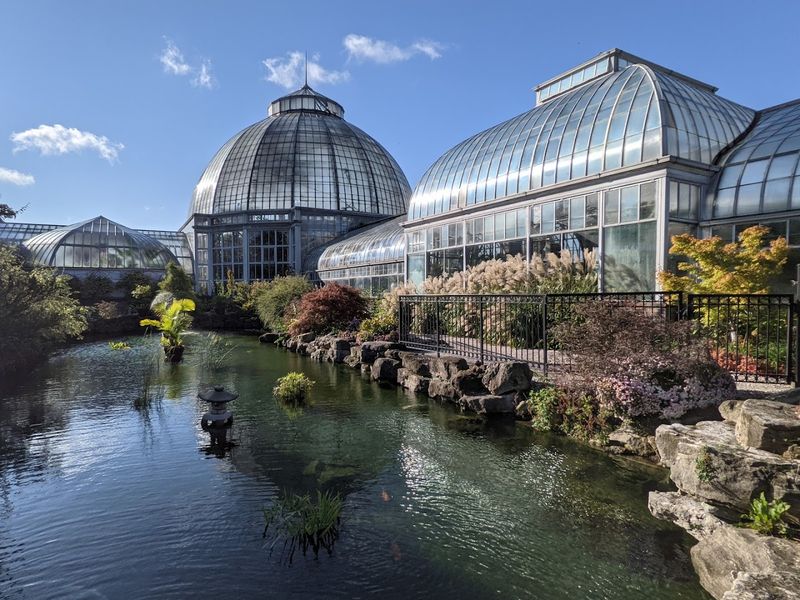
Glass ribs catch Detroit light at the Anna Scripps Whitcomb Conservatory, where the palm house rises like a quiet cathedral.
Opened in 1904 and designed by Albert Kahn, this Michigan gem shelters orchids, cycads, and tropical giants that make March feel almost July. Outside, seasonal beds wake as the island shakes off winter and the river shows its steel-blue shoulders.
Architecture does some of the teaching here, and preservation work keeps the dome shining. Expect humid air, camera fog, and a steady trickle of families and plant nerds swapping tips. Pair the visit with a Belle Isle loop for herons and bridges. If sunlight throws lace onto the tile, step back and let the room set the pace.
10. Frederik Meijer Gardens & Sculpture Park, Grand Rapids
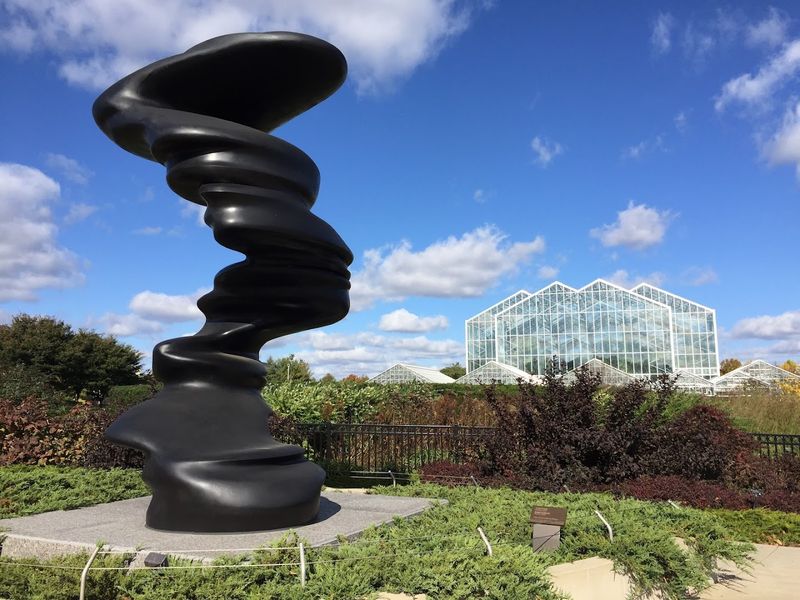
Sculpture greets crocus and tulip at Meijer Gardens, with bronze and stone punctuating beds that are anything but fussy. The conservatory handles tropical duties while the outdoor acreage spreads from wetlands to formal terraces, proof that art and horticulture can talk without shouting.
New pieces rotate in, and the scale invites both stroller laps and long, thinking walks. It is rare to find a place this large that still feels so legible, where each turn offers a shift in texture without breaking the overall calm.
I start by the Lena Meijer Children’s Garden to feel the day’s tempo, then slide to quieter boardwalks where red-winged blackbirds supervise. Wayfinding is excellent, timed tickets help, and parking is generous. Bring water, because you will keep adding one more loop.
When evening light kisses the sculptures, they answer softly, and the flowers seem to listen. By the time you leave, the place often feels less like a single attraction and more like several moods stitched carefully into one landscape.
11. Harris Nature Center Native Gardens, Okemos
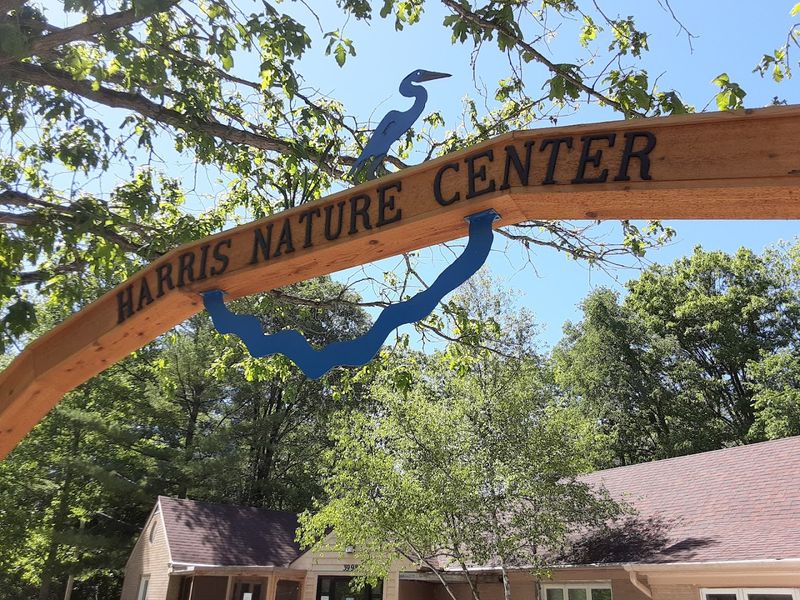
Here, the scale is pocket sized and the mission precise: show what mid-Michigan natives can do in a yard and a park. Beds brim with wild ginger, columbine, and sedges, each tagged with clear signs that turn a stroll into a short course.
The Red Cedar whispers close by, and chickadees work the feeders like seasoned commuters. Local culture threads through volunteer days and school groups, which means paths are tidy and ideas are field-tested.
Expect easy parking, flat walking, and staff who know where trout lilies broke ground that morning. Visit after a light rain, when leaves shine and soil smells like clean hands. You will leave plotting how to swap your lawn for life.
12. Belle Isle Botanical Conservatory, Detroit
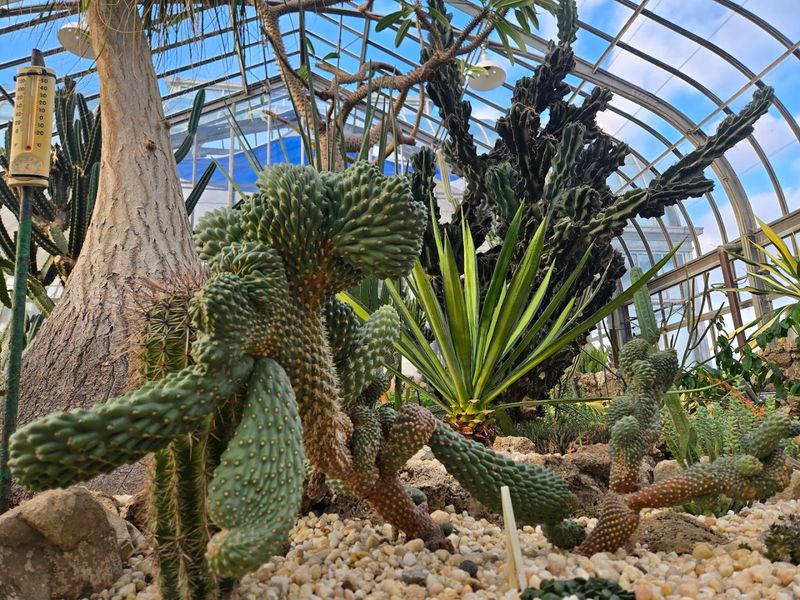
Across the bridge, Belle Isle gathers light and water into a calm that feels bigger than the map suggests. The conservatory complex, sibling to nearby cultural fixtures, frames palms and ferns while outside beds reset for spring with orderly optimism.
Fishermen cast by the river as geese discuss policy, and the whole island carries its own weekend rituals with easy confidence. Even when people are everywhere, the space still finds a way to feel open, breathable, and gently separate from the city’s harder edges.
Preservation stories are active here, so you may notice scaffolding or fresh glazing that keeps history breathing. Expect moderate crowds on sunny Saturdays; early hours or late afternoons reward patience with softer light.
Pack layers, because river wind changes the rules. When the skyline flickers through glass panes, it reads like a reminder that cities need chlorophyll too. That contrast is part of the charm, with architecture, water, and plant life quietly sharing the same horizon.