
10 Stunning California State Parks That Still Feel Surprisingly Underrated
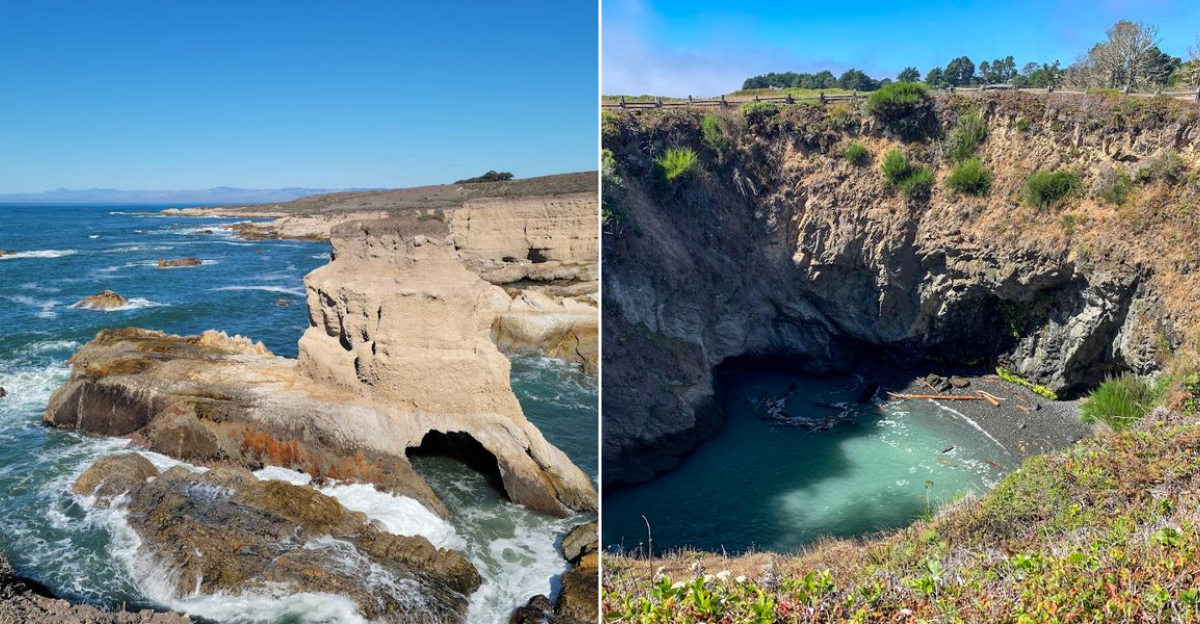
You know that thrill when you stumble on a secret gem so good, you almost want to keep it secret? That’s exactly how California’s lesser-known state parks hit you.
While the masses scramble for Yosemite campsites or line up at Big Sur overlooks, these parks quietly wait off the beaten path.
They’re like the side characters in a blockbuster who somehow steal every scene. Ancient redwood groves, volcanic lava fields, steaming hot springs, rugged coastlines, golden hills that make even seasoned hikers pause mid-trail.
These parks have it all. With 280 state parks across California, the most jaw-dropping spots are often the ones you’ve never heard of.
Smaller crowds, epic views, a sense of connection to nature that feels intensely personal. Whether you crave hiking, history, or just a weekend unplug, these ten underrated parks promise adventure, awe, and maybe even a little magic.
Pack your trail mix and charge your camera, it’s time to get lost in California’s best-kept secrets.
1. Hendy Woods State Park
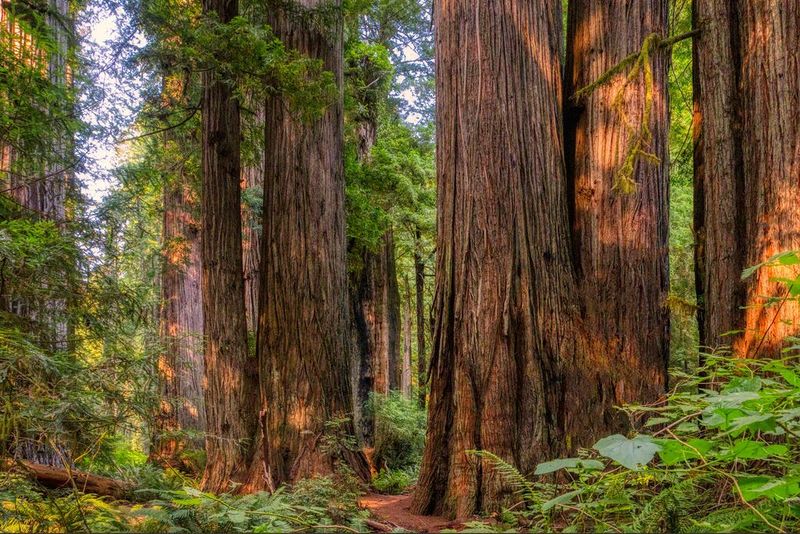
Some places make you feel genuinely small in the best possible way, and Hendy Woods is one of them. Tucked into the Anderson Valley at 18599 Philo Greenwood Road in Philo, California, this park is home to two spectacular old-growth redwood groves called Big Hendy and Little Hendy.
Standing beneath trees that are more than 1,000 years old has a way of putting everything into perspective.
The Hermit Hut Trail winds through the forest past the remnants of shelters built by a man who lived alone among these giants for decades.
That kind of quiet, eccentric history adds a layer of mystery to the whole experience. The Navarro River runs along the park’s edge, making it a sweet spot for a cool dip during warmer months.
Compared to the more famous redwood parks further north, Hendy draws a fraction of the visitors, which means you can actually hear the wind moving through the canopy without a crowd breaking the spell. Campsites here fill up but not nearly as fast as their coastal counterparts.
If ancient forests, river access, and genuine solitude sound like your kind of weekend, Hendy Woods delivers all three without asking you to fight for a parking spot.
2. Van Damme State Park
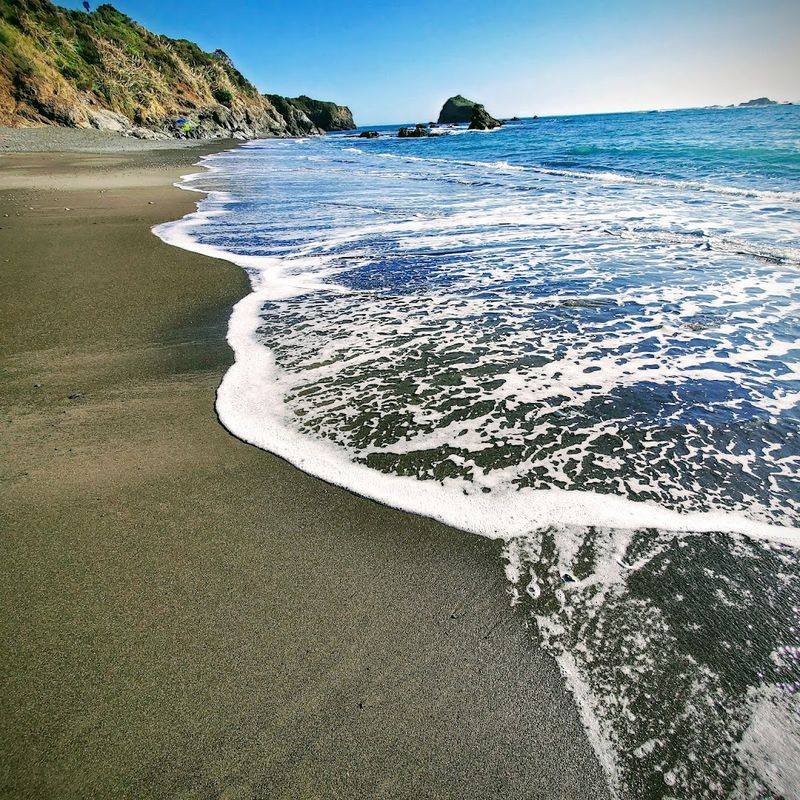
Not many parks can claim both a pygmy forest and a kayak-friendly ocean cove, but Van Damme pulls it off with zero effort. Located at 8125 N Highway 1 in Little River, California, this Mendocino Coast gem sits right where the fern canyon meets the Pacific, creating a landscape mashup that feels almost fictional.
The beach itself is sheltered and calm, making it one of the more accessible ocean entry points for kayakers and divers along this stretch of coast.
The real surprise is the Pygmy Forest Discovery Trail, a short loop through a forest where 100-year-old pine and cypress trees stand just knee-height tall.
The stunted growth happens because of a unique soil chemistry that strips nutrients and creates a natural bonsai effect across acres of woodland. Walking through it feels like stepping into a fantasy novel.
The Fern Canyon Trail follows Little River upstream through a canyon thick with five-finger ferns and redwood sorrel, offering one of the most lush and photogenic hikes on the Mendocino Coast. Abalone cove diving is popular here too, though seasons and regulations apply.
Van Damme tends to fly under the radar because it sits between the more talked-about towns of Mendocino and Fort Bragg. That middle-child status works entirely in your favor when you are looking for a coastal escape that feels genuinely uncrowded and wildly beautiful.
3. Grover Hot Springs State Park
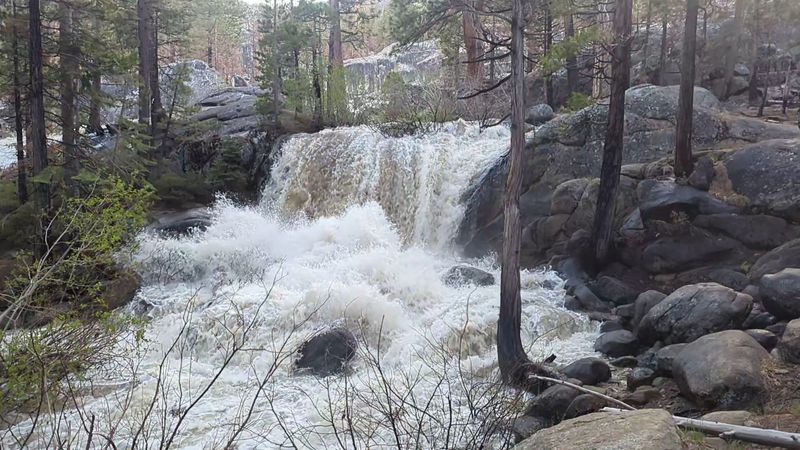
Picture soaking in geothermal hot springs while pine-covered Sierra Nevada peaks rise all around you. That is not a wellness retreat fantasy, that is just a regular Tuesday at Grover Hot Springs State Park.
Sitting at an elevation of about 5,900 feet at 3415 Hot Springs Road in Markleeville, California, this park offers a combination of mountain hiking and natural hot pool soaking that feels almost unfairly good.
The hot springs pool is maintained at around 102 to 105 degrees Fahrenheit, fed by geothermal water that has been flowing through this alpine valley for centuries.
A cooler plunge pool sits right next to it, and going back and forth between the two is basically the Sierra Nevada version of a spa day. The surrounding Hot Springs Valley is gorgeous in every season, from wildflower meadows in summer to snow-dusted pines in winter.
Markleeville itself is one of California’s smallest incorporated towns, with a laid-back, almost forgotten-by-time character that makes the whole area feel like a secret.
Hiking trails in the park lead through open meadows and into the Toiyabe National Forest, giving you access to some seriously underappreciated alpine scenery. Because it sits far from major highways, Grover Hot Springs stays blissfully quiet compared to more accessible mountain parks.
Sometimes the best reward at the end of a long hike is knowing a warm, steaming pool is waiting for you at the trailhead.
4. Montana De Oro State Park
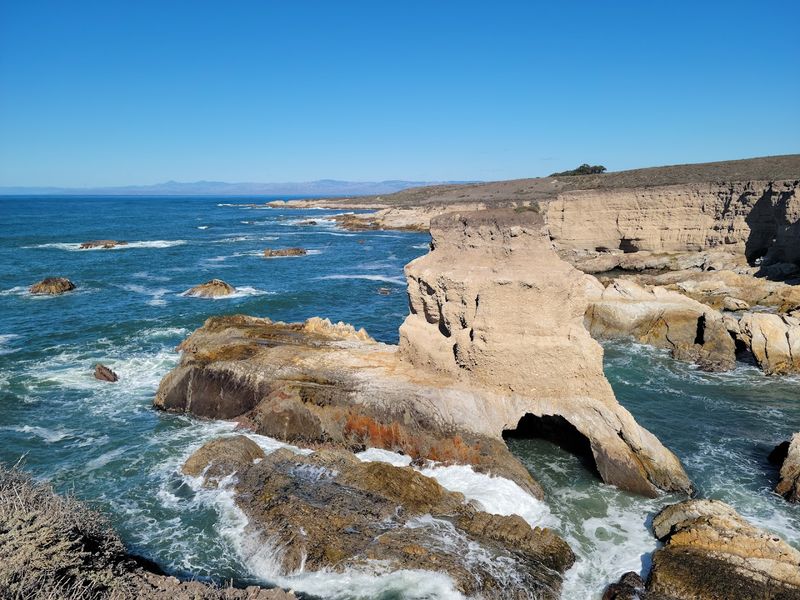
Montana de Oro translates to Mountain of Gold, and when the hillsides explode with spring wildflowers against a backdrop of crashing Pacific waves, that name earns every letter. Located at 3550 Pecho Valley Road in Los Osos, California, this park stretches across more than 8,000 acres of bluffs, canyons, sand dunes, and peaks along the San Luis Obispo County coast.
It is one of the largest undeveloped stretches of coastline in Southern and Central California.
The Bluff Trail is the park’s showstopper, a coastal walk that hugs the edge of dramatic sea cliffs where waves crash into blowholes and sea caves below.
Spooner’s Cove, a small protected beach inside the park, is one of the most beautiful and least crowded beaches you will find anywhere on the California coast. The combination of accessibility and raw scenery is almost hard to believe.
Inland trails climb into the Valencia Peak and Oats Peak areas, offering panoramic views that stretch from Morro Rock all the way to Point Sal on a clear day. Mountain biking, tide pooling, and primitive camping round out the experience.
The park sits close enough to San Luis Obispo to be a convenient day trip but feels a world away from any urban energy. Montana de Oro is the kind of park that makes you question why you ever settled for a crowded beach when this has been here the whole time.
5. Sinkyone Wilderness State Park
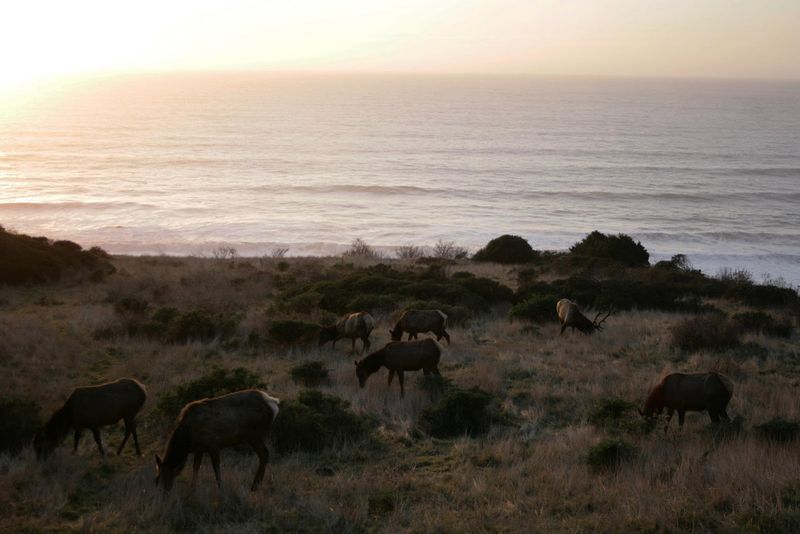
There are wild places, and then there is Sinkyone. This is the kind of park that reminds you what California looked like before roads, before development, before everything.
Accessed via 43200 Shoreline Highway near Westport, California, Sinkyone Wilderness State Park sits on the Lost Coast, one of the most remote stretches of shoreline in the entire contiguous United States. Getting here requires navigating unpaved roads through coastal mountains, and that effort is exactly the point.
The Lost Coast Trail through Sinkyone runs for about 16 miles one way through old-growth forest, across black sand beaches, and along coastal bluffs that drop sharply into the Pacific.
Roosevelt elk roam freely through the park, and sightings are common enough that you start to feel like you have genuinely stepped outside of modern time. The park is named after the Sinkyone people, the Indigenous community who called this coastline home for thousands of years.
Backcountry camping here requires a permit and genuine preparation because services are minimal and cell service is essentially nonexistent. But that is also what makes it so extraordinary.
The silence here is thick and real, the kind you can actually feel pressing in around you. Campfire smoke, ocean wind, and the distant sound of waves crashing against ancient cliffs create a sensory experience that no curated resort can replicate.
Sinkyone is not a casual weekend trip, but it is absolutely worth every mile of that bumpy access road.
6. Sue-Meg State Park
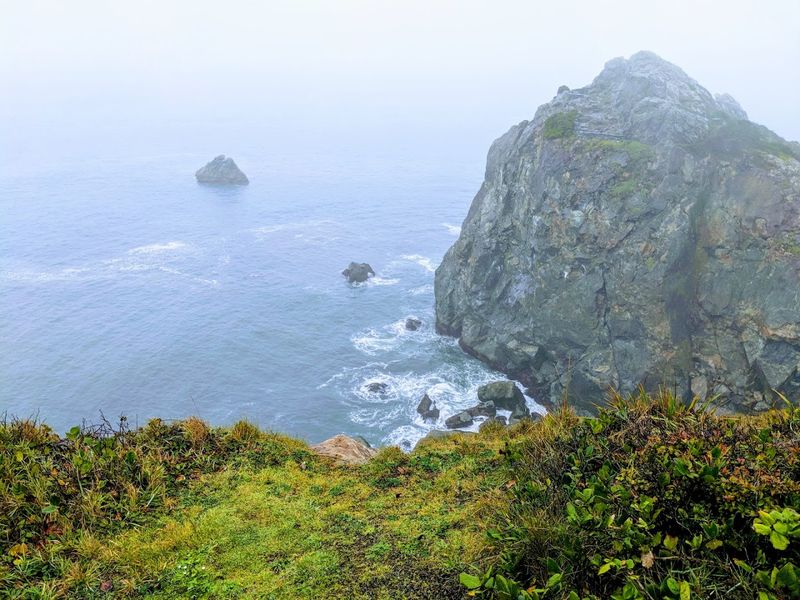
Sue-meg State Park carries a name that came with a powerful story. Formerly known as Patrick’s Point State Park, the park was officially renamed in 2021 to honor the Yurok people’s ancestral name for this land.
Located at 4150 Patrick’s Point Drive in Trinidad, California, this compact but breathtaking park sits on a forested headland jutting out into the Pacific, surrounded by sea stacks, tide pools, and ocean vistas that belong on a postcard.
Sumeg Village, a reconstructed Yurok village within the park, offers a genuinely moving and educational experience.
Traditional redwood plank houses, a sweat house, and a canoe sit within the village, connecting visitors to a culture and way of life that has existed on this coastline for thousands of years. The Rim Trail circles the headland and delivers unobstructed views of the ocean at nearly every turn.
Agate Beach, tucked at the base of the bluffs, is named for the semiprecious stones that wash ashore after storms. Finding a polished piece of agate in the surf feels like a small, perfect gift from the ocean.
Just a short drive from the charming town of Trinidad, Sue-meg offers both stunning scenery and rich cultural history that linger long after you leave. Plus a nearby spot for a cozy bed and a warm meal.
7. Ahjumawi Lava Springs State Park
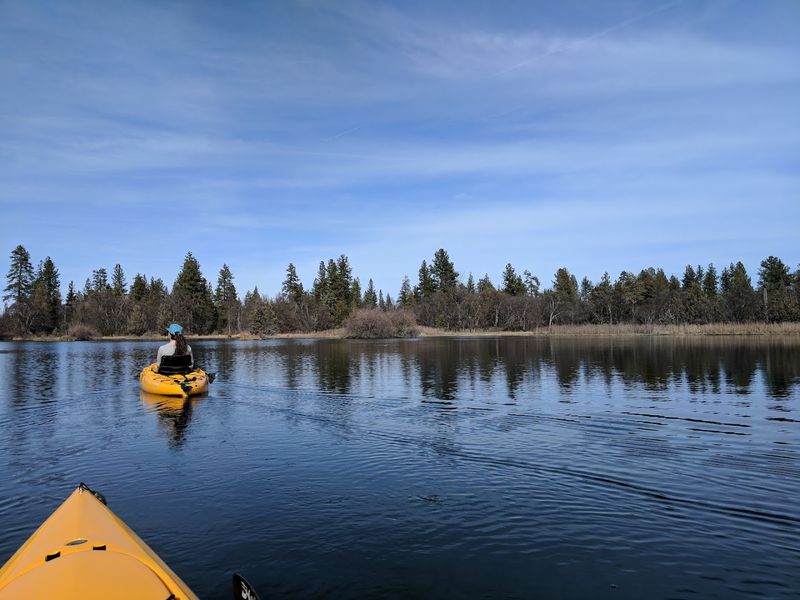
You can only reach Ahjumawi Lava Springs State Park by boat, and that alone tells you everything you need to know about how untouched this place is. Accessed via the Rat Farm boat launch off Main Street in McArthur, California, this park sits in the remote Pit River country of northeastern California and protects one of the largest freshwater spring systems in the entire state.
The springs pump out millions of gallons of crystal-clear water daily, feeding into a series of lakes and marshes that feel genuinely prehistoric.
The park sits on a massive ancient lava flow, and the combination of glassy water over black volcanic rock creates a visual contrast that is almost surreal. Paddling through the channels between lava fields while ospreys circle overhead and tule elk graze on the distant shore is the kind of experience that recalibrates your definition of beautiful.
The name Ahjumawi comes from the Pit River people and roughly translates to where the waters come together.
Because there are no roads into the park, visitor numbers stay extremely low, making it one of the most genuinely undiscovered state parks in California. Primitive campsites are accessible only by water, and the night skies here are staggeringly clear given the lack of nearby light pollution.
Bringing a canoe or kayak is essential, and planning ahead with permits and gear is non-negotiable. Ahjumawi rewards the prepared traveler with an experience that most Californians do not even know exists in their own backyard.
8. Russian Gulch State Park
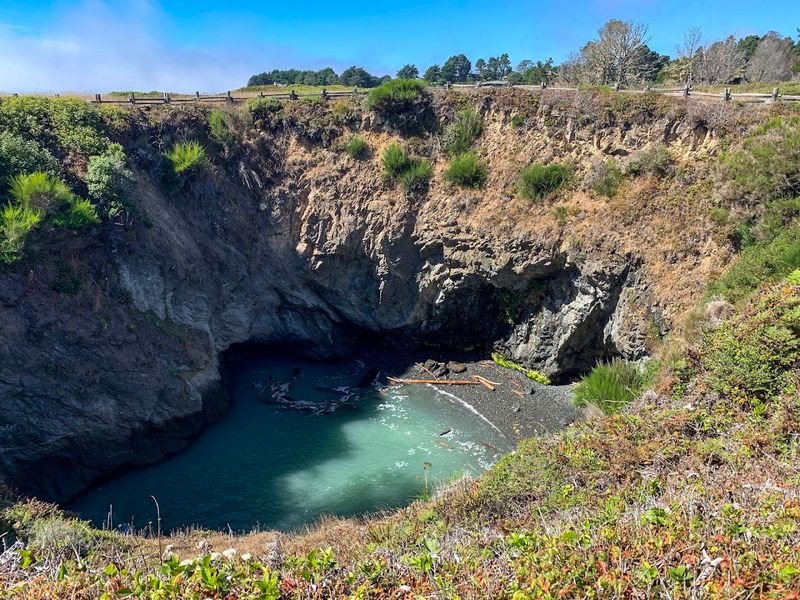
Russian Gulch has a dramatic trick up its sleeve that most coastal parks cannot compete with: a collapsed sea arch, where the ocean surges into a massive hole in the coastal bluff and sends spray shooting upward like a natural geyser.
Sitting at 12301 North Highway 1 in Mendocino, California, this park combines rugged coastline with a surprisingly lush inland canyon that most visitors completely miss.
The Falls Loop Trail winds four miles along Russian Gulch Creek through towering redwoods and ferns, ending at a 36-foot waterfall in a mossy canyon. Just a mile from the salty coast, the forest feels like a quiet, dripping world of its own.
Mountain bikers can explore nearby ridges on a separate trail network.The park’s campground sits in a sheltered canyon just steps from the beach, giving it one of the coziest camping atmospheres on the Mendocino Coast.
Scuba diving and free diving are popular in the protected cove, and the tide pools along the rocky shoreline are some of the most accessible and richly populated on this stretch of coast.
Russian Gulch sits right next to the town of Mendocino but somehow gets far less attention than its famous neighbor. Consider that your invitation to show up, explore every trail, and claim the whole place for yourself.
9. Tomales Bay State Park
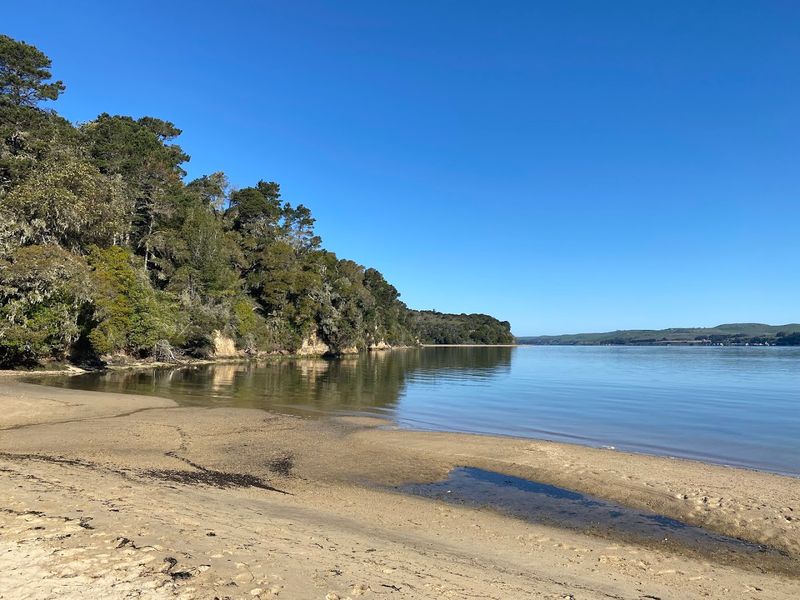
Calm water, white sand, and a Bishop pine forest so dense it feels like a different ecosystem entirely. Tomales Bay State Park offers a version of the California coast that trades crashing surf for glassy, sheltered bay water that you can actually swim in comfortably.
Located at 1100 Pierce Point Road in Inverness, California, the park sits on the western shore of Tomales Bay within the Point Reyes National Seashore area, making the surrounding scenery almost absurdly photogenic.
Heart’s Desire Beach is the park’s most popular spot, a small, sandy cove where the water stays relatively warm and calm thanks to the bay’s natural protection from ocean swells. The surrounding Bishop pine forest is one of only a handful in the world, and hiking through its gnarled, fog-kissed canopy feels like walking through a living piece of ecological rarity.
The Johnstone Trail connects several beaches along the bay’s shoreline and offers sweeping views of the water through the trees.
Tomales Bay itself sits directly on the San Andreas Fault, meaning the land on the opposite shore is technically moving northward at about two inches per year.
Standing on the beach and knowing that adds a quietly thrilling geological dimension to what is already a stunning setting. Kayaking the bay is popular and rewarding, with harbor seals and shorebirds making regular appearances.
The park is close enough to the Bay Area for a day trip but feels genuinely removed from the pace of city life. Beauty and geology, all in one quiet bay.
10. Pacheco State Park
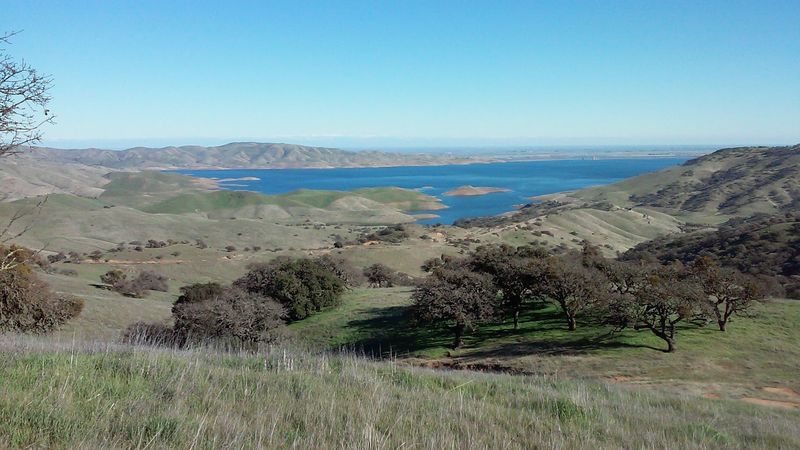
Golden hills, open sky, and the kind of sweeping silence that reminds you why wide open spaces exist. Pacheco State Park is one of Central California’s best kept secrets, and its low profile is almost baffling given how stunning it is.
Located at 38787 Dinosaur Point Road in Hollister, California, this park covers nearly 7,000 acres of rolling grassland, oak woodland, and ridgeline terrain in the Diablo Range, offering views that stretch across the San Joaquin Valley on a clear day.
The park is a favorite among mountain bikers and equestrians for its network of trails that wind through open terrain with minimal shade and maximum scenery.
Hikers love the ridgeline routes, where the trail crests over hills to reveal valley panoramas that feel almost cinematic. Spring is the absolute peak season, when the hillsides turn a vivid, almost electric green and wildflowers bloom across every open slope.
Tule elk were reintroduced to the park and can sometimes be spotted grazing in the valleys below the ridgelines, a reminder that California’s wildlife heritage runs deeper than most people realize. The park also borders San Luis Reservoir, adding a water element to the landscape that makes the views even more dynamic.
Pacheco rarely appears on any top-ten list, and that oversight is a genuine gift to anyone who shows up and experiences its quiet, rolling magnificence. California has been hiding this one in plain sight, and it is well past time to give it its moment.
Have you been sleeping on Pacheco too?