
7 Stunning Illinois Waterfall Hikes That Belong On Your Weekend Adventure List
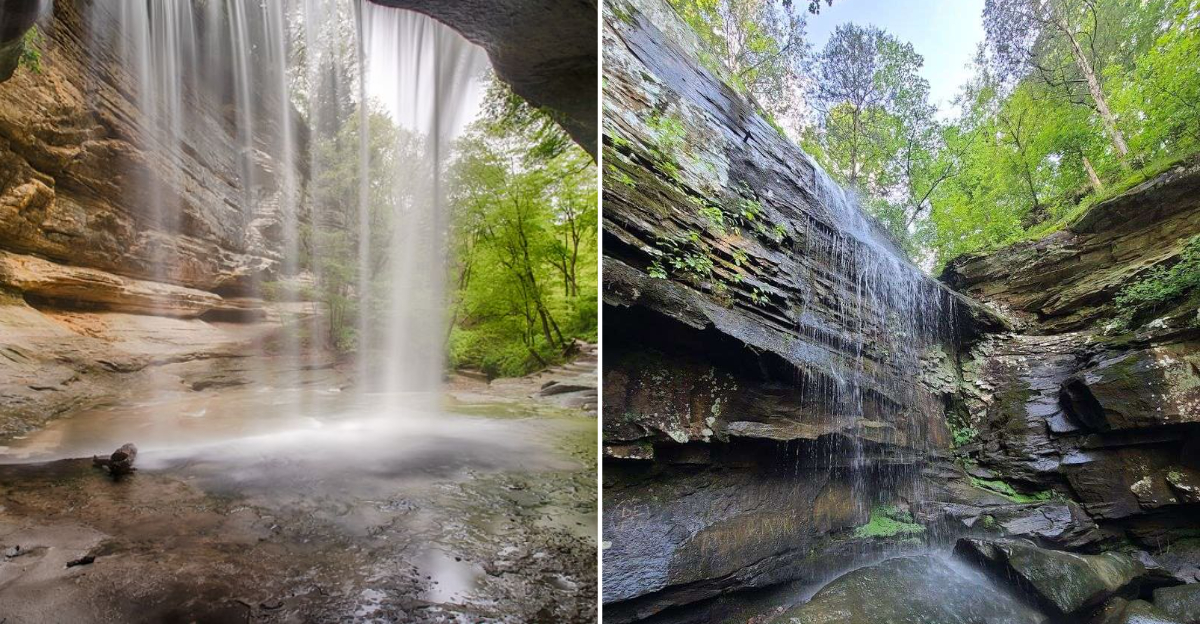
Illinois might not be the first place that comes to mind when I think about chasing waterfalls, but that assumption never lasts long once I hit the trail. It has a way of surprising anyone willing to trade cornfields for canyon walls and follow a narrow path into cool sandstone ravines.
I remember the first time I heard water echoing off the rock at Starved Rock State Park and it stopped me mid-stride. Plenty of drivers pass through Illinois focused on reaching somewhere else, unaware that dramatic bluffs, fern-lined creeks, and seasonal cascades sit just minutes off major highways.
I’ve found waterfalls here that roar after spring storms and others that whisper quietly in shaded forest corridors.
These seven hikes highlight the range of scenery across the state, with northern trails reachable from Chicago and southern routes comfortably within a few hours of St. Louis, each offering a refreshing break from the everyday landscape.
1. LaSalle Canyon Falls, Starved Rock State Park
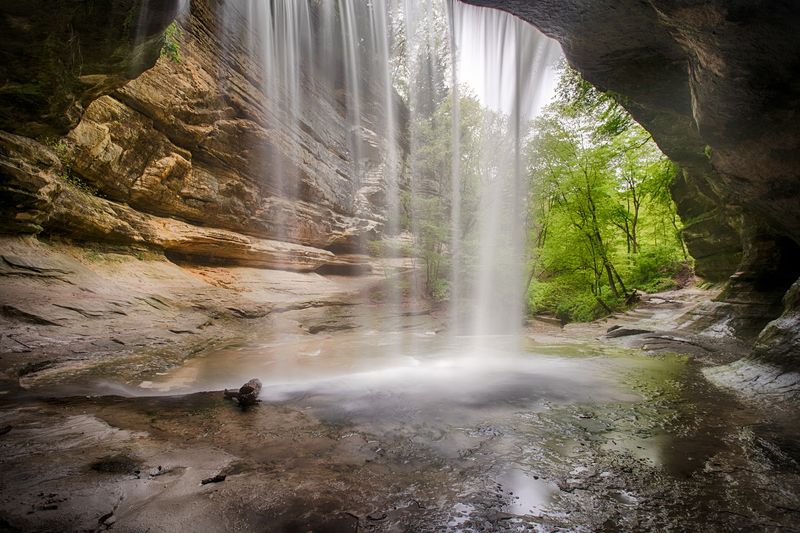
Picture yourself walking through a narrow sandstone canyon where the walls seem to close in around you, and suddenly you’re standing face-to-face with a waterfall tumbling down from a hidden slot above.
That’s exactly what awaits at LaSalle Canyon, one of Starved Rock State Park’s most photographed spots. Located near Oglesby, Illinois, about 90 minutes southwest of Chicago, this canyon showcases the dramatic geological formations that make this park so special.
The hike to LaSalle Canyon typically ranges from about 2 to 2.6 miles round trip depending on your starting point and route, following well-maintained trails through hardwood forest.
During spring, when snowmelt feeds the falls, you’ll find a robust curtain of water pouring into the canyon’s amphitheater-like chamber.
Even during drier summer months, the cool, shaded canyon offers a refreshing retreat, and you can still appreciate the impressive rock formations and the way light filters down through the narrow opening above.
What makes this spot particularly magical is how the canyon walls frame the waterfall perfectly for photos. Staircases and some planked trail sections make the journey accessible for most fitness levels, though the steps can become slippery when wet.
I recommend visiting on weekday mornings if you want to avoid crowds and have the canyon mostly to yourself.
Starved Rock State Park is located at 2678 East 873rd Road in Oglesby, with LaSalle Canyon being one of 18 canyons you can explore throughout the park. Pack your camera, wear sturdy shoes, and prepare to be amazed by this unexpected Illinois treasure.
2. St. Louis Canyon Falls, Starved Rock State Park
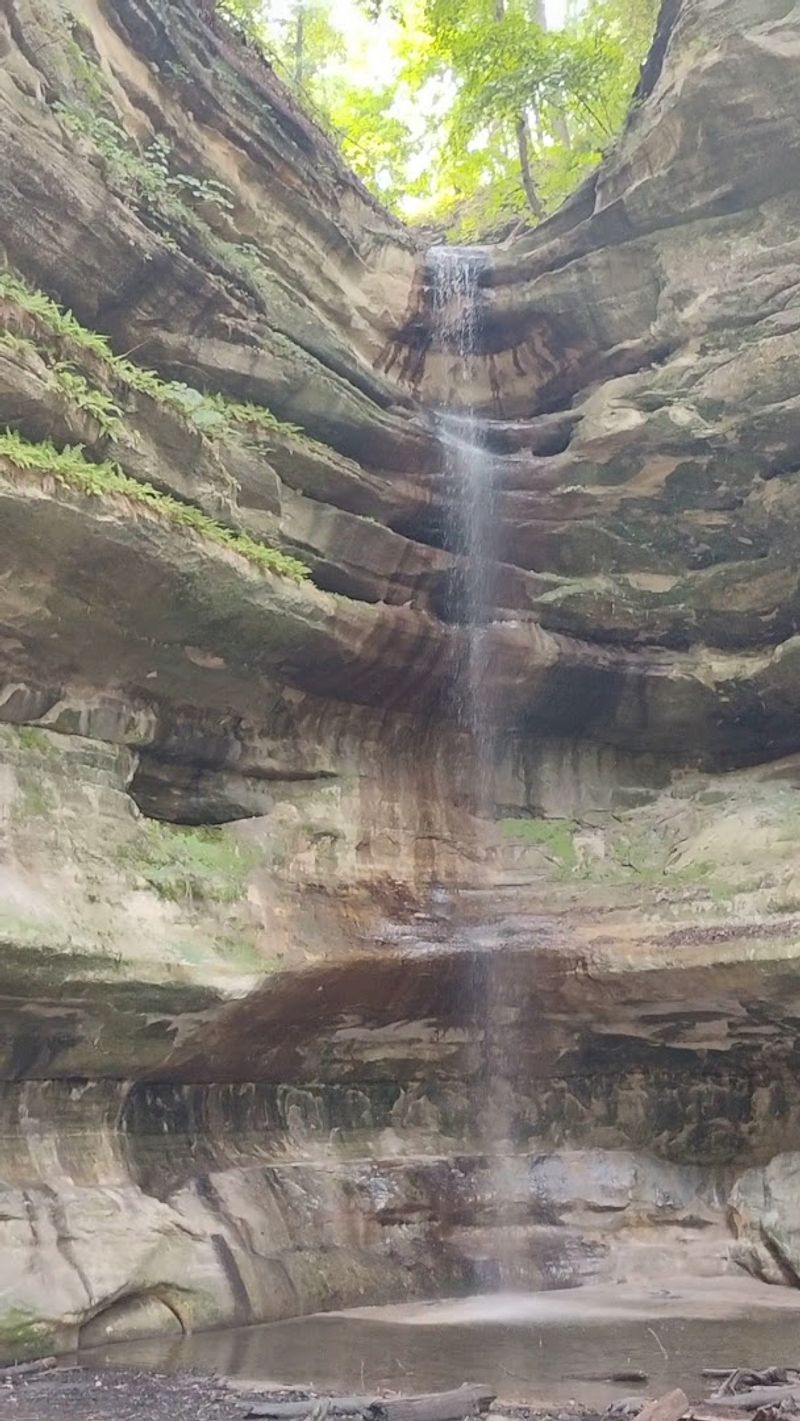
St. Louis Canyon might just be the crown jewel of Starved Rock’s canyon collection, and once you round that final corner on the trail, you’ll understand why hikers rave about it.
The waterfall here plunges dramatically from an opening high in the canyon wall, creating a scene that feels more like Kentucky or Tennessee than Illinois. This spot sits within the same park system as LaSalle Canyon, making it easy to hit multiple waterfalls in one adventurous day.
Getting to St. Louis Canyon typically involves a hike ranging from about 1.5 to 4 miles round trip depending on your chosen trailhead and route, with sections that pass through scenic Illinois River bluff terrain. The trail features some elevation changes and wooden staircases, but nothing too strenuous for anyone with basic hiking experience.
When spring rains feed the waterfall, you’re treated to a powerful cascade that echoes through the canyon’s natural amphitheater, while winter transforms the falls into stunning ice formations that attract photographers from across the Midwest.
The canyon itself stretches deep into the rock, with towering walls that create an almost cathedral-like atmosphere. Moss and ferns cling to the sandstone, adding splashes of green that contrast beautifully with the golden-brown rock.
Unlike some of the park’s other canyons, St. Louis Canyon remains relatively cool even on hot summer days, making it a perfect escape when temperatures climb.
Trail access varies depending on where you park within Starved Rock State Park, with multiple routes leading to the canyon. The combination of accessibility, dramatic scenery, and that picture-perfect waterfall makes this canyon an absolute must-see on any Illinois hiking bucket list.
3. Cascade Falls, Matthiessen State Park
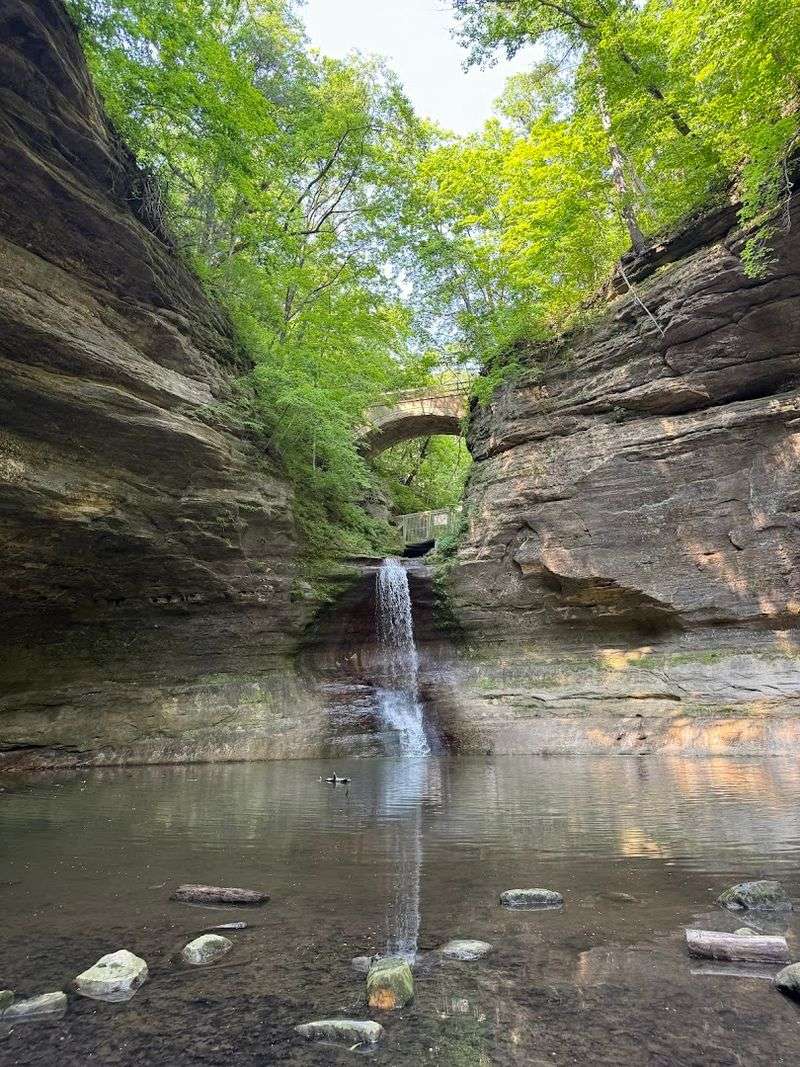
Just five minutes down the road from Starved Rock sits Matthiessen State Park, a smaller but equally stunning natural area that many visitors overlook. Cascade Falls serves as the park’s main attraction, and it’s absolutely worth the short detour.
Located at 2500 Illinois Route 178 South in Oglesby, this park offers a quieter alternative to its more famous neighbor while delivering equally impressive scenery.
The trail to Cascade Falls takes you through the Dells Area, where you’ll follow a creek through a gorgeous sandstone canyon. The waterfall itself cascades over multiple tiers of layered rock, creating a stair-step effect that’s particularly photogenic.
During peak flow in spring, the falls roar with impressive force, while summer and fall reveal the intricate rock formations more clearly as water levels drop.
What sets Matthiessen apart is the overall hiking experience. Loop options through the upper and lower Dells generally range from about 2.5 to 3.5 miles depending on the connectors and overlooks you include.
During lower water periods, you can get close to sections of the cascades and rock walls, though conditions vary with water levels.
The turquoise-tinted pools below the falls add another layer of beauty to an already spectacular scene.
The park sees fewer visitors than Starved Rock, which means you’re more likely to find peaceful moments beside the falls without fighting crowds for photo spots.
I’ve found that early morning visits in autumn offer the best combination of good light, colorful foliage, and solitude. This hidden treasure deserves way more attention than it gets.
4. Waterfall Trail, Ferne Clyffe State Park
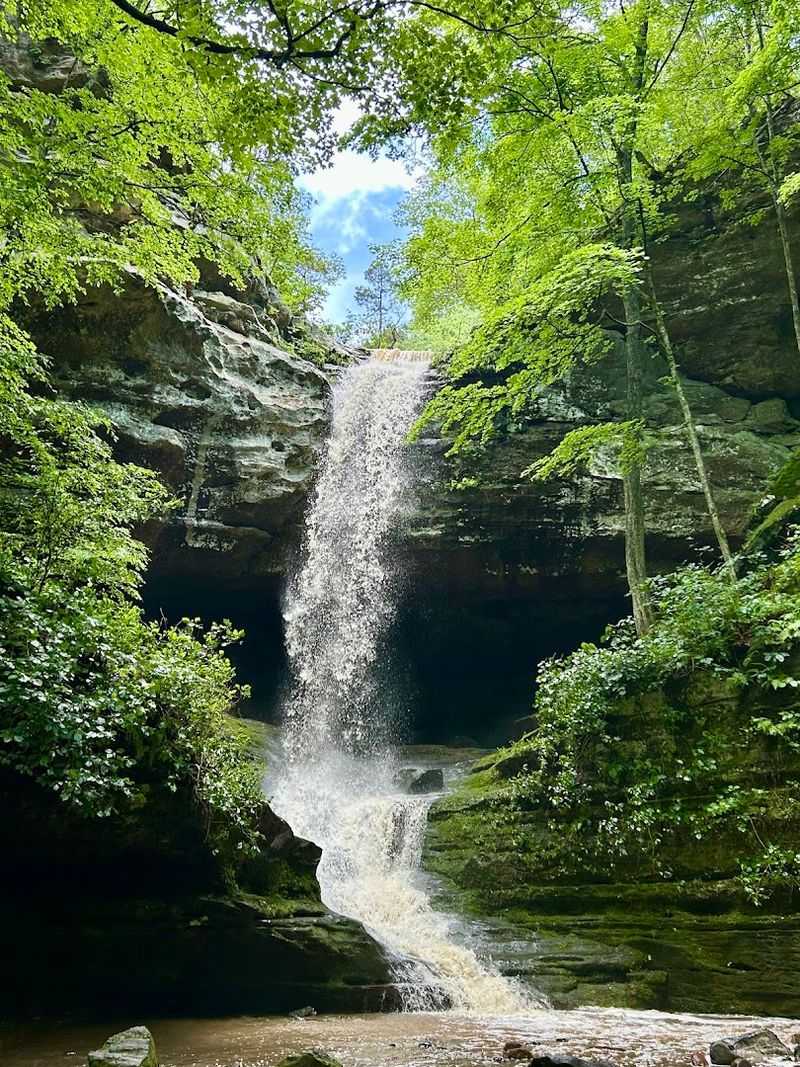
Head south toward the Shawnee Hills region and you’ll discover Ferne Clyffe State Park, a roughly 2,400-plus-acre natural wonderland that feels worlds away from the prairie landscapes most people associate with Illinois.
The Waterfall Trail here ranks among southern Illinois’s most rewarding short hikes, packing incredible scenery into just about a mile of walking. You’ll find the park at 90 Goreville Rd in Goreville, roughly halfway between Carbondale and Paducah, Kentucky.
This trail earns its straightforward name by leading directly to a beautiful waterfall that tumbles over a rocky bluff into a serene pool below. The path winds through dense forest filled with ferns, wildflowers, and towering trees that create a canopy overhead.
Unlike the sandstone canyons up north, Ferne Clyffe features different rock formations that give the landscape its own distinct character. The waterfall itself flows strongest after rainfall, but even during drier periods, the shaded canyon environment and unique rock features make the hike worthwhile.
What really makes this trail special is the variety you encounter along the way. You’ll pass interesting rock formations, small caves, and overhangs that invite exploration.
The trail is well-marked and relatively easy, making it accessible for families with kids who want to experience Illinois’s natural beauty without tackling anything too challenging. Spring brings an explosion of wildflowers, while fall transforms the forest into a palette of reds, oranges, and golds.
Ferne Clyffe remains surprisingly uncrowded compared to more famous Illinois parks, giving you a better chance to connect with nature without the distraction of large groups. This peaceful retreat offers exactly what weekend adventurers need.
5. Jackson Falls, Shawnee National Forest
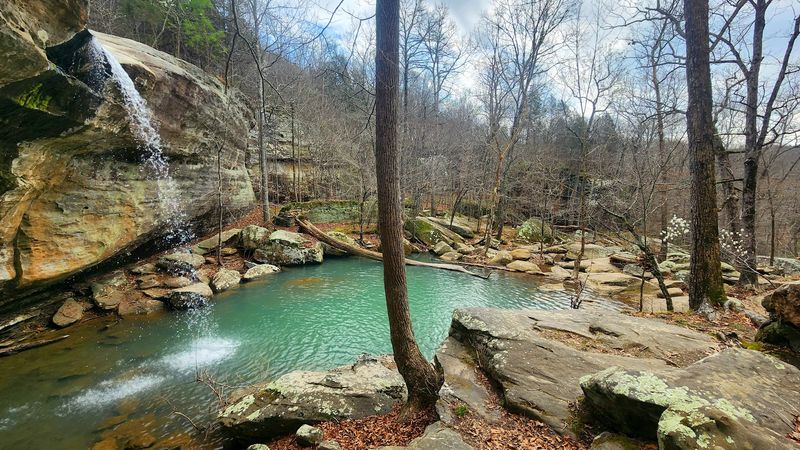
Down in the southern tip of Illinois, where the state gets surprisingly rugged and beautiful, Jackson Falls offers something completely different from your typical waterfall experience.
Located in the Shawnee National Forest near the town of Ozark, this spot is actually famous as one of the Midwest’s premier rock climbing destinations, but the seasonal waterfalls that flow over the bluffs add an extra dimension of beauty that climbers and hikers alike appreciate.
The Jackson Falls area features impressive sandstone bluffs that rise dramatically from the forest floor, and when conditions are right, multiple small waterfalls cascade down these rock faces. After heavy rains or during spring snowmelt, you might count a dozen or more thin ribbons of water streaming down the cliffs.
The falls aren’t massive, but their number and the dramatic setting make them incredibly photogenic. Even when the waterfalls aren’t flowing, the unique rock formations and the peaceful forest setting make this area worth exploring.
Several trails wind through the Jackson Falls area, with the main trail being an easy 0.8-mile loop that gives you great views of the bluffs and any active waterfalls. You’ll likely see rock climbers scaling the vertical faces, adding a dynamic element to the scenery.
The forest here feels more like Kentucky or Tennessee than Illinois, with diverse hardwoods and interesting vegetation that changes dramatically with the seasons.
To reach Jackson Falls, follow Highway 45 to Ozark Road, then Glen Street Falls Road, which leads to the signed trailhead parking area near Ozark, Illinois.
The parking area is well-marked, and the trails are maintained and easy to follow. This spot combines geological wonder with outdoor recreation in a way that few Illinois locations can match.
6. Burden Falls, Shawnee National Forest
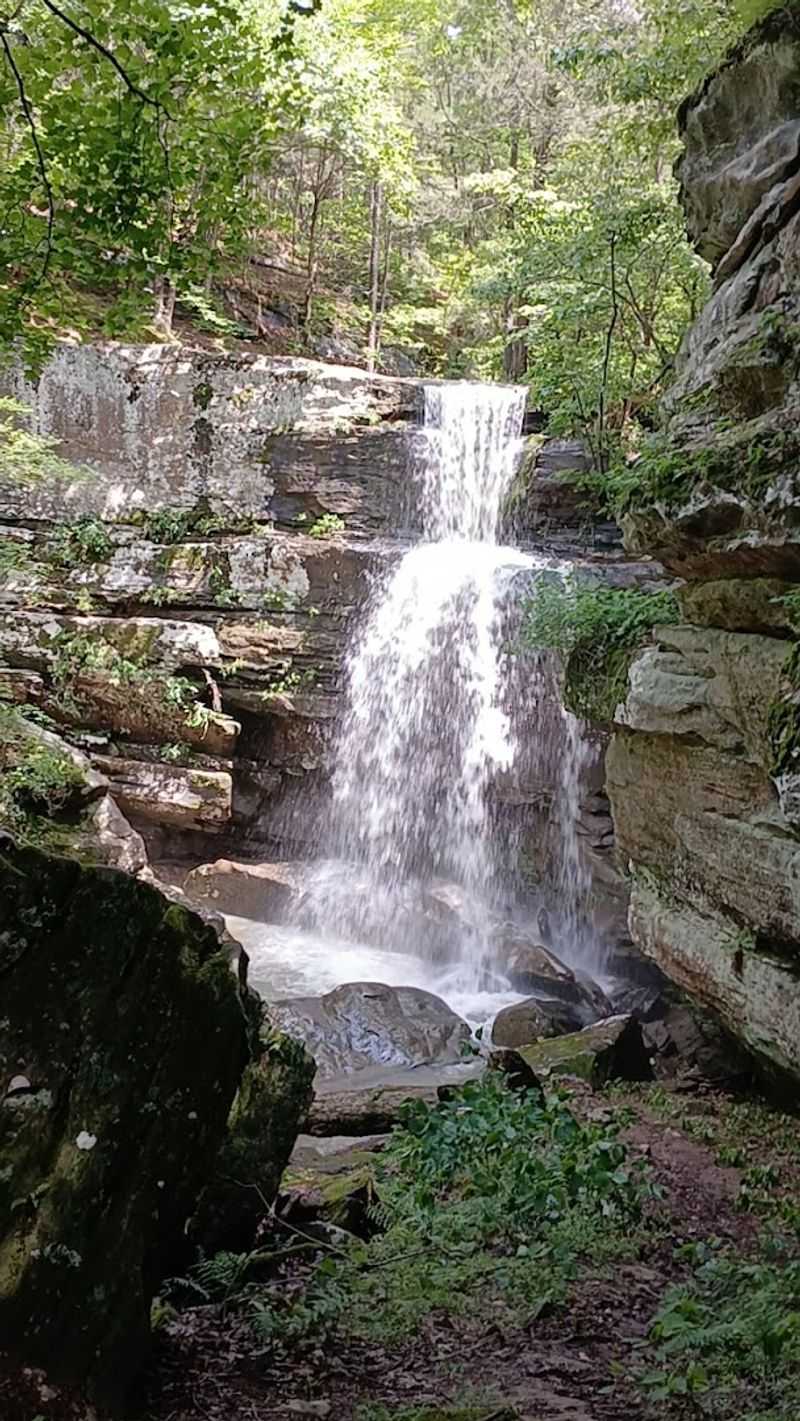
Tucked away in a remote corner of Shawnee National Forest, Burden Falls rewards those willing to venture off the beaten path with one of southern Illinois’s most serene waterfall experiences.
This hidden treasure sits near the tiny community of Eddyville, and finding it requires a bit of determination, but that’s exactly what keeps it peaceful and relatively crowd-free even during peak hiking season.
The waterfall is seasonal and flows best after periods of rain or snowmelt, when Burden Creek carries higher water levels. The falls cascade over a rocky ledge into a clear pool below, with additional smaller drops further downstream depending on water levels.
What makes Burden Falls particularly special is the pristine setting. The forest feels wild and untouched, with minimal development or infrastructure to interrupt the natural beauty.
You’ll hear birds singing, leaves rustling, and water flowing, often without any human-made sounds competing for attention.
A short woodland walk leads from the trailhead to the base of Burden Falls, with longer hiking opportunities available within the surrounding wilderness area. While not particularly difficult, the path can get muddy and slippery, especially near the falls, so proper footwear is essential.
The surrounding area offers additional exploration opportunities, with rock formations, interesting vegetation, and the kind of solitude that’s increasingly hard to find near major population centers.
Access Burden Falls via Burden Falls Road off Illinois Route 145 near Eddyville. The trailhead has limited parking, and you’ll want to bring bug spray during warmer months.
This waterfall exemplifies what makes southern Illinois special: unexpected natural beauty hiding in plain sight, waiting for curious adventurers to discover it.
7. Boulder Falls Area, Bell Smith Springs Recreation Area
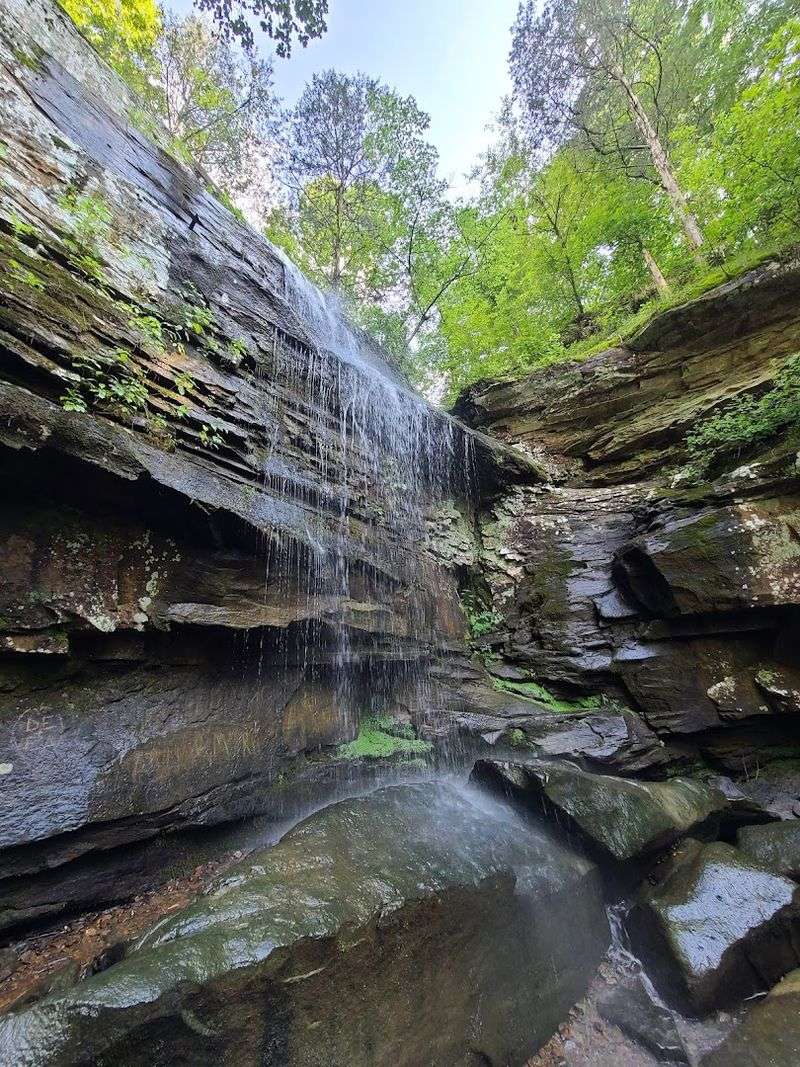
Bell Smith Springs Recreation Area protects some of the most geologically fascinating terrain in Illinois, and the Boulder Falls area showcases exactly why this spot deserves a place on every serious hiker’s list. Located in the Shawnee National Forest near Eddyville, this area features not just waterfalls but also incredible rock formations, natural bridges, and crystal-clear streams that make you feel like you’ve been transported to the Ozarks or Appalachia.
The waterfalls here flow seasonally over and around massive boulders, creating a landscape that’s constantly changing depending on water levels and the time of year you visit. During spring, the falls roar with impressive power as water rushes through the boulder field.
Summer and fall reveal more of the intricate rock formations, and you can often walk among the boulders and explore the nooks and crannies where water has carved interesting shapes over thousands of years. The surrounding sandstone bluffs add vertical drama to the scene, with some areas featuring natural arches and overhangs worth exploring.
Several interconnected trails wind through Bell Smith Springs, with route options ranging from shorter 1.5-mile loops to much longer hikes across the area’s roughly 8-mile trail system. You’ll encounter stream crossings, rocky sections, and some elevation changes, but nothing that requires technical skills.
The variety of scenery keeps things interesting throughout the hike, and photographers will find endless subjects to capture.
Find Bell Smith Springs Recreation Area off Forest Road 848 near Eddyville. The area includes picnic facilities and multiple trailheads, making it easy to spend an entire day exploring.
This spot represents the best of what Illinois’s often-overlooked southern region has to offer adventurous weekend explorers.