
7 Stunning Wildlife Havens In Florida Waiting To Be Discovered
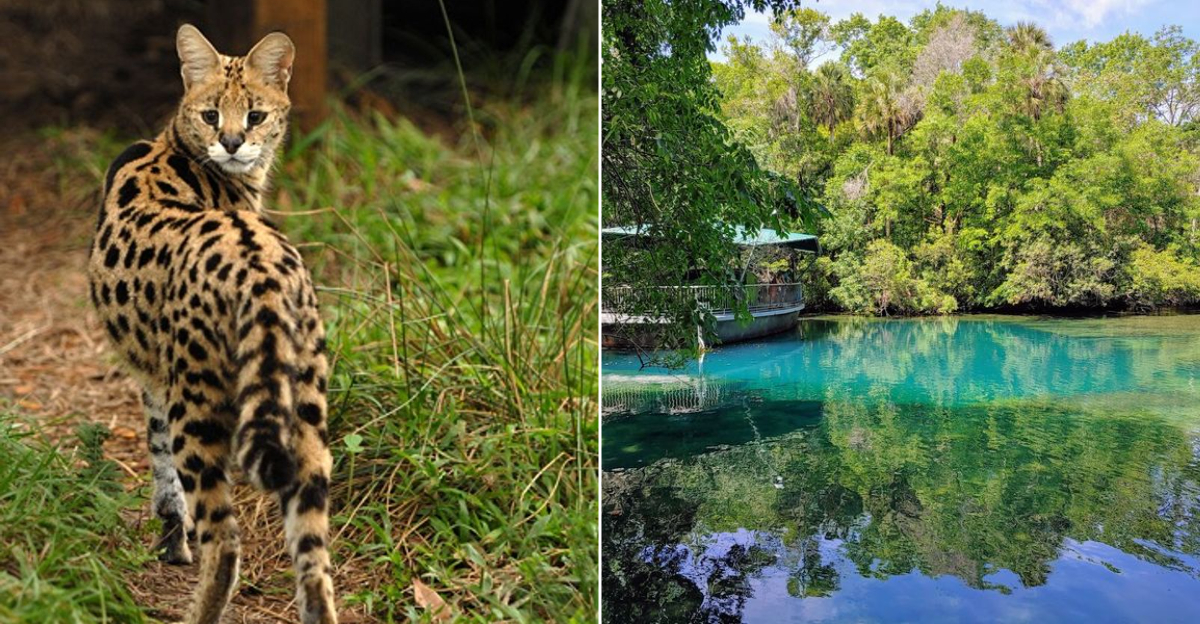
Florida is basically the wild kingdom of the United States, and honestly, it’s not even trying to compete, it just is. It’s like Planet Earth, but you don’t need a BBC crew or David Attenborough whispering in your ear to feel like something incredible is about to happen.
One second you’re thinking “just another sunny state,” and the next you’re watching manatees drifting through glassy springs like slow-moving underwater ghosts or sea turtles hauling themselves onto moonlit beaches like they’re clocking in for night shift.
Most people picture Florida as theme parks, neon drinks, and beach chairs in a perfect row.
But the real story is happening way off that script. Because underneath all that sunshine, Florida is one of the most biodiverse places in the U.S.
A weird, wonderful collision of tropical and temperate worlds where over 700 vertebrate species quietly do their thing. And the best part?
Some of the most incredible wildlife spots aren’t on the main map. They’re hidden, patient, waiting for people who still get excited by rustling trees and sudden movement in the water.
These havens aren’t just places you visit. They’re places that remind you the world is still very much alive.
And you’re just lucky enough to witness it.
1. Busch Wildlife Sanctuary
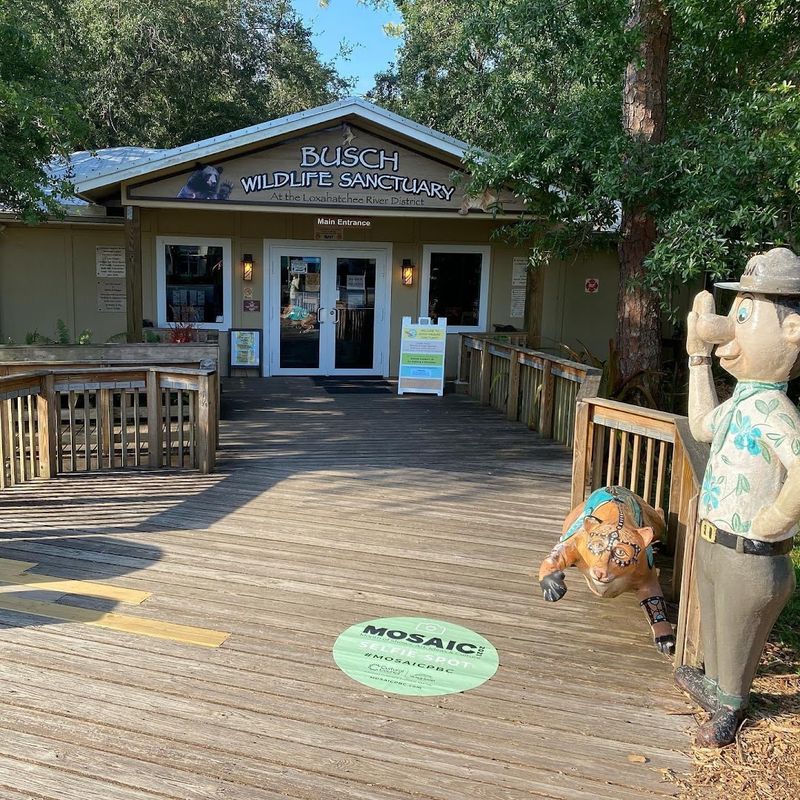
Some places feel like they were built with pure heart, and Busch Wildlife Sanctuary is absolutely one of them. Located at 17855 Rocky Pines Rd, Jupiter, FL 33478, this sanctuary has been quietly doing extraordinary work since 1983, rehabilitating injured and orphaned native wildlife with a dedication that is hard not to admire.
Over the decades, thousands of animals have passed through its care and returned to the wild, healthier and stronger than before.
Walking through the sanctuary feels like stepping into a living nature documentary. You might spot a great horned owl blinking slowly from a perch, or a white-tailed deer grazing peacefully in an enclosure nearby.
The variety of species here is genuinely impressive, ranging from river otters and gopher tortoises to red-tailed hawks and Florida scrub-jays. Each animal has a story, and the sanctuary makes sure you understand the importance of every single one.
What makes Busch Wildlife Sanctuary stand apart is its commitment to education alongside rescue. Regular programs and guided tours give visitors a deeper understanding of Florida’s native ecosystems and the pressures wildlife faces today.
Habitat loss, vehicle strikes, and environmental changes are real threats, and this place shines a light on all of them without ever feeling preachy. The sanctuary also cares for non-releasable animals, meaning some residents become permanent ambassadors for their species.
If you want to walk away from a Florida visit feeling genuinely moved and a little more connected to the natural world, this sanctuary earns every minute of your time.
2. North Florida Wildlife Center
Tucked deep into the rolling landscapes of North Florida, the North Florida Wildlife Center feels like a secret the rest of the state has been keeping to itself.
Located at 2362 N Jefferson St, Monticello, FL 32344, this facility sits in Jefferson County, one of Florida’s most beautifully underdeveloped regions, where old oaks drape Spanish moss over quiet country roads. The setting alone is worth the drive.
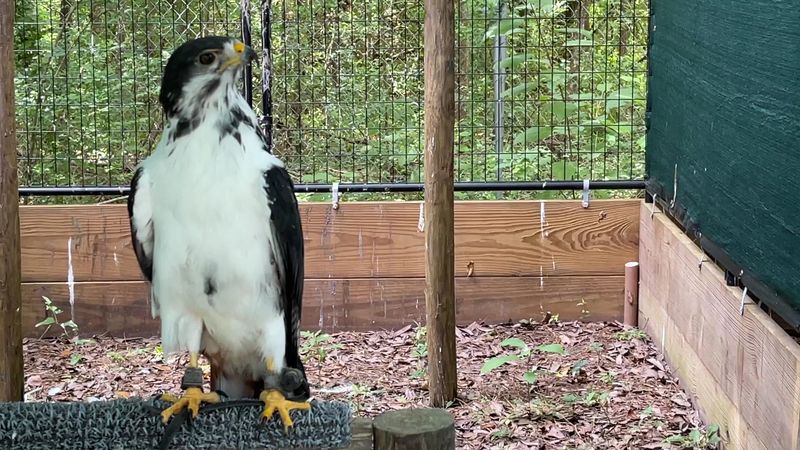
The center focuses on rescuing and rehabilitating native Florida wildlife, with a particular passion for large mammals and raptors that have been injured or displaced. Black bears, bobcats, red foxes, and barred owls are just a few of the remarkable residents you might encounter here.
Each animal arrives with a story of survival, and the center works tirelessly to give them the best possible chance at returning to the wild. When release is not possible, they provide lifelong care that prioritizes the animal’s well-being above everything else.
What truly sets this center apart is its deeply community-rooted approach to conservation. Educational outreach programs bring awareness to rural Florida communities about coexisting with wildlife, which is genuinely transformative work.
The peaceful, unhurried atmosphere of the surrounding Monticello area makes a visit here feel like a full escape from modern noise. North Florida does not get nearly enough credit as a wildlife destination, and this center is a big reason that needs to change.
Visiting here is the kind of experience that stays with you long after you have driven back down those moss-draped roads.
3. Central Florida Animal Reserve
Central Florida Animal Reserve is the kind of place that makes your jaw drop the moment you realize what is actually living a short drive from Orlando’s theme park corridor.
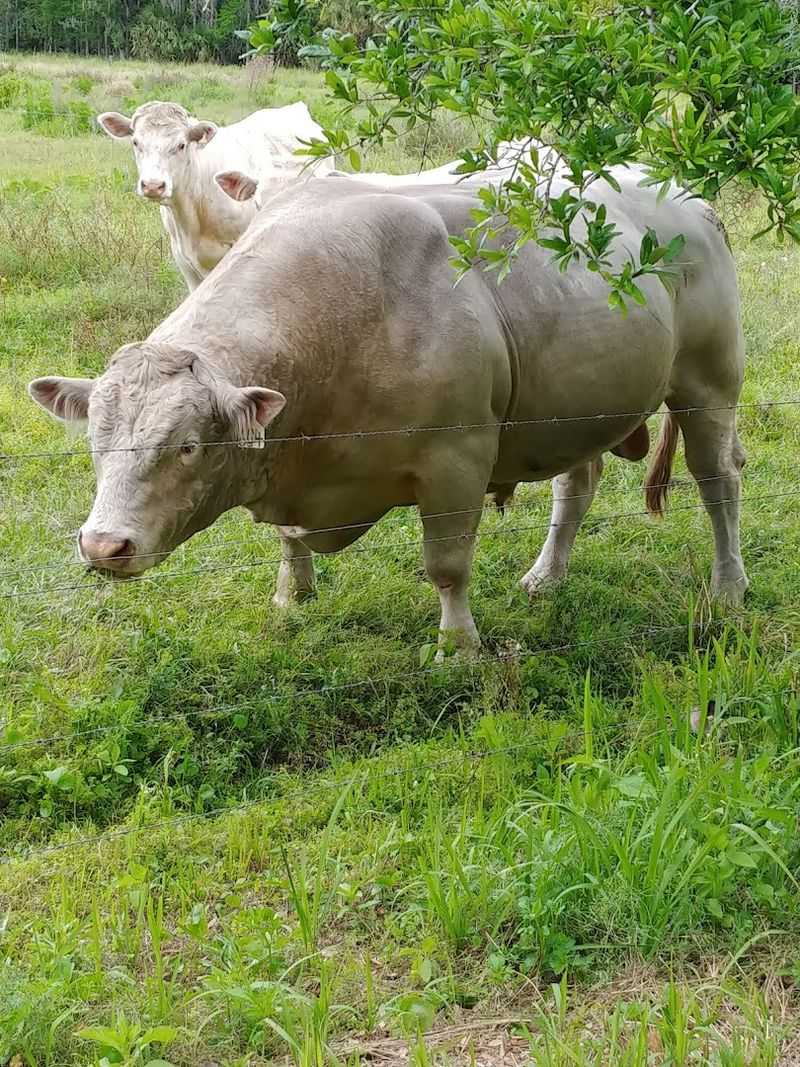
Situated at 500 Broussard Rd, St Cloud, FL 34773, this reserve provides permanent sanctuary to exotic animals that have been rescued from unfortunate circumstances, including big cats, bears, and other species that deserve far better than what life originally handed them.
Tigers, lions, and cougars roam through spacious, thoughtfully designed habitats that prioritize natural behavior and dignity.
The reserve operates with a genuine rescue-first philosophy, meaning every animal here has been saved from situations involving neglect, illegal trade, or abandonment. Seeing these magnificent creatures thriving in a safe environment carries an emotional weight that is hard to describe but impossible to forget.
It is the kind of encounter that makes you rethink everything you thought you knew about exotic animals in captivity.
The reserve also champions public education, offering guided experiences that explain the complex issues surrounding exotic animal ownership and the exotic pet trade. Understanding why these animals are here in the first place is part of what makes a visit so impactful.
The sprawling natural surroundings of St. Cloud add a quiet, rural beauty to the experience that feels worlds away from the nearby tourist bustle. Central Florida Animal Reserve proves that extraordinary wildlife encounters do not require passports or plane tickets.
Sometimes the most powerful nature experience is hiding right in your own backyard, waiting for you to simply show up.
4. Forest Animal Rescue
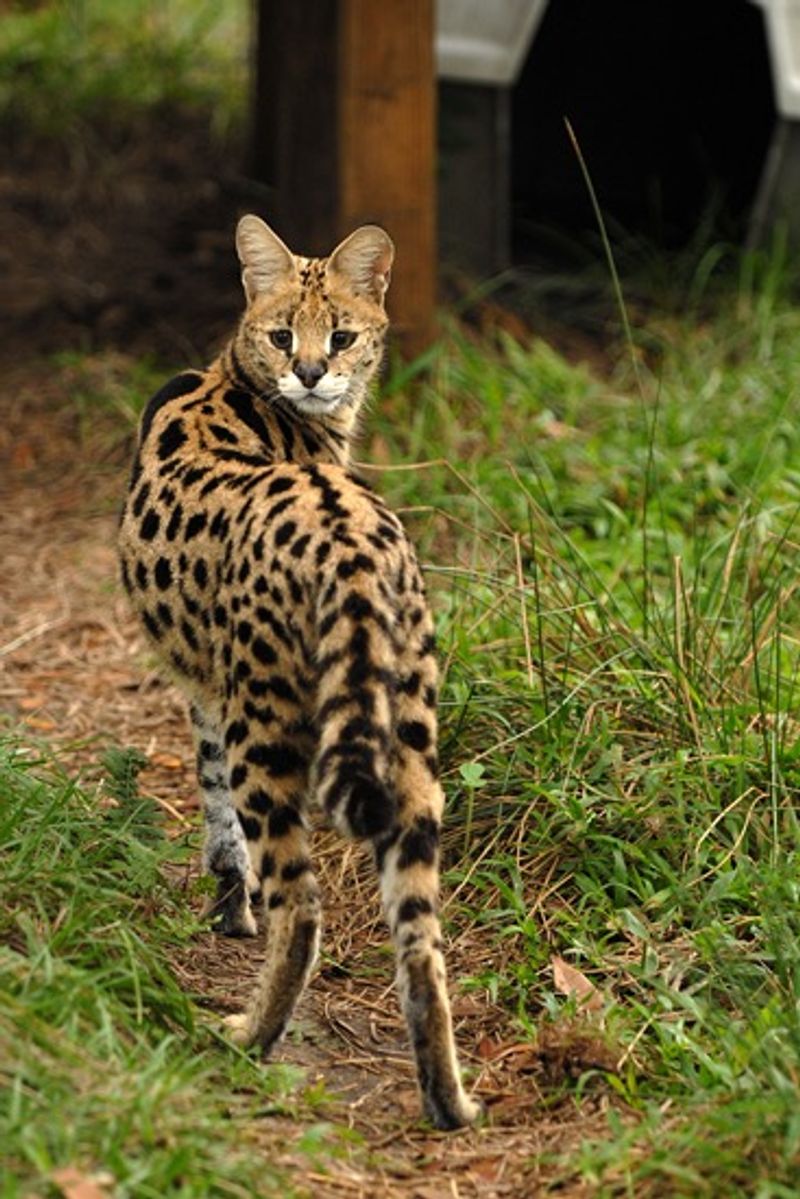
There is something quietly magical about Forest Animal Rescue that hits you the moment you turn off the highway and start winding through Silver Springs’ dense Florida forest.
Located at 640 NE 170th Ct, Silver Springs, FL 34488, this sanctuary sits in one of the most naturally beautiful corners of the state, surrounded by ancient oaks and the kind of stillness that makes you exhale deeply without even realizing you needed to. The location itself feels like a sanctuary before you even see the animals.
Forest Animal Rescue specializes in providing lifelong care for non-releasable native and exotic animals, with a strong focus on bears, big cats, and other species that have nowhere else to go.
The facility is thoughtfully designed to mimic natural habitats as closely as possible, giving residents the space and enrichment they need to live with dignity. Florida black bears, cougars, and various big cats call this place home, each with a story that underscores the urgent need for dedicated rescue facilities across the state.
The educational mission here runs deep. Programs and visits are designed to spark genuine curiosity and compassion about wildlife conservation, not just inspire a quick social media photo.
Being so close to the legendary Silver Springs State Park adds a beautiful layer to any visit, making it easy to turn a trip to Forest Animal Rescue into a full day of nature immersion.
Few places in Florida blend raw natural beauty with meaningful animal care quite like this one does. It is a gem that deserves far more recognition than it currently gets.
5. Ellie Schiller Homosassa Springs Wildlife State Park
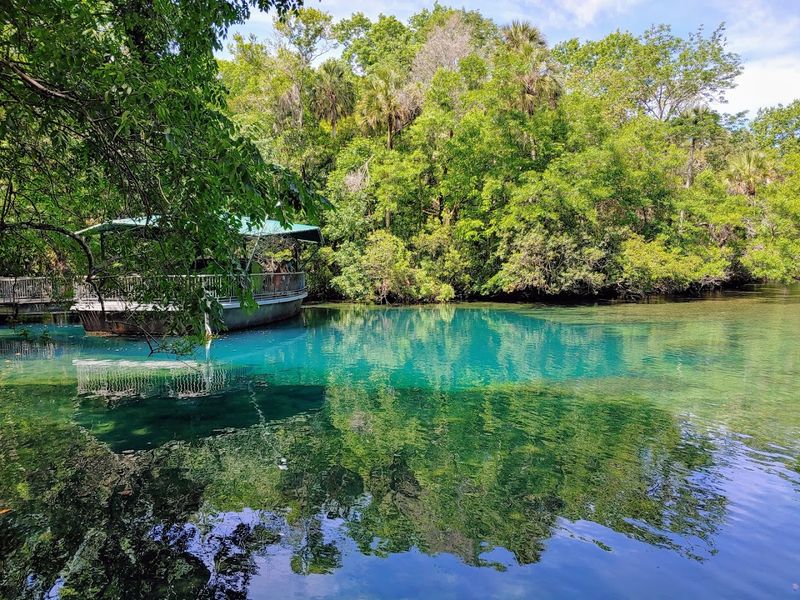
If there is one place in Florida that feels genuinely otherworldly, Ellie Schiller Homosassa Springs Wildlife State Park is it.
Found at 4150 S Suncoast Blvd, Homosassa, FL 34446, this park sits along the Nature Coast, a stretch of Florida so beautifully wild it almost feels like it belongs to a different era entirely. The crystal-clear Homosassa Spring pumps out 72-degree water year-round, creating a natural sanctuary that wildlife absolutely adores and visitors never forget.
The park’s most famous residents are its manatees, and spending time watching these gentle giants drift through the spring run is the kind of moment that recalibrates your entire understanding of peace.
An underwater observatory lets you observe them from below the surface, which is one of the most surreal and breathtaking wildlife experiences available anywhere in North America.
Beyond the manatees, the park is also home to Florida black bears, whooping cranes, alligators, and the beloved hippopotamus Lu, who has been a park resident since 1964 and holds the title of honorary Florida citizen.
Nature trails wind through lush hammocks and alongside the spring run, offering birdwatching opportunities that rival dedicated birding preserves. Over 170 species of birds have been recorded here, making every walk feel like a rewarding surprise.
The park’s commitment to wildlife rehabilitation and conservation education adds meaningful depth to what could easily just be a sightseeing stop. Homosassa Springs is not just a park.
It is a living reminder of why Florida’s natural heritage is worth fiercely protecting.
6. Loggerhead Marinelife Center
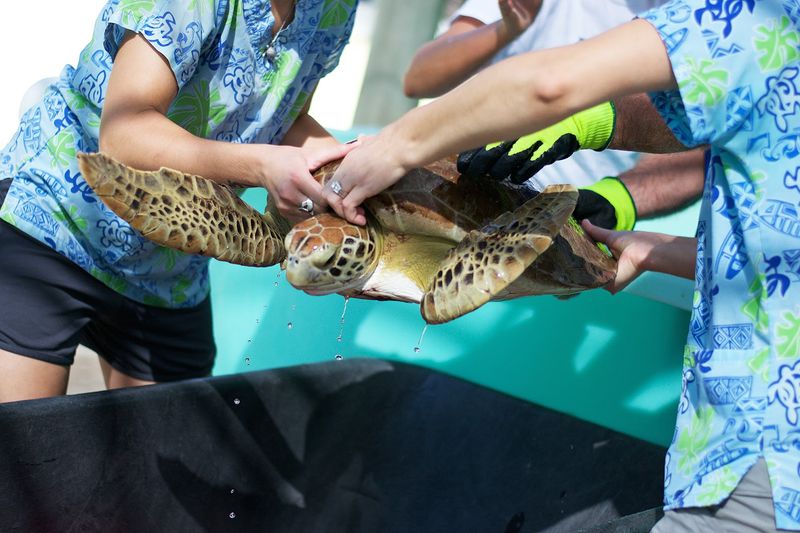
Loggerhead Marinelife Center operates at the intersection of science, conservation, and genuine wonder, and stepping inside feels like entering a world where the ocean’s most remarkable creatures get a fighting chance.
Located at 14200 US-1, Juno Beach, FL 33408, the center sits right along the Atlantic coast in Palm Beach County, one of the most active sea turtle nesting regions in the entire world. The timing of a visit here is almost irrelevant because something extraordinary is always happening.
The center focuses primarily on sea turtle rescue, rehabilitation, and research, caring for loggerhead, green, and leatherback turtles that have been injured by boat strikes, entanglement, or cold stunning.
Watching a recovering sea turtle navigate its rehabilitation tank with determination is the kind of sight that makes everything feel quietly hopeful.
The center’s outdoor patient viewing area lets visitors observe real patients in real time, which transforms a typical aquarium visit into something far more meaningful and alive.
Research conducted here has contributed significantly to global sea turtle conservation science, making Loggerhead Marinelife Center a respected name in marine biology circles worldwide. Interactive exhibits inside the facility explain sea turtle biology, nesting behavior, and the threats these ancient creatures face with remarkable clarity and creativity.
The nearby beach is one of the most active loggerhead nesting beaches on the planet, and seasonal nesting tours offer an unforgettable nighttime experience. Juno Beach may be small, but the conservation impact radiating from this center stretches across oceans.
Every visit directly supports the mission of keeping sea turtles swimming for generations to come.
7. The Turtle Hospital
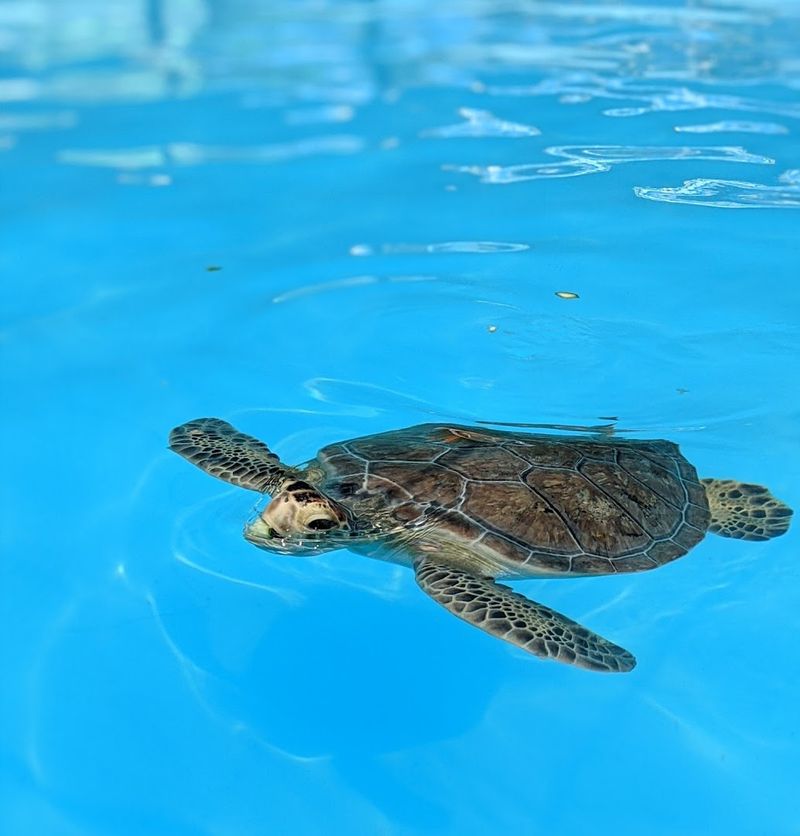
There is a small but mighty facility in the heart of the Florida Keys that has been changing the fate of sea turtles since 1986, and its reputation in the conservation world is nothing short of legendary.
The Turtle Hospital sits at 2396 Overseas Hwy, Marathon, FL 33050, right along the Overseas Highway that threads through the breathtaking string of islands connecting Miami to Key West. The location alone is spectacular, but the work happening inside is what truly earns the spotlight.
As the world’s first licensed veterinary sea turtle hospital, this facility has treated over 2,500 sea turtles across multiple decades of operation.
The hospital focuses on rescuing sick and injured sea turtles from the surrounding Keys waters, treating conditions ranging from fibropapillomatosis tumors to boat strike injuries and ingested fishing gear.
The medical team here operates with the precision and dedication of a full human hospital, and watching a turtle receive genuine veterinary care is both humbling and deeply inspiring.
Educational tours run daily and take visitors behind the scenes of the rehabilitation process, introducing them to current patients and explaining the complex medical procedures involved in sea turtle care.
The Florida Keys backdrop makes every moment feel sun-drenched and cinematic, but the substance of the experience goes far beyond scenery. Rehabilitation tanks are filled with recovering turtles of various species, each on its own unique journey back to the ocean.
The Turtle Hospital proves that even in a place famous for its sunsets and snorkeling, the most unforgettable story is always the one about survival. Are you ready to hear it firsthand?