
Take A Day Trip To One Of Illinois’ Oldest Towns And Prepare To Be Amazed
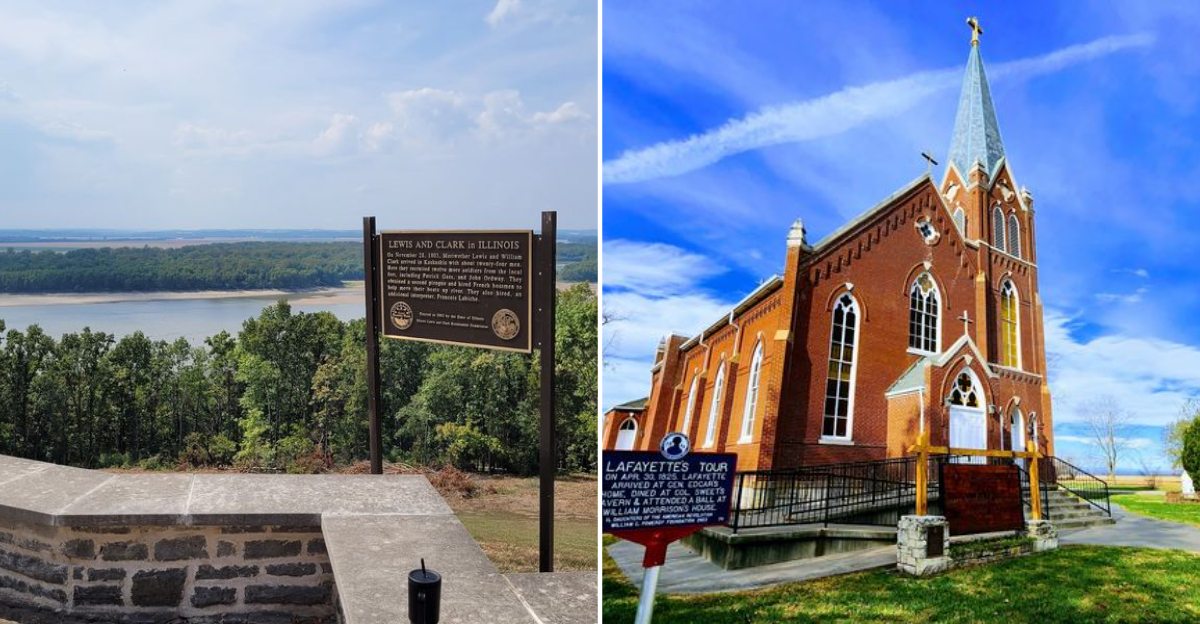
Hidden near the Mississippi River is a tiny Illinois village with a story far bigger than its population count. Only 21 people were recorded here in the 2020 census, yet this quiet place once held a role that shaped the earliest chapter of Illinois statehood.
At first glance, it feels almost forgotten: open roads, flat farmland, river air, and a silence that makes every old marker feel more powerful.
But beneath that stillness is a remarkable past involving French colonial roots, early American politics, a famous historic bell, and a river that literally changed the village’s future.
This is not a day trip built around restaurants, shops, or crowds. It is a place for curious travelers who like strange geography, overlooked history, and destinations that feel almost impossible in modern Illinois.
Once The Capital Of Illinois
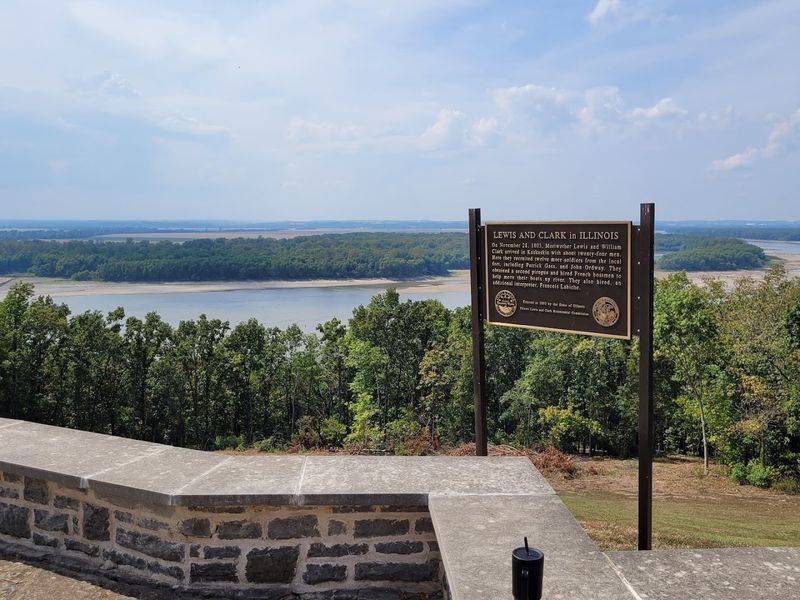
Before Chicago ever had a skyline, Kaskaskia was running the show. This tiny village served as the first capital of Illinois when the state was officially admitted to the Union on December 3, 1818.
That is a fact that stops most visitors cold, because nothing about the place today hints at its former political power.
Standing in Kaskaskia now, you get a strange and powerful feeling of time having moved on without it. The capital status lasted only until 1820, when Vandalia took over the role.
But for those two years, decisions that shaped the young state were made right here, on this quiet stretch of land.
History buffs will find this origin story endlessly fascinating. There are few places in America where you can stand on ground that was once the administrative heart of an entire state and feel so completely alone with that thought.
The silence here speaks volumes about how dramatically things can change.
Cut Off By The River
Kaskaskia sits on Kaskaskia Island, a geographic oddity that took me a moment to fully process. The village is located on the west side of the Mississippi River, which technically places it on land that is geographically surrounded by Missouri.
Yet it remains part of Illinois, making it one of the most unusual political geography situations in the United States.
The Mississippi River changed its course dramatically over the centuries, cutting off this small piece of land from the rest of Illinois. As a result, you actually have to drive through Missouri to reach Kaskaskia by road.
That fact alone makes the trip feel like a mini adventure before you even arrive.
The river views here are stunning in a raw, unpolished way. There are no tourist boardwalks or waterfront restaurants, just wide open water and flat land stretching toward the horizon.
For anyone who appreciates natural geography and the way rivers shape human settlements, this place is a quiet revelation worth every mile of the drive.
The Famous Kaskaskia Bell
One of the most prized historical artifacts in the entire Midwest is sitting quietly in Kaskaskia, and most Americans have no idea it exists.
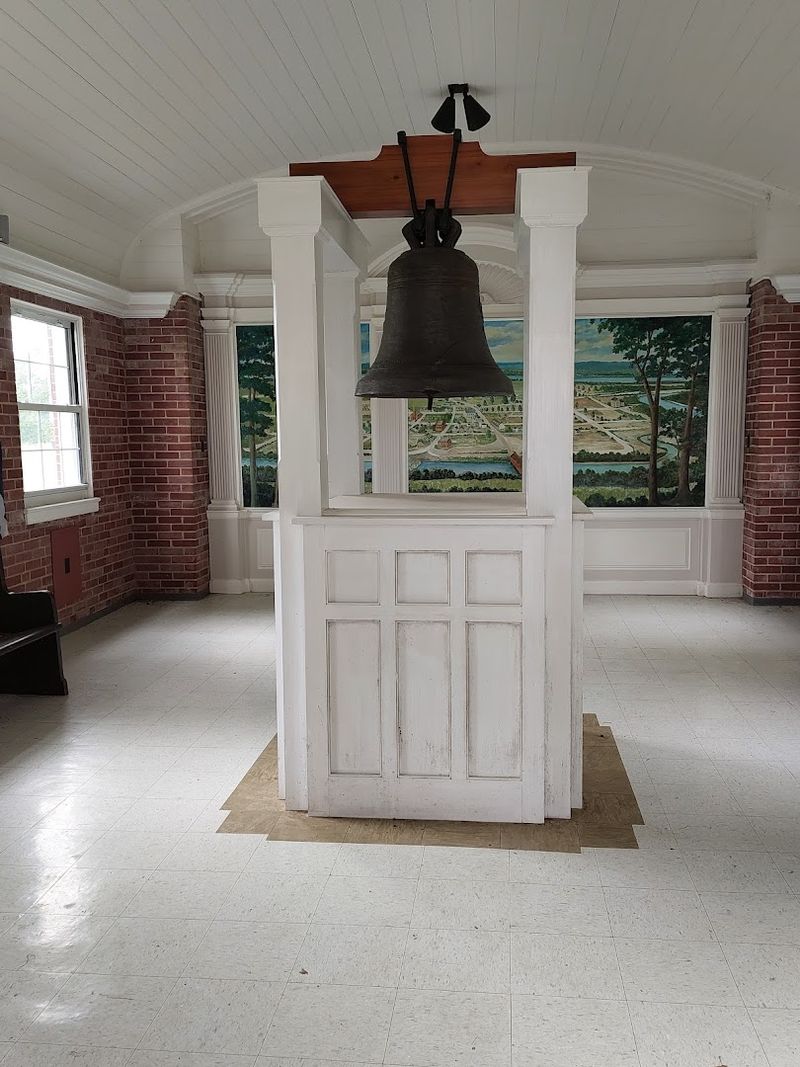
The Kaskaskia Bell, often called the Liberty Bell of the West, was a gift from King Louis XV of France and arrived in the village around 1741. It is the oldest bell in the Mississippi Valley.
I walked into the small brick building that houses it and felt genuinely moved. The bell is commonly described as weighing about 650 pounds and carries centuries of history in its metal.
It rang to celebrate American independence on July 4, 1778, one of the earliest such celebrations west of the Appalachian Mountains.
Visiting the bell feels like holding a direct line to the colonial era. The building is modest and the setting is simple, but the artifact itself commands real respect.
If you only have time for one stop in Kaskaskia, this is the one that will stay with you longest after you leave.
Population Of Just 21 People
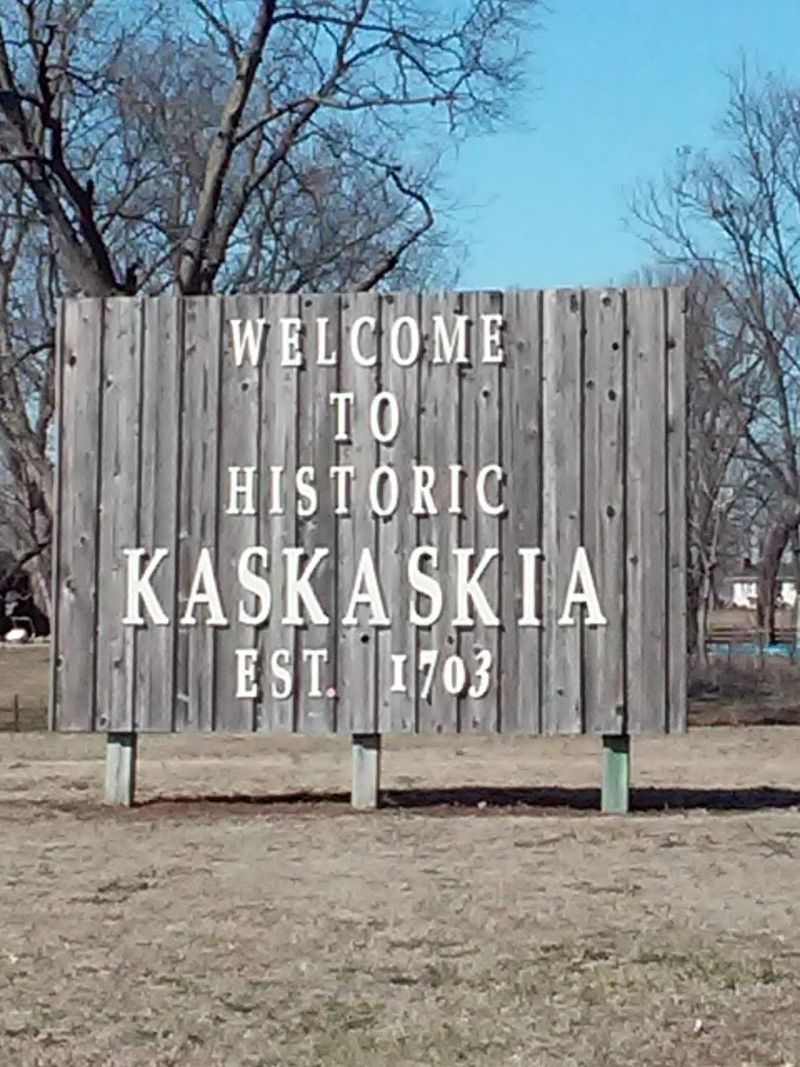
Twenty-one people. That is the entire official population of Kaskaskia according to the 2020 United States census.
That number makes it the third-least populous incorporated community in all of Illinois, behind only Valley City and Florence. For context, most school classrooms have more students than this village has residents.
Walking through Kaskaskia, the quietness is not just noticeable, it is total. There are no lines, no crowds, no noise beyond birds and the distant sound of the river.
It is the kind of stillness that city dwellers rarely experience and that feels almost surreal at first.
What makes this even more remarkable is that Kaskaskia was once a thriving French colonial settlement with thousands of residents.
A catastrophic flood in the late 1800s essentially erased the original town. What remains today is a shadow of something that was once genuinely grand, and that contrast between past and present gives every step through the village a haunting, memorable quality.
French Colonial Roots And Heritage
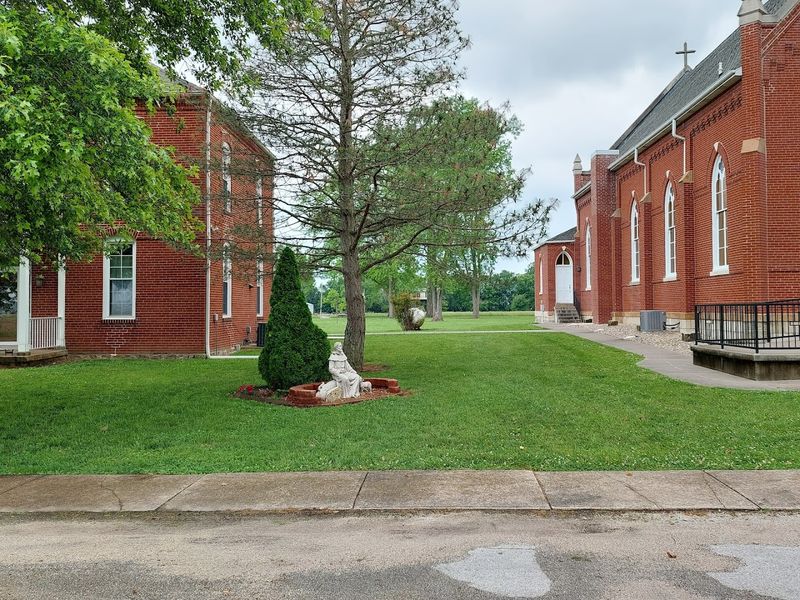
Long before Illinois was even a concept, French explorers and missionaries were building a life here. Kaskaskia was established as a French colonial settlement in the late 1600s, making it one of the oldest European settlements in the entire interior of North America.
The French influence ran deep, shaping everything from the layout of the town to the names of the families who lived there.
Jesuit missionaries played a major role in the early community, and the area became a significant hub for trade, religion, and French imperial ambitions in the New World. At its height, Kaskaskia was one of the most important French settlements in the Mississippi Valley.
That layered history gives the place a cultural richness that feels completely out of proportion to its current size. You are essentially standing on ground that was shaped by French, Native American, and early American influences all at once.
Few places in Illinois carry that kind of multicultural historical depth in such a compact and overlooked location.
When The River Won
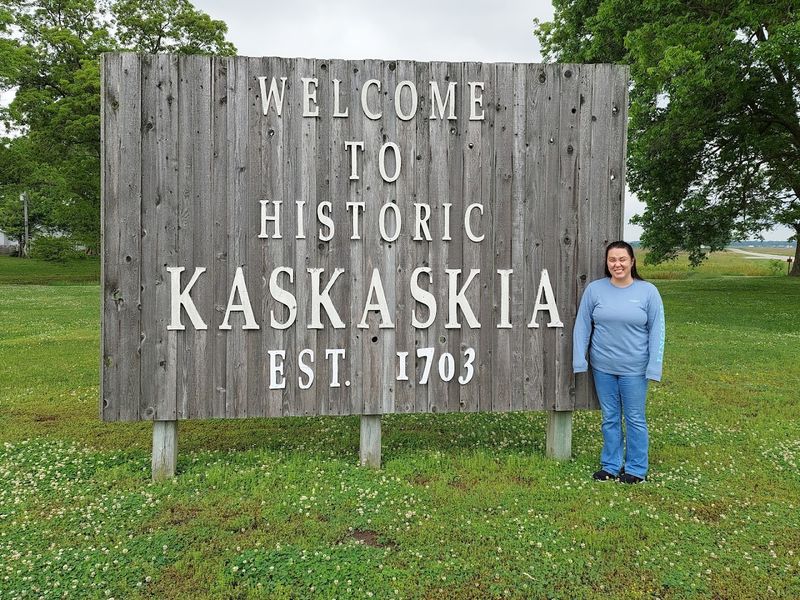
The original Kaskaskia was not always this quiet. At one point it was a busy, populated town with streets, buildings, and a real civic life.
Then the Mississippi River had other plans. In 1881, a catastrophic flood essentially swallowed the original town site, forcing residents to abandon everything and relocate.
The river physically changed course during that event, cutting off the remaining land from the rest of Illinois and creating the geographic island situation that exists today.
Most of the old buildings, streets, and even the original cemetery were lost to the water. What you see in Kaskaskia now is not a preserved historic town but rather a rebuilt remnant on surviving land.
That story of loss and reinvention gives Kaskaskia a poignant backstory that you feel even without knowing the details.
There is something about a place that has been reshaped by nature so completely that adds a layer of meaning to every visit. The river that defined the town also dismantled it, and that tension is everywhere here.
The Road Through Missouri
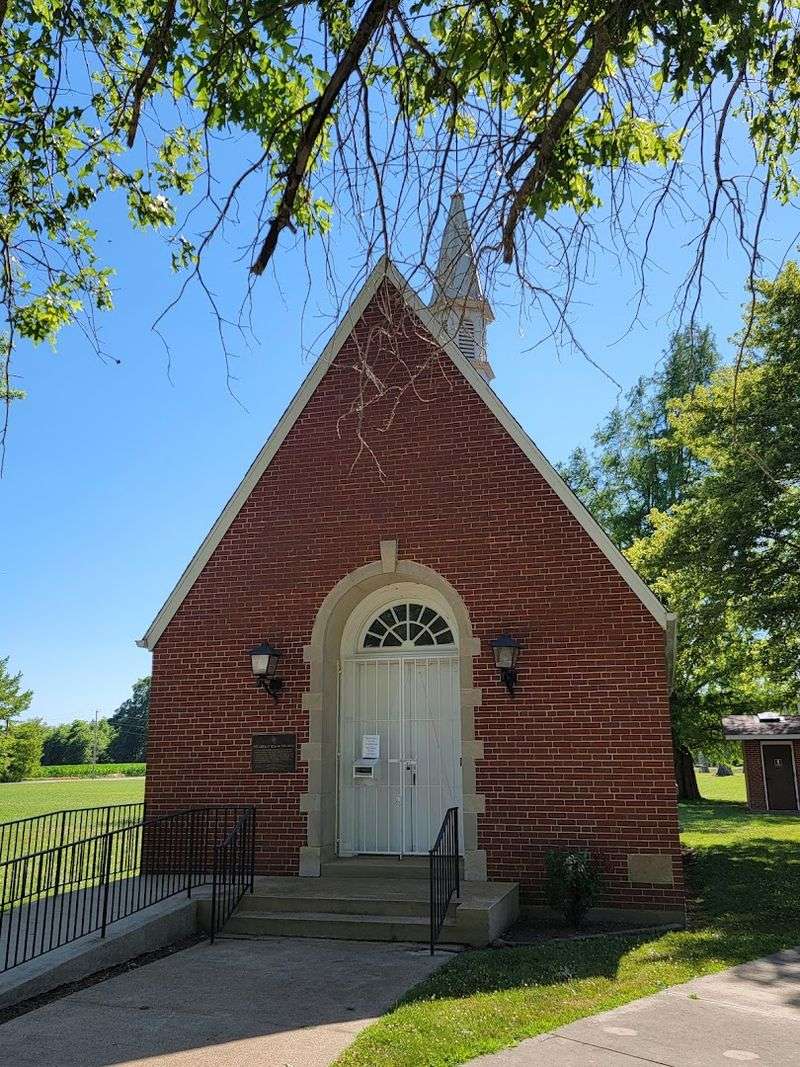
Kaskaskia sits within Randolph County, Illinois, one of the state’s oldest and most historically layered counties.
The county itself stretches along the Mississippi River and holds a number of historic sites, but Kaskaskia stands apart as its most unusual and storied community. The surrounding landscape is flat, open farmland with a quiet that feels almost meditative.
Getting to Kaskaskia means driving through Missouri and crossing back into Illinois via a small bridge, which gives the whole trip a slightly surreal quality.
The roads are calm, the scenery is rural, and the sense of being far from modern life builds gradually as you approach. It is the kind of drive where you start to wonder if you took a wrong turn, and then suddenly you arrive.
The setting rewards visitors who appreciate understated beauty. There are no dramatic cliffs or postcard-perfect vistas, just wide sky, flat land, and a river that has been shaping this corner of Illinois for centuries.
Sometimes the most affecting landscapes are the ones that ask you to slow down and actually look.
The Chapel That Endured
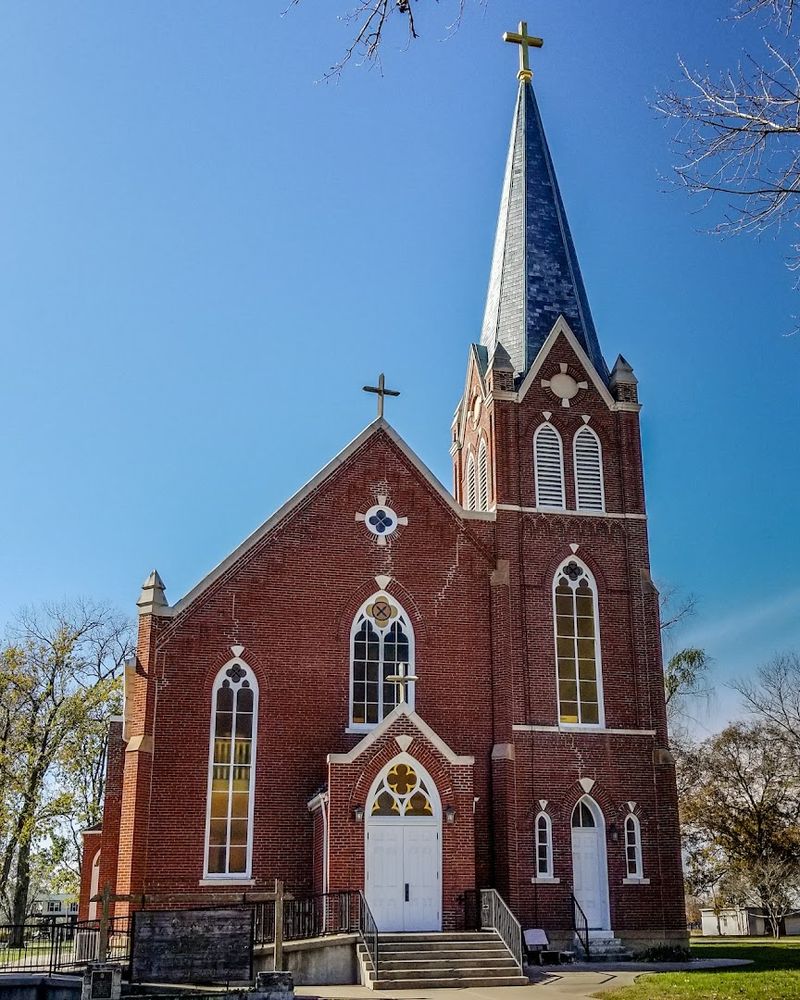
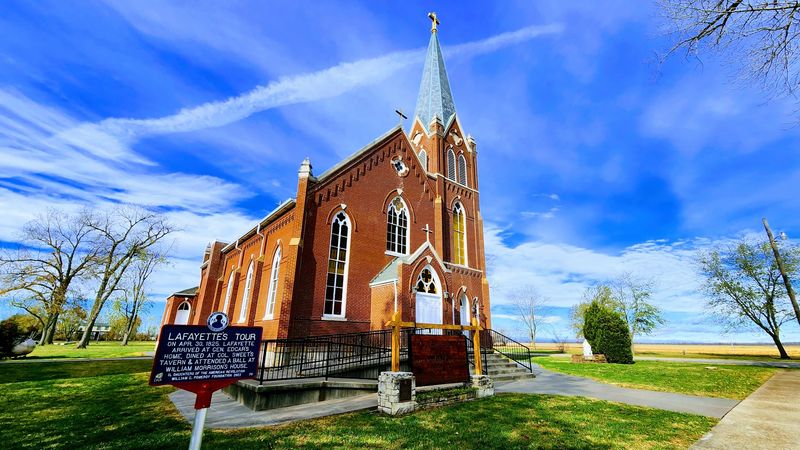
Religion played a central role in the founding and growth of Kaskaskia, and the Church of the Immaculate Conception stands as one of the most tangible reminders of that legacy.
The current church building is modest and simple, but it represents a continuous line of Catholic worship that stretches back to the earliest days of French settlement in the region.
The original church on this site was one of the first Catholic parishes in what would become the American Midwest.
Jesuit missionaries established a presence here in the late 1600s, and the faith community they built endured through floods, political changes, and centuries of transformation. Visiting the church today feels like touching that unbroken thread of history.
Even for visitors who are not particularly religious, the building carries a quiet dignity that is hard to ignore. It is small, it is plain, and it is still standing after everything this village has been through.
That kind of persistence has its own kind of power, and the church delivers it without any fanfare at all.
Where Illinois Took Root
There is something quietly staggering about standing in a place where a state’s entire story started. Kaskaskia is not just old, it is foundational to Illinois in a way that no other community can claim.
The decisions made here, the people who lived here, and the events that unfolded here set the trajectory for everything that came after.
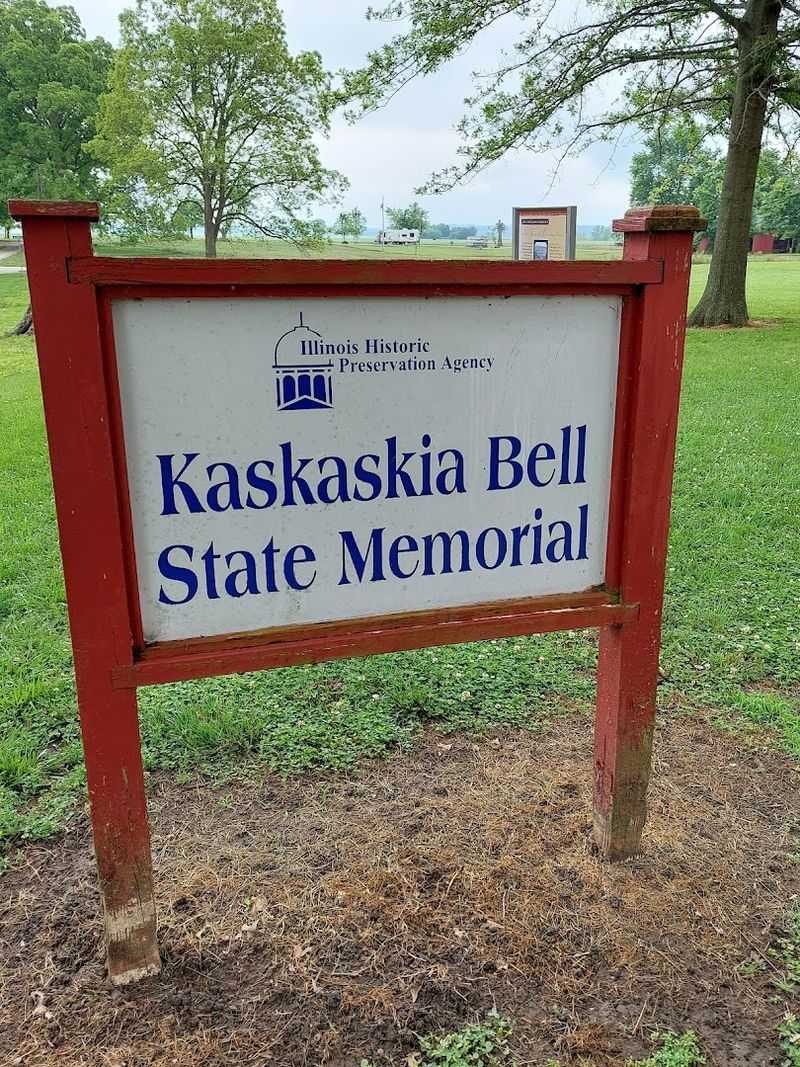
The Kaskaskia State Memorial near the village marks the significance of this ground in a way that is understated but meaningful.
Historical markers and small monuments acknowledge the role this village played in shaping Illinois from its earliest days as a territorial settlement through its admission to statehood in 1818.
Visiting this kind of place does something to your sense of time. You start to understand that the modern state you live in or pass through has roots that reach back through centuries of human effort, conflict, and community.
Kaskaskia makes that history feel close and personal rather than distant and abstract. That is a rare quality in any destination, and it makes the trip genuinely worthwhile.
Before You Make The Drive
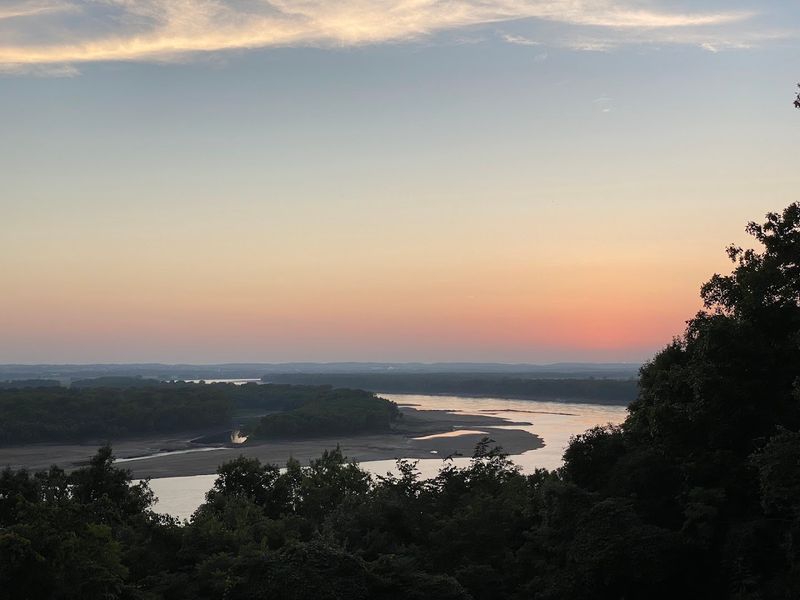
Planning a trip to Kaskaskia requires a little more preparation than your average day out. Kaskaskia is located on Kaskaskia Island in Randolph County, Illinois, and reaching it by road means driving through Missouri and crossing into the Illinois enclave.
Navigation apps do work here, but it helps to know in advance that the route looks unusual on a map. There are no restaurants, gas stations, or shops in Kaskaskia itself, so bring everything you need before you arrive.
Pack a lunch, fill up your tank, and download any maps or information you want offline. The nearest services are in nearby Missouri communities, so a little planning goes a long way toward making the visit comfortable.
The best time to visit is spring or fall, when temperatures are mild and the river views are at their most scenic. Summer works too, though heat and humidity can be intense near the water.
Go with an open mind, low expectations for modern amenities, and high expectations for history, and Kaskaskia will absolutely deliver on its end of that deal.