
Take A Trip To This Historic Florida Town For A History Lesson You’ll Never Forget
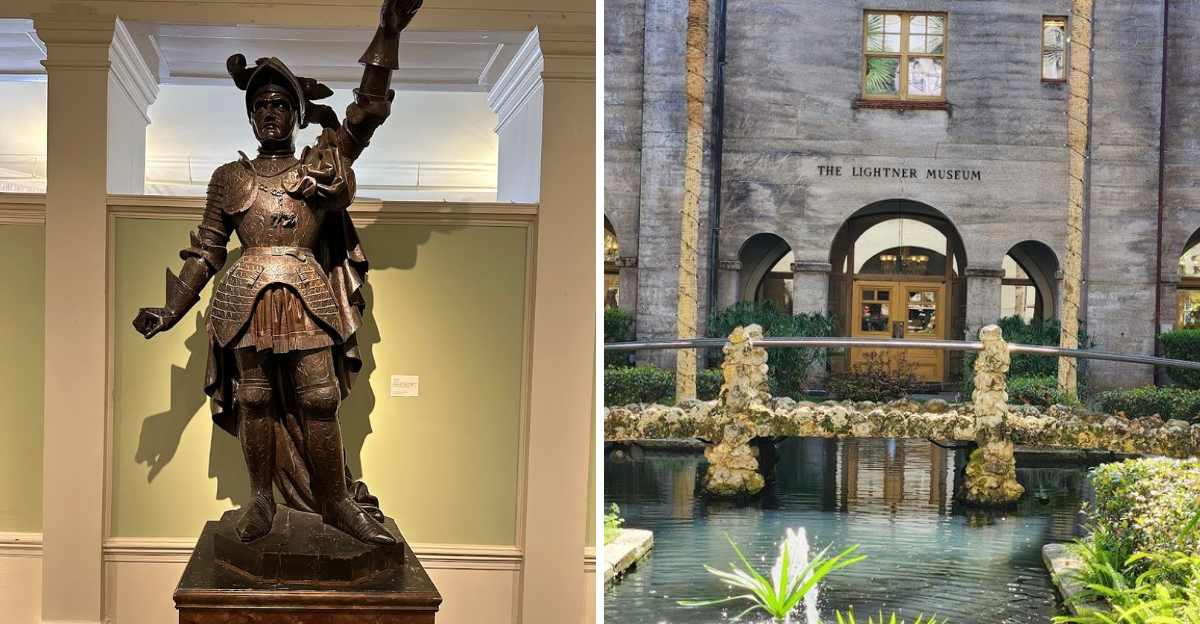
Some buildings in Florida are beautiful.
This Florida museum feels more like stepping into another century than a tourist attraction.
The moment you see it, everything else around you fades into the background. Towers rise above the street.
Details pull your eyes in from every direction. And before you even walk through the doors, it already feels like stepping into another era.
At first, you notice the architecture.
Then the atmosphere takes over.
Rooms unfold one after another, filled with things that make you stop without meaning to. Strange collections.
Rare instruments. Pieces of history that feel more personal than polished.
Nothing here feels rushed.
That is what makes it different.
Places like this are easy to overlook across Florida.
Until you step inside one.
And once you do, it stops feeling like a simple history lesson.
It starts to feel like an adventure hidden in plain sight.
The Hotel Alcazar Was Built By Henry Flagler In 1888
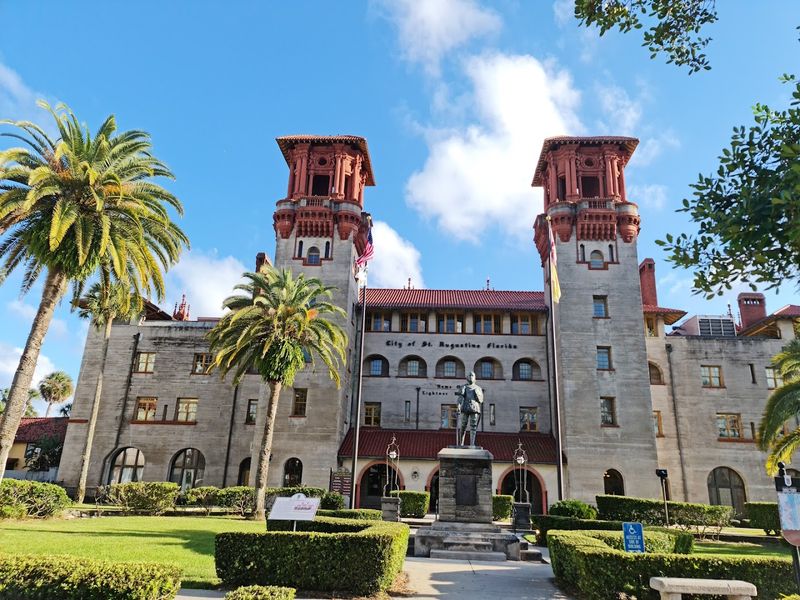
Long before it became a museum, this building had a life of pure luxury. Henry Flagler, the railroad tycoon who helped put Florida on the map, commissioned the Hotel Alcazar in 1888 as a playground for the wealthy elite.
Designed in the Spanish Renaissance style, it stood as a symbol of the Gilded Age at its most extravagant.
Flagler built it to complement his other grand project directly across the street, the Ponce de Leon Hotel, which is now Flagler College. The Alcazar was never just a place to sleep.
It featured a grand ballroom, elaborate Turkish baths, and amenities that felt almost futuristic for the time.
Walking through the front entrance of the Lightner Museum today, you can still feel that original ambition in every arch and tile. The bones of Flagler’s vision remain remarkably intact, making the building itself one of the most compelling exhibits you will encounter.
The Building Once Housed The World’s Largest Indoor Swimming Pool
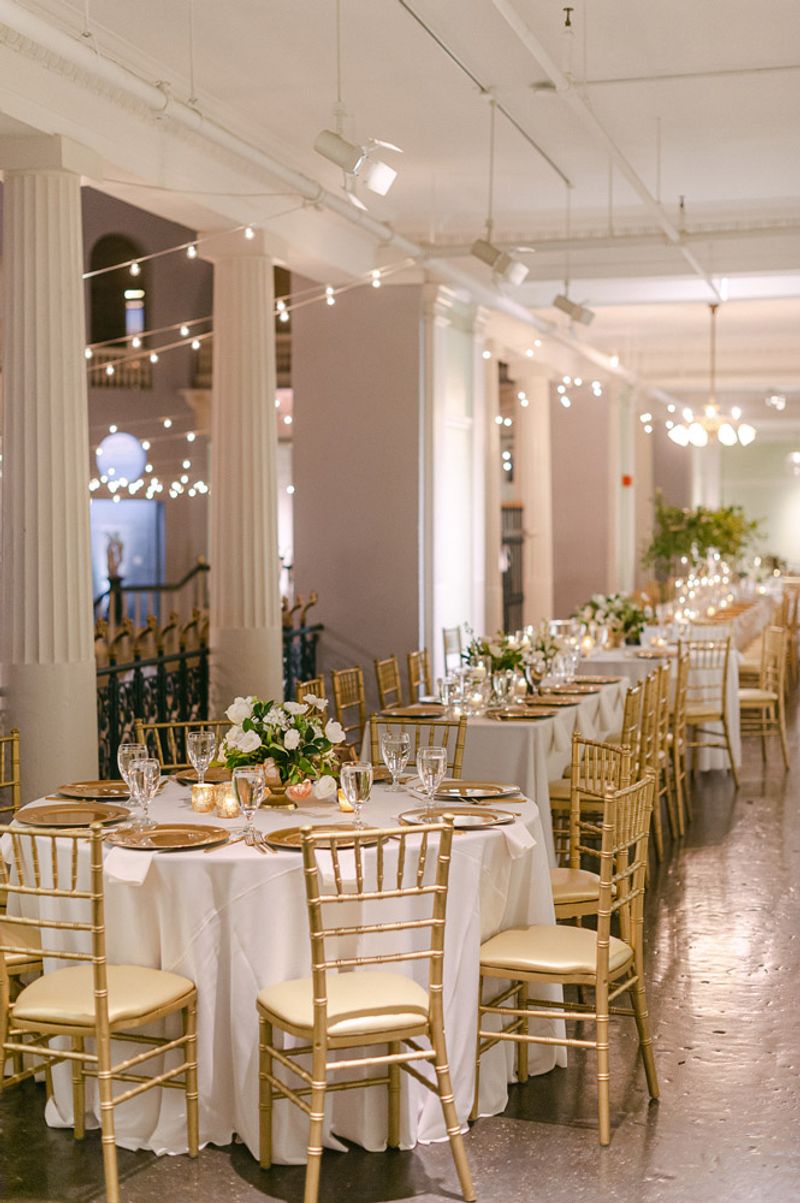
Picture this: an indoor saltwater pool so massive that it earned the title of the largest in the world when it opened in the late 1800s. That is exactly what guests of the Hotel Alcazar enjoyed, and the space that once held all that water is still one of the most jaw-dropping rooms in the entire building.
Today, the former pool area has been transformed into an elegant event space used for weddings, receptions, and special gatherings. The dramatic arched ceilings and original architectural details make it an unforgettable setting that photographers absolutely love working in.
I stood at the edge of that cavernous space and tried to imagine hundreds of Gilded Age guests splashing around below me. The transformation from resort pool to cultural venue is one of those delightful surprises that makes the Lightner Museum feel unlike any other stop in St. Augustine, rewarding visitors with moments that no guidebook fully prepares you for.
Otto Lightner Turned The Hotel Into A Museum In 1947
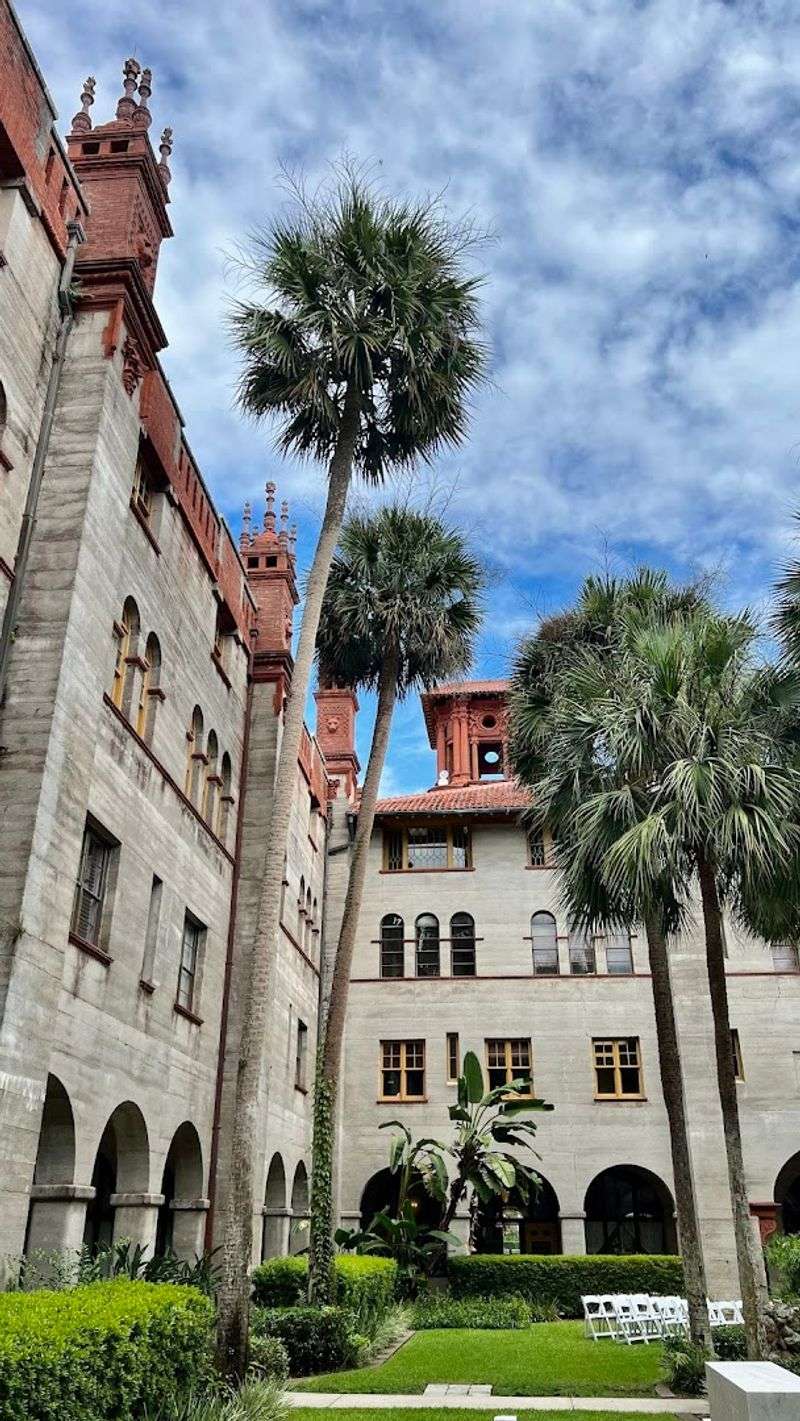
After the Hotel Alcazar closed its doors during the Great Depression, the building sat quietly for years until a Chicago publisher named Otto Lightner came along with an unusual plan. In 1947, he purchased the property and decided to fill it with something he truly loved: collections of every kind imaginable.
Lightner had built his reputation editing a magazine called Hobbies, which encouraged everyday people to collect everything from matchbox covers to bottle caps. He believed that collecting was a worthy pursuit, and he wanted a grand home to showcase that idea on a spectacular scale.
His personal collection of Victorian-era artifacts, decorative arts, and curiosities became the foundation of what visitors experience today. What started as one man’s passionate hobby project has grown into a beloved cultural institution that draws visitors from across the country.
Otto Lightner may not be a household name, but inside these walls, his legacy feels warm, wonderfully eccentric, and completely alive.
The Museum Features A Stunning Collection Of Victorian-Era Artifacts
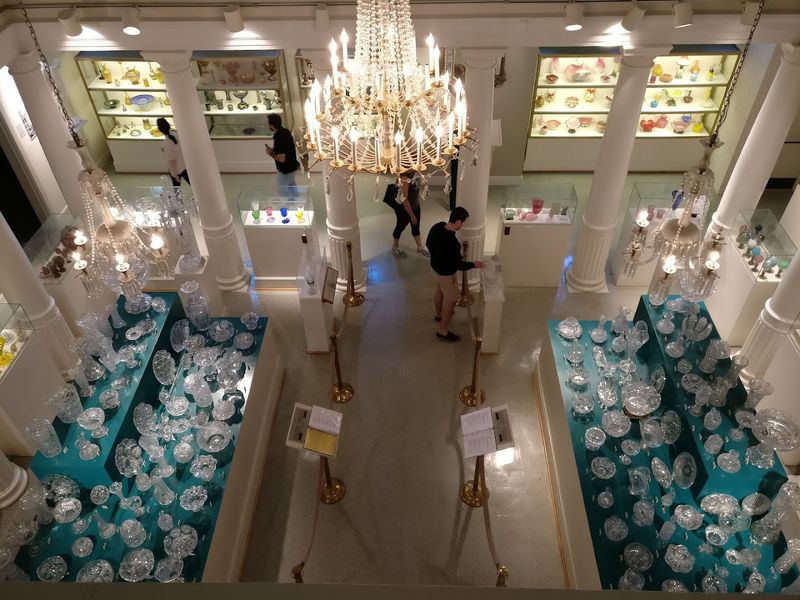
Few places in Florida put the Victorian era on display quite like this. The Lightner Museum holds an extraordinary range of objects from the late 19th and early 20th centuries, and the craftsmanship on view is consistently impressive no matter which room you wander into.
Cut glass and crystal pieces catch the light in ways that feel almost theatrical. Ornate furniture, delicate porcelain, stained glass panels, and decorative household objects fill room after room, each one offering a window into how wealthy Americans lived and entertained during one of history’s most style-obsessed periods.
What I appreciated most was the small description card placed next to each item, giving just enough background to make the object meaningful without overwhelming you with text. The collection has been described as a gallery of curiosities rather than a single-themed museum, and that variety keeps the energy fresh throughout your entire visit.
Every new doorway promises something you did not expect to find waiting on the other side.
Mechanical Musical Instruments Are Among The Most Fascinating Exhibits
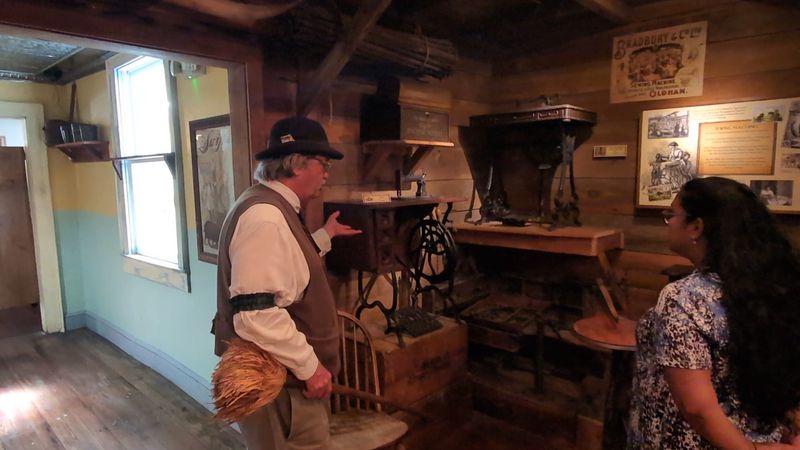
There is something almost magical about a machine that makes music without a single human hand guiding it. The Lightner Museum’s collection of mechanical musical instruments is one of those exhibits that stops visitors cold and sends them reaching for their phones to capture the moment.
Elaborate music boxes, automated pipe organs, and other self-playing contraptions from the Gilded Age line the walls and display cases, each one a tiny engineering marvel wrapped in beautiful cabinetry. Several visitors have noted wishing they could hear the instruments in action, which says a lot about how captivating even the silent versions manage to be.
The craftsmanship involved in building these devices was extraordinary for its time, blending technical precision with genuine artistic ambition. Musicians and non-musicians alike tend to linger here longer than they planned, reading the descriptions and marveling at the ingenuity behind each piece.
It is the kind of exhibit that makes you genuinely grateful someone thought to preserve these objects before they disappeared entirely.
The Architecture Alone Makes The Visit Worth Every Penny
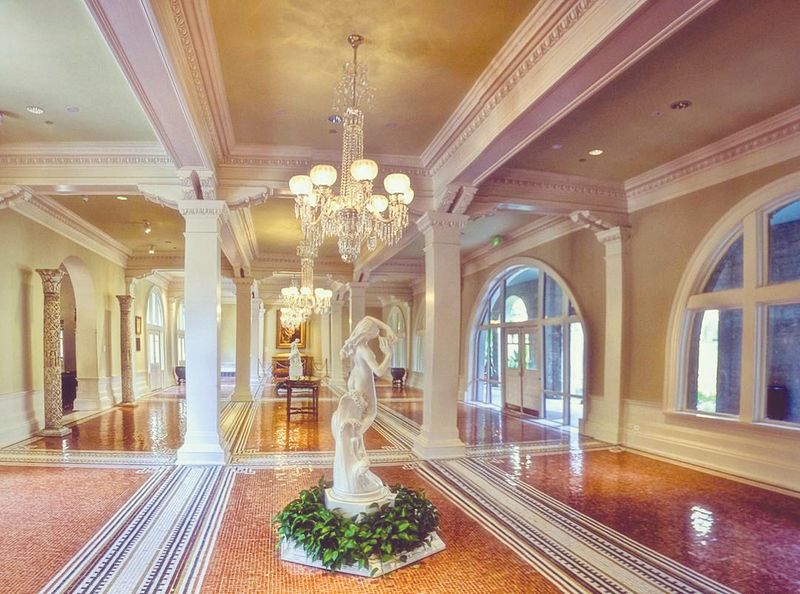
Before you even glance at a single artifact, the building itself will stop you in your tracks. The Lightner Museum is housed inside one of the finest examples of Spanish Renaissance Revival architecture in the entire southeastern United States, and every surface tells a story about the ambitions of the Gilded Age.
Grand arches frame your view at every turn. Original tile floors still carry the pattern and color chosen over a century ago.
Ornate staircases, soaring ceilings, and open courtyards create a sense of scale that photographs struggle to capture honestly.
I kept finding myself looking up, down, and sideways before remembering there were actual exhibits to focus on. The building earned a 4.7-star rating from more than five thousand reviewers, and a significant number of those reviews mention the architecture as the primary highlight of their visit.
Honestly, paying the twenty-dollar adult admission just to stand inside this structure for two hours feels like one of the better deals available anywhere in St. Augustine.
A Bicycle Collection Traces The Evolution of Early Cycling
Not every history museum can pull off a bicycle exhibit that feels genuinely thrilling, but the Lightner Museum manages it with ease. The collection traces the evolution of early cycling, from the towering penny-farthing designs that required serious courage to mount, all the way through the development of the safety bicycle that made riding accessible to ordinary people.
One visitor shared a particularly memorable experience of meeting Keith Pariani, a collector whose personal bicycle collection is featured in the museum, and hearing firsthand stories about each machine directly from the man who gathered them. That kind of personal connection transforms a display of old metal and rubber into something genuinely moving.
The exhibit works well for all ages, sparking curiosity in younger visitors while delivering real historical depth for adults. Cycling enthusiasts will find plenty to appreciate, but you do not need any background knowledge to enjoy watching the design of a simple two-wheeled machine evolve across decades right before your eyes.
The Museum Sits In the Heart Of Historic St. Augustine
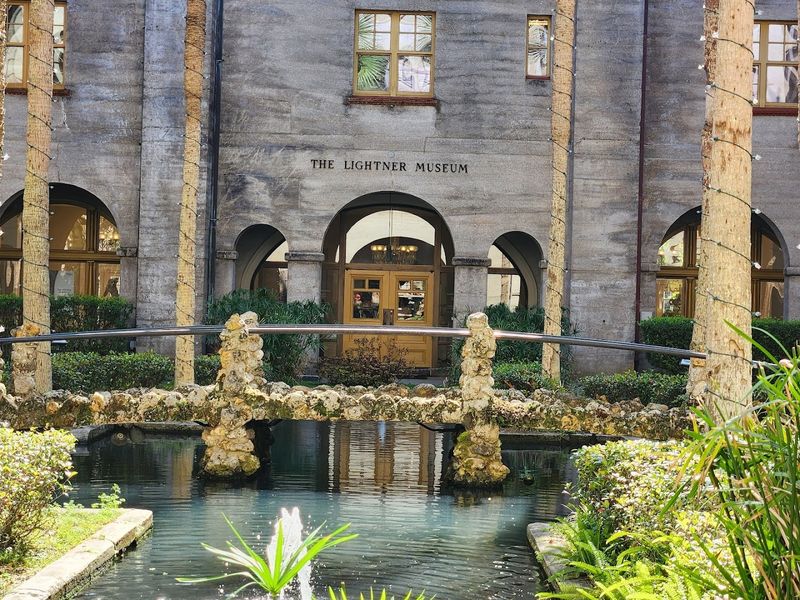
Location matters, and the Lightner Museum at 75 King St, St. Augustine, FL 32084 sits in one of the most historically rich neighborhoods in the entire country. St. Augustine holds the title of the oldest continuously occupied European settlement in the United States, and the streets surrounding the museum carry that distinction in every cobblestone and facade.
Flagler College stands directly across the street, and the broader historic district offers restaurants, galleries, and walking tours within easy reach of the museum entrance. Spending a full day in this part of town feels completely natural because there is always something new to notice around the next corner.
The museum is open daily from 9 AM to 5 PM, making it easy to build around other activities in the area. You can reach the team by phone at 904-824-2874 or plan your visit through their website at lightnermuseum.org.
Combining the Lightner with a walk through the surrounding neighborhood turns a museum trip into a full St. Augustine experience worth savoring slowly.
Stained Glass And Crystal Rooms Create Unforgettable Visual Moments
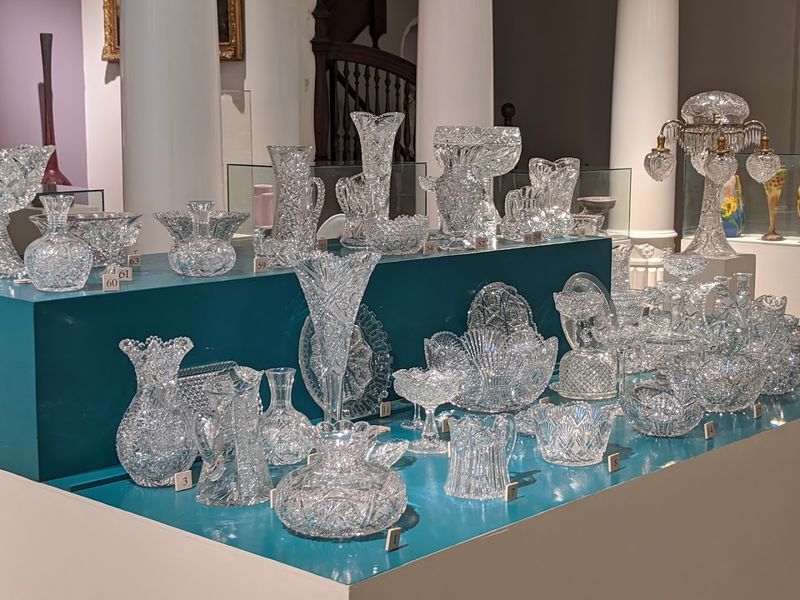
Color and light do something extraordinary inside the Lightner Museum that no other exhibit quite replicates. The stained glass collection and the room dedicated to cut crystal and glassware rank among the most visually striking spaces in the entire building, drawing visitors back for second and third looks.
Sunlight passing through antique stained glass panels throws pools of color across the floor in patterns that shift as the day moves along. The crystal and glass room catches that same light differently, sending tiny prisms dancing across display cases and walls in a way that feels almost like a natural light show.
One visitor described these two rooms as personal favorites during an otherwise quick self-guided tour, which speaks to how powerfully they register even when you are moving at a brisk pace. If you visit on a sunny morning, the light effects in these spaces reach their full potential.
Arriving early and spending extra time here is a decision you will not regret making.
The Museum Cafe Offers A Unique Dining Experience Inside The Historic Building
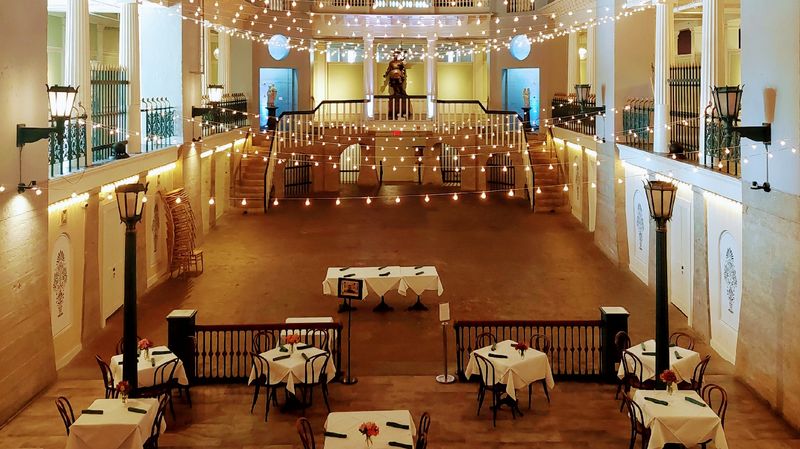
Hunger and history turn out to be a surprisingly good combination at the Lightner Museum. Tucked into the lower level of the building, in the space that was once the grand pool area, the on-site cafe offers a dining experience that few restaurants anywhere can match for sheer atmosphere.
The setting is dramatic in the best possible way, with stone arches overhead and the weight of more than a century of history pressing pleasantly down on every meal. Several reviewers pointed out that reservations are strongly recommended, especially for dinner, because the space fills up quickly and walk-ins often find themselves out of luck.
Planning ahead pays off here in a major way. A lunch reservation turns what might have been a quick museum stop into a full afternoon event that guests tend to talk about long after returning home.
The food earns solid praise, but honestly the room it is served in is the real reason people keep coming back for another reservation.