
These Are Tennessee BBQ Terms That Outsiders Always Mix Up
Tennessee barbecue brings its own language to the table, and visitors tend to stumble over terms that sound simple but carry specific meanings.
Memphis pitmasters use words that confuse folks who think they know barbecue, and the mix-ups happen fast.
Understanding the local vocabulary turns a meal into an education, one smoky bite at a time. So here are the terms that trip up outsiders most often.
1. Dry ribs vs. wet ribs
Walk into a Memphis joint and you’ll hear this first. Dry means ribs dusted in a spice rub before smoking, served without a glaze so the bark crackles and the smoke sings.
Wet means brushed with sauce before, during, and after the cook for a lacquered, finger-licking sheen.
Both are Memphis classics, and neither is better, just different. Choosing between them tells the pitmaster what kind of rib lover you are.
Tourists often assume all ribs need sauce, but dry ribs prove otherwise with their crunchy, flavorful crust.
2. Shoulder, butt, and picnic
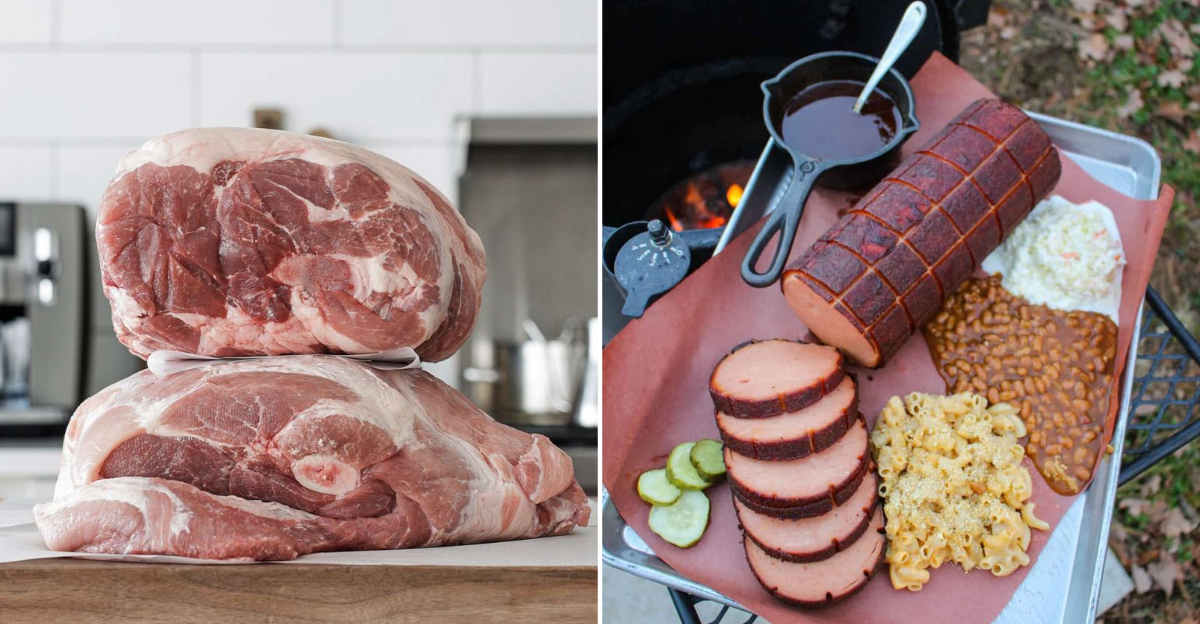
Locals say shoulder and often mean Boston butt, the upper, well-marbled part that pulls beautifully for sandwiches.
Picnic shoulder sits just below and is tougher but delicious with long, low heat. Outsiders hear butt and think hindquarter, which it isn’t.
The whole pig shoulder includes both cuts, and pitmasters choose based on what they’re serving. Boston butt yields tender pulled pork, while picnic needs patience but rewards with deep flavor.
Mixing them up at the counter reveals you’re not a local.
3. Pulled, chopped, or sliced pork
Menus read like a choose-your-own-texture adventure. Pulled strands emphasize silky fat and smoke; chopped gives a denser, saucy bite; sliced shows off rosy slices when cooked hot enough to hold shape.
Around Memphis, slaw on the sandwich isn’t garnish, it’s gospel.
Each texture changes how the meat holds sauce and sits on bread. I once ordered sliced and got looks because most folks stick with pulled. The pitmaster grinned and said sliced means I trust the cook.
4. Mustard slaw vs. hot slaw
Yellow-mustard coleslaw shows up all over Memphis, especially on pork sandwiches, tangy and bright.
Hot slaw is a spicier Tennessee specialty crowned as an official state food in 2024, built on mustard, vinegar, and peppers, especially celebrated in Cleveland, Tennessee.
Visitors think all slaw is the same creamy side, but Tennessee versions pack a punch and personality. Hot slaw brings heat that cuts through rich pork fat.
Mustard slaw stays mellow but adds a sharp contrast that balances smoke and sweetness perfectly.
5. Barbecue bologna
Call it smoked bologna, call it a Memphis crowd-pleaser. A chub gets scored, smoked till the edges curl and sizzle, then sliced for a sandwich that’s humble, smoky, and utterly local. Deli bologna, this is not.
Outsiders laugh until they taste it, then they stop laughing and start chewing. The smoke ring looks mighty fine on bologna, and the caramelized edges add crunch.
Pitmasters treat it like a serious cut, and once you try it on white bread with sauce, you understand why it earned respect.
6. Dry rub vs. sauce culture
Visitors expect sauce first. Memphis puts rub first: paprika, sugar, salt, garlic, and friends melt into the meat to build that mahogany bark. Sauce comes later, often thinner and tangier than folks elsewhere expect.
Hickory shows up often, with pitmasters mixing in fruitwoods for balance. The rub does the heavy lifting, creating flavor layers that the sauce only accents. Outsiders drown meat in sauce and miss the point entirely. Locals know the rub tells the real story, and sauce just punctuates the sentence.
7. Slaw on vs. slaw on the side
Order a pork sandwich and locals assume slaw on top. That cool crunch against warm smoke and sweet-heat sauce is part of the sandwich’s balance, not an optional side. Payne’s famous mustardy slaw proves the point every day.
Asking for slaw on the side marks you as an outsider faster than anything else. The textures and temperatures need each other, and separating them ruins the harmony.
I learned this the hard way when a pitmaster just shook his head and piled it on anyway.
8. Memphis barbecue vs. grilling
Ask a Memphian and they’ll tell you barbecue means low and slow, big cuts, controlled smoke, time, and patience. Grilling is high heat, fast sear, and steak-night energy. Outsiders mash them together; locals keep them worlds apart.
Calling grilled chicken barbecue will earn you corrections at any Tennessee cookout. Barbecue requires hours in the smoker, not minutes on a grate.
The difference isn’t just semantic, it’s fundamental to how the meat tastes and feels. Smoke and time create barbecue; flames create dinner.
9. Baby backs, spares, and St. Louis cut
Ribs aren’t just ribs. Baby backs arch and cook quicker with a tender bite; spares run meatier and richer; St. Louis trim squares spares for even cooking. Memphis menus might feature any of the three, dry or wet, with the house rub doing the talking.
Tourists order baby backs thinking they’re the best, but spares offer more flavor and fat. St. Louis cut removes the cartilage for a uniform rack that looks pretty on the plate.
Knowing the difference helps you order like someone who’s been around the block.
10. World championship talk
Locals casually mention the contest, meaning the Memphis in May World Championship Barbecue Cooking Contest, a pork-centric showdown that fills the riverfront with hickory haze every May. Outsiders think festival; Memphians think bragging rights.
Teams compete for titles that carry weight in the barbecue world, and winning changes a pitmaster’s reputation overnight. The event draws crowds, but the real action happens at the cooking stations.
Calling it just a festival misses the intensity and skill on display. This contest defines Memphis barbecue excellence.
11. Memphis sides that are secretly stars
Barbecue spaghetti and barbecue nachos read like sides or snacks, but locals treat them as headliners. Outsiders call them quirky; Memphians call them Tuesday. These dishes carry as much pride as the ribs and pulled pork.
Ordering them as afterthoughts misses their importance on the menu. Both started in Memphis and spread because they work so well with barbecue flavors.
Spaghetti soaks up sauce, nachos add crunch, and both prove that creativity belongs in the pit as much as tradition. They’re not weird, they’re iconic.
12. Hickory vs. other woods
Memphis pitmasters swear by hickory for its bold, assertive smoke that stands up to pork fat and dry rub. Oak, pecan, and fruitwoods show up too, but hickory dominates the conversation.
Outsiders think any wood works the same, but locals know hickory gives Memphis barbecue its signature bite.
Mixing woods is common, but hickory forms the base. It burns steady, smokes heavy, and doesn’t overwhelm the meat when used right.
I once asked a pitmaster why he didn’t use cherry, and he just pointed at the hickory pile and said tradition.
13. Bark vs. crust
Bark is the dark, flavorful outer layer formed by smoke, rub, and time. Crust sounds similar but implies something hard or burnt, which bark never is. The bark on Memphis ribs should crack slightly when you bite, but stay tender underneath.
Achieving good bark takes patience and the right rub-to-smoke ratio. Outsiders see dark meat and worry it’s overdone, but locals know that mahogany color signals perfection.
The bark holds most of the spice and smoke flavor, making it the most prized part of the rib. Calling it crust misses the craft entirely.
14. Pit vs. smoker
Old-school joints use pits, which are masonry structures or dug-out holes where wood burns and meat cooks over indirect heat.
Smokers are metal units, easier to control and move, but the term pit carries tradition and respect. Visitors use them interchangeably; locals know the difference matters.
Pits require more skill because temperature and smoke are harder to manage. Smokers offer consistency, but pits offer soul.
Some Memphis spots still use brick pits built decades ago, and pitmasters guard their techniques like family secrets. Calling a pit a smoker can start a friendly debate.
15. Rib tips vs. rib ends
Rib tips come from the lower, cartilage-heavy part of spare ribs, trimmed off to make St. Louis cut. They’re chewy, fatty, and packed with flavor, sold cheap but loved deeply. Rib ends sometimes means the same thing, but locals stick with tips.
Tourists skip them because they look scrappy, but tips are a Memphis treasure. They take longer to chew and reward patience with smoky, porky richness.
I grabbed a tray once at a joint that sold them by the pound, and they disappeared faster than the fancy ribs. Underestimating tips is a rookie mistake.
16. Sauce on the side vs. sauce on the meat
Ordering sauce on the side shows respect for the pitmaster’s work, letting the rub and smoke shine first. Sauce on the meat during cooking creates a glaze but can mask the flavors underneath. Memphis leans toward sauce on the side, especially with dry ribs.
Visitors pour sauce over everything immediately, which can offend the cook if the meat was meant to stand alone. Tasting first, then adding sauce, is the polite move.
Some joints serve multiple sauces, and trying the meat naked helps you decide which one fits best. Patience pays off.
17. Rendezvous vs. other joints
Rendezvous is the Memphis name tourists know, famous for its dry ribs and basement location downtown. Locals respect it but also champion dozens of other spots that don’t get the same press. Saying Rendezvous is the only place worth visiting will earn you a lecture.
Every neighborhood has a favorite joint, and many have been smoking pork longer than Rendezvous has been famous. Payne’s, Central, Cozy Corner, and others hold loyal followings.
Tourists flock to one spot; locals rotate through many. Memphis barbecue is bigger than any single name, and exploring proves that point deliciously.
18. Dry rub ribs with sauce available
Memphis joints serve dry ribs, but keep sauce bottles on the tables. The ribs don’t need sauce, but you can add it if you want. This setup confuses visitors who think dry means no sauce allowed, but it really means sauce optional.
The pitmaster built flavor into the rub and smoke, so the sauce is a personal choice, not a requirement. Some folks dip lightly, others pour heavy, and both are fine.
I’ve seen locals eat dry ribs completely naked and others drown them, and nobody judges. The freedom to choose is part of Memphis barbecue culture.
19. Smoke ring vs. pink meat
The smoke ring is the pink layer just under the bark, caused by a chemical reaction between smoke and meat. It’s prized for looks and proof of proper smoking, but it doesn’t affect flavor much.
Pink meat throughout can mean undercooked pork or, in smoked pork, just good smoke penetration.
Outsiders see pink and panic, thinking the meat is raw. Pitmasters know smoked pork stays rosy even when fully cooked, especially around the edges. The smoke ring is a badge of honor, showing patience and technique.
Judging doneness by color alone leads to mistakes; texture and temperature tell the real story.
20. Memphis mustard vs. Carolina mustard
Memphis uses yellow mustard in slaw and sometimes as a binder under dry rub, but it’s not the star like in South Carolina.
Carolina mustard sauce is thick, tangy, and poured over pork. Memphis mustard stays in the background, supporting rather than leading.
Visitors confuse the two styles and expect mustard-heavy sauce in Memphis, but that’s not how it works here. The mustard in slaw adds brightness, and as a rub binder, it helps spices stick.
Carolina makes mustard the main event; Memphis makes it a team player. Both are delicious, but they play completely different roles in barbecue.