
10 Tennessee Small Towns Where Nothing Rushes And Everything Welcomes
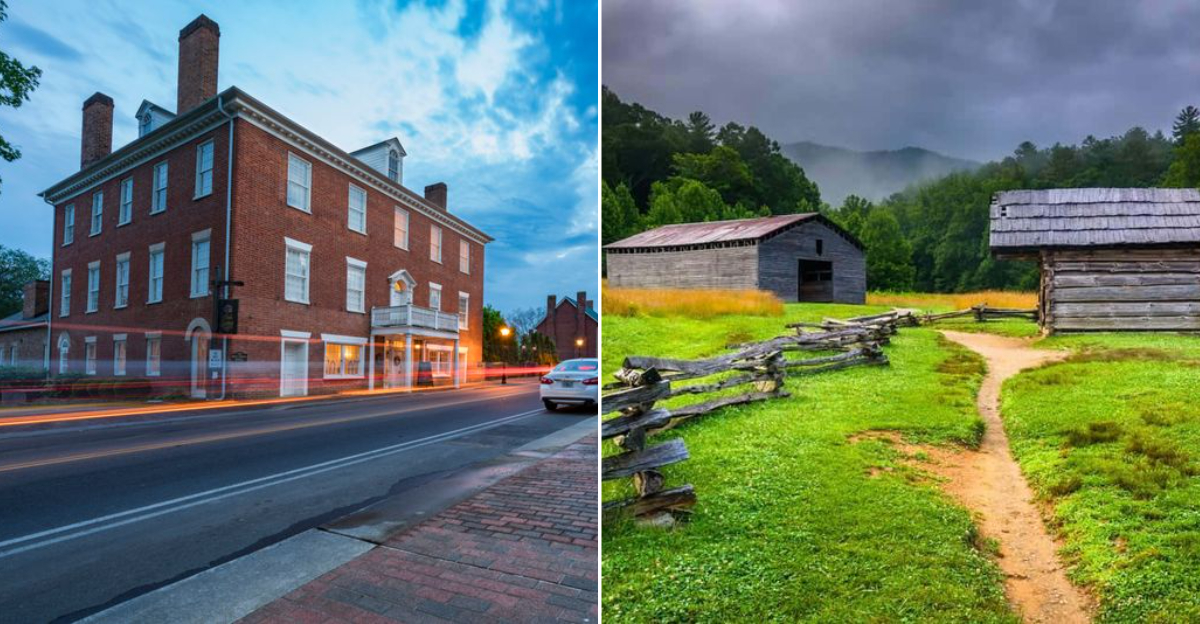
In Tennessee’s small towns, the pace of life naturally slows. Streets lined with brick storefronts and porches invite you to linger, while the air carries hints of river breezes or mountain cool depending on where you roam.
Cafés hum with long conversations, antique shops lean into memory, and neighbors wave as if they’ve known you for years. I’ve found that these towns shine in the quiet details: a mural tucked off Main Street, a historic inn still welcoming travelers, a festival spilling into the square.
Each place carries its own rhythm, reminding you that charm lives in slower steps. Here are ten welcoming towns where time stretches in the best way.
1. Jonesborough
Cobblestones underfoot and centuries-old brick storefronts set the mood right away. The town wears its age proudly, yet the atmosphere feels alive with music and friendly chatter. Mornings bring a soft hush that slowly turns into the buzz of day-trippers.
Established in 1779, Jonesborough is Tennessee’s oldest town and now famous for hosting the National Storytelling Festival each fall. History seeps from its preserved buildings and museum displays.
I was struck most by how casually people tell stories here, not performance, just everyday conversation threaded with charm.
2. Bell Buckle
The first thing you’ll notice is the cheerful jumble of antique stores and quilt shops packed along Main Street. Painted signage and candy jars line the shelves, and on festival weekends the sidewalks brim with music. Even on a quiet weekday, the mood feels celebratory.
Bell Buckle’s fame comes from its arts-and-crafts vibe and the RC Cola & MoonPie Festival, a tradition that draws crowds each summer. The town’s small size only adds to its cozy appeal.
Stopping for pie, I lingered longer than planned, Bell Buckle has that effect, stretching time in the sweetest way.
3. Leiper’s Fork
Old barns turned into art galleries make this village unforgettable. You’ll hear guitars spilling from porches and see colorful murals tucked between weathered fences. The countryside rolls softly around it, inviting slow exploration.
Leiper’s Fork is rooted in Williamson County history, once a farming settlement now reinvented as an arts hub. Locals protect its scale carefully, resisting big development while keeping creativity alive.
The mix of art, music, and farmland felt personal to me. It was like a small-town promise: you don’t have to leave Tennessee to feel inspired.
4. Rogersville
Early morning light hits Rogersville’s courthouse square, and the red brick glows like embers. Cafés open slowly, chairs scraping on sidewalks, while locals wave as if you’ve been here forever. The town feels lived-in but inviting.
Founded in 1775, it’s Tennessee’s second-oldest town. Inns, historic homes, and even the state’s oldest continually published newspaper carry its past forward.
Heritage tourism thrives here, with walking tours guiding visitors through centuries of stories. If you crave history with comfort, Rogersville blends both seamlessly.
5. Townsend
At the edge of the Great Smoky Mountains, Townsend hums with the sound of Little River flowing steadily through town. Kayaks skim the surface, and trout flick just beneath. The air smells faintly of pine and campfire smoke.
Known as the “Peaceful Side of the Smokies,” Townsend grew from a lumber town into a gateway for nature enthusiasts. Its heritage center keeps the story alive with exhibits about mountain life.
Bring sturdy shoes, trails begin nearby, and it’s easy to combine history with fresh air.
6. Rugby
Walking into Rugby feels like entering another century. Victorian architecture lines the lanes, and signs tell the story of an English colony planted here in 1880. The place feels like a time capsule under the Tennessee sky.
Though the utopian dream faded, the historic district was revived in the 1960s. Guided tours reveal libraries, chapels, and preserved homes. Events still celebrate the quirky beginnings of this experiment in community.
I loved how Rugby balances strangeness and beauty. Wandering there, I felt history loosen its grip just enough to let me step inside.
7. Granville
Riverboats once stopped here, and the Cumberland still frames the town with quiet authority. Music drifts from porches during festivals, and antique cars line up on weekends. The pace is steady, never hurried.
Granville began as a river trading post and grew into a lively hub before fading with modern highways. Today it thrives as a heritage village, with museums, restored buildings, and themed events each month.
Travelers find joy in planning visits to coincide with seasonal celebrations, each one brings new energy.
8. Lynchburg
The aroma of mash and charcoal filtering drifts across the valley long before you see the brick warehouses. Streets circle the courthouse square, dotted with diners and shops selling handmade goods. The town seems compact yet rich in character.
Lynchburg is home to the Jack Daniel’s Distillery, established in 1866, making it one of the oldest registered distilleries in the United States. Tours explain the process in detail and highlight the story of its founder.
Visitors should book early, as weekends fill quickly, especially during warm months.
9. Tellico Plains
The Cherohala Skyway begins here, and the mountains seem to lean down toward the town. Rushing water from the Tellico River adds its own rhythm, carrying the scent of moss and spray. Side streets hold craft shops and small cafés that open lazily with the day.
The town traces its history to Cherokee roots and later became a logging community before turning toward tourism. The visitor center introduces both cultural history and outdoor options.
When I drove into Tellico Plains, the shift in air felt unmistakable, thinner, fresher, and charged with a calm that stayed with me.
10. Dandridge
Lake Douglas laps against the edges of town, and from the shoreline you see church steeples rise above water that wasn’t always there. Ducks drift across the surface, unaware they’re swimming over what used to be farmland.
The mix of natural beauty and history is striking. Dandridge was founded in 1783 and named after Martha Dandridge Washington. When the dam created Douglas Lake in the 1940s, parts of the town nearly disappeared.
Preservation efforts saved its historic core. And I found the contrast powerful: heritage buildings holding strong while water shimmered just steps away.