
Tens Of Thousands Flock To This Legendary Arkansas Festival For Three Days This October
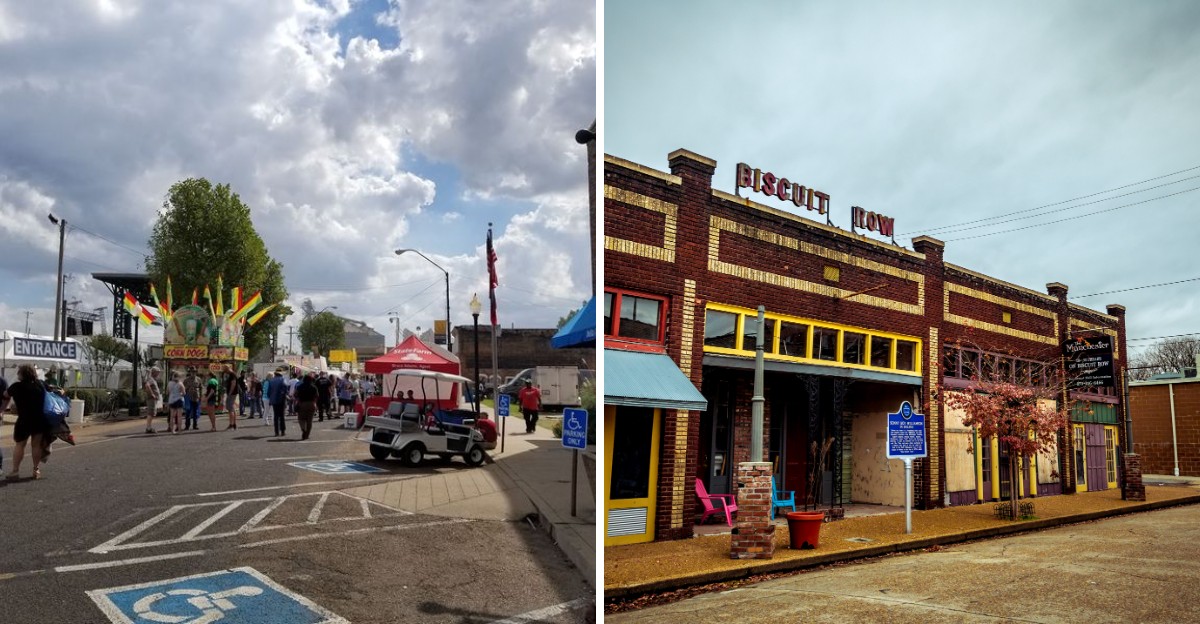
A regular October weekend would be easy to overlook here. Festival weekend is another story.
This Arkansas riverfront fills with blues fans who come ready to spend hours near the levee, moving between performances and taking in the downtown scene. Music reaches beyond the main grounds, so the event feels connected to the streets around it instead of boxed into one space.
That makes the experience especially fun for visitors who like to wander rather than stay planted in one seat. The river adds another layer once the light begins to change, and the main stage feels even more dramatic with open water behind it.
Crowds can be substantial, yet the district gives the weekend room to breathe. Add in the long-running tradition, and it becomes easy to see why this festival earns repeat trips.
For blues fans, three days here can disappear surprisingly fast once the first set begins.
The Riverfront Turns Into Festival Central
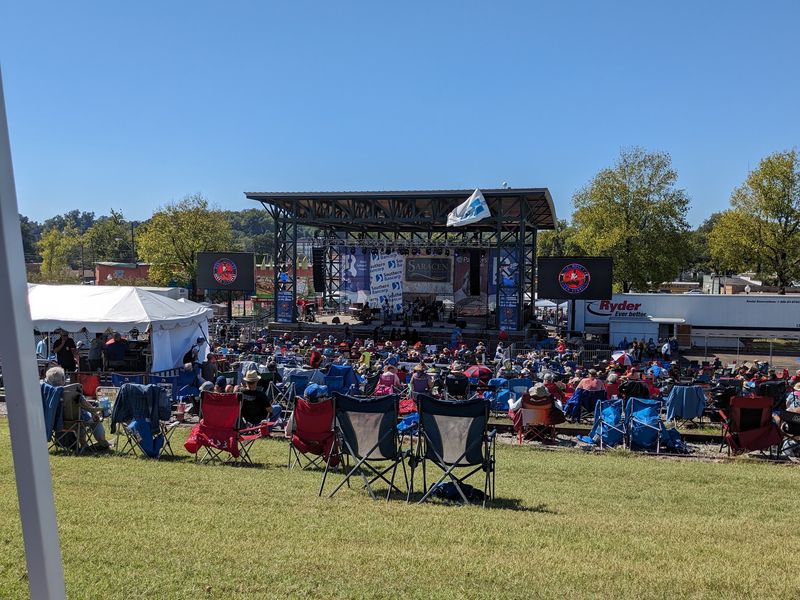
Picture a sleepy downtown waterfront that spends most of the year watching barges glide past, then flips into a full-blown music grounds for one long October weekend. Crews roll in stages, sound towers, vendor tents, and fencing, and suddenly the riverfront becomes the beating heart of the entire event.
Five stages operate across the festival grounds, which means there is almost always something playing somewhere within earshot. Fans wander between them with folding chairs slung over their shoulders, claiming patches of grass and settling in for hours of listening.
Food vendors line the walkways, and the variety surprises first-timers who expect only one or two options. Local kitchens and traveling food trucks both set up shop, so the choices range far beyond standard festival fare.
Volunteers play a huge role in keeping the whole operation running smoothly, pointing people toward stages, restrooms, and parking without losing patience. Repeat visitors often mention how easy the logistics feel compared to bigger, more chaotic events.
What strikes me most is how a working river town transforms so completely in just a few days. The King Biscuit Blues Festival spreads through historic downtown Helena, while its office is at 319 Phillips St, Helena, AR 72342, right in the Mississippi Delta.
Historic Streets Fill With Music
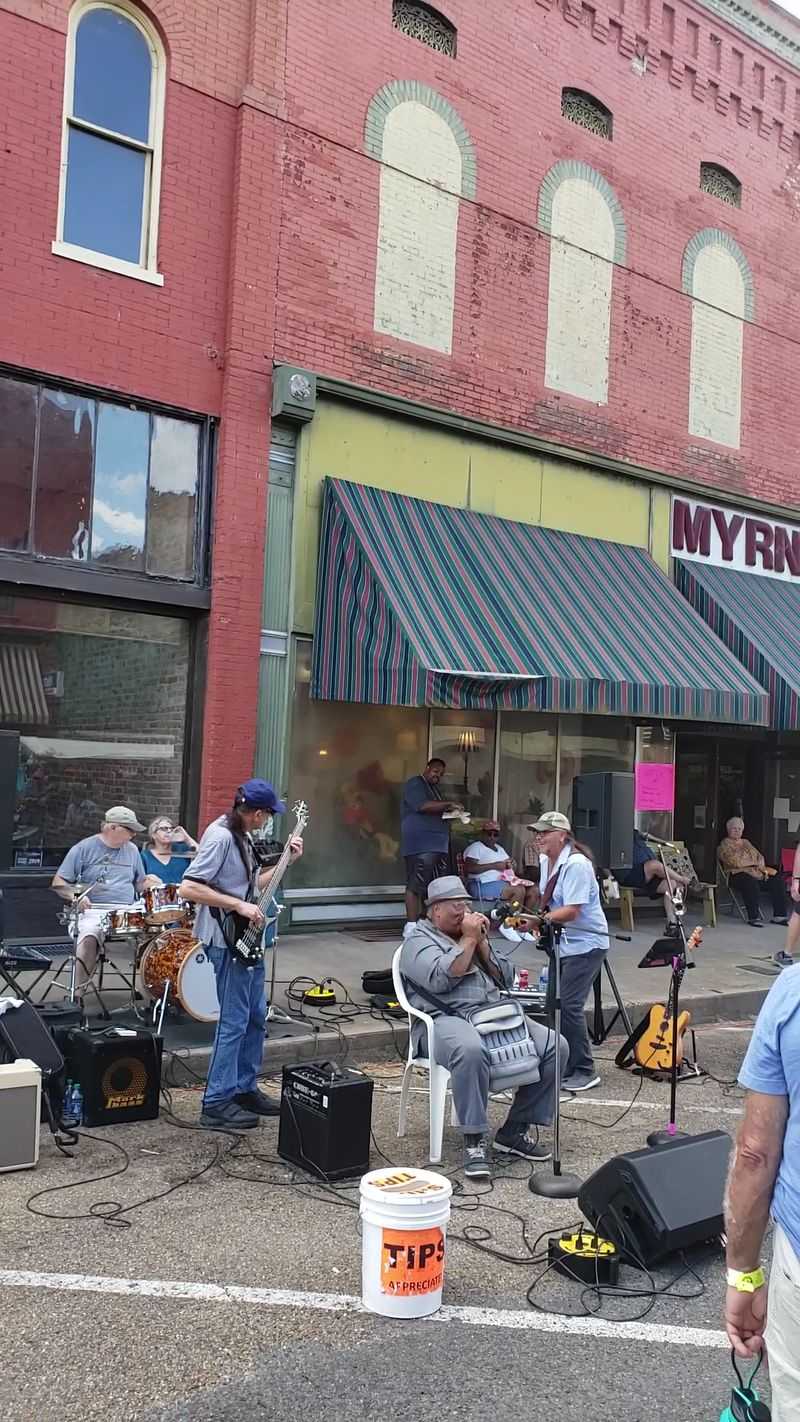
Cherry Street and the surrounding blocks carry serious history, with old brick buildings that have watched this town change for well over a century. During festival weekend, those same facades echo with amplified guitar and harmonica instead of everyday quiet.
Helena sits in the heart of the Mississippi Delta, the stretch of land widely credited as the birthplace of the blues. That geography is not a marketing line, it is the actual reason artists and fans treat this weekend as something close to a pilgrimage.
Walking the historic district gives visitors a sense of scale that stage-hopping alone cannot deliver. Storefronts, sidewalks, and side streets all become part of the listening experience.
The Delta Cultural Center sits nearby and draws plenty of festival-goers who want context for the music they are hearing. Several returning visitors describe the museum as worth the drive even without a festival happening.
I love that the history here is not tucked away behind glass, it is playing live on the corner. Old buildings and new audiences meet in a way that feels completely unforced.
Music and architecture share the same air for three days, and the combination sticks with people long after the last note fades.
The Levee Stage Delivers The Biggest Views
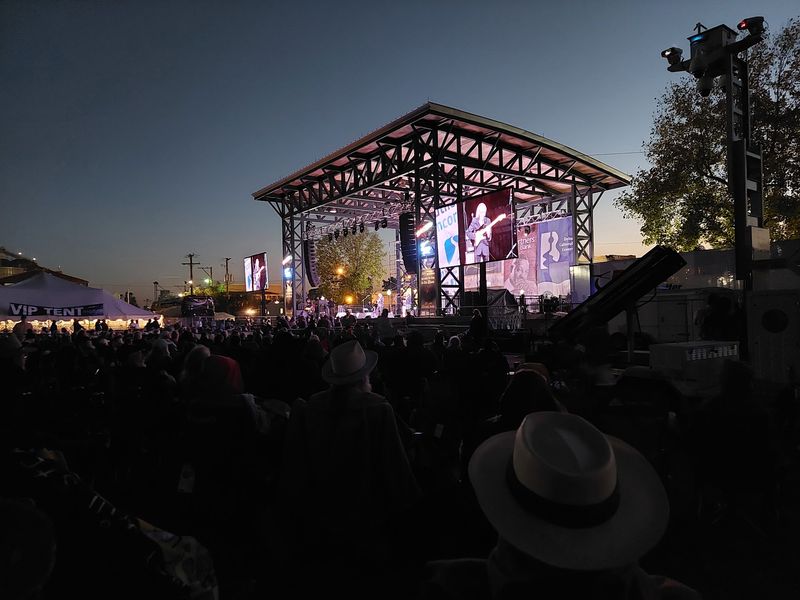
Grassy slopes make surprisingly good seating, and the levee here proves it every single year. Fans spread out along the incline, set up chairs and blankets, and enjoy sightlines that most ticketed venues would envy.
Headline performances happen with the river as a backdrop, and passing barges occasionally photobomb the whole scene. That mix of natural setting and live performance gives the main stage its reputation.
Big names have played these boards over the years, including artists whose careers stretch back decades in blues and soul. Lesser-known regional performers share the same schedule, which keeps discoveries rolling all weekend.
Sound carries beautifully across open ground, so even people sitting far back hear things clearly. Latecomers still find decent spots, which lowers the stress level considerably.
Arriving early remains the smart move for evening headliners, since the best slope positions fill up as the afternoon rolls on. Bringing a low-back chair helps keep the view open for folks behind.
Honestly, the levee setup sounds like one of the more thoughtful festival layouts in the country. Sunset over the water while a band digs into a slow number tends to be the memory people carry home.
Downtown Blocks Buzz All Weekend
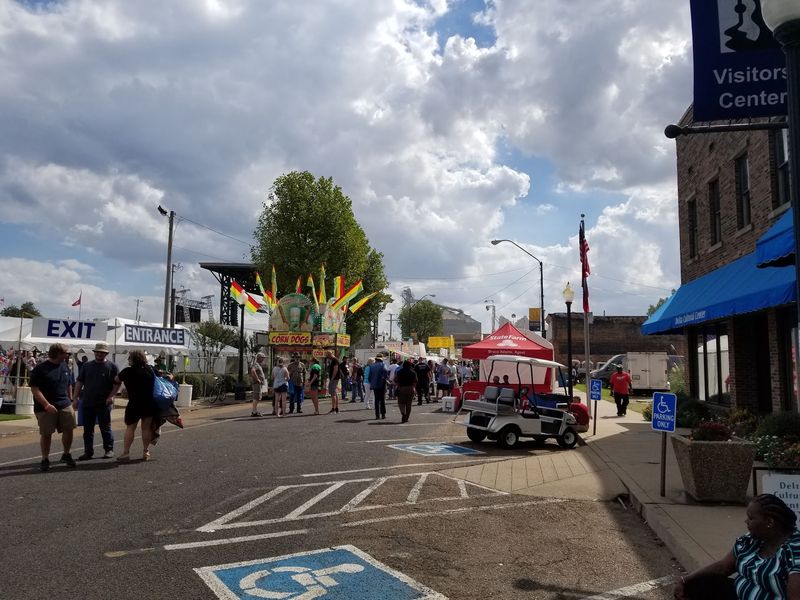
Vendors, merch booths, and food stands take over the downtown blocks, turning ordinary sidewalks into a bustling marketplace. Crowds drift from one tent to the next between sets, snacking and browsing without any real hurry.
Families show up in force, and multiple generations often attend together. Grandparents who came decades ago now bring grandkids along, which says plenty about how welcoming the atmosphere stays.
The festival’s current visitor guidance states that coolers are not allowed. Visitors should check the official festival information before arriving for any additional current policies.
Parking earns compliments from returning guests, who describe it as convenient rather than a headache. For an event drawing tens of thousands, that counts as a small miracle.
Local businesses benefit enormously during these three days, and the boost matters in a town where commerce can be slow the rest of the year. Restaurants and shops see faces from all over the map.
Something about the block-party feel makes strangers start conversations, which I find genuinely refreshing at an event this size. By Sunday afternoon, plenty of visitors are already talking about next October.
Tent City Brings Its Own Festival Energy
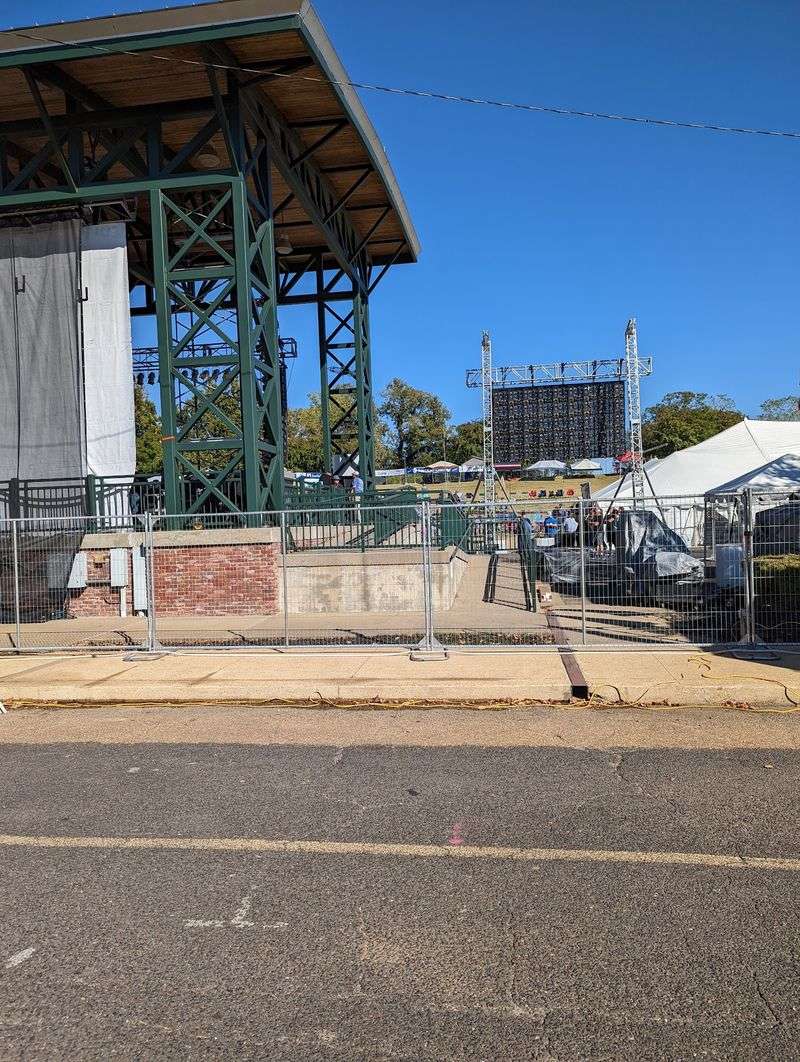
Lodging options in town run limited, and longtime visitors have turned that challenge into part of the tradition. Camping setups and RV parking fill in the gaps, creating a temporary neighborhood of music fans.
Campers trade stories about past lineups, compare notes on which stage to hit next, and generally treat newcomers like old friends. Morning coffee conversations often turn into full afternoon plans.
Some travelers book rooms in nearby towns and commute in, which works fine given how compact the festival footprint is. Planning accommodations early makes a real difference, since availability tightens quickly as October approaches.
The community vibe extends beyond sleeping arrangements, with visitors arriving from across the country and occasionally from overseas. Meeting fellow blues fans from distant places ranks high among the things people mention afterward.
One family reportedly drives cross-country from California every year just for this weekend, a commitment that shows real devotion. Repeat attendance seems more common here than at most festivals of comparable size.
That sense of belonging explains why the crowd feels less like an audience and more like a reunion. Tents come down Monday, but the connections tend to last much longer.
The Mississippi River Frames The Celebration
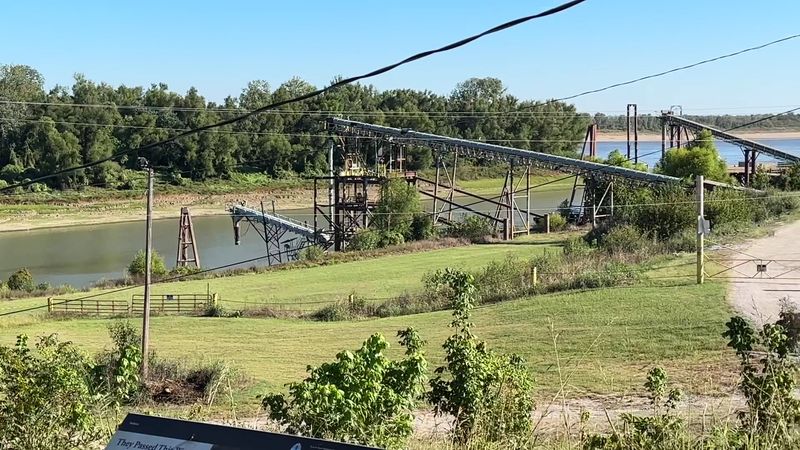
Few festivals get a natural backdrop this dramatic, and the Mississippi River delivers without even trying. Wide, brown, and constantly moving, it rolls right past the grounds all weekend long.
Geography shaped the music that made this region famous, since the river carried people, goods, and songs up and down the Delta for generations. Performing blues within sight of that water adds a layer of meaning no indoor venue can copy.
October weather in this part of Arkansas usually cooperates nicely, with mild afternoons and cool evenings that make outdoor listening comfortable. Layers work well, since temperatures drop once the sun goes down.
Sunsets over the water tend to arrive right around the time headliners take the stage, which feels almost scheduled. Phones come out, photos get taken, and the crowd settles into the golden part of the evening.
River views also give tired festival-goers a natural spot to rest between sets. Sitting on the levee and watching the current is its own kind of entertainment.
Nature and music working together this well is not something you find everywhere, and it clearly keeps people coming back.
Storefronts Become Part Of The Experience
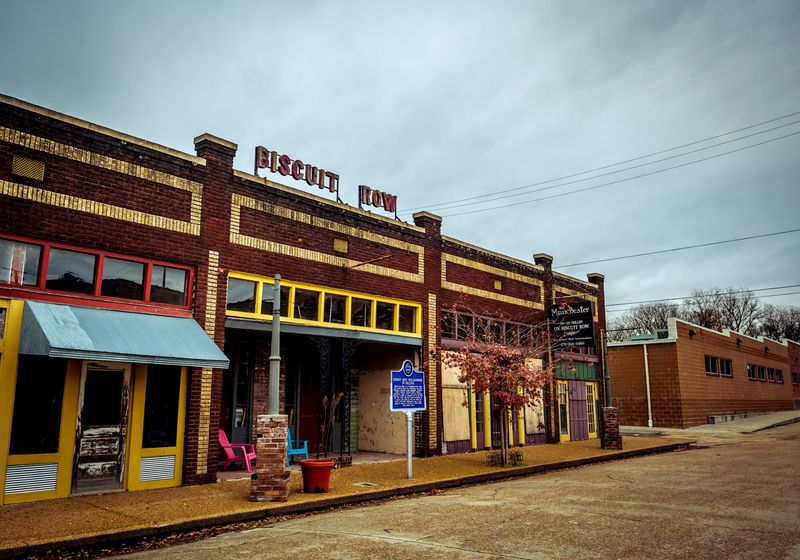
Old shopfronts along the historic district get their moment in the spotlight when the festival rolls around. Doors open, displays go up, and businesses that keep quiet hours most of the year suddenly host a steady stream of visitors.
Restaurants nearby stay busy throughout the weekend, feeding hungry crowds alongside the food trucks parked on the grounds. Having both options means shorter waits and more variety for everyone.
The Delta Cultural Center anchors the area with exhibits covering the region’s musical heritage. Festival-goers frequently pair a museum stop with an afternoon of live sets.
Murals, signage, and historic brick give the whole district a strong sense of place that photographs beautifully. Wandering between stages becomes a walking tour without anyone planning it that way.
Economic impact matters here, and this weekend represents a meaningful portion of annual business for many local operators. Visitors spending money downtown directly supports the community that hosts the event.
What I appreciate is how the town and the festival lean on each other rather than existing separately. Storefronts and stages end up telling the same story across three busy days.
Music Spills Through The Downtown District
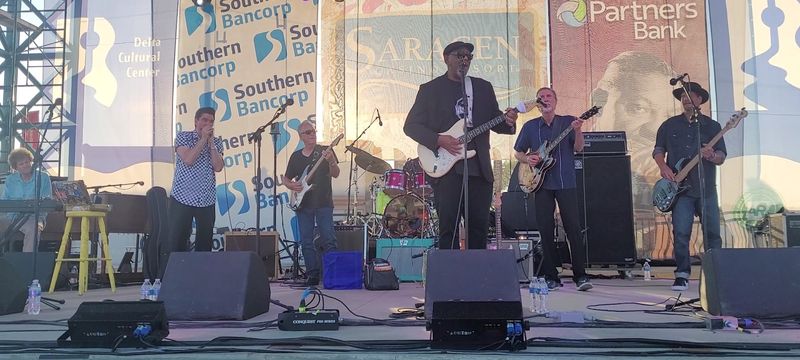
Music Spills Through The Downtown District
Overlapping schedules across five stages mean the soundtrack never really stops between morning and late night. Walk two blocks and the genre shifts slightly, from gritty electric sets to acoustic picking to horn-driven soul.
Lineups mix internationally touring performers with regional players who know Delta traditions inside and out. That balance gives longtime fans plenty of familiar names while leaving room for surprises.
Ticket value comes up constantly in visitor feedback, with many noting how much music the price covers. Compared to major touring festivals, the cost stays approachable for families.
The organizing team provides current schedules and logistics information through the official festival website. Checking it before traveling helps with lineup and ticket details.
Current listed office hours are 9 a.m. to 4 p.m. Monday through Thursday and 9 a.m. to noon Friday.
October remains the month to circle, with the 2026 festival scheduled for October 8 through October 10.
The full name honors a historic Delta radio broadcast that helped spread this music far beyond the region. Sounds born along this river still fill these streets every autumn.