
6 Texas BBQ Traditions That Stay True To The Past & 6 Spots Putting A Modern Spin On Smoke
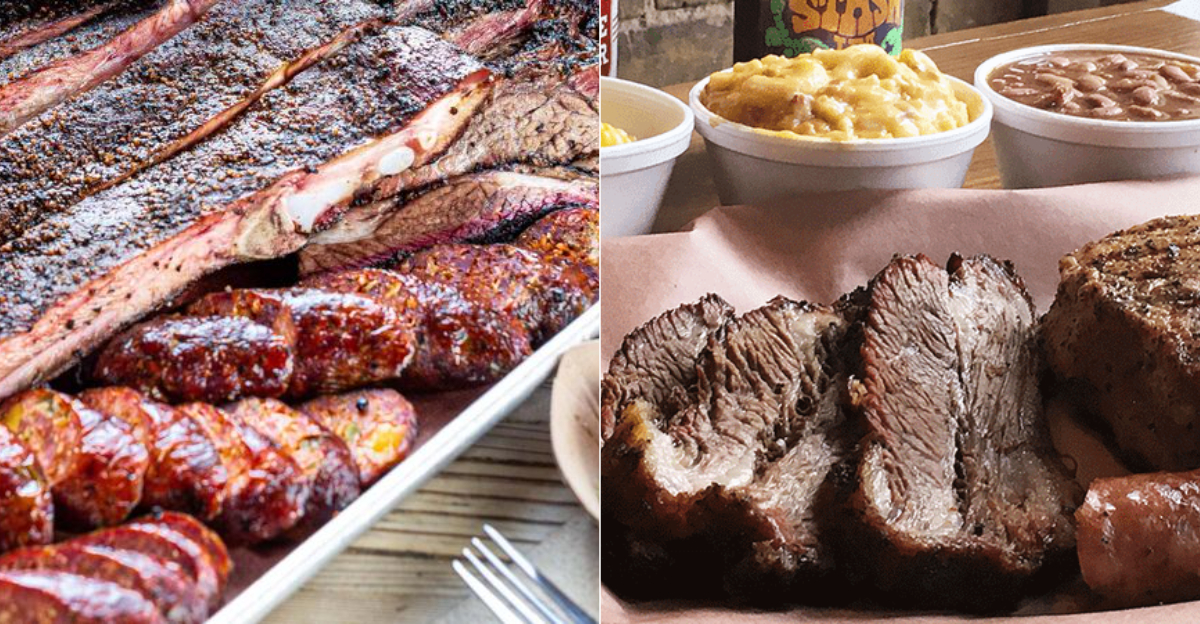
Texas barbecue isn’t just food—it’s a cultural institution woven into the very identity of the Lone Star State. Every region tells its story through smoke, from Central Texas brisket kissed by post oak to East Texas ribs slathered in tangy sauce.
Over the years, I’ve followed those smoke signals down highways and backroads, meeting pitmasters who guard generations-old recipes and others who experiment boldly with new flavors.
Some traditions remain unchanged, while chef-driven joints are layering in global techniques, redefining what barbecue can be. Together, they prove that Texas ‘cue embodies both respect for the past and vision for the future.
1. The Dry-Rub Brisket Ritual
Nothing captures Texas BBQ’s soul like a perfectly smoked brisket with that signature black pepper bark. The first time I watched my uncle prepare his brisket at 4 AM, I understood this wasn’t cooking—it was ceremony.
Central Texas pitmasters reject complicated marinades, letting meat speak for itself with just salt, pepper, and maybe a whisper of garlic. The magic happens during those 12-16 hours of slow smoking over post oak, creating that signature pink smoke ring that makes Texans misty-eyed.
This minimalist approach isn’t laziness—it’s confidence in quality beef and smoke mastery that’s been perfected since German and Czech meat markets began smoking unsold cuts in the 1800s.
2. Salt & Pepper Gospel
My barbecue awakening happened at a roadside joint where the pitmaster scoffed when I asked about his ‘secret rub.’ He held up two shakers—salt and pepper—and winked. That’s when I learned the first commandment of Texas BBQ.
True believers maintain that anything beyond these two seasonings masks the beef’s natural flavors and the subtle kiss of smoke. This disciplined restraint separates Texas from sauce-heavy regional styles elsewhere.
The coarse black pepper creates that coveted bark—a crunchy, flavorful crust that forms during the long smoke. Many pitmasters use a 16-mesh grind, specifically chosen to stand up to hours of smoke without burning.
3. Sauce on the Side (Or Not at All)
During my BBQ tour through Central Texas, I committed the rookie mistake of reaching for sauce before tasting the brisket. The pitmaster’s gentle head shake taught me more than words could.
Real Texas BBQ stands confidently without sauce—a philosophy that separates us from Kansas City or Memphis styles. When sauce appears, it’s thin and tangy, complementing rather than concealing the meat’s flavor.
The tradition began in meat markets where smoked meat was sold by weight, not as restaurant dishes. Today, requesting sauce first at legendary spots might earn you a raised eyebrow, as if you’ve asked for ketchup on a prime steak.
4. Butcher Paper Serving
First time I visited Kreuz Market in Lockhart, they handed me a stack of meat on brown paper with crackers and a plastic knife. No plates in sight! I felt like I’d been initiated into a secret club.
This seemingly casual presentation has practical roots in Texas BBQ’s meat market beginnings. Butchers would wrap customers’ purchases in paper for the journey home, and hungry folks would often eat right there at the counter.
Beyond tradition, the unbleached butcher paper serves a purpose during cooking too. Many pitmasters wrap briskets in it during the final hours, allowing some moisture escape while protecting the bark—a technique known as the “Texas crutch.”
5. Centuries-Old Family BBQ Dynasties
Walking into Black’s Barbecue feels like stepping back in time. Four generations of smoke-masters have tended the same pits since 1932, and you can taste that legacy in every bite.
These BBQ dynasties aren’t just businesses—they’re living museums preserving techniques from before electricity. The Black family, Muellers of Taylor, and Kreuz/Smitty’s lineage in Lockhart represent an unbroken chain of knowledge passed through careful apprenticeship.
What amazes me most is how these families maintain consistency across decades. The patriarch’s watchful eye ensures the wood is stacked just so, the temperature never wavers, and the brisket gets that perfect jiggle before it’s deemed ready to serve.
6. West Texas Cowboy-Style Open Pit Smoking
Under a star-filled Panhandle sky, I watched an 80-year-old rancher cook beef directly over mesquite coals in a hand-dug pit. “Been doing it this way since before your daddy was born,” he told me with a weathered smile.
This frontier-style cooking—meat suspended over direct heat rather than offset smoke—dates back to cattle drives and chuck wagons. The intense mesquite flavor creates a distinctly different profile than Central Texas post oak smoking.
West Texas pitmasters often use makeshift grills fashioned from oil field equipment or railroad parts. The meat develops a charred exterior while cooking quickly compared to low-and-slow methods elsewhere, reflecting the pragmatic needs of cowboys who couldn’t wait all day for dinner.
7. Truth BBQ’s New-School Precision
Leonard Botello IV’s immaculate brisket makes BBQ veterans weep tears of joy. I stood in line for two hours at his Houston location, questioning my life choices until that first bite erased all regrets.
While respecting traditions, Truth BBQ brings scientific precision to temperature control and timing. Their meat selection process rivals fine dining establishments, with prime-grade beef and heritage pork sourced from specific farms.
What truly sets Truth apart is their complementary menu—corn pudding that would make grandma jealous and banana cream pie that deserves its own Instagram account. This balance of reverent smoking techniques with chef-driven sides represents Texas BBQ’s exciting evolution without abandoning its soul.
8. Louie Mueller’s Time-Honored Innovation
The smoke-blackened walls at Louie Mueller Barbecue tell stories older than most Texans. Stepping into this Taylor institution feels like entering a sacred space—the “Cathedral of Smoke” as we devotees call it.
What’s remarkable about Mueller’s is how they’ve maintained relevance since 1949 without chasing trends. Their pepper-forward rubs and dinosaur-sized beef ribs influenced an entire generation of new-school pitmasters who make pilgrimages here to study the source.
Wayne Mueller, third-generation pitmaster, balances preservation with subtle refinement. He’s adjusted wood sourcing practices for sustainability and fine-tuned temperature control while ensuring his grandfather would still recognize every technique used today.
9. Cooper’s Bold Mesquite Methods
My first encounter with Cooper’s “Big Chop” in Llano changed my understanding of pork forever. This two-inch thick mesquite-kissed masterpiece showcases a distinctive cooking approach you won’t find in Austin or Houston.
Cooper’s direct-heat method over mesquite coals creates a flavor profile that’s bolder and more intensely smoky than post oak traditions. Customers point to their desired cuts right from the pit before heading inside—a theatrical experience that connects eaters directly to the cooking process.
While most Central Texas joints focus on brisket supremacy, Cooper’s democratic approach gives equal billing to pork chops, cabrito (goat), and massive beef ribs. This Hill Country style represents a regional BBQ dialect that’s maintained its distinctive accent despite homogenizing trends.
10. Southside Market’s Sausage Legacy
The snap of Southside’s legendary “hot guts” sausage transports me back to 1886 when William Moon first stuffed beef trimmings into casings. As Texas’ oldest BBQ establishment, this Elgin institution has balanced tradition and progress for over 135 years.
Their original beef sausage recipe—spicy enough to earn its nickname but accessible to modern palates—remains largely unchanged. What has evolved is their production scale, now creating thousands of rings daily while maintaining craft quality.
Current owner Bryan Bracewell represents the third family to steward this legacy, expanding with new locations while preserving core techniques. The market-to-restaurant evolution mirrors Texas BBQ’s broader journey from practical preservation method to celebrated culinary art.
11. Feges BBQ’s Culinary Crossover
When I discovered that Feges’ extraordinary brisket came from classically trained chefs, everything made sense. The precision, the consistent excellence, the unexpected sides—this wasn’t just BBQ; it was fine dining disguised in butcher paper.
Husband-wife team Patrick Feges and Erin Smith bring serious culinary credentials to their Houston establishment. Patrick honed his smoking skills while recovering from Iraq War injuries, while Erin’s background includes stints at prestigious restaurants nationwide.
Their Moroccan-spiced carrots and chili-chocolate bread pudding would cause traditionalists to raise eyebrows, yet their perfectly executed brisket earns respect from the old guard. This beautiful balance represents BBQ’s exciting future—honoring smoke traditions while embracing global flavors and refined techniques.
12. Burnt Bean Co.’s Tejano BBQ Renaissance
The first time I tried Burnt Bean’s brisket ramen, my BBQ worldview expanded instantly. This Seguin sensation boldly celebrates Texas’ Mexican influences that many traditional joints quietly adopted but rarely showcased.
Pitmaster Ernest Servantes proudly infuses his Hispanic heritage throughout the menu. His Sunday-only menudo (traditional tripe soup) incorporates smoked brisket drippings, creating a cross-cultural masterpiece that honors both his grandmother’s recipes and Texas smoking traditions.
Despite opening during the pandemic, Burnt Bean earned Michelin recognition and Texas Monthly acclaim by refusing to choose between innovation and tradition. Their homemade tortillas filled with perfectly smoked meats represent the beautiful cultural convergence that makes Texas cuisine so dynamic.