
10 Texas Food Sayings That Outsiders Have No Idea What They Mean
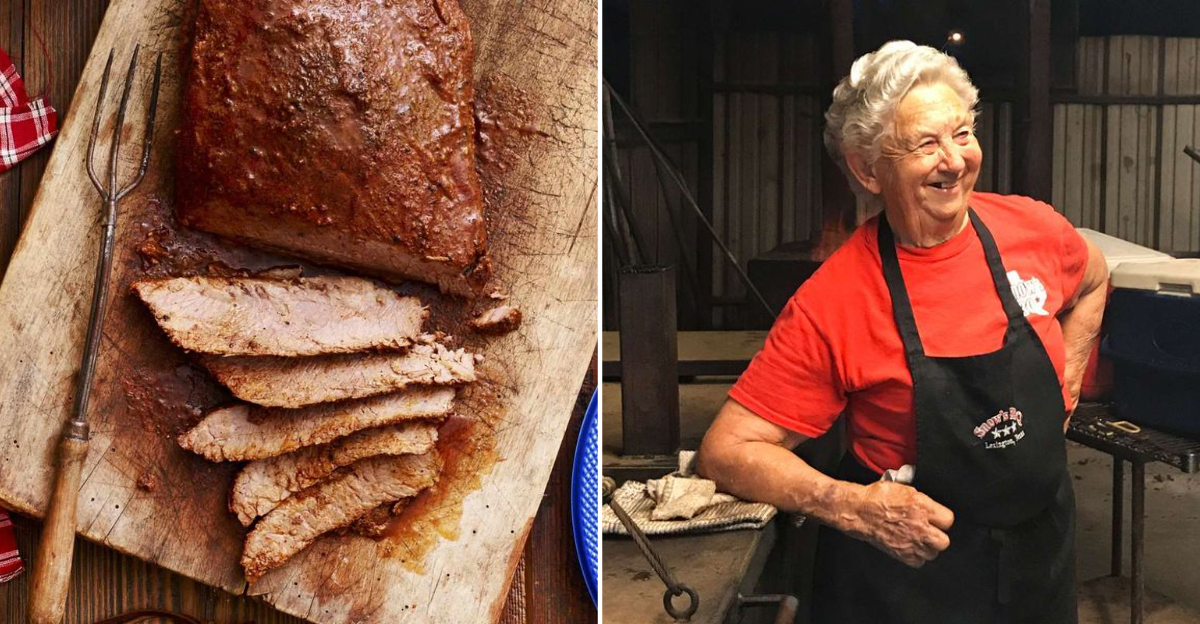
Texas has a language all its own, especially when it comes to food. Folks here use phrases that sound downright confusing to anyone not raised on sweet tea and barbecue.
These sayings are baked into everyday conversation, and if you’re not from around here, you might find yourself scratching your head at the dinner table.
Get ready to decode some of the most confusing Texas food expressions that leave most outsiders completely baffled.
1. All Hat, No Cattle
Someone who talks big but delivers nothing gets this label in Texas. Originally describing ranchers who dressed fancy but owned no livestock, it now applies to anyone who’s all show and no substance.
I remember a guy at a barbecue competition who bragged about his secret rub recipe for hours. When the judges tasted his brisket, it was as dry as boot leather. That’s when my uncle whispered this phrase to me, and it finally clicked.
You’ll hear this at restaurants when someone claims they make the best chili in the state but serves up something bland and disappointing.
2. Fixin’ To
This phrase means you’re about to do something, not that you’re repairing anything. Texans use it constantly when talking about meals and cooking plans.
If someone says they’re fixin’ to make dinner, they mean they’re getting ready to start cooking soon. It doesn’t mean the stove is broken or needs fixing. The confusion comes from the word itself, which sounds like repair work to outsiders.
You’ll hear this at every family gathering when Grandma announces she’s fixin’ to put the brisket on the smoker at dawn.
3. Might Could
Grammar teachers everywhere cringe at this double modal, but Texans use it without hesitation. It expresses possibility with a healthy dose of Southern politeness mixed in.
When someone says they might could bring potato salad to the cookout, they’re saying there’s a chance they can do it. It’s not definite, but it’s not a no either. Outsiders find this construction completely baffling because it breaks standard English rules.
This phrase softens commitments and keeps things friendly, which is the Texas way of doing business at potlucks and barbecues.
4. All Vine and No Taters
This agricultural saying describes something that looks promising but delivers nothing of value. Potato plants with beautiful green tops but no potatoes underground inspired this expression.
Last summer, I tried a new taco truck everyone raved about online. The Instagram photos looked incredible, but the tacos were tiny and flavorless. My friend summed it up perfectly with this phrase, and I’ve used it ever since.
Restaurants with fancy presentations but tiny portions or bland flavors get this label from disappointed Texans who expected more substance.
5. Doesn’t Amount to a Hill of Beans
Something worthless or insignificant gets compared to a tiny mound of beans in Texas talk. Beans were so common and cheap historically that a small pile meant almost nothing.
When someone criticizes a restaurant’s portion sizes or complains about skimpy toppings, this phrase comes out. It means the amount given is so small it’s practically insulting.
Outsiders might think we’re literally discussing beans, but we’re actually dismissing something as having no real value or importance in the conversation.
This saying applies to disappointing meals that leave you hungry.
6. Scarce as Hen’s Teeth
Chickens don’t have teeth, which makes this phrase perfect for describing something impossible to find. Texans use it when talking about rare ingredients or hard-to-get reservations at popular restaurants.
Good barbecue joints with no wait time are scarce as hen’s teeth in Texas, especially on weekends. The phrase emphasizes extreme rarity in a humorous way that sticks in your memory.
I’ve used it to describe finding a parking spot at the state fair during peak hours. It’s more colorful than just saying something is rare or uncommon.
7. Bless Your Heart
Outsiders think this is a compliment, but Texans know it can be the sweetest insult ever delivered. Context matters tremendously with this phrase, especially around the dinner table.
When someone brings store-bought dessert to a potluck and claims they made it from scratch, you might hear someone say this with a knowing smile. It can mean sympathy, pity, or polite criticism depending on tone.
The phrase allows Texans to criticize someone’s cooking or choices while maintaining Southern politeness and avoiding direct confrontation that might hurt feelings.
8. Too Big for Your Britches
When someone gets cocky about their cooking skills or restaurant knowledge, this phrase puts them in their place. Britches are pants, and outgrowing them means you’ve gotten a swelled head.
I watched a cooking competition where a contestant boasted about winning before the judging even started. When his dish came out burnt, the other contestants exchanged knowing looks. Later, someone muttered this phrase, and everyone nodded in agreement.
It’s a gentle reminder that pride comes before a fall, especially in the kitchen, where mistakes humble everyone eventually.
9. Madder Than a Wet Hen
Chickens absolutely hate getting wet, which makes them furious and ruffled. Texans use this to describe someone really angry, often about food gone wrong.
When your barbecue order gets messed up after waiting an hour, you might be madder than a wet hen. The phrase perfectly captures that specific kind of frustrated anger that comes from disappointment.
It’s more expressive than just saying you’re angry because it creates a vivid mental picture.
You’ll hear this at restaurants when service is terrible or when someone’s special order gets completely ignored.
10. Useless as Tits on a Boar Hog
This barnyard observation describes something completely pointless. Male hogs don’t nurse offspring, making certain anatomy entirely useless on them.
Texans apply this to kitchen gadgets that don’t work, recipes that fail miserably, or cooking advice that makes no sense. It’s blunt and memorable, which is why it sticks around in Texas vocabulary.
When someone suggests using a fancy technique that complicates a simple dish unnecessarily, this phrase shuts down the conversation fast.
It’s the ultimate dismissal of anything impractical or serving no real purpose in cooking or eating.