
9 Texas Towns That Are Attracting New Residents Faster Than Anyone Expected
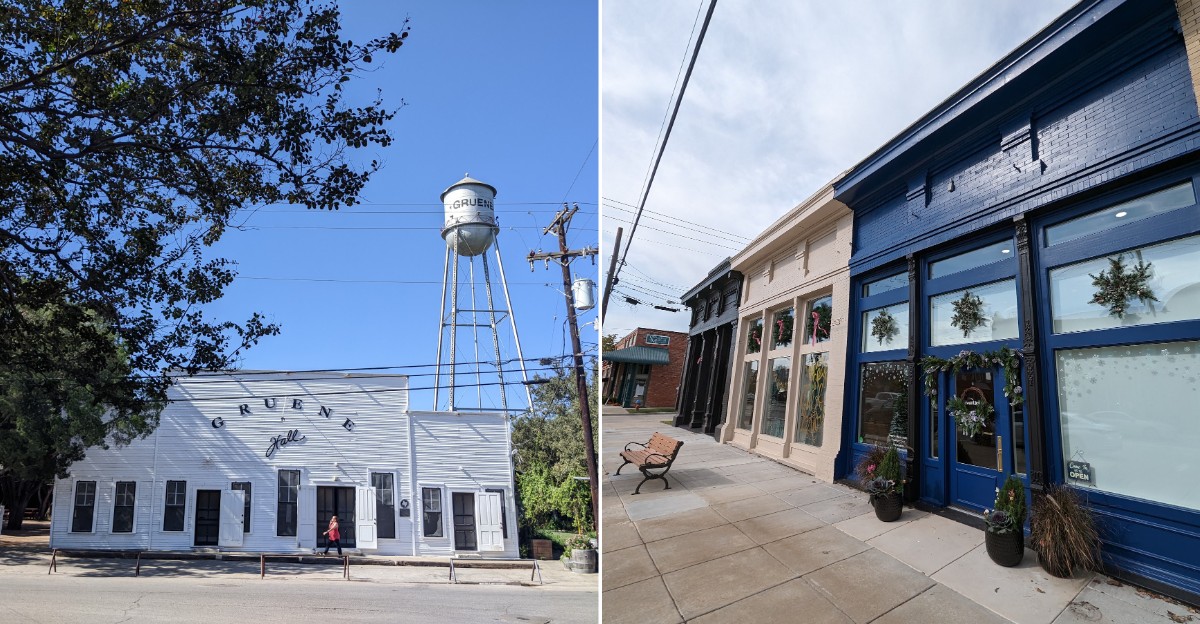
A town known for its pie, another with a courthouse square locals can’t stop praising, and a farmers market with a 200-mile rule. Texas has some pretty unexpected places making the list of towns people want to move to.
I find it interesting that the newcomers aren’t heading only for big cities or shiny new suburbs. Many are choosing places with old brick storefronts, quiet main streets, and a slower pace of life.
At least, that’s what these towns used to be known for.
Now, the moving trucks keep coming. New rooftops are appearing, schools are feeling the change, and some once-sleepy communities are growing faster than anyone anticipated.
But what exactly is making people trade their old addresses for a small-town Texas life? I suspect the answer is a little different in every town.
1. Celina
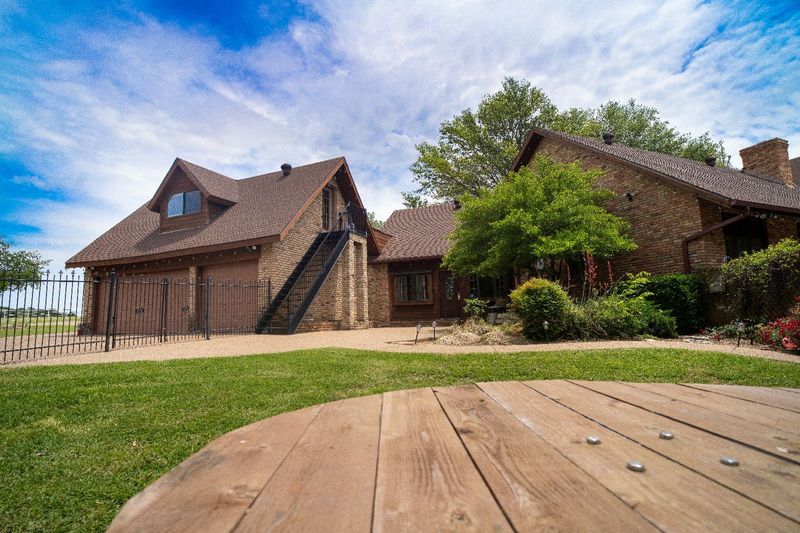
Plenty of towns promise small-town charm, but Celina backs it up with pie. Its historic downtown square still feels like the heart of the place, even as new neighborhoods spread across the farmland.
Celina sits north of Dallas in Collin County, and growth here has moved fast. Fields that once held crops now hold rooftops, schools, and fresh streets with brand-new names.
The square is where the old Celina still shows up. Brick buildings line the blocks, and they give newcomers a real downtown instead of a strip mall.
Hungry? Lucy’s on the Square serves Texas comfort food inside a brick building that is more than 100 years old.
The menu leans hearty, with chicken fried steak leading the charge.
You can also grab the Dagwood Sandwich, stacked with roasted turkey, ham, smoked bacon, and American cheese. It comes on Texas toast, because of course it does.
Craving something with a kick? The Cajun Tender Basket brings hand-breaded chicken tenderloins dry-rubbed in Cajun seasoning.
Save room for the homemade coconut cream pie. It is a popular pick, and honestly, it might be the best argument for moving here.
Lucy’s offers indoor and outdoor seating, so a sunny day on the square works nicely. It is closed Mondays, so plan your pie run for later in the week.
2. Fulshear
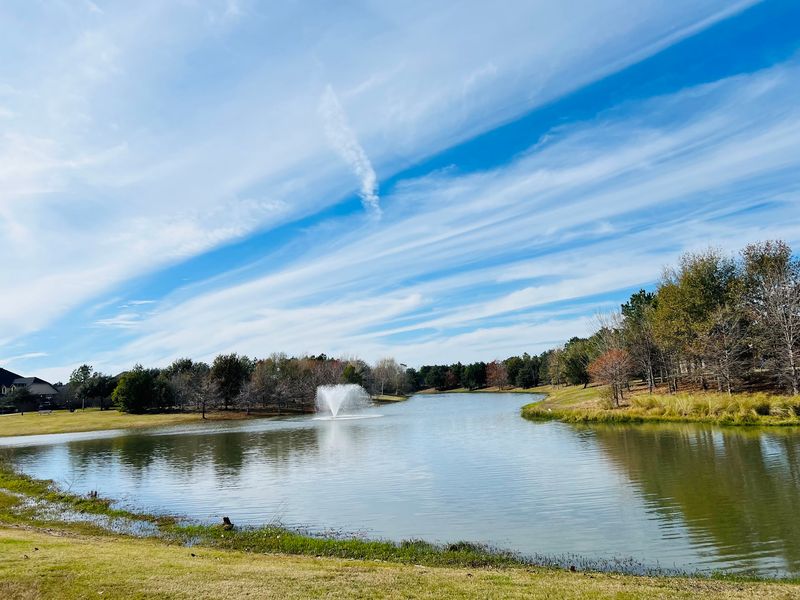
Your groceries probably travel farther than you do on vacation. At the Fulshear Farmers’ Market, products must be grown, made, or produced within 200 miles of town.
Fulshear sits in Fort Bend County, west of Houston. It has kept its rural roots even while new subdivisions keep popping up around it.
Plenty of growing towns lose their personality fast. Fulshear still holds onto a main-street feel, and the Saturday market shows that side best.
The market runs year-round on Saturdays from 9 a.m. to 1 p.m., rain or shine. Yes, even when the Gulf Coast weather gets moody.
Shopping lists here get creative quickly. You can find seasonal fruit and vegetables, local honey, fresh bread, farm eggs, and pastured meats.
Then come the fun extras. Tamales, salsas, teas, jellies, handmade chocolates, and fermented vegetables can all end up in your bag.
Your dog gets a treat too. Vendors sell pet goodies, and leashed, well-behaved pups are welcome to tag along.
The market started with 15 vendors and has grown to more than 50. That growth sort of mirrors the town itself, just with more tomatoes.
Cooking demos and live music show up at various events. Entry and parking are free, which makes it an easy weekly habit for newcomers.
New residents looking to meet neighbors could do worse than a Saturday stroll here. It is hard to feel like a stranger while comparing honey jars.
3. Georgetown
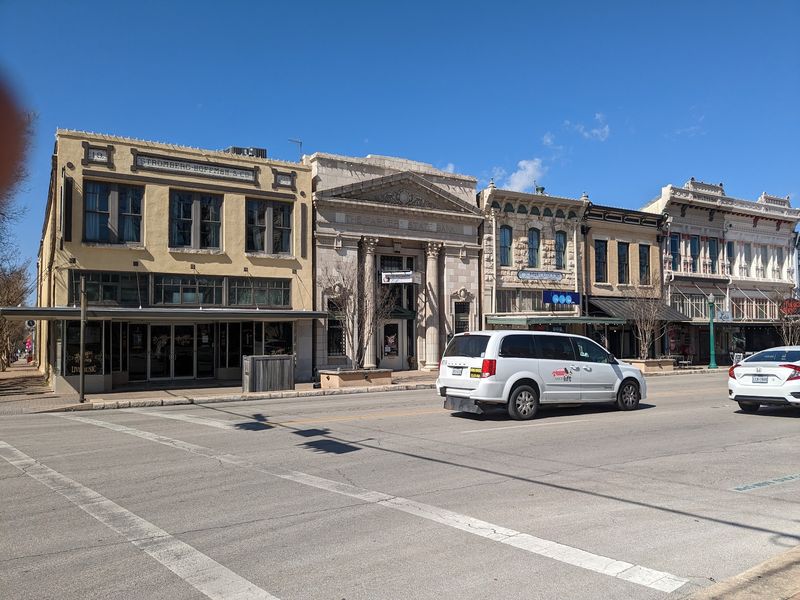
Bragging rights are serious business in Texas. Georgetown claims the title of The Most Beautiful Town Square in Texas, and it has a strong case.
The Williamson County Courthouse anchors the square, and it dates back to 1910. More than 50 restored Victorian-era buildings surround it like a picture frame.
Georgetown was founded in 1848, north of Austin. It has been a designated Main Street Community since 1986, so caring for downtown is a long habit here.
New residents keep arriving, and it is easy to see why. You get modern growth without losing a downtown that looks like a postcard.
The square is packed with antique shops, clothing boutiques, coffee shops, and plenty of restaurants. A slow afternoon can turn into a full day without much effort.
Theater fans get a treat at the Georgetown Palace Theatre. This Art Deco venue dates to 1925 and hosts musicals and plays year-round.
History buffs should head to The Williamson Museum. It sits in a former bank building, and the old vaults are still preserved.
Timing a visit around a festival adds extra fun. The Red Poppy Festival and the Christmas Stroll both bring crowds to the square.
Need a game plan first? The Visitors Center on South Austin Avenue opens Monday through Saturday from 10 a.m. to 5 p.m., plus Sunday afternoons.
4. Kyle
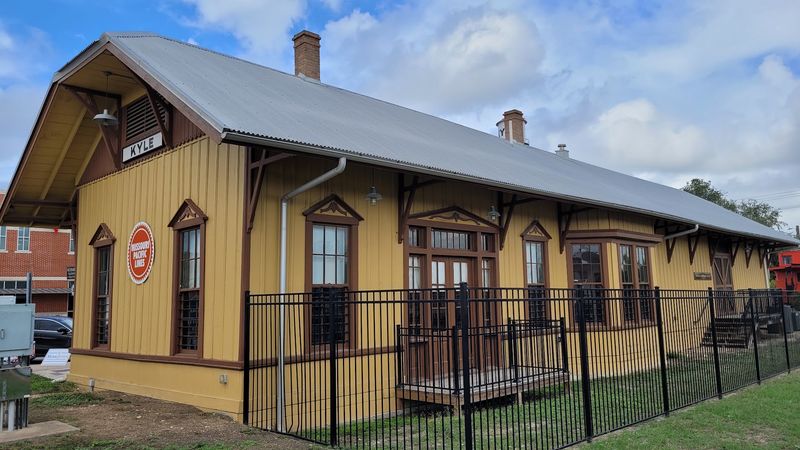
Few towns get a sweet title from the state, but Kyle did. The Texas Legislature named it the Pie Capital of Texas, which is a pretty tasty line for a welcome sign.
Kyle sits along I-35 between Austin and San Antonio. That location has turned it into one of the fastest-growing suburban hubs in Central Texas.
The town began as a railroad stop in 1880. It takes its name from Fergus Kyle, whose family gave land for the new townsite.
Growth here has been huge, but downtown still feels like a small town. Its historic district gives new residents a real center instead of just highway exits.
Mary Kyle Hartson Park sits right in the middle of downtown. It is named for Fergus Kyle’s daughter, who became the town’s first female mayor in 1937.
That history matters more than you might expect. Plenty of booming suburbs feel brand new, while Kyle still carries its railroad roots proudly.
Commuters like the spot because both big cities sit within reach. You can work in one direction and still come home to a quieter pace.
Families keep moving in, and the town keeps adding parks, roads, and neighborhoods. Change happens quickly here, so it pays to explore early.
And yes, you should probably eat some pie. Living in the Pie Capital of Texas without trying a slice feels like breaking an unofficial rule.
5. Leander
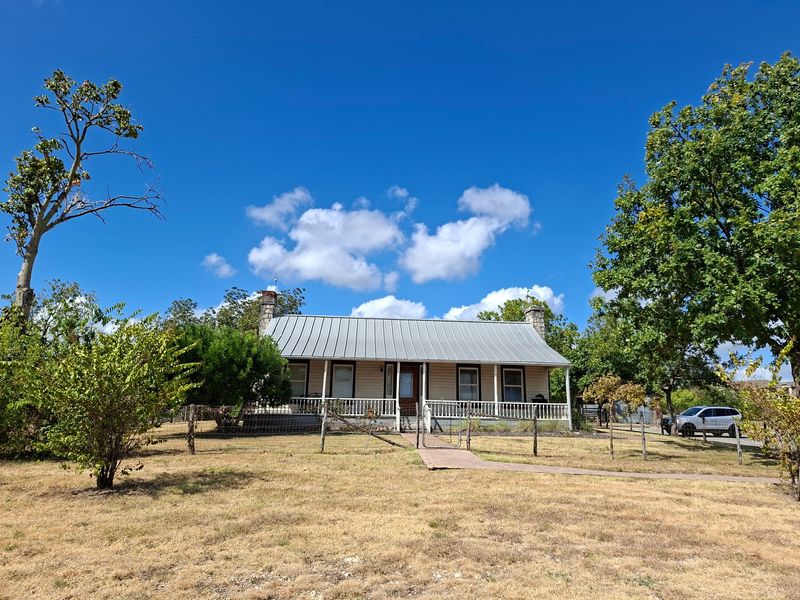
Silver Airstream trailers and painted trains are not what most people expect from an Austin suburb. Leander offers both, and that quirky streak is part of its pull.
Leander began as a railway stop in the 1880s. Today it sits in the Hill Country northwest of Austin, absorbing a big wave of new residents.
Old Town Leander keeps the railroad story alive in a playful way. The Trail of Trains features artist-decorated train sculptures scattered around the district.
Kids love treating it like a scavenger hunt. Adults sneakily enjoy it too, especially when there is a cafe stop along the way.
Leander still keeps some rural scenic charm, even with all the new rooftops. You get Hill Country views without giving up quick trips into Austin.
6. Prosper
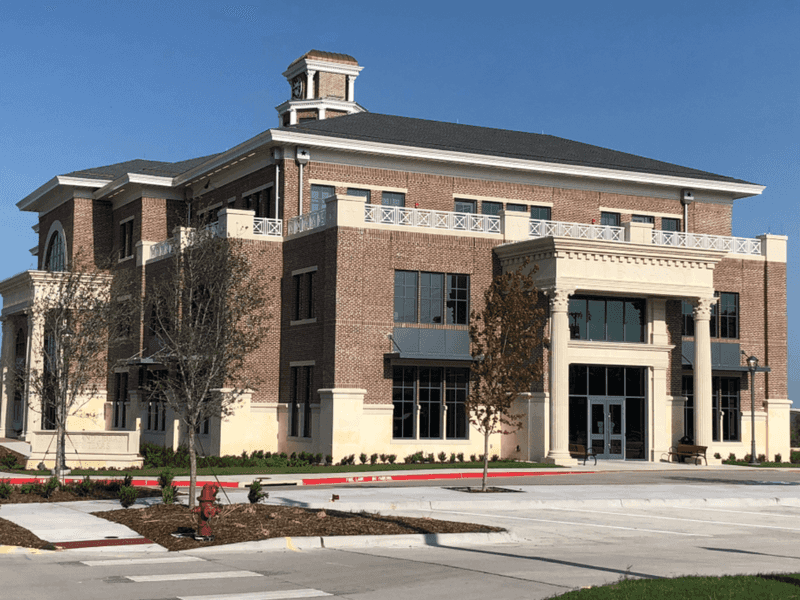
Talk about a name that predicted the future. Prosper got its name after a good crop year, and the town has been living up to it ever since.
Back in the early 1900s, the community was known as Richland. Locals picked the name Prosper around 1902, inspired by a season of strong harvests.
For decades, it stayed a quiet agricultural town north of Dallas. Then the suburbs came rolling up the map, and Prosper started booming.
Today the town stretches across parts of Collin and Denton counties. New neighborhoods have filled former farmland at a speed that surprised plenty of folks.
Still, Prosper works hard to protect its community-first feel. The town leans into small-town events and a strong sense of local pride.
Families tend to notice the parks and the newer schools first. Many newcomers like having big-city jobs within reach while coming home to a smaller pace.
Downtown is still finding its next chapter as the town grows. Watching an old farm community reshape itself is part of the fun of living here.
Curious about the name’s history? It is a great trivia fact to pull out at a dinner party with your new neighbors.
One tip for newcomers is to explore beyond the newest subdivisions. The older corners of town hold the stories behind that hopeful name.
7. New Braunfels
German settlers showed up in 1845, and they clearly knew a good river when they saw one. New Braunfels still carries that heritage proudly today.
Prince Carl of Solms-Braunfels led the founding, and the town was named after his ancestral home of Braunfels, Germany. Sausage, festivals, and old-world traditions still shape local life.
The biggest celebration is Wurstfest, held each November. It honors German heritage with music, dancing, and a serious amount of sausage.
Water is the other big draw. The Comal River runs cool and clear through town, and it is one of the shortest rivers in Texas.
Summer turns it into a tubing highway. Floating lazily downstream might be the most relaxing commute you could ever imagine.
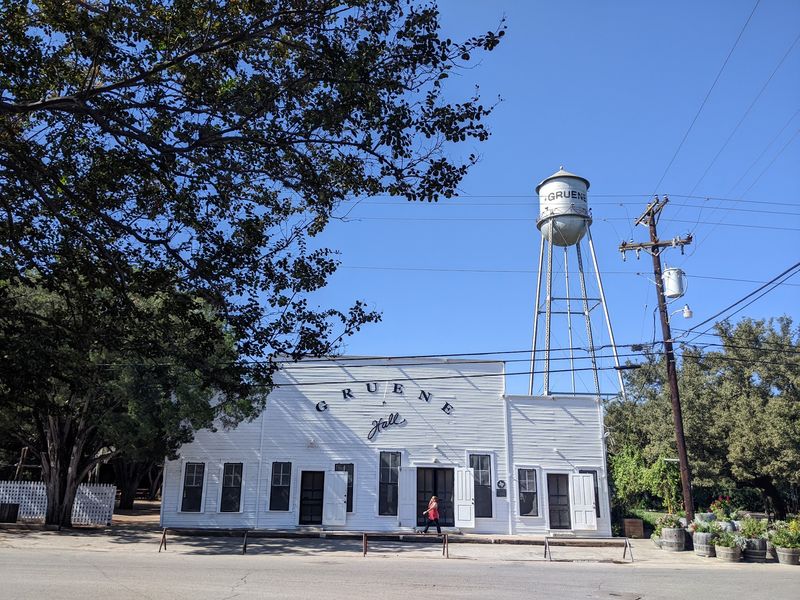
Then there is Gruene, a historic district within New Braunfels. Gruene Hall, built in 1878, is known as the oldest continuously operating dance hall in Texas.
Country music legends have played on that wooden stage over the years. Catching a show there feels like stepping into a Texas history book with a fiddle.
New residents keep arriving from both San Antonio and Austin. The town sits between them, so big-city trips stay easy.
Growth has been huge, yet the river-town character still holds strong. You get a place with traditions, not just new rooftops.
8. Little Elm
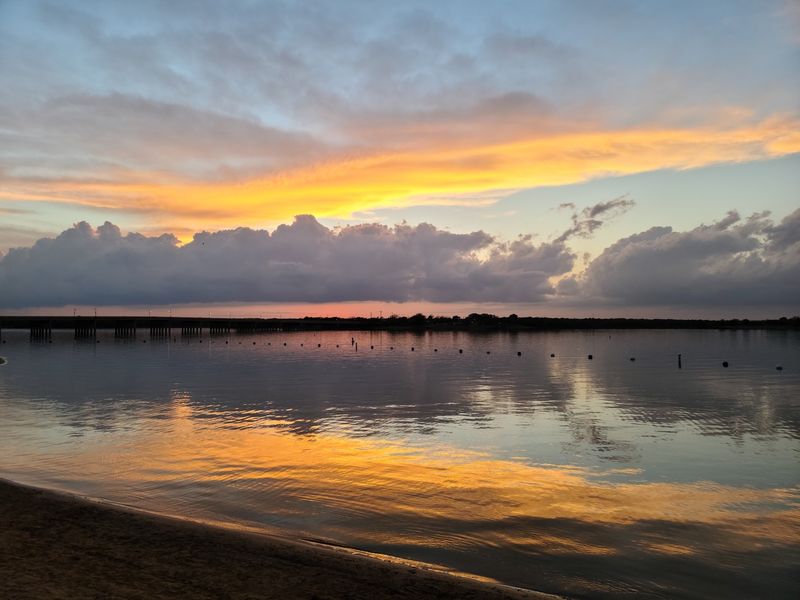
A beach in North Texas sounds like a tall tale. Little Elm makes it real, thanks to its spot on the shores of Lewisville Lake.
The town sits in Denton County, north of Dallas. Water surrounds much of it, which gives Little Elm a lake-town personality you rarely find in the suburbs.
Shoreline parks are the main attraction. Little Elm Park features a sandy beach area where families can spend a lazy afternoon by the water.
Boaters and paddlers love the easy lake access. Anglers do too, since Lewisville Lake is a popular fishing spot in the region.
New neighborhoods have exploded across town over the past several years. Plenty of people are trading longer commutes for sunset views over the water.
The town also has a lakefront district that brings dining and gathering spots close to the shore. It gives residents a reason to linger after a beach day.
Little Elm still feels close-knit despite all the growth. Community events and lakeside parks help newcomers find their people quickly.
Planning a visit in summer? Go early, because sunny weekends at the lake can get busy fast.
Sunscreen is not optional here. Texas sun plus a sandy beach is a recipe for a very pink souvenir.
9. Forney
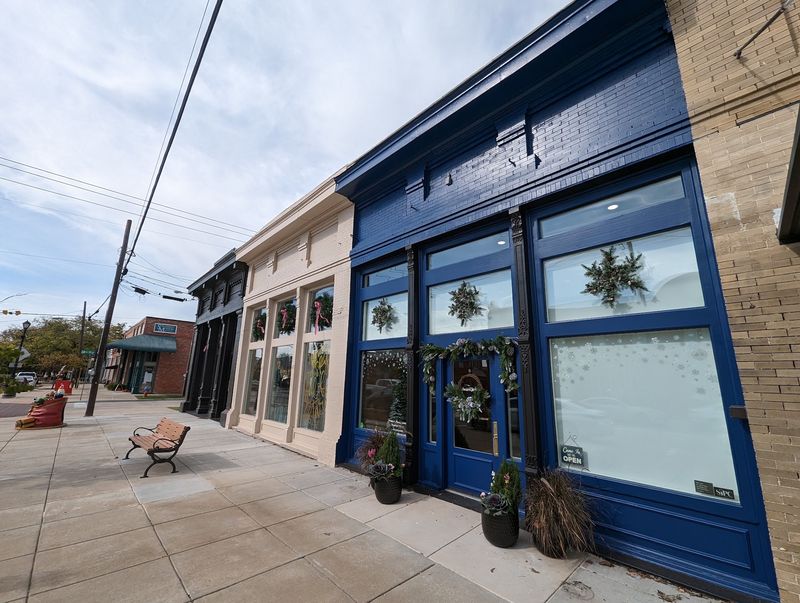
Antique hunters, this one is for you. Forney proudly calls itself the Antique Capital of Texas, and the title fits its old-school downtown.
Forney sits east of Dallas in Kaufman County. Rapid homebuilding has brought a flood of new residents to what was once a quiet railroad town.
History lovers should start at the Spellman Museum of Forney History. It was founded in 2001 by the Forney Historic Preservation League.
The museum lives in renovated historic downtown buildings. Admission is free, which makes it an easy first stop for curious newcomers.
Exhibits cover Forney from prehistory through the years after World War II. Topics include Native Americans, early settlers, farming, the railroad, and the Great Depression.
Hands-on fun is part of the plan too. You can check out vintage school desks, an old fire engine, and a mock jail cell.
The museum also displays artwork by Forney-born artist Coreen Spellman. Her brother Mick donated the pieces and served as the museum’s benefactor.
Here is a fun bit of trivia. Their father came to the area with a railroad construction team in the 1870s.
Researchers can access historical and genealogical collections by appointment. That is handy if you want to dig into family roots in the area.