
The 10 Top Michigan Towns For Thrifting And Vintage Finds
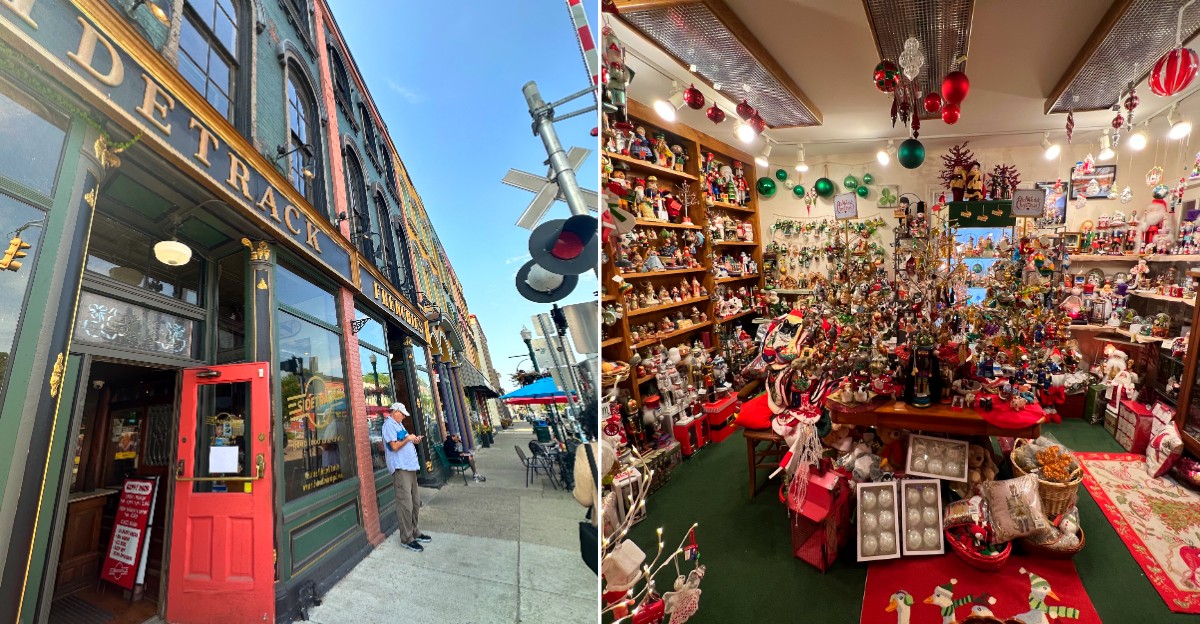
A good thrift store has a strange little power: you walk in looking for a sweater and leave emotionally attached to a lamp shaped like a swan. Across Michigan, secondhand shops hide in old downtowns, college neighborhoods, and lakeside streets, each with its own mix of vintage clothes, household goods, records, furniture, and oddities.
The best part is that every stop tells you something about the community around it, from student-heavy racks to antique districts full of decades-old treasures.
Vintage finds, budget-friendly shopping, and one-of-a-kind local character make Michigan thrift stores some of the state’s most rewarding places to browse.
What I love is the unpredictability. One shop might deliver a perfect jacket; another might offer nothing but a very questionable ceramic cat.
Either way, the hunt is the point. These stores turn shopping into discovery, and even an empty-handed visit can sharpen your eye for the next great find.
10. Ann Arbor’s Clever Secondhand Stops
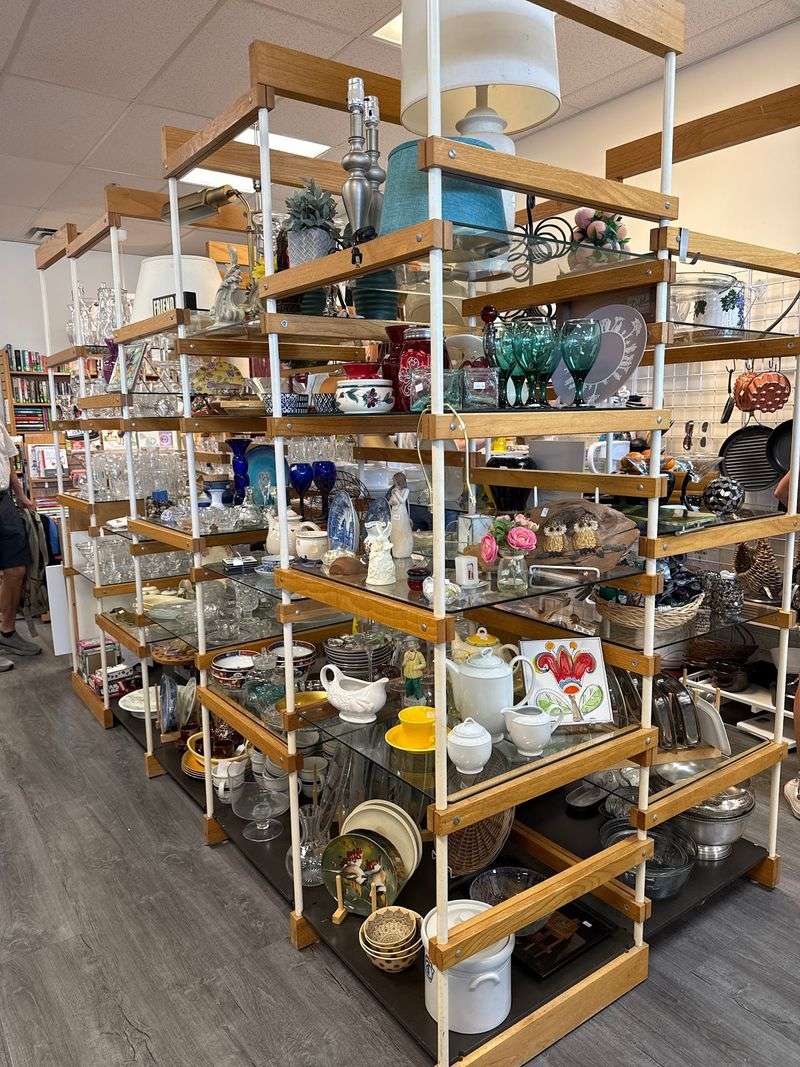
College-town turnover and a downtown full of independent businesses make this an unusually productive place to start digging through other people’s former favorites. Ann Arbor mixes curated vintage clothing with nonprofit thrift shops, giving shoppers options that range from carefully selected jackets to inexpensive dishes, books, furniture, and household odds and ends.
The Getup Vintage at 210 South Fourth Avenue has specialized in vintage clothing since 2005 and remains open during major 2026 construction around the nearby Blake Transit Center. Street parking is more limited during the project, so one of the nearby structures can save time before the browsing begins.
For a completely different experience, the Ann Arbor PTO Thrift Shop at 2280 South Industrial Highway sells clothing, furniture, books, toys, household goods, and more while supporting enrichment programs for Ann Arbor Public Schools. Current shopping hours are Thursday through Sunday from 10 a.m. to 6 p.m., and weekly tag discounts can make already-cheap finds even cheaper.
The separate Ann Arbor Thrift Shop at 3500 Washtenaw Avenue adds another nonprofit stop, with proceeds supporting emergency social-service needs in Washtenaw County.
9. Ypsilanti’s Depot Town Detour
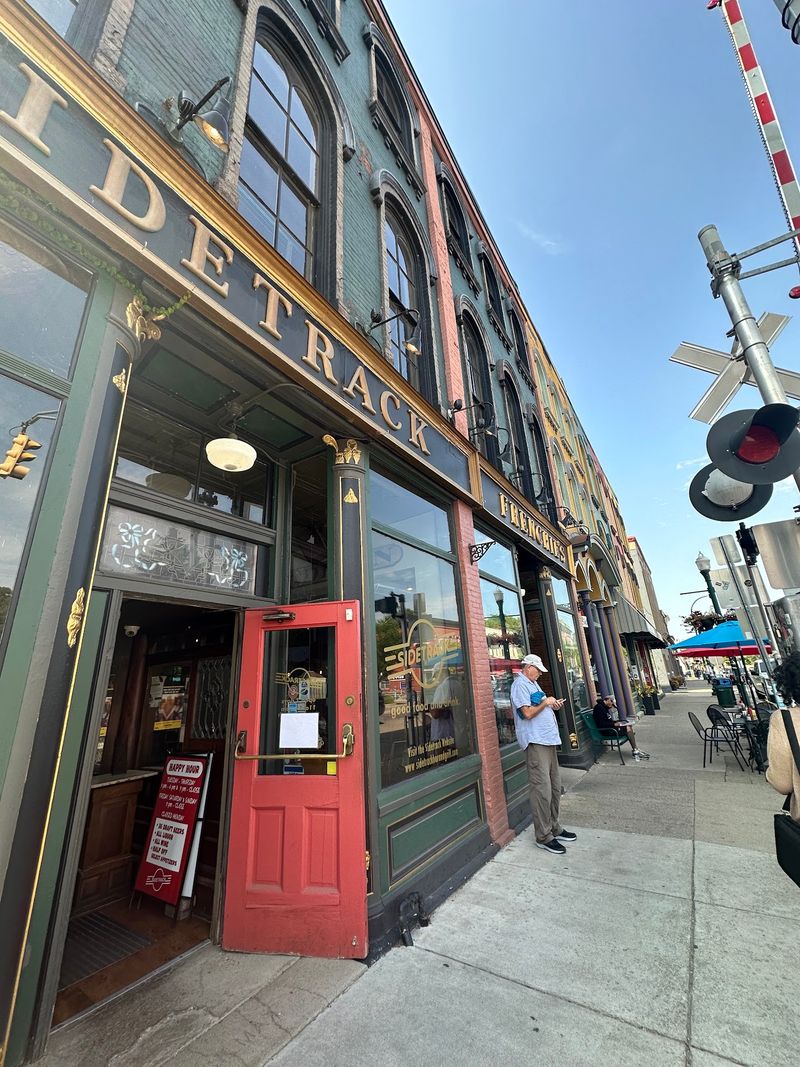
Old brick storefronts and passing trains make vintage shopping feel especially appropriate around Depot Town. Ypsilanti’s historic railroad district is compact enough to wander without a rigid plan, and the mix of restaurants, independent shops, and older commercial buildings gives browsing a setting that already feels a little retro.
Lucky Haskins Antiques and Retro at 27 East Cross Street remains one of the neighborhood’s most distinctive stops. Its shelves lean into nostalgic objects, collectibles, décor, and the kind of small vintage pieces that are easy to dismiss until one suddenly reminds you of a grandparent’s house.
Downtown broadens the search beyond Depot Town. Salt City Antiques at 115 West Michigan Avenue spreads furniture, jewelry, dishes, glassware, clothing, and décor across two floors, making it a better stop when the goal is sustained digging rather than a quick look around one rack.
Inventory naturally changes constantly, so arriving with a category rather than one exact object usually works better. Records deserve a check for scratches, toys should still have their important parts, and old lamps are considerably less charming if their wiring looks frightening.
8. Ferndale After The First Find
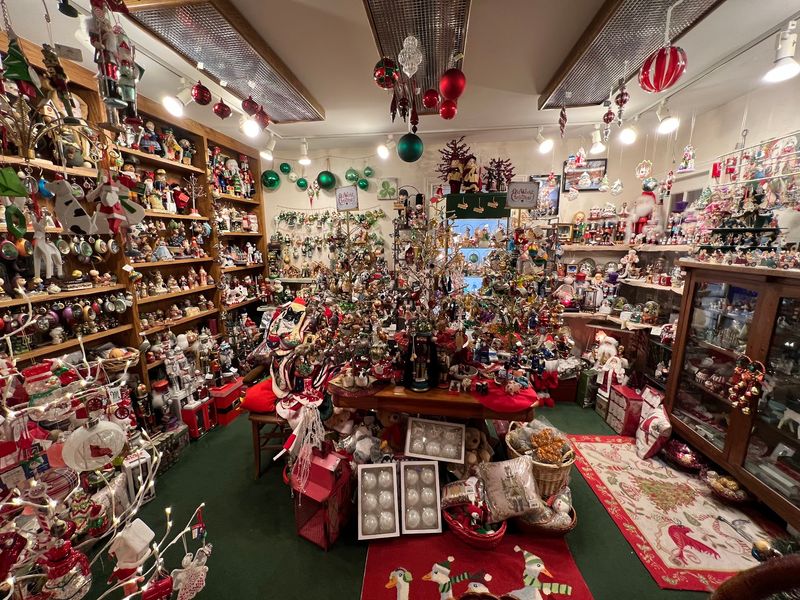
Compact blocks and a strong independent-business culture make it easy for a single vintage stop to turn into several. Ferndale’s downtown sits just west of Woodward Avenue, where clothing shops, cafés, restaurants, and small specialty stores cluster closely enough that the car can stay parked for much of the hunt.
Vintage clothing is one of the stronger reasons to browse here. Lost and Found Vintage has long been associated with Ferndale’s retro-shopping scene, particularly for older apparel and accessories that lean more curated than donation-bin unpredictable.
That makes careful inspection especially important. Vintage sizing bears only a loose relationship to modern labels, so measurements tell you far more than the number on the tag.
Check seams, underarms, cuffs, zippers, buttons, and fabric around stress points before deciding a piece is the bargain of the century. A missing button is easy; fabric that has weakened after decades in storage is a much more complicated relationship.
Downtown Ferndale rewards a slower pace because the shopping is only part of the appeal. You can move between stores without turning every stop into another drive, then break up the racks with coffee or lunch nearby.
Parking rules vary between streets and municipal lots, so read the signs rather than assuming one meter covers the whole afternoon.
7. Detroit’s Old Things, Big Stories

Few Michigan cities give vintage shoppers this much territory to work with. Detroit’s secondhand scene stretches across neighborhoods and covers everything from furniture and lighting to records, clothing, architectural pieces, collectibles, and objects that seem to have survived several completely different versions of the city.
Eastern Market makes a practical starting point. Vintage Eastern Market at 1515 Division Street packs more than 15,000 square feet with multiple dealers specializing in furniture, lighting, china, retro décor, garden pieces, and other antiques.
Its current hours run Tuesday through Friday from 10 a.m. to 3 p.m. and Saturday from 8 a.m. to 5 p.m. That makes Saturday particularly useful when the surrounding market district is already active and you want browsing, murals, food, and people-watching in the same outing.
Detroit is too spread out to treat as one continuous shopping street, so build the day around two or three neighborhoods rather than zigzagging randomly across town. Furniture hunters should measure both the object and the vehicle before developing emotional attachments to enormous cabinets.
The city’s best vintage shopping often feels connected to something larger than buying old things. Industrial buildings become markets, furniture survives multiple households, and objects from earlier Detroit decades keep finding new owners.
6. Grand Rapids Has Room To Browse

Furniture, vintage clothes, home décor, and secondhand household goods all have room to spread out in a city this size. Grand Rapids works best for shoppers willing to leave the central business district and treat the hunt as a neighborhood-by-neighborhood affair rather than one tidy antique strip.
Eastown is a natural place to begin because independent shops and cafés make wandering easy. From there, larger resale stores and antique sellers across the metro give serious furniture hunters more square footage to work with.
This is the town where keeping a tape measure and an old blanket in the car starts to feel less eccentric and more professional. Drawers should slide properly, wooden furniture deserves a check for loose joints, and upholstered pieces need more inspection than a quick glance at the fabric pattern.
Vintage décor rewards patience too. A lamp or chair can look strange under fluorescent shop lighting and suddenly make perfect sense once you picture it in the right room.
Current hours vary widely among independent dealers, especially businesses that sell at markets or operate limited studio schedules. Confirming a destination before crossing town can prevent an impressively pointless drive.
5. Lansing’s Search Beyond Downtown

Student move-outs, state-government turnover, and a metro area large enough to support plenty of resale shops create an interesting secondhand mix around Michigan’s capital. Lansing and neighboring East Lansing work better as a driving route than a single walkable thrift district, so choosing a few strong stops before leaving home keeps the day manageable.
East Lansing naturally produces plenty of clothing. Plato’s Closet at 2825 East Grand River Avenue focuses on current secondhand fashion, while Better Aged near downtown East Lansing specializes more heavily in vintage Michigan State apparel and memorabilia.
Head back toward Lansing and the options broaden. Thrift Witch and Metro Retro add more distinctive vintage clothing possibilities, while traditional thrift stores such as St. Vincent de Paul are better suited to shoppers hoping for household goods, books, kitchenware, or the unpredictable donation-store jackpot.
The university calendar can affect what appears on racks. Student moves often send furniture, clothing, and apartment goods back into the resale ecosystem, though no particular week guarantees a treasure hunt.
Start with the category you need most and let the day loosen from there. Clothing shoppers should check sizing carefully, while anyone eyeing furniture should know exactly how much trunk space is available.
4. Kalamazoo’s Patient Treasure Hunt
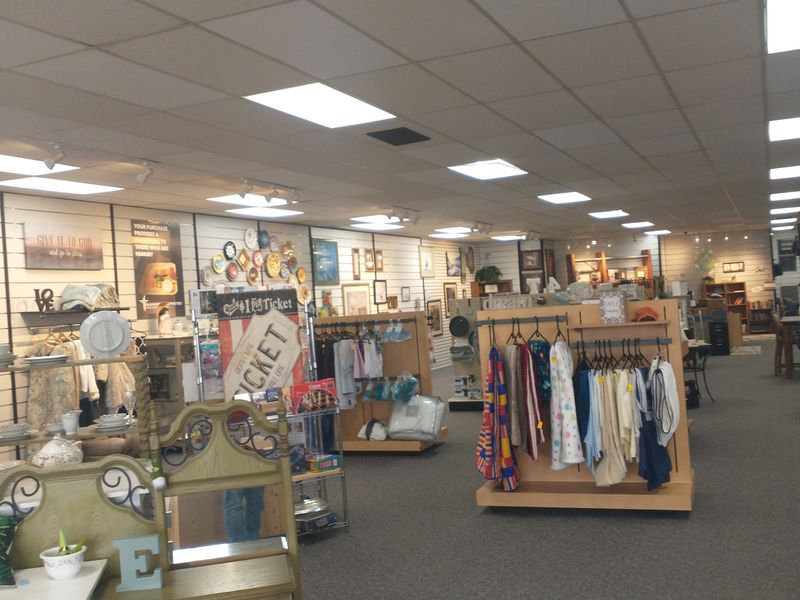
A college city with a healthy independent streak is exactly the kind of place where a used record, strange lamp, or perfectly broken-in jacket can turn up without much warning. Kalamazoo’s vintage and thrift options are spread across the city, so the most successful shopping days usually involve several short drives rather than one uninterrupted downtown stroll.
Simple Treasures on South Westnedge Avenue is one longstanding resale option, while smaller vintage operations add a more curated side to the hunt. Laceleaf Home at 326 West Kalamazoo Avenue focuses on vintage and globally inspired home pieces, although its 2026 schedule relies on selected open dates, markets, and appointments rather than conventional daily retail hours.
That difference is worth remembering. Some of Kalamazoo’s most interesting sellers operate through pop-ups and special markets, making a little advance planning unusually rewarding.
Records should come out of their sleeves for inspection, older dishes deserve a careful check around rims and handles, and furniture should be examined from the back as seriously as from the front. Charming damage is still damage once it reaches your living room.
3. Holland’s Neat Streets, Unexpected Finds
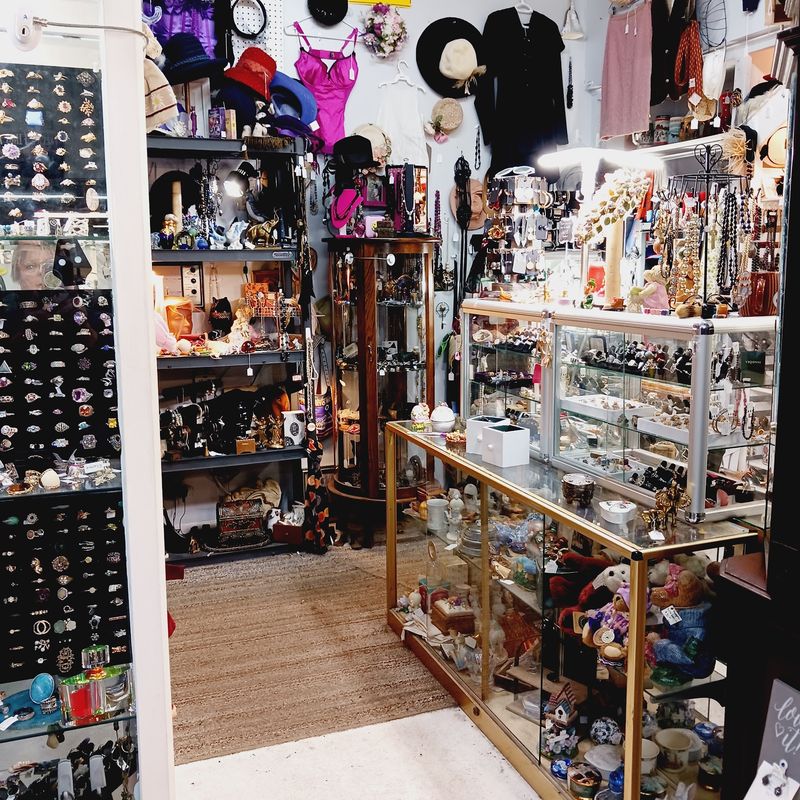
Dutch architecture and tulip beds get most of the attention, but the greater Holland area quietly supports a strong antique-shopping circuit. The best search extends beyond the polished downtown blocks, combining walkable storefronts with larger antique malls that require a short drive.
Downtown Antiques at 170 South River Avenue gives shoppers an easy central stop, while Wooden Shoe Antique Mall at 443 U.S. 31 and West Michigan Antique Mall at 13279 168th Avenue create much larger hunting grounds. Between them, the area covers vintage clothing, furniture, collectibles, repurposed décor, glassware, and plenty of objects that seem to have been waiting decades for exactly the right person.
That variety makes comparison worthwhile. A similar piece may appear at more than one dealer, and condition can matter much more than the age printed on a tag.
Ask questions if provenance is important, but inspect the object yourself. A romantic story about a century-old chair does not prevent it from wobbling when someone sits down.
Spring requires extra planning because Tulip Time changes traffic and parking throughout Holland. Shopping during quieter months gives antique hunters more time to browse without festival crowds filling downtown.
Keep measurements in your phone for shelves, tables, and awkward corners at home.
2. Bay City’s Antique District
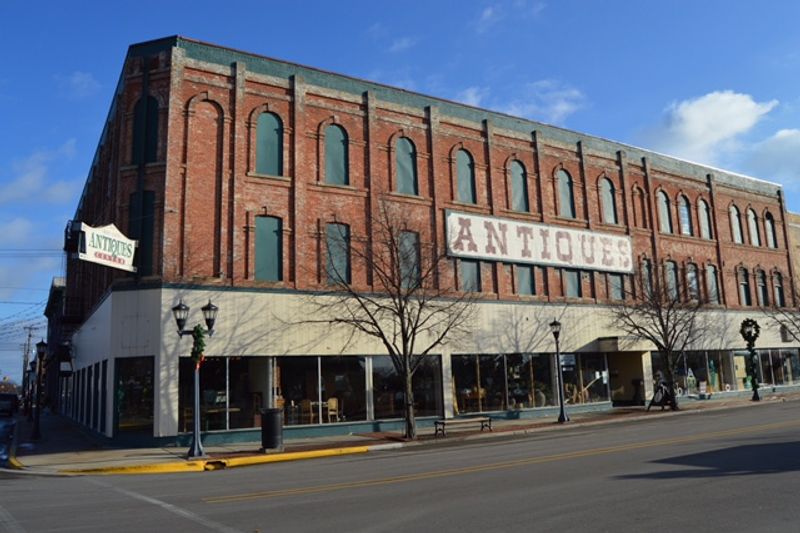
Bay City lets antique hunting take center stage. The downtown area has long drawn shoppers to its antique stores, and the older commercial buildings suit the outing without needing to play dress-up.
Start near the river, then work through the blocks at a pace that leaves time to look up.
Multi-dealer spaces can hold wildly different tastes under one roof. Compare tags, ask staff which dealer owns an item if you have questions, and check whether a sale is final.
For glassware, hold pieces toward the light to spot cracks. For furniture, inspect the back as carefully as the front.
The Saginaw River shaped Bay City’s history as a port and lumber center. That background gives the streets more to talk about than price tags alone.
Shop hours can vary, especially on quieter days, so check before making the drive with a particular store in mind.
1. Traverse City Between Shops And Shore

Lake air is a pleasant reminder to step outside between shops in Traverse City. Downtown has historic storefronts and independent businesses, while resale and antique options extend into the surrounding area.
That spread makes a saved map more useful than a plan to wander without direction.
Look closely at outdoor gear and warm layers if those are on your list, but buy for condition rather than a familiar brand name. Test zippers, check soles, and inspect lining.
Vintage furniture is another possible find, provided you have a safe way to carry it home.
Summer brings busy sidewalks and more competition for parking near the center. A trip outside the busiest months may feel less rushed, though individual shop hours can change by season.
Save a little time for Grand Traverse Bay after browsing. The view costs nothing, even if your finds do not.