
The 5 South Carolina Counties Seeing A Massive Spike In Black Bear Sightings This Fall

In South Carolina, autumn does more than scatter leaves across the roads. It sends black bears on an urgent search for dinner.
One minute, the woods are quiet. The next, a trash can tips over, a bird feeder swings wildly, and the neighborhood group chat suddenly becomes very active.
Bears are packing in calories before winter, which means their usual boundaries can disappear when an easy meal catches their attention.
Campgrounds, backyards, hiking trails, and even coastal communities may all receive an unexpected furry visitor. Seeing one can be thrilling, but distance matters.
Secure food, lock away garbage, and let binoculars handle the close-up view.
Where are encounters becoming especially common this fall?
These five South Carolina counties are now reporting increased activity this season, giving residents and travelers good reason to stay alert. The bears are hungry, curious, and remarkably good at finding snacks humans thought were safely hidden.
1. Greenville County: Where Bears Crash The Curbside Buffet

Somewhere in Travelers Rest, a man once walked outside for his morning paper and found a bear reading the sports section. Okay, the bear was actually just shredding a trash bag, but the look on its face said it was deeply invested in the Clemson score.
Greenville County has become a hot spot for fall bear activity, and the reason is simple. Every autumn, black bears enter a stage called hyperphagia, which is a fancy word for eating everything in sight.
They need up to 20,000 calories a day to prepare for winter, so an unlocked garbage can looks like a five-star buffet.
The best place to see bears safely in their natural setting is Caesars Head State Park, located at 8155 Geer Highway, Cleveland, SC 29635. Perched along the Blue Ridge Escarpment, this park offers an overlook with views stretching into North Carolina and Georgia.
In fall, the leaves blaze red and gold, and hawks glide past during their yearly migration.
Rangers have shared stories of bears strolling near the trails, snacking on acorns like they own the place. Honestly, they kind of do.
Keep a respectful distance, stay on marked paths, and never, ever share your trail mix.
Folks living in northern Greenville should bring bird feeders inside until winter and store trash in a garage. Grills should be scrubbed clean, since a bear can smell leftover burger grease from over a mile away.
Think of it as fall cleaning with a furry supervisor.
2. Pickens County: Table Manners Not Included
Fact of the day: black bears can run about 35 miles per hour, which means they could beat you to the last slice of pizza every single time. In Pickens County, residents are learning this lesson firsthand as fall sightings climb.
From Pumpkintown to the edges of Clemson, bears are showing up like uninvited guests at a tailgate.
Table Rock State Park, found at 158 East Ellison Lane, Pickens, SC 29671, sits right in the heart of bear country. Built in the 1930s by the Civilian Conservation Corps, the park still shows off its handsome stone and timber lodge.
The massive granite dome of Table Rock Mountain rises above the lake like a giant bald head wearing a leafy hat.
Legend says the Cherokee believed a giant once used the mountain as a dinner table. Fittingly, the local bears seem to have inherited that same big appetite.
Autumn oak trees drop loads of acorns, and bears gobble them by the hundreds.
Hikers tackling the Table Rock Trail should travel in groups and chat loudly as they climb. Bears usually want nothing to do with a noisy crowd, so your off-key singing finally has a purpose.
If you do spot one, stand tall, back away slowly, and let it waddle off.
Campers get bonus points for locking food in their vehicles and never leaving coolers out overnight. A tidy campsite means a peaceful night of s’mores and stargazing, with zero furry visitors crashing the party.
3. Oconee County: The Reigning Champ Of Bear Country
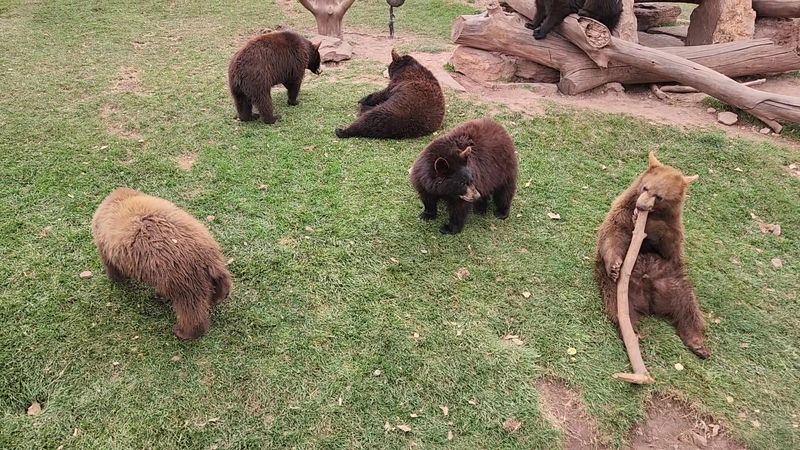
Grandparents in Mountain Rest love to tell tales about the old days, when spotting a black bear was as rare as finding a four-leaf clover. Those days are long gone.
Oconee County now sits at the top of the list for bear activity in South Carolina, and fall is when things really heat up.
Tucked into the mountains, Oconee State Park at 624 State Park Road, Mountain Rest, SC 29664 feels like stepping into a cozy storybook. The rustic cabins date back to the 1930s, crafted by young workers during the Great Depression.
Two peaceful lakes reflect the fall colors so perfectly that you might forget which way is up.
Bears here roam the same ridges their ancestors did, munching on hickory nuts, wild grapes, and acorns before winter. The park also marks the start of the famous Foothills Trail, a 77-mile path that winds through some of the wildest land in the Southeast.
Walking it in October feels like wandering through a painting.
Cabin guests should keep food sealed and indoors, even for a quick trip to the lake. A bear that finds a snack once will remember that spot forever, a little like how you never forget where Grandma hides the cookies.
Wildlife officials remind us that a fed bear often becomes a problem bear.
So grab a flannel, pour some hot cider, and enjoy the view from a safe distance. Some memories are best made with a camera zoom.
4. Horry County: Surf, Sand, And Surprise Visitors
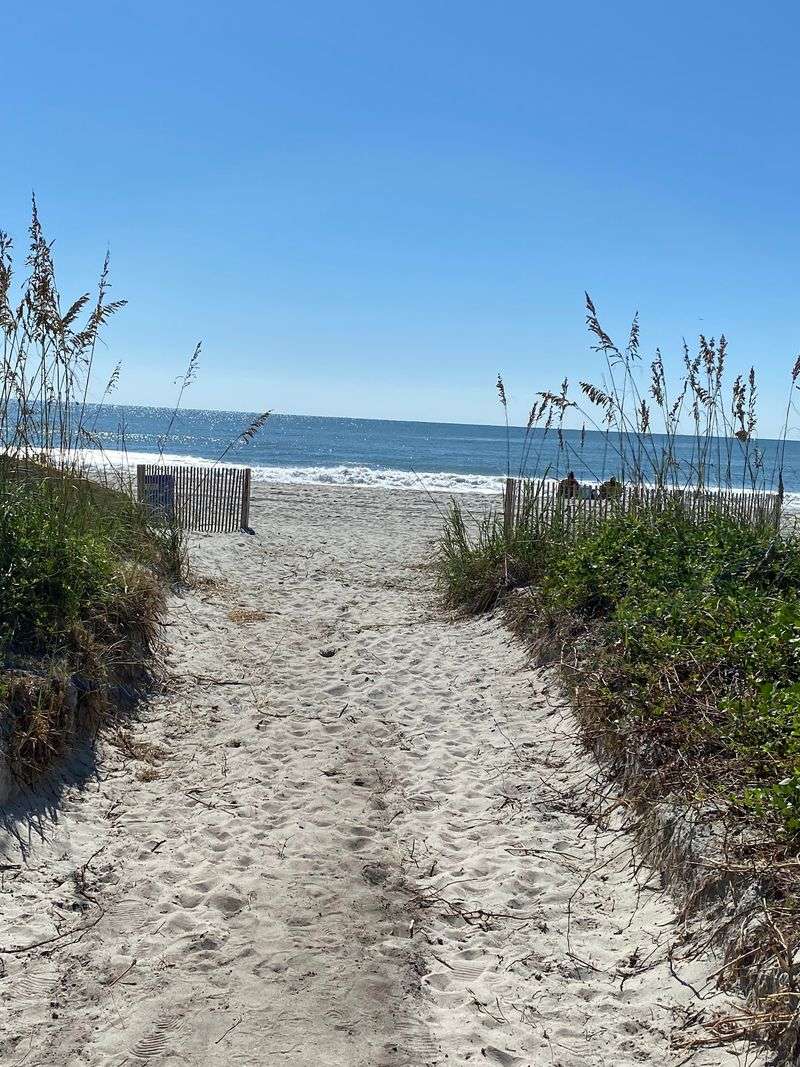
Sunscreen, flip-flops, and bear spray? That packing list might sound silly for a trip near Myrtle Beach, but Horry County is full of surprises.
Bears along the coast are thriving, and fall brings them out of the swamps and into neighborhoods more often than you might expect.
The star of the show is Lewis Ocean Bay Heritage Preserve, located off International Drive, Conway, SC 29526. Covering more than 10,000 acres, it protects rare Carolina bays, which are mysterious oval-shaped wetlands that scientists still debate about.
Some folks once claimed meteors made them, which is the most dramatic origin story in all of South Carolina geography.
Visitors come for more than bears, too. The preserve is home to wild Venus flytraps, the tiny meat-eating plants that grow naturally only within about 100 miles of Wilmington, North Carolina.
Seeing both a flytrap and a bear in one day is like hitting the nature lottery.
Growing neighborhoods around Carolina Forest sit right beside this wild land, which explains the uptick in backyard visits. Hungry bears sniff out pet food, bird seed, and overflowing trash cans.
Residents can help by feeding pets indoors and waiting until pickup morning to roll bins to the curb.
Visiting the preserve? Wear sturdy boots, bring plenty of water, and stick to the sandy roads.
Admire the flytraps with your eyes only, since picking them is against state law, and give any bear the whole trail.
Beach town by day, bear country by night, Horry County keeps life interesting.
5. Georgetown County: Swamp Stories And Sneaky Snackers

Long before golf courses and shrimp shacks, Georgetown County was a land of rice plantations, cypress swamps, and plenty of four-legged locals. Black bears never really left.
Now, as fall rolls in, they are making a big comeback along the rivers and into rural backyards.
A top spot to learn about them is the Waccamaw National Wildlife Refuge Visitor Center, sitting at 5801 Highway 701 North, Georgetown, SC 29440. Created in 1997, the refuge protects over 30,000 acres of tidal freshwater swamps where three rivers wind through the trees.
Inside the center, kid-friendly exhibits explain the animals that call the swamp home, bears included.
Paddling the Waccamaw River in autumn is pure magic. Bald cypress trees turn a rusty orange, herons stalk the shallows, and the water moves as slow as a Sunday afternoon.
Keep your eyes peeled along the banks, because bears are excellent swimmers and sometimes cross right in front of kayakers.
Here is a quirky bit of trivia: a black bear’s nose is about seven times stronger than a bloodhound’s. That super sniffer explains why unsecured deer corn, chicken feed, and fish scraps attract so much attention in rural Georgetown.
Farmers and hunters can protect their property with sturdy fencing and by cleaning up after fishing trips. Anyone who spots a bear hanging around too often can report it to the South Carolina Department of Natural Resources.
Staying smart keeps both people and bears safe, which is a win for the whole swamp.