
The Arizona Counties Seeing a Massive Spike in Coyote Sightings This Fall and What Residents Are Being Told
Tossing a coyote a leftover hot dog can actually get you a citation in parts of Arizona. That surprised me, because it sounds like a joke rule.
It isn’t.
State law bans feeding most wildlife inside certain city limits. The reason is simple.
A fed coyote stops acting shy, and a bold coyote starts treating your patio like a snack bar.
Fall makes this story even more interesting. Young coyotes born in spring leave their families around this time.
They roam, scout new turf, and often wander right through neighborhoods. More eyes on more coyotes means more phone videos and more worried neighborhood posts.
I love that we share the desert with such clever animals. I also want to know which areas are buzzing the loudest about it.
So where are folks spotting them most, and what are wildlife officials actually telling people to do?
1. Maricopa County
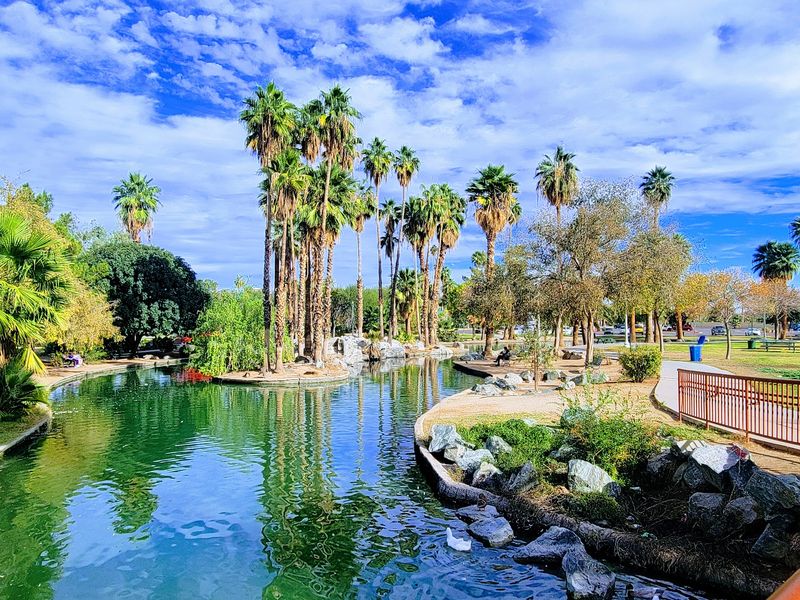
Phoenix suburbs make a surprisingly comfy coyote apartment complex. Canals, washes, golf courses, and desert parks give them easy highways between neighborhoods.
With millions of people packed into the Valley, sightings get noticed fast. Fall dispersal adds young coyotes to the mix, and neighborhood apps light up with grainy driveway clips.
Here’s a rule many residents don’t realize exists. Arizona law prohibits feeding most wildlife inside city limits in this county, and violators can be cited.
That includes leaving pet food outside where coyotes can grab it. Officials ask you to bring bowls in, secure trash lids, and pick up fallen fruit from backyard citrus trees.
Arizona Game and Fish also pushes a technique called hazing. If a coyote lingers, make yourself big, yell, wave your arms, and toss something toward it.
The goal is simple. You want that coyote to remember people as loud and annoying, not generous.
Small pets need extra attention at dawn and dusk. Keep cats indoors and walk dogs on short leashes during those hours.
Got a coyote that won’t back off or acts strangely? Call Game and Fish rather than handling it yourself.
Address: 5000 W Carefree Hwy, Phoenix, AZ 85086
2. Pima County
Tucson basically built a city around the coyote’s favorite hangout spots. The Santa Cruz and Rillito river corridors snake right through town, and coyotes use them like freeways.
Homes backing up to washes and desert open space see the most traffic. Those edges are where wild Sonoran Desert meets your back fence.
Feeding wildlife inside city limits is illegal here too, just like the Phoenix area. Officials stress that one generous neighbor can change behavior for an entire street.
So what are residents being told? Remove water sources you don’t need, keep birdseed tidy, and store garbage until pickup morning.
Bird feeders may seem harmless. Spilled seed draws rodents, though, and rodents draw coyotes faster than a dinner bell.
Fencing helps when it’s built right. Game and Fish suggests walls at least six feet tall, and some homeowners add rollers on top to block climbers.
Fun fact for your next backyard chat: coyotes can jump surprisingly high. A short decorative fence is more suggestion than barrier.
If a coyote seems sick or aggressive, report it. The Tucson regional office handles calls for this part of southern Arizona.
Address: 555 N Greasewood Rd, Tucson, AZ 85745
3. Pinal County
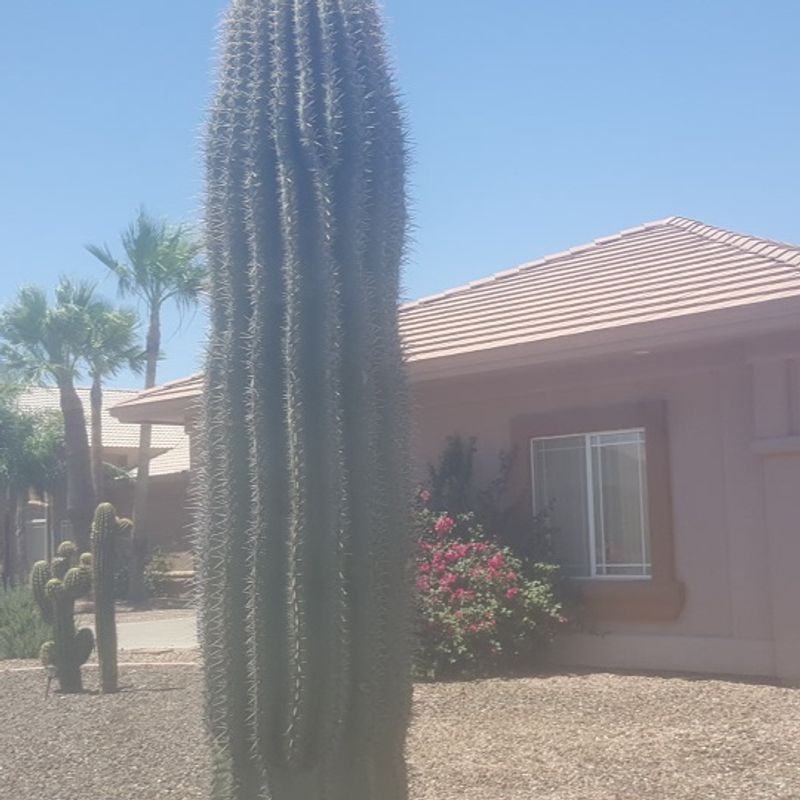
Bulldozers and coyotes keep crossing paths in one of Arizona’s fastest growing regions. New rooftops in places like San Tan Valley and Maricopa push right into old desert territory.
Coyotes don’t pack up and leave when houses arrive. They adapt, and fresh subdivisions bring easy water, shade, and leftovers.
That’s why sightings can feel sudden in newer communities. Last year it was open land, and this fall it’s your cul-de-sac.
Residents are hearing the same core advice found across the state. Don’t leave food out, keep pets supervised, and make coyotes feel unwelcome.
Construction sites deserve a mention too. Food wrappers and lunch scraps left behind can quietly train coyotes to visit.
Kids should learn a quick script. Never run, stand tall, shout, and back away slowly while facing the animal.
Running can trigger a chase instinct in many canines. Calm and loud beats fast and quiet every time.
Homeowner associations in growing areas often share alerts. Joining those groups can help you spot patterns on your own street.
Game and Fish’s Mesa office serves much of this region for wildlife questions.
Address: 7200 E University Dr, Mesa, AZ 85207
4. Yavapai County
Granite boulders, pine trees, and chilly fall mornings might not scream coyote country. Yet the Prescott area hosts plenty of them, along with Cottonwood and the Verde Valley.
Retirees and small pet owners make up a big share of residents here. That’s partly why coyote chatter spreads quickly at the coffee shop.
Fall is breeding prep season for many coyote families. Young ones wander farther, and rural lots with chicken coops get noticed.
Officials encourage backyard flock keepers to lock birds up at night. Sturdy wire, covered runs, and buried fence edges can save a lot of heartache.
Small dogs face the biggest risk in yards without solid fencing. Stay close during late evening potty breaks, and consider a flashlight or whistle.
Noise works wonders. Pots, air horns, or even a shaken can of coins can send a curious coyote packing.
Wildlife experts point out that coyotes help control rodents and rabbits. Having them around isn’t automatically a problem.
The trouble starts when they lose their caution. Keeping your property boring to them is the friendliest fix for everyone.
Address: 3500 S Lake Mary Rd, Flagstaff, AZ 86001
5. Coconino County
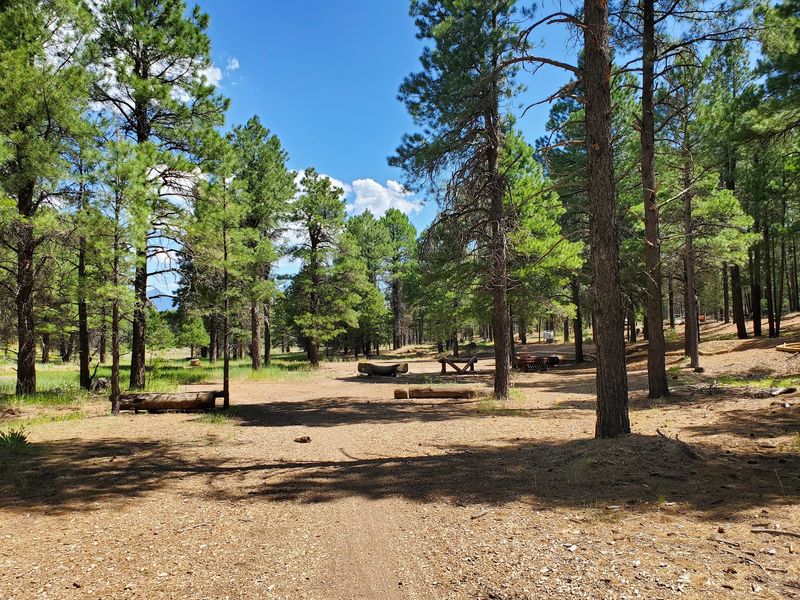
Snow-dusted peaks and a howling chorus at night are a classic Flagstaff combo. Coyotes thrive in the ponderosa forest and open meadows around town.
Fall brings shorter days and hungrier animals. Coyotes start fattening up before winter, and trash cans become tempting.
Residents here already know about bear-resistant habits. The same tricks help with coyotes, like secured lids and no food left on porches.
Trail users get specific advice too. Keep dogs leashed on paths around Buffalo Park and the Flagstaff Urban Trails System.
A leashed dog is far less likely to chase a coyote into the trees. That keeps your pup safer and avoids a messy standoff.
Hearing yips at night is normal and usually harmless. Coyotes communicate with family groups, and a few voices can sound like a dozen.
Did you know? That trick of sound is called the beau geste effect, and it makes small packs seem huge.
Spot one acting oddly in daylight, stumbling or unusually bold? Officials want to hear about it right away.
Address: 3500 S Lake Mary Rd, Flagstaff, AZ 86005
6. Mohave County
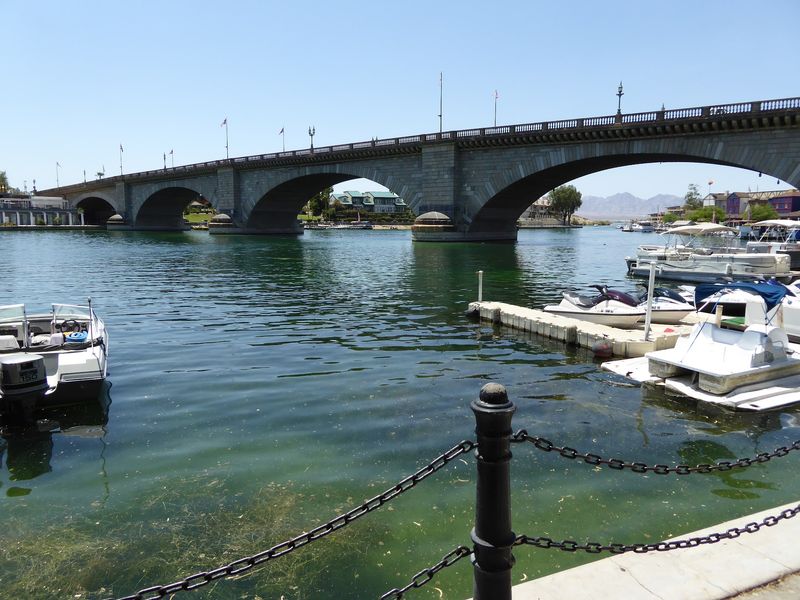
Lake Havasu City, Kingman, and Bullhead City sit in classic Mojave Desert territory. Coyotes have roamed this rugged corner of Arizona for a very long time.
Neighborhoods with lush landscaping offer rare green patches. Irrigated lawns and drip systems can act like magnets in such dry country.
Officials remind residents that water bowls left outside for pets attract more than pets. Bring them in at night, especially once temperatures cool.
Snowbirds start arriving in the fall, and some bring small dogs from other states. Newcomers may not realize how often coyotes visit desert yards.
A quick welcome tip helps here. Keep walks to well-lit areas and avoid retractable leashes after dark.
Retractable leashes let small dogs drift too far away. A short leash keeps your companion within easy reach.
Motion-activated lights and sprinklers get frequent recommendations. A sudden blast of water is an effective, harmless way to say goodbye.
Coyotes are smart and learn routines fast. Changing up your deterrents keeps them guessing.
The Kingman regional office handles wildlife reports across this northwest region of the state.
Address: 5325 N Stockton Hill Rd, Kingman, AZ 86409
7. Yuma County
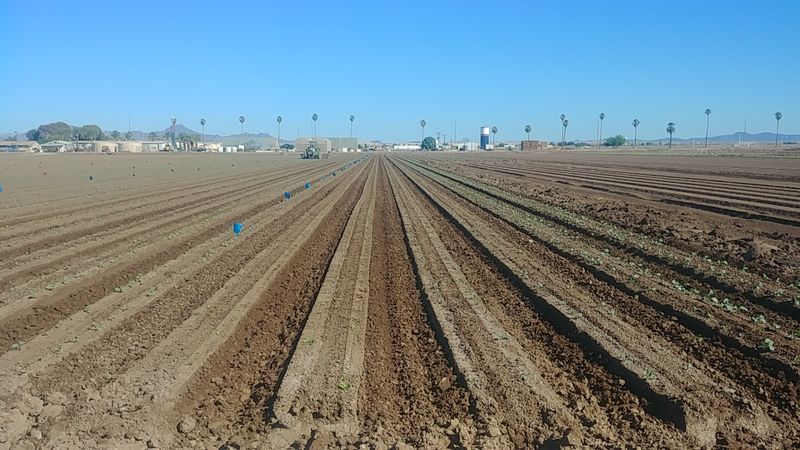
Lettuce fields and coyotes make an unexpected pairing in Arizona’s southwest corner. Yuma’s huge winter vegetable farms create rich habitat for rodents and rabbits.
Where small critters gather, coyotes follow. Farm edges and canals bring them close to homes and RV parks.
Fall is when growing season ramps up here. Fresh irrigation and planting can stir up more wildlife movement near town.
Winter visitors fill RV resorts during the cooler months. Residents and guests are asked to keep grills clean and food inside rigs.
Cat owners hear a firm message. Indoor cats tend to live safer lives in coyote country.
Hazing still ranks as the go-to response if a coyote gets too comfortable. Stand your ground, clap, and shout until it leaves.
Reporting matters too. Logging encounters helps wildlife managers track trends instead of guessing.
So the next time you spot one trotting past the canal, grab a photo, keep your distance, and enjoy the moment. You’re sharing the desert with one of its cleverest residents.
Address: 9140 E 28th St, Yuma, AZ 85365