
The Arizona Observatory Where Winter Nights Put Saturn And Galaxies Right In Front Of You
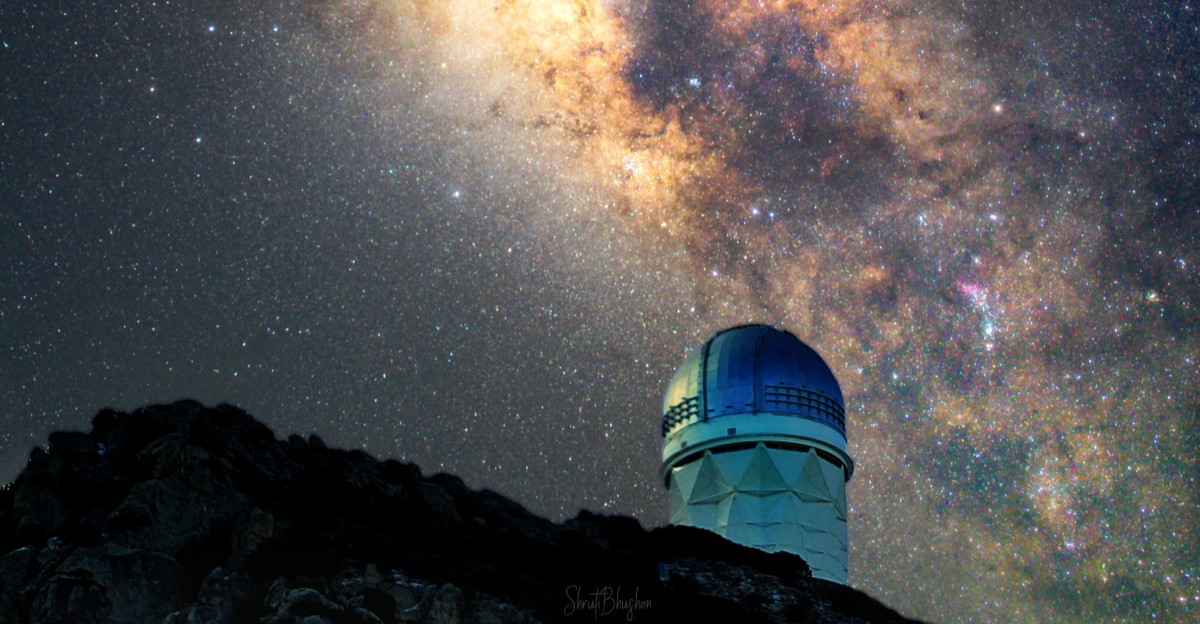
A telescope on one Arizona mountaintop helped two astronomers gather landmark evidence for dark matter. That same mountain now lets regular folks like us look through a public scope measuring 36 inches across.
On winter nights, that mirror can swing toward Saturn’s rings, Jupiter, and the Andromeda Galaxy. The Orion Nebula and the Milky Way have shown up on moonless evenings too.
I like how the whole experience starts before dark, with a sunset spreading over the desert. Guides then hand out binoculars and explain what you’re seeing, and curious kids tend to get hooked fast.
I can’t imagine a better excuse to bundle up in a coat and drive into the dark. So what happens when a mountain built for serious research opens its doors to the rest of us after sundown?
A Mountaintop Packed With More Telescopes Than You Can Count
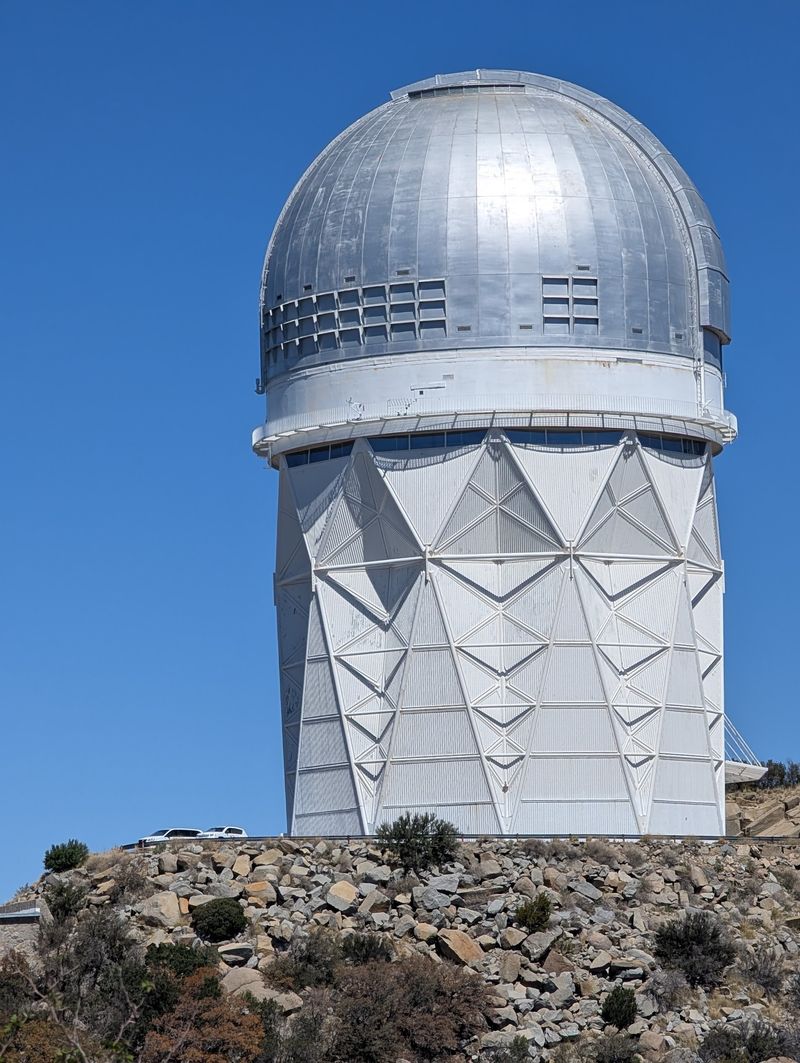
Most mountains get a lookout tower or a gift shop at the top. Kitt Peak National Observatory got the world’s largest collection of research telescopes instead, which feels like a fair trade.
The observatory sits southwest of Tucson in Arizona’s Sonoran Desert country. White domes dot the summit like giant golf balls left behind by a very ambitious golfer.
Those domes aren’t decorations, either. Scientists have used them for decades, and the mountain is still making new advances and discoveries today.
Here’s what makes the place special for everyday visitors. Kitt Peak runs both daytime tours and nightly stargazing programs, so the public gets a real peek behind the curtain.
During the day, you can tour working telescopes and learn what they’ve helped uncover. After dark, the focus flips to the sky itself, with guides pointing big optics at planets, star clusters, and galaxies.
That mix of history and hands-on viewing is the heart of the visit. You’re not looking at a model of a research site from behind glass.
You’re standing on one, under the same sky astronomers have studied here for generations.
Honestly, that alone is worth the drive. And the story only gets better from here.
The Telescope Behind One Of Astronomy’s Biggest Plot Twists
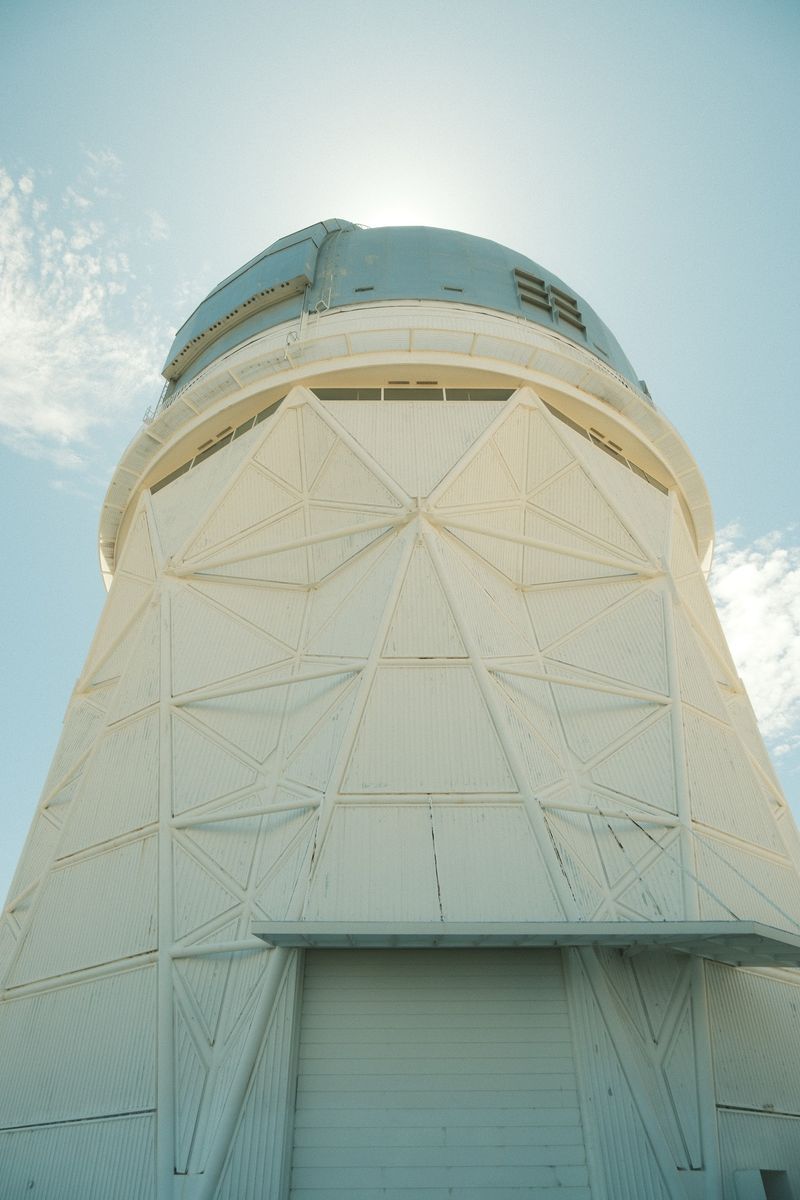
Dark matter sounds like something from a sci-fi movie. Yet some of the landmark evidence for it came from a telescope you can tour at Kitt Peak.
Astronomers Vera Rubin and Kent Ford used the 2.1-meter telescope to study the Andromeda Galaxy. Their observations helped show that galaxies hold far more mass than we can see.
That’s a pretty big deal for one building on an Arizona mountaintop. It reshaped how scientists think about the entire universe.
The daytime 2.1-meter tour lets you stand inside that very telescope. Guides walk through the history, the people involved, and the work that made the discovery possible.
I like that the story isn’t treated like a dusty museum plaque. It’s told right where it happened, which makes the science feel personal and surprisingly human.
There’s also a fun twist for winter stargazers. Andromeda, the galaxy Rubin and Ford studied, is one of the objects guides have shown visitors during evening programs.
So you could learn about it by daylight and then spot it after sunset. That’s the kind of full-circle moment most field trips only dream about.
Good luck not telling everyone about it on the ride home.
Sunset Comes First, And It Is Part Of The Show
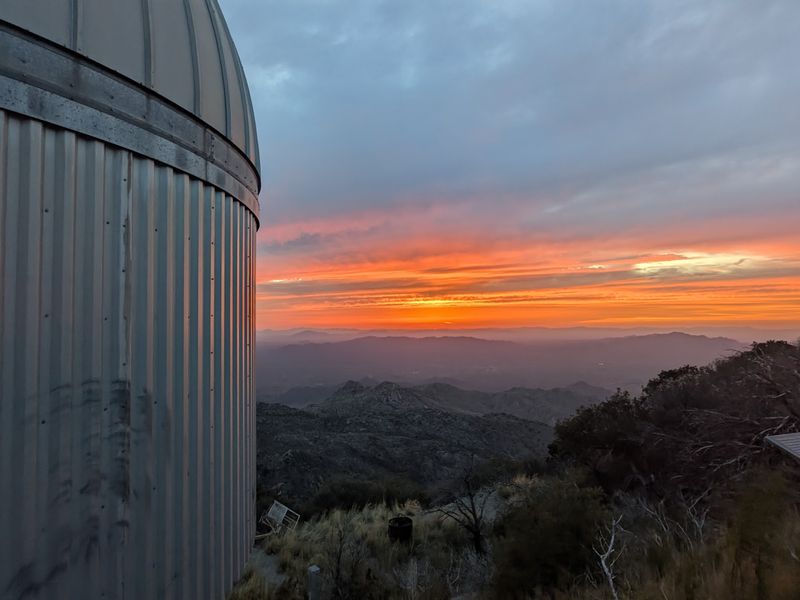
Nobody hands you a telescope the moment you arrive for an evening program. First, the sky puts on a warm-up act that’s hard to top.
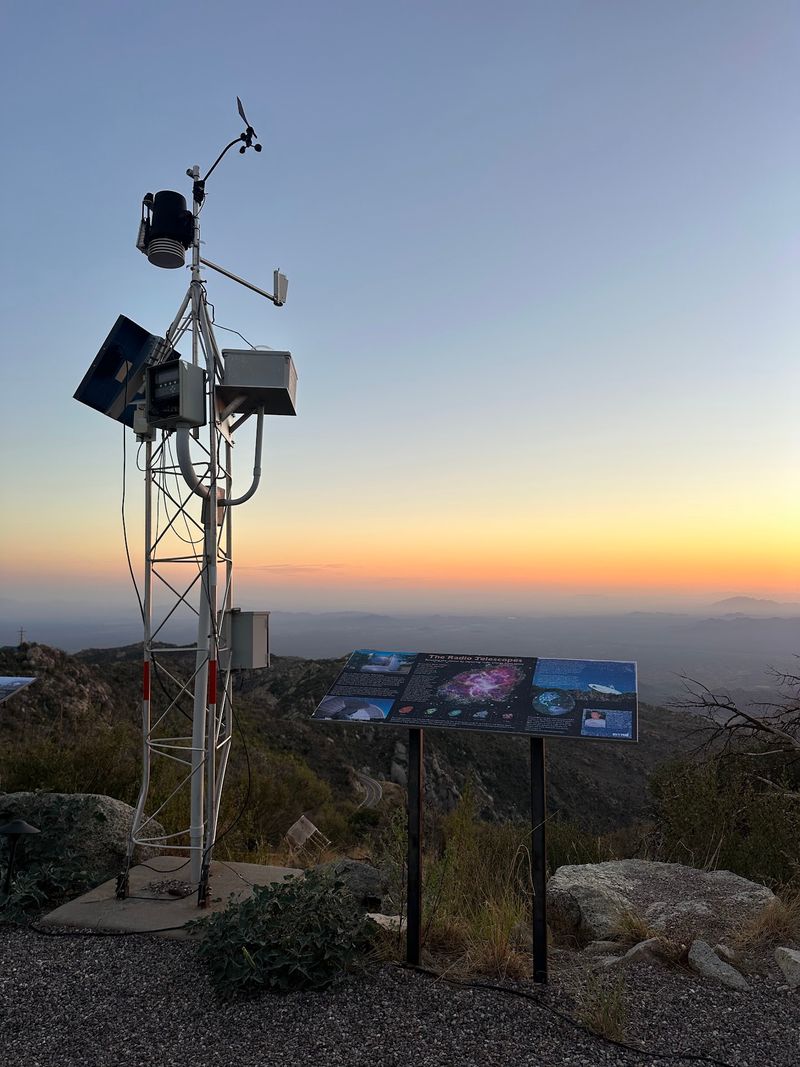
Night programs at Kitt Peak begin around sunset, so you get to watch the desert glow before the stars appear. On some evenings, you can even see rain moving across distant valleys.
That view stretches for miles in every direction. It’s a reminder of why astronomers chose this remote Arizona peak in the first place.
Once the colors fade, guides shift into learning mode. Expect background on the observatory, its links to universities, and the discoveries tied to the mountain.
Some evenings include a fairly detailed astronomy talk before the main viewing session. If you love the science, that’s a bonus.
If you’re mainly here for Saturn, a little patience pays off.
A light meal, typically sandwiches, is included with the night tour. Think of it as fuel for the cold, not the headline.
The real magic is that slow handoff from daylight to darkness. You watch the sky change from pastel to deep black, and suddenly stars start popping out one by one.
Saturn’s Rings Look Wildly Different Through A 36-Inch Scope
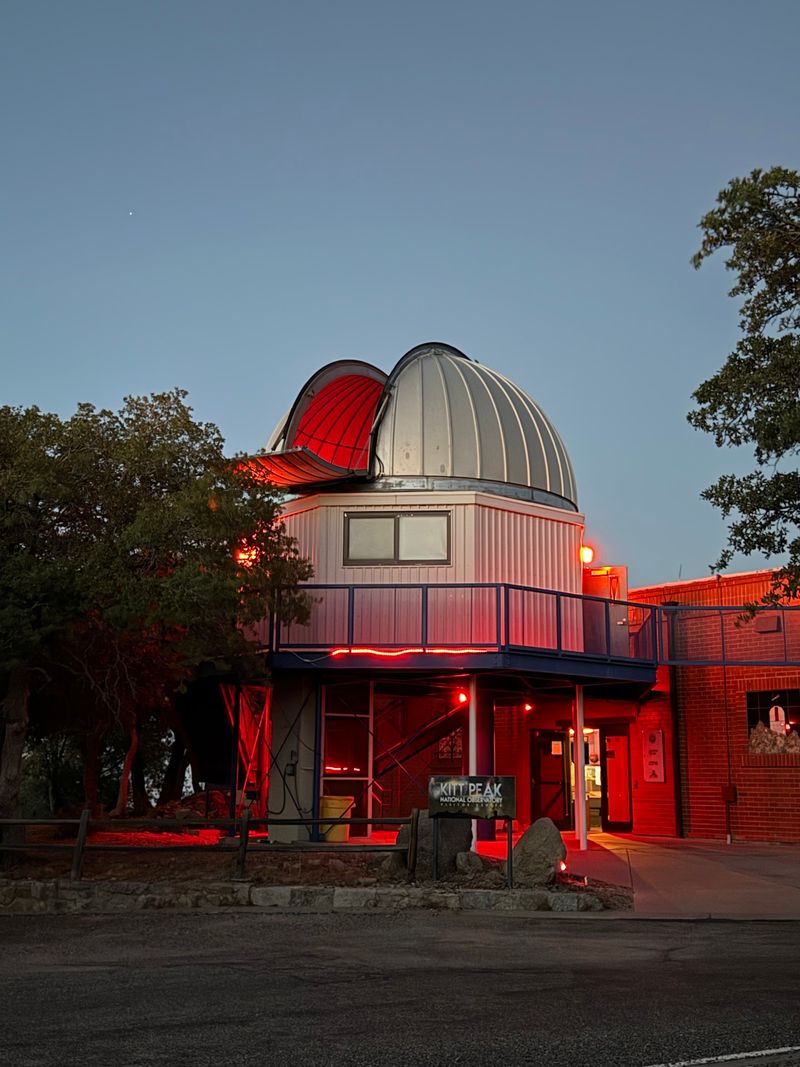
Thirty-six inches. That’s the width of the main observing scope used for public star programs at Kitt Peak, and it’s a monster compared to a backyard telescope.
The 0.9-meter telescope lives in a roll-off roof building. When the roof slides back, the whole sky opens up above your head.
Point a mirror that size at Saturn, and the rings stop looking like a textbook drawing. They become a real object hanging in space, right in front of your eye.
Visitors have also seen Jupiter during evening programs. Guides have even shown blue and yellow stars, which is a neat way to learn that stars come in colors.
The moon is a regular guest too, though a very bright full moon can be a lot to look at. Planets and deep-sky objects usually steal the show on darker nights.
Everyone takes turns at the eyepiece, so expect a little line. That pause gives you time to look up and soak in the sky without any lenses at all.
Then it’s your turn again. Somehow, Saturn never gets less impressive the second time around.
Galaxies, Nebulae, And A Milky Way You Can Actually See
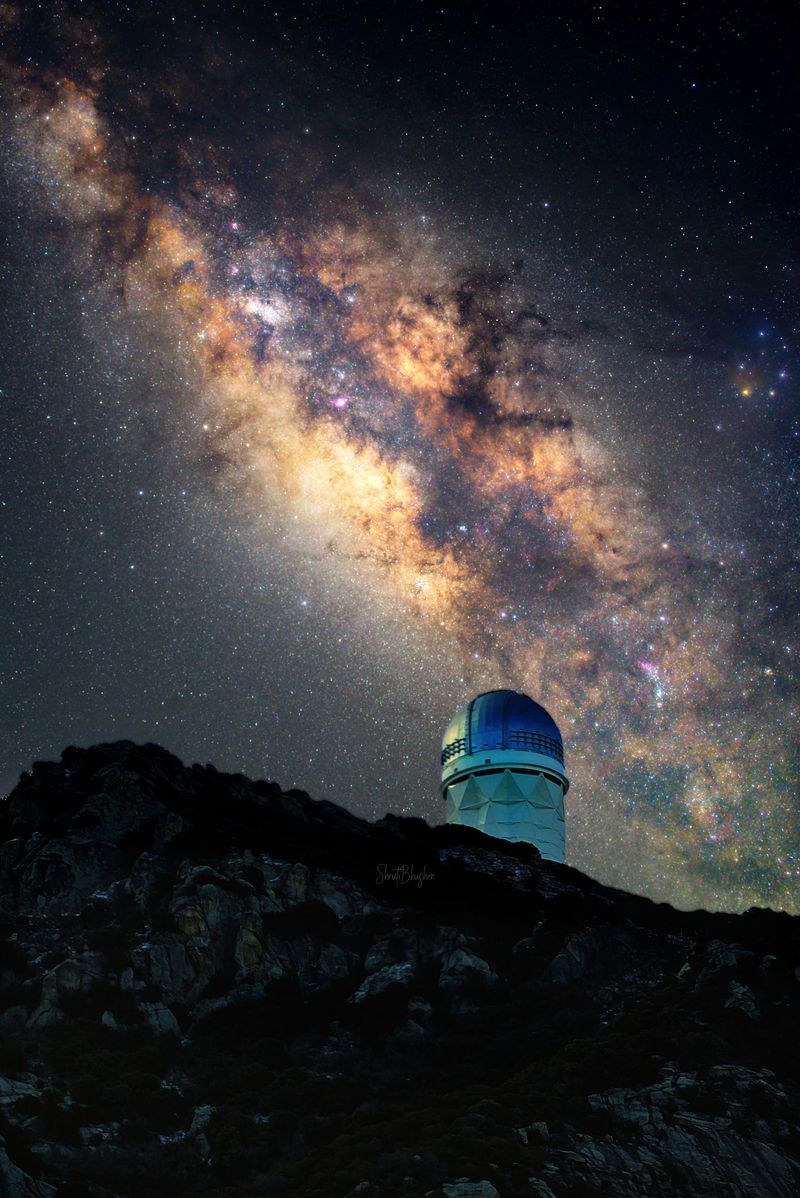
City skies hide almost everything. Out at Kitt Peak, a moonless night can reveal the Milky Way stretched clearly overhead.
That alone is enough to make some people go quiet for a minute. It’s the galaxy we live in, finally visible like a pale river of light.
One December Dark Sky Discovery evening included a lineup worth bragging about. Guests saw Jupiter, Saturn, the Andromeda Galaxy, and the Orion Nebula, plus other stars and clusters.
Orion’s nebula is a glowing cloud where new stars form. Andromeda is a whole other galaxy, and its light travels for millions of years before reaching your eye.
Let that sink in for a second. You’re seeing light that left before humans existed, and you’re seeing it from a parking-lot-adjacent observatory in Arizona.
What you catch on any given night depends on weather, the moon, and the season. Winter tends to bring some of the most famous sights into good position.
No two evenings are exactly the same, and that’s part of the charm. Every program feels like a small surprise party where the guests are planets, galaxies, and clouds of cosmic gas.
The Guides Turn Big Science Into Easy Conversation
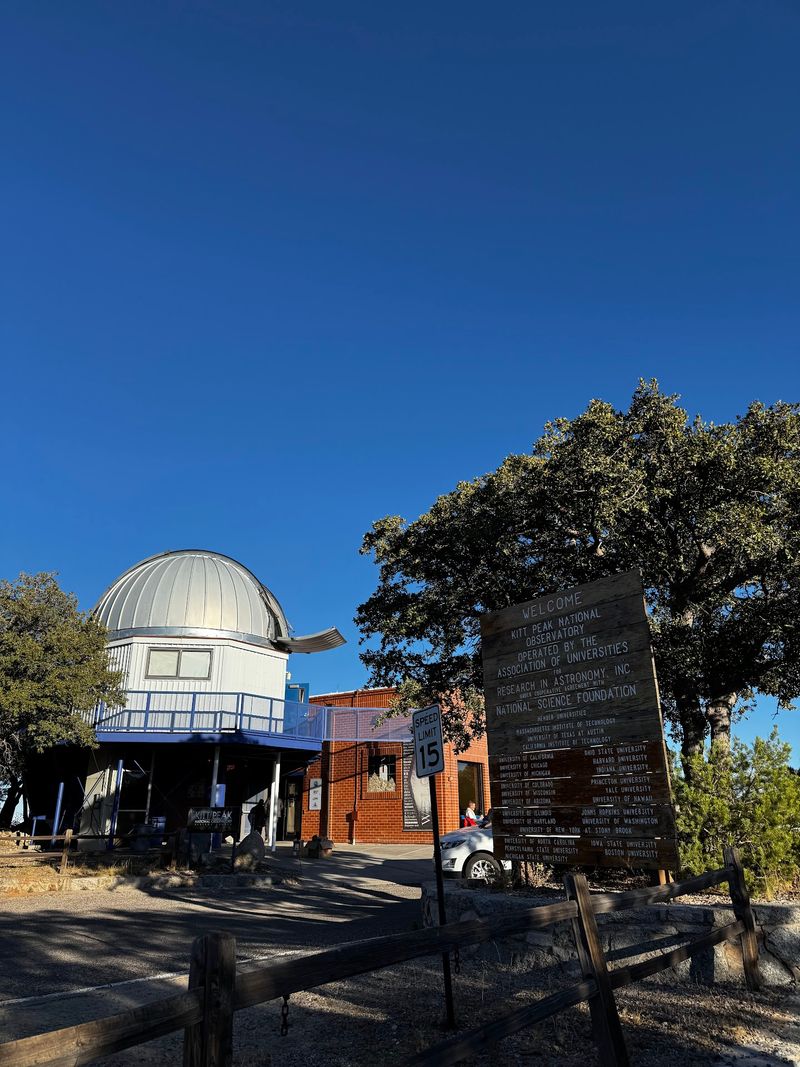
Ask almost anyone what made their visit, and the guides come up fast. Knowledgeable staff and docents are a huge part of the Kitt Peak experience.
They know their stuff, and they’re often genuinely funny. That combo makes the toughest astronomy ideas feel like a chat with a clever friend.
Binoculars play a big role during evening programs. Guides use them to help you hunt down specific features in the sky, from star patterns to fuzzy clusters.
It’s a smart move, since binoculars teach skills you can use back home. You leave knowing how to find things, not just how they looked through someone else’s scope.
Questions are welcome, and kids tend to ask plenty. The guides take them seriously, which can spark a brand-new interest in the universe.
Some guides even stretch time at the telescope for small groups when the moment allows. Others work hard to fit in as many celestial objects as possible before the session ends.
That kind of care matters on a cold mountaintop at night. It turns a science lesson into something closer to a shared adventure, with a very patient tour leader.
Three Daytime Tours For People Who Can’t Wait Until Dark
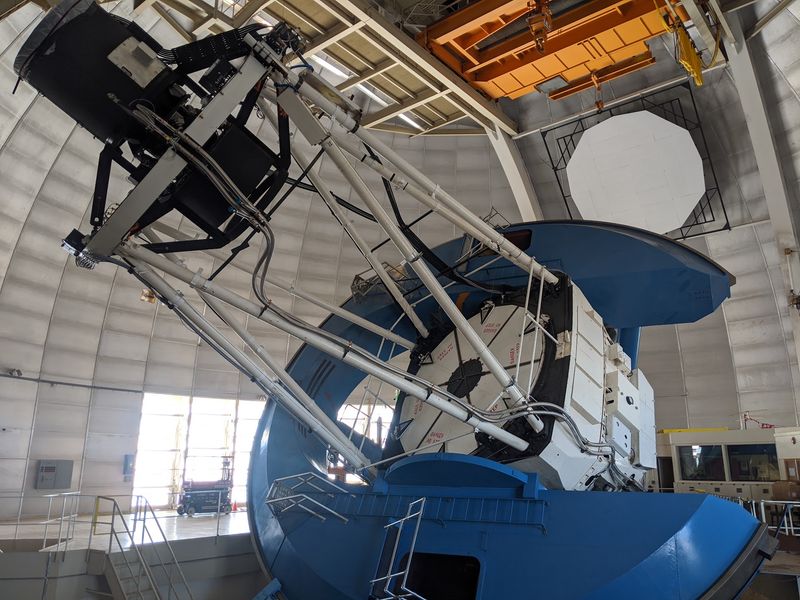
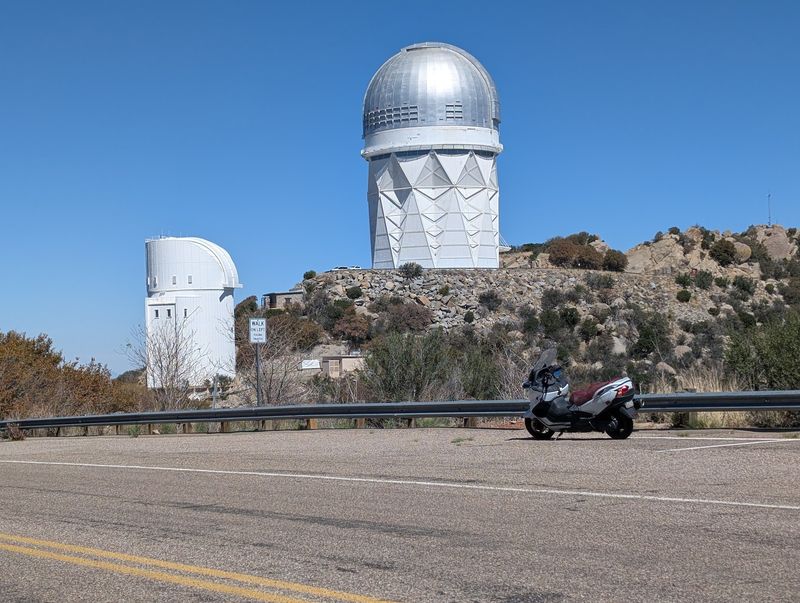
Stargazing doesn’t require stars, at least not right away. Kitt Peak offers daytime tours of three telescopes open to the public.
Each tour shows a different side of how real astronomy gets done. You’ll learn about the specific work, history, and technology behind each instrument.
Some of that technology dates back 30 to 50 years. Seeing those giant machines up close is a little like peeking inside a very large, very precise clock.
Ambitious visitors can book all three and spend a full day on the mountain. It’s a solid plan for anyone who loves science, engineering, or just really big equipment.
The 2.1-meter tour gets a lot of love for its dark matter story. The solar telescope tour offers its own history, though that telescope isn’t currently operating.
Tours do the heavy lifting here, since the grounds beyond the visitor center aren’t open for self-guided wandering. A paid tour is your ticket past that point.
So plan ahead and pick the ones that excite you most. Pair a daytime tour with an evening program, and you’ll see the mountain from both sides of the clock.
A Visitor Center Inside A Famous Solar Telescope
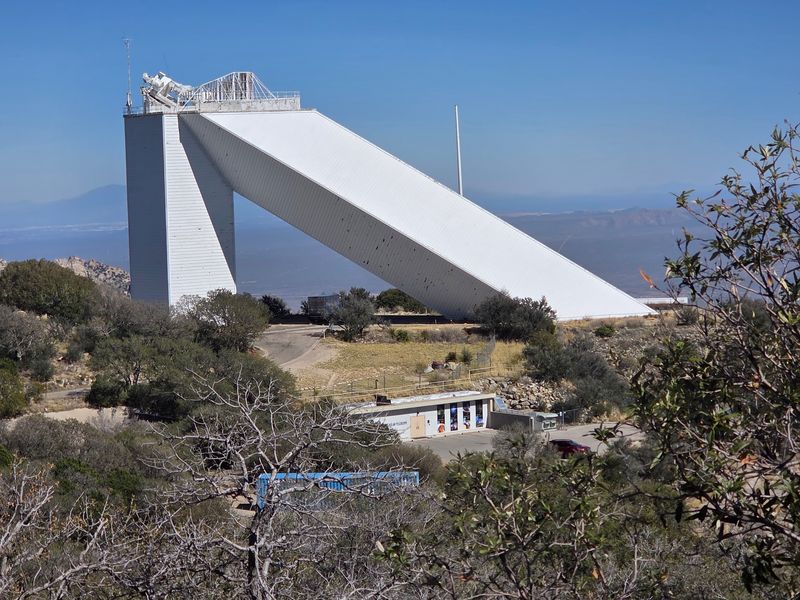
Few museums can say they moved into a legendary piece of science history. The newer visitor center at Kitt Peak lives in the former control room of what was the world’s largest solar telescope.
That’s a fun bit of trivia to drop on friends. It also means the building itself is part of the story you came to learn.
The newer museum space adds another layer to the visit. Exhibits help explain the work done on the mountain before you head out on tours.
One tip, though. Tours can move along briskly, so budget extra time if you want to explore the exhibits at your own pace.
The visitor center is open daily from 9 a.m. to 4 p.m. It’s your home base for check-ins, tour starts, and a little browsing.
Speaking of browsing, the gift shop carries locally made crafts. That beats a generic keychain, and it’s a nice way to bring home something with real Arizona character.
Treat the visitor center as more than a lobby. It’s a small slice of solar history, wrapped around a shop you’ll probably want to linger in.
Clouds Rolled In? Kitt Peak Has A Backup Plan
Weather is the one guest nobody can uninvite. Even on an Arizona mountain, clouds sometimes crash the party.
Kitt Peak handles that gracefully. Cloudy-night programs can still be surprisingly fun, with guides adapting on the fly.
On one cloudy evening, guides set up a smaller 10-inch telescope as gaps opened. They managed to get Jupiter centered quickly, which earned plenty of appreciation.
Weather-hit programs may come with a rain check or a discount code for a return trip within a year. That softens the sting when the sky refuses to cooperate.
Some guests have even found cloudy evenings more intimate than a standard star party. Fewer objects can mean more conversation and more time with the guides.
Still, it helps to check the forecast and keep expectations flexible. A program is a bet on the sky, and the sky doesn’t take requests.
The good news is that your night isn’t automatically lost. Between the talks, the setting, and the backup plans, the mountain usually finds a way to send you home with something to talk about.
Bring patience, and maybe a little optimism. Both pack light.
Why November And December Might Be Your Sweet Spot
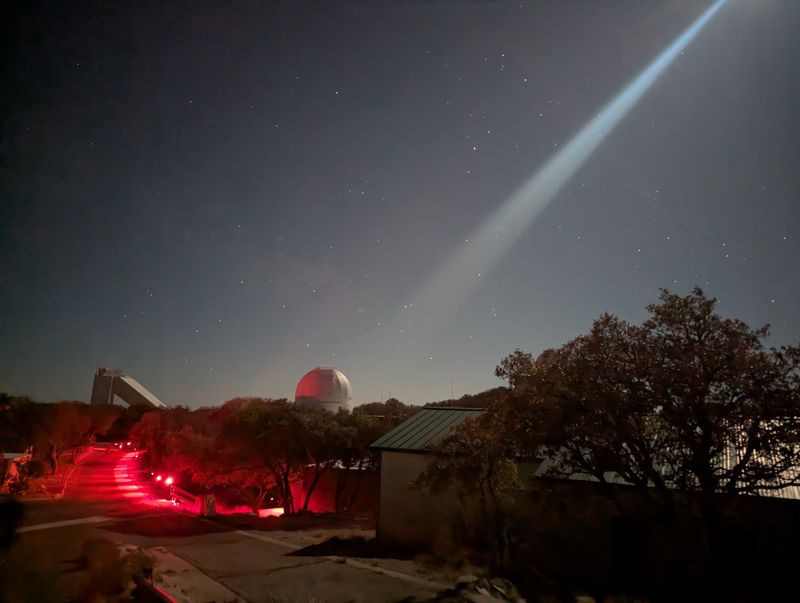
Timing matters when the main attraction is millions of miles away. Late fall and early winter are often recommended for night tours at Kitt Peak.
November and December tend to bring fewer clouds and less moisture. That means a better shot at crisp, clear views of Saturn and the brightest galaxies.
Winter also lines up famous sights like the Orion Nebula. Add Andromeda and a planet or two, and you’ve got a seriously stacked evening.
Now for the chilly part. It gets cold on the mountain after dark, so bring a real coat, not a hoodie and a hopeful attitude.
Temperatures can vary from night to night. One December evening stayed mild, around the low 50s, while others feel much colder once the wind and darkness settle.
Layers are the smart move. Gloves and a warm hat won’t hurt either, especially while you wait your turn at the eyepiece.
That winter combo of clear air and cold nights is the whole point of this article. Dress for it, and the sky does the rest.
Skip the coat, and you’ll spend more time shivering than stargazing.
Curious Kids And Grown-Up Space Fans Both Belong Here
Teenagers who won’t look up from their phones? Kitt Peak has a decent track record of fixing that.
Families have brought kids ages 10 to 15 to the Nightly Observing Program. The telescopes and sky kept them so focused that good behavior happened almost by accident.
A first visit at 14 can spark a brand-new interest in the universe. Some kids even get sad when the evening ends, and honestly, so do their parents.
You don’t need to be an expert to enjoy any of it. Guides make the discoveries relatable for regular people, not just astronomy majors.
Anyone with even a mild interest in space should feel at home. Serious hobbyists will appreciate the gear, and beginners will appreciate the patience.
Accessibility takes some planning, since parts of the site were built long before modern standards. Guides have made strong efforts to help guests with disabilities enjoy the full event.
It’s a good idea to mention any needs when booking. That way, the team can plan ahead.
The result is an outing that works across generations. Grandparents, parents, and kids can all stand under the same sky and feel equally amazed.
Know Before You Drive Up The Mountain
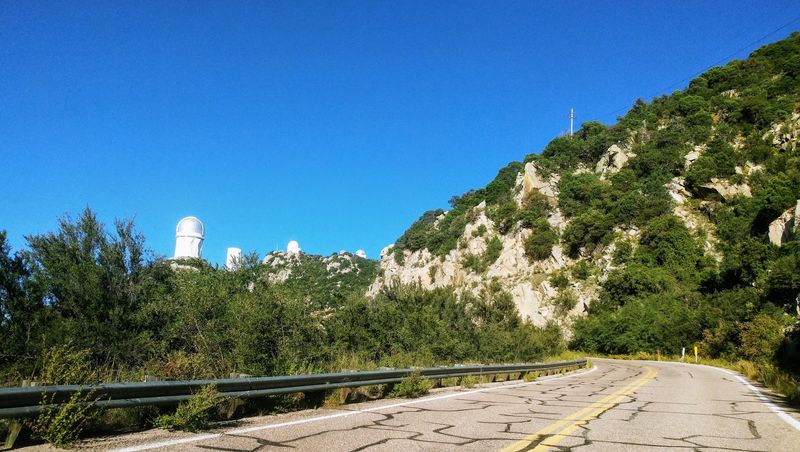
Let’s handle the practical stuff so nothing surprises you on the mountain. Kitt Peak National Observatory’s address is listed as Tucson, AZ 85634, though it sits well outside the city.
The drive is a highlight on its own. Expect beautiful scenery, sweeping views, and maybe some wildlife along the way.
The visitor center keeps daily hours of 9 a.m. to 4 p.m. Evening programs run on their own schedules, so check times when you book.
Tours and night programs are paid, and the cost lands on the higher side for a family outing. Think of it as a special-occasion trip rather than a casual drop-in.
Self-guided wandering past the visitor center isn’t allowed anymore. To explore beyond that point, you’ll need to join a tour.
The old picnic area has been closed for years, so don’t plan a lunch spread on the summit. Pack snacks for the road and keep the cooler in the car.
Evening programs include a simple meal, and the gift shop is open for browsing during visitor center hours. Bring warm layers, a full tank of gas, and plenty of curiosity.
A Night Under This Sky Sticks With You
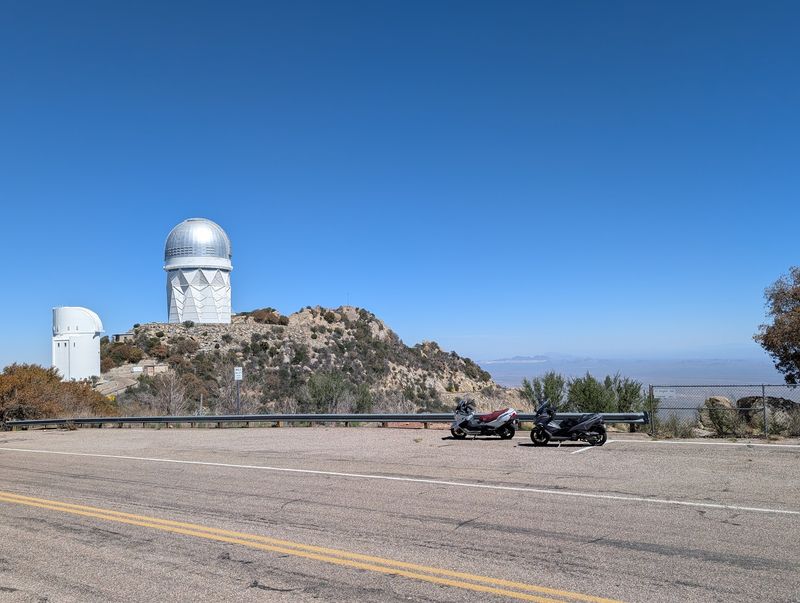
Plenty of Arizona outings fill an afternoon. Very few leave you thinking about galaxies for a week afterward.
Kitt Peak National Observatory pulls that off by mixing real science with real wonder. You get history, giant telescopes, and a sky so dark it feels almost unreal.
It isn’t a bargain day trip, and the weather can be fickle. Still, the payoff on a clear winter night is tough to match anywhere in the state.
Saturn’s rings, the Andromeda Galaxy, and the Milky Way are all fair game. Add guides who love their work, and you’ve got an evening that feels genuinely personal.
I believe the best part is how it changes your view of the ordinary night sky. After this, every bright dot overhead starts to look like a story waiting to be told.
Plan for November or December if you can. Bring a coat, book early, and keep your expectations open to whatever the sky decides to share.
Then tag the friend who still can’t find the Big Dipper. They deserve this trip as much as you do, and the mountain is ready when you are.