
The Arkansas All-You-Can-Eat Sushi Restaurant Where Rolls Are Made Fresh And Refills Keep Coming
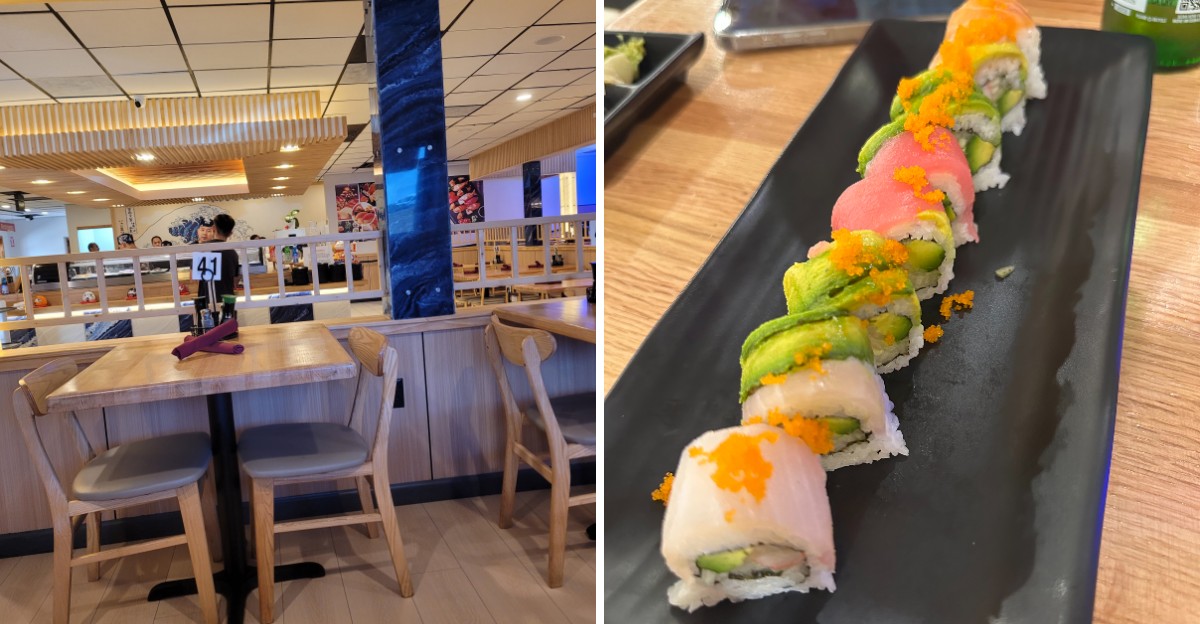
A sushi craving can turn into a dinner plan fast when another round is always on the table. At this Arkansas restaurant, the all-you-can-eat setup works differently from the buffet.
Rolls are made after diners order them, so each round arrives fresh instead of waiting under a display case. Hibachi dishes give you a reason to switch things up before going back for more sushi.
Just order carefully, because unfinished food may come with an extra charge. Inside, the open dining room keeps the action easy to follow, while the sushi counter stays busy as new plates head out.
It is the kind of place where one order quickly leads to another look at the menu. Then someone at the table spots a roll they have not tried yet, and suddenly another round sounds like a good idea.
That is how a simple sushi dinner can stretch into a much longer meal.
A Sleek Room Made For Lingering
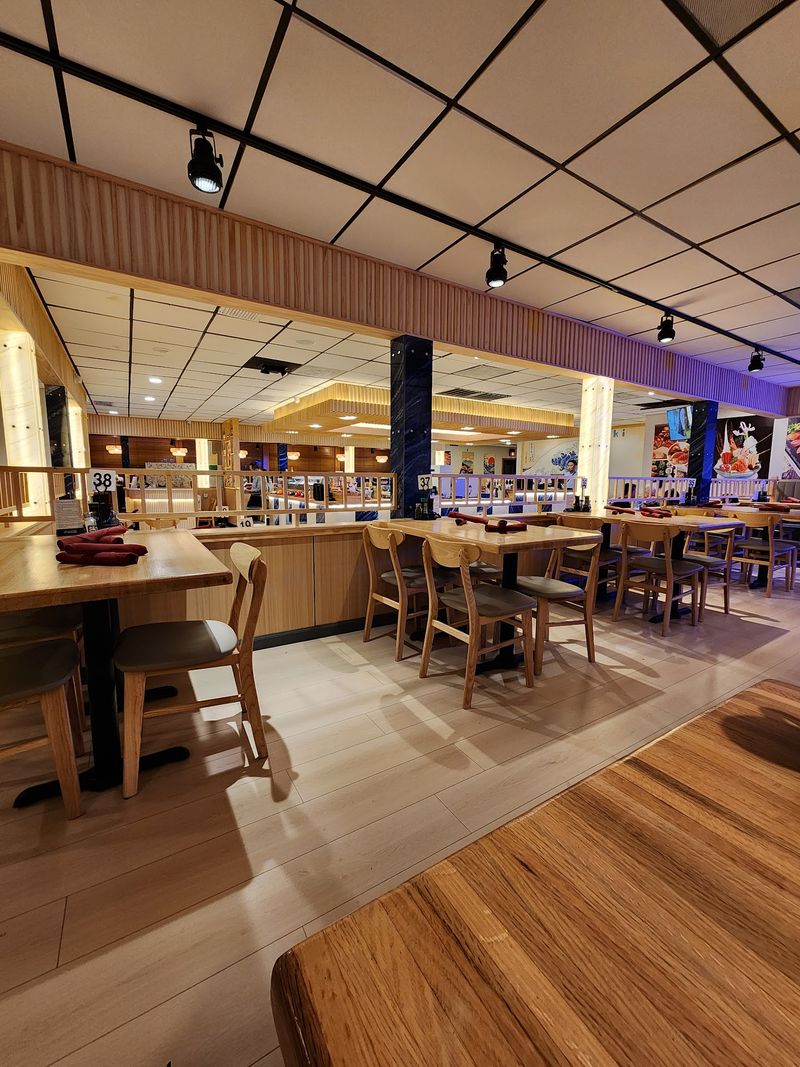
Two hours sounds generous until the plates start arriving in waves. That is roughly the window diners get for the all-you-can-eat experience, and the room is built so nobody feels rushed out the door.
The space reads bright and tidy, with surfaces that catch daylight and seating arranged so conversation carries across the table without shouting. Guests mention how clean the interior looks, and cleanliness in a sushi restaurant is not a small thing.
Tables are spaced for groups, which matters when four or five people are all comparing what landed in front of them. Ordering in rounds naturally slows the meal down, turning dinner into something closer to an event than a quick refuel.
Birthday celebrations happen here often enough that staff have a routine for them, complete with dessert and a song. I find that a room willing to break into song is a room that wants you comfortable.
Lunch service starts at 11 AM every day, and the doors stay open until 9:30 PM most nights, stretching to 10 PM on Friday and Saturday. That gathering place is Mizuki A.Y.C.E.
Sushi and Hibachi at 12110 Chenal Pkwy, Little Rock, AR 72211.
Light Wood Gives It A Polished Look
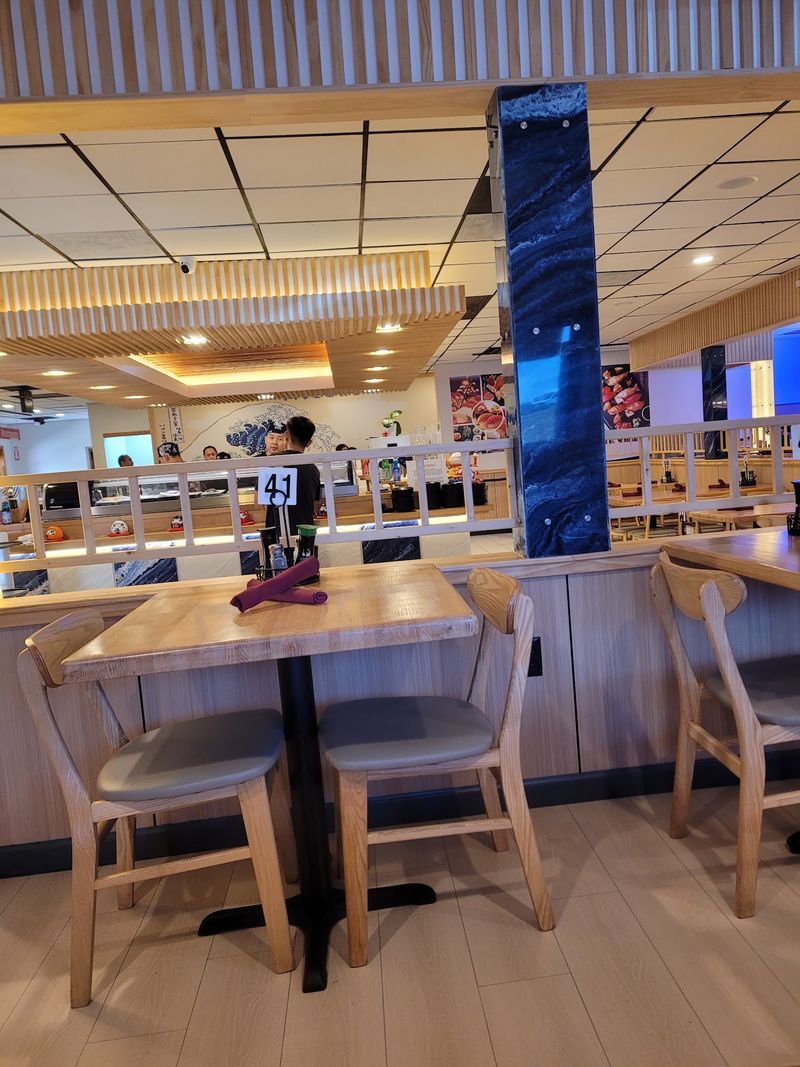
Blonde wood does a lot of quiet work in a dining room. Here it softens the edges of a space that could otherwise feel clinical, and it pairs neatly with the pale tones of fresh fish arriving on plate after plate.
Warm wood surfaces reflect light rather than absorb it, which keeps the dining area feeling open even when tables fill up during peak dinner hours. Diners regularly describe the restaurant as bright and inviting, and the material choices deserve credit for that.
Wood also photographs well, which explains why so many rolls end up on phone screens before anyone picks up chopsticks. Presentation matters at a place where each order is plated individually instead of scooped from a buffet line.
Nothing about the finish feels fussy or overdecorated. The look leans clean and current, letting colorful plates of salmon, tuna, and sauce-drizzled specialty rolls provide the visual punch.
It is the kind of setting that works equally well for a weekday lunch break or a Saturday night with friends. Arkansas diners get a room that looks considered without trying too hard.
Fresh Rolls Keep The Table Moving
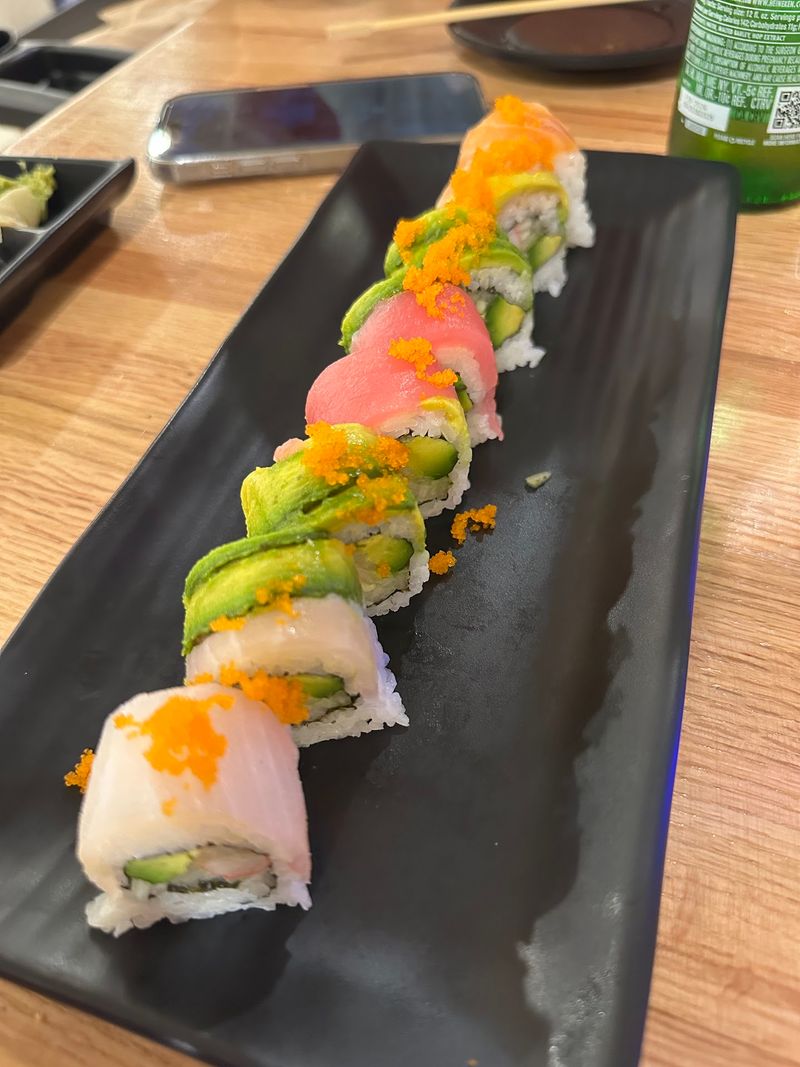
Rolls get made after you order them, not before. That single detail changes everything about how the meal feels, because rice stays soft and seaweed keeps its snap instead of going limp under a display case.
The all-you-can-eat menu covers a wide stretch of territory, including the Black Dragon roll, the Tiger roll, the Manhattan roll, and the Monster roll. Vegetarian options show up in good numbers too, which is not always a given at sushi restaurants.
Ordering happens in rounds, so a table might start with a few familiar rolls and then branch into territory nobody has tried. Watching a group compare plates round by round is half the entertainment.
Salmon and tuna sashimi are available for an additional charge on top of the dinner buffet price. The volcano roll gets plenty of attention as well.
One rule keeps things honest. Leftover pieces are charged, so diners order what they genuinely plan to finish, which cuts waste and keeps everyone paying attention to their own appetite.
That small nudge toward mindfulness turns out to be surprisingly effective.
The Sushi Bar Anchors The Space
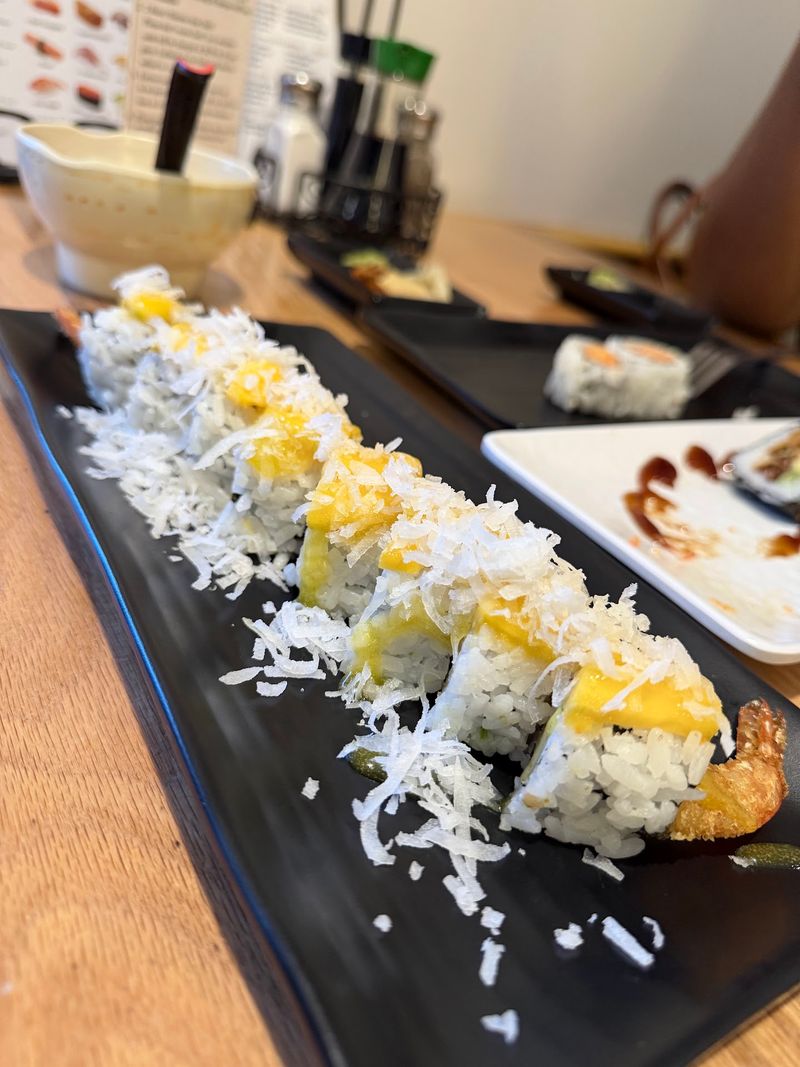
Every sushi restaurant has a center of gravity, and this one sits behind the counter. The sushi bar is where the tickets land and where the rolling happens, order after order, all night long.
Guests notice that the preparation looks practiced, with rolls coming out quickly even when the dining room is busy. Speed matters enormously in a round-based format, since a slow kitchen would leave tables staring at empty plates.
The bar gives the room a focal point and a bit of theater. Knife work, rice handling, and plating all happen within view, which beats staring at a wall.
Nigiri, sashimi, and specialty rolls all originate from that same stretch of counter. When a party of seven orders in unison, the output is genuinely impressive to watch.
Hibachi items come from the kitchen side, so the two operations split the workload and keep both sushi and hot plates flowing without a traffic jam.
I always appreciate a setup where the food gets assembled in plain sight rather than behind closed doors.
Takeout is offered as well for anyone who wants sushi without the sitting.
Window Booths Offer A Quieter Corner
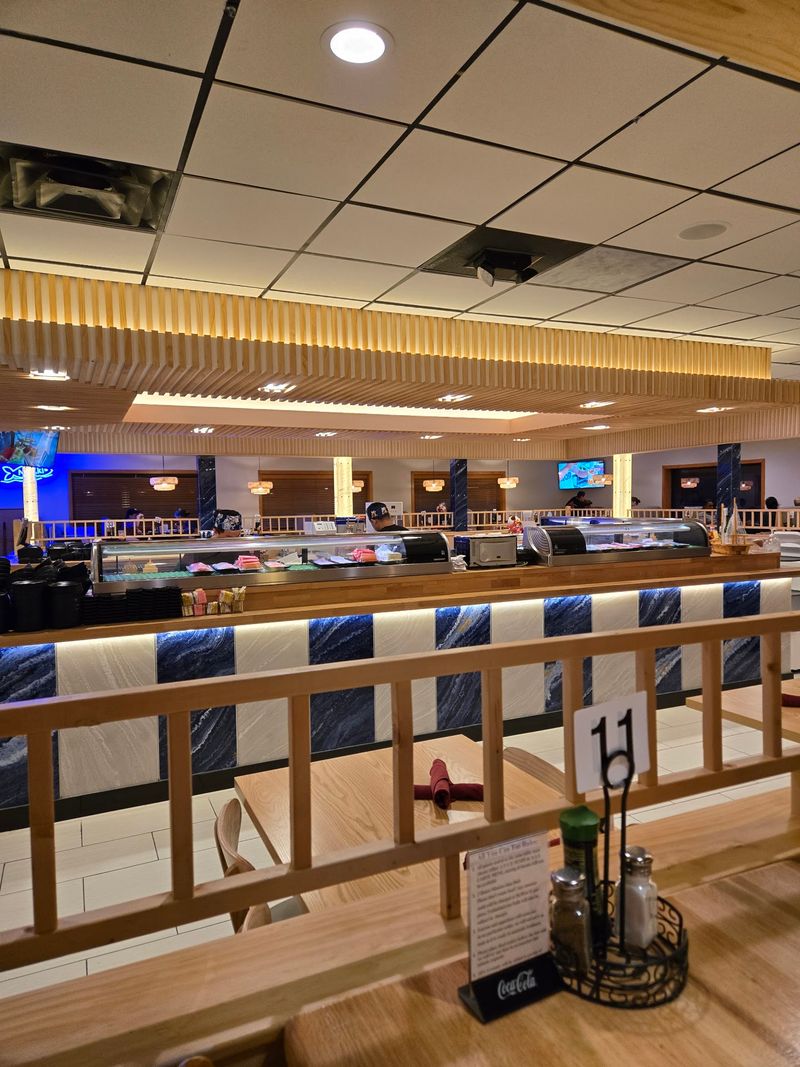
Booths near the windows tend to go first, and for good reason. Natural light does flattering things to a plate of salmon nigiri, and the seating puts a little distance between your table and the busier center of the room.
Saturday afternoons bring in daylight that makes the whole space feel airy. A weekday lunch in one of those spots is about as relaxed as all-you-can-eat sushi gets.
Couples and pairs seem drawn to the edges of the dining room, where conversation stays easy and the pace of ordering can slow down a notch. Larger parties usually claim the open tables in the middle.
Servers handle the rounds regardless of where you sit, checking in between orders and keeping drinks topped off. Attentive service is a recurring theme here, and it works especially well in a format that depends on constant back-and-forth.
Allergy questions get taken seriously too, with staff checking on ingredients when diners raise concerns.
A quiet booth, a steady stream of fresh rolls, and no reason to hurry sounds like a solid use of an afternoon in Arkansas.
The Open Layout Feels Easygoing
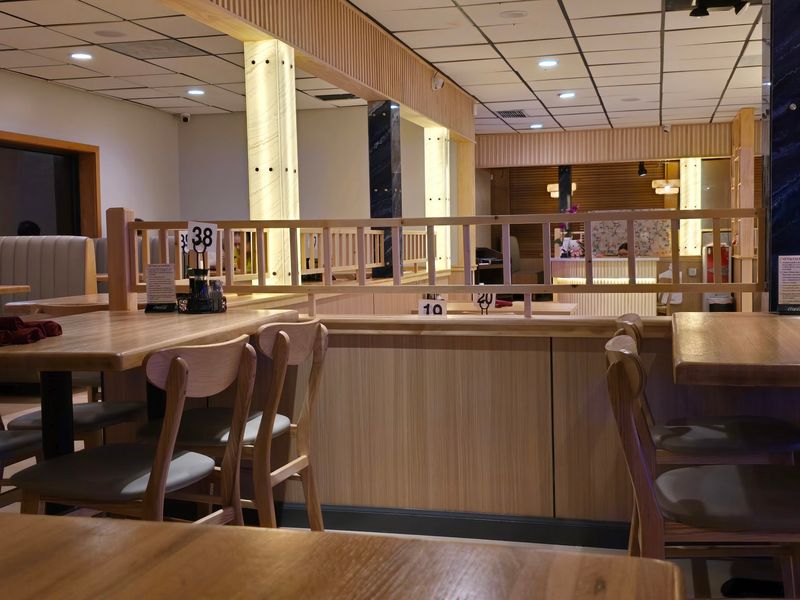
Cramped sushi restaurants make the round-based format miserable. Here the floor plan opens up, giving servers room to move between tables with trays of small plates and giving diners space to breathe.
Groups benefit most from the arrangement. A party of seven can spread out, compare orders, and still hear each other over the general hum of a full dining room.
Nothing about the layout feels maze-like or overstuffed with furniture. Sight lines run clear across the space, which helps servers spot a raised hand and helps diners take in the whole operation.
The openness also supports the pace. Orders travel from table to bar to table quickly, and that flow depends on aisles that are not blocked by awkwardly placed seating.
Families, couples, and coworkers on a lunch break all fit comfortably in the same room without anyone feeling squeezed. The atmosphere gets described as warm and welcoming, which is impressive for a space this open.
Personally, I like that the room never tries to be moody or dim. Bright and functional suits a restaurant where the food arrives in continuous rounds.
Hot Dishes Break Up Sushi Rounds
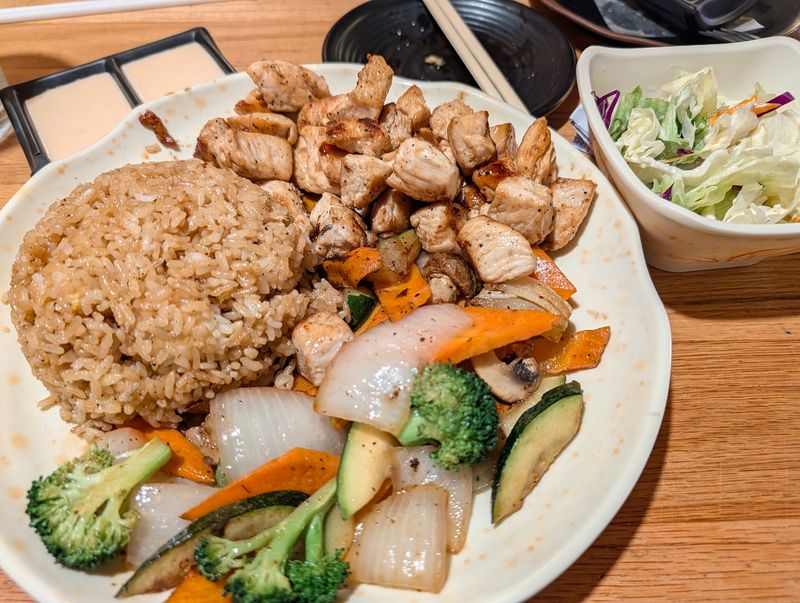
Raw fish is wonderful until round four, when something warm starts sounding appealing. The hibachi side of the menu exists for exactly that moment.
Hibachi steak, hibachi shrimp, and hibachi chicken all appear on the all-you-can-eat menu, served with fried rice and vegetables. The fried rice earns a lot of praise, and steak ordered medium-rare tends to come out more tender than steak ordered medium.
Shrimp and vegetable tempura are strong picks for anyone wanting something crisp between rolls. Yaki udon shows up for noodle fans, and appetizers like house clear soup and avocado salad round out the early part of the meal.
Takoyaki, agedashi tofu, shrimp yakitori, and fried calamari all sit on the list too, giving the menu real range beyond sushi.
Desserts deserve their own mention. Tempura Oreo and green tea ice cream close things out, and the tempura Oreo is reportedly not overly sweet.
Mixing hot plates into the rotation keeps the meal interesting and stretches your capacity further than rolls alone would. That variety is a big part of why people return weekly.
Clean Lines Give The Interior A Modern Feel
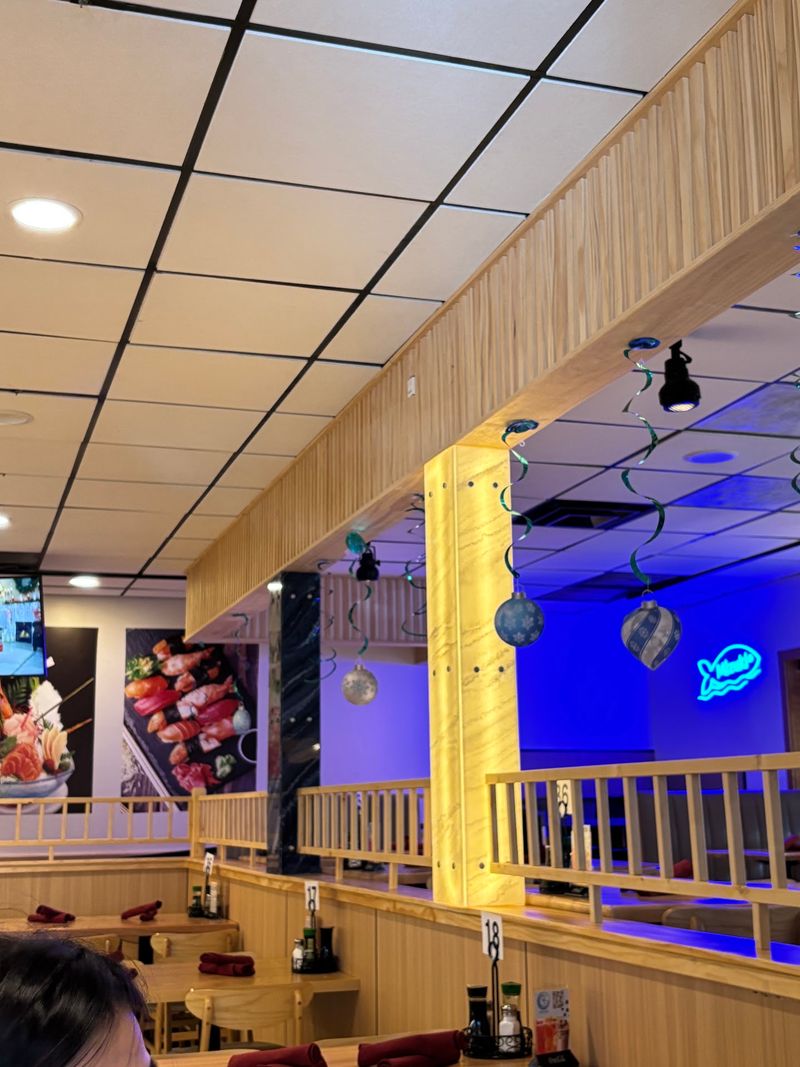
Minimal clutter, straight edges, and a neutral palette add up to a room that looks current rather than themed. The design stays out of the way and lets the food do the talking.
Lighting is even and generous, the finishes look well kept, and nothing feels dated. Guests consistently describe the interior as clean and good looking, which reflects both the design choices and the upkeep.
A restaurant serving raw fish has to look spotless, and the streamlined style makes that easier to maintain. Fewer decorative corners mean fewer places for dust to hide.
The overall effect suits the Chenal Parkway location, where the surrounding area leans toward newer buildings and wide parking lots. Getting in and out is straightforward.
Hours run from 11 AM daily, closing at 9:30 PM Sunday through Thursday and at 10 PM on Friday and Saturday.
Small touches, like keychains handed out during celebrations, add warmth to a space that might otherwise read as purely modern.
Fresh rolls made to order, hibachi plates arriving between rounds, and a room that stays sharp make this Arkansas sushi stop worth the drive down Chenal.