
The Best Hidden Arizona Beach Escape Is Less Than An Hour From Phoenix
Raise your hand if you’ve ever tried to cool down in Arizona by standing dramatically in front of your open freezer. Yeah, me too. Desperate times called for desperate measures, so I packed a cooler, grabbed my favorite oversized floatie, and went looking for water.
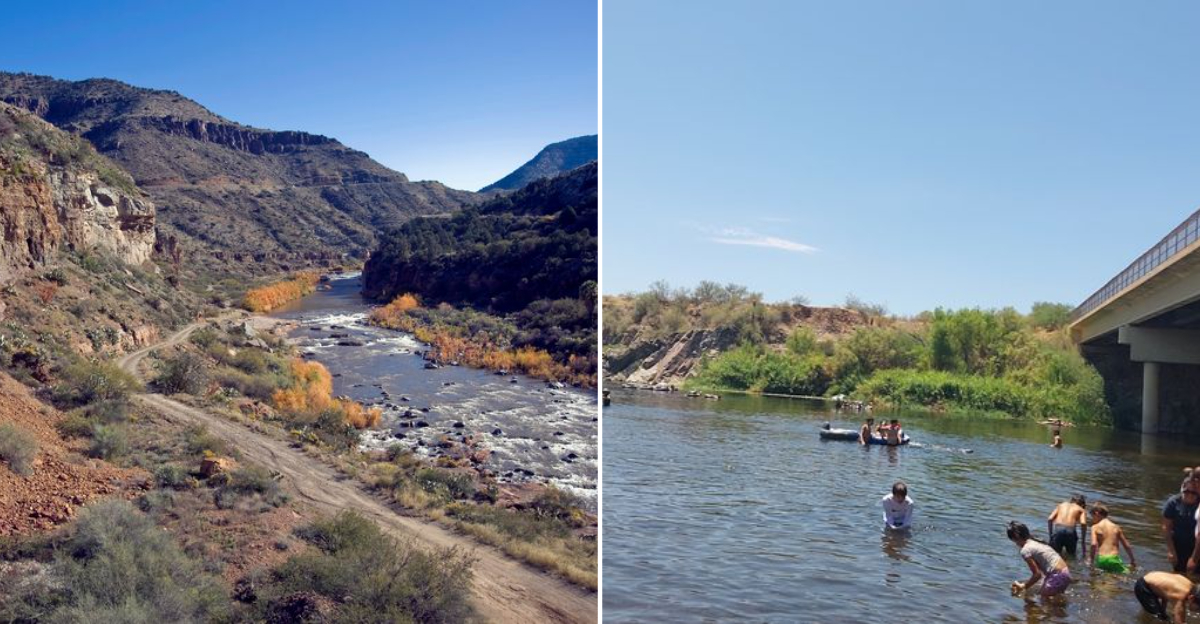
Less than an hour from the bustling city, I found the ultimate hidden beach escape. Picture this: crystal-clear, refreshing river water winding through rugged desert canyons, with zero crowds and maximum chill vibes.
I spent the entire afternoon bobbing lazily downstream, pretending I was at a five-star tropical resort instead of the middle of the desert.
If your weekend plans currently involve staring at a glowing screen while sweating profusely, scrap them right now. Trust me, your inner sun-worshipper needs this secret swimming spot stat!
On a hot Arizona afternoon, stepping into that cool, clear water feels like finding a secret the desert has been keeping all along.
This article walks you through everything you need to know before you pack your sunscreen and head out for a truly unforgettable day trip.
How Pebble Beach Became A Favorite
Long before Phoenix existed, the Salt River was already one of the most important waterways in the American Southwest. Stretching approximately 200 miles, it begins in the mountains of northeastern Arizona and winds its way toward the Gila River southeast of the city.
For the ancient Hohokam people, this river was everything. They engineered hundreds of miles of irrigation canals to grow crops in the desert, a feat that still impresses historians and engineers today.
In the early 1900s, dams were built along the river to create reservoirs, and those reservoirs now supply a significant portion of Greater Phoenix’s water. The 12-mile stretch known as the Lower Salt River Recreation Area was preserved for public enjoyment and is managed by the Tonto National Forest.
Pebble Beach is one of the most popular day-use access points along this corridor, beloved for its smooth riverbed, easy water access, and surprisingly wild surroundings so close to a major city.
That long history gives every visit another layer, even when the plan is simply to cool off beside the water. Today, the same river that once sustained ancient communities still shapes daily life, recreation, and the landscape around Phoenix.
What The Landscape Actually Looks Like
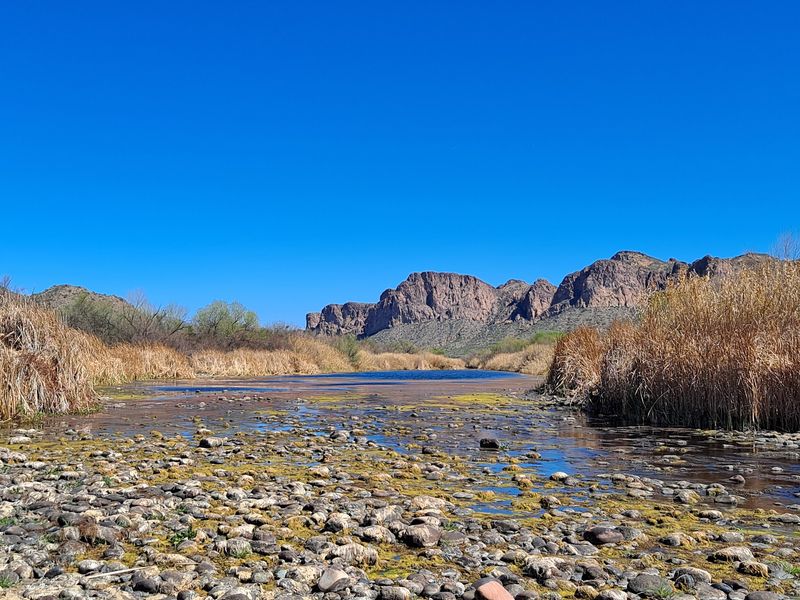
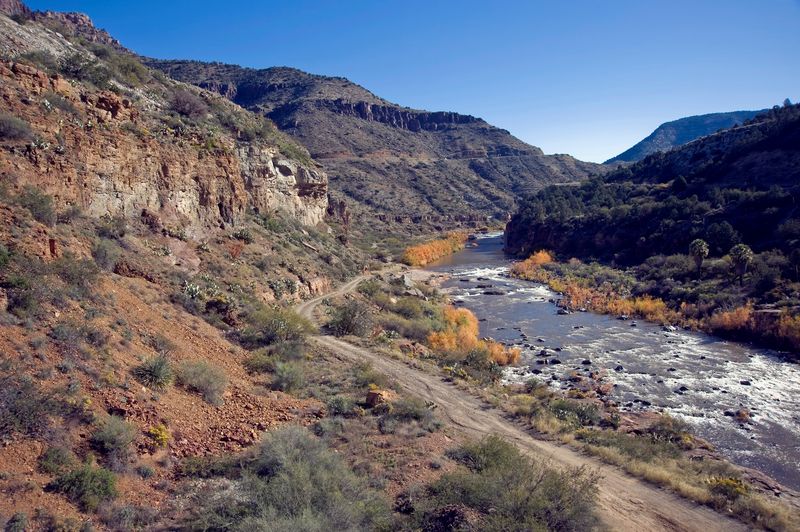
Standing at the water’s edge at Pebble Beach, the scene around you feels almost cinematic. The river runs broad and relatively calm here, flowing over a wide bed of smooth, rounded pebbles that give the spot its fitting name.
The water is clear enough in many sections that you can watch your own feet as you wade in, which is both reassuring and oddly satisfying.
Beyond the riverbanks, the Sonoran Desert takes over completely. Giant saguaro cacti stand tall on the hillsides like silent sentinels, joined by creosote bushes and brittlebush that paint the slopes in muted greens and golds.
In spring, wildflowers can appear across those same hillsides, adding unexpected bursts of color to the scene.
Above it all, the canyon walls rise in shades of red and tan, framing the river corridor with a rugged beauty that reminds you exactly where you are. The sky above is wide, blue, and almost aggressively sunny, as only an Arizona sky can be.
It is the kind of setting that makes a quick swim turn into a much longer stay. Between the clear water, desert hills, and towering saguaros, every direction gives you another reason to keep looking around.
Water Activities That Make The Trip Worth It
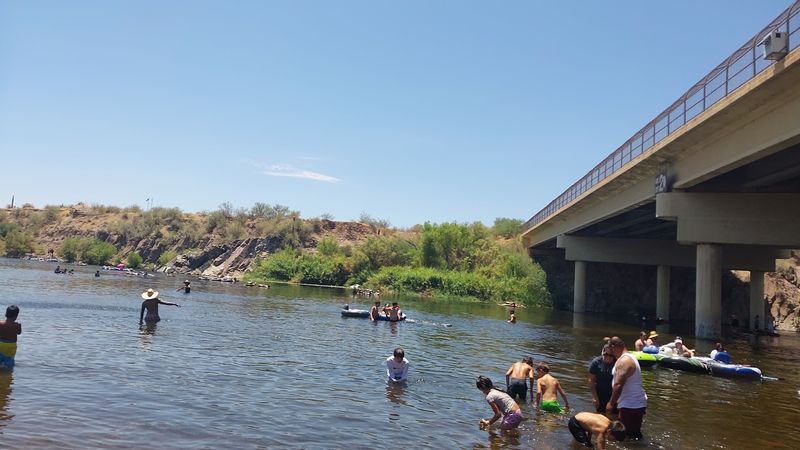
Honestly, the water is the main event. Swimming is probably the most popular activity at Pebble Beach, and the river makes it wonderfully accessible.
Many sections are shallow enough for kids and cautious adults to stand comfortably, while deeper pools offer a refreshing challenge for stronger swimmers. The water temperature during summer months sits at a level that feels genuinely cooling without being cold enough to shock you.
Tubing is where things get especially fun. Pebble Beach serves as a key launch and take-out point for tubers drifting along the Lower Salt River, and local outfitters near the area offer tube rentals and shuttle services if you do not want to manage the logistics yourself.
A two-car strategy, parking one downstream and one at the starting point, works well for independent visitors.
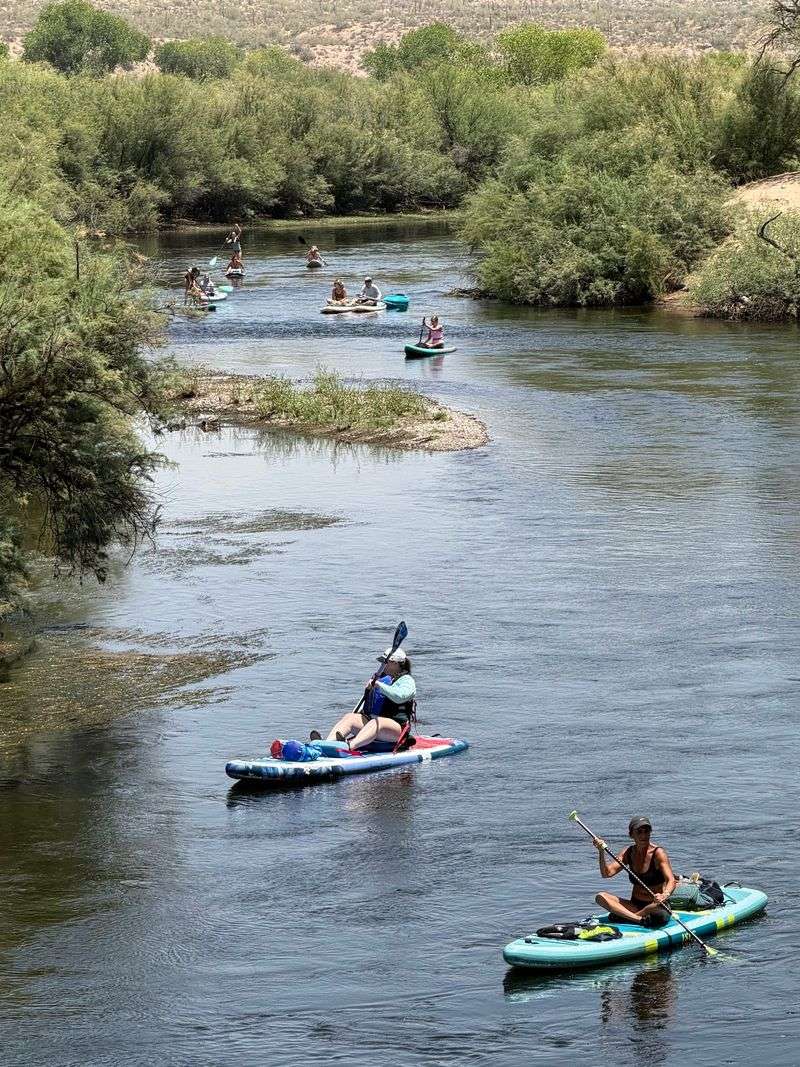
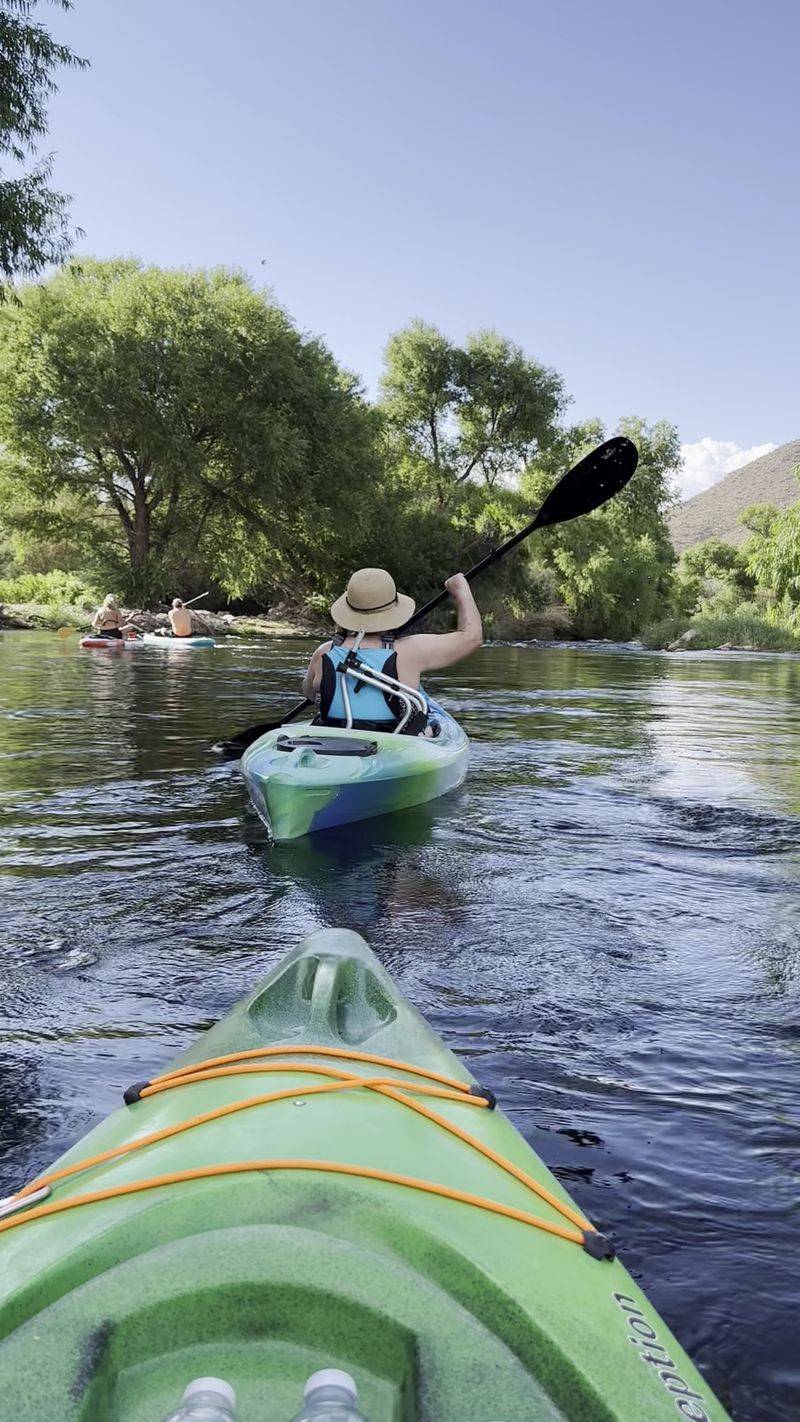
Kayaking and paddleboarding are also popular here, and the relatively calm current makes both activities manageable for beginners. Arriving early on summer weekends gives you the best shot at open water without the crowds pressing in around you.
Wildlife Encounters You Will Not Expect
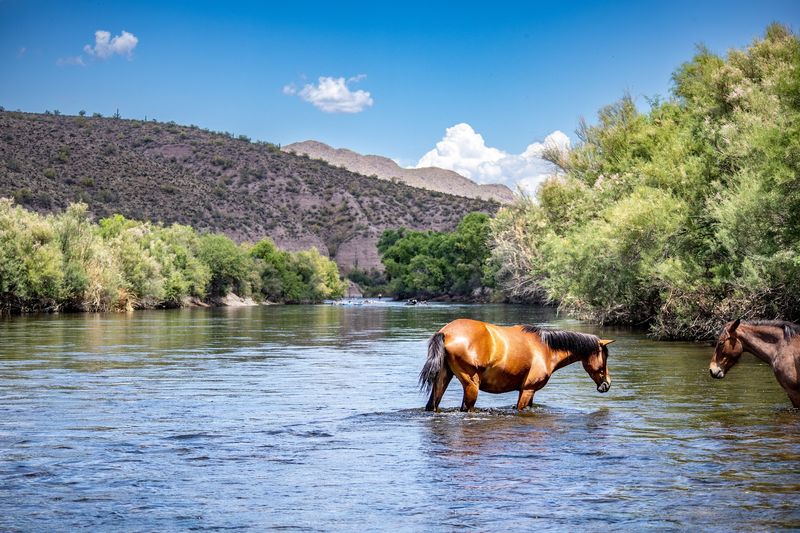
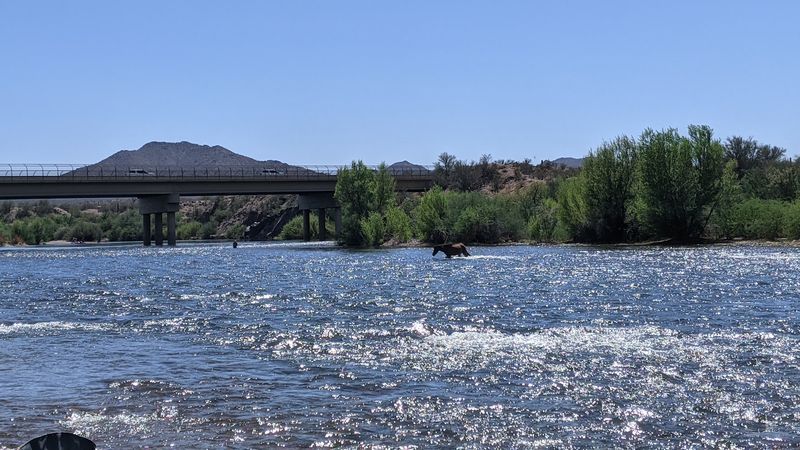
Nothing quite prepares you for the first time you round a bend on the Salt River and spot a group of wild horses standing at the water’s edge. The Lower Salt River is genuinely famous for its free-roaming mustangs, and Pebble Beach is one of the best areas to catch a sighting.
Early morning and late afternoon are your best windows, when the horses tend to move toward the river to drink before the heat of the day peaks.
Beyond the horses, the wildlife list here is surprisingly long. Great blue herons wade in the shallows with remarkable patience. Bald eagles have been spotted soaring overhead during cooler months.
Sonoran mud turtles sun themselves on rocks near the water, and if you scan the banks carefully, you might catch sight of javelinas, coyotes, or even mule deer moving through the brush.
Fish species including desert suckers, bass, and sunfish populate the river as well, making this a rewarding stop for anyone who brings a fishing rod along for the day.
Birdwatching And Quiet Nature Exploration
For visitors who prefer their outdoor experiences on the quieter side, Pebble Beach delivers in ways that rarely get enough attention.
The bird life along this stretch of the Salt River is genuinely impressive, and you do not need to be a dedicated birder to appreciate it. Great blue herons are practically residents here, standing motionless in the shallows for long stretches before striking with surprising speed.
Egrets, ducks, and various migratory species pass through depending on the season, and patient observers have been rewarded with views of bald eagles and great horned owls in the cooler months.
Binoculars are worth packing, though even without them, the birds here tend to stay visible long enough to enjoy properly.
Hiking along the riverbanks also reveals small details that reward slow exploration: the texture of a saguaro’s skin up close, the way light hits the water through a gap in the canyon walls, or the surprisingly musical sound the river makes as it moves over all those smooth pebbles.
This place has layers that reveal themselves only to those who take their time.
Practical Tips For Planning Your Visit
A Tonto Day-Use Pass is required for vehicle entry, and it typically costs between $8 and $12 per vehicle per day. You can purchase one at Tonto National Forest offices, at various local retailers like gas stations, or on-site using a fee machine that accepts debit and credit cards.
America the Beautiful passes are also accepted, which is a great deal if you visit federal recreation areas frequently throughout the year.
The site provides picnic tables, shade ramadas, and vault toilets, but potable water is not available, so bring more than you think you will need. Glass containers are strictly prohibited along the Lower Salt River, and dogs must remain on a leash at all times.
Pebble Beach is a day-use only area, meaning no overnight camping is allowed directly at the site, though nearby Tonto National Forest campgrounds can fill that need.
The site can reach capacity quickly on summer weekends, and when that happens, access is closed until space opens up. Arriving before 8 a.m. on busy days is a genuinely smart move that pays off every time.
Best Times To Visit
Summer, roughly May through September, brings the warmest water temperatures and the most visitors. If swimming and tubing are your main goals, this is the season for you, but plan around the crowds by targeting weekday mornings.
The Arizona sun is no joke by midday, so sunscreen, a wide-brimmed hat, and light breathable clothing are not optional extras; they are essential gear for the trip.
Spring is arguably the most rewarding season for those who want the full sensory experience. Cooler air temperatures, the possibility of wildflowers on the hillsides, and noticeably fewer people at the water’s edge make March through early May a compelling time to visit.
Wildlife activity also tends to be higher during the shoulder seasons, meaning better chances of spotting horses and birds without the summer crowds competing for the same viewpoints.
Autumn offers a similar appeal, with comfortable temperatures and a quieter atmosphere that makes the whole place feel more personal. Whatever time of year you choose, packing out all your trash and following Leave No Trace principles keeps this spot beautiful for every visitor who comes after you.