
The Best Pennsylvania State Park Near Harrisburg For Spotting Winter Wildlife
Red-headed woodpeckers spend the winter in good numbers in one lakeside grove of big oak trees.
That’s a bird with a bright crimson head, hanging out in the cold like it owns the place.
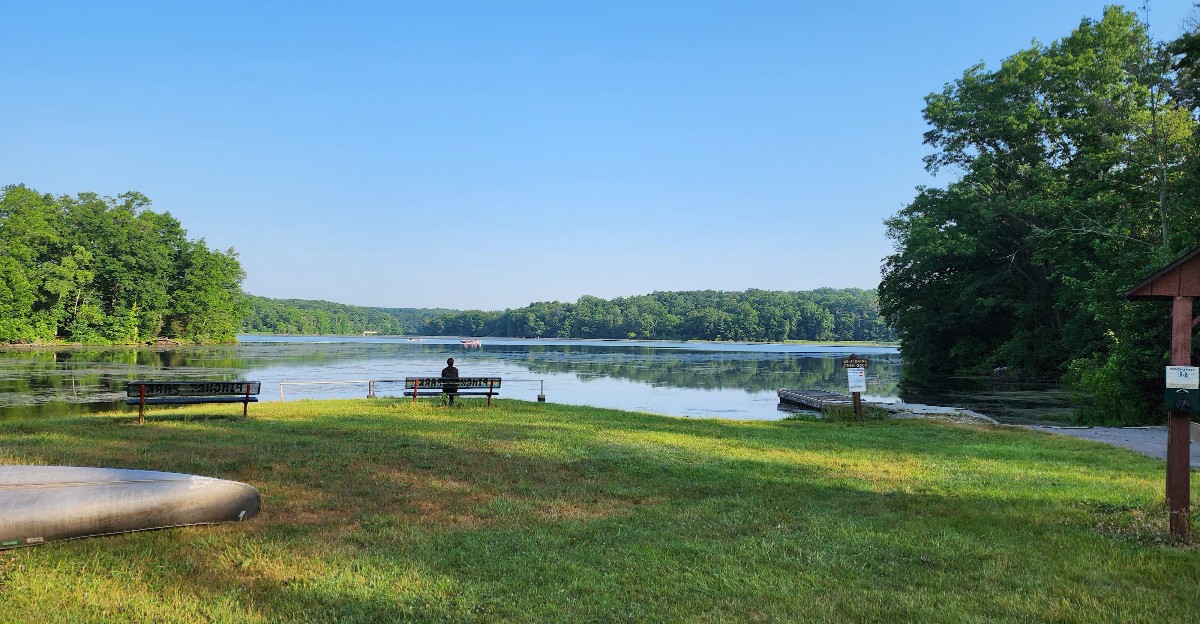
The same park has recorded over 300 bird species. Loons, mergansers, and snow geese drift across a 340-acre lake.
Bald eagles drop by now and then, like celebrity guests who never announce their visits. I like how winter strips the trees bare and turns the woods into one big viewing window.
Fewer leaves mean fewer hiding spots for deer, foxes, and busy little kinglets. This corner of Pennsylvania suddenly feels wide open.
I believe the cold months are this park’s secret season. Most people pack away their hiking boots after fall.
So who gets the best seats for the wildlife show?
A Lake Built For Crowds That Quietly Belongs To The Birds In Winter
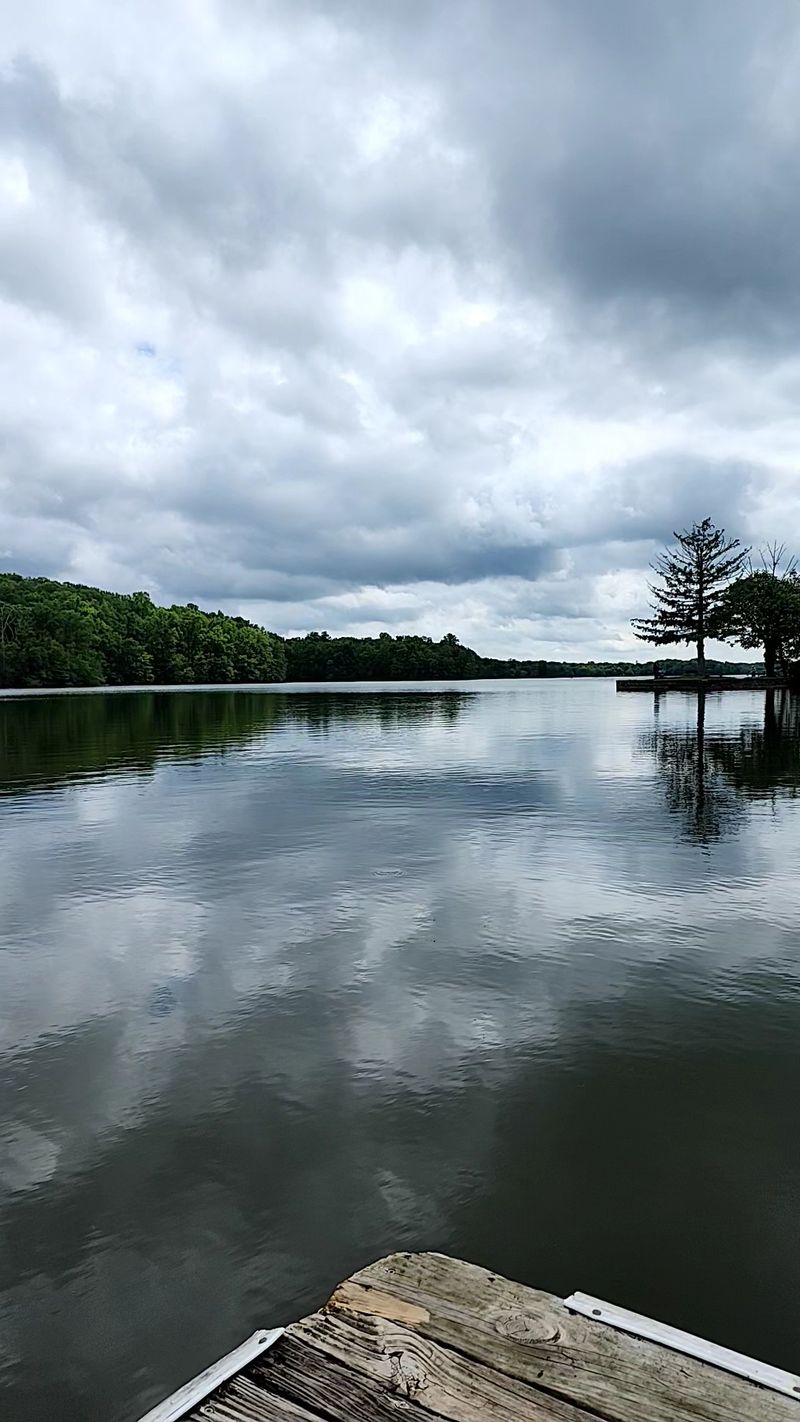
Gifford Pinchot State Park opened in 1961 with a big goal. It was the first Pennsylvania state park designed specifically to serve a metropolitan area.
Planners wanted city folks from Harrisburg and York to have room to breathe. Groundbreaking happened in 1958, and the park grew into 2,338 acres of fields, woods, and water.
Summer brings swimmers, campers, and kayakers. Winter is a different story, because the park tends to be less crowded from October through April.
Fewer people means calmer trails and more relaxed animals. The heart of it all is Pinchot Lake, which covers 340 acres.
Around it, old farm fields are slowly turning back into wild land.
Wooded hillsides rise behind them, giving wildlife plenty of choices for food and shelter.
That mix of habitats is the real reason this place shines for spotting animals. Open fields attract one crowd of creatures.
The forest edges and the water attract others.
The park stays open year-round from 8 a.m. until sunset. So you can drive over on a frosty Saturday morning and enjoy wildlife watching without waiting for spring.
Not bad for a park built with traffic jams in mind.
Bright Red Heads Show Up Where The Oaks Grow Big
Few birds look as dressed up as a Red-headed Woodpecker. The head is a deep, glossy red, and the body flashes bold black and white.
Here’s the fun part. These birds reliably winter in good numbers around the Conewago Day Use Area at Gifford Pinchot State Park.
They often forage in the large oak trees between the lake and the parking area.
That means you might not need to hike far at all. A slow walk from your car toward the water could do the trick.
Keep your eyes on the trunks and upper branches of those oaks.
The park hosts at least seven species of woodpeckers. Winter is a smart season to look for them because bare branches leave them with fewer places to hide.
You can also look for signs of their work, like fresh holes and chipped bark.
Listen as much as you look. Woodpeckers tap and drum, and the sound carries well on a quiet winter morning.
Bring binoculars and some patience. Once you spot that first red head, you’ll probably start scanning every oak in Pennsylvania for the rest of the season.
Grab A Seat At The Bird Blind Where The Feeders Do The Work
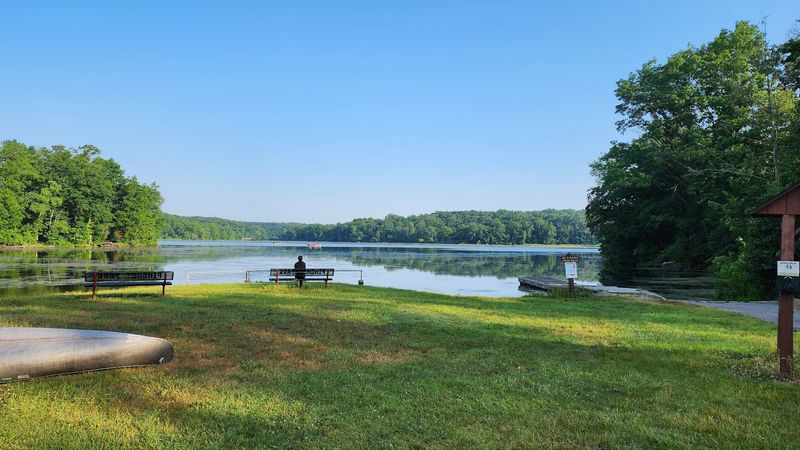
Sometimes the smartest wildlife plan is to sit still and let the animals come to you. The bird blind at the Conewago Day Use Area makes that easy.
During winter, the York Audubon Society maintains feeders near the blind. Those feeders attract plenty of local winter birds looking for an easy meal when food runs low.
A blind works like a hideout for people. You stay tucked behind cover, and the birds go about their business without feeling watched.
It’s basically reality TV, only feathered and far more polite.
This spot is great for beginners and young bird fans. You don’t have to cover miles of trail or move quietly through brush.
Just settle onto the bench and wait for the action.
Bring a simple field guide or a bird app on your phone. Try sketching or listing every species you see.
Kids love turning it into a scavenger hunt.
Dress warmly, though, because sitting still in the cold gets chilly fast. A thermos of hot cocoa never hurts either.
The Conewago Day Use Area also has a restroom open year-round, which makes a long session much more comfortable.
Loons, Mergansers, And Snow Geese Turn The Lake Into A Winter Lounge
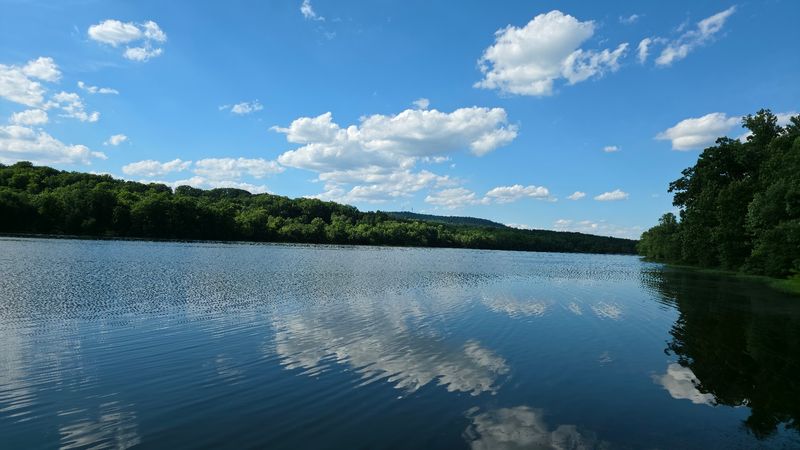
Cold water doesn’t scare off everyone. Pinchot Lake and its nearby wetlands act like a magnet for waterfowl, and winter is prime time to scan the surface.
Mergansers are fun to watch because they dive underwater to chase fish. Mallards are the familiar faces, with males showing off shiny green heads.
Snow geese can appear too, and their white bodies pop against gray water.
Loons also visit the lake. Their sleek shape and low-riding posture make them stand out from the ducks around them.
Spotting one feels like winning a small prize.
Watch the shallow edges for great blue herons. These tall gray birds stand very still, then strike quickly when they spot food.
They move like patient statues with excellent reflexes.
A spotting scope or good binoculars will help a lot here. Waterfowl often float far from shore, especially when people are nearby.
Try different viewpoints around the lake, since birds gather in different coves.
Bald eagles are occasional winter visitors at Gifford Pinchot State Park. So keep glancing at the sky and the tall trees along the shoreline.
You never know who might drop in.
Tiny Birds With Big Personalities Hide Near Boat Mooring Area 2
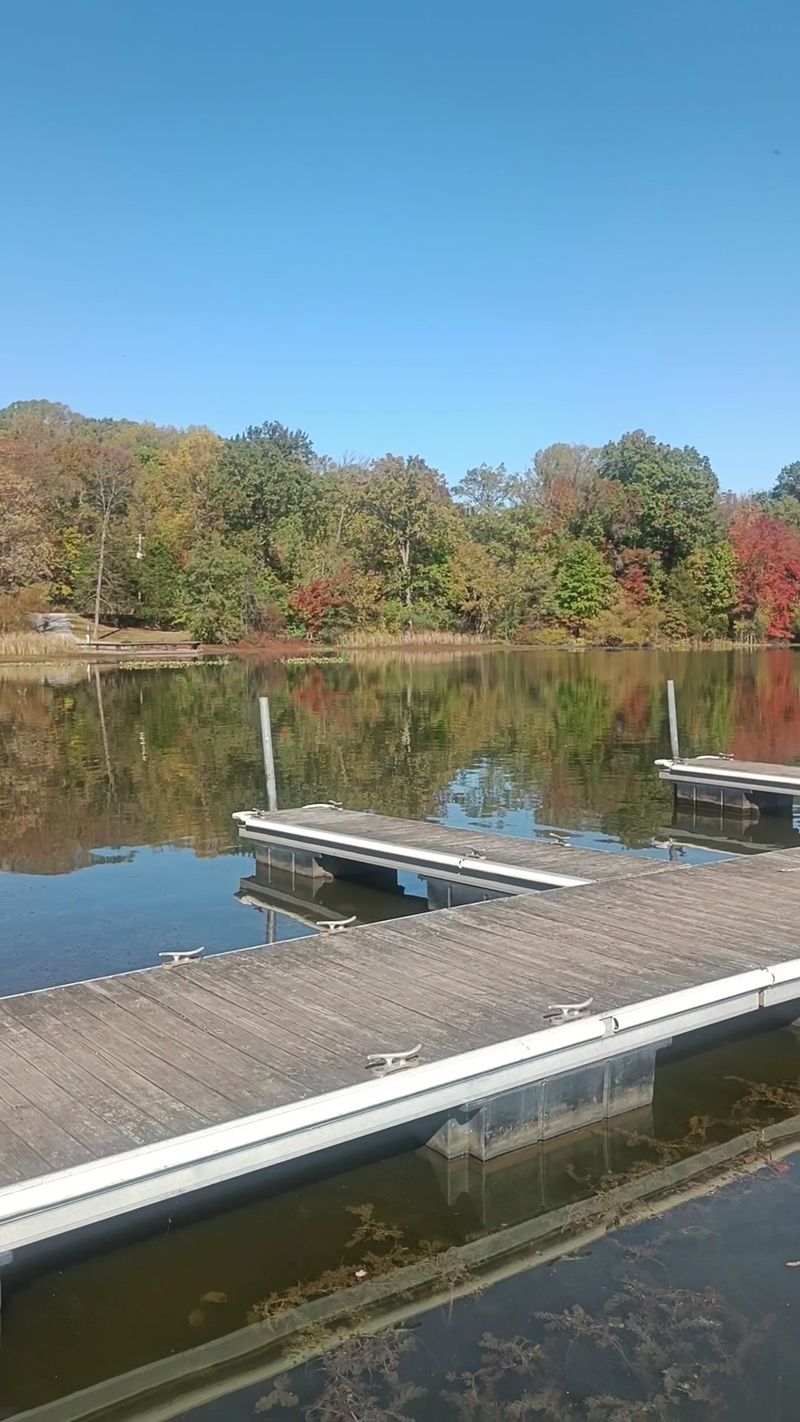
Kinglets weigh about as much as a couple of paper clips. They still manage to survive Pennsylvania winters, flitting through branches like they’ve had too much sugar.
Both kinglet species show up at Gifford Pinchot State Park in colder months. Look for them near Boat Mooring Area #2 and around the cabin area.
Winter Wrens are often found in those same spots.
Winter Wrens are small, round, and brown. They like to creep low through tangles, fallen logs, and brushy cover.
You’ll often hear one before you see it.
Spotting these birds takes a sharp eye and a little patience. They rarely sit still for long.
Watch for quick movement near the ground and in the lower branches.
A pair of binoculars that focuses close is helpful here. These birds can be just a few feet away and still be hard to find.
Move slowly and pause often.
This is a nice challenge after you’ve checked off the easier birds. It makes a winter walk feel like a treasure hunt.
And when you finally see that tiny flash of color, it’s very satisfying.
Bare Woods Make Deer, Foxes, And Coyotes Much Easier To Find
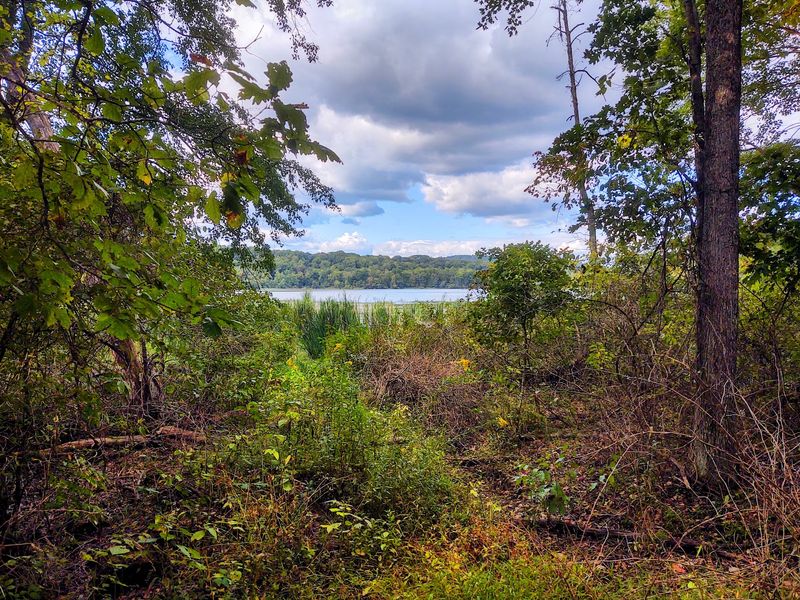
Birds get most of the attention, but the mammals here deserve a spotlight too. White-tailed deer are common, and they’re often seen browsing along forest edges.
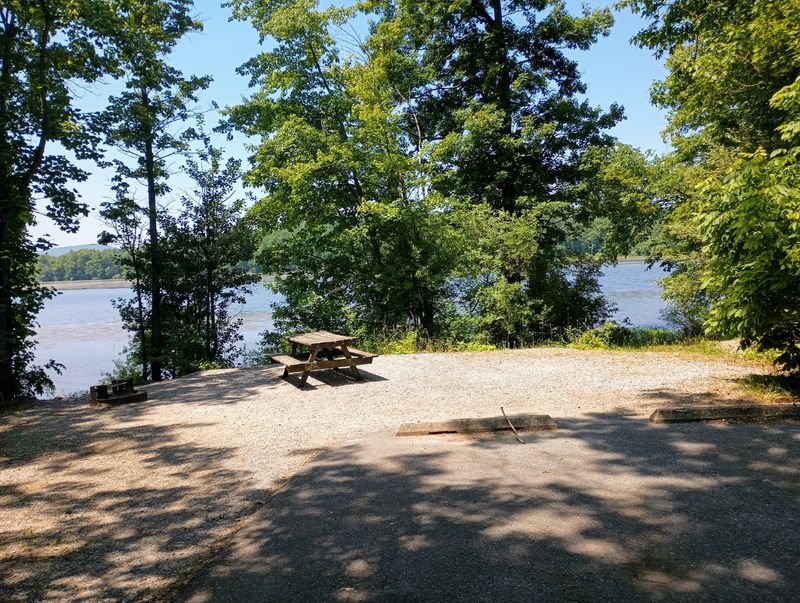
The park’s mix of reverting fields and woods creates lots of those edges. That’s where open land meets tree cover.
Animals like these spots because food and shelter sit side by side.
Eastern cottontails, fox squirrels, and gray foxes also live in the park. Coyotes roam here as well, along with shrews and weasels.
Some of these are shy, so sightings feel extra special.
Winter gives you a big advantage. Leaves are gone, and the undergrowth thins out, so views stretch farther into the woods.
Fresh snow helps too, since it shows tracks clearly.
Try learning a few common tracks before you go. Deer hooves, rabbit hops, and fox prints all look different.
Following them turns a simple hike into detective work.
Look for the gray diabase rock that underlies most of the park. Boulders and outcrops stand out more in winter.
They also make handy landmarks while you search for wildlife.
Eight And A Half Miles Of Lake Views Wait On One Big Loop
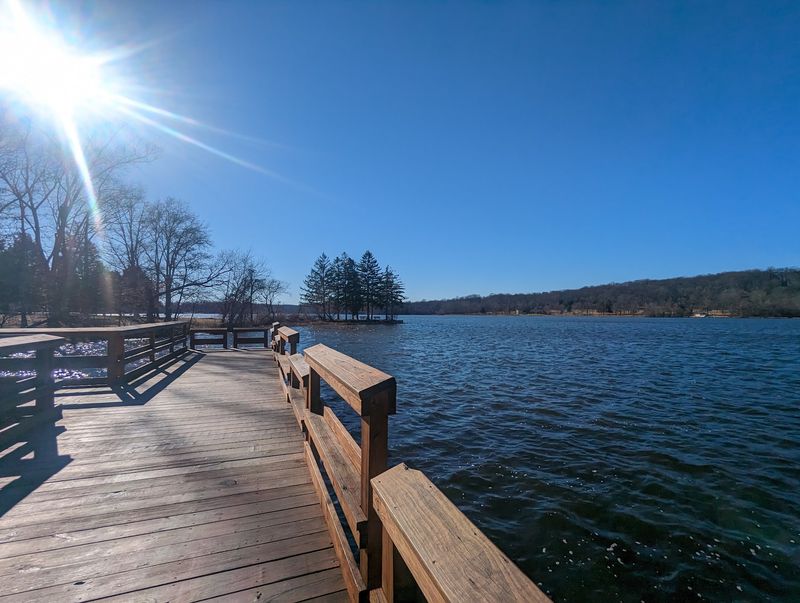
Gifford Pinchot State Park has over 18 miles of marked and maintained trails. The star is the Lakeside Trail, which runs 8.5 miles around Pinchot Lake.
The best part is the scenery. The trail passes through varied terrain, offering beautiful lake views from many sections of the route.
That’s handy when you’re hunting for ducks, herons, and maybe an eagle.
You don’t have to finish the whole loop. Pick a section, walk out, and turn around when your toes say it’s time.
Pennsylvania DCNR rates the full Lakeside Trail as most difficult, with an estimated walking time of five to six hours. Some stretches are relatively easy, but others can be wet, rocky, or challenging.
For a shorter outing, combine portions of the Lakeside Trail with connecting paths such as the Alpine, Gravel, or Oak trails.
Winter hikers should expect slippery spots and some mud after rain or thaws. Waterproof boots are a smart move.
Layers matter too, since lakeside wind can feel sharp.
Leashed dogs are welcome on the trails. That means your four-legged buddy can join the adventure.
Frozen Water Opens Up A Whole Second Park
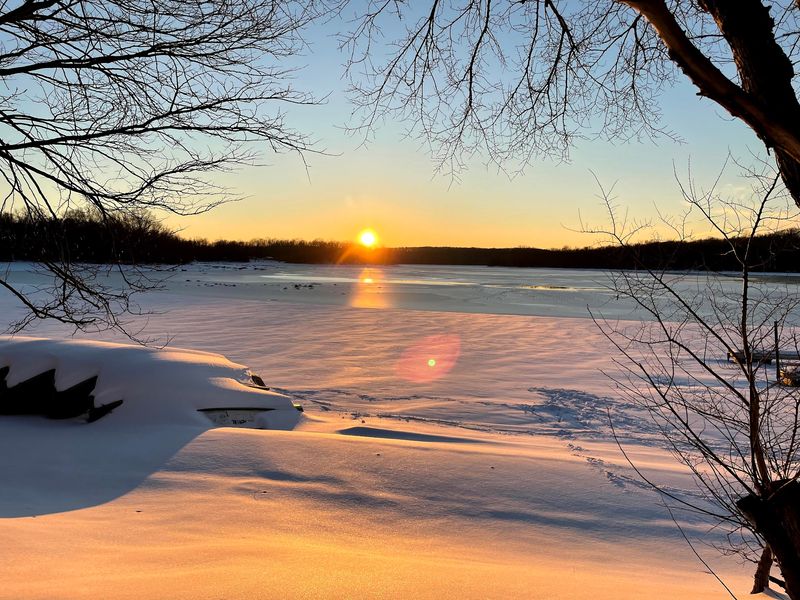
When the lake freezes solid, the fun doesn’t stop. It just moves on top of the water.
Pinchot Lake becomes a spot for ice fishing, ice boating, and ice skating when conditions permit. Ice boating is a true wow moment.
Sail-powered boats zip across the frozen surface on runners.
Ice fishing gives you another reason to sit quietly outdoors. While you wait for a bite, keep an eye on the shoreline.
Birds and mammals don’t stop moving just because you’re busy with a fishing line.
Snow changes the trails too. Many of the park’s paths become cross-country skiing routes when snow depth allows.
Gliding quietly through the woods is a great way to sneak up on wildlife.
Safety comes first, though. Ice thickness can change from day to day, so check conditions with the park before heading out.
Never assume the ice is ready just because it looks frozen.
All of this makes winter in Pennsylvania feel less like a waiting room for spring. It turns the season into its own adventure.
Who knew a frozen lake could be this busy?
Wake Up Lakeside In A Heated Yurt Or Cabin
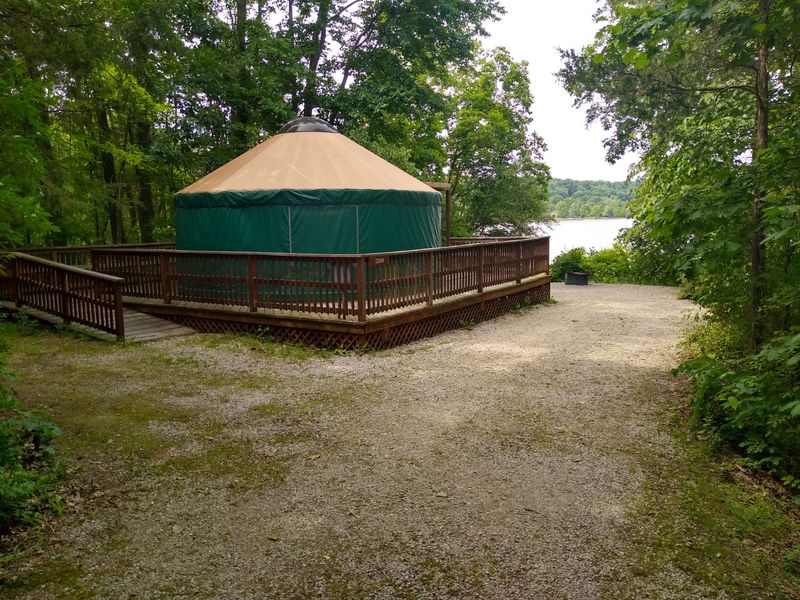
The best wildlife hours are often early morning, right around sunrise. Staying overnight puts you right in the middle of that action.
The modern campground usually runs from April to October. Gifford Pinchot State Park also offers yurts, cabins, and cottages for overnight stays.
Some sit lakeside with waterfront access and include heat and electricity.
Yurts are round, Mongolian-style tents set on wooden decks. Inside, they feature a cooking stove, a refrigerator, and electric heat.
It’s camping with a cozy upgrade.
Check with the park about which lodging is available in winter. Schedules change by season, so plan ahead.
Getting here is easy from Harrisburg or York. The park sits at 2200 Rosstown Rd, Lewisberry, PA 17339, in northern York County.
It’s along PA 177 between Rossville and Lewisberry.
The park honors Gifford Pinchot, the first chief of the U.S. Forest Service and a former Pennsylvania governor.
A man who fought to protect forests would probably love seeing families watching birds from a frosty porch. Pack your binoculars and a warm hat, and let the morning show begin.