
The Breathtaking National Park In Michigan That Looks Straight Out Of A Dream
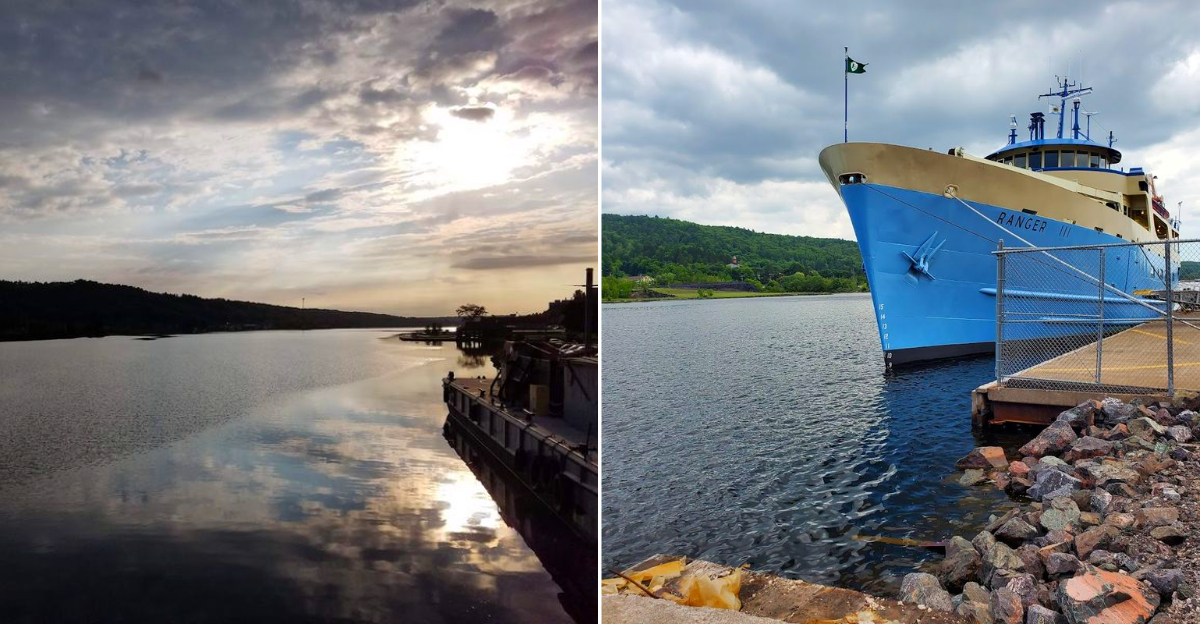
If you aren’t currently standing on the Houghton waterfront, letting the scent of Lake Superior’s “cold promise” recalibrate your entire nervous system, you are missing the greatest vanishing act in the Midwest.
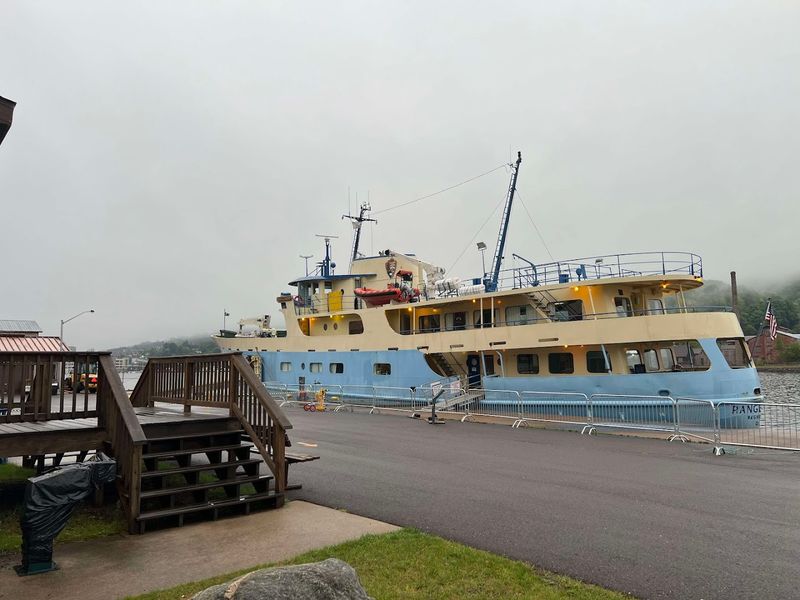
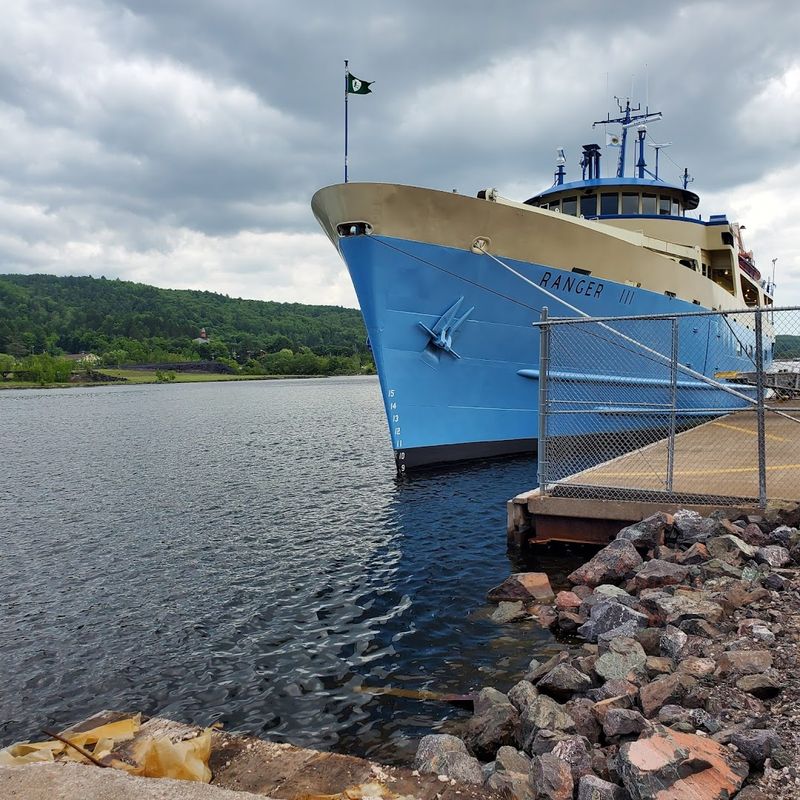
I’m completely obsessed with the way the Ranger III acts as a slow-motion portal, peeling away your emails and errands until only the basalt, the spruce, and the weather remain.
Pristine wilderness hiking and Lake Superior backcountry camping in Michigan offer the ultimate off-the-grid adventure for serious national park travelers. You really need to hear a loon call at midnight to understand why “quiet” is a physical presence here, not just a lack of noise.
I have some very loud opinions about moving thoughtfully through these trails; the island has a way of rewarding the unhurried with views that feel like they were invented just for you.
I’ve personally decoded the ferry logistics and the gear essentials so you can navigate the “no-theatrics” wilderness like a seasoned islander.
Start At The Houghton Visitor Center
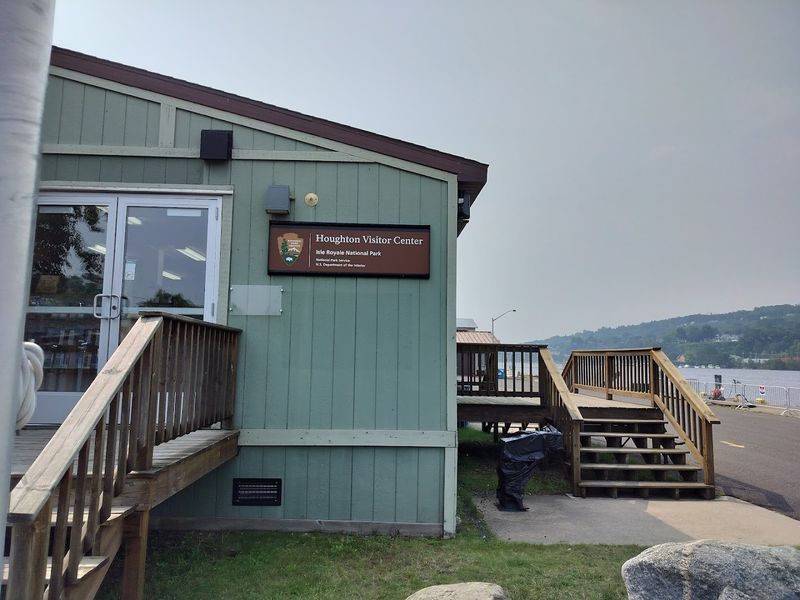
Begin your Isle Royale trip on the mainland at the Houghton Visitor Center, where lake air smells faintly metallic and hopeful. This is headquarters for permits, last questions, and that short orientation film that tightens your plans. Staff post seasonal hours, and winter closure runs November through March, so verify before driving far.
You can browse maps, pick up a Greenstone Ridge overview, and ask about campsite capacities on busy weeks. If the Ranger III is boarding, expect a hum of duffels and calm, practiced rangers issuing permits.
Parking is straightforward, restrooms are clean, and the waterfront path offers a last quiet look at the canal before open water. Grab stamps early, since hours shrink outside peak sailing days often.
Into The Superior Wilderness
Reaching Isle Royale National Park requires a deliberate transition from the mainland at 800 E Lakeshore Dr, Houghton, Michigan 49931, where the Ranger III ferry prepares for its voyage.
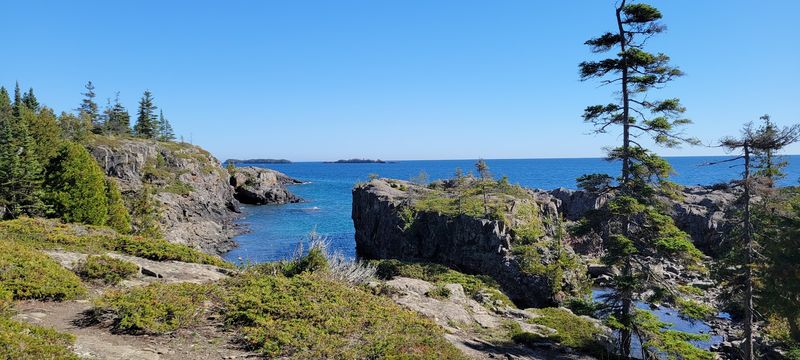
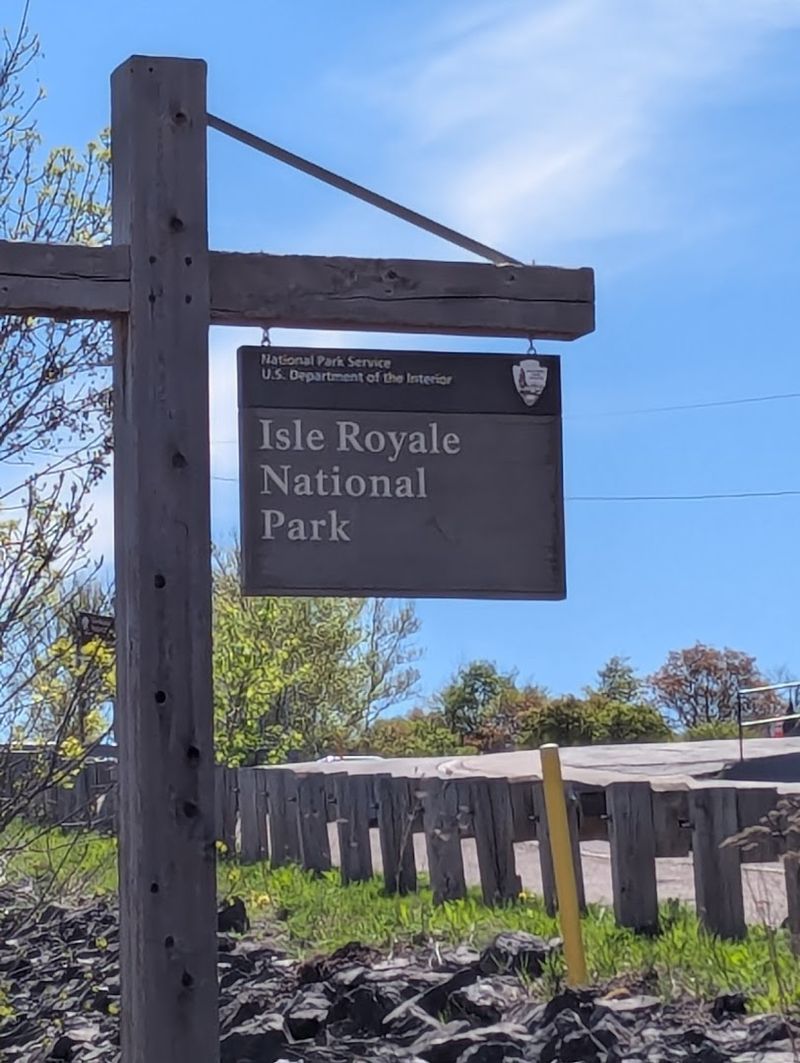
The destination is a rugged archipelago addressed at Isle Royale National Park, Houghton, MI 49931, where ancient volcanic ridges and dense boreal forests dominate the landscape.
Once you arrive at the address, your experience is dictated by the rhythms of the backcountry and the movement of the island’s famous moose and wolf populations.
Tuning Your Itinerary To The Island’s Pace
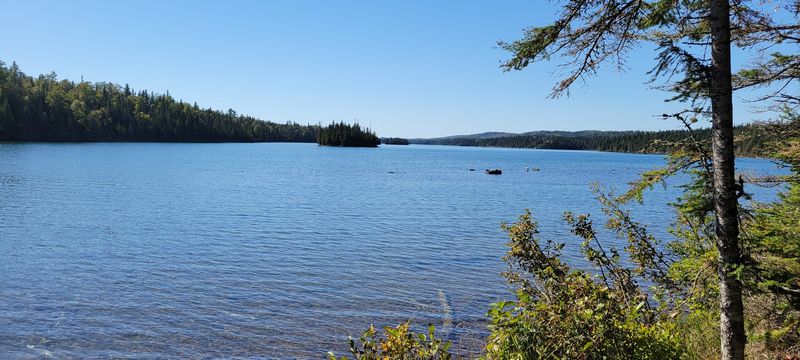
Isle Royale rewards an itinerary that breathes a little. Distances look short on a map, yet rocky tread and frequent photo pauses slow even experienced hikers. The Greenstone’s long spines, spongy bog boards, and moose detours all nibble at daylight.
Plan conservatively, then add a cushion for weather, ferry timing, and side trails to lookouts. Campgrounds can fill in peak weeks, so arrive early or keep a secondary destination in mind.
I learned to schedule one soft day, which becomes treasure when loons, light, and simple tired joy ask for lingering. Leave room for Windigo’s quiet harbor, Rock Harbor’s coves, and spur paths that glow at golden hour. Your best memories rarely match rigid plans anyway on this patient island.
Greenstone Ridge Trail Realities
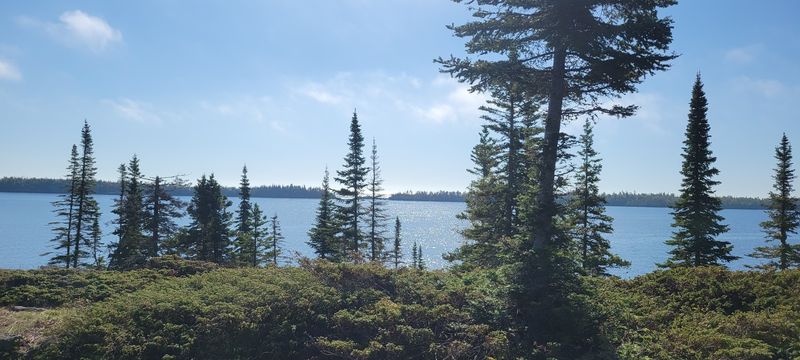
The Greenstone is the island’s backbone, a rolling ribbon of basalt knobs and breezy views. Sections feel airy, then dip into spruce shade where scents sharpen like cedar and rain. Caribou moss brightens boulders, and warblers stitch tiny songs through the canopy.
Expect slow progress on roots, rock steps, and exposed stretches that drink sun. Water sources are reliable near camp areas, but carry enough between points. Trekking poles earn their keep here, and I found a lightweight bug net priceless during hatching weeks when patience wears thin faster than boot soles.
Start early for cooler miles, longer views, and fewer conversations at overlooks. Clouds build quickly, so stash a shell where you can reach it fast in changing weather.
Moose, Wolves, And Quiet Wildlife Etiquette

Isle Royale’s headline residents are moose and wolves, subjects of one of North America’s longest predator prey studies. You will most likely see moose, especially near ponds at dawn or dusk. Wolves are elusive, and hearing them is rarer than any photograph.
Give animals distance, step off quietly if a cow and calf appear, and never crowd for angles. Salt on gear attracts curious licks, so hang items and keep camps tidy.
I stopped using flavored wipes here, because moose noses are better than locks and patience keeps everyone safer. Use a red light at night, whisper at boardwalks, and let binoculars do the approaching. Report notable sightings to rangers during checkouts so research records stay strong for the island.
Rock Harbor Vs Windigo: Choosing a Gateway
Rock Harbor greets many first timers with a marina feel, snack counter in season, and trailheads pointing toward Scoville Point and Tobin Harbor. Windigo, on the west end, feels sleepier, forested, and poised for Feldtmann and Huginnin loops. Both offer shelters, water, and ranger talks when schedules permit.
Pick your entry based on miles you want, ferry options, and temperament. Rock Harbor suits first days with easy shoreline rambles and quick scenery.
I prefer arriving at Windigo when seeking quiet, because early miles into balsam shade reset noise levels gently and you can pivot routes if crowds concentrate elsewhere. Both have small stores in season, but supplies vanish fast, so plan accordingly and confirm hours before banking on specific items.
Shelters, Camps, And Leave No Trace
Along popular shore sites, three sided shelters line up like weathered notebooks, each framing its own water view. They are first come, first served, and cannot be reserved. Tents still matter, because shelters fill and inland campgrounds rely on traditional pads.
Cook at designated areas, strain dishwater, and scatter gray water far from shorelines. Fires are limited to certain locations, so check maps and signs closely. I carry a tiny painter’s cloth for quick picnic shade, which doubles as a leave no trace ground sheet and keeps crumbs contained for easy packing.
Arrive respectfully, greet neighbors, and share space without broadcasting your itinerary. Quiet travel preserves the island’s gift of solitude for the next sunrise and the one after it too.
Water, Weather, And Lake Superior’s Mood
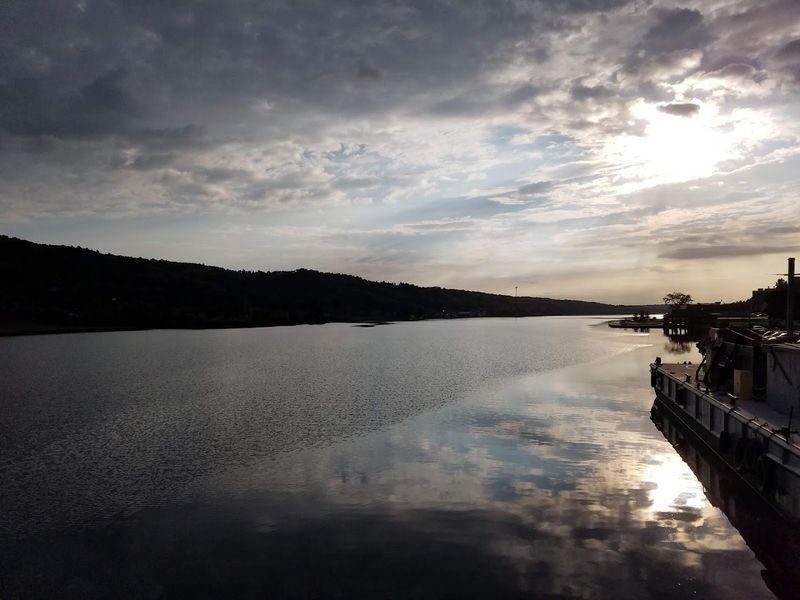
Superior writes the rules here, from chilly surface temps to sudden fog swallowing shorelines. Even midsummer mornings can bite, and afternoon sun will not promise warmth once wind shifts north. Filter every drop, and remember that tannin stained sources still hydrate perfectly.
Rain gear earns a permanent top layer spot, with a fleece ready below. Weather radios or updated forecasts at ranger stations help you dodge gales. I stash a storm hat, thin gloves, and spare socks, because nothing fixes morale faster than dry hands when slick boardwalks meet sideways rain.
Sun breaks feel celestial, so carry sunscreen even when skies look stubborn. Shade can still burn beside reflective water and white quartzite beaches on surprisingly cool lengthy days.
Historical Echoes: Fisheries And Lighthouses
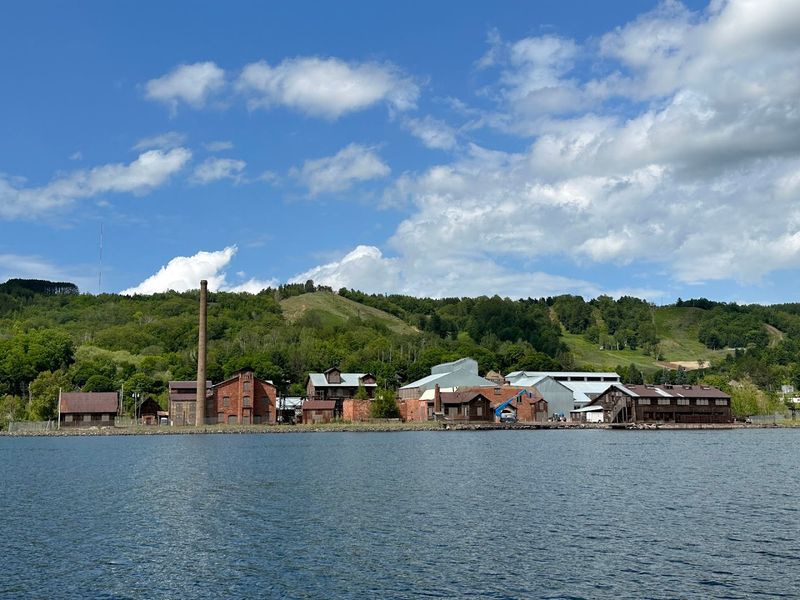
Weathered fish houses, net reels, and dock pilings speak quietly about lives shaped by Superior before the park designation. The Rock Harbor Lighthouse and the island’s fishery exhibits sketch a working timeline without sentimentality. You can trace tool marks and practical improvisations in every board.
Read signs, notice the simple rooflines, and consider winter’s weight on these structures. Preservation here depends on restraint, so stay on paths and resist touching artifacts.
I like to stand still long enough to hear halyards slap, then leave the scene undisturbed, letting craft and weather continue their long conversation. Ranger talks add context, linking family names, trade routes, and shipwreck stories. You walk away seeing shoreline coves as workplaces rather than postcards in memory.
Shoulder Seasons And Bugs
May brings ice ghosts on shaded ponds and long light that teases before services are fully awake. September trades fireweed for crisp air and suddenly empty trails. Spring can host black flies, while mid summer favors mosquitoes with inexhaustible charity.
Head nets, light gloves, and patient smiles transform days, and windy points become favorites. Treat clothing, pitch tight, and avoid perfumed products when insects are hearty. I carry a small postcard to swat curiosity gently on maps, mostly to amuse tired friends when the evening chorus reaches comedic levels.
Shoulder months also reward photographers with slanted light, cool haze, and polished reflections. Just remember boats reduce schedules early and late, so confirm transportation windows before building ambitious point to point.
Navigation, Safety, And Communication
Cell signals fade quickly beyond harbors, and weather can cancel rides without apology. Paper maps and a compass remain elegant and reliable, especially when fog wraps the higher ridges. Trail junction signs are clear yet spaced broadly enough to reward attention.
Share plans, carry a whistle, and keep an eye on time gaps caused by photo pauses. Water shoes help on slick landings, and basic first aid solves most trail troubles.
I like to note bailout options near camp clusters, which turns problems into detours rather than stories that end poorly. Download charts or GPX ahead of service, but trust your senses first. Calm decisions travel farther than speed when Superior changes the script out on ridges or shorelines.