
The California Restaurant You Will Need A Game Plan To Reserve In 2026

Trying to get a table at this California restaurant in 2026 is basically a competitive sport. And yes, I barely made it.
Think of a place where every seat feels like a golden ticket, every dish looks like it belongs on a magazine cover, and the line of hopeful diners could give Times Square a run for its money.
Reservations vanish faster than free samples at a food festival, and showing up unplanned? Forget it. By the time I finally snagged a spot, it felt like winning a tiny, delicious lottery.
If 2026 is the year to taste California at its absolute peak, this is the spot that demands a game plan, patience, and maybe a little bit of luck.
The Reservation Game Plan That Actually Worked
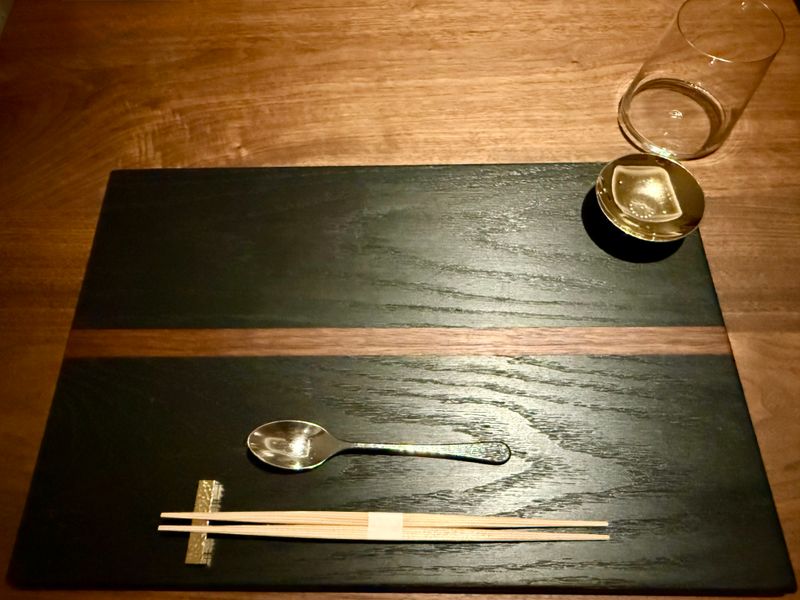
Here is exactly how I got in, because you deserve the win. The quiet, zen-fronted restaurant named n/naka sits at 3455 S Overland Ave, Los Angeles, CA 90034, and getting a seat there felt like trying to book the final rocket to the moon.
I treated the process like concert tickets, with calendar alerts, backups, and a shameless pep talk to my thumbs.
The booking window released spots precisely two months out, so I set alarms for five minutes prior, one minute prior, and on the dot. I refreshed calmly at first, then with athletic determination, aiming for a midweek slot because weekends vanished like a magic trick.
When my first choice evaporated, I pivoted quickly to a later time, accepted it, then watched returns for a week to nudge it earlier.
Flexibility was the hidden sauce. I checked alternative party sizes, stayed open to a late seating, and revisited the page at odd hours when cancellations quietly surfaced.
I also made a short, sincere note in the booking about celebrating a personal milestone, not as a bribe, but as context that sometimes aligns with openings.
Confirmation in hand, I set reminders to reconfirm and reviewed dietary notes carefully, because this tasting menu hums when you meet it halfway. On the day, I arrived early, centered, phone tucked away, appetite tuned to curiosity.
The door opened, the dining room breathed softly, and the rest of the evening unfolded like a well-kept secret gently shared.
If you try this, plan with intention, then surrender to the flow. Prioritize midweek, be nimble, and refresh with kindness to yourself.
There are fewer seats than hopeful hearts, but yours can be the one that lands. And when you finally sit, you will taste the victory in the first whisper of umami.
Kaiseki, But Make It California
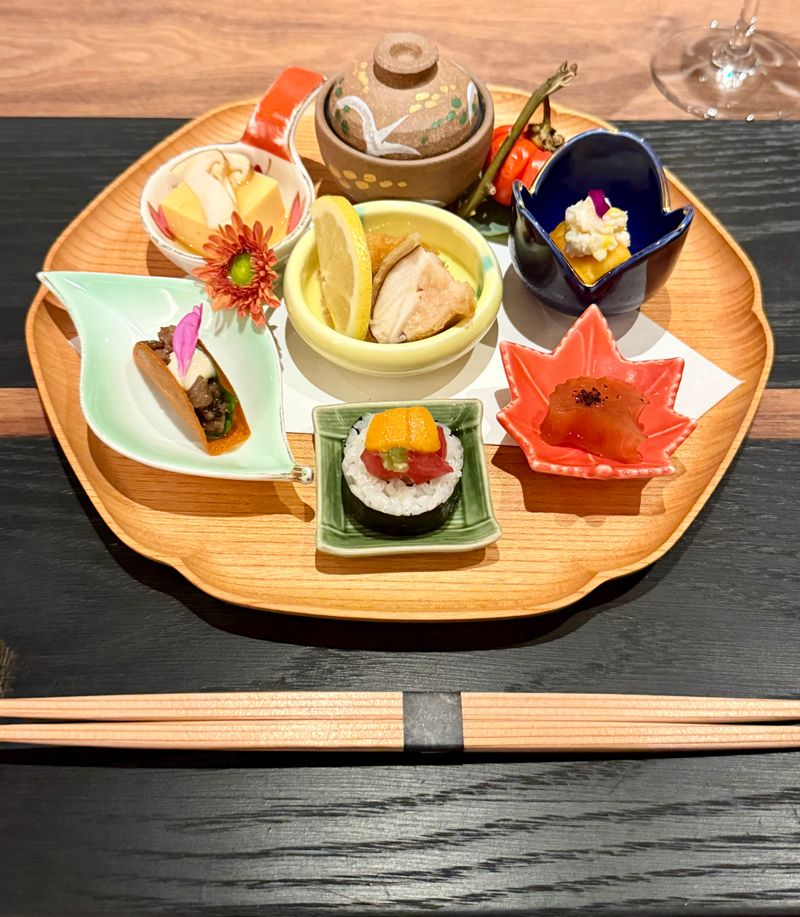
I settled into the calm and felt the menu move like a story told in chapters, each page turned with patience. Kaiseki is a structure, but at n/naka it breathes with California air, bright and sunny without losing that deep, reverent hush.
The cadence surprised me, even though I thought I knew what to expect.
There was an opening note that tasted like a doorway being slid open, delicate but confident. A chilled bite that coaxed rather than announced, followed by sashimi so clean it felt like listening to a clear piano note.
Then a simmered course, where heat met restraint and the broth finished in a small, thoughtful bow.
Vegetables here are not supporting characters. They lead scenes, pivot moods, and sometimes steal the show.
A root, shaved and lacquered, tasted like a memory of rain, a leaf, warmed and brushed with something nutty, folded into the next course like a whispered hint.
Everything spoke to season without shouting it. A grilled piece of fish wore smoke as a jacket, not a costume, and the rice near the end felt like a grounding hug.
I realized I was eating with attention, not just hunger. The harmony here is not about big flourishes, but about care layered carefully over time.
You leave with a sense that restraint is not absence, it is intention. And that intention makes every small detail land like a quiet truth.
The Art Of Sashimi That Changed My Pace
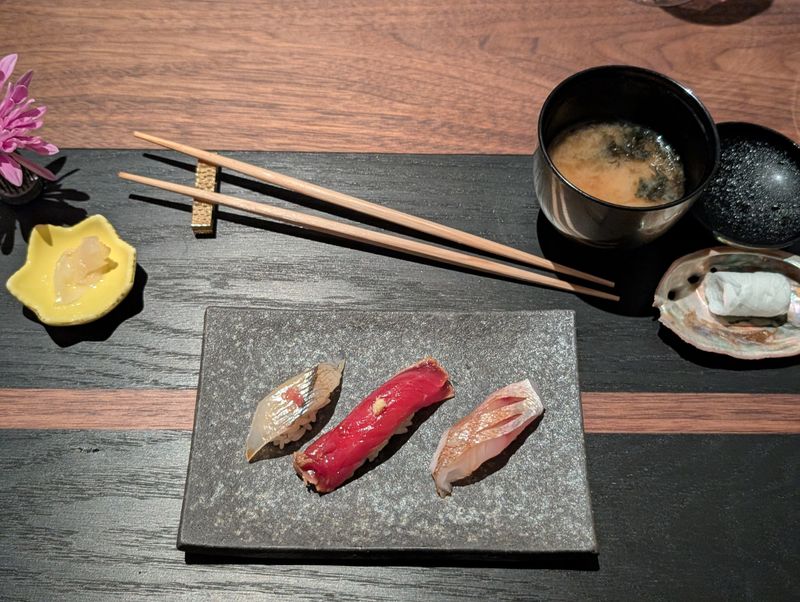
The sashimi course arrived like a still lake at dawn, and I instinctively slowed down. Cuts sat on cool porcelain, glossed lightly, each with its own posture and quiet confidence.
I noticed how the garnishes didn’t compete, they gestured.
A deep, clean slice melted with a sea sweetness that didn’t push, it persisted. Another leaned richer, edged by a brush of citrus that dialed the moment into focus.
The knife work was a sermon in straight lines and the softest edges, and I felt my shoulders drop.
What I loved most was how each piece was a complete sentence. No over-decoration, no clever distraction, just precise flavor framed by temperature and texture.
A dab of wasabi wasn’t heat, it was punctuation, neat and necessary.
I let the fish lead and my palate followed. There was a subtle sway from lean to lush, from ocean-high to tide-low, guided by a rhythm I didn’t want to interrupt.
I tasted quietly and realized quiet is a taste too.
People talk about freshness like it’s a single idea, but here freshness had movement. It felt like brine, breeze, and time, curated and delivered at the exact second it wanted to be known.
I left that course changed, not louder, but tuned, and there is power in that kind of recalibration.
Vegetable Courses That Refused To Be Sidekicks
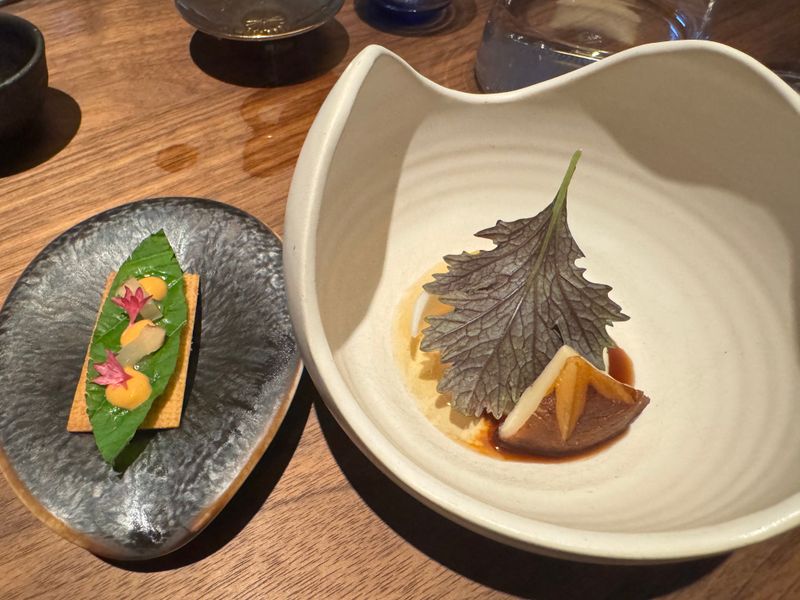
Somewhere mid-menu, vegetables walked to center stage and never stepped back. A petite composition of roots, stems, and leaves read like a botanical sonnet, color-blocked and careful.
I took a bite and tasted patience, the kind that comes from understanding a carrot’s calendar and a farmer’s dawn.
One plate leaned green and mineral, with a wash of dashi that framed rather than flooded. Another brought roasted depth, rounded and cozy, exhaling sweetness with a faint, toasty sigh.
A crisp element snapped through the warmth like good advice.
What struck me was how clearly the kitchen trusted produce. There was no chasing meatiness or pretending to be something else.
Texture was handled like choreography, every crunch and velvet note timed to step together.
Season here isn’t a buzzword, it’s the rulebook. You can feel the kitchen listening to the calendar, plating a day, not a trend.
Citrus brightened like a lamp in the right corner, and a little bitterness showed up as honest balance.
By the end of the course arc, I had that quiet grin reserved for plot twists that make complete sense. If you think vegetables are supporting cast, these plates will change your casting map.
It felt generous, not didactic, and delicious without grandstanding. That is a rare trick, and it landed with grace.
Handmade Pasta Meets Japanese Precision
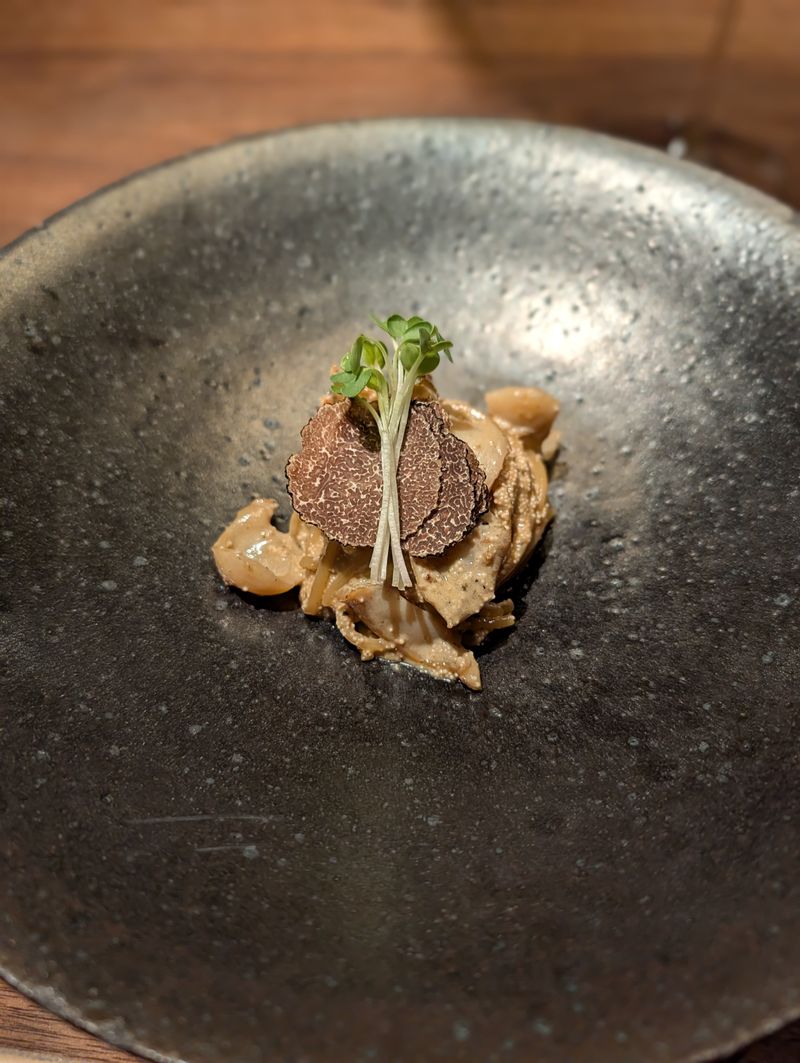
When it was time for pasta, I did a tiny double take, because it felt like a wink from Los Angeles itself. A supple ribbon carried umami like a secret, with sauce that clung in a whisper rather than a hug.
The bite was tuned, resilient without pushback, as if each strand had a metronome.
There was a seafood accent that moved like a tide through the noodles, calibrated and calm. Nothing shouted, yet everything connected, the way a good chorus line supports a lead.
I kept nodding slowly, because the flavors told the same story in three languages and somehow stayed unconfused.
Texture did the heavy lifting here. A light gloss kept things buoyant, while salt and depth played measured notes.
It reminded me that comfort can be precise, and precision can be deeply comforting.
Italian form, Japanese sensibility, California ingredients, all doing their jobs without elbowing each other. I finished the last bite almost reluctantly, like closing a great chapter you want to reread immediately.
If you go, lean into the surprise. It is not fusion for show, it is fluency.
You taste fluency like you hear pitch, and once you notice it, you cannot unhear it.
That is the kind of pasta that stays with you on the drive home.
The Rice, The Broth, The Quiet Finale
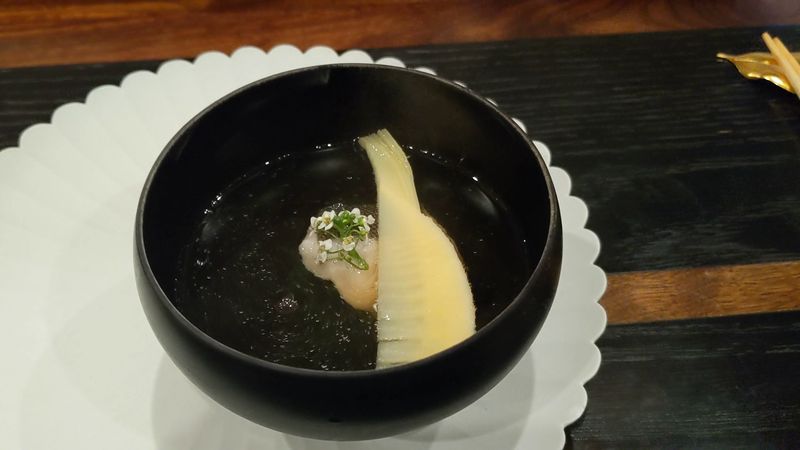
Near the end, a rice course came with the humility of a closing line that carries the whole poem. The bowl looked simple, which is the oldest trick in the book for hiding a thousand tiny decisions.
Steam rose, fragrant and discreet, and I felt my appetite settle into gratitude.
Pickles played the bright counterpoint, sharp enough to sketch edges around the starch. A clear broth moved in like a benediction, not heavy, not flashy, just right.
Each spoonful reset the palate and reminded me why minimalism demands the most skill.
The texture of the rice did not waver. Every grain stood up for itself without turning stubborn, which felt like a small miracle of timing.
Heat stayed in the pocket, and the seasoning felt inevitable rather than added.
I have chased finales that crash cymbals, but this one bowed. The quiet let the evening’s earlier melodies echo back, fuller and clearer.
It takes confidence to land softly and still make a point.
By the time dessert drifted in, I felt calmly anchored. The finale did not ask for applause, it offered closure.
That is the difference between ending and finishing, and I left that table feeling finished in the best possible way.
How To Leave With A Story, Not Just A Bill

Walking out, I didn’t feel full in the predictable way. I felt threaded together, like a playlist had been arranged just for that night and would only sound like that once.
The street air had a cool edge, and the glow from the dining room trailed me to the curb.
If you are planning a 2026 visit, bring attention and a small sense of ceremony. Confirm details, arrive a touch early, and trust the pacing that the room suggests.
Curiosity is the best accessory here, more useful than any formal outfit.
On the ride home, I kept replaying small moments. The turn of a garnish, the restrained arc from brightness to depth, the comfort of rice after precision’s high wire.
Every detail stitched into something more lasting than a headline.
And that is the secret. A great meal does not bark, it hums, and the hum stays with you longer than a shout.
You leave with a story because the night cared enough to become one.
So make your plan, be kind to your future self, and go in ready to listen with your palate. You will come away with something you cannot photograph fully, which is exactly the point.
Once you finally score that table, you’ll see which chapter becomes your favorite line. Every bite and moment will make it unforgettable.