
The Charming Illinois Town That’s So Picture-Perfect, You Won’t Believe It’s Real
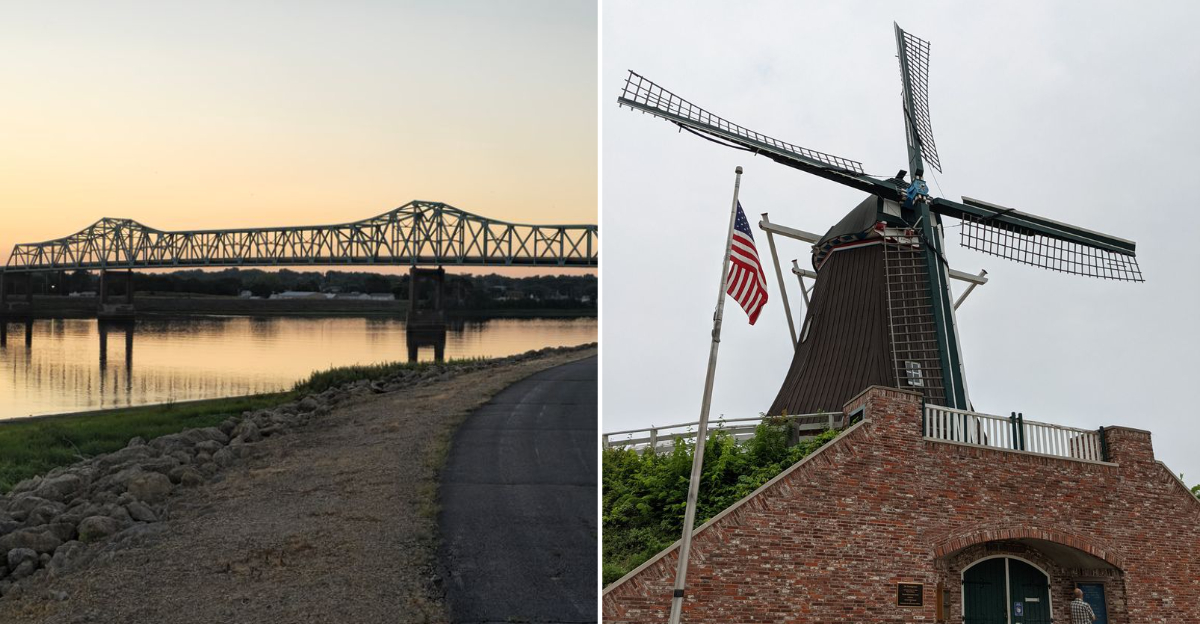
A shimmer of river light appears first, catching on a slow bend of the Mississippi before anything else comes into focus. Then the silhouette rises, a working windmill, tall and improbable, its blades turning above the levee like something borrowed from another continent.
Fulton, Illinois carries itself with quiet assurance. Streets slope gently toward the water, lined with brick storefronts that seem to expect a camera but never demand one.
Porch conversations drift through the air. Gulls circle overhead. Fresh-cut grass sweetens the breeze. Nothing rushes, yet nothing feels sleepy.
The rhythm is simply unforced, as if the town settled comfortably into its setting long ago. By the time sunlight scatters across the river’s surface, the urge to keep walking arrives naturally, one slow block leading to another, the day stretching open ahead.
De Immigrant Windmill
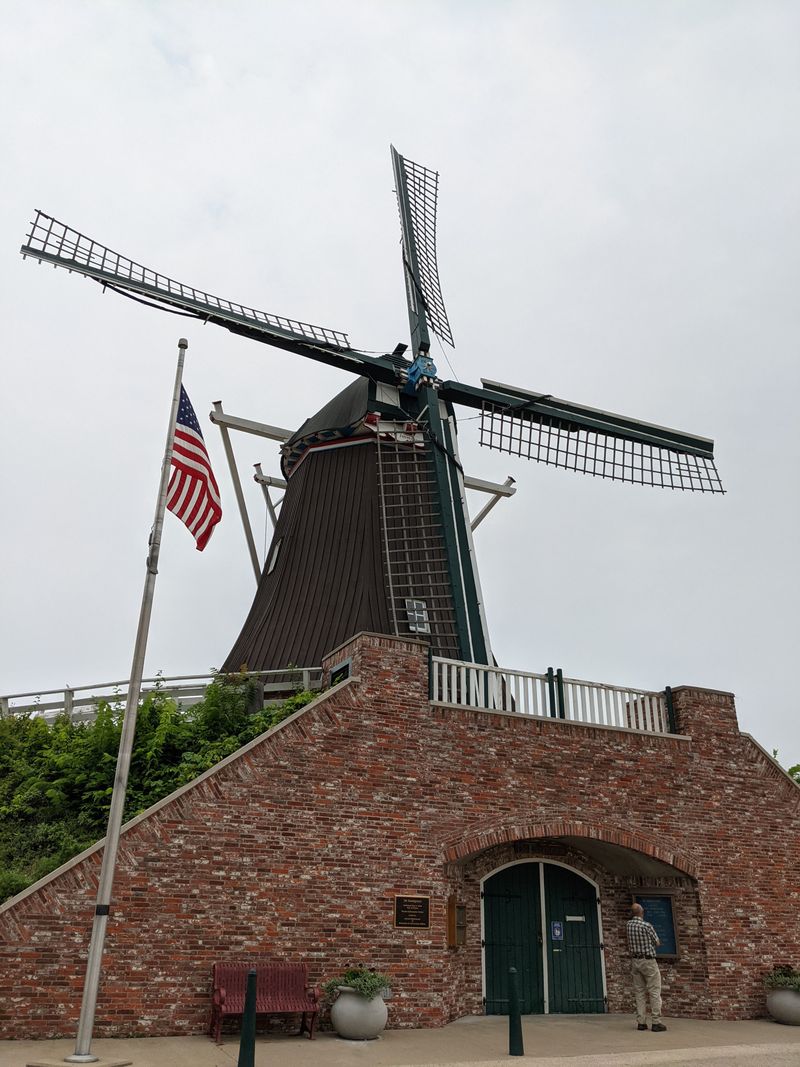
The big moment comes when the De Immigrant windmill appears above the levee like a storybook illustration. Its sails frame the Mississippi, and the scent of grain drifts from the mill when volunteers run it.
You can step inside the Windmill Cultural Center across the street to see exhibits, watch demonstrations, and pick up flour milled right here in town.
Hours shift with seasons, so late morning to afternoon is your best bet. Admission is typically free with donations appreciated, and you can bring cash for flour, postcards, or small souvenirs.
Parking is easy along the riverfront, with a paved path that is smooth for strollers and wheelchairs.
Climb a short flight of stairs for elevated views, or stay at ground level where paved paths make the riverfront easy to enjoy. Docents keep the vibe light, tossing in Dutch trivia and practical tips like wind direction days.
Visit on a bright, breezy afternoon to see the sails turn, then linger for sunset colors on the river. It is the kind of wow that sneaks up on you and lingers, almost like the wind itself.
Heritage Canyon
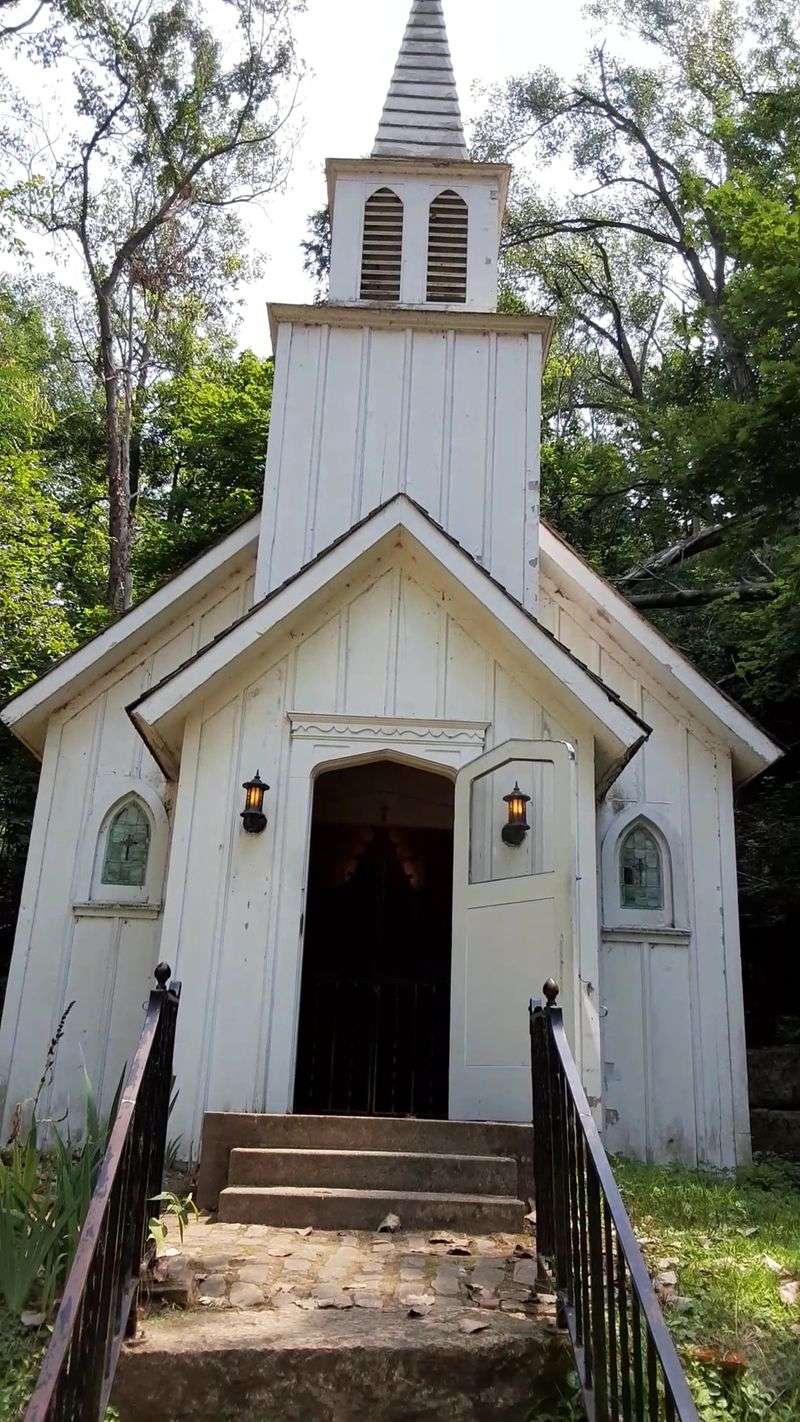
Heritage Canyon feels like a secret pocket where time walks with you. A wooded limestone canyon hides a cluster of historic buildings, each staged with tools and furniture that hint at pioneer grit and everyday grace.
The path curves past a blacksmith shop, a tiny chapel, and weathered cabins that smell like sun-warmed timber.
Open hours vary by season and special events, so check before you go, especially in shoulder months. Entry is free with donations appreciated, and volunteers are gems who answer questions with lived-in detail.
Parking sits at the top, with a sloped gravel path into the canyon; take your time if mobility is a concern.
Wear steady shoes and bring water, because you will want to pause and read every sign. Plan 60 to 90 minutes, longer if you love photos or visit during festivals.
The quiet is part of the charm, broken by bird chatter and creek sounds. You leave with the odd feeling that the past is not behind you at all, but waiting patiently under the trees.
Great River Trail Levee Walk
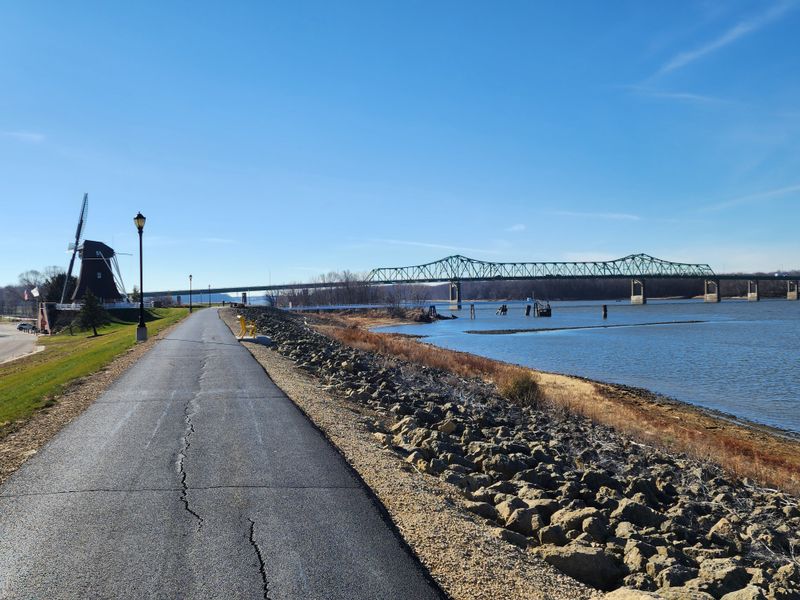
From the Great River Trail along Fulton’s levee, the river does not just sit there. It performs.
Early morning brings a thin veil of mist and soft pink light that turns benches into front-row seats. You hear a low murmur from the current and maybe a gull’s cry that skims the water’s skin.
Even if you are not a sunrise person, this is the exception.
There is no ticket needed, just a jacket if the breeze bites. Parking sits near the windmill and along levee access points, with paved Great River Trail paths that are smooth for walkers, cyclists, and strollers.
Bring a thermos and keep your camera ready, because barges move slowly but photographs happen fast.
Late afternoon gives gold, and evenings settle into glassy reflections that double the sky. Locals walk here after dinner, trading waves with cyclists and stroller-pushers.
You will find simple interpretive signs and memorial markers that anchor the view with history. Stand still for one long minute and you will swear the world learns to breathe again.
Downtown Storefronts And Murals
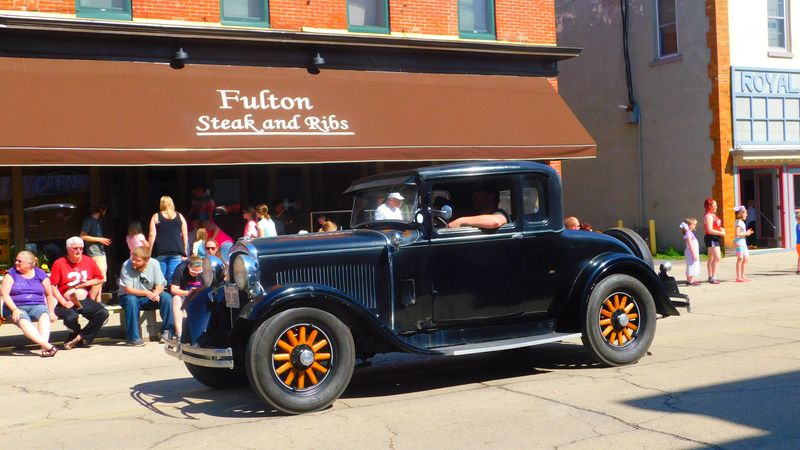
Downtown Fulton plays to the crowd with brick facades, crisp window displays, and hand-lettered signs that feel personal. Murals and interpretive wall art brighten select side streets, including a Lincoln Highway–themed mural that nods to Fulton’s bridge and travel heritage.
The effect is theatrical in the best way, like Main Street getting a standing ovation every sunny day.
Shops tend to open midmorning and close late afternoon, with some weekend variations, so plan a leisurely stroll rather than a rush. Street parking is free and usually close to the door.
Most shops have level entries, though a few older thresholds ask for a careful step.
Duck into a cafe for a sandwich and listen to regulars trade weather notes. Pick up locally made goods, postcards, or a simple souvenir that feels right in the hand.
Downtown murals and painted walls make excellent backdrops, especially near the Lincoln Highway interpretive sites. By the time you cross to the opposite sidewalk, the town has likely learned your name.
Windmill Cultural Center
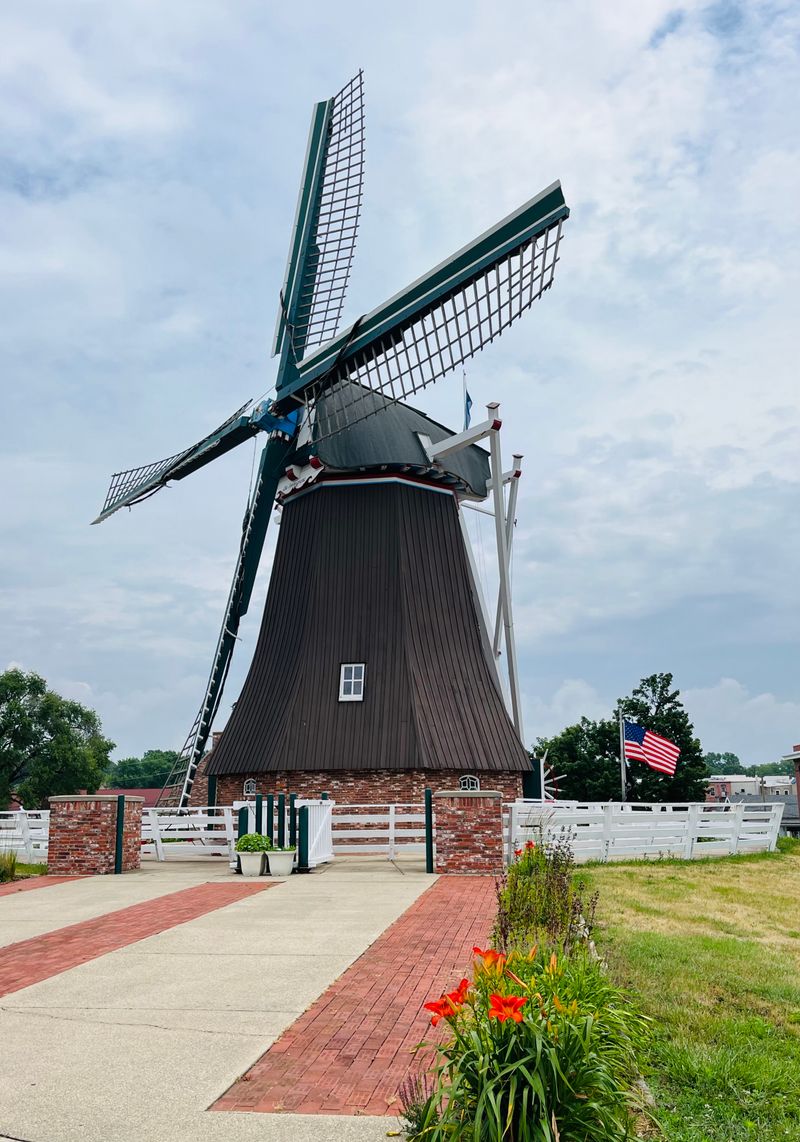
Right beside the big windmill, the Windmill Cultural Center packs a world of turning sails into one bright room. Exhibits and models highlight Dutch windmill history and design, with details that reward slow looking.
You learn how designs changed with landscape and purpose, from pumping water to grinding grain.
Hours vary with volunteers and season, most often late morning to afternoon. Admission is modest or donation based, and hands-on displays and volunteer demonstrations make the mechanics of wind power easy to understand.
Parking is right outside, with an accessible entrance and space to maneuver inside the gallery.
Docents have the best anecdotes, like how a single wind shift can change everything. You will leave saying you never knew windmills had so many personalities.
Pair this stop with the big mill for a complete story, then step back to the levee for river air. It is a compact visit with a satisfyingly large echo in your memory.
Cattail Slough And River Trails
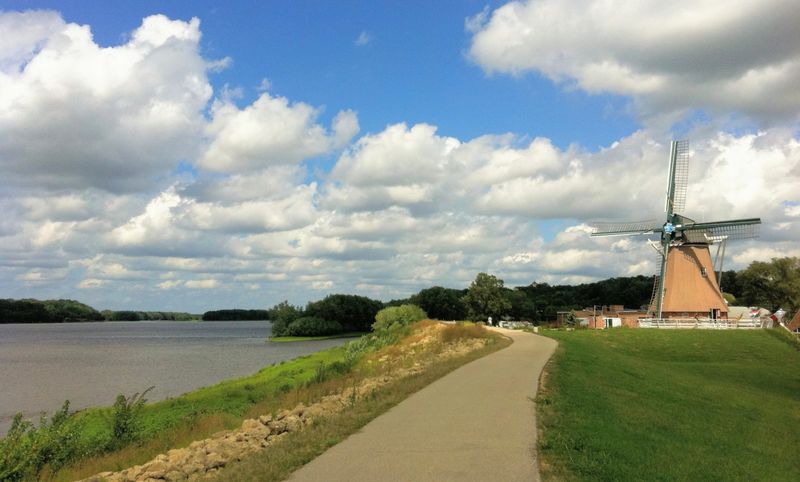
When the Mississippi feels vast and theatrical, Cattail Slough offers a quieter counterpoint just minutes from Fulton’s riverfront.
Managed by the U.S. Army Corps of Engineers, this backwater recreation area sits along a calm side channel where the main current softens into reflective water, cattails, and cottonwood shade.
Most visitors come to launch small boats, fish from the bank, or simply pause beside the slough to watch herons, egrets, and passing barges in the distance. A concrete boat ramp provides river access, with day-use launch fees in place.
Basic parking and vault restrooms are available, but amenities remain minimal.
You won’t find developed hiking trails or boardwalk loops here. The setting is intentionally rustic, gravel drives, shoreline edges, and open water views that shift with light and season.
Bring bug spray in summer and binoculars if birdlife catches your eye. In cooler months, the slough feels especially still, with long sightlines across the backwaters.
It’s less about structured recreation and more about atmosphere, a peaceful riverside pause where wind in the reeds replaces the bustle of town.
Fulton Historical Society Museum
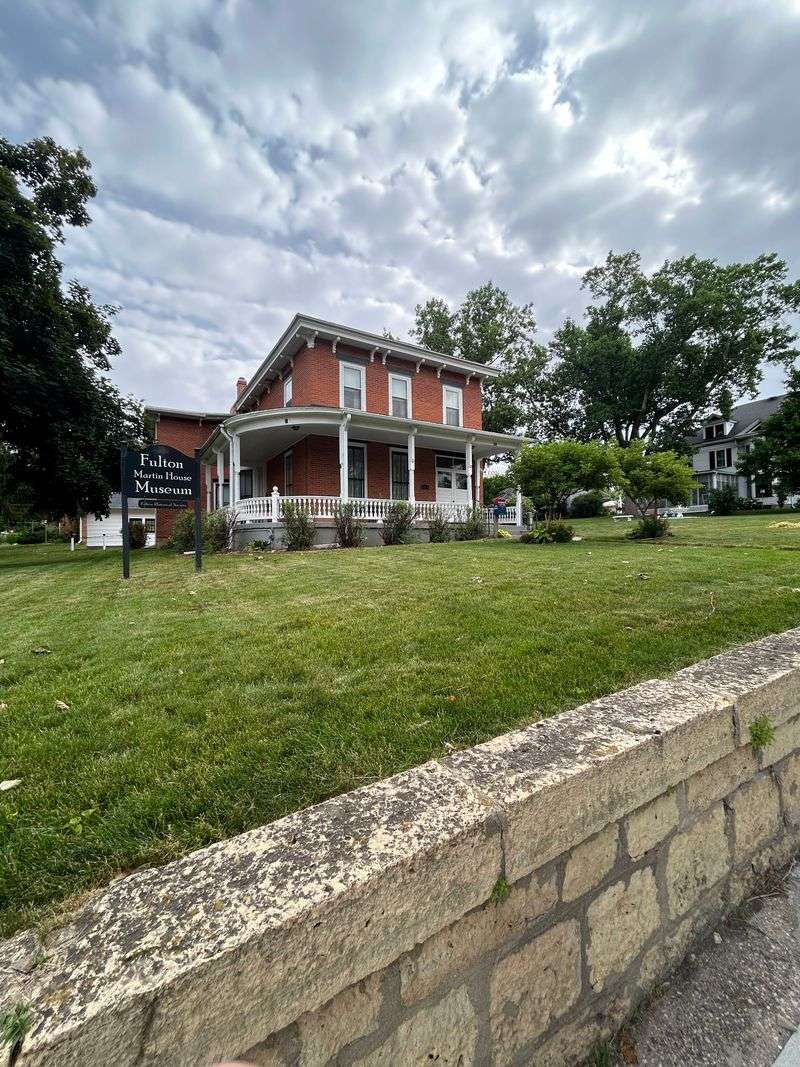
The Martin House Museum, home of the Fulton Historical Society, is where quirky details finally make sense. Old photographs, school pennants, and river artifacts sketch a portrait that feels familiar even if you just arrived.
Volunteers tell stories that zigzag from steamboat days to hometown heroes, with a sparkle that only comes from memory.
Hours can be limited, often weekends or select afternoons, so a quick check before visiting helps. Admission is typically small or donation based. “Parking is nearby, with a short walk to the entrance.
Ask about the windmill’s journey to Fulton, or why a certain baseball jersey hangs near the door. Displays change as new donations arrive, so repeats still surprise.
You will walk out with a handful of names to look for on downtown plaques and along the levee. It is the kind of place that turns facts into neighbors.
Great River Road Drive
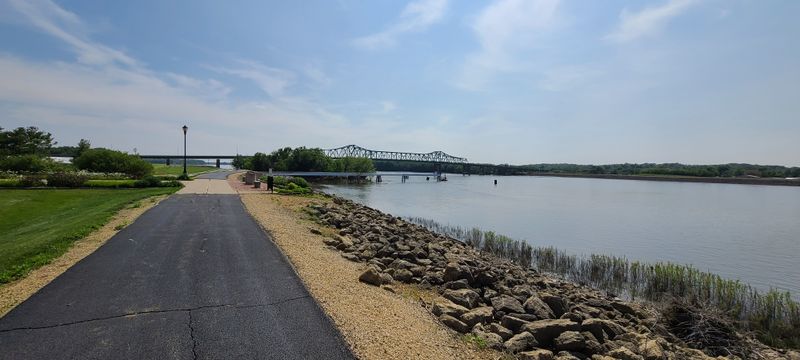
The Great River Road threads past Fulton like a friendly ribbon, inviting a slow drive with windows down. Views swing from open water to cottonwood stands, and every turnout feels like a pause button.
The town makes a perfect base to explore short segments in either direction without road trip fatigue.
There is no ticket, just a tank of gas and a willingness to pull over often. Look for signed overlooks, picnic pullouts, and small parking areas near trailheads.
Mobile service can vary along the river corridor, so downloading maps ahead of time is wise.
Plan a morning or late afternoon loop for the best light on the river. Bring snacks, keep an eye out for eagles in winter, and watch for bicycles sharing the shoulder.
You will roll back into Fulton with the kind of contented quiet that follows good scenery. The drive proves that getting there can be the best part.
Seasonal Festivals And Community Events
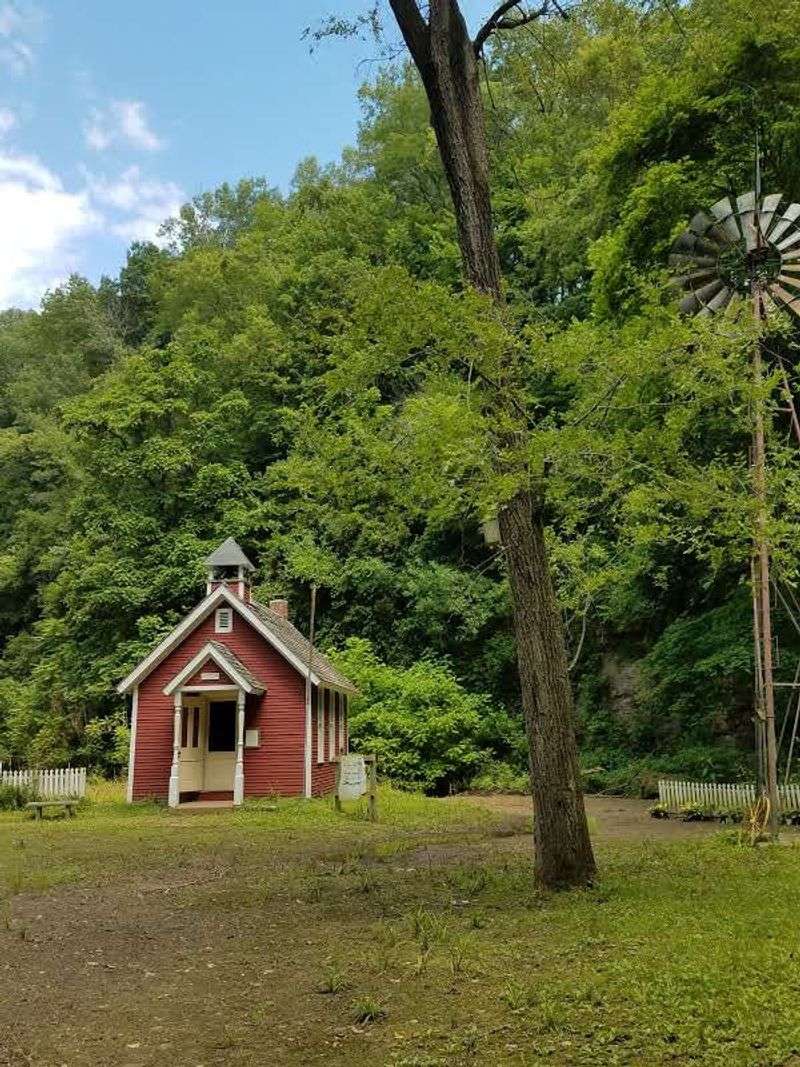
Some days Fulton hums a little louder, and those are worth catching. Seasonal events bring vendors, live music, and a happy tangle of strollers and lawn chairs.
The windmill often stands like a proud chaperone while the river throws back sunlight like confetti.
Dates change year to year, so check the city or tourism pages and local social feeds. Most events are free to wander, with small fees for food or activities.
Parking spreads through side streets, so arrive a bit early and wear easy shoes.
Accessibility improves during organized events with extra seating and portable restrooms, though crowds can tighten sidewalks. Bring sunscreen, refillable water, and a light jacket if you stay for evening music.
The best part is meeting people who are happy to share directions, history, and maybe a favorite bakery. You will leave with that pleasant buzz that only friendly gatherings make.
Sunset On The Levee
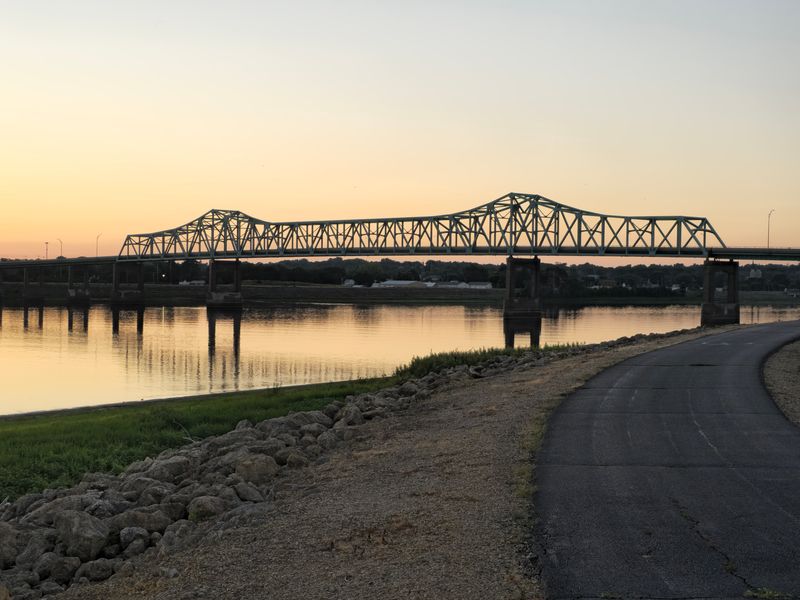
End the day on the levee, where the sky warms from apricot to copper and the river mirrors every color. Conversations drop to whispers without anyone asking.
The windmill turns into a silhouette and even the benches look sentimental, like they know the script.
No ticket, no rush, just pick a spot along the railing or sit on the low wall. Free parking stretches nearby, and the path is smooth for wheels and steady steps.
Bring a light layer because river breezes cool fast once the sun tips.
Photographers line up early for glassy reflections and horizon drama. You can watch lights wink on in Clinton across the water, a quiet reminder that the river links as much as it divides.
Give yourself ten extra minutes after the sun slips away, because the afterglow often steals the show. You will walk back in the soft blue with a satisfied hush.