
The Climb To The Top Of This Beloved Colorado Fire Lookout Reveals A Stunning Front Range Panorama
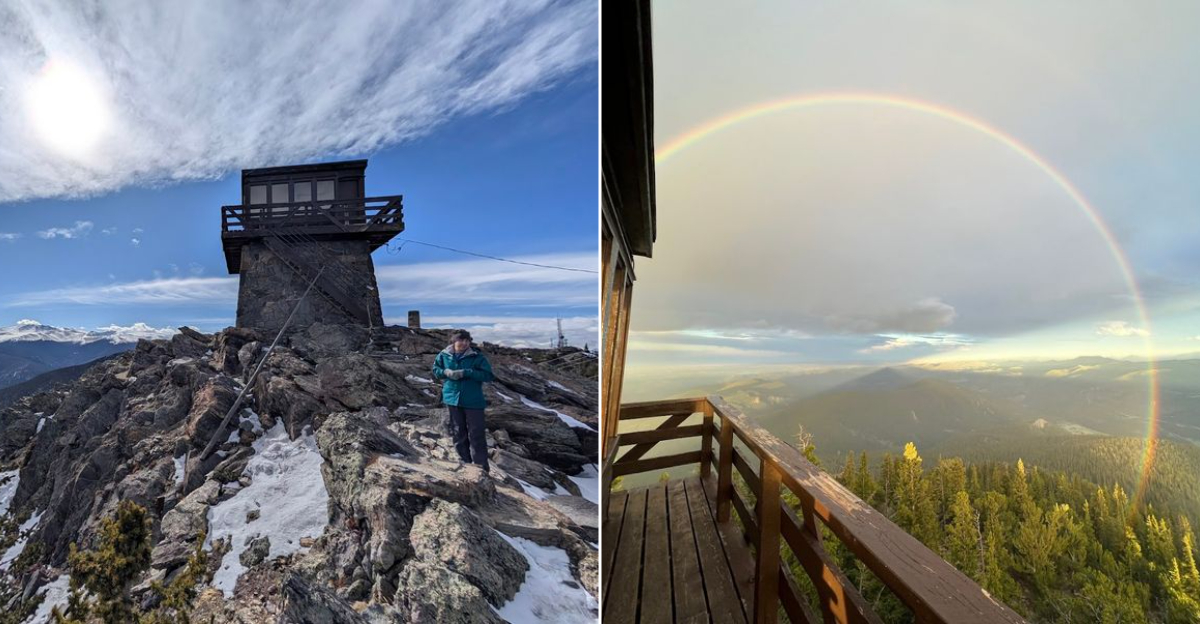
Some trails reward effort with a view, but this one makes the climb feel like you have unlocked a secret above the clouds. Reached by a rough dirt road and a route that keeps things wonderfully unpolished, this lookout feels earned before you even reach the top.
In Colorado, where famous trails can draw heavy crowds, a quieter ascent like this brings back the thrill of discovering something for yourself. The payoff is huge: sweeping ridgelines, wide-open sky, and a perch that turns sunrise, sunset, or a night under the stars into something cinematic.
Visitors praise it because the experience feels real, not staged for easy snapshots. You arrive with dusty shoes and a racing heart, then stand there grinning at a view that refuses to feel ordinary.
For hikers craving Colorado’s wilder side, this climb delivers the kind of memory that lingers long after.
What Makes It Worth The Drive
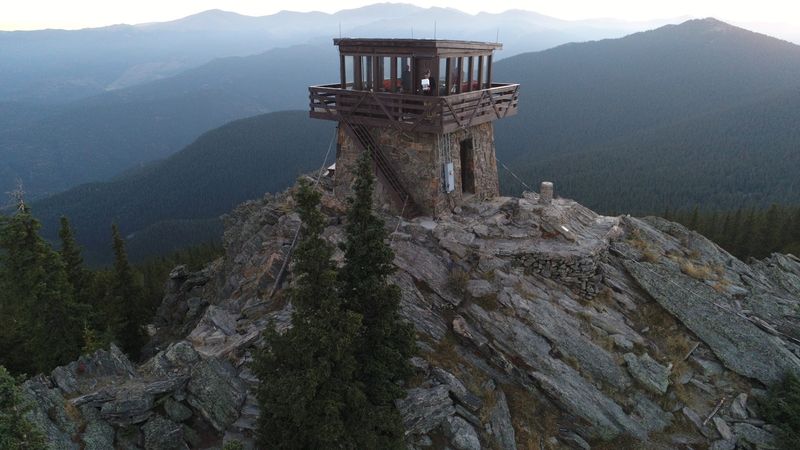
Not every landmark earns its reputation honestly, but this place near Idaho Springs, Colorado has done exactly that. Perched above the Front Range with views that stretch from the mountain divide all the way to the Denver skyline, this historic fire lookout sits at Forest Service Road 192.1 and pulls in visitors who leave almost universally stunned.
The lookout is rated 4.8 stars from a solid crowd of visitors, which in the world of outdoor destinations is practically a standing ovation. What makes it stand out is not one single feature but the combination: a manageable hike, a genuinely historic structure, and a panorama that earns the word breathtaking without any exaggeration.
Quick Verdict: If you are within a two-hour drive of Idaho Springs and have not visited yet, that is a gap worth closing on the nearest free weekend.
The lookout is open 24 hours, every day of the week, meaning early birds, sunset chasers, and overnight reservation holders all have full access. That flexibility alone puts it ahead of most Front Range destinations that operate on tighter schedules.
What To Realistically Expect On The Trail
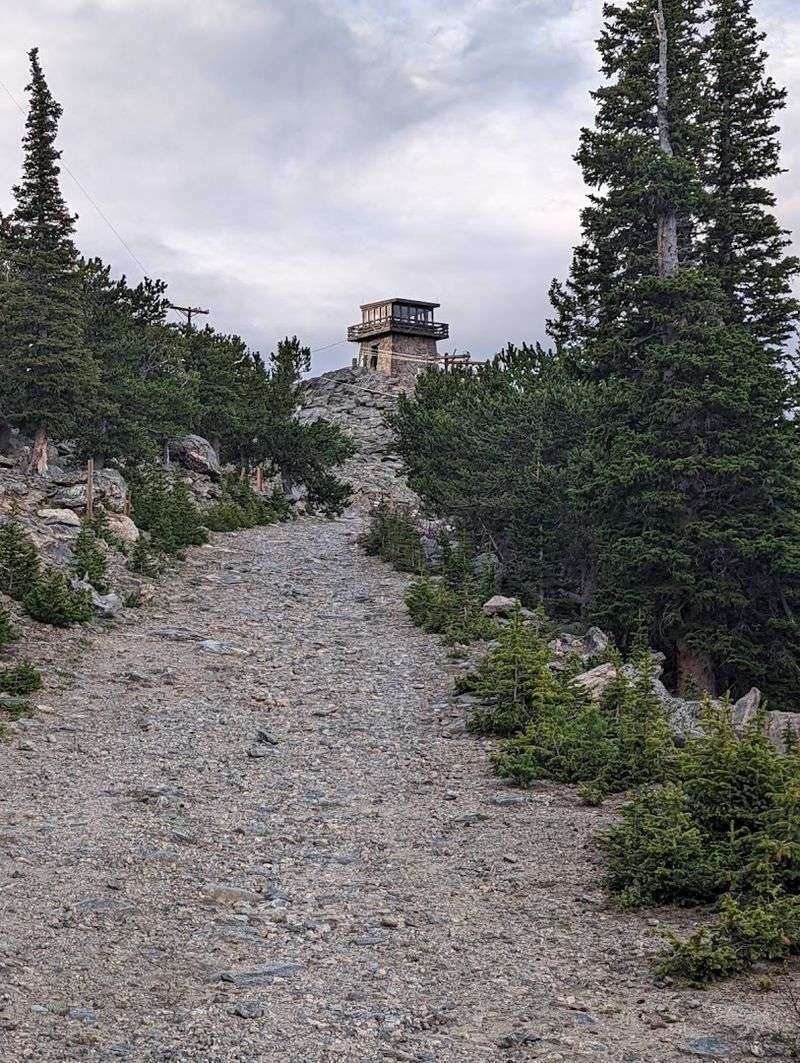
Here is the honest version of the hike: it follows a wide service road, gains about 875 feet of elevation over a 3.6-mile round trip, and is described by most visitors as moderate at worst. That is not a complaint.
That is a feature.
Parking at the bottom where the paved road meets the dirt road puts you roughly two miles from the tower. There is a second parking area closer to the top, accessible only by SUV or truck, that cuts the walk to about one mile.
Most visitors in standard vehicles will want to park low and walk the full distance, which takes roughly 30 minutes at a comfortable pace.
Pro Tip: Bring layers regardless of the season. Wind at the summit arrives without warning and has no interest in your comfort level.
A hat, sunglasses, and sunscreen round out the practical packing list.
In late winter and early spring, packed snow on the trail is common but generally walkable without spikes. After a fresh snowfall, microspikes are a smart addition.
The trail is also dog-friendly, which makes it a reliable weekend pick for anyone traveling with a four-legged hiking companion.
Road Conditions And Vehicle Reality
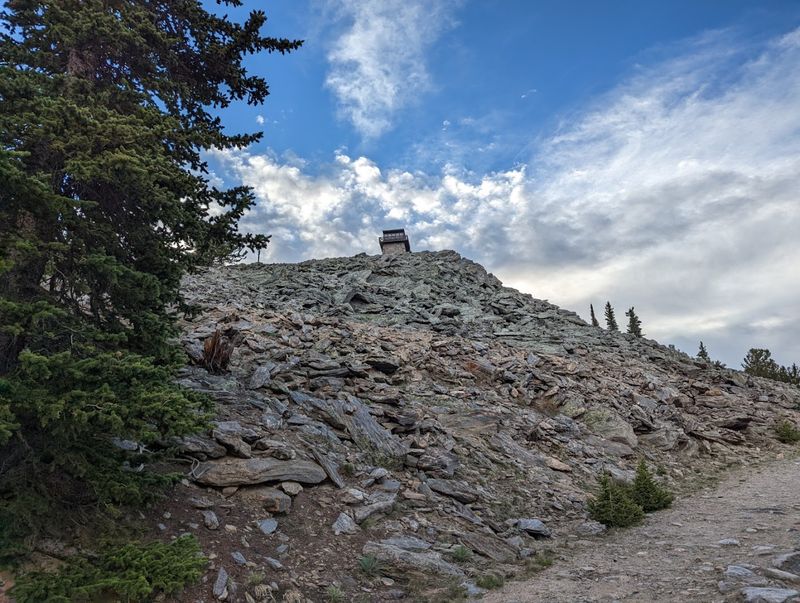
Forest Service Road 192.1 has a reputation, and it is worth understanding before you point your car at it with confidence. The road is bumpy but not technically demanding for most high-clearance vehicles.
A stock CRV, Subaru, or suburban-style SUV handles it without drama. A Jeep, as one visitor memorably noted, simply laughs the whole way up.
Where things get complicated is when drivers in low-clearance vehicles convince themselves the road is no big deal. It is not a punishing road, but a sedan or a Prius will earn some unpleasant scraping sounds and possibly a frustrating situation that turns a fun outing into an unplanned adventure of the wrong kind.
Best Strategy: When in doubt, park at the lower lot where the pavement ends and walk the two miles up. The extra distance is gentle, and you will arrive at the top feeling accomplished rather than anxious about your undercarriage.
The road condition can change with weather, so checking conditions ahead of time is always a reasonable move. The phone number on file is 303-567-4382, and the Recreation.gov listing at recreation.gov/camping/campgrounds/234792 carries current reservation and access details.
Renting The Lookout Tower Experience
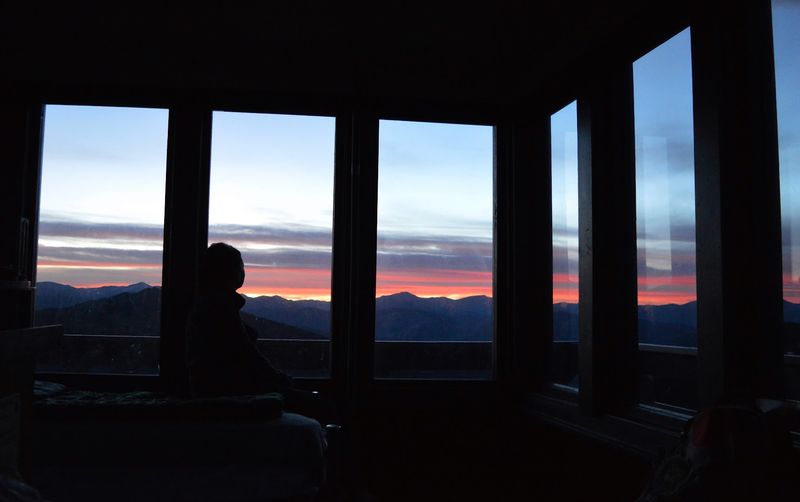
Spending a night inside the lookout tower is the kind of experience that sounds almost too good to be true until you actually do it. The structure sleeps four, with two beds up in the viewing deck and two more on the lower level.
It comes equipped with a small kitchen that includes a stove, fridge, microwave, and coffee maker, though there is no running water on site.
The tower runs on electricity, so the heater works, which matters considerably when mountain temperatures drop after dark. The toilet is an incinerating model, functional and self-contained.
These are not luxury accommodations, and nobody visiting for the views expects them to be.
Insider Tip: Reservations go through Recreation.gov and are genuinely competitive. One visitor noted that securing two nights only happened because of a cancellation.
Planning five or more months ahead is not an overreaction; it is simply how you actually get a booking.
Sunset and sunrise from the viewing deck are described by overnight guests with the kind of quiet reverence usually reserved for places people have been trying to describe for years and still cannot quite get right. Denver twinkling in the distance at night adds a dimension that no day hike can replicate.
A Front Range Panorama That Earns Every Step
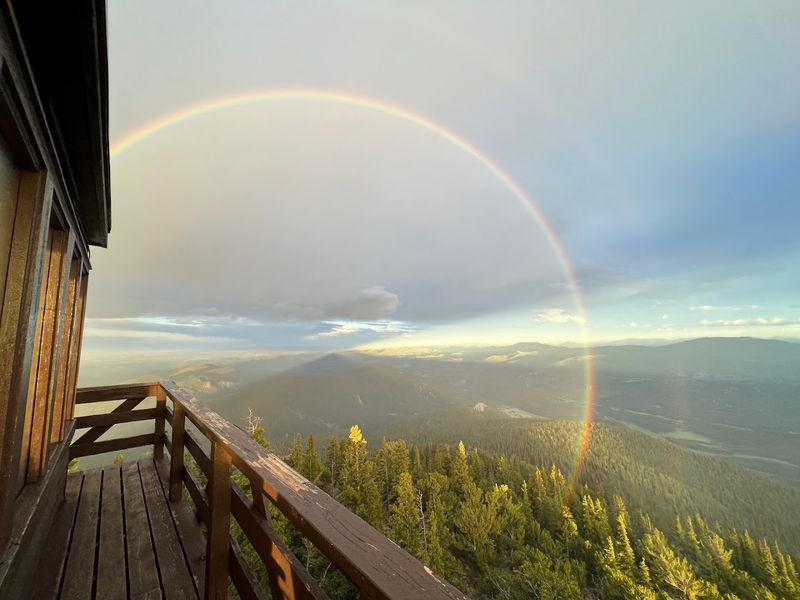
Standing at the top of Mestaa’ėhehe Mountain Fire Lookout and looking out across the Front Range is one of those moments that briefly makes you forget you were ever tired. The Continental Divide stretches across the horizon in one direction.
Denver sits in the distance in the other. In between, the mountain landscape unfolds without interruption.
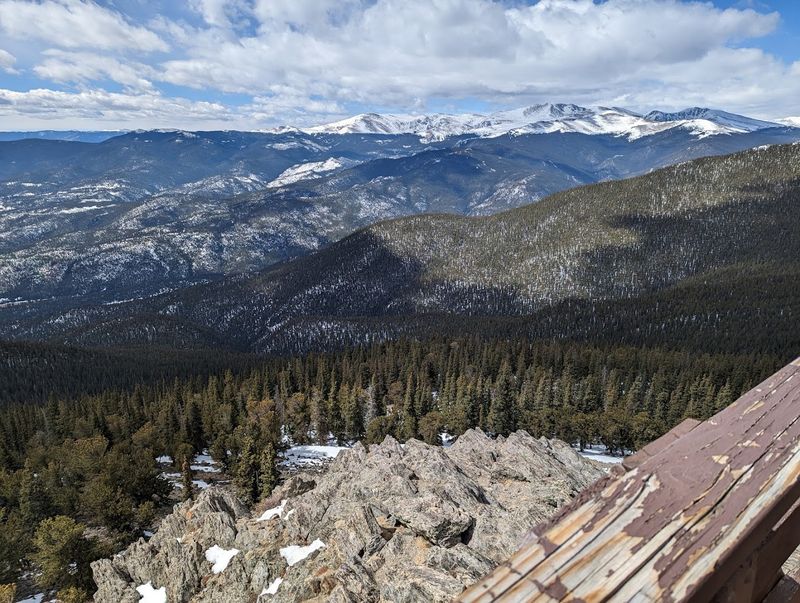
Visitors consistently single out both sunrise and sunset as the peak moments, and the views in every direction confirm why this place holds such a strong reputation among Front Range hikers and overnight guests alike. On clear days, the distance you can see is remarkable enough to make the whole climb feel like a payoff that was slightly underestimated on the way up.
Why It Matters: This is not a viewpoint tucked behind trees with one decent angle. The lookout sits above the surrounding terrain with genuine 360-degree exposure, meaning no matter where you turn, there is something worth photographing.
Wildfire lightning storms along the Front Range, visible from the tower during summer evenings, have been described by overnight guests as one of the more dramatic natural spectacles available within a reasonable drive of Denver.
Pika, small alpine mammals, live in the rocks just below the tower and add a charming wildlife element to the summit experience.
Who This Trip Is Built For And Who Should Come Prepared
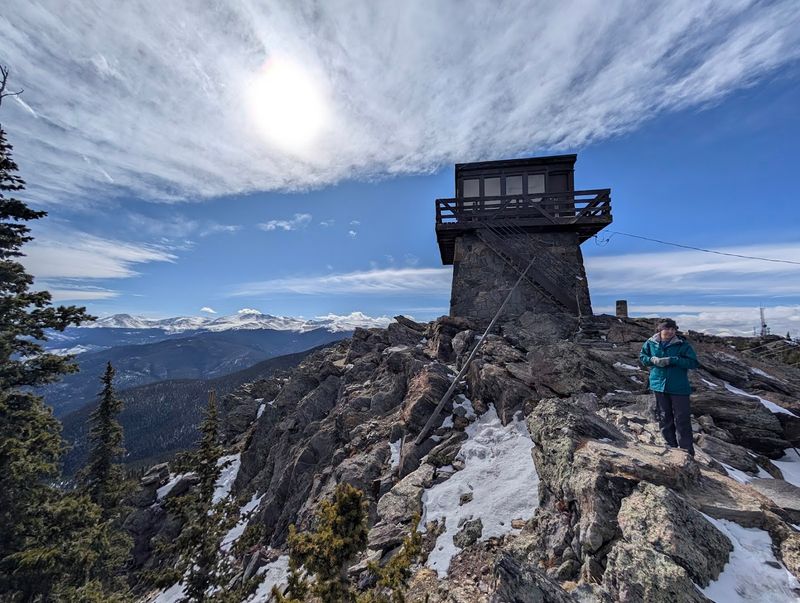
Mestaa’ėhehe Mountain Fire Lookout works for a wide range of visitors, but it works best when people arrive knowing what they are signing up for. Families with kids who hike regularly will find the trail manageable and the payoff enormous.
One visitor completed the hike on their very first time hiking ever, which says something meaningful about the trail’s accessibility.
Couples looking for a memorable overnight that does not require a resort budget will find the tower rental genuinely special. Solo visitors who want solitude, a good book, and a mountain sunrise have described it as one of the more quietly perfect experiences available in Colorado.
Who This Is Not For: Visitors expecting a groomed trail with signage every hundred meters, amenities at the summit, or easy vehicle access in a standard sedan will need to adjust expectations before arrival. The tower’s basic accommodations are part of its character, not a shortcoming.
Anyone with significant mobility limitations should know the final approach involves rocky terrain and some physical effort. Winter visitors should plan for snow, cold wind, and potentially icy steps near the tower itself.
Coming prepared turns this into a great trip. Coming unprepared turns it into a story you tell with slightly more drama than it deserves.
Pairing The Lookout With Idaho Springs
Idaho Springs is the kind of small Colorado mountain town that earns its place on the itinerary without trying too hard. A short Main Street stroll before or after the hike gives you a chance to grab food, coffee, or a well-earned post-climb snack without driving far.
The town sits right off I-70, making the approach and departure genuinely painless by Colorado mountain standards.
The lookout itself is open around the clock, so an early morning departure from Idaho Springs, a sunrise hike, and a return to town for breakfast covers the whole experience in a single morning.
That kind of low-effort, high-reward loop is exactly what weekend planners in the Denver metro area have been quietly counting on for years.
Planning Advice: Weekdays are noticeably less busy than weekends at the trailhead, where parking fits roughly five cars at the lower lot. Arriving early on a Saturday or Sunday is the most reliable way to avoid the parking scramble that happens once the late-morning crowd arrives.
If the lookout is booked for overnight stays, the day hike version still delivers everything except the sunrise from the viewing deck. That is still a very good morning by any reasonable measure, and Idaho Springs is waiting at the bottom of the road whenever you are ready to call it a success.