
The Colorado Lakeside Spot Where You Can Find Beautiful Stones And Unexpected Natural Treasures
Blue-green crystals called amazonite grow inside billion-year-old granite here, and some of the best ones on Earth came from these hills. One famous pocket, found in 1997, gave up more than 100 top-quality specimens.
The rock that holds them is over a billion years old. As the granite crystallized, volatile-rich fluids helped form cavities in which mineral crystals gradually grew.
I like how ordinary dirt in Colorado can hide something museum-worthy. Smoky quartz, topaz, and purple fluorite all turn up in the same forested slopes.
I believe almost anyone can enjoy this kind of treasure hunt. You need patience, a shovel, and a good idea of where digging is allowed.
So what might be sitting a few inches under your boots?
Billion-Year-Old Granite Is Basically A Treasure Chest Here
Granite usually sounds boring, like a kitchen countertop. At the Lake George / Crystal Peak Rockhounding Area, though, the granite is the whole story.
Geologists call it Pikes Peak granite, and it formed roughly 1.03 to 1.08 billion years ago. That makes it older than almost anything you’ll ever hold in your hand.
As the molten rock cooled and crystallized, volatile-rich fluids accumulated in spaces called miarolitic cavities, allowing mineral crystals to grow.
Over time, crystals grew inside those little rooms. Think of them as sealed gift boxes buried for ages.
The area sits in Teller and Park Counties, near the small community of Lake George. Much of it lies inside the huge Pike National Forest.
Crystal Peak itself is a real summit in this mineral district. Collectors use its name for the whole crystal-rich region around it.
Knowing the geology helps you hunt smarter. Look for coarse, crumbly granite and bits of crystal in the soil.
Those clues often mean a pocket was nearby once. Sometimes one still is, waiting for the right shovel.
Not bad for a rock most people walk right past. Colorado clearly saved its best surprises for the patient folks.
That Blue-Green Stone Will Steal Your Heart First
Amazonite looks like someone mixed a tropical lagoon into a rock. Its blue-green color is the star attraction around Crystal Peak.
Technically, it’s a type of microcline feldspar. Nobody needs that word to fall in love with it, though.
This district is recognized worldwide for amazonite. Museums and serious collectors hunt for pieces from these exact hills.
The most prized specimens pair amazonite with smoky quartz. The dark brown quartz makes the teal crystals pop like a jewel on velvet.
The Two Point Mine was claimed in 1956 and became famous for these combos. In 1997, diggers there opened the Tree Root Pocket.
That single pocket produced over 100 high-quality amazonite and smoky quartz specimens. Talk about a lucky afternoon of digging.
Your own finds will probably be smaller. Even a thumb-sized blue-green crystal feels like a big win, honestly.
Clean your amazonite gently with water and a soft brush. Harsh scrubbing can scratch it or dull the surface.
Keep a small box with padding in your car. Wrapped crystals ride home safely instead of chipping each other on bumpy roads.
Smoky Quartz, Topaz, And Fluorite Keep The Surprises Coming
Amazonite gets the headlines, but its supporting cast deserves applause. The district also produces smoky quartz, clear quartz, and topaz.
Smoky quartz ranges from light tea brown to nearly black. A sharp, glossy point catches sunlight like dark glass.
Topaz shows up here too. The scenic Tarryall area north of Lake George is also known for it.
Fluorite adds even more color to the mix. Collectors find both green and purple varieties in these pockets.
Every now and then, albite and cassiterite appear as well. Those rarer minerals give experienced collectors something extra to chase.
Here’s a smart habit for beginners. Bring a small notebook and jot down what you found and roughly where.
Later, you can compare notes with mineral guides or club members. Identifying a mystery crystal is half the fun.
A cheap magnifying loupe helps a lot. Tiny crystal faces suddenly look sharp and detailed under ten times magnification.
So keep an open mind as you dig. The crystal you weren’t expecting might become the favorite on your shelf back home.
Know Whose Ground You’re Standing On Before You Swing
Much of the best crystal-bearing ground near Crystal Peak is privately owned or covered by mining claims. That number changes how you plan a trip.
Mining claims are legal rights to the minerals. Digging on someone’s claim without permission is a fast way to ruin your day.
Still, public options exist. Some unclaimed parts of Pike National Forest and Bureau of Land Management land allow recreational rockhounding.
Hand tools are typically the only equipment allowed for personal collecting. Leave the heavy machinery dreams at home.
Personal-use collecting on open public land generally doesn’t need a permit. Limits apply, though.
On BLM land, recreational collectors can generally take reasonable quantities of rocks and mineral specimens for personal use, while specific limits and restrictions vary by location and material. Forest Service rules also depend on the collecting activity, land designation, and potential ground disturbance.
Check with the local ranger office before heading out. Rules and claim boundaries can change.
Watch for claim posts and markers in the woods. When in doubt, don’t dig.
Fill your holes when you’re done, too. Leaving the forest tidy keeps Colorado’s public land open for the next crystal hunter.
Paying To Dig Might Be The Smartest Move You Make
Fee-dig operations solve the biggest headache in this district. You get legal access to productive ground without worrying about claims.
Fee-based collecting opportunities in the Lake George area include guided trips to the Smoky Hawk claim for amazonite and smoky quartz and the Tarryall Topaz claim for topaz.
Phenakite is a less familiar mineral to most people. Adding it to your collection gives you serious bragging rights.
Fees, equipment requirements, and access arrangements depend on the collecting operation. That’s handy if your garage lacks a rock pick.
Collecting opportunities are generally concentrated in warmer months, but specific operating dates should be confirmed with the organizer. High-country winters aren’t friendly to digging, so plan for warmer months.
Families especially benefit from this setup. Kids can dig freely without anyone fretting over boundary lines.
Bring gloves, sunscreen, water, and a hat. The elevation around Lake George sits near 8,000 feet, and the sun feels stronger up there.
Pack snacks too, since digging builds an appetite fast. A shady break between holes keeps everyone cheerful.
Confirm hours and details before you drive out. A quick call saves you from arriving at a locked gate with an eager crew.
Rockhounds Have Been Pocketing Crystals Here Since The 1870s
Long before social media crystal hauls, gold prospectors were already pocketing shiny souvenirs here. Collecting around Lake George dates back to the 1870s.
Sightseers joined in too. Quartz crystals made perfect keepsakes from a wild western trip.
Then the railroad changed everything. The Colorado Midland Railway arrived in 1887.
The community of Lake George was established in 1891 as a stop along the Colorado Midland Railway. Its original purpose had nothing to do with crystals.
Ice harvesting built the early community. Workers cut blocks from the frozen lake and shipped them by rail.
Picture old-school refrigeration powered by Colorado winters. Clever, cold, and very hard work.
Crystal fame grew over the following decades. The Two Point Mine claim in 1956 helped cement the area’s reputation for amazonite.
Today, Lake George is a small unincorporated community in Park County along U.S. Highway 24.
Crystal Peak Dr, Lake George, CO 80827 points you into the heart of crystal country nearby.
History buffs should love that layered past. Ice, rails, gold seekers, and gem hunters all left fingerprints on these same quiet hills.
August Turns The Whole Town Into A Crystal Party
Mark your calendar for August. That’s when Lake George hosts its annual Gem and Mineral Show.
Shows like this are perfect for curious beginners. You can see polished specimens up close and learn what local finds really look like.
Seeing great amazonite in person trains your eye. Suddenly that teal flash in the dirt becomes easier to spot.
The Lake George Gem and Mineral Club is a key local resource. Members offer organized field trips and connections to claim holders.
That second part matters a lot. Club trips can open doors to ground you could never access alone.
Joining a club also means learning from experienced diggers. Their tips on tools and pocket clues can save you hours of frustration.
Bring questions to the show. Most mineral fans love explaining their favorite crystals.
A small budget for a specimen or two is smart. Buying a quality local piece gives you a reference for future digs.
And if you leave inspired to dig harder next summer? Mission accomplished, and your shelf will thank you eventually.
Trade Your Shovel For A Fishing Rod Just Down The Road
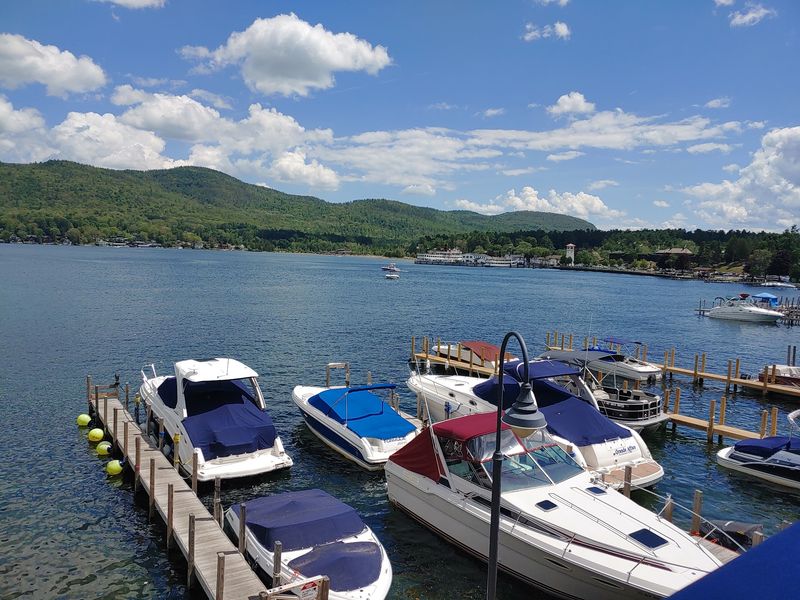
Sore arms from digging? Eleven Mile State Park and Eleven Mile Canyon Recreation Area sit just a short drive away.
The water there is known for being crystal clear. Fitting, considering what you spent the morning hunting.
Anglers chase Gold Medal trout, northern pike, and kokanee salmon. Those are serious fishing credentials in Colorado.
Boating, kayaking, and paddleboarding are popular too. Calm water feels amazing after hours bent over a hole.
The canyon also has historic railroad tunnels. They connect nicely to the region’s old rail story.
Scenic streams and picnic areas round things out. Pack a lunch and let the kids skip rocks, just not your best smoky quartz.
Lost Creek National Natural Area offers another kind of beauty. Granite spires, pinnacles, narrow ridges, and steep gorges make it striking.
Mueller State Park adds more trails and scenic views. Wildlife watching there makes a relaxing change of pace.
Mixing digging days with water days keeps a trip balanced. Your back will appreciate the variety, and so will anyone who doesn’t care about rocks.
Ancient Redwoods And Wandering Elk Steal The Encore
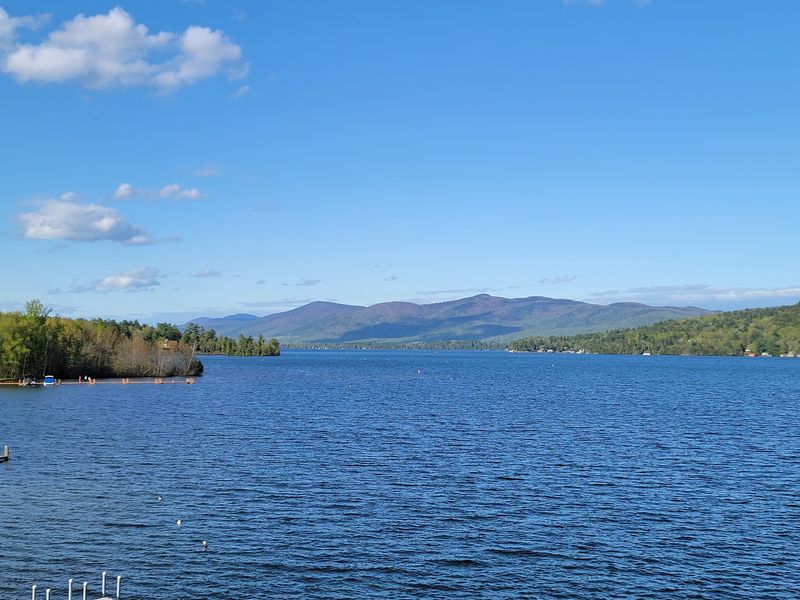
Petrified redwood stumps stand just down the road from all this digging. Florissant Fossil Beds National Monument preserves them, along with ancient insect and plant fossils.
One firm rule applies there. Collecting is prohibited inside the monument, so admire with your eyes only.
Wildlife adds even more magic. Elk and deer roam the region, often catching people pleasantly off guard.
Bird lovers should pack binoculars. Western Bluebirds, Pygmy Nuthatches, and Williamson’s Sapsuckers live in the ponderosa woodlands.
Pike National Forest offers hiking, camping, rock climbing, and off-highway vehicle trails. Clear nights also make for excellent stargazing.
Driving buffs have a treat too. The Tarryall Valley Tour along County Road 77 runs between Jefferson and Lake George.
That route features 32 sites eligible for the National Register of Historic Places. Roadside exhibits explain the stories as you go.
Back in town, Lake George Community Park hosts the annual Arkansas Valley Flywheelers Tractor Pull. Not every trip includes vintage tractors, so enjoy it.
Honestly, the Lake George / Crystal Peak Rockhounding Area gives you far more than rocks. Colorado tucked a whole weekend into these hills.