
The Colorado Small Town Where October Means Golden Leaves, Quiet Streets And Cozy Cafes
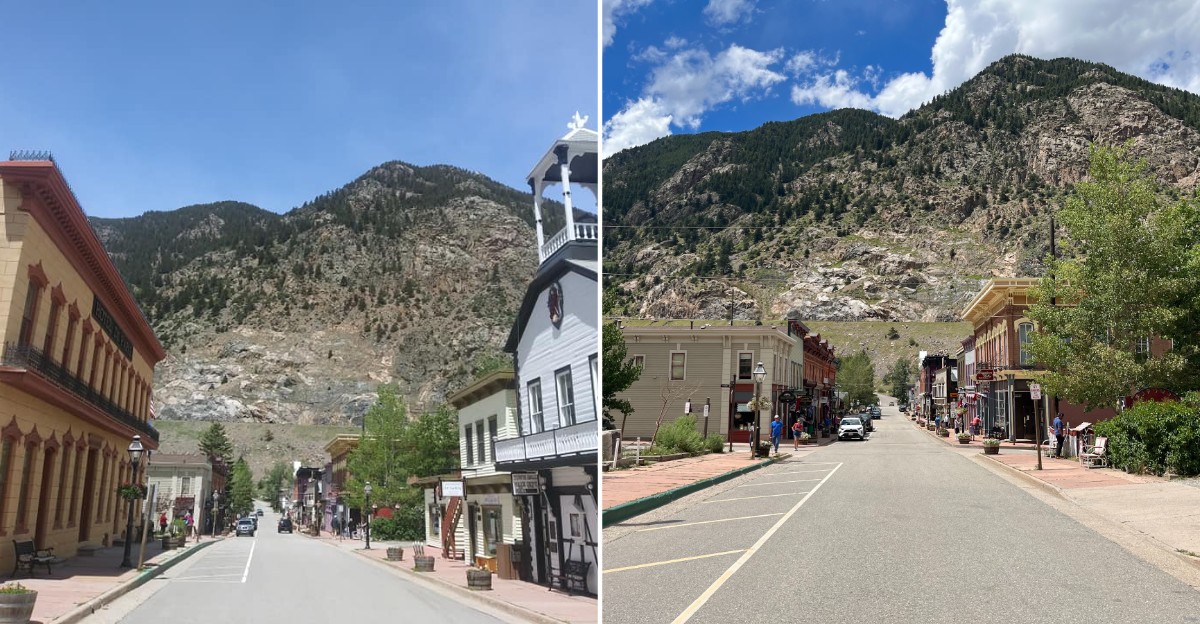
October doesn’t need a packed itinerary to put on a spectacular show. Sometimes, the whole adventure is watching golden aspens shimmer against rugged mountains while your coffee is still warm enough to enjoy.
In this historic corner of Colorado, autumn feels especially inviting, with old mining buildings, mountain roads, and brilliant foliage all competing for your attention. There’s something wonderfully satisfying about wandering streets that have witnessed generations of change, especially when the surrounding hills are dressed for the season.
And those golden leaves? They’re worth slowing down for, even if Mother Nature refuses to follow your calendar.
Peak colors can shift with the weather, and a peaceful afternoon isn’t guaranteed, but that unpredictability is part of the experience. The mountains of Colorado offer plenty of reasons to explore without a rigid schedule.
Bring a jacket, grab something warm to drink, and give yourself permission to enjoy whatever October delivers.
Georgetown Makes A Small October Plan Feel Enough
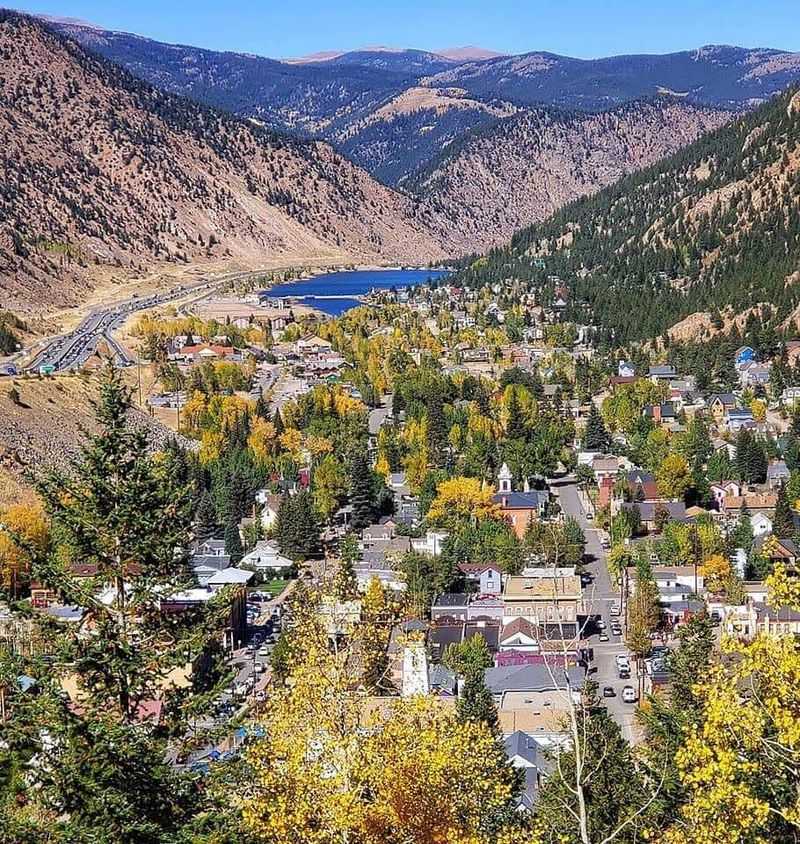
A mountain outing becomes easier when the plan stops trying to include every mountain. It sits along Interstate 70 in Clear Creek County, giving travelers a clear destination without requiring a long journey down unfamiliar back roads.
Its historic center offers a useful starting point: old commercial buildings, streets to explore on foot, and places to pause for food or coffee. You can build a visit around those basics rather than treating the day like a scavenger hunt.
The town developed during the nineteenth century mining era, and that history remains part of its visible identity. Looking at building fronts gives a short walk something to notice beyond the next place to sit.
October adds the possibility of autumn color, though it also calls for realistic expectations. Higher slopes may have already lost their leaves, and a sunny forecast does not cancel the need for a jacket.
For a first visit, choose one main activity and leave the rest open. A walk followed by a cafe break can be enough, especially when daylight is shorter and everyone has a different opinion about lunch.
The appeal is not a packed schedule. It is having a small, understandable plan in a mountain town with substance behind its scenery.
Golden Aspens Around Guanella Pass Keep Their Own Calendar
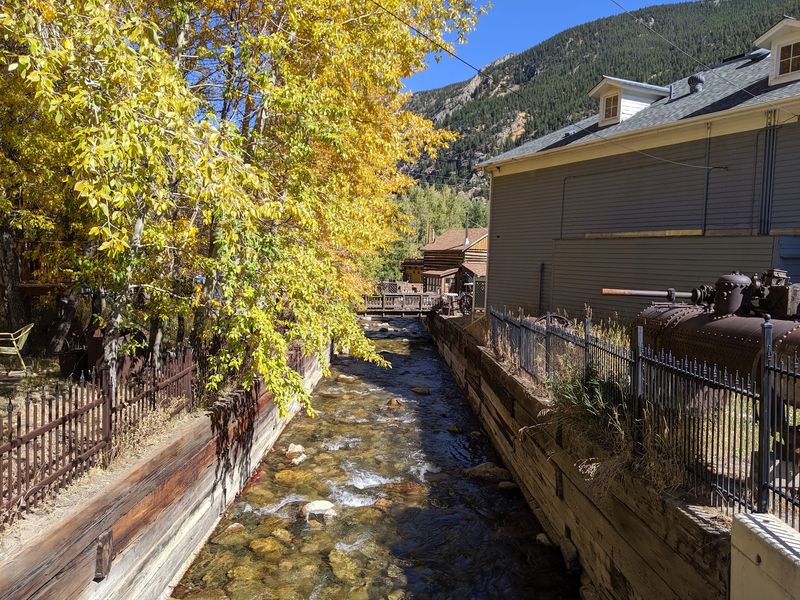
Leaves do not consult your hotel reservation. Around Georgetown, the route toward Guanella Pass offers access to mountain scenery and aspen stands, but the date on the calendar cannot promise a golden hillside.
Color often arrives earlier at higher elevations than visitors expect. By October, some groves may still carry yellow leaves while others have bare branches, especially after wind, cold weather, or an early snowfall.
That makes flexibility more useful than chasing a single supposed peak date. Check recent local foliage updates and road conditions before leaving, then decide whether a drive above town makes sense that day.
Guanella Pass Road climbs into much higher terrain, where conditions can differ from those along Interstate 70. Seasonal access and weather deserve attention, even when the streets below appear dry.
Use designated pullouts when stopping for photographs, and keep the roadway clear. A leaf picture is not improved by making another driver solve your parking decisions.
Colorado autumn also rewards a wider view: evergreen trees, exposed rock, and mountain shapes remain interesting after the brightest leaves fall. Treat gold as a possibility rather than a purchase guarantee, and the outing has more room to succeed without asking the forest to honor a very specific appointment.
Sixth Street Rewards A Slower Look
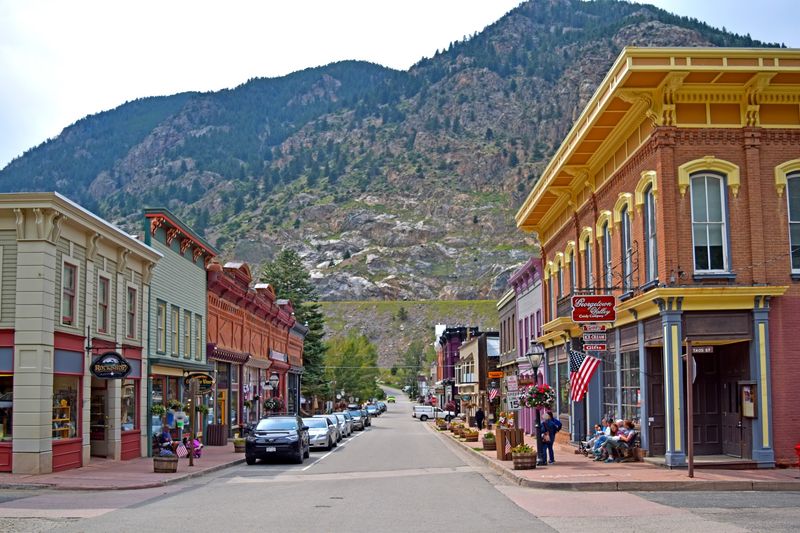
Old storefronts give your eyes something to do while your feet take their time. Along Sixth Street and the surrounding historic center, Georgetown presents a street level view of a town shaped by mining and commerce.
Look beyond the shop windows to rooflines, trim, and the different proportions of neighboring buildings. Those details make a walk more interesting without requiring a guidebook in one hand and a checklist in the other.
Quiet, however, is a timing choice rather than a permanent town feature. Autumn weekends can bring other travelers, so consider a weekday visit when your schedule allows, and avoid promising yourself empty sidewalks.
A short walk also lets different interests share the same outing. One person can study architecture while another looks for a lunch menu, with neither needing to declare the day a formal educational event.
Wear shoes suited to walking and watch street crossings. Historic surroundings do not turn an active town into a pedestrian museum, and residents still have ordinary places to reach.
Keep the route modest at first, particularly if you are adjusting to the elevation. The useful discovery here is that a few blocks can hold enough detail for a satisfying pause, without turning a peaceful afternoon into an endurance assignment.
The Historic District Gives Georgetown More Than A Pretty Facade
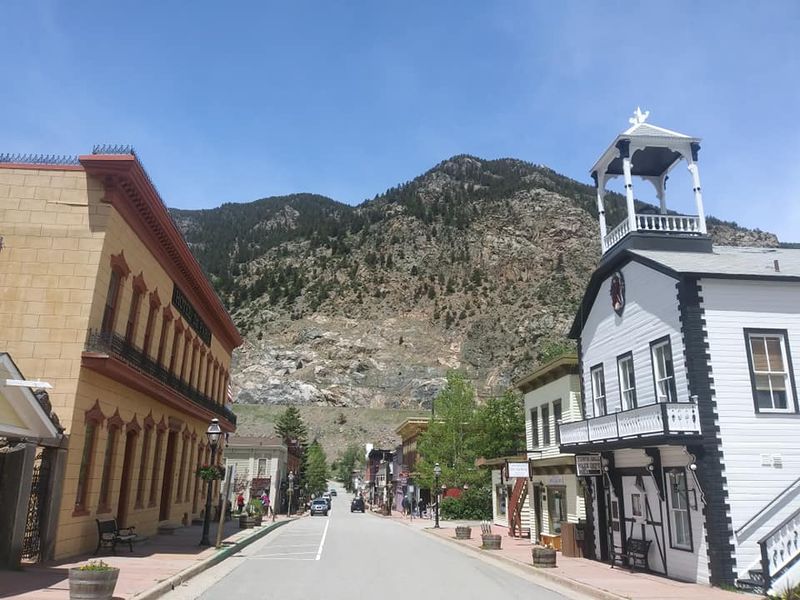
The buildings become more interesting when you know they belong to a larger historical story. Georgetown and neighboring Silver Plume form a National Historic Landmark district, recognized in 1966 for their connection to the Rocky Mountain mining era.
That designation provides a reason to look beyond attractive paint and old windows. Streets, structures, and the relationship between the two communities help explain how mineral development shaped settlement in this mountain valley.
Georgetown became associated with silver mining after its early prospecting years. Its surviving architecture reflects the growth that followed, making the town more than a collection of buildings chosen simply because they photograph well.
Why It Matters: The historic setting gives even a brief walk a connection to the region’s past.
You do not need to memorize dates to appreciate that connection. Notice how commercial buildings occupy the streets and how the mountain setting limits the space around them; history becomes easier to grasp when it has a physical outline.
Anyone considering a museum visit should check the individual site’s current schedule before building the day around interior access. Exterior viewing and a guided tour are different experiences, and neither should be promised by assumption.
Let the preserved streetscape supply context, then add deeper exploration only when available.
Georgetown Cafe Breaks Give The Day A Useful Pause
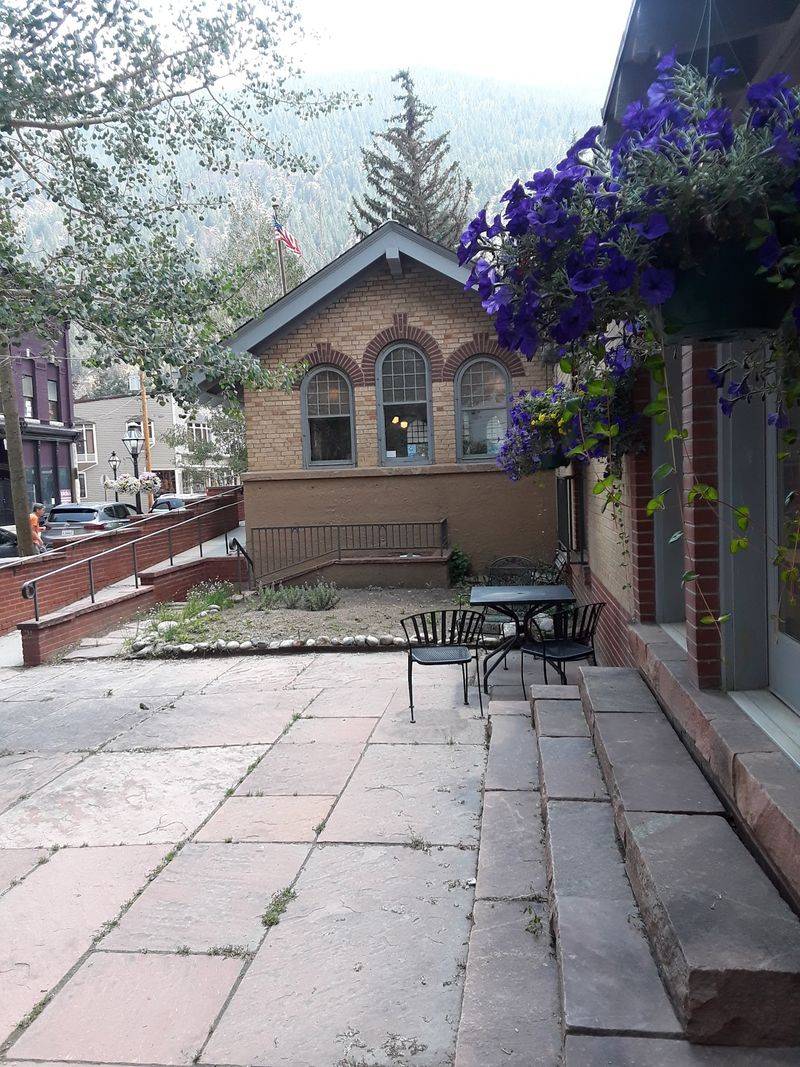
A chair and a warm drink can improve a mountain plan more than another stop. Georgetown’s cafes and other food businesses give visitors a way to divide outdoor exploring into smaller pieces, especially during a chilly October outing.
Choose your stop by its current menu and opening schedule, not an old photograph or a travel article’s confident adjective. Small businesses can change hours, and a place serving breakfast may not be available for a late afternoon break.
Families can use that pause to reset before another walk. Couples have somewhere to sit without planning a formal meal, while solo travelers can give themselves permission to stop navigating for a little while.
For professionals taking a short break from Denver, the same idea keeps the outing manageable: drive, explore a few blocks, eat something, and decide whether more activity actually sounds appealing.
Colorado mountain weather makes an indoor option useful, but do not assume every cafe has plentiful seating or room for a large group. Check before relying on a particular setup.
The comfort comes from making a practical choice, not expecting a staged autumn scene. Pick a drink you enjoy, give your feet a rest, and leave enough time that the receipt does not become your departure signal.
A Georgetown Detour Needs Fewer Stops Than You Think
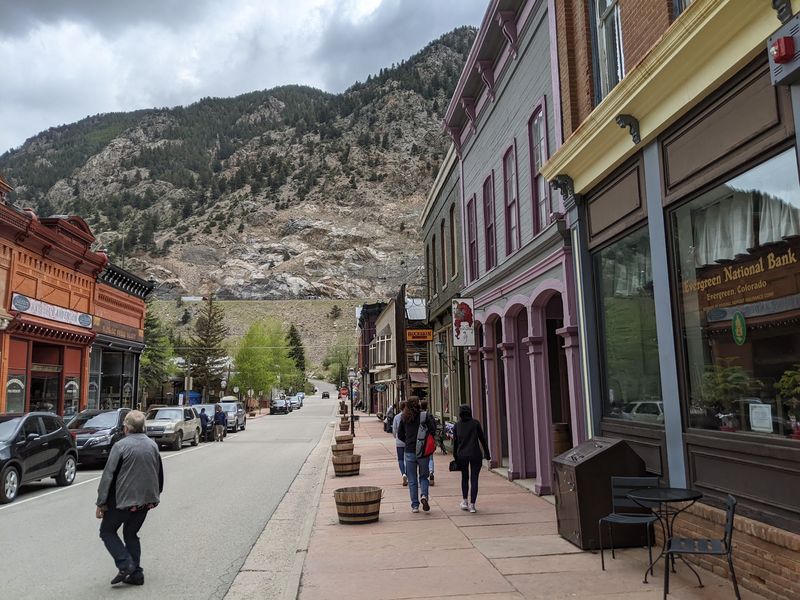
Give a Saturday detour one clear anchor, then resist adding six backups. A short walk through Georgetown’s historic center followed by a cafe stop creates a complete outing without requiring tickets, a mountain summit, or an elaborate timetable.
Start by checking weather and Interstate 70 conditions. The highway provides access, but mountain travel can take longer than a map estimate suggests, so leave breathing room around your arrival and return.
Once in town, use posted parking guidance and choose a walking route that suits your group. Keep snacks, water, and an extra layer handy rather than assuming every need will appear at exactly the right moment.
Georgetown sits at roughly 8,500 feet, which makes a modest pace sensible for visitors arriving from lower elevations. A town walk can still feel different from the same distance at home.
Adding Guanella Pass should remain optional and depend on current access and conditions. The drive is not necessary to justify the stop, especially when the group would rather stay near food and shelter.
Road trippers can use the same outline for a shorter visit. The decision is simply how much time to give the streets before sitting down, not how many attractions can fit between two highway exits before everyone wants to leave.
October In Georgetown Works Even After The Leaves Fall
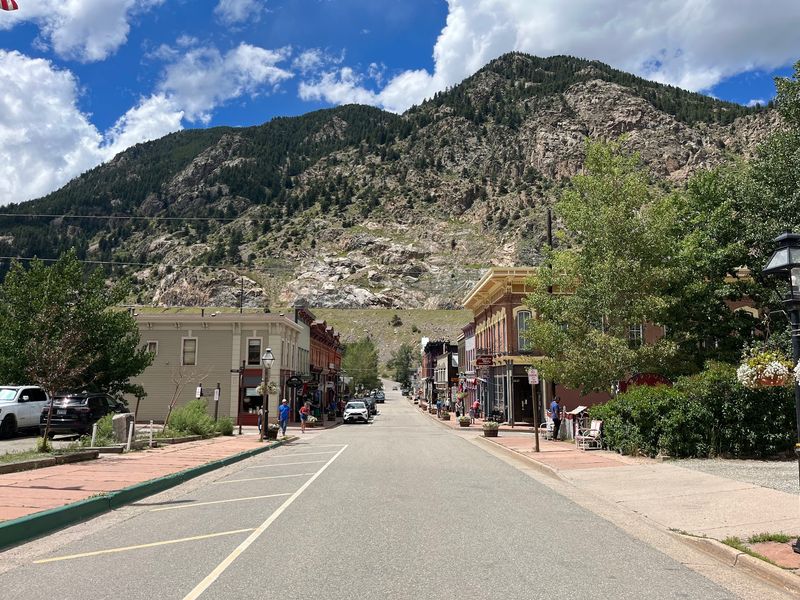
The strongest reason to visit survives a change in the foliage forecast. Georgetown combines a preserved mining town streetscape with a mountain setting, so the day does not have to depend entirely on finding yellow leaves.
October can supply color, but it can also bring bare branches and weather that changes your plans. Keeping the outing centered on a walk and a food stop gives you choices when a scenic drive no longer makes sense.
That balance suits travelers who want to do something without turning a day off into a second job. History provides the substance, the surrounding slopes provide context, and a cafe break provides a place to stop making decisions.
Do not confuse a relaxed plan with a promise of solitude. Visit timing, road conditions, and business schedules still matter, and checking them helps preserve the very ease you came for.
Colorado’s mountain towns ask for a little preparation, not necessarily a long itinerary. Bring layers, allow extra travel time, and treat any remaining aspen color as a welcome addition rather than the sole measure of success.
You can leave with an understanding of the town instead of a phone full of nearly identical leaf pictures. Take the jacket, walk Sixth Street, and leave time for coffee.