
The Colorado Town Locals Say Has Been Changed Beyond Recognition By Tourism In 2026
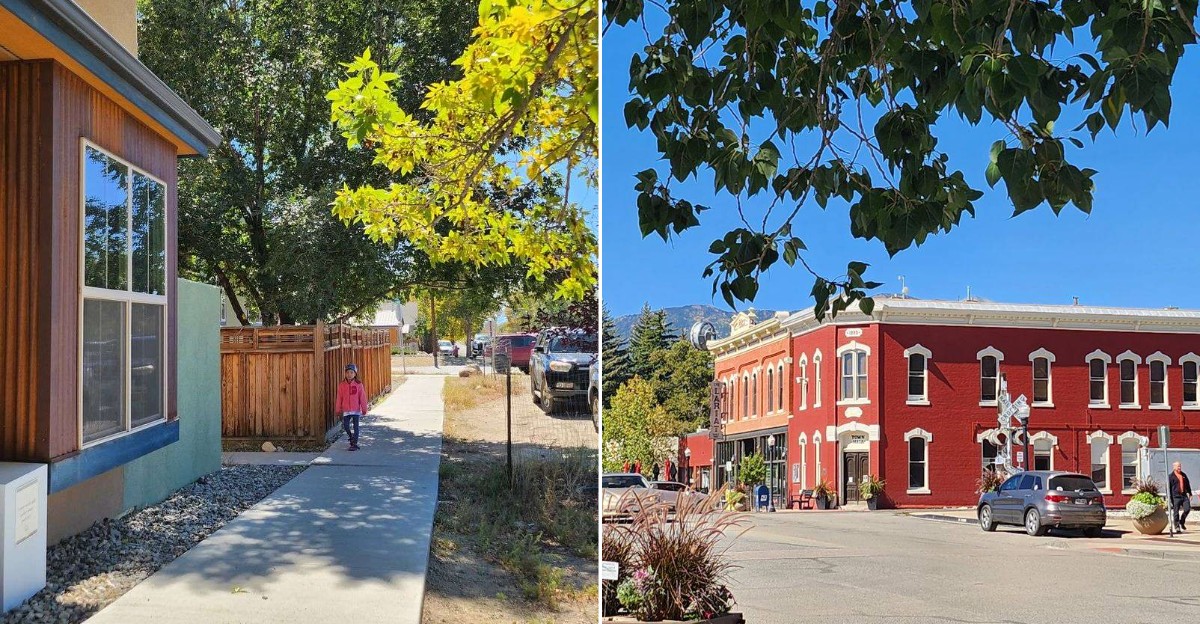
A town can become more successful and less familiar at the same time. That tension now shapes life in this once-quiet mountain community, where outdoor recreation, new construction, and a stronger tourism economy have changed the pace dramatically.
What used to feel like a stopover now draws people who come specifically to stay, explore, and build entire trips around the area. In Colorado, that kind of growth can bring real opportunity, from new jobs to busier local businesses, but it can also reshape housing, traffic, and the character longtime residents knew well.
The transformation is not simply a story of popularity. It is a story about what happens when a small place becomes desirable faster than its identity can adjust.
Few communities capture that shift as clearly as this one. By 2026, its rise reflects a larger Colorado question: how does a town welcome attention without losing the qualities that made people notice it?
A Good View Became A Big Draw
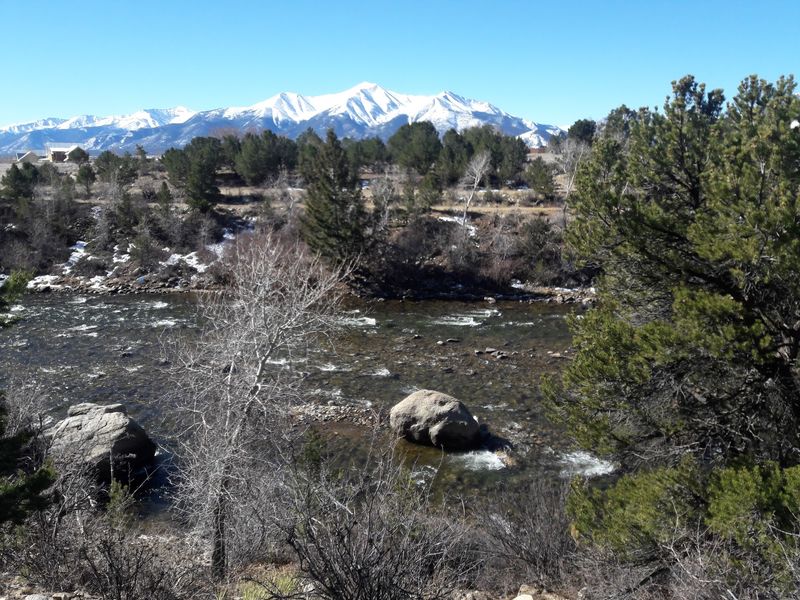
The name Buena Vista means good view, and for once, a town name is not overselling the product like a motel sign promising luxury towels. Set in Chaffee County in central Colorado, Buena Vista sits in the Upper Arkansas River Valley at about 7,965 feet, with the Collegiate Peaks rising west of town.
That setting has become the town’s calling card. Travelers come for mountain views, river access, and the feeling of being close to big outdoor country without needing a wilderness survival certificate.
Locals who remember a quieter Buena Vista often point to this same beauty as the reason everything changed. The views did not move, of course.
The number of people chasing them did.
The town had 2,855 residents in the 2020 census, which helps explain why tourism can feel so noticeable. In a small community, every new lodging project, busy restaurant night, and trailhead conversation lands closer to home.
For visitors, the advice is simple: enjoy the scenery, but remember it is also someone’s daily backdrop, not just a vacation screen saver.
The Arkansas River Changed The Town’s Pace
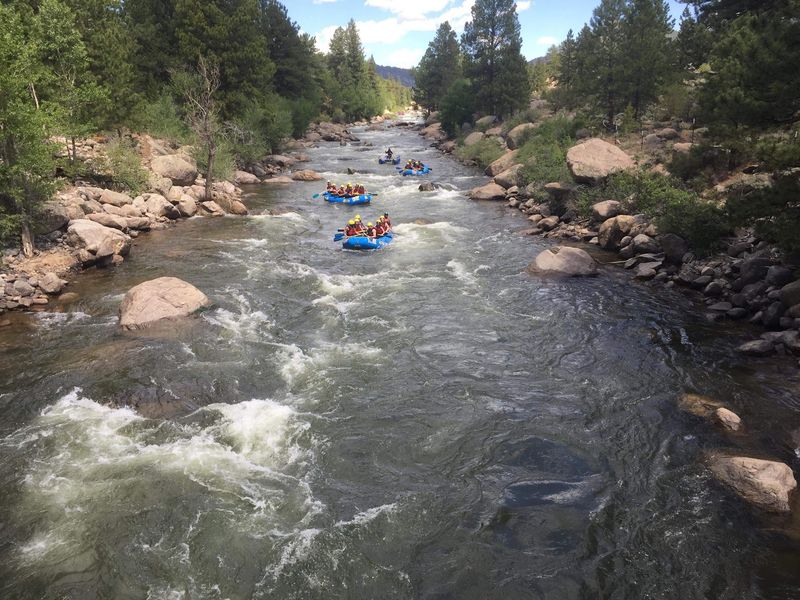
The Arkansas River is not background decoration in Buena Vista. It is one of the main reasons the town’s calendar, economy, and visitor traffic look so different from a generation ago.
The river helped turn Buena Vista, Colorado into a base for rafting and other outdoor trips. Browns Canyon, a nationally known stretch of whitewater nearby, brings travelers who may have once driven past with only a gas stop and a vague promise to return someday.
That river focused attention on the town in a practical way. Outfitters, lodging, restaurants, and gear focused businesses followed the demand, because wet shoes have a way of becoming lunch plans.
For locals, the change is more complicated. More visitors can support businesses and public improvements, but it can also shift a town’s feel from regular life to recreation mode.
Travelers can be better guests by booking with permitted operators, respecting river access points, and not treating public spaces like a rented backyard. Buena Vista depends on the Arkansas River, but so do residents who want the river to remain part of home, not just a line item in a weekend plan.
South Main Shows The New Buena Vista Most Clearly
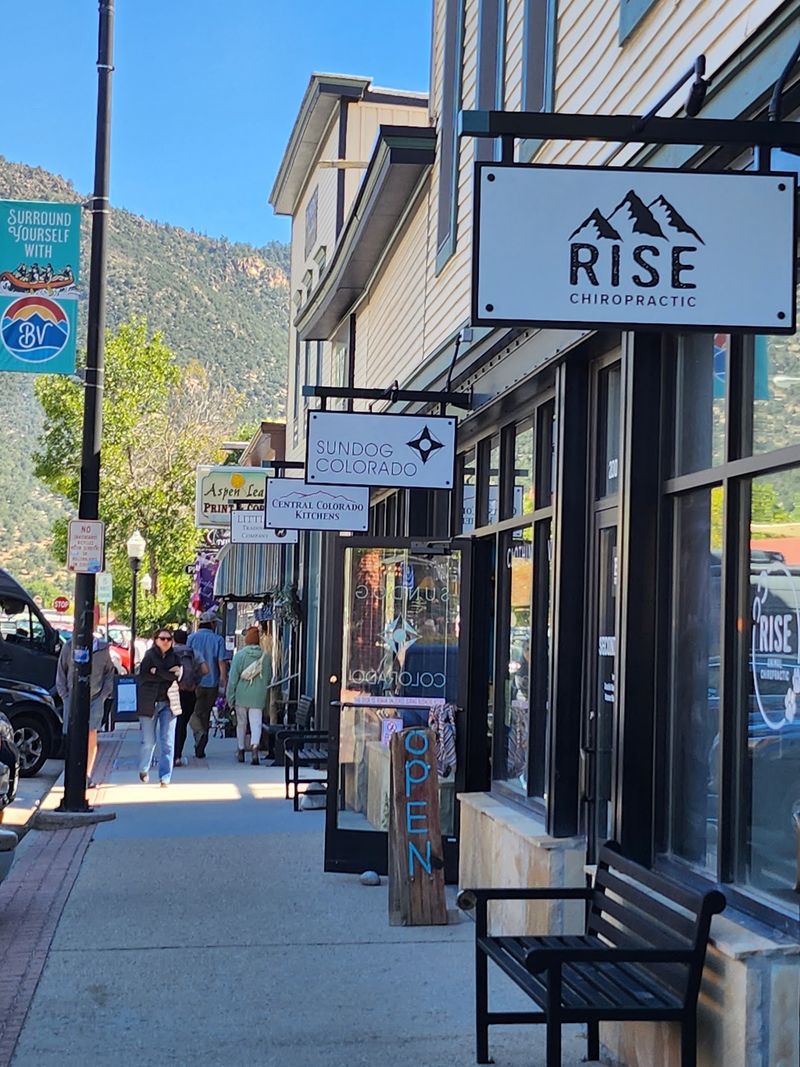
South Main is where Buena Vista’s transformation becomes easiest to understand. The riverfront area south of the older downtown was reshaped into a planned neighborhood with public river access, trails, parks, homes, and commercial spaces.
That kind of development does not happen by accident. It reflects a choice to make the river more central to daily town life and visitor life, rather than leaving it as a rough edge behind town.
For travelers, South Main can feel convenient because walking, river watching, and casual exploring fit close together. Nobody needs a laminated itinerary, which is a mercy for families and couples who have already negotiated snacks, shoes, and who gets the front seat.
For some longtime residents, though, South Main is also a symbol of how much Buena Vista, Colorado has changed. New buildings and visitor focused spaces can feel useful and unsettling at the same time.
The best way to read South Main is not as a simple success story or a simple complaint. It is a visible example of a town trying to turn tourism into public value while still wrestling with the price of popularity.
Downtown Storefronts Tell A Different Story Now
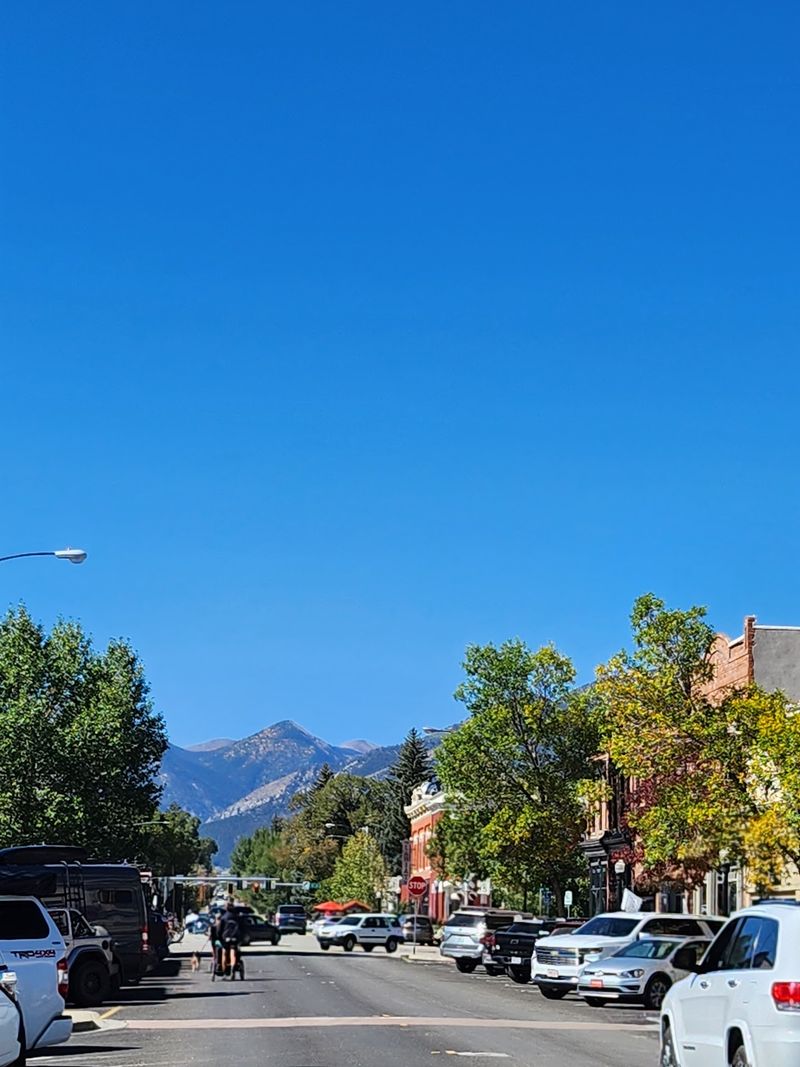
Downtown Buena Vista once had a much quieter reputation, with empty storefronts and evenings that did not exactly require crowd control. By 2026, the business district carries more visitor energy, and that shift is one reason locals say the town feels remade.
The older commercial core still matters because it gives the town a recognizable center. Shops, eateries, lodging, and services now serve both residents and travelers, which can brighten a street but also raise questions about who the street is really for.
Tourism changes downtowns in small, daily ways. A building that once held a basic service may become a boutique.
A quiet block may gain weekend foot traffic. A menu board can start speaking fluent road trip.
Buena Vista, Colorado is not alone in this pattern, but the scale makes it personal. In a town of fewer than 3,000 residents at the last census, even modest changes can feel large.
Visitors can help by spending thoughtfully at locally operated businesses and being patient when small town systems are asked to handle big weekend demand. Downtown is not a theme set.
It is where tourism and ordinary errands now share the sidewalk.
Outdoor Recreation Became The Town’s Common Language
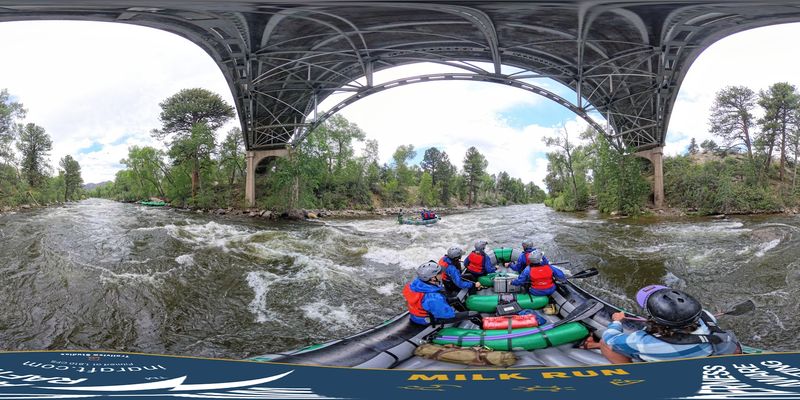
In Buena Vista, outdoor recreation is no longer just one activity category. It has become a shared language for how many visitors understand the town, from rafting and hiking to mountain biking and soaking at nearby hot springs.
That appeal is easy to grasp. Buena Vista, Colorado sits close to public lands, the Arkansas River, and mountain routes connected to the Sawatch Range.
The nearby Collegiate Peaks include several fourteeners, the Colorado shorthand for peaks topping 14,000 feet.
The town’s tourism growth makes sense when seen through that geography. A visitor can plan a weekend around one main outing, then add food, shopping, lodging, or a relaxed afternoon without crossing half the state.
Still, outdoor access comes with responsibility. Trails, river areas, and public lands are not unlimited, even when the map looks generously green.
Parking carefully, staying on marked routes, packing out trash, and checking conditions are not glamorous tips, but they age better than heroic improvisation.
For locals, the rise of recreation can feel like both opportunity and pressure. The same mountains that support businesses also attract crowds, and Buena Vista now has to manage being admired by people who may only stay two nights.
Housing Pressure Makes Tourism Feel Personal
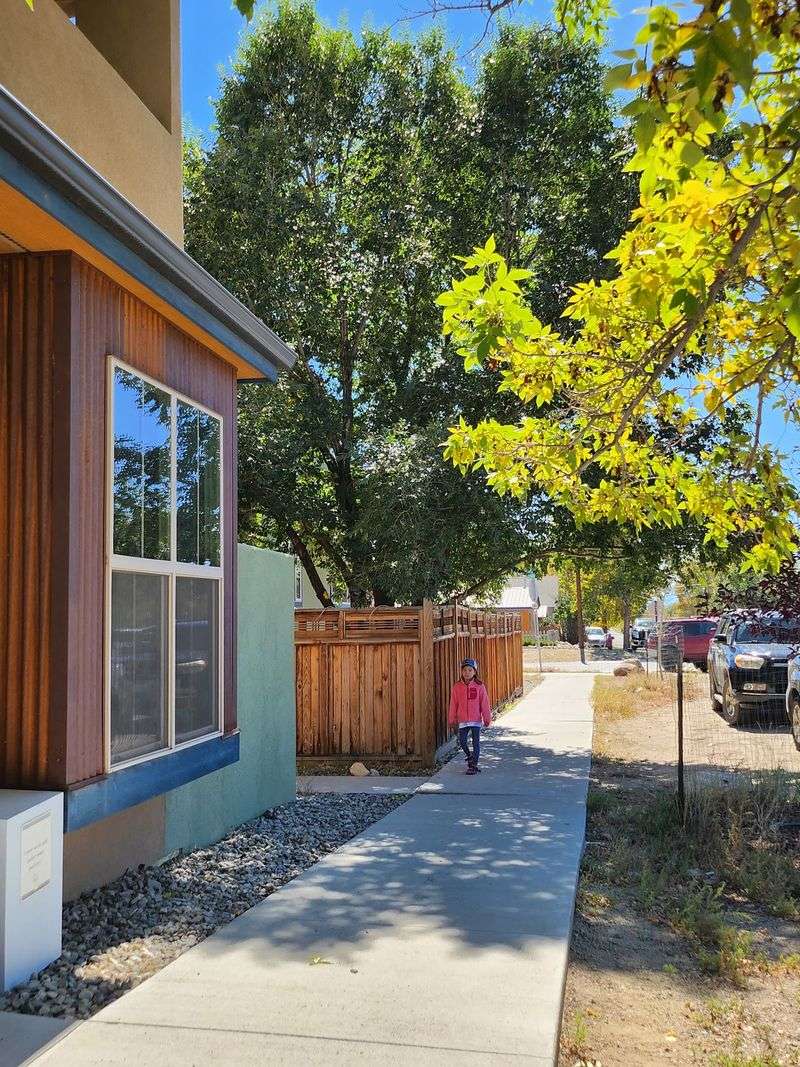
Tourism feels abstract until it reaches the housing market. In Buena Vista, concerns about rising costs, second homes, and short term visitor demand have become part of the local conversation around growth.
That does not mean every traveler is the problem. It means the town’s popularity affects more than parking and restaurant waits.
Workers, families, retirees, and young people all need places to live if Buena Vista, Colorado is going to function as a real community.
Small towns have less room for error. When a few homes shift from long term housing into vacation use, the effect can be more visible than it would be in a larger city.
Add construction demand and limited mountain valley land, and the math gets uncomfortable quickly.
Visitors planning a trip can respond in practical ways. Choose lodging that operates legally, respect neighborhood quiet, and understand that the cute house on the block may sit beside someone who gets up early for work.
The tourism story in Buena Vista is not just about scenery. It is also about whether the people who guide trips, teach school, repair roofs, and keep businesses open can remain part of the town’s future.
The Correctional Facility Was Once A Bigger Part Of The Local Economy
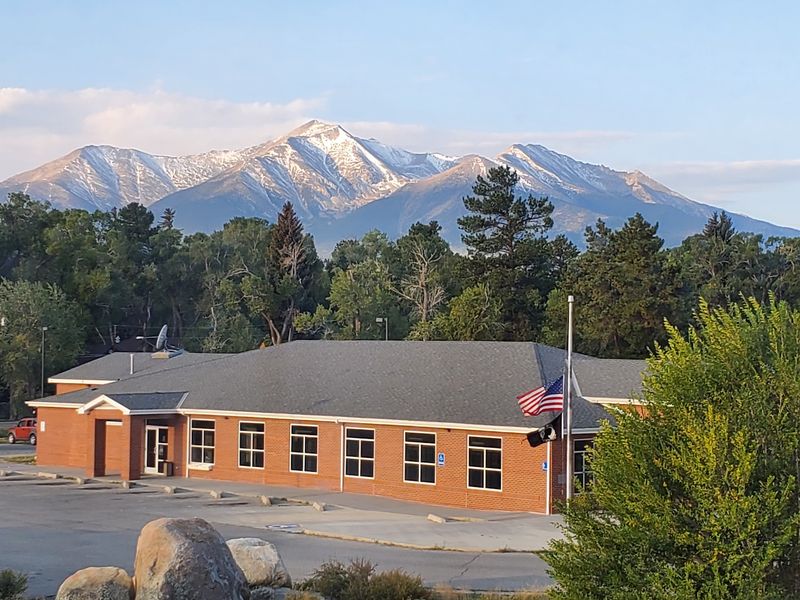
Before Buena Vista became widely known as an outdoor basecamp, its economy looked different. Agriculture, ranching, mining history, highway travel, and public sector employment all helped shape the town, including the correctional facility that has long been a significant local employer.
That older identity matters because tourism did not arrive on a blank page. Buena Vista, Colorado already had working town habits, practical routines, and a less polished public image before recreation development and visitor spending changed the spotlight.
When locals say the town has changed beyond recognition, they are often comparing today’s energy with a place where economic life felt less tied to weekend arrivals. A town built around work and services feels different from one marketed around adventure.
This history gives visitors a better frame. Buena Vista is not merely a mountain playground that recently learned to accept credit cards.
It is a Chaffee County town with layers, some scenic, some plain, and all part of why growth lands unevenly.
Travelers do not need to study a textbook before stopping for lunch, thankfully. But a little awareness helps.
Behind the newer storefronts and riverfront improvements is a community that existed before tourism became the loudest voice in the room.
The Collegiate Peaks Give Growth A Dramatic Backdrop
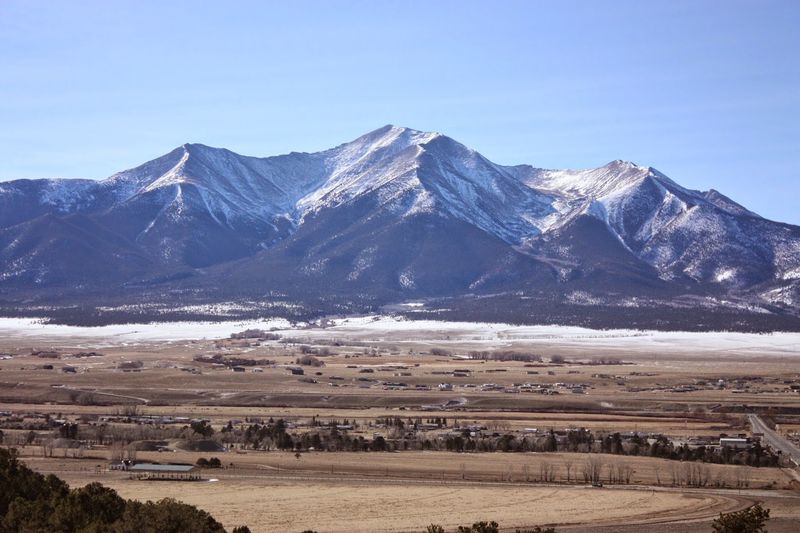
The Collegiate Peaks are impossible to separate from Buena Vista’s tourism story. Mount Princeton, Mount Yale, Mount Harvard, and other high summits in the area give the town a mountain identity that travel brochures did not have to invent from scratch.
That backdrop helps explain why Buena Vista, Colorado draws hikers, climbers, photographers, road trippers, and people who mostly want to look at big mountains while pretending they might hike tomorrow. The peaks make ambition feel nearby, even from town.
The mountains also shape planning. High elevation changes weather, effort, hydration needs, and driving expectations.
Visitors should check conditions, bring layers, and avoid treating a summit name like an invitation printed on hotel stationery.
For residents, the peaks are more than scenery. They are part of the local identity and a major reason tourism keeps growing.
The same ridgelines that make a vacation feel meaningful can also feed pressure on roads, trails, emergency services, and housing.
Colorado has many mountain towns, but Buena Vista’s position below the Collegiate Peaks gives it a particularly direct relationship with high country recreation. The view may be free, but caring for the place around it takes real work.
Weekend Visitors Now Shape The Town Rhythm
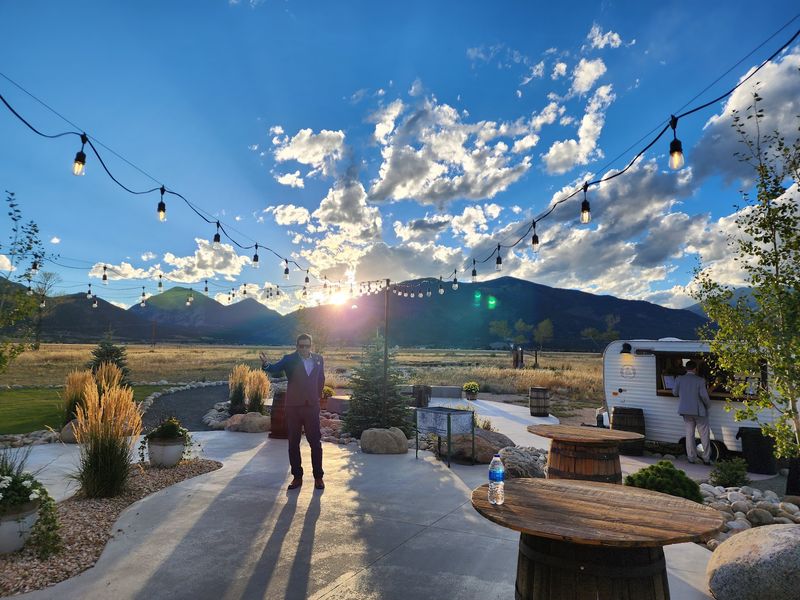
A town changes when weekends start setting the tempo. Buena Vista still has weekday routines, school schedules, public meetings, grocery runs, and all the ordinary business of living, but visitor patterns now play a larger role in how the place feels.
Weekend travelers often arrive with simple goals: get outside, eat well, sleep somewhere comfortable, and return home with proof that leaving the laptop was a wise decision. Buena Vista, Colorado is well positioned for that kind of short trip.
The challenge is that short trips can stack up. More cars, more reservations, more trail use, and more demand for services can make a small town feel busier even when nobody is doing anything wrong.
For a smoother visit, plan ahead without turning the outing into corporate logistics. Reserve lodging early during busy seasons, check river and trail conditions, and keep a backup plan that does not depend on every table, campsite, or parking space being open at the exact moment you appear.
Locals notice when visitor rhythms dominate community rhythms. Travelers who understand that difference tend to move through town with better manners, which is not a flashy travel skill, but it is surprisingly useful in Colorado mountain communities.
Families And Solo Travelers Read The Town Differently
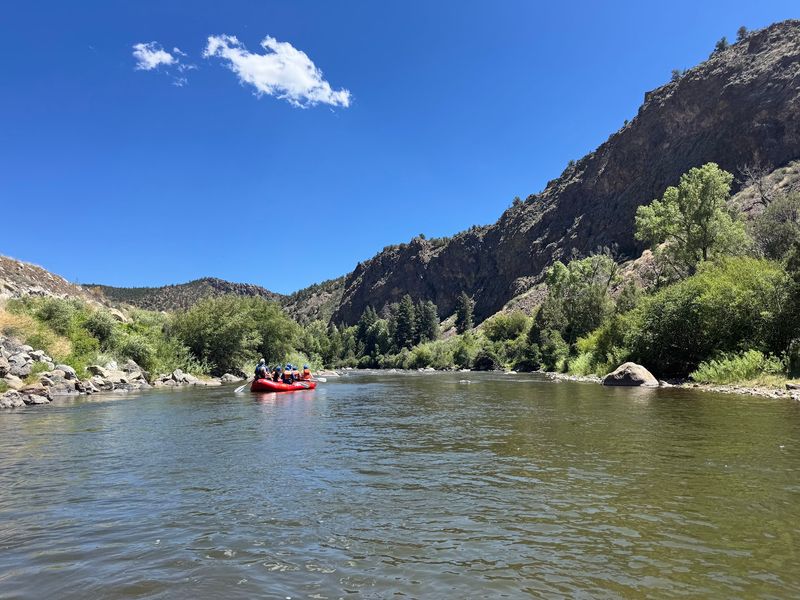
Buena Vista works differently depending on who is arriving. A family may see a manageable mountain town with river trips, parks, casual food options, and enough outdoor space to prevent the dreaded back seat complaint cycle.
A solo traveler may notice the same place in another way. Buena Vista, Colorado offers a clear base for independent hiking, scenic driving, or a quiet day built around the river and downtown without needing a group plan or awkward forced cheer.
Couples and weekend travelers often split the difference. One person may want a trail.
Another may want a slower afternoon. The town’s draw is that both ideas can be part of the same visit without turning the day into a treaty negotiation.
Practical planning still matters. Outdoor activities should match skill level, weather, season, and current conditions.
Families should ask outfitters about age and safety requirements before booking river trips, while solo visitors should share plans when heading into remote areas.
The wider tourism debate remains in the background. Every type of visitor benefits from the services growth has supported, but every visitor also adds to demand.
Buena Vista asks for a simple trade: enjoy what is here, then leave it easier for the next person to enjoy too.
A Simple Stop Still Requires Better Manners
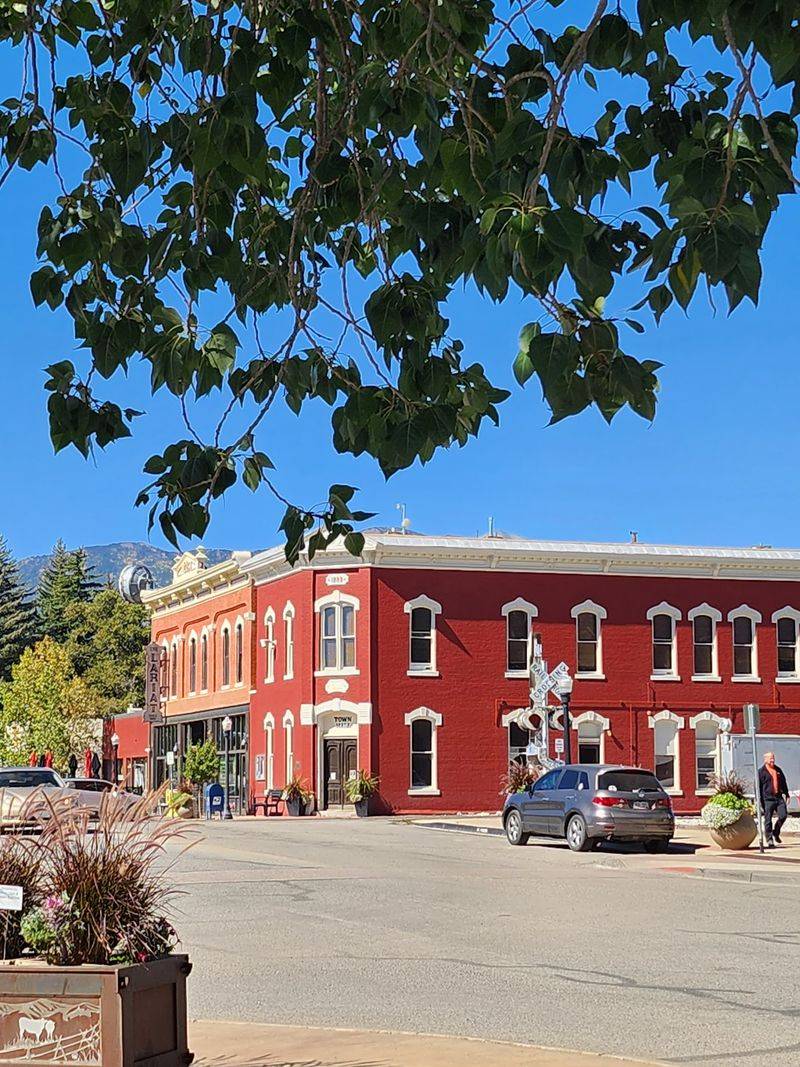
A quick stop in Buena Vista can be easy, but easy should not mean careless. The town’s growth has made small choices more important, especially around parking, noise, trail behavior, and respect for neighborhoods.
Think of it as the mountain town version of being a good houseguest. You do not need to bring a casserole.
Just avoid blocking driveways, follow posted rules, pack out trash, and remember that public land is not a private obstacle course.
A simple Saturday detour can still feel satisfying. Walk a public river area, browse downtown, take in the mountain setting, and keep the plan light enough that nobody has to build a spreadsheet before breakfast.
Buena Vista, Colorado rewards that kind of low fuss approach because its strongest features are already clear: river, mountains, walkable areas, and access to outdoor recreation. Overplanning can almost make the town feel smaller, as if every minute needs a job.
Good visitor behavior also helps reduce friction with residents who have watched tourism reshape daily life. Colorado towns do not need guests to act solemn.
They just need people to remember that vacation excitement and local patience are not the same renewable resource.
The Old Quiet Has Not Fully Disappeared
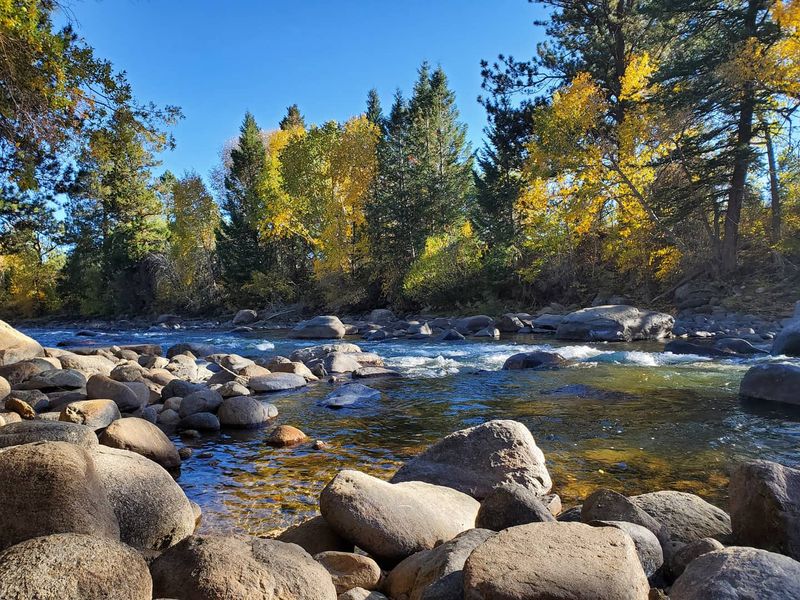
For all the talk about change, Buena Vista has not become unrecognizable in every direction. The mountains remain, the Arkansas River still defines the valley, and the town is still small enough that growth feels personal rather than anonymous.
That is partly why the debate carries weight. Locals are not simply complaining that other people found a nice place.
They are watching a working Colorado town balance outdoor fame, housing pressure, new investment, and the memory of quieter years.
Visitors can hold both truths at once. Buena Vista, Colorado is more polished and busier than it used to be, and it still offers direct access to the landscape that made people care in the first place.
The most useful travel mindset is not guilt, and it is not cheerleading. It is attention.
Notice that the restaurant worker may also be navigating rent. Notice that river access depends on maintenance.
Notice that a mountain view can be both public beauty and someone’s everyday horizon.
Buena Vista’s future will not be settled by one weekend visitor, but better guests help. Go for the river and the peaks, then act like you understand why people worry about losing the town wrapped around them.