
16 Of The Coolest Colorado Restaurants Every Food Lover Should Experience
A great meal should give you more than a full stomach, it should give you a story worth interrupting someone to tell. Colorado understands that better than most, pairing wild scenery with dining rooms, trailside surprises, historic spaces, and plates that feel built for memory-making.
This is not a state where every unforgettable food stop waits politely on a main street with easy parking. Some require a little effort, a little curiosity, or a willingness to turn dinner into the main event.
That is exactly the fun of it. One meal might feel like a family adventure, another like a date-night plot twist, and another like the reward at the end of a snowy trek.
Colorado’s dining scene proves that atmosphere matters, setting matters, and sometimes the journey to the table is half the flavor. Come hungry, stay curious, and let the meal surprise you before the first bite even lands.
1. Casa Bonita, Lakewood

There is genuinely no other restaurant in America quite like Casa Bonita, and once you’ve been, you’ll spend years trying to explain it to people who haven’t. Located at 6715 W Colfax Avenue in Lakewood, this legendary spot is equal parts dining room, theme park, and fever dream — in the best possible way.
Waterfalls cascade indoors. Cliff divers plunge into pools while you’re still deciding what to eat.
Themed caves wind through the building like a labyrinth designed by someone with a spectacular imagination and zero restraint. Live entertainment keeps things lively, and the richly decorated rooms make you feel like you’ve stepped into a completely different world.
Families with kids practically float through the door, because this is the kind of place children talk about for years afterward. It’s a straightforward plan for parents who want dinner and an experience rolled into one unforgettable outing.
Showing up on a weekday gives you a slightly calmer version of the spectacle, though “calm” is a relative term here. Casa Bonita doesn’t do subtle, and honestly, that’s exactly the point.
2. The Fort, Morrison

Driving out to 19192 CO-8 in Morrison feels like following a treasure map, and The Fort is very much the treasure at the end of it. Built as a faithful adobe replica of Bent’s Old Fort, this place wears its Western identity with genuine pride rather than as a gimmick.
The menu leans hard into Colorado’s frontier heritage, spotlighting game meats like bison, elk, and quail — proteins that don’t show up on every corner menu in America. For food lovers who want a meal that actually reflects the landscape they’re sitting in, this is a clean, simple choice that delivers on every level.
The setting does a lot of the atmospheric heavy lifting. Rocky terrain surrounds the building, and as the sun drops behind the hills, the whole scene takes on a golden, cinematic quality that no amount of interior decoration could manufacture.
It’s the kind of restaurant that works equally well for a couple looking for a genuinely memorable dinner or a traveler making a purposeful detour off the highway. The Fort isn’t trying to be trendy — it’s something far more durable than that.
3. Buckhorn Exchange, Denver
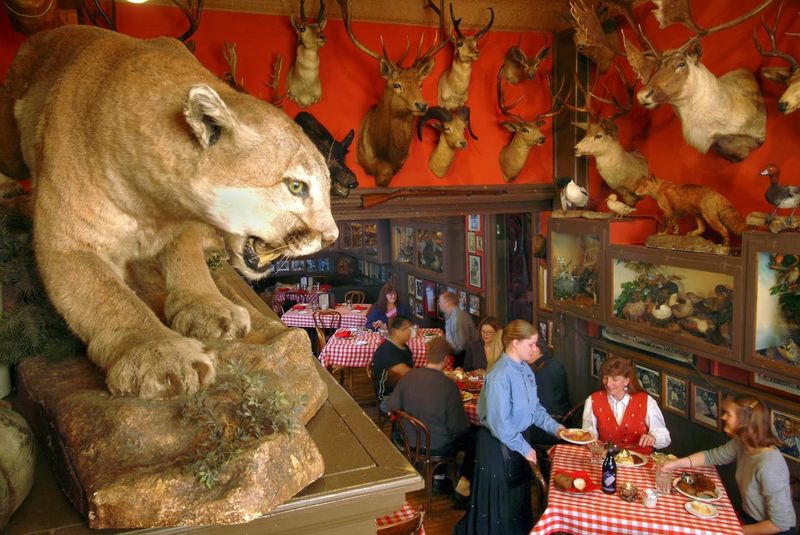
Denver’s oldest restaurant has been open since 1893, which means it was serving meals before most of the city’s current neighborhoods even existed. The Buckhorn Exchange at 1000 Osage Street is the kind of place that carries history in its walls — literally, given the hundreds of mounted wildlife specimens and historic artifacts covering nearly every surface.
Walking in feels less like entering a restaurant and more like stepping into a Western museum that also happens to feed you exceptionally well. The combination is oddly perfect.
Taxidermy and vintage memorabilia create an atmosphere that is specific, unapologetic, and genuinely fascinating, especially for first-time visitors who weren’t quite prepared for the sensory experience.
Solo diners tend to appreciate it here because there’s so much to look at between bites that silence never feels awkward. History buffs will find themselves lingering longer than planned, reading plaques and tracing the lineage of artifacts that span Colorado’s frontier era.
For anyone passing through Denver who wants a meal that doubles as a cultural experience, the Buckhorn Exchange is a reliable, high-confidence stop. It’s been doing this for well over a century, and that kind of track record doesn’t lie.
4. The Airplane Restaurant, Colorado Springs
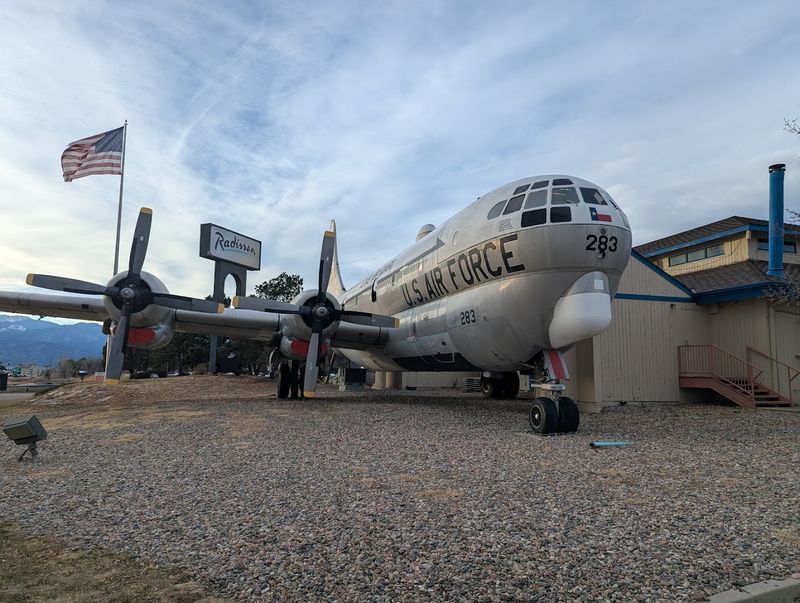
Sitting inside a real Boeing KC-97 tanker while eating dinner is not an experience most people have on their bucket list — mostly because they don’t know it’s possible. The Airplane Restaurant at 1665 Newport Road in Colorado Springs makes it very much possible, and the novelty does not wear off once you’re actually seated inside the fuselage.
Aviation photographs line the walls. Rare artifacts and memorabilia fill the cabin with a level of detail that aviation enthusiasts will find deeply satisfying.
Even guests with zero interest in aircraft tend to get pulled in by the sheer specificity of the collection. There’s something compelling about eating a meal surrounded by the genuine history of flight.
This works brilliantly as a post-errand reward for families who’ve been running around Colorado Springs all day and want dinner to feel like an event. Kids who are airplane-obsessed will have a hard time sitting still, in the best way.
Adults who aren’t particularly aviation-minded still find the setting engaging enough to make the meal memorable. The Airplane Restaurant has a clear identity and leans into it without apology, which in the crowded restaurant landscape of Colorado Springs is genuinely refreshing.
5. The Rabbit Hole, Colorado Springs
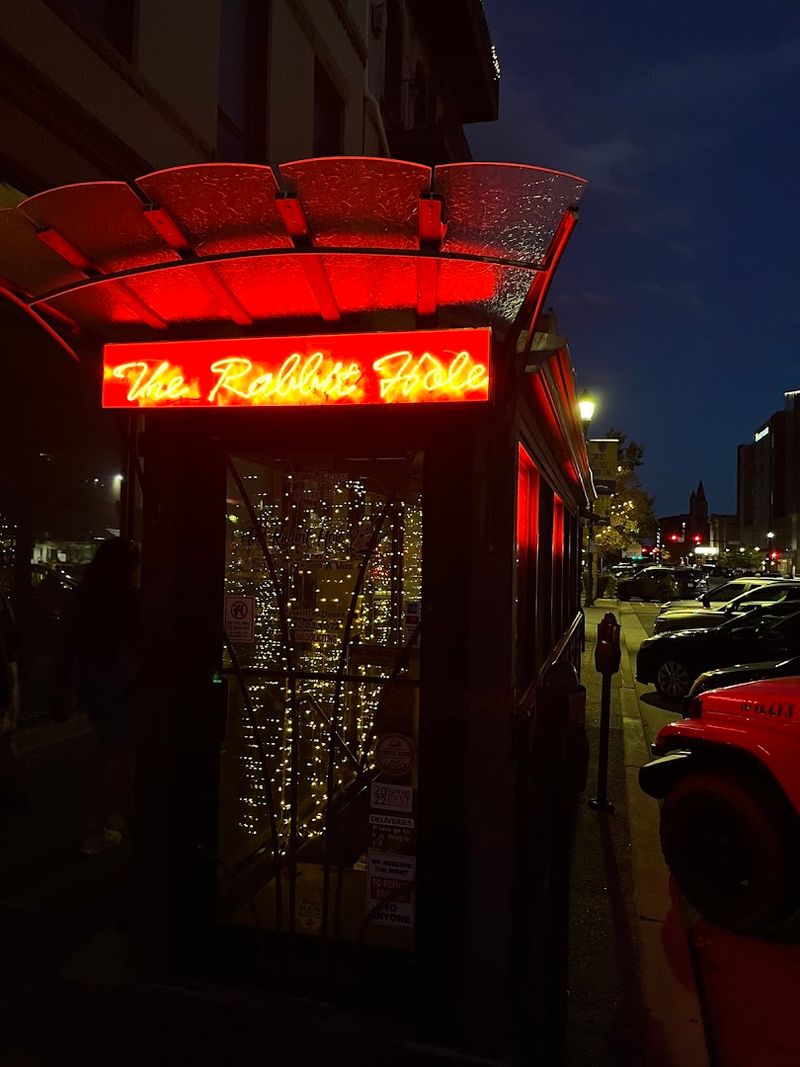
There’s something deliciously disorienting about descending below street level to find a dining room inspired by Alice in Wonderland. At 101 N Tejon Street in Colorado Springs, The Rabbit Hole leans fully into its literary namesake, creating an atmosphere that balances whimsy with genuine sophistication.
The space sits underground, which gives it an intimate, cocooned quality unlike anything you’d find in a standard street-level restaurant. Upscale American dishes anchor the menu, and the creative approach extends well beyond the decor.
Couples looking for a dinner that feels genuinely different from the usual rotation will find this a particularly easy win.
The location on Tejon Street puts it right in the middle of downtown Colorado Springs, making it a natural anchor for an evening out — a show before, a stroll after, and a meal in between that gives everyone something to talk about on the drive home. What makes The Rabbit Hole stand out isn’t just the theming; it’s that the theming is executed with enough care and restraint that it enhances rather than overwhelms the dining experience.
You feel transported without feeling like you’ve wandered into a costume party. That balance is harder to achieve than it looks.
6. Linger, Denver
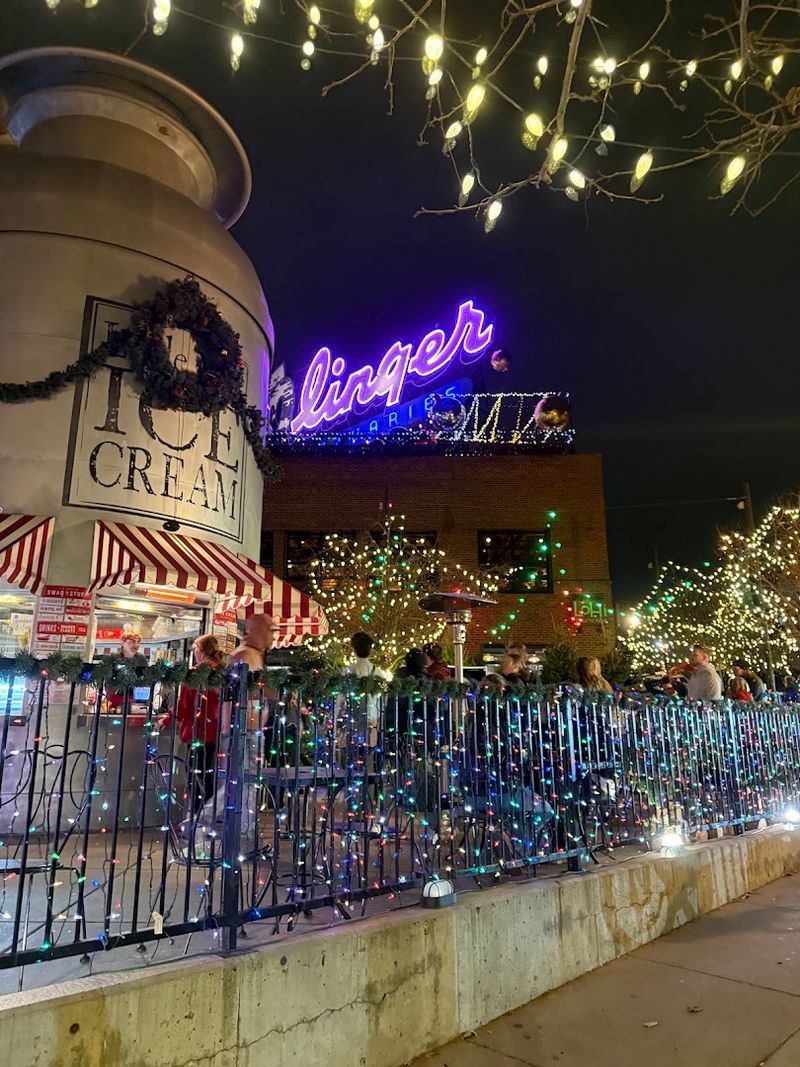
A former mortuary is not the obvious choice for a global street-food restaurant with a rooftop patio, but Linger at 2030 W 30th Avenue in Denver has turned that unlikely premise into one of the city’s most talked-about dining destinations. The building’s past is acknowledged with a wink rather than hidden behind fresh drywall.
The food travels widely — think street-food flavors drawn from multiple continents, assembled with the kind of creative confidence that makes menus exciting to read. The rooftop patio adds an outdoor dimension that transforms the experience depending on the season and the weather.
A clear Denver evening up there has a particular kind of energy that’s hard to replicate indoors.
For a group of friends who’ve already done the standard Denver restaurant circuit, Linger offers a genuinely fresh angle. The conversation starts before the food even arrives, because the setting demands it.
It also works well as a Sunday reset — somewhere to gather, eat broadly, and shake off the week before Monday reasserts itself. The combination of unusual history, global flavors, and rooftop access gives Linger three distinct reasons to visit, which is two more than most restaurants can honestly claim.
7. Nocturne Jazz & Supper Club, Denver
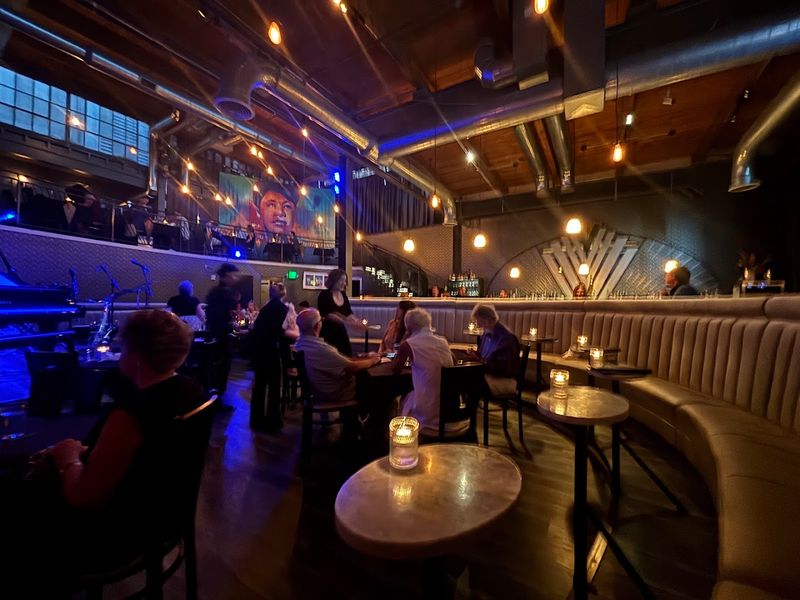
Some restaurants are about the food. Some are about the room.
Nocturne Jazz & Supper Club at 1330 27th Street in Denver manages to be genuinely about both, which is rarer than it sounds. Live jazz plays every night the doors are open, not as background noise but as a real performance that shapes the entire evening.
The supper club format gives the whole experience a structure that feels pleasantly old-school — dinner and music as a unified event rather than two things happening in the same room by coincidence. It’s polished without being stiff, which is exactly the tone that makes a night out feel elevated without requiring a tuxedo.
Couples who want an evening that unfolds slowly and deliberately will find Nocturne a particularly satisfying choice. It’s not a quick-bite situation; it rewards the decision to linger, to listen, and to let the meal take its time.
A midweek visit carries a different energy than a weekend, slightly more contemplative, which suits the jazz-and-dinner combination well. Located in Denver’s RiNo-adjacent corridor, it fits naturally into an evening that begins with a gallery walk and ends with the last notes of a saxophone fading into the night air.
8. Ophelia’s Electric Soapbox, Denver
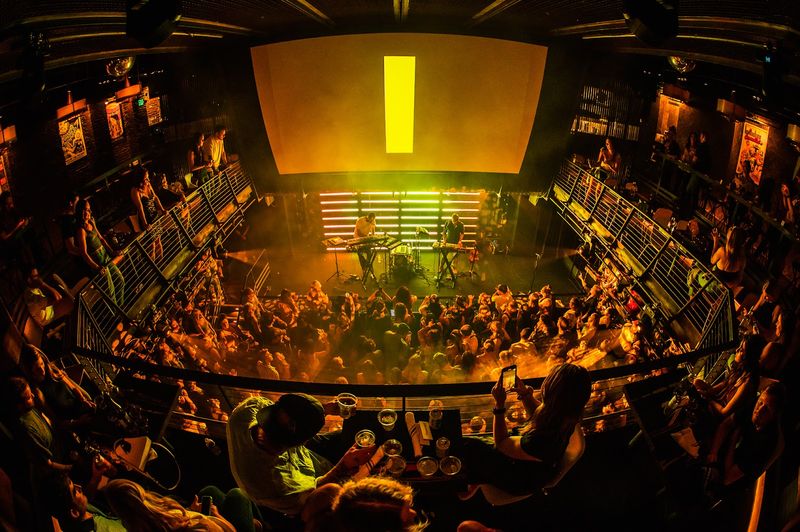
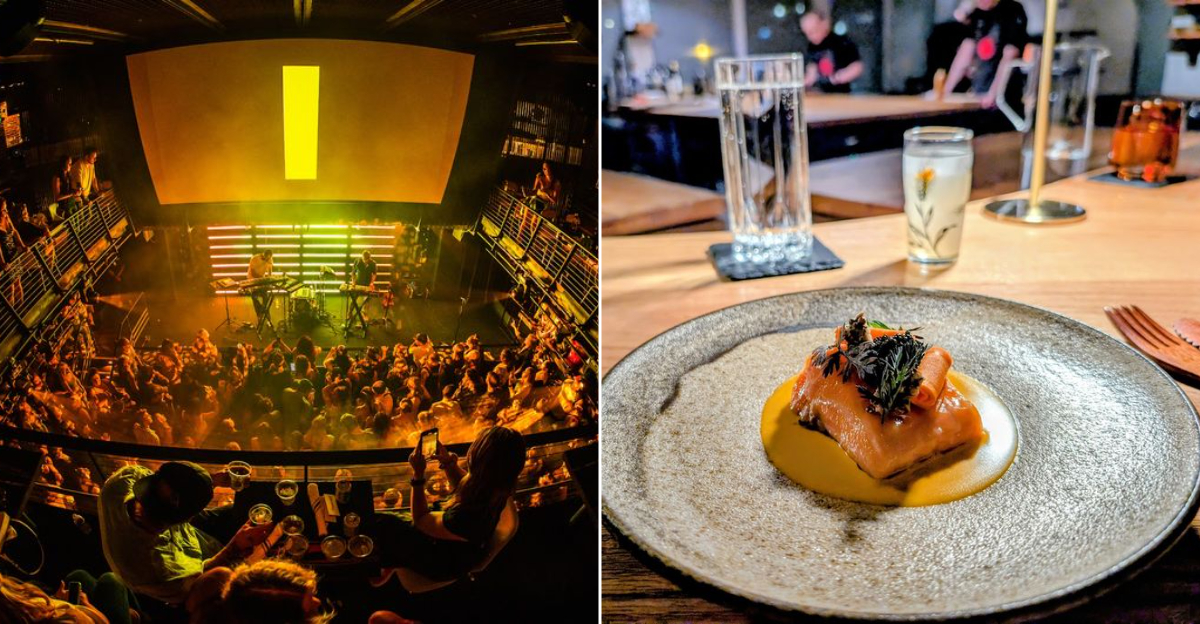
Housed inside an 1894 building with a famously colorful former life, Ophelia’s Electric Soapbox at 1215 20th Street in Denver is the kind of place that makes you want to arrive early just to fully absorb the room before the night picks up speed. The multilevel interior creates natural drama — balcony seating looks down over the action below, and the whole space hums with a specific kind of electric anticipation.
Live concerts share the calendar with dinner service, meaning the experience can shift significantly depending on which night you choose. The balcony is particularly well-suited for people who want to watch the room rather than be at the center of it — a solo diner’s quiet victory in a venue that otherwise skews social and lively.
The building itself is part of the appeal. Layers of history are visible in the architecture, and the current incarnation honors that history by filling the space with energy rather than erasing it with a sterile renovation.
Food, music, and an interior that rewards close attention — Ophelia’s stacks its value in a way that makes repeat visits feel logical. Each time the lineup changes, the restaurant essentially becomes a different place, which is a clever trick for keeping regulars genuinely engaged.
9. El Five, Denver
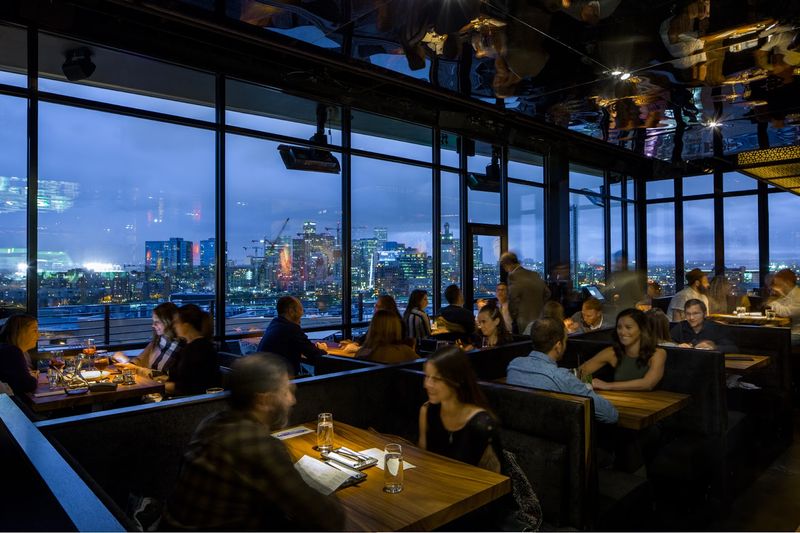
Getting to the fifth floor of 2930 Umatilla Street in Denver requires an elevator ride, and the moment those doors open, the city spreads out in front of you in a way that immediately justifies the trip. El Five pairs Mediterranean and Spanish-inspired small plates with an elevated patio that gives you the Denver skyline as a backdrop for the entire meal.
The elevated patio is the obvious draw, but the food holds its own weight without leaning on the view as a crutch. Small plates encourage sharing and grazing, which sets a relaxed, unhurried pace that suits the setting well.
Couples marking an anniversary or a quiet midweek celebration will find the combination of rooftop air and Spanish-Mediterranean flavors a genuinely stress-free call.
Arriving before sunset gives you the full visual arc — golden hour over the Denver skyline transitioning into the lit-up grid of the city at night. It’s the kind of atmospheric shift that makes a meal feel like it has chapters.
El Five has earned its reputation not just for what’s on the plate but for understanding that a restaurant at that altitude, with that view, carries a responsibility to match the moment. It earns that responsibility consistently.
10. BRUTØ, Denver
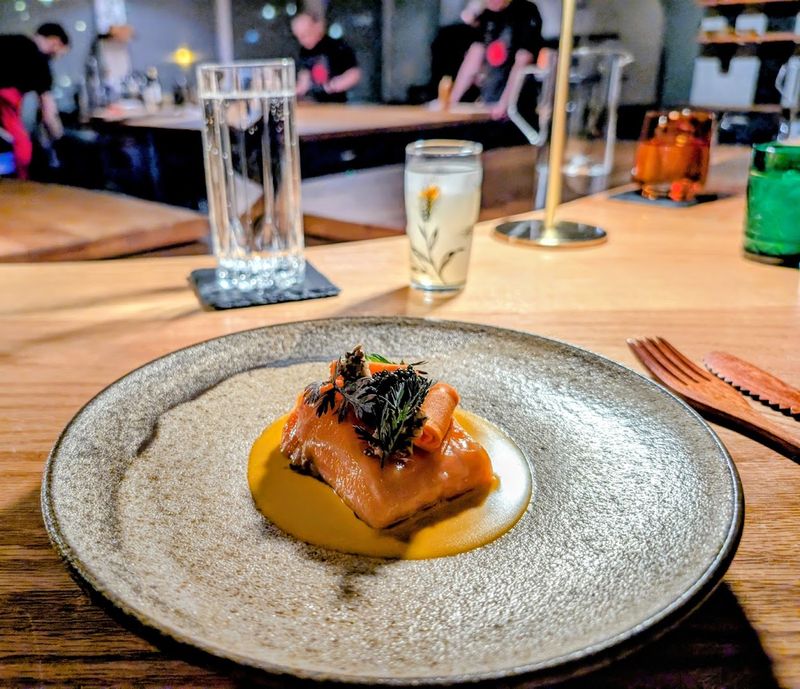
Wood fire is one of the oldest cooking methods humans ever discovered, and BRUTØ at 1801 Blake Street in Denver uses it as the centerpiece of an entire culinary philosophy. The wood-burning hearth sits at the heart of the restaurant, and the tasting counter wraps around it so that diners can watch nearly every step of the cooking process unfold in real time.
That transparency changes the dynamic of the meal in a fundamental way. You’re not waiting for food to arrive from somewhere behind a closed door — you’re watching it happen, which turns dinner into something closer to a performance than a transaction.
The intimacy of the counter format amplifies this further; with a small number of seats, every guest is close to the action.
BRUTØ rewards the kind of diner who wants to be fully present rather than distracted, which makes it a particularly good choice for a thoughtful weeknight out when the goal is genuine engagement rather than background noise. Located on Blake Street in Denver’s lively RiNo district, it sits within easy reach of the neighborhood’s broader energy while offering a focused, almost meditative contrast to the street-level buzz outside.
The fire does the talking, and it has a lot to say.
11. Beckon, Denver
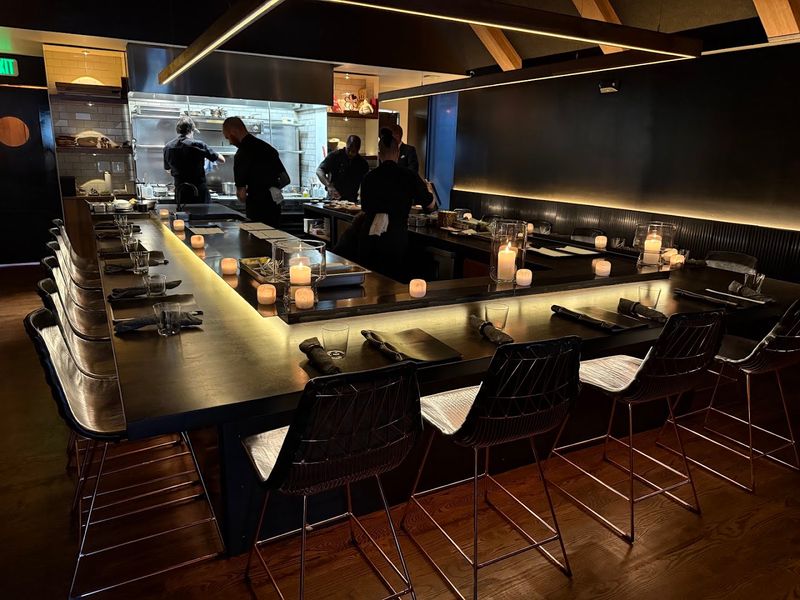
Eighteen seats. That’s the entire capacity of Beckon at 2843 Larimer Street in Denver, and that number tells you almost everything you need to know about what kind of experience you’re signing up for.
Every one of those seats faces the open kitchen, which means the chef’s counter isn’t a feature — it’s the whole point.
The converted RiNo bungalow setting gives the space a warmth that larger restaurants with more ambitious architecture often fail to manufacture. Small rooms with focused menus tend to produce meals that feel considered rather than produced, and Beckon operates firmly in that tradition.
The intimacy means the cooking is never anonymous; you see exactly who is making your food and exactly how they’re doing it.
Booking here requires some planning, because eighteen seats don’t stay open long. That slight friction is actually part of the value — arriving at Beckon feels earned in a way that walking into a 200-seat restaurant simply doesn’t.
For couples or small groups who want a dinner that holds their full attention from the first moment to the last, this is one of Denver’s most quietly compelling options. Small by design, and better for it.
12. Tavernetta, Denver
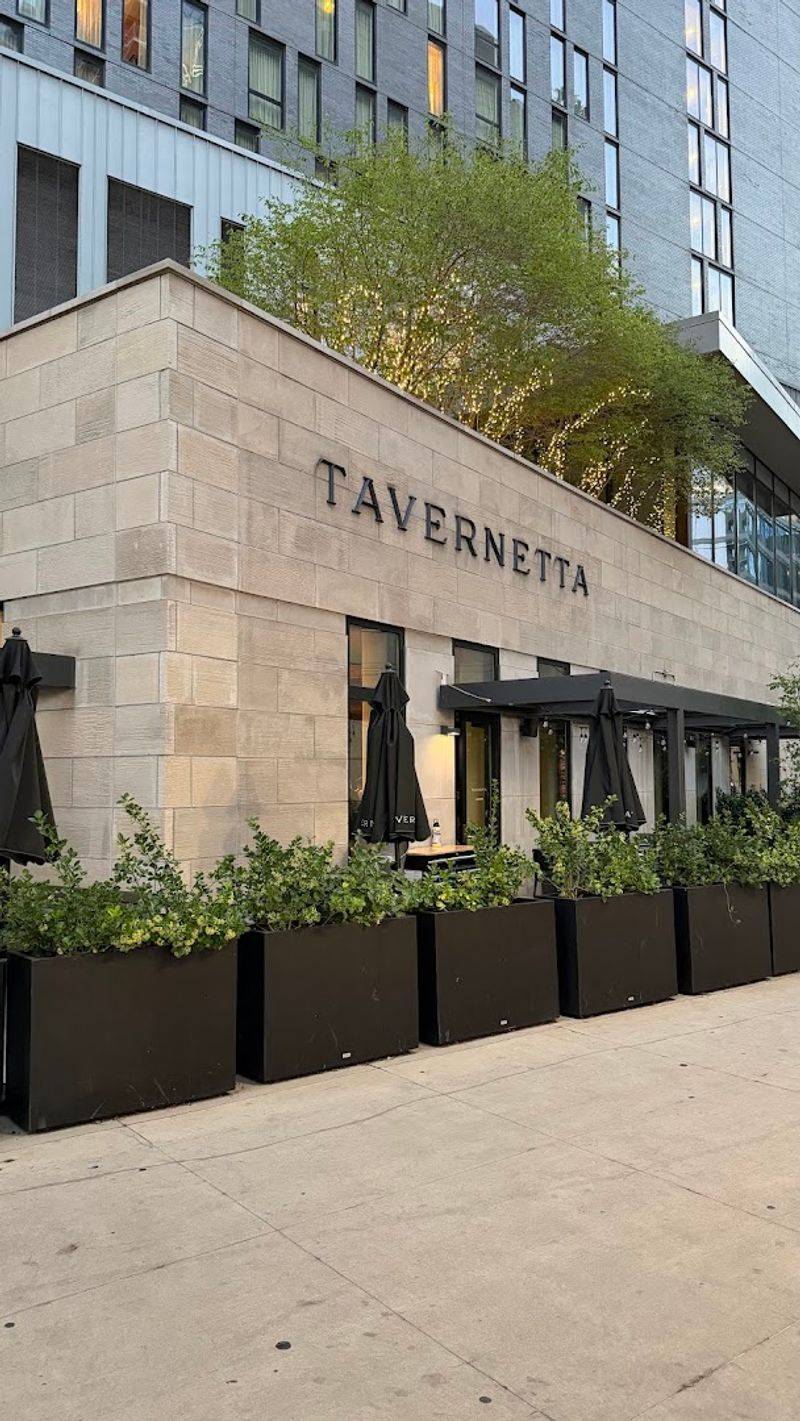
Union Station in Denver has become one of those rare civic spaces that actually lives up to its own hype, and Tavernetta at 1889 16th Street benefits enormously from the neighborhood energy that surrounds it. The Frasca Hospitality team brought their Italian sensibility here, and the result is a restaurant that feels both polished and genuinely welcoming.
Handmade pasta is the anchor of the menu, and the attention to craft that goes into each shape and filling is the kind of thing that makes you slow down and actually taste what’s in front of you. The stylish lounge offers a more relaxed entry point for guests who want to graze rather than commit to a full sit-down dinner.
Italian drinks round out the experience with the depth and care you’d expect from a team that takes the beverage program as seriously as the kitchen.
Tavernetta works particularly well as a pre-theater stop or a leisurely post-travel meal after arriving at Union Station — the geographic logic is almost too convenient to ignore. The elegant dining rooms have enough warmth to make a special occasion feel appropriately marked without sliding into the kind of formality that makes everyone sit up a little too straight.
Comfort and elegance, sharing the same table.
13. Flagstaff House Restaurant, Boulder
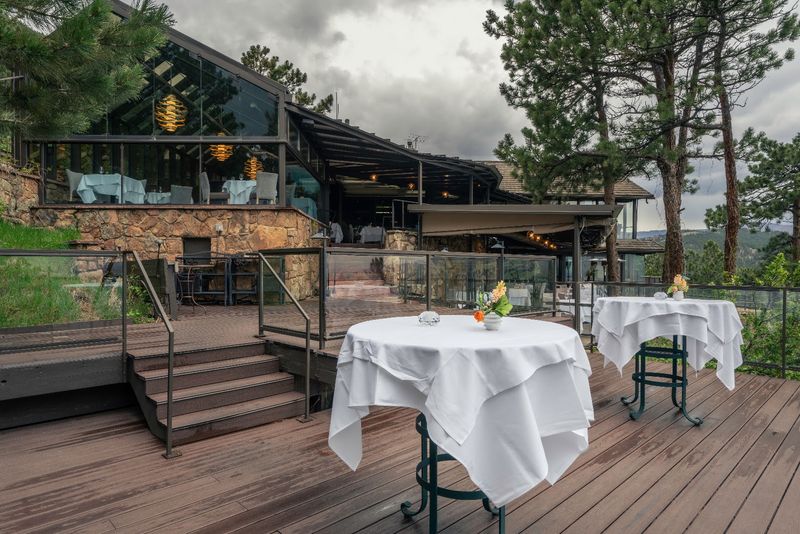
Perched roughly 6,000 feet above sea level on Flagstaff Road in Boulder, this restaurant earns its reputation through a combination of altitude, view, and culinary ambition that few places in Colorado can match. The drive up the mountain is part of the experience — each switchback adds anticipation, and by the time you arrive, the city below has already begun to look like a map.
The views from the dining room are extraordinary in a way that photographs don’t fully capture. Boulder spreads out beneath you, the plains extend to the horizon, and on clear nights the whole scene takes on a quality that makes conversation pause naturally.
Fine dining at this elevation carries a particular kind of drama that has nothing to do with the food and everything to do with where you’re sitting while you eat it.
The Flagstaff House is a strong choice for milestone celebrations — birthdays, anniversaries, graduations — where the setting needs to match the occasion’s emotional weight. Reservations are a practical necessity rather than a suggestion.
Arriving just before sunset allows you to watch the light change over Boulder in real time, which is the kind of incidental spectacle that transforms a very good dinner into a genuinely lasting memory.
14. Frasca, Boulder
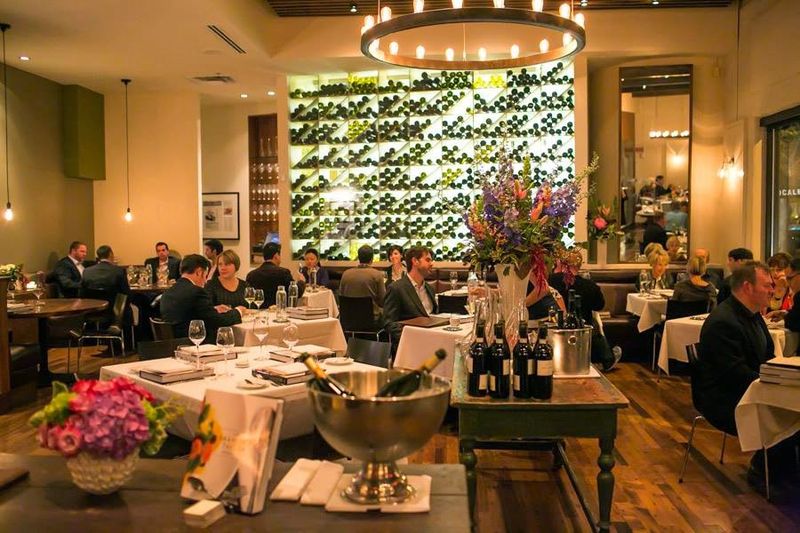
Pearl Street in Boulder is a reliably lively stretch of restaurants and shops, but Frasca at 1738 Pearl Street operates in a register distinctly its own. The inspiration here is Friuli-Venezia Giulia, a northeastern Italian region with a culinary identity that most American diners have never encountered, which immediately sets Frasca apart from the broader Italian restaurant landscape.
Meticulous preparation runs through every element of the meal, from the pasta to the drinks program that supports it. The tasting-menu format encourages a pace of eating that is fundamentally different from ordering off a standard menu — it asks you to surrender the decision-making and trust the kitchen’s sequence, which is an exercise in pleasant surrender that most people find deeply satisfying once they commit to it.
Frasca has a reputation that extends well beyond Boulder, drawing diners who make the trip specifically for this meal rather than stumbling in off the street. That intentionality shapes the room in subtle ways — everyone present has chosen to be there with a degree of purpose.
It makes for a particular kind of dining atmosphere, attentive and appreciative in equal measure. For serious food lovers, a reservation at Frasca is a Colorado non-negotiable.
15. Pine Creek Cookhouse, Aspen
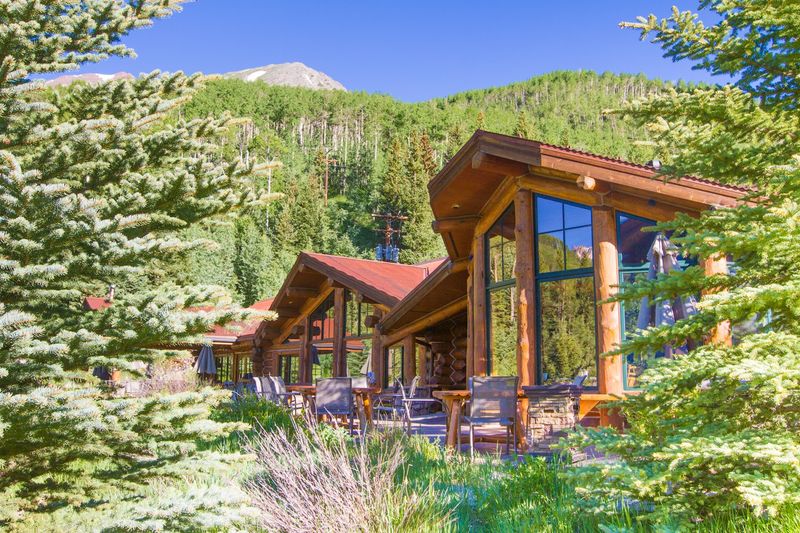
Getting to Pine Creek Cookhouse at 12500 Castle Creek Road in Aspen is itself part of the experience. The restaurant sits deep in the Ashcroft Valley beneath the Elk Mountains, meaning the journey — whether by foot, horseback, or other summer transport — begins well before anyone sits down to eat.
That deliberate remove from the ordinary world is precisely the point.
Alpine cuisine served in a mountain valley surrounded by peaks is a combination that rewards the effort required to get there. Summer visitors can pair the meal with hiking or horseback riding in the surrounding landscape, turning what might otherwise be just dinner into a full day’s adventure with a very satisfying conclusion.
The natural setting does the atmospheric work that no interior designer could replicate.
Families who want an outdoor-centered day that still ends with a proper meal will find Pine Creek Cookhouse a surprisingly elegant solution to the
16. Tennessee Pass Cookhouse, Leadville
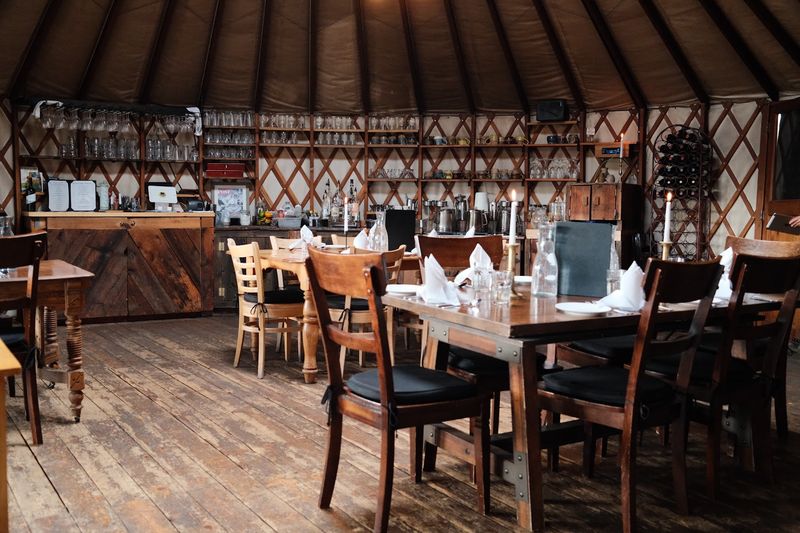
Reaching Tennessee Pass Cookhouse on E Tennessee Road near Leadville requires a one-mile hike in summer or a journey by skis and snowshoes in winter, and that physical commitment reframes the meal before it even begins. Sitting at 10,800 feet elevation in an off-grid cookhouse, you are genuinely removed from the everyday in a way that no urban restaurant can simulate.
The multicourse format gives the meal a leisurely, ceremonial quality that matches the effort of arrival. You’ve earned this dinner with your legs, and the cookhouse honors that by not rushing anything.
Summer visitors planning their trip should note that the 2026 season runs from June 11 through September 27, which gives you a defined window to work around when planning your visit.
Winter arrivals by ski or snowshoe experience the cookhouse in an entirely different register — the dark trees, the cold air, and the warm glow of the building ahead create a sensory contrast that is almost cinematic. Tennessee Pass Cookhouse is the kind of restaurant that generates stories people tell for years, not because of a single dish but because of the whole improbable, wonderful experience of being there.
It belongs in a category of its own, because genuinely nothing else quite compares.