
The Fascinating Car Museum In Ohio That Enthusiasts Will Drive From Anywhere To See
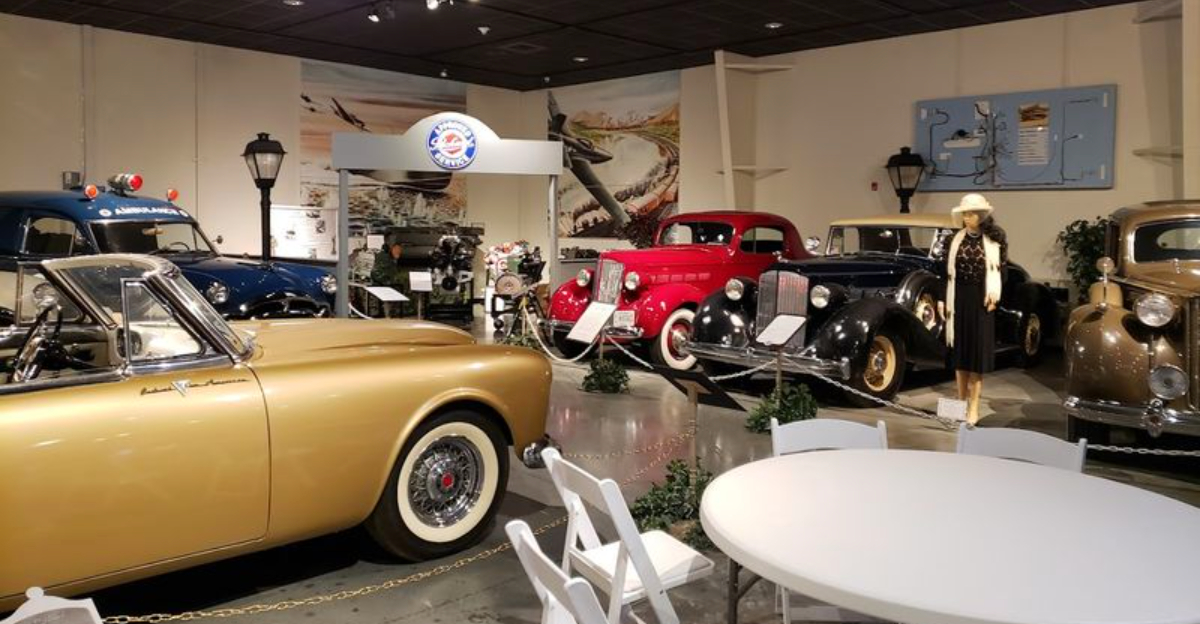
In northeast Ohio, automotive history feels oddly alive, and I mean that in the most literal way. The first time I heard about it, I was already mentally clearing a weekend, and the trip delivered exactly the kind of “worth it” you hope for.
This is not a quiet building where old cars sit around looking bored. It is a carefully preserved tribute to one of America’s most storied automobile brands, packed with rare vehicles, fascinating artifacts, and stories that link past and present so smoothly that even non-car people start leaning in closer.
Jay Leno, one of the most well-known car collectors in the world, has shown real interest in Packard history and the kind of vehicles highlighted here, and after spending a few hours inside, I understand why.
Keep reading, because this Ohio treasure has far more to offer than a quick photo and a polite nod.
The Story Behind the Museum
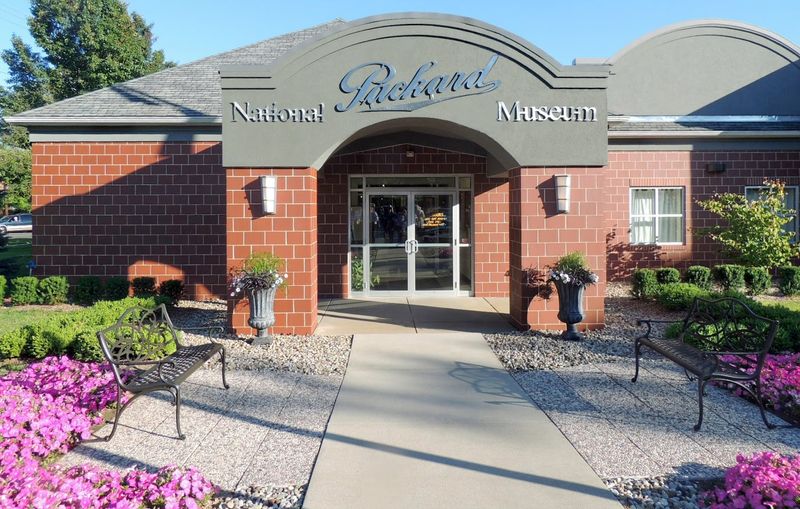
Few museums carry this kind of origin story. The National Packard Museum exists because Warren, Ohio, is the actual birthplace of the Packard automobile, and local preservationists wanted that legacy honored in a permanent, meaningful way.
James Ward Packard and his brother William Doud Packard built their first car right here in Warren in 1899. That single act of engineering ambition launched one of the most celebrated luxury automobile brands in American history.
The museum was established to document and celebrate that legacy with real artifacts, real vehicles, and real context. You are not reading about history on a placard here.
You are standing next to the machines that made it.
The address, 1899 Mahoning Ave NW, Warren, OH 44483, carries a fun detail worth noticing: the street number 1899 matches the year the first Packard car was built. That is either a beautiful coincidence or a very clever choice, and either way, it sets the tone perfectly for everything inside.
The Building Itself Has Character
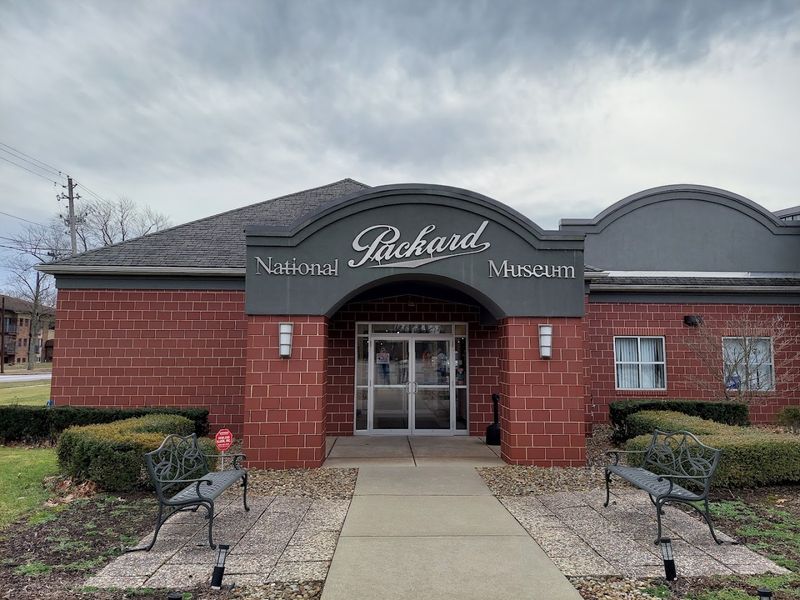
Before you even look at a single car, the building earns your attention. The museum is housed in a structure that feels appropriate for the collection inside, with a layout that manages to be both compact and surprisingly spacious once you are moving through it.
The floors are clean, the lighting is thoughtful, and the displays are arranged in a way that guides you naturally from one era to the next. Nothing feels thrown together or like an afterthought.
Visitors consistently note how well-maintained everything is, and I noticed the same thing during my visit. The cars are displayed close enough that you can examine every curve and chrome detail without feeling rushed or crowded out.
One thing worth knowing before you go: the space can feel a bit snug in certain sections, which makes photography a small challenge. But honestly, that intimacy is part of the charm.
You are not peering at these cars from across a rope barrier. You are right there with them.
The Packard Car Collection
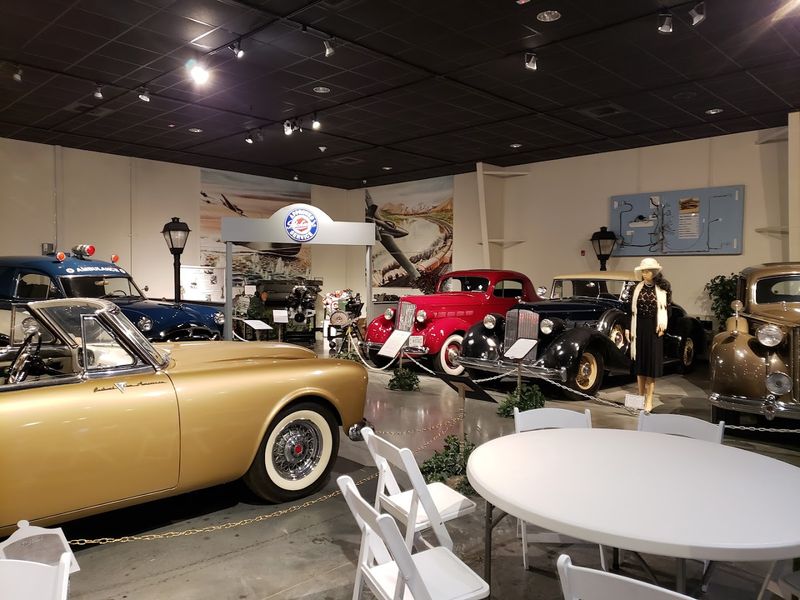
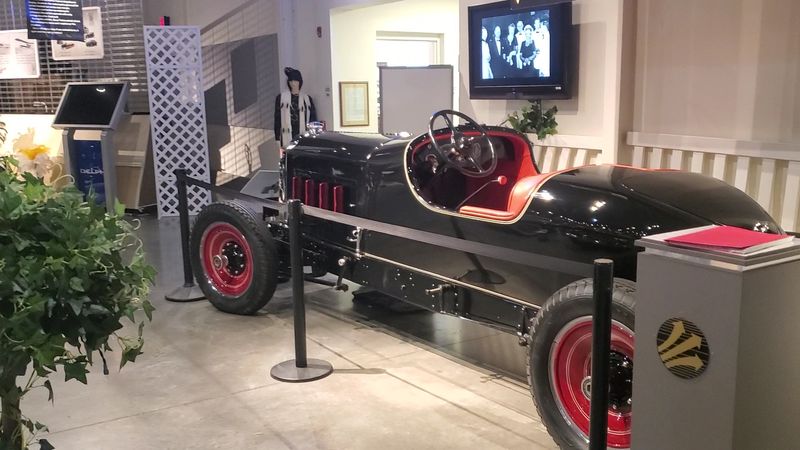
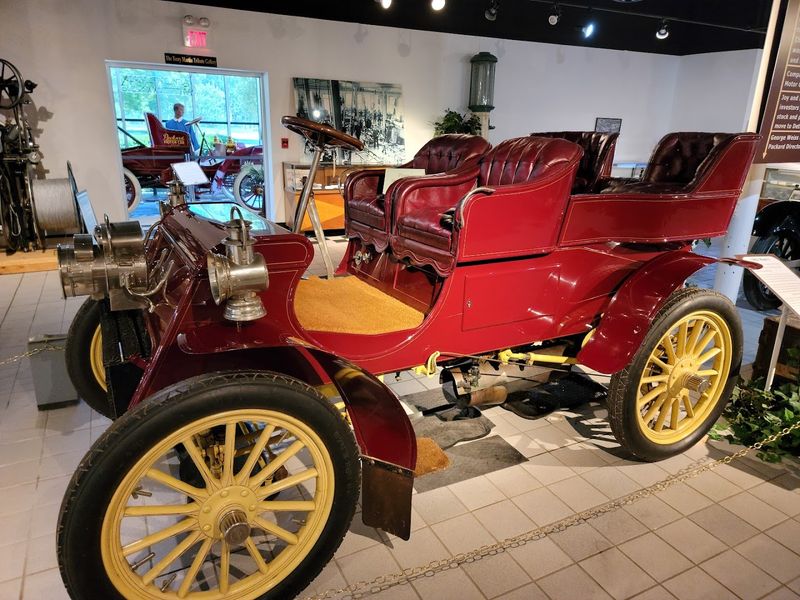
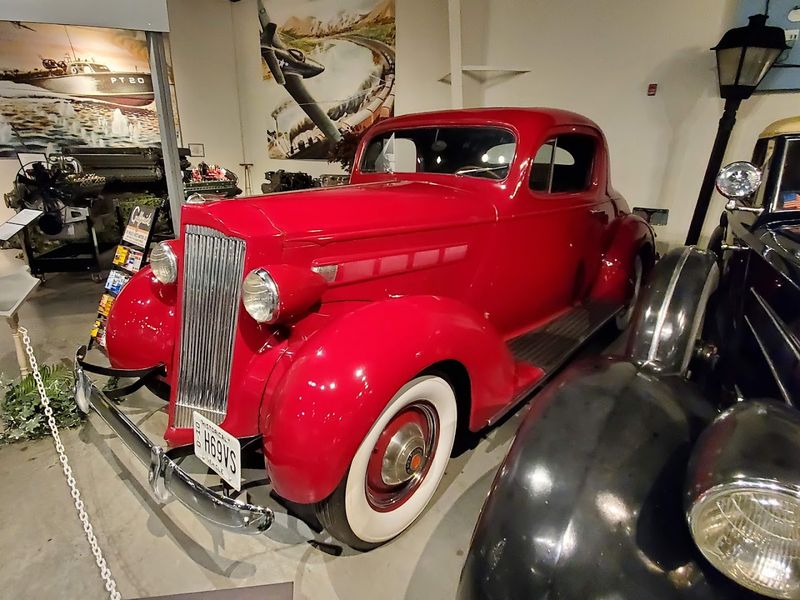
The cars are the obvious centerpiece, and they do not disappoint. The collection spans decades of Packard production, from the early brass-era vehicles of the 1900s through the elegant luxury models of the 1920s, 1930s, 1940s, and into the final production years of the 1950s.
Each vehicle has been preserved or restored to a standard that makes you stop and stare. The paintwork, the upholstery, the chrome trim, and the overall condition of these machines are genuinely impressive.
What struck me most was the variety. You get open-top touring cars from the early days sitting near the sweeping, formal sedans of the 1930s, which sit near the sleeker, more modern shapes of the postwar era.
The visual progression alone tells the story of American automotive design across half a century.
Car enthusiasts will find themselves lingering at each vehicle far longer than they planned. I budgeted an hour for the visit and ended up staying well over two, and I still felt like I had more to see.
Early Packard History and the Warren Connection
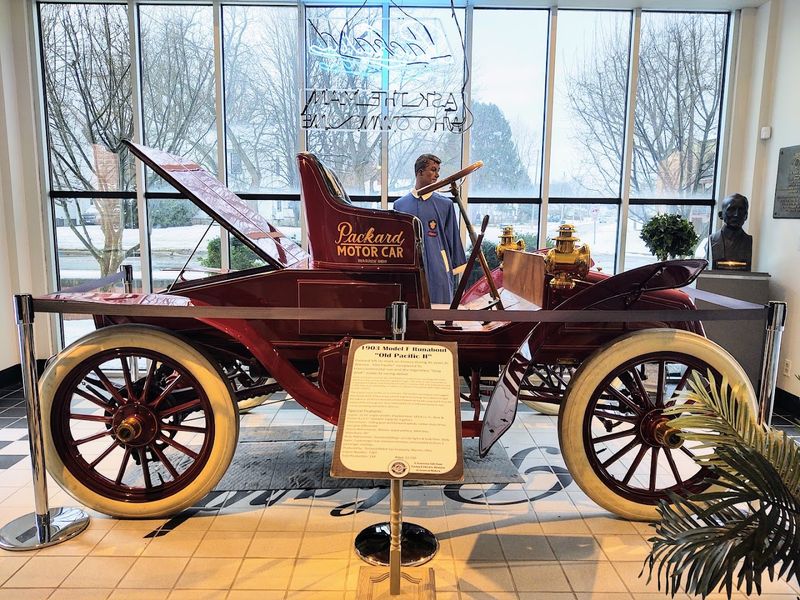
Most people arrive knowing that Packard was a prestigious car brand. Far fewer arrive knowing that the whole thing started in a small Ohio city that most Americans could not find on a map without help.
James Ward Packard was already a successful businessman in Warren when he purchased a Winton automobile in 1898 and found it unreliable. After complaining directly to the manufacturer, he was reportedly told he could build a better car himself.
So he did.
That first Packard, the Model A, rolled out of a small shop in Warren in 1899. Within a few years, the company had grown large enough to relocate production to Detroit, but Warren never stopped being the place where it all began.
The museum does a wonderful job of telling this founding story through photographs, documents, and artifacts that connect the Packard name directly to the community that gave it life.
It is one of those rare instances where local pride and legitimate historical significance are pointing in exactly the same direction.
The Motorcycle Exhibition
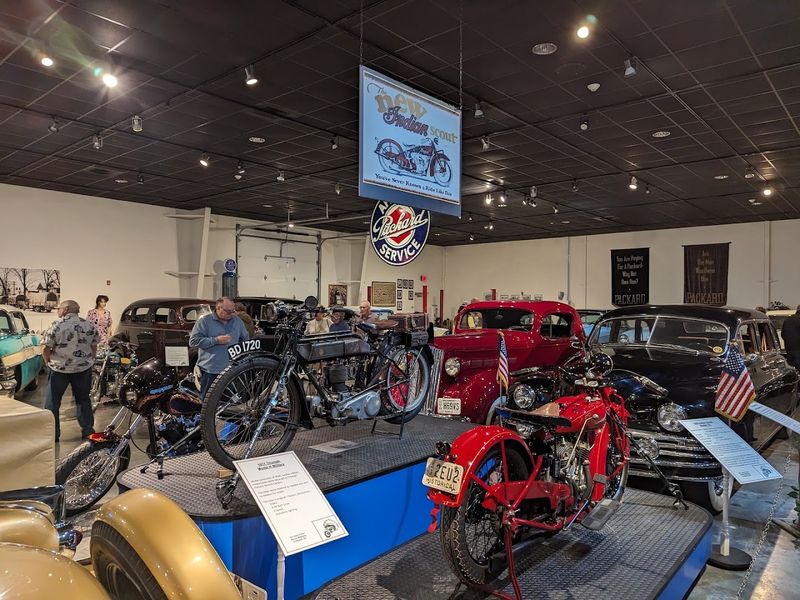
Here is something that surprises most first-time visitors: the museum does not limit itself strictly to four-wheeled vehicles. During certain periods, the collection expands to include a notable display of vintage motorcycles that draws its own dedicated crowd.
The motorcycle exhibition adds a completely different energy to the space. Where the Packard cars tend to project elegance and formal grandeur, the motorcycles bring something rawer and more mechanical to the experience.
I visited during one of these motorcycle display periods, and the contrast between the sweeping Packard sedans and the lean, purposeful bikes parked nearby was genuinely striking.
They are different expressions of the same era’s engineering ambition, and seeing them together in one space makes both more interesting.
If motorcycles are your thing, it is worth checking the museum’s schedule before your visit to find out when the next exhibition is running. The displays rotate, so timing your trip around one of these special showings can make an already strong visit even more memorable.
Packard Beyond the Automobile
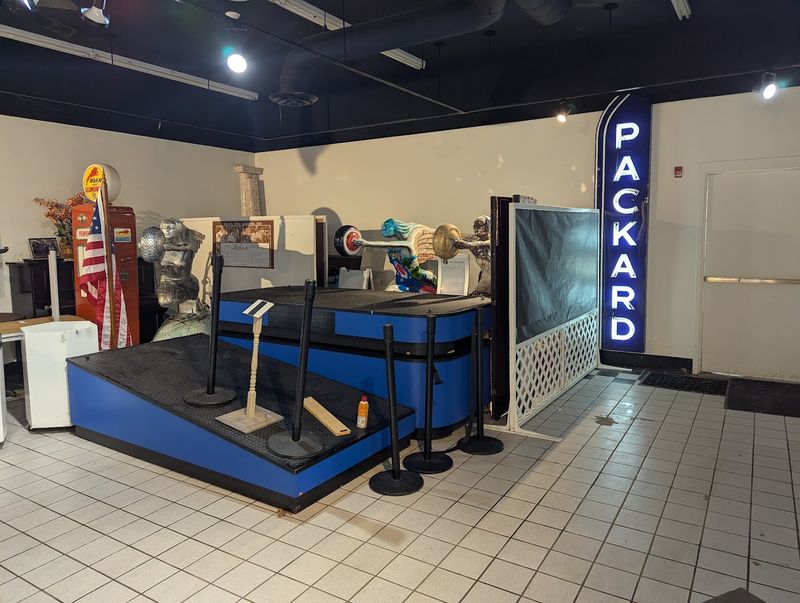
The Packard name did not begin and end with cars. That is one of the most surprising things I took away from this visit, and it genuinely reframed the way I thought about the brand’s place in American industrial history.
The Packard family had deep involvement in electrical innovation, including early work related to incandescent lighting. The museum touches on these broader contributions, giving visitors a fuller picture of the family’s impact on technology and industry beyond the automotive world.
There are also displays covering Packard’s involvement in aviation engines, which were used in various military aircraft during the early and mid-twentieth century.
The engineering ambition that produced luxury cars also produced powerful aircraft powerplants, and that connection is explored here with real artifacts and clear explanations.
By the time you finish exploring these sections, the Packard story feels much larger than you expected when you first walked in. It is the kind of historical depth that makes you realize a small Ohio city once sat at the center of some very significant American innovation.
Special Events and Private Venue Use
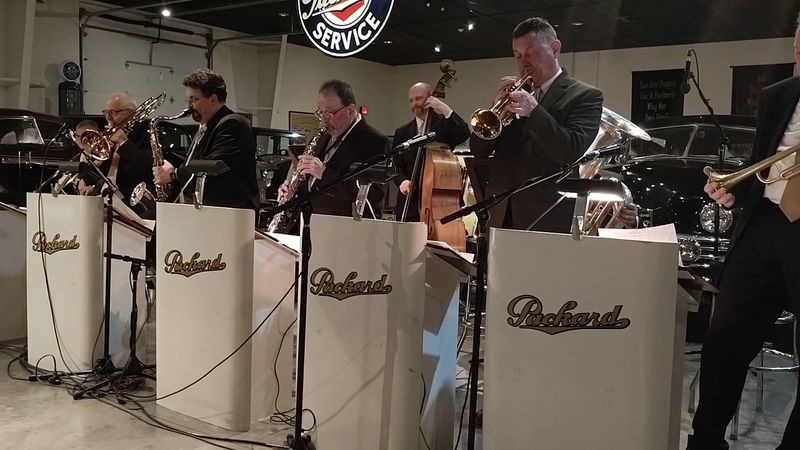
Not every visit to this museum looks the same, and that is by design. The space has become a popular venue for private events, and the combination of vintage vehicles and historic atmosphere makes it easy to understand why.
The museum has hosted everything from car club tours to themed weddings, and the reviews from event guests are consistently enthusiastic. A Roaring Twenties wedding held among the classic cars sounds like something out of a film set, and apparently the reality lived up to that vision.
The Warren Philharmonic Orchestra has also used the space for children’s educational programs, which speaks to how versatile and community-connected this museum really is. It is not just a place you visit once and forget.
It is woven into the cultural life of the region.
If you are planning a group outing, a car club visit, or even a private celebration, it is worth reaching out to the museum directly. The staff are accommodating, the setting is spectacular, and there are few backdrops quite as memorable as a room full of perfectly preserved Packard automobiles.
Planning Your Visit: Hours and Practical Tips
Getting the logistics right makes any museum visit more enjoyable, and this one is easy to plan around. The museum is open Tuesday through Saturday from noon to 5 PM, and on Sundays from 1 to 5 PM.
Mondays are closed, so keep that in mind when scheduling.
Parking is plentiful and free, which is a genuinely pleasant surprise compared to many urban museum experiences. The building is straightforward to find, and the signage in the area makes navigation simple even if you are unfamiliar with Warren.
Budget at least one and a half to two hours for your visit, though many people end up staying longer once they get absorbed in the collection. The admission cost is modest, around ten dollars, which represents exceptional value given the quality and depth of what is on display.
The museum phone number is 330-394-1899, and their website at packardmuseum.org has current information on hours, special exhibitions, and upcoming events. Checking ahead is always smart, especially if you are driving a significant distance to get there.
The Jay Leno Factor
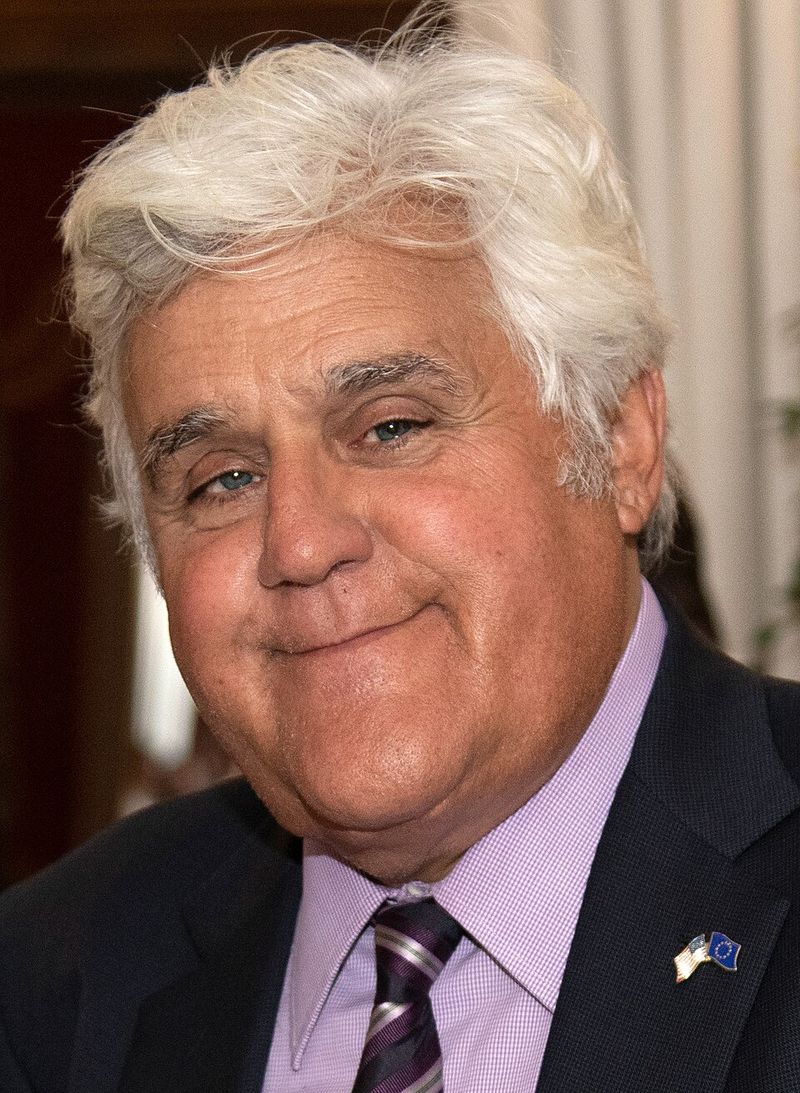
There is a detail that keeps coming up in conversations about this museum, and it adds a layer of credibility that even the most skeptical visitor tends to appreciate. Jay Leno, one of the most well-known car collectors in the world, has reportedly visited the National Packard Museum on multiple occasions.
For people who follow the automotive world seriously, that name carries real weight. Leno has access to virtually every significant car collection on the planet, which makes his repeated interest in this Ohio museum a meaningful endorsement.
It also says something about the caliber of the collection itself. This is not a regional curiosity that earns polite praise from local visitors.
It is a destination that attracts serious enthusiasts who have seen a great deal and still find something remarkable here.
I thought about that while standing next to a pristine 1930s Packard sedan, trying to take in every detail of its design. Some things earn their reputation honestly, and this museum is one of them.
The drive to Warren is worth every mile.
The Packard Legacy in Warren, Ohio
To really understand the museum, it helps to understand what the Packard family meant to Warren as a city. Their contributions extended far beyond the automobile factory, touching philanthropy, infrastructure, and civic development in ways that shaped the community for generations.
The museum makes this local impact clear through exhibits that go beyond horsepower and chrome. You get a sense of the Packard family as real people with deep roots in this Ohio community, not just as distant industrialists whose name happened to appear on a famous car.
That human dimension is what separates the National Packard Museum from a straightforward vehicle collection. The cars are spectacular, but the story behind them, the people, the city, the era, is what makes the experience genuinely moving.
Warren might not be the first place that comes to mind when people think about American automotive history, but after a few hours in this museum, it is hard to imagine telling that history without it.
The city and the brand are inseparable, and this museum honors both with real care and evident pride.
Why This Museum Deserves a Spot on Your Road Trip List
Road trips through the American Midwest often pass through places that look ordinary from the highway but reward anyone who takes the exit. Warren, Ohio, is exactly that kind of place, and the National Packard Museum is the reason to stop.
The combination of rare vehicles, deep history, knowledgeable staff, and genuinely reasonable admission makes this one of the best value museum experiences I have had anywhere. You leave knowing more than you arrived, and that is not always guaranteed.
The museum earns its 4.7-star rating across nearly five hundred reviews not through flashy marketing but through consistent quality and authentic storytelling. That is the kind of reputation that builds slowly and honestly over time.
Whether you are a lifelong car enthusiast, a history lover, or simply someone looking for something genuinely interesting to do on a weekend afternoon in Ohio, this museum delivers.
It is the kind of place that reminds you why local history matters, and why some stories deserve to be told with this much care and attention to detail.