
The Forgotten Frontier Town In Texas That Feels Trapped In The 1800s
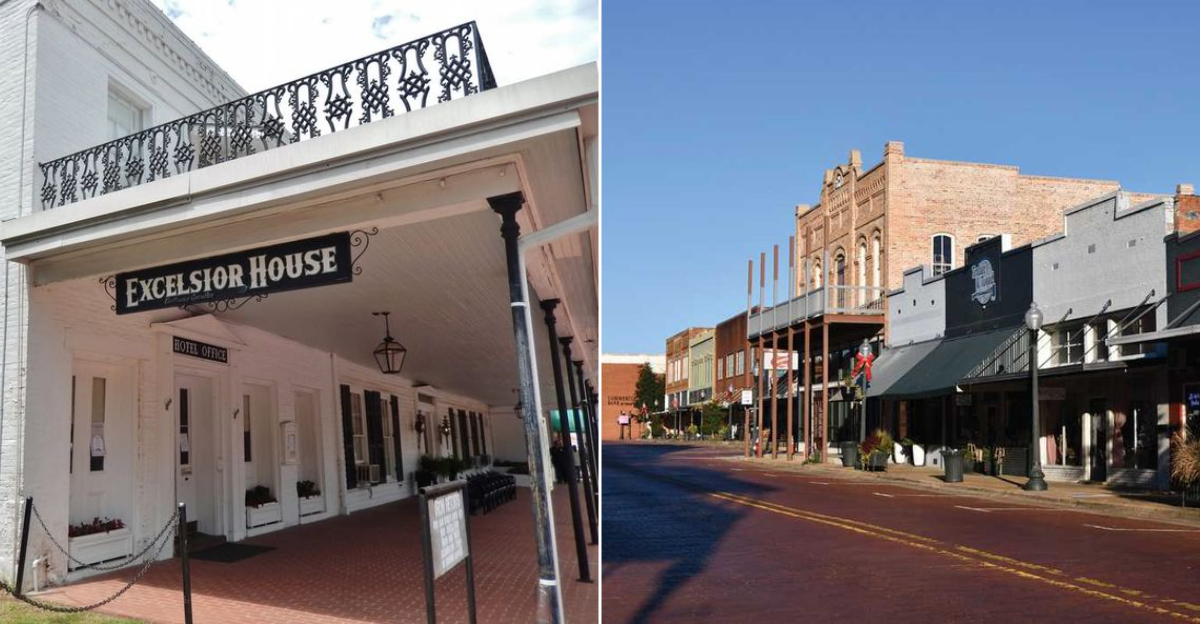
I stood on a brick street in Jefferson, Texas, and felt the modern world slip away. This forgotten river town on Big Cypress Bayou still carries the weight and wonder of the 1800s in every corner, from its iron-laced balconies to the old steamboat landings that once pulsed with life.
Time moves slower here, echoing through antique shops, candlelit inns, and moss-draped oaks that whisper stories of the past.
Walking through Jefferson is like stepping into a living museum—a time capsule that never quite sealed shut—where every brick and board has a tale to tell, and every visit feels like rediscovering history itself.
Where steamboats once set the clock
Brick pathways curve toward the water just as they did when cargo and passengers arrived by steamboat in the mid-1800s.
Jefferson grew rich as a river port on Big Cypress Bayou, and merchants literally angled their storefronts toward the bayou for easy loading. That orientation remains today.
Iron balconies overhang narrow sidewalks, and warehouses still face the docks. The town never fully hurried into the future, so every corner whispers tales of paddle wheels and prosperity. You can almost hear the steam whistle echoing across the water when you stand at the old landing at dusk.
A historic district that reads like a time capsule
More than forty blocks of Jefferson sit protected on the National Register of Historic Places, each one packed with nineteenth-century structures that survived because prosperity left town before wrecking balls arrived.
The Excelsior House Hotel and Planters Bank and Warehouse earned their own individual listings, proof that preservation here is serious business.
Walking downtown feels like stepping through a portal. Every facade, every cornice, every window tells a chapter of frontier commerce. That level of authenticity is rare, and it turns a casual stroll into a living history lesson you will not forget anytime soon.
Still open, still living, still proud
Jefferson is no abandoned movie set gathering dust. Tours, museums, and year-round events keep the town vibrant and welcoming.
The city tourism site maps out historic homes open for visits and a self-guided walking route that lets you set your own pace.
Local operators run narrated trolley tours through the old streets, adding context and color to every block. The annual Candlelight Tour of Homes draws crowds who want to peek inside restored residences lit by soft glow. This town wears its past with pride and invites you to celebrate alongside neighbors who refuse to let history fade.
How a river shaped a frontier boomtown
In the nineteenth century, Jefferson became a major Texas entry point because steamboats could turn around on a wide bend of Big Cypress Bayou and push freight deeper inland than rival ports.
That geographic advantage fueled a commercial explosion, filling the town with merchants, warehouses, and ambition.
When the Red River raft was cleared and railroads diverted trade, prosperity ebbed like a falling tide. Buildings and street plans stayed largely intact, frozen in time. Today that abandoned boom is our gain, because Jefferson offers a rare glimpse of frontier commerce before the modern era swept it away.
What to see on a slow wander
Start at the courthouse square and let curiosity guide you outward.
The Historic Jefferson Walking Tour maps period churches, commercial blocks, and residences that stack up to more than a hundred recognized structures. Museum stops add layers of context, while antique shops and wide porches keep the pace unhurried and human.
Every block seems to tell a story if you pause long enough to listen. Gas-style lamps flicker on at dusk, gallery windows glow, and the riverport past feels close enough to touch. Bring comfortable shoes and a curious heart, because Jefferson rewards slow wanderers with secrets.
Frontier echoes beyond East Texas
Pair your Jefferson visit with Fort Davis National Historic Site in West Texas for the full frontier picture.
Fort Davis is one of the best preserved Indian Wars posts in the Southwest, with restored barracks, hospital, and parade ground that bring the 1880s to vivid life. The site opens daily with posted hours.
Jefferson shows you the commerce side of the Texas frontier, while Fort Davis reveals the cavalry and conflict that shaped the same era. Together they paint a complete portrait of nineteenth-century Texas, from riverboat trade to military outposts guarding the edge of settlement.
Planning your visit
Jefferson remains a functioning small town with inns, cafes, and seasonal festivals that welcome visitors year-round.
Use the official tourism site to check home-tour dates, hours, and trolley schedules before you pack your bags. Stroll the brick streets at dusk when gas-style lamps flicker and gallery windows make the riverport past feel close at hand.
For added depth, read the Texas State Historical Association entry before you arrive and keep the walking-tour map on your phone. That preparation turns sightseeing into storytelling, and you will leave with memories that feel richer than any guidebook can promise.