
The Forgotten Iron Village In Michigan That Feels Trapped In The 1800s
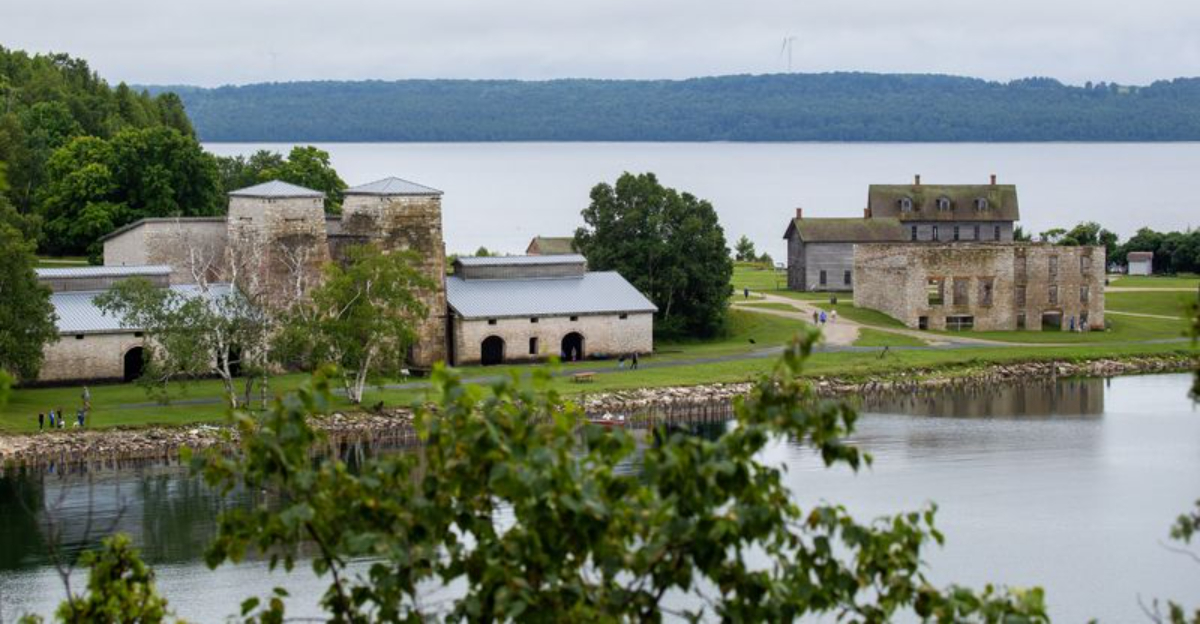
Arriving at Fayette feels like stepping into a sepia photograph where time simply stopped ticking. Weathered wooden buildings frame a deserted harbor, limestone bluffs rise against the sky, and the only sounds are gulls crying and water lapping the old dock.
I promise you, for a few hours here, your phone will feel like an alien artifact and modern life will melt away into that grateful, weird hush. Every corner invites you to wander slowly, letting your eyes trace the echoes of a bygone era, imagining the lives that once stirred these quiet streets.
How Fayette Came To Be – A Boomtown Built For Iron
Fayette sprang to life around charcoal pig-iron production right after the Civil War, founded by the Jackson Iron Company in the late 1860s. The company named it after their agent, Fayette Brown, and for roughly two decades this place hummed with industry.
Those furnaces roared until 1891, when the operation shuttered and workers drifted away, leaving an almost perfectly preserved company town. That quick rise and abrupt fall is exactly why wandering these streets today feels like flipping through a dusty history book.
Modern life simply never caught up here, and honestly, that’s the magic of the place.
The Ruins And Restored Buildings – What You’ll Walk Through
Walking through Fayette means stepping into structures frozen mid-century: blast-furnace ruins tower over the harbor, the company store still stands proud, and workers’ cabins cluster together like they’re gossiping. I pressed my palm to the cool limestone where charcoal once smoked, and the weight of history sank in.
Look closely and you’ll spot peeling paint, hand-hewn beams, iron fittings, and old hardware that tell a thousand stories. The long dock along Snail Shell Harbor still stretches into the water, inviting boats and daydreams.
Today the site operates as a living history museum, with restored buildings you can actually enter during warmer months.
The Numbers That Tell The Story – Small Town, Big Output
Over roughly 24 years, Fayette’s furnaces churned out almost a quarter of a million tons of pig iron before everything went silent. That staggering output came from a tiny population working around the clock in a remote cove.
The contrast between massive production and the small, quiet village layout really hits you when you stand there. I tried to imagine the smoke and clamor that must have filled this tranquil spot, and it felt impossible.
Yet the evidence is everywhere, from the towering furnace walls to the shipping docks. Numbers like these explain why so much infrastructure was left behind when the company packed up.
How To Get There And When To Visit
Fayette sits on the Garden Peninsula along Big Bay De Noc, and most visitors drive M-183 from US-2, then follow the park signs straight to history. Boats can also tie up at the harbor if you prefer arriving by water, which honestly sounds like the coolest entrance possible.
Plan your trip for summer if you want guided living-history programs and costumed interpreters bringing the past to life. Shoulder seasons offer emptier, quieter vibes but fewer indoor tours and closed buildings.
Parking is easy, walks between buildings are short, and bring layers because that wind off the bay bites harder than you’d expect.
Trails, Beaches, And Quiet Corners To Get Lost In
Beyond the buildings, short trails wind around the park and lead to bluff overlooks where industrial past meets quiet nature. Pebble beaches line the shore, offering perfect spots to sit with a view of the ruins across the water.
I found a bench by the harbor and read the rusted plaque until the sun tilted gold and the whole scene glowed like an old painting. These low-effort hikes let you breathe in the history without breaking a sweat.
Just remember to respect the fragile ruins and stick to marked paths so future visitors can enjoy the same magic you did.
Characters And Small Details That Make The Place Human
Names carved on plaques, the careful layout of the company store, and stories of immigrant laborers all breathe life into Fayette’s empty streets. Children’s play areas have turned into grassy lots, and chimneys still pierce the skyline like exclamation points from the past.
I noticed a faded grocery list scrawled on a ledger inside one building, and suddenly the place felt less like a museum and more like someone’s living room. Guides sometimes recite old miners’ jokes that still land a hundred years later.
These tiny human traces transform cold history into warm memory, making you feel connected to people you’ll never meet.
Why Visiting In Off-Season Has Its Own Charm
Sure, summer brings tours and interpreters, but visiting Fayette in the off-season wraps you in solitude that amplifies the time-travel effect. Fewer crowds mean you can linger in doorways, sit on old steps, and let your imagination fill the silence with clanging hammers and shouted orders.
Last October I walked the entire site without seeing another soul, and the loneliness felt appropriate, almost sacred. The buildings looked even more weathered under gray skies, and the wind carried whispers I swear weren’t just leaves.
If you crave authentic atmosphere over structured programming, shoulder seasons deliver in spades.
Why Fayette Feels Like The 1800s
Intact buildings, the slow empty harbor, limestone cliffs, and forested backdrop all conspire to make time feel elastic at Fayette. You can briefly trade your phone for a tin lunch pail in your imagination, and nobody will judge you for it.
Visit before summer crowds arrive if you can, take a guided tour when available, and bring a notebook because lines will arrive when the town stops feeling like a museum. The place transforms from artifact to living memory the moment you stop rushing.
Fayette doesn’t just look frozen in the 1800s; it invites you to join it there, even if only for an afternoon.