
The Forgotten Maine Ghost Town With Ruins So Huge You Can See Them From The Trail
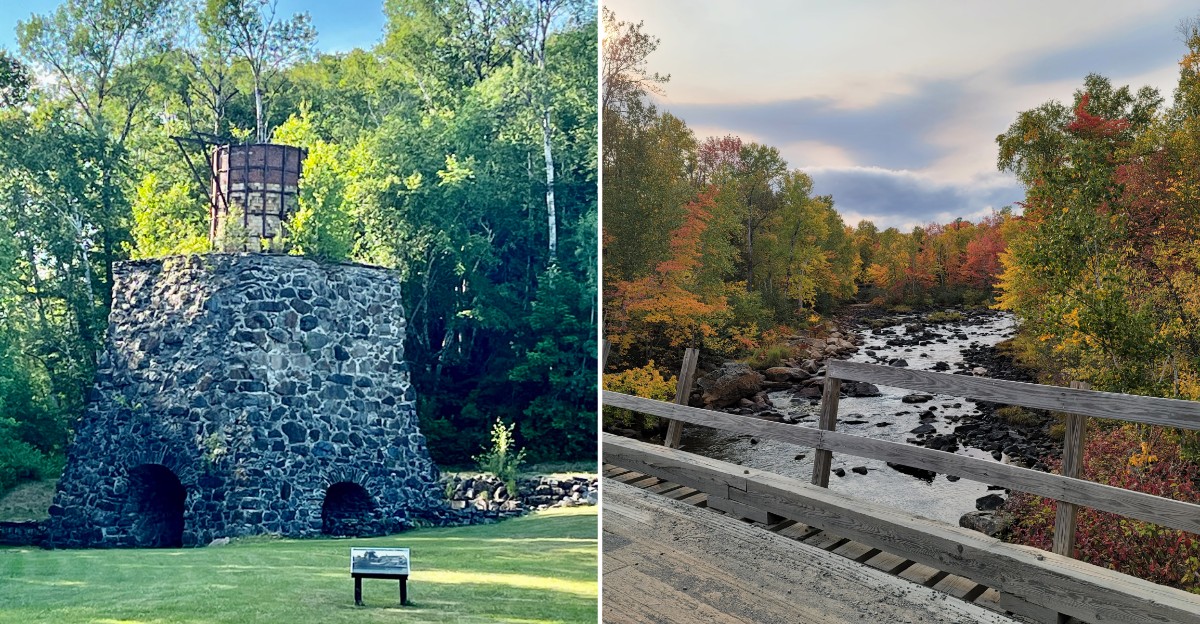
Few roadside stops make the past feel this close. Deep in northern Maine, miles of gravel road lead to an enormous stone blast furnace and a rounded brick kiln standing quietly among the trees.
More than a century ago, this remote spot echoed with roaring fires and the hard work of an ironmaking community.
Today, the industrial noise is gone, but the surviving structures still make an impression. Visitors can walk around the old furnace, study the massive stonework, and picture what daily life looked like when workers depended on the surrounding forest for fuel.
The remote drive only adds to the sense of discovery.
A Working Iron Town That Slowly Vanished
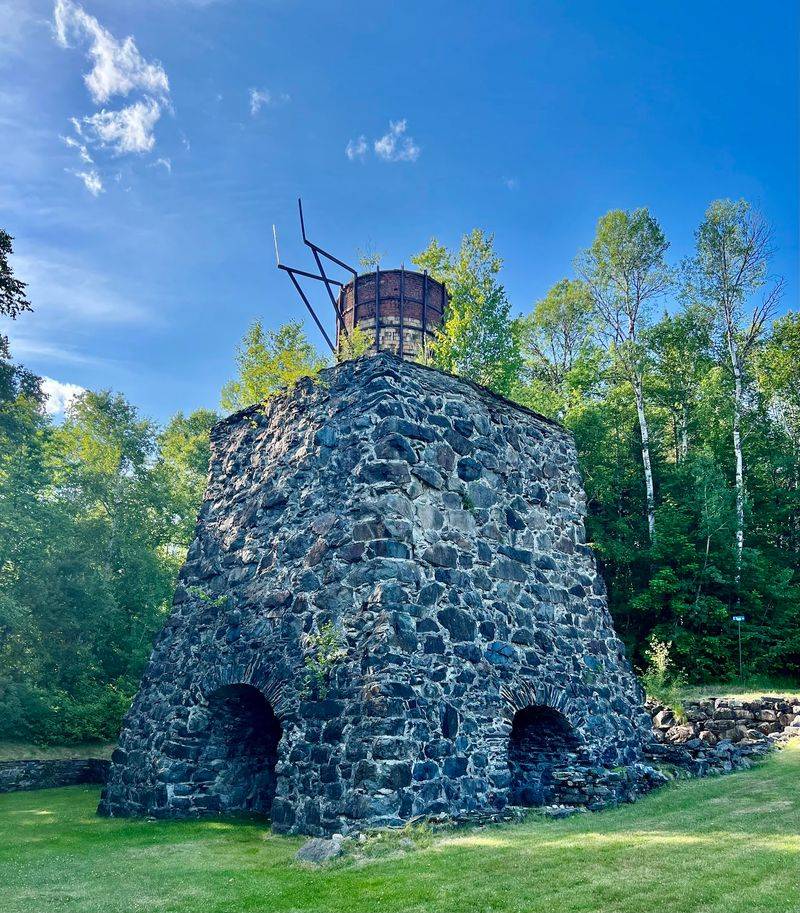
Long before it became a quiet stop for hikers, this spot buzzed with workers, wagons, and roaring fire. Iron was made here starting in the 1840s, turning the surrounding forest into a busy little community with homes, shops, and rows of charcoal kilns.
The town grew around local iron ore deposits and the surrounding forests that supplied wood for charcoal. For decades, the furnace glowed as workers melted ore into iron that shipped out across the region.
Eventually, cheaper iron from other places made the operation too expensive to run. One by one, families packed up and moved away, leaving the buildings behind to be reclaimed by moss and trees.
What remains today is a former ironworks village, with the blast furnace and one charcoal kiln standing among traces of the old industrial site. Walking through the site, you can almost picture the smoke and hear the clang of tools.
Located in the Brownville area of Maine, it is one of the best places to see how much can disappear when an industry fades. History here feels close enough to touch.
The Towering Blast Furnace You Spot First
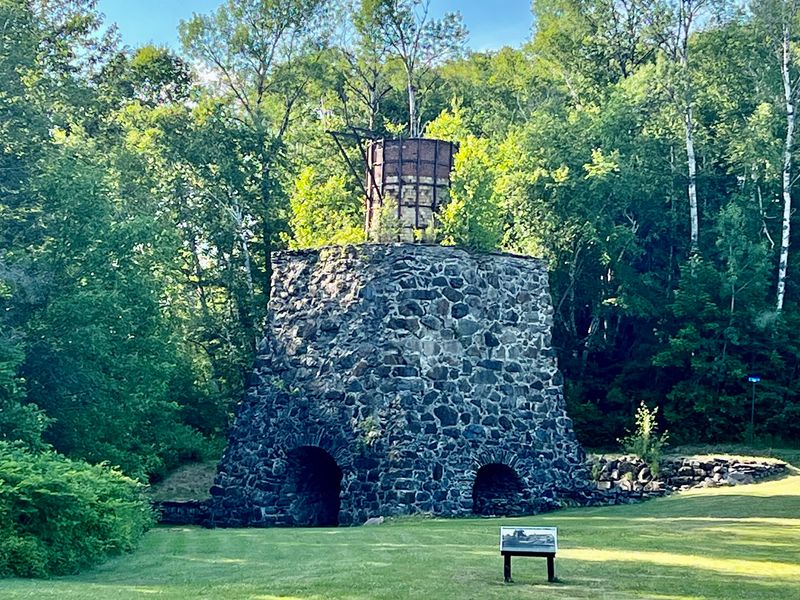
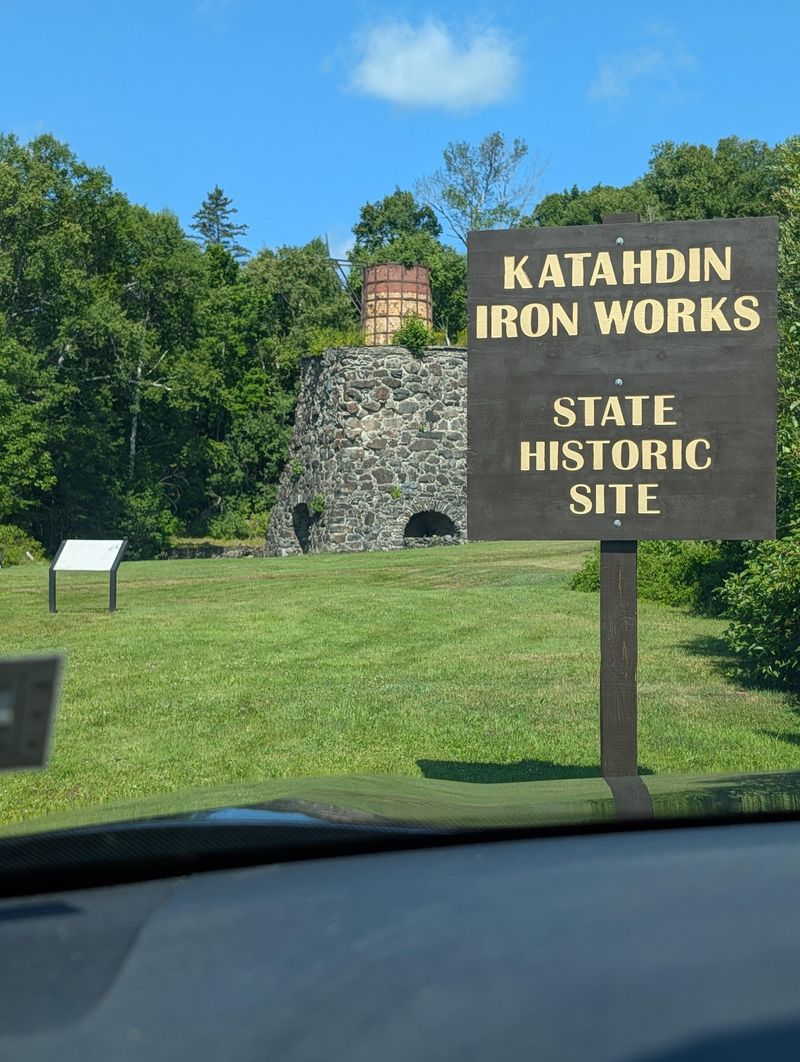
The very first thing that grabs your attention when you arrive is the enormous stone furnace rising up from the ground. It is blocky, weathered, and impossible to miss, standing like a silent giant among the trees.
Back in its working days, this furnace was the heart of the whole operation. Ore, charcoal, and limestone were poured in from the top, and molten iron flowed out at the bottom after intense heat did its job.
Standing next to it now, you get a real sense of just how huge the whole process was. Informative plaques nearby explain each step, making it easy to understand even if you know nothing about iron.
The scale is what surprises most visitors. Thinking about the hard work by both people and animals to keep this beast running is genuinely humbling.
You can walk right up to the furnace and study the old stones up close. It has stood through more than a century of Maine winters, and it still looks ready to impress.
Bring a camera, because this landmark makes for a memorable photo and an even better story to tell later.
The Beehive Kiln That Looks Almost Alien
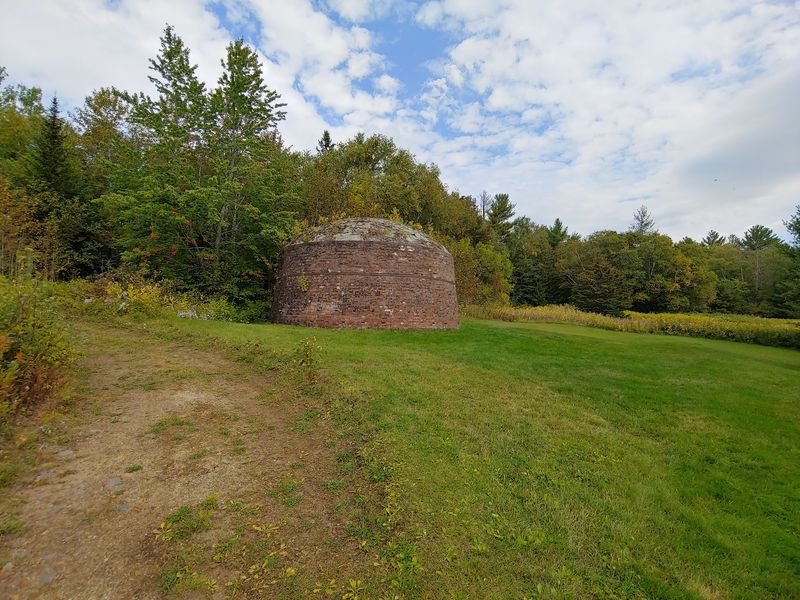
Right beside the furnace stands a strange, rounded structure that looks a little like a giant stone dome. It is a charcoal kiln, and it is the only one of its kind still standing at the site.
Once there were many of these kilns lined up together, all busy turning wood into charcoal. That charcoal was the fuel that kept the furnace burning hot enough to melt iron ore.
Workers would stack wood inside, seal it up, and let it slowly cook without fully burning. The result was clean-burning charcoal, and it took an incredible amount of trees to keep the process going.
The rounded shape is what makes this kiln so eye-catching today. Its curved walls and arched opening give it an unusual look you do not see in most old buildings.
Peeking inside, you can imagine the heat and effort that once filled it. The kiln pairs perfectly with the furnace, telling two halves of the same story.
Together, these structures show how much planning and labor went into making iron. Snap a few pictures, then take a moment to appreciate the clever design.
Getting There Means A Long Dirt Road Adventure
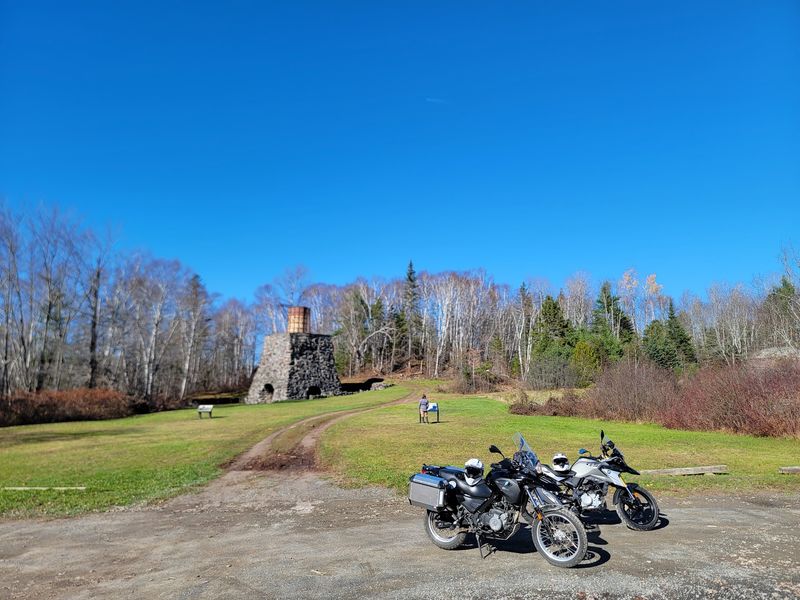
Reaching this place is part of the fun, though it takes a little patience. The route runs along a lengthy dirt road that winds through thick forest before you finally spot the ruins.
The road is usually well graded and wide enough for two cars to pass, but you will want to drive carefully. Logging trucks use these roads too, so stay alert and give them plenty of room.
You can find it at Ki Rd, Brownville, ME 04414, in the northern part of Maine. Plugging that into your map helps, though be aware that some smaller logging roads may not show up clearly.
If you keep driving all the way through, the road eventually leads toward Greenville, making for a scenic backcountry trip. The path narrows in spots but rewards you with beautiful views the whole way.
During winter, the road closes because it becomes a groomed snowmobile trail. Mud season can also make travel tricky, so timing matters.
Take it slow, roll down the windows, and enjoy the quiet woods. The bumpy journey only makes arriving feel more rewarding once those big ruins come into sight.
Roaring Waterfalls At Nearby Gulf Hagas
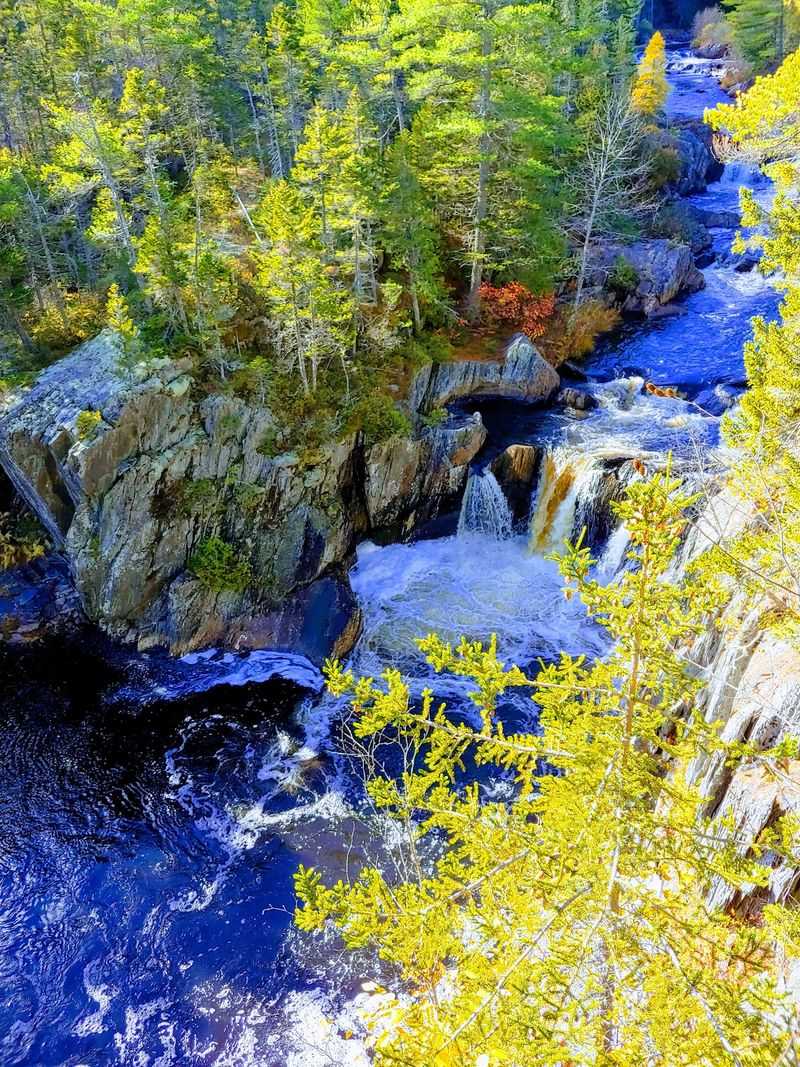
Just beyond the iron works lies one of Maine’s most beautiful natural wonders, a deep gorge filled with tumbling waterfalls. It draws hikers who want more than just history on their trip.
The trail leading to these falls can be a bit challenging, with slick spots where the tree canopy grows dense. Still, the payoff is well worth the effort once you reach the rushing water.
A full loop through the area can take six to eight hours, so many people choose to hike just to the first falls and back. That shorter walk still delivers plenty of stunning scenery.
The sound of water rushing through the rocks creates a peaceful, calming feeling. Even on a gloomy day, the falls put on a wonderful show.
Smart hikers pack bug spray, water, and maybe a walking stick to help on the rougher sections. Mosquitoes can be fierce in warmer months, so come prepared.
Starting early, around seven thirty or eight in the morning, gives you plenty of daylight to explore. Combining the ruins with a waterfall hike makes for a full and satisfying day in the Maine wilderness.
A Slice Of The Famous Appalachian Trail
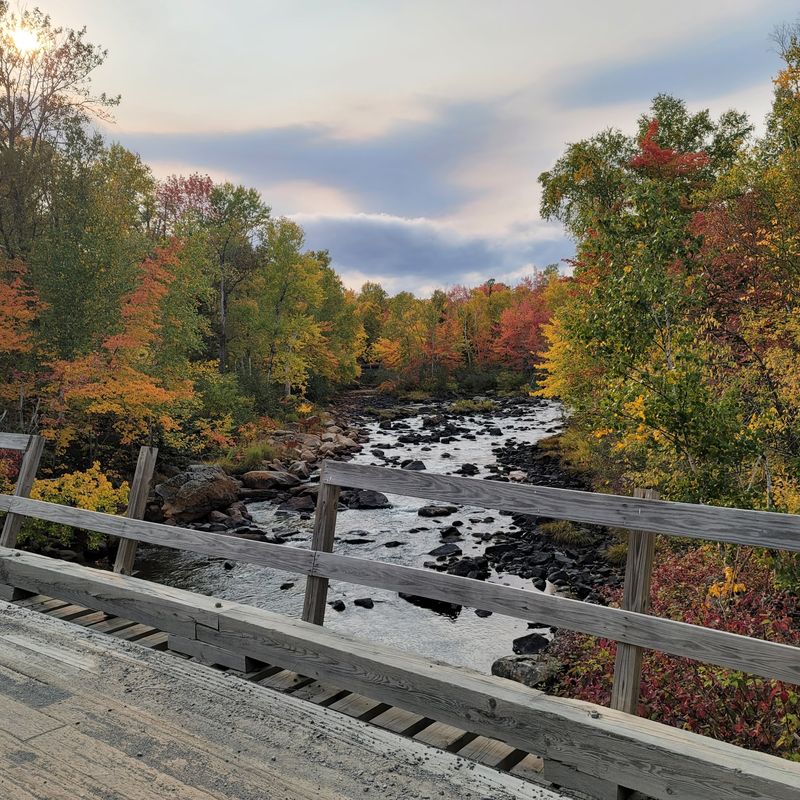
Here is something many visitors do not expect. A section of the legendary Appalachian Trail runs near this historic site, letting you walk a piece of one of the most famous footpaths in the world.
The trail stretches thousands of miles up the eastern United States, and this quiet Maine stretch is one of its wilder parts. You do not have to hike the whole thing to enjoy it.
Even walking a short portion gives you a taste of what long-distance hikers experience. The forest here is peaceful, the air is fresh, and the marked paths make it easy to follow.
Signs and white blazes guide the way, so getting lost is unlikely as long as you stay on the trail. The paths are wide enough for two people to walk side by side in most spots.
Pairing a bit of Appalachian Trail hiking with a visit to the ruins makes your trip feel extra special. You get history and adventure rolled into one outing.
Lace up sturdy shoes, bring water, and take your time. Standing on this famous trail, even briefly, is a memory that sticks with you.
Camping, Fishing, And Plenty Of Outdoor Fun
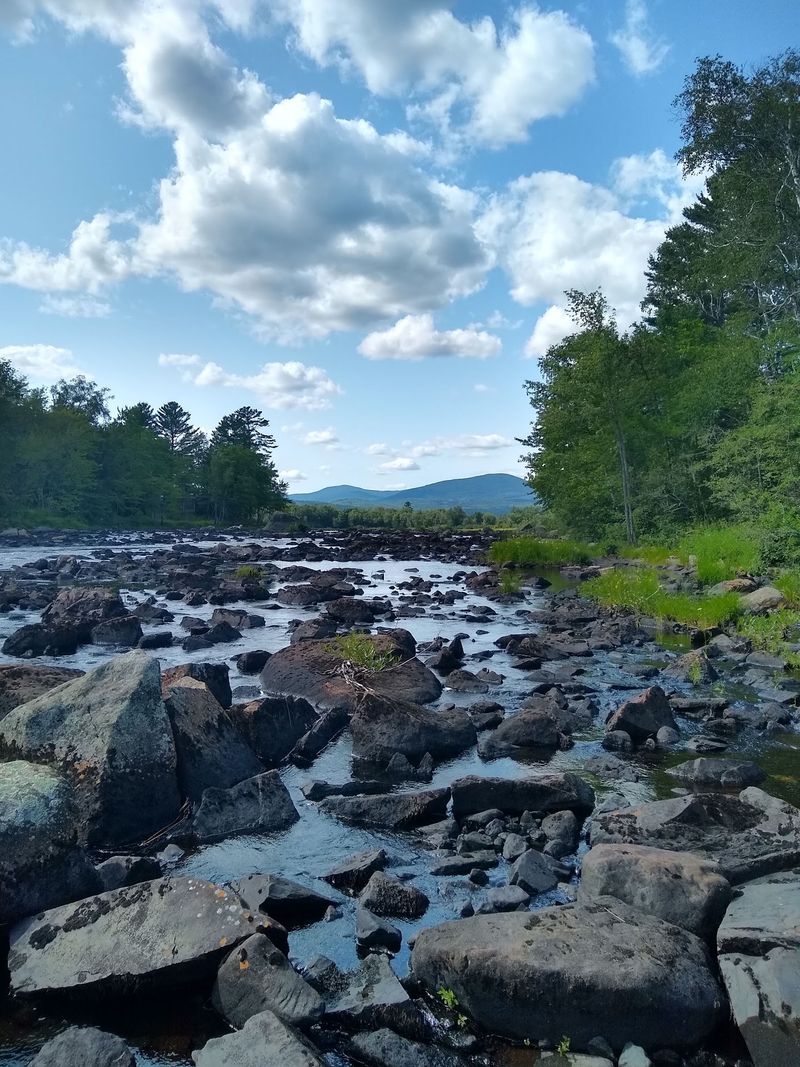
For folks who love the outdoors, this area offers far more than a quick history stop. Camping, fishing, and hunting have drawn families back here for generations.
The truck trails stretch for miles, opening up loads of space to explore. Along the way you will find rivers perfect for casting a line and quiet campsites tucked into the woods.
Some campsites require reservations and come with a nightly fee, so it helps to plan ahead. The camps often have simple outhouses, which keeps things convenient without fancy extras.
Because the roads can be confusing, bring a good map or download directions before you lose cell signal. A few travelers have had fun getting a little turned around, but planning saves headaches.
The natural setting is the real draw. Tall trees, flowing water, and fresh air make it a wonderful place to unplug and relax for a night or a whole weekend.
Many people who grew up visiting keep coming back year after year, building decades of happy memories. Whether you fish, camp, or just wander, the wilderness here delivers.
Pack your gear, plan your route, and enjoy true Maine backcountry adventure.
Helpful Staff, Fees, And Best Times To Visit
Before you explore, you will likely stop at the gatehouse near the entrance. The people working there are friendly and happy to answer any questions you have about the site or the area.
During the open season, there is a fee to enter and pass through, so bring some cash to be safe. Prices have varied over the years, and the charge helps cover the toll road and site upkeep.
Fees generally apply through October, while off-season vehicle access can change with snow, road conditions, gates, and winter recreation use. Mud season can also shut things down temporarily.
The warmer months are the easiest time to visit, with the site fully open and the structures on full display. Some visitors even enjoy seeing the ruins dusted with snow in winter when access allows.
Parking is easy to find and roomy enough for most vehicles. Arriving earlier in the day gives you more time and cooler temperatures for hiking.
Stop, register, and chat with the gatehouse crew before heading in. Their tips can make your visit smoother, and their kindness sets a warm tone for the whole adventure ahead.