
The Forgotten Mining Camp In Colorado That Is Straight Out Of A Western Movie
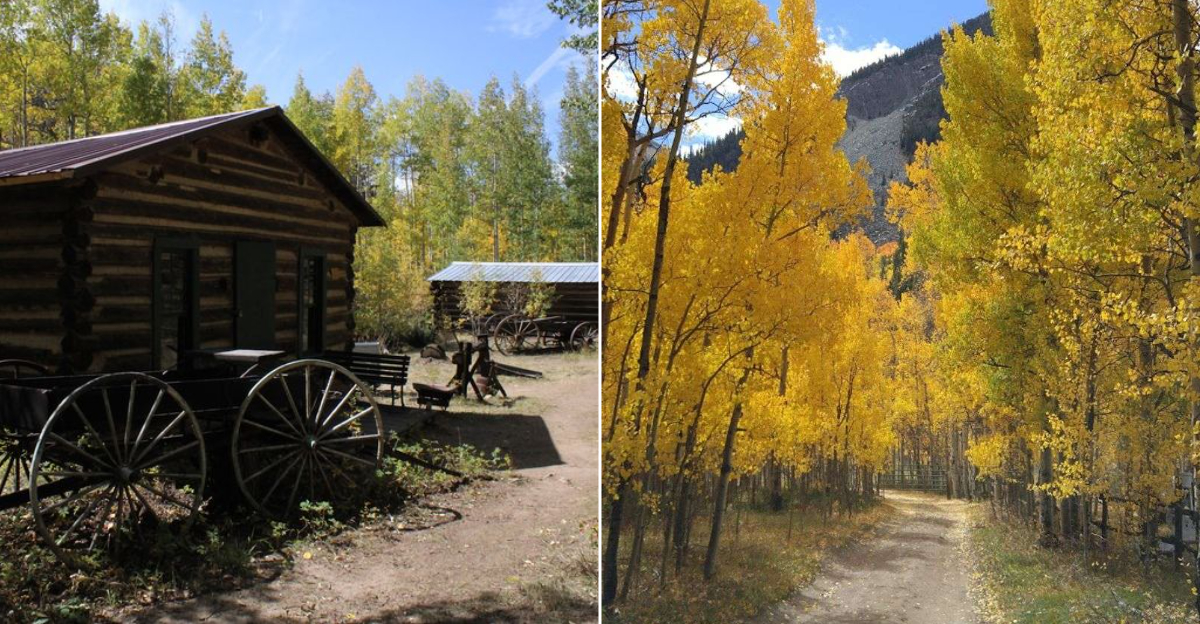
Some roads do not lead somewhere new. They lead straight into another century.
About 15 miles beyond a familiar mountain town, a quiet dirt road winds past rusted machinery, weathered buildings, and tall trees that seem to guard the silence. The effect is immediate: you are not touring a staged attraction, you are walking through the remains of a real mining settlement.
Recognized for its historic importance, the site offers an unusually honest glimpse of frontier life, without polished exhibits or manufactured drama. Out here, Colorado feels less like a destination and more like a time capsule left open.
Every worn board, abandoned tool, and sun-faded structure adds another detail to the story. It is the perfect detour when your weekends have started feeling suspiciously predictable.
By the time you leave, the backroads of Colorado may have reminded you that the best adventures sometimes begin where the pavement quietly ends.
A Place That Earns Its Spot On The National Register Of Historic Places
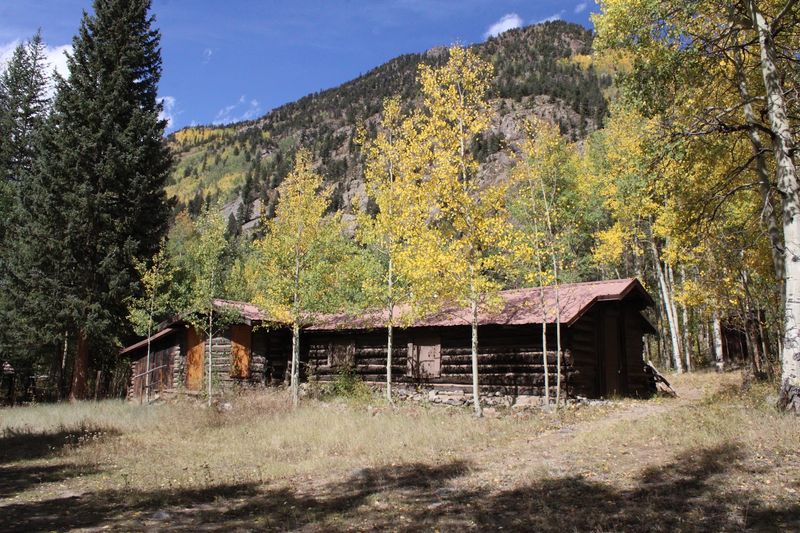
Some places get famous because someone famous visited them. Vicksburg earned its recognition the old-fashioned way: by surviving long enough to matter.
The Vicksburg Mining Camp Interpretive Site carries an official listing on the National Register of Historic Places, Reference #77000364, which is not a small thing.
That designation means historians and preservationists recognized this site as genuinely significant to American cultural heritage. It is not a re-creation, a theme park version, or a Hollywood set dressed up to look old.
Everything here is the real article, weathered and worn by time, altitude, and Colorado winters.
For families who want to give kids something more meaningful than a screen, this is the kind of field trip that actually sticks. Standing next to a structure that has outlasted generations tends to put things in perspective.
Visitors consistently note that the combination of authentic buildings and interpretive context gives the site a weight and credibility that polished tourist attractions rarely achieve. Coming here means engaging with history that has not been scrubbed clean for comfort.
Why It Matters: The National Register listing confirms this is not just scenery. It is a documented piece of American mining history worth the drive.
The Drive Along County Road 390 Is Half The Adventure
Getting to Vicksburg is a journey that doubles as a mood reset. County Road 390 branches off US Highway 24 and carries you roughly 8 miles down a dirt road before the camp comes into view.
The road has a washboard texture in stretches, but multiple visitors confirm that standard vehicle clearance handles it just fine. No four-wheel drive required.
The drive itself threads through a valley that feels genuinely remote, even though Buena Vista is not far behind you. Pine trees line sections of the route, the sky opens wide above the ridgelines, and the whole experience has that specific Colorado quality where the scenery keeps arriving faster than you can process it.
A practical note worth keeping in mind: the road rewards patience over speed. If you push through quickly, you miss the gradual unwinding that makes arriving at the camp feel earned rather than accidental.
Think of the drive as the opening chapter, not just the commute.
Pro Tip: If you continue another 4 miles past Vicksburg, you will reach the Winfield Mining Camp, making this a natural two-stop outing along the same route without any extra planning effort.
Rusted Relics And Machinery That Tell A Story Without Words
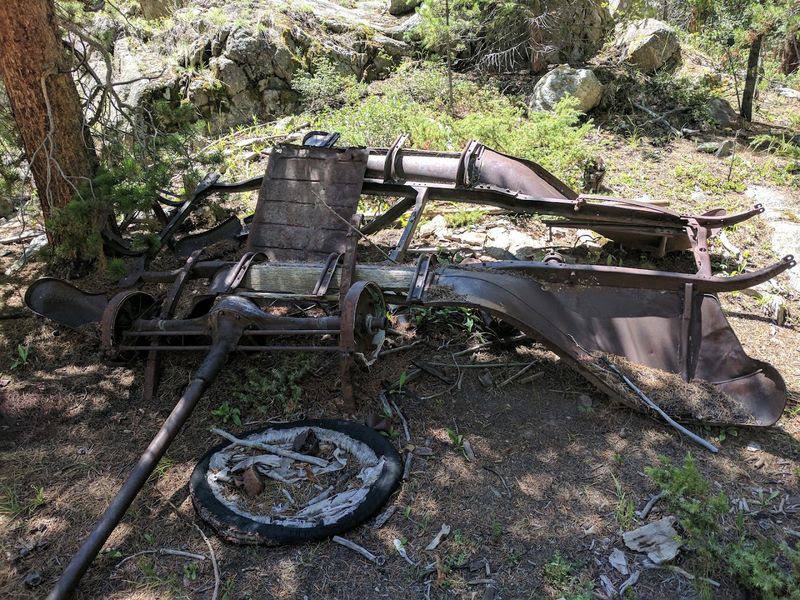
There is a specific kind of wonder that comes from standing next to a piece of machinery that last ran over a century ago. At Vicksburg, visitors encounter mining equipment and relics that have been sitting in the mountain air long enough to become sculptures.
One visitor even spotted the chassis and rear end of an early 1900s automobile, which is the sort of unexpected discovery that turns a casual afternoon into a genuine story worth telling at dinner.
The machinery is not behind glass or roped off with velvet barriers. It exists in context, out in the open, the way it was left when the camp went quiet.
That accessibility makes the experience feel more like exploration than exhibition.
Kids and adults alike tend to slow down around these objects in a way that almost never happens in a traditional museum setting. There is something about the scale and the realness of the equipment that demands attention.
The rust and wear are not flaws here. They are the whole point, evidence of labor, ambition, and the particular stubbornness of people who built something significant in an unforgiving landscape.
Best For: History enthusiasts, curious kids, and anyone who has ever wondered what working life actually looked like on the American frontier.
Historic Buildings You Can Actually Peek Into
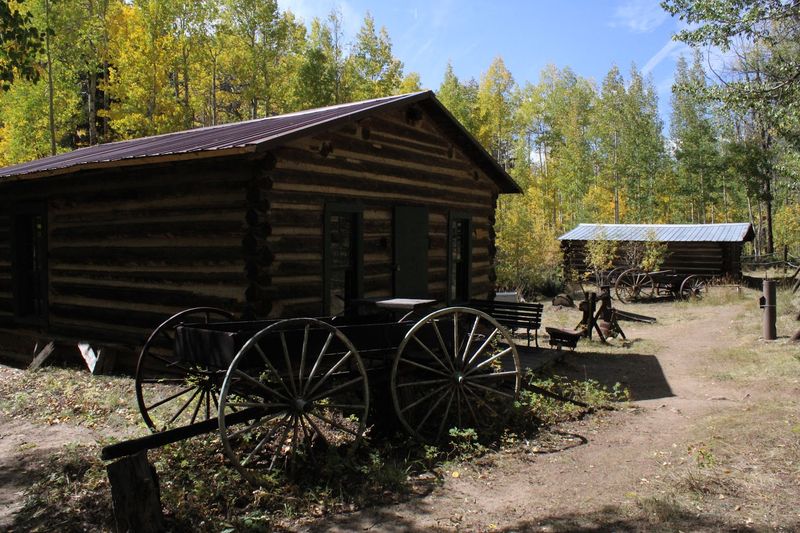
Not every historic site lets you get close enough to feel the grain of the wood or peer through a window into what remains inside. Vicksburg offers a more intimate encounter.
Several of the historic structures still standing on the site have windows that visitors can look through, offering a glimpse into interiors that time has left largely undisturbed.
The buildings range in condition, which is itself informative. Some stand with surprising structural integrity while others show the honest wear of decades without active maintenance.
That variation tells its own story about which structures mattered most and which ones the mountain slowly reclaimed on its own schedule.
A fair heads-up from visitors who have made the trip: the site is not a polished attraction with manicured grounds and interpretive panels at every turn. It is raw and real, which is precisely its appeal.
If you arrive expecting a theme park version of history, you may feel underwhelmed. If you arrive with genuine curiosity and a willingness to look closely, the buildings reward that attention in ways that feel genuinely rare.
Insider Tip: Bring a camera with a decent zoom. The window peeks offer surprisingly compelling interior shots without requiring any entry into the structures themselves.
The Tree-Lined Street That Makes The Whole Scene Feel Cinematic
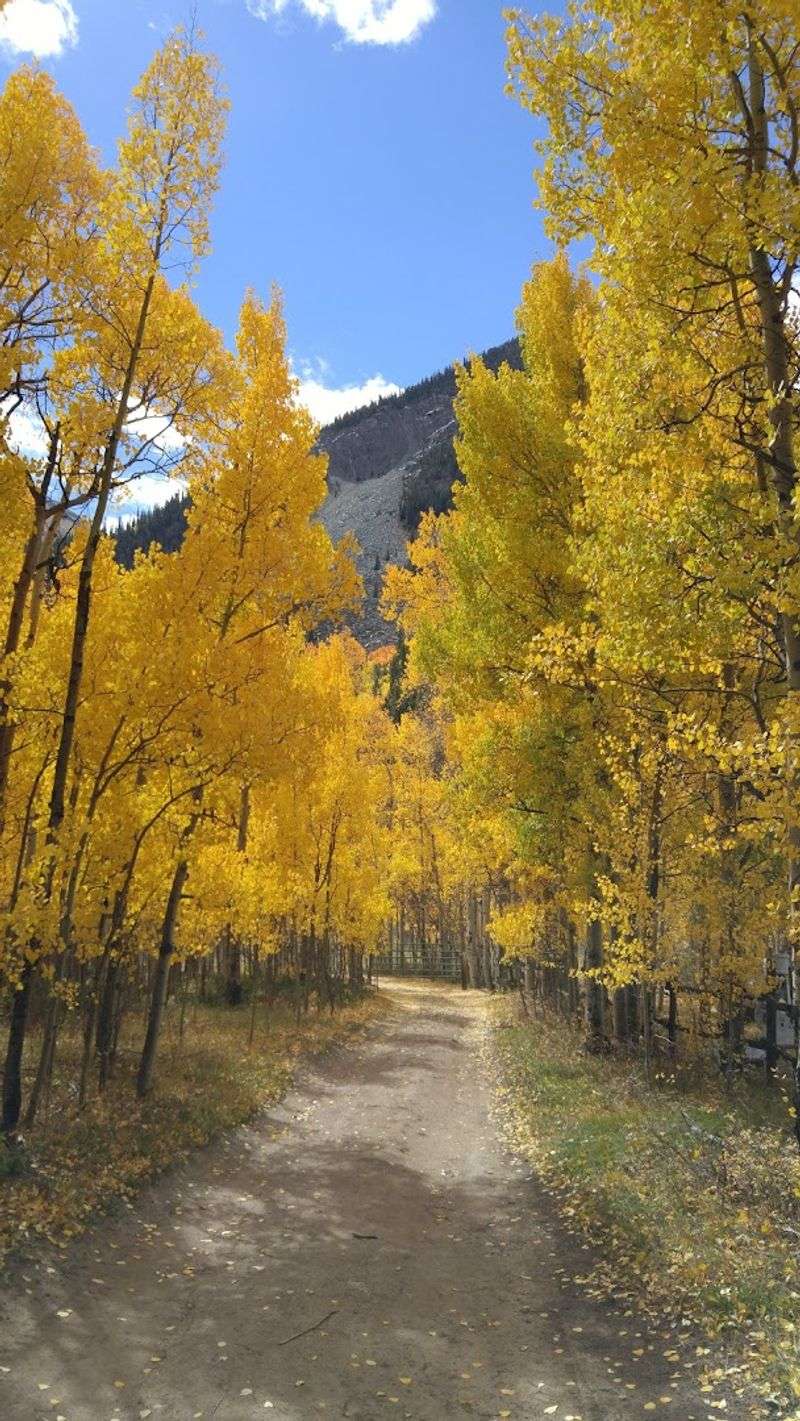
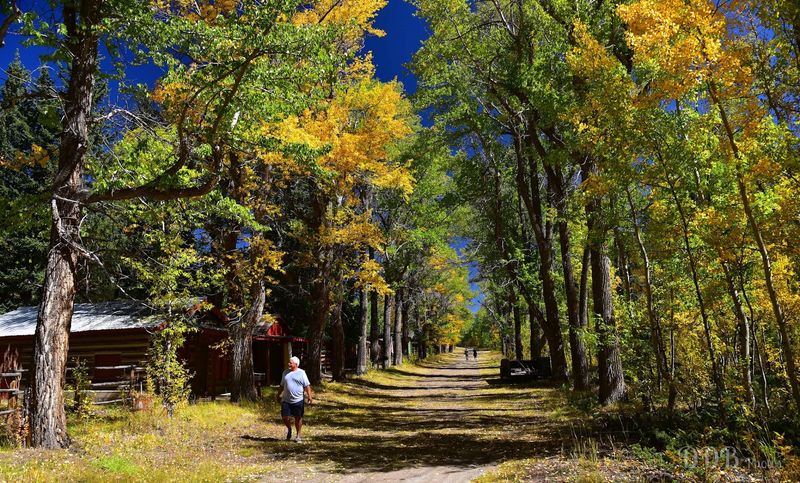
Somewhere along the planning process for Vicksburg, the original residents made a choice that nobody expects from a remote mining camp: they planted trees along the main street. That decision, made generations ago, is now one of the most quietly stunning features of the site.
The tree-lined road running through the camp gives the whole place an almost theatrical quality, as if someone built a stage set and then forgot to tear it down.
In late summer and early fall, when the leaves shift toward gold and amber, the effect becomes almost unreasonably photogenic. The combination of weathered timber structures, rusted equipment, and a canopy of mature trees creates a visual layering that genuinely surprises first-time visitors.
More than one person has described it as feeling like a scene from a Western film, which is not hyperbole so much as accurate observation.
Even on an overcast day, the trees give the site a sheltered, enclosed feeling that separates it from the wide-open exposure of the surrounding valley. That contrast, from open road to shaded camp street, is one of those small environmental details that makes a place memorable long after the drive home.
Quick Verdict: The tree-lined street alone is worth pulling out your phone. Plan accordingly.
Who This Trip Is Really For And Who Should Think Twice
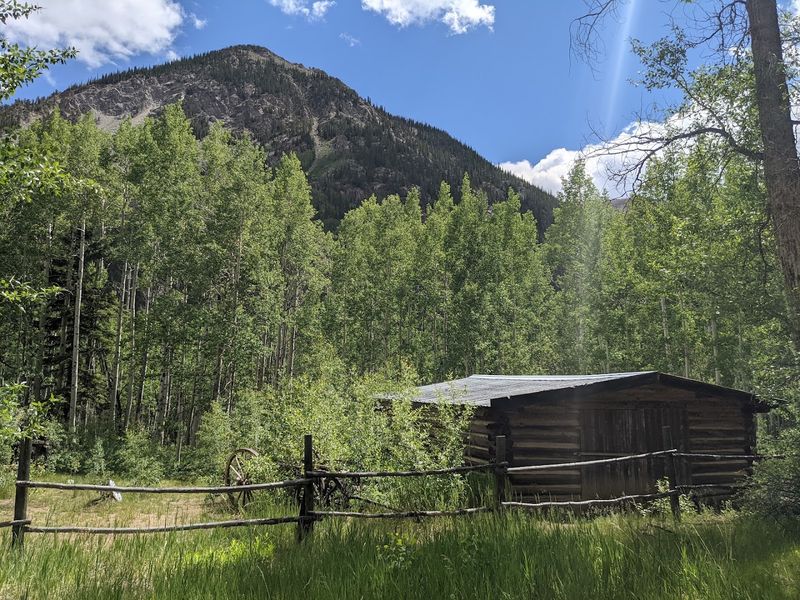
Vicksburg is a genuinely rewarding destination, but it works best for a specific kind of visitor. History lovers, outdoor explorers, photographers, and families looking for a low-key but genuinely educational afternoon will find exactly what they came for.
The interpretive nature of the site means there is context provided, not just ruins sitting quietly in a field.
Couples looking for a scenic and unhurried outing will appreciate the pace the site naturally encourages. Nobody rushes through Vicksburg.
The combination of open space, historic structures, and mountain backdrop creates an environment where slowing down feels like the only reasonable response. Solo visitors with an interest in American Western history will find the site particularly absorbing.
That said, visitors expecting a heavily developed attraction with restroom facilities, paved paths, gift shops, or on-site staff should recalibrate before making the drive. This is a raw, interpretive site in a mountain valley accessed by a dirt road.
It rewards those who arrive prepared for a genuine outdoor experience rather than a managed one. Bring water, wear comfortable shoes, and check road conditions before heading out.
Who This Is Not For: Visitors seeking a polished, fully staffed attraction with amenities. Vicksburg is for the self-directed explorer, not the passive tourist.
Making A Full Day Of It: Vicksburg Plus Winfield Makes Perfect Sense
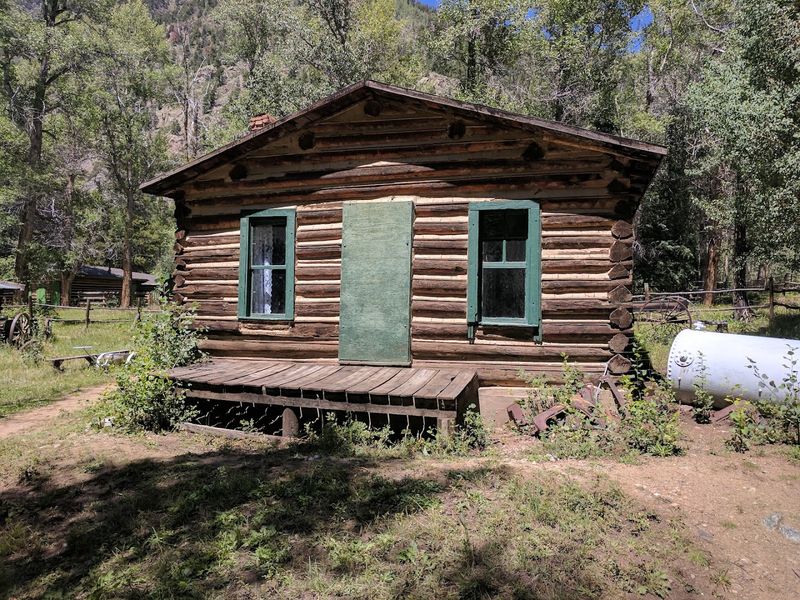
One of the smartest things you can do with a Vicksburg visit is refuse to stop there. Four miles further along the same road sits the Winfield Mining Camp, another historic site that multiple visitors specifically recommend as a natural extension of the same outing.
The two camps together create a self-guided tour of Colorado mining history that fills a morning or afternoon with genuine substance.
Starting from Buena Vista, the whole loop is manageable in a single day without requiring military-level logistics. Pack a lunch, fuel up before leaving town, and give yourself enough time to wander both sites without rushing.
The dirt road connecting them is the same accessible route that brought you to Vicksburg, so there is no new terrain to navigate or worry about.
A quick stop in Buena Vista before or after the drive is an easy way to round out the outing. The town sits right along US Highway 24 and has the small-town practicality of a place that knows it serves as a launching point for mountain adventures.
Gas, food, and a moment to stretch your legs before or after the dirt road portion make the overall experience feel complete rather than abrupt.
Best Strategy: Combine Vicksburg and Winfield into one outing. Two historic camps, one road, and a full story worth telling.