
The Forgotten Pennsylvania Town That Used To Be A Massive Industrial Hub
America’s very first Carnegie library once made millworkers take a tunnel to a basement bathhouse before they could check out a book.
Clean hands first, then the reading room. That rule tells you a lot about the town around it. This little borough in Pennsylvania still has a working steel mill, one Andrew Carnegie built in the 1870s.
The same library added a swimming pool, a basketball court, and a music hall with a pipe organ. For a steel town, that’s a lot of fancy extras.
I like how the place still wears its history in plain sight. The mill sits on a famous 1755 battlefield. The old pool now hosts gatherings instead of swimmers.
I believe few towns have swung from boom to quiet and back toward hope quite like this one. So how did a steel giant almost vanish?
A Steel Mill Built On A Famous Battlefield Is Still Running
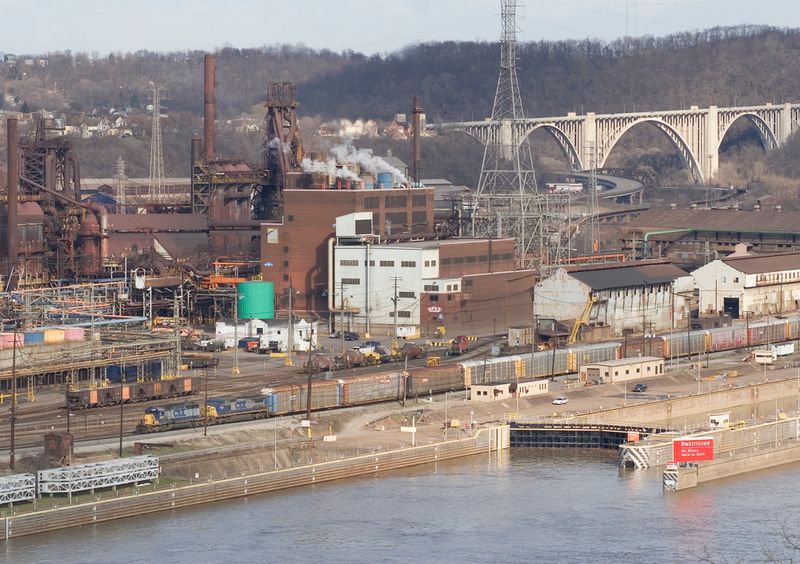
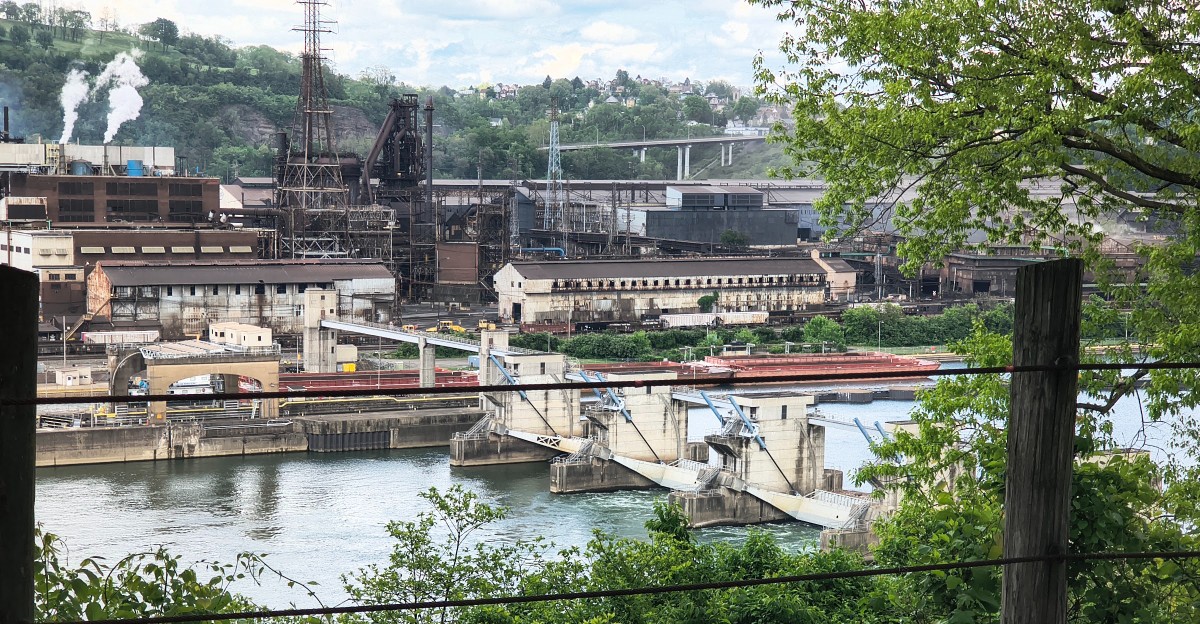
Braddock, Pennsylvania, gets its name from a British general, and its fame from a steel mill. Andrew Carnegie began building the Edgar Thomson Steel Works here in 1873, and production started in 1875.
Here’s the twist that makes history fans grin. The mill sits on Braddock’s Field, where General Edward Braddock lost a major battle in 1755 during the French and Indian War.
So one patch of ground holds two big chapters of American history. First came the colonial fight, and later came the roaring furnaces.
The Edgar Thomson plant was one of the first American steel mills to use the Bessemer process. That method made steel faster and cheaper than older ways.
Cheaper steel meant more rails, more bridges, and more buildings across a growing country. Braddock helped supply that boom.
The best part is that the mill never fully went quiet. It operates today as part of U.S.
Steel’s Mon Valley Works.
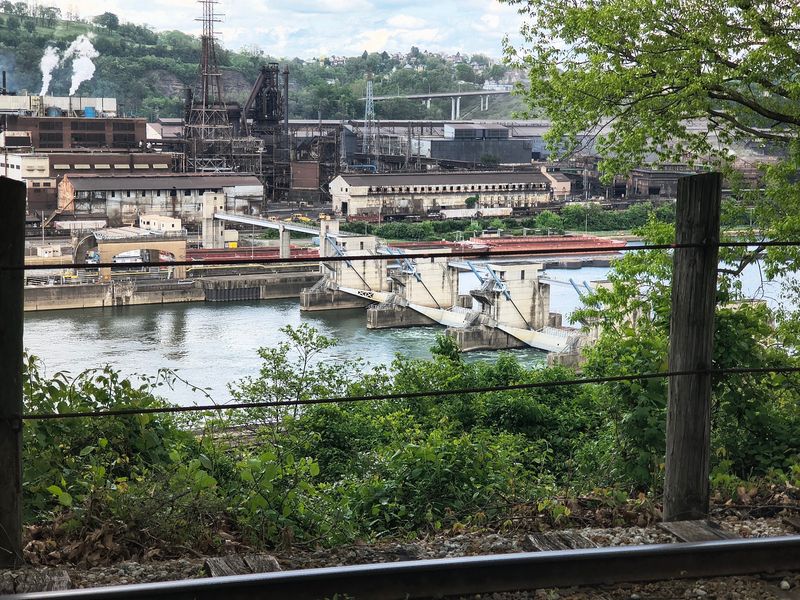
Plenty of old industrial towns only have ruins and plaques left. Braddock still has the real thing, glowing and working beside the Monongahela River.
That gives a visit a rare feeling. You aren’t just reading about steel history here.
You’re standing right next to it.
Carnegie Turned This Valley Into A World Steel Powerhouse
Big dreams need big furnaces. Andrew Carnegie had both, and Braddock was where his steel story really took off.
From that first mill, Carnegie’s empire spread to several more steel works. By the late 1880s, Carnegie Steel was the world’s largest maker of pig iron, steel rails, and coke.
That’s not a regional title. That’s the whole planet.
The Monongahela Valley, where Braddock sits, was once called the world capital of steel production. Towns up and down the river hummed with work.
Braddock stood near the center of all that action. Trains, barges, and workers kept the furnaces fed day and night.
It helps to picture what steel rails meant back then. They connected cities, carried goods, and helped shape modern America.
A lot of that metal traces back to this stretch of riverbank. Pretty impressive for a borough that now feels so small and quiet.
Next time you ride a train or cross an old bridge, think about it. There’s a decent chance some valley steel helped make that trip possible.
History rarely gets more hands-on than that. Braddock literally helped build the roads of a nation, one rail at a time.
Immigrant Families Gave The Town Its Heart And Muscle
Steel doesn’t make itself. In the early 1900s, Braddock needed thousands of hands, and people came from far away to fill those jobs.
Many new arrivals came from Croatia, Slovenia, and Hungary. They brought their languages, faith, recipes, and hopes for a steadier life in Pennsylvania.
Those families built neighborhoods around the mill. Work shifts shaped daily routines, and the town grew fast.
By 1920, Braddock reached its peak population of 20,879 people. That’s a busy, crowded mill town by any standard.
I can’t imagine the noise and energy back then. Streets packed with workers, shops, and kids must have felt alive at all hours.
Some families have worked at the Edgar Thomson plant for generations. That kind of connection runs deep in a place like this.
When you visit, keep those stories in mind. The houses and churches tell a quiet tale of people who crossed oceans for a chance.
It’s a good reminder for any traveler. Big industrial towns were never just about machines.
They were about families who showed up, worked hard, and stayed.
The First Carnegie Library In America Lives Here
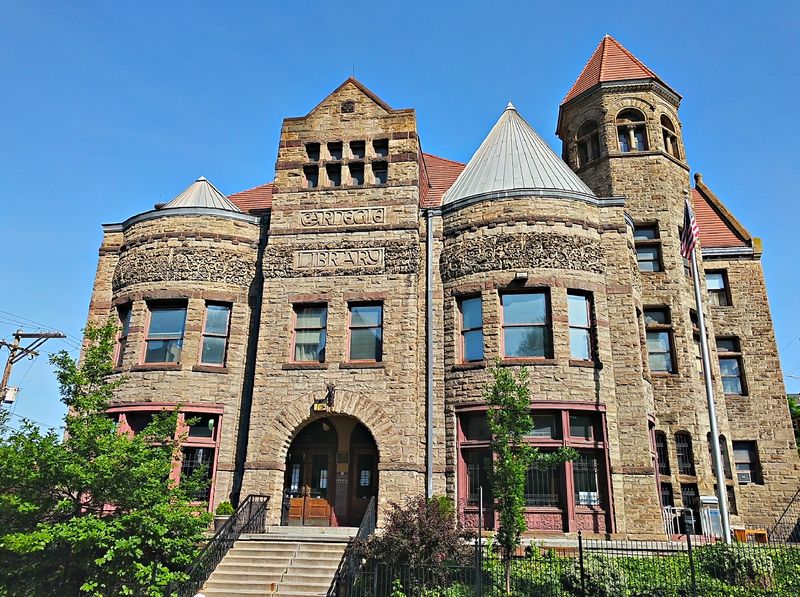
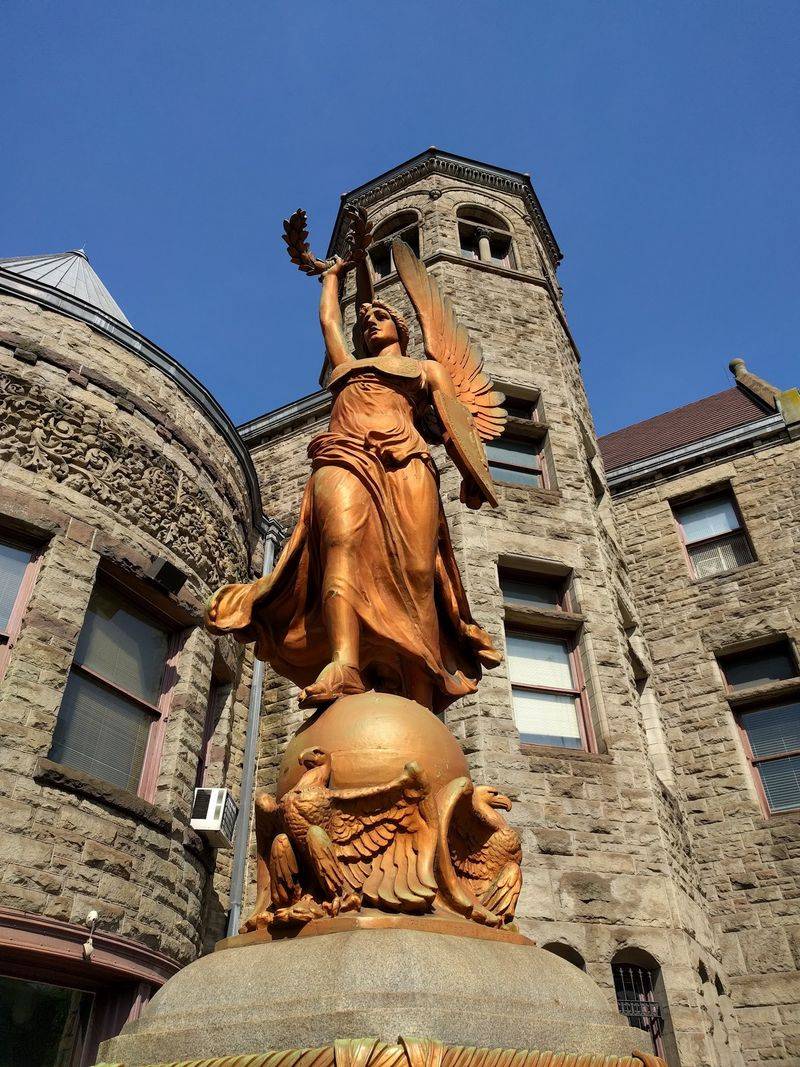
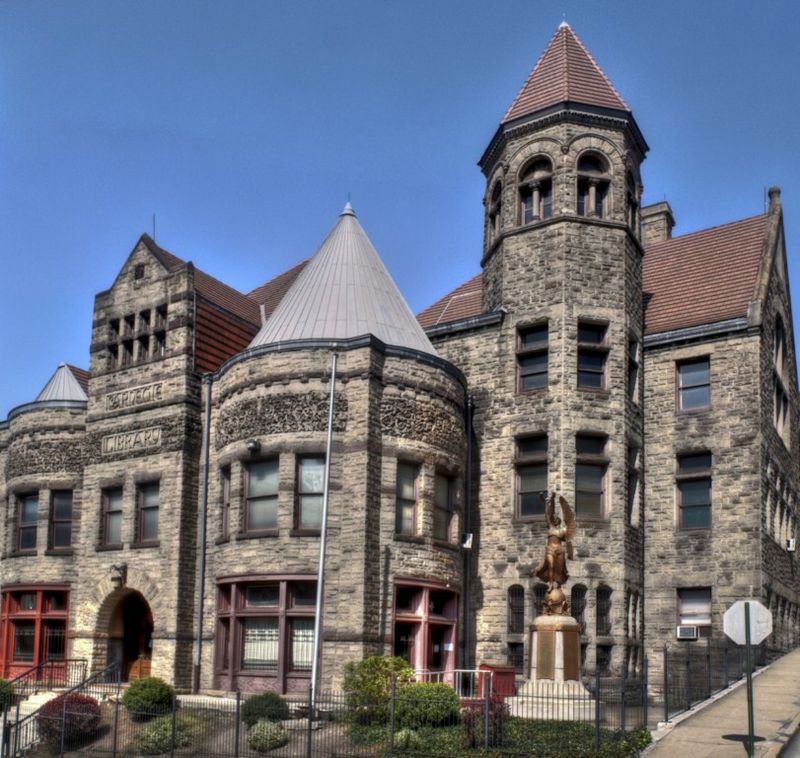
Carnegie built more than 1,600 libraries across the country, but this one came first. The Braddock Carnegie Library was dedicated on March 30, 1889.
That makes it the first Carnegie public library in the United States. Bragging rights don’t get much better for a small borough.
Architect William Halsey Wood designed the building. It was meant to serve the millworkers who powered the town.
And Carnegie clearly thought big. An 1893 addition brought a swimming pool, an indoor basketball court, and a 964-seat music hall with a pipe organ.
A library with a pool and a concert hall? That’s like ordering a sandwich and getting a full buffet.
You’ll find it at 419 Library Street, Braddock, PA 15104. The building is listed on the National Register of Historic Places.
It also holds National Historic Landmark status. That’s a top honor for historic places in the country.
If you only make one stop in Braddock, make it this one. Few buildings tell a town’s story this clearly, from steel money to community pride, all under one sturdy roof.
That Secret Tunnel Has A Surprisingly Clean Story
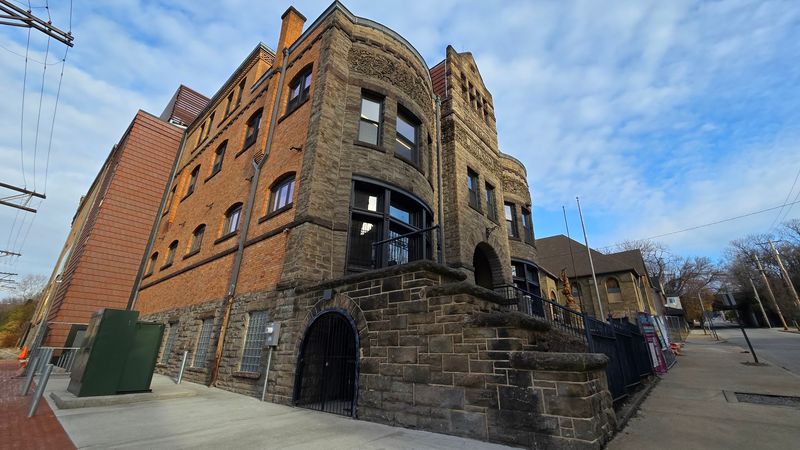
Sooty boots and fresh library books don’t mix well. The library’s designers came up with a clever fix for that problem.
Millworkers could use a special tunnel entrance. It led them to a basement bathhouse, where they could wash up after long shifts.
Once clean, they could head up to enjoy the library. Reading, swimming, and music were all waiting upstairs.
It’s a small detail, but it says a lot. The building was planned around the real lives of steelworkers.
Back then, many homes lacked easy access to hot baths. A bathhouse inside a library was a genuine perk for working families.
Today, that old bathhouse has a fresh purpose. It now holds a ceramics studio, so people still get their hands dirty down there.
Just with clay instead of mill grime. History has a funny sense of humor sometimes.
When you learn about the tunnel, the whole building makes more sense. It wasn’t built to impress rich visitors.
It was built to welcome tired workers through their own door, ready to learn and relax.
You Can Hang Out Where The Old Pool Used To Be
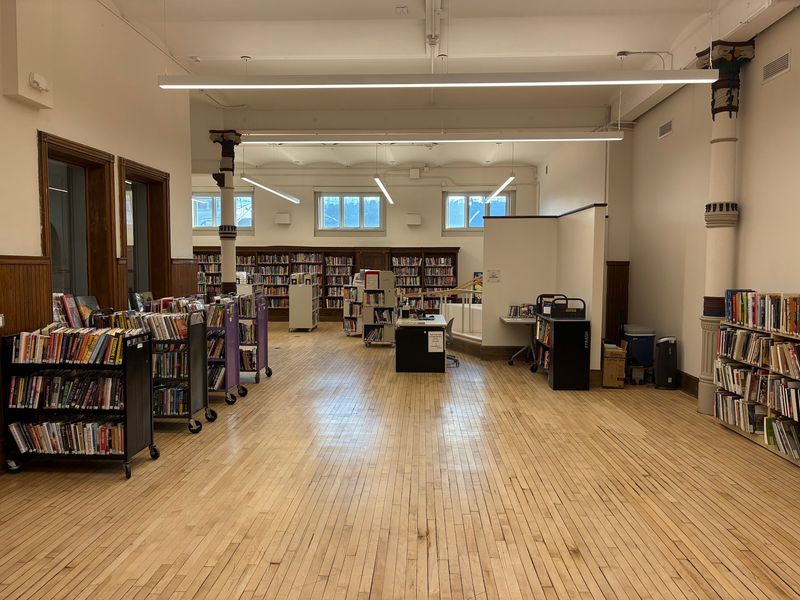
Swimming pools usually stay swimming pools. Braddock’s library took a different path.
The building was rescued from demolition in 1978. After major renovations, it’s now known as Carnegie One Braddock.
The former swimming pool is now a multi-use space nicknamed the Book Dive. Yes, the name is a pun, and yes, it works perfectly.
I like how the new uses honor the old ones. The bathhouse became a ceramics studio, and the pool became a place to gather.
Neither feels like a gimmick. They feel like smart reuse of a building that refused to fade away.
That 1978 rescue matters a lot. Without it, America’s first Carnegie library might be just a photo in a history book.
Instead, the building keeps serving the community in fresh ways. It’s still a place for learning, making, and meeting people.
Before you go, check what’s happening there. Spaces like this often host programs and events, and the schedule can change.
Either way, standing in a former pool surrounded by history is a fun story to tell later. Not many libraries can offer that.
The Population Drop Here Is Hard To Believe
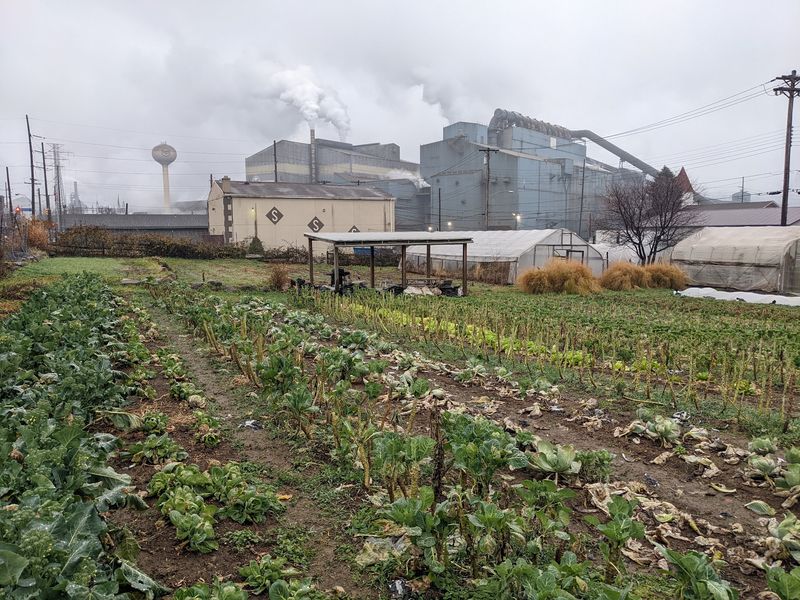
Some numbers stop you cold. Braddock had 20,879 people in 1920, and only 1,721 by the 2020 census.
That’s a drop of about 92 percent. Experts have called the town an outlier among outliers in the Rust Belt.
The big cause was the collapse of American steel during the 1970s and 1980s. Mills closed across the valley, and jobs vanished.
When work leaves, people follow it. Families moved away, stores closed, and many buildings went empty.
In 1988, Pennsylvania named Braddock a financially distressed municipality under Act 47. That label stuck for a very long time.
But here’s a happy update. Braddock officially exited that status in July 2023, after 35 years.
That’s a real milestone for a town many people had written off. It shows things are slowly moving in a better direction.
When you visit, you’ll notice the quiet streets. Try seeing them as a story still being written, not a closed book.
Braddock has lost a lot, but it hasn’t lost its fight.
Creative Folks Helped Spark A Comeback
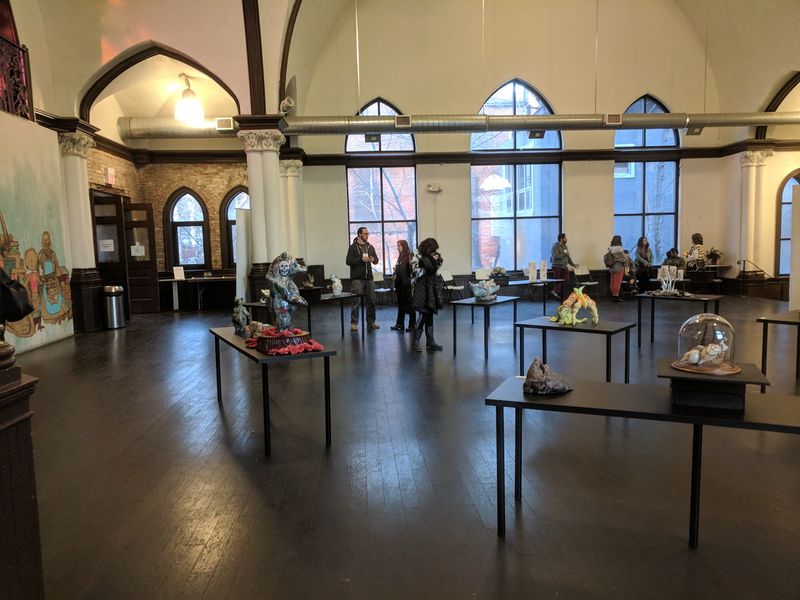
Comebacks often start with one stubborn idea. In Braddock, a mayor decided artists and creative people might help bring the town back.
John Fetterman served as mayor from 2006 to 2019. He worked to attract new residents from artistic and creative communities.
He also founded a nonprofit called Braddock Redux. It supported efforts to breathe new life into the borough.
The idea got the town plenty of national attention. Suddenly, people far from Pennsylvania were talking about this tiny steel town.
Over time, new spots began popping up. Recent revitalization has brought new restaurants, cafes, and vintage shops to the area.
That’s a big change for a place that saw so many closures. Each new door that opens adds a little more energy.
For visitors, this mix is part of the charm. You get century-old history alongside fresh, homegrown businesses.
My tip? Check hours before you head out, since small local spots can change schedules.
Then wander, explore, and support the folks taking a chance on Braddock’s future.
Steel Has A Big Second Act Coming
Plenty of people assumed Braddock’s steel days were fading for good. U.S.
Steel had other plans.
In October 2026, the company’s board approved nearly $3 billion for a new hot strip mill at its Edgar Thomson Plant in Braddock.
The project will replace aging equipment with modern steelmaking technology. U.S.
Steel expects the investment to increase annual production capacity from approximately 2.2 million to 3.5 million tons.
Initial production is targeted for late 2029. Construction will begin after the company obtains the necessary permits.
That’s a big bet on a mill that first fired up in 1875.
Right now, the plant has two blast furnaces. It employs approximately 650 people, a figure that can change as operations evolve.
That’s far fewer workers than in the boom years. Still, a working mill keeps Braddock tied to its roots.
The new investment could bring fresh momentum to the valley. Few old steel towns in Pennsylvania get news this exciting.
You’ll find the plant at 13th Street and Braddock Avenue. You can see the mill from public roads, though it isn’t a tourist attraction.
Seeing it in person helps everything click. The library, the neighborhoods, and the comeback all trace back to those furnaces.
Braddock’s story started with steel, and it seems ready for another chapter.