
The Gentle 3-Mile Hike In Arizona That Leads You To A Secret Waterfall
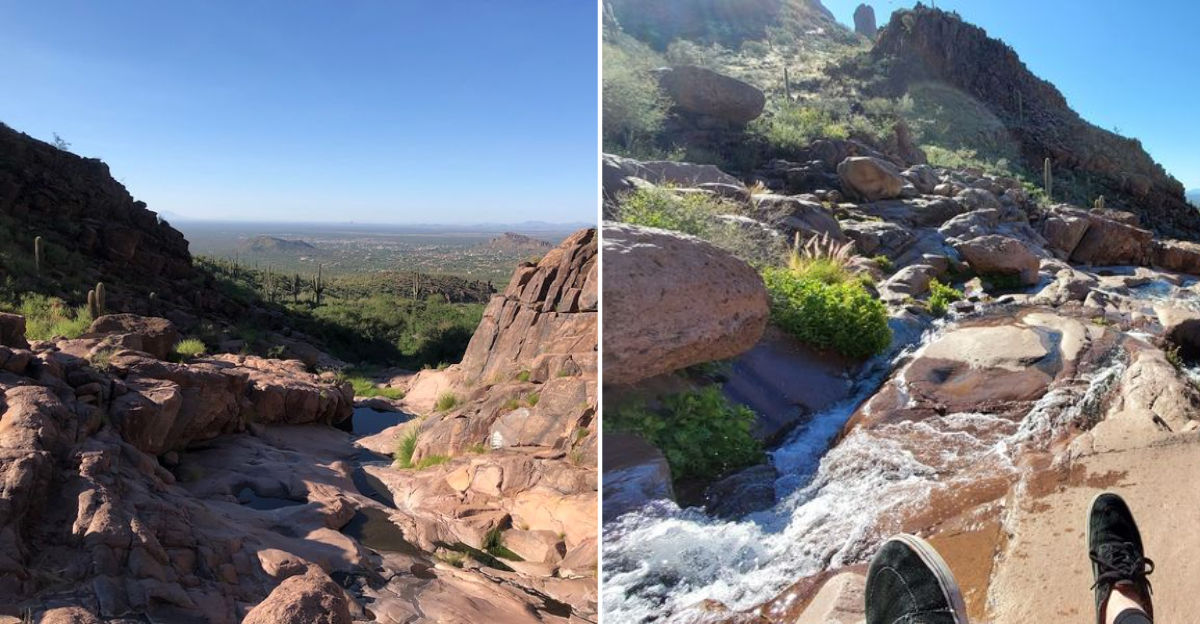
Most “secret” spots are about as hidden as my aunt’s Facebook drama, but this Arizona trail actually delivers the goods without requiring you to be a mountain goat in training shoes.
Just three miles of pleasant wandering through saguaros and suspiciously photogenic rock formations, and suddenly you’re staring at a waterfall that looks like it got lost on its way to Hawaii. The path is gentle enough that you won’t need emergency oxygen or an attitude adjustment, but the payoff feels downright cinematic.
Ancient carvings keep you company along the way, silently judging your cardio choices while you contemplate how something this gorgeous stayed under the radar. It’s the desert’s way of saying, “Surprise, I have layers,” and honestly, we’re here for every drippy, beautiful second of it.
The trail is approachable for most fitness levels, making it a fantastic choice for families, casual hikers, and anyone curious about the people who called this land home over 1,500 years ago.
If you have ever wanted a hike that rewards you with history, scenery, and a little splash of water all in one afternoon, this is the trail you have been waiting for.
The Trailhead At Cloudview Avenue
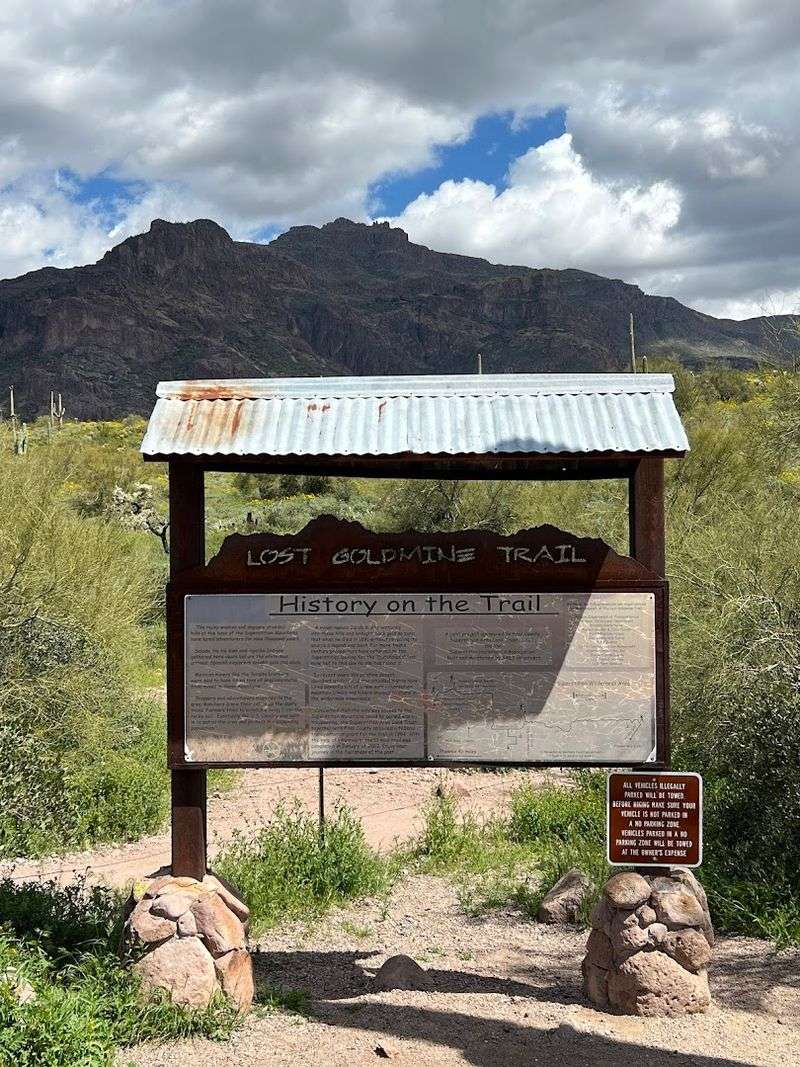
Before the adventure begins, the Cloudview Trailhead sets the tone perfectly. Located at the end of Cloudview Avenue in Gold Canyon, Arizona, this well-maintained starting point has a parking lot, restrooms, and informational signage that gives you a solid preview of what lies ahead.
Getting here involves a short drive from U.S. Route 60, winding through quiet residential streets until the desert opens up around you. Arriving early is smart, especially on weekends, because the parking lot fills up faster than you might expect.
The trailhead sits at the base of the Superstition Mountains, and even before you take your first step, the views of the rocky ridgeline are striking enough to make you reach for your camera.
Restrooms are available here, so take advantage before heading out. A small fee may apply for parking depending on current local regulations, so carrying a few dollars is a practical habit.
The trailhead energy on a crisp October morning feels almost electric, with hikers buzzing quietly as they lace up their boots and check their water bottles.
The Sonoran Desert Landscape Along The Path
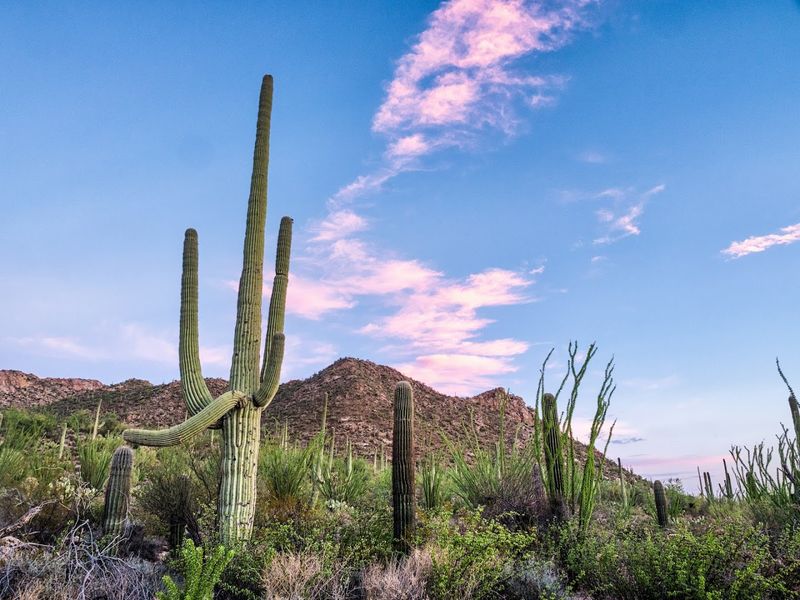
Few hiking environments anywhere in the country match the raw, almost theatrical beauty of the Sonoran Desert, and the Hieroglyphic Trail puts it front and center from the first step.
Towering saguaro cacti line the path like silent sentinels, their arms reaching skyward while palo verde trees offer patches of welcome shade. Depending on the season, brittlebush and poppies can paint the hillsides in brilliant yellow and orange.
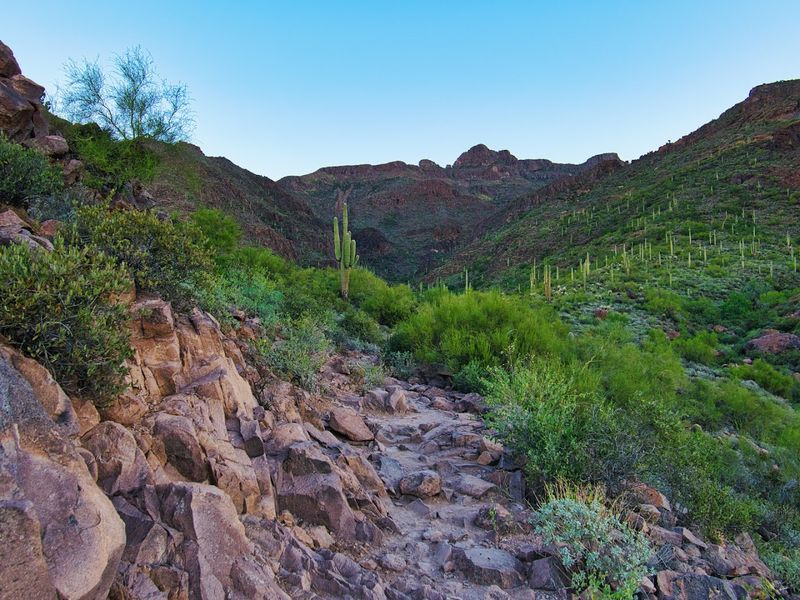
The trail begins as a relatively smooth, packed-dirt path that gradually becomes rockier as you move deeper into the canyon. That gradual change in terrain keeps things interesting without becoming overwhelming, making the hike feel like a natural progression rather than a sudden challenge.
Wildlife sightings are common here. Keep your eyes open for Gambel’s quail darting between shrubs, lizards doing push-ups on sun-baked boulders, and the occasional red-tailed hawk circling overhead.
The desert feels alive at every turn, and paying attention to the small details around you transforms a simple walk into a genuinely immersive outdoor experience that stays with you long after you leave.
The Rocky Canyon Climb And Elevation Gain
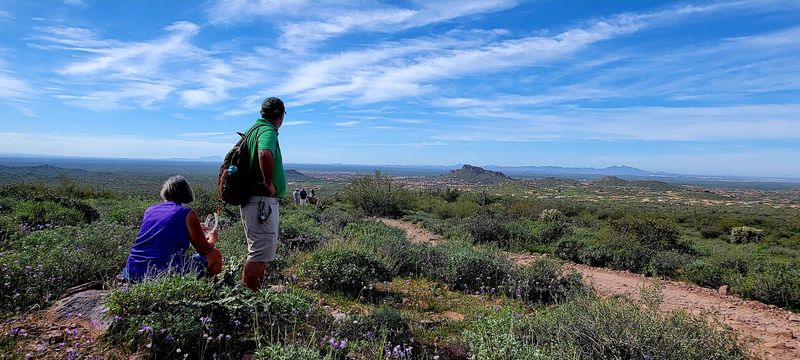
Around the midpoint of the trail, the terrain shifts noticeably. The path narrows and the ground becomes a mosaic of loose rocks and larger boulders that require a bit more attention with each step.
This section accounts for most of the trail’s roughly 600-foot elevation gain, and while it is not technically difficult, it does ask you to engage your legs and your focus in equal measure. Trekking poles can be genuinely useful here, especially for hikers who prefer extra stability on uneven ground.
The canyon walls begin to close in on both sides, creating a sense of drama and anticipation that builds naturally as you climb. The shade from those walls is a welcome relief on warmer days.
This stretch is where the trail earns its moderate difficulty rating. Young children and older hikers can manage it with patience and proper footwear, but trail runners or sturdy hiking shoes are strongly recommended over sandals.
The reward waiting at the top of this rocky scramble is absolutely worth every careful step you take to get there.
The Ancient Petroglyphs Of The Hohokam People
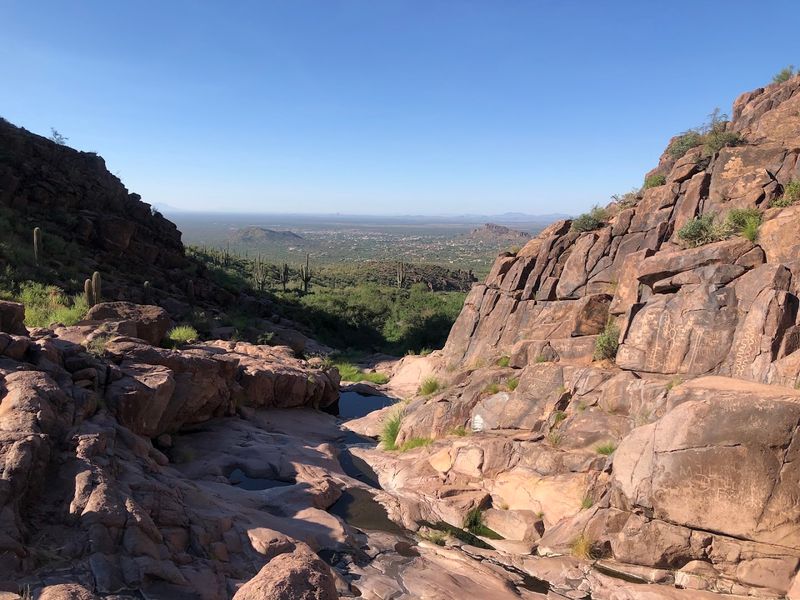
Nothing quite prepares you for the moment you first lay eyes on the petroglyphs. Carved into the dark desert varnish of the canyon walls, these images were created by the Hohokam people more than 1,500 years ago, and they have survived the centuries with remarkable clarity.
Spirals, human figures, animals, and geometric patterns cover sections of the rock in a visual language that still sparks wonder and curiosity today. Archaeologists believe these carvings held ceremonial and possibly astronomical significance for the Hohokam, who were skilled farmers and engineers of the ancient Southwest.
Standing in front of them, you get a quiet but powerful feeling of connection to a civilization that understood this landscape in ways we are still trying to learn.
The petroglyphs are protected under the Antiquities Act, so touching them is strictly off-limits. Admire them from a respectful distance and resist the urge to get too close for a photo.
Binoculars or a zoom lens let you study the details without putting any pressure on these irreplaceable carvings that belong to everyone, including future generations.
The Seasonal Waterfall And Natural Pools
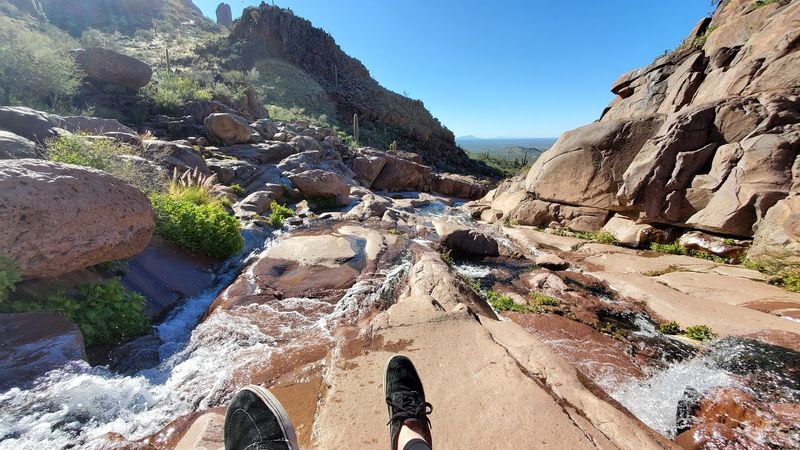
Here is the surprise that earns this trail its local nickname as a secret waterfall hike. After enough rainfall, water flows down the canyon walls and collects in a series of natural rock pools near the petroglyph site.
The waterfall itself is modest in scale, but in the middle of the Sonoran Desert, the sight and sound of moving water feels almost surreal, like finding a tiny oasis tucked inside a rocky puzzle.
The pools attract birds, dragonflies, and the occasional curious coyote, making this spot a rewarding place to sit quietly and observe. The combination of ancient art, flowing water, and towering canyon walls creates a scene that feels genuinely cinematic, and most hikers linger here far longer than they planned.
The waterfall is seasonal, meaning it is most reliable from late fall through early spring following significant rainfall. Visiting after a rainy period dramatically increases your chances of seeing it in full flow.
Even during drier stretches, the rock pools often hold water and remain a beautiful focal point at the end of the trail.
Best Time To Visit And Weather Tips
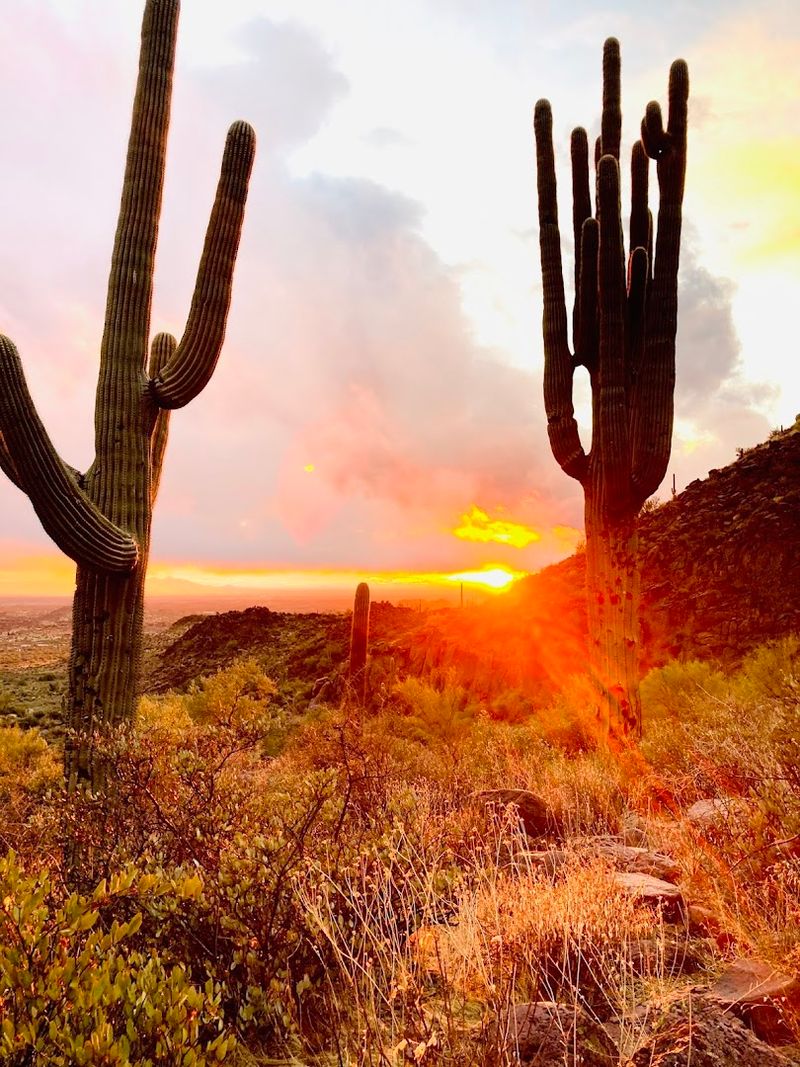
Timing your visit to the Hieroglyphic Trail makes a significant difference in how enjoyable the experience turns out to be. The sweet spot for hiking here runs from October through April, when temperatures in Gold Canyon are comfortable and the desert landscape is at its most photogenic.
Summer months bring temperatures that regularly exceed 100 degrees Fahrenheit, which turns this otherwise pleasant hike into a serious heat challenge. Starting your hike before 8 a.m. is one of the best habits you can build for Arizona desert hiking in general.
The morning light is softer, the air is cooler, and the trail is noticeably quieter before the midday crowd arrives. Carrying at least two liters of water per person is a non-negotiable baseline, even on mild days.
Sunscreen, a hat, and lightweight moisture-wicking clothing round out the essentials for a comfortable outing. The weather in this part of Arizona can shift quickly, so checking the forecast the morning of your hike is a smart move.
A cloud-covered day can actually make for a more pleasant hike than a blazing clear one.
Practical Tips For A Great Hike
A few practical details can turn a good hike into a great one on the Hieroglyphic Trail. Dogs are welcome on the trail as long as they stay on a leash, which makes this a popular outing for pet owners who want to share the adventure with their four-legged companions.
Bags and a responsible attitude about waste are expected courtesies on this trail, as with any public land. The trail is out-and-back, meaning you follow the same path both ways, so there is no risk of getting turned around.
Trail markers are generally clear, but downloading an offline map through an app like AllTrails before you leave home adds an extra layer of confidence, especially for first-time visitors.
Cell service in the canyon can be spotty, so letting someone know your plans before heading out is a sensible precaution. Pack a snack, take your time on the rocky sections, and plan to spend about two to three hours total for a relaxed, enjoyable round trip.
The Hieroglyphic Trail rewards those who slow down and pay attention to every detail along the way.