
The Georgia Covered-Bridge Loop That Doubles As A Perfect Leaf-Peeping Drive
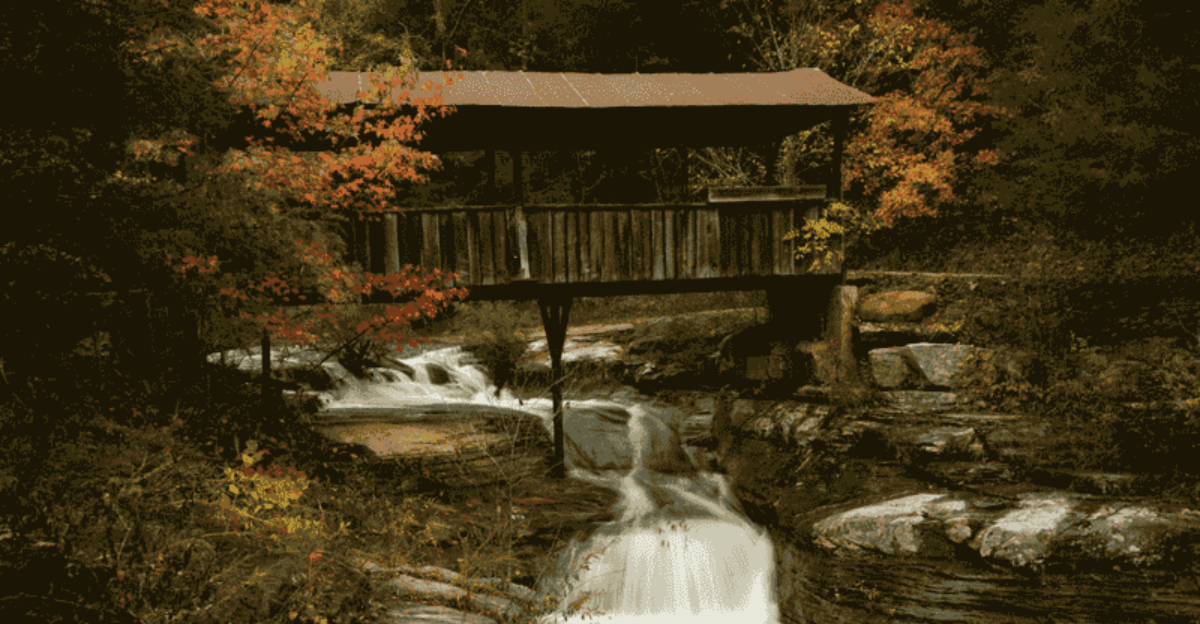
I’ll never forget the first time I stumbled upon Georgia’s covered-bridge loop during peak fall season—it felt like stepping into a postcard.
This scenic drive combines two of autumn’s greatest pleasures: historic covered bridges and spectacular foliage that’ll make your camera roll overflow.
Whether you’re a history buff, nature lover, or just someone who appreciates a good road trip, this route delivers something special.
Pack your pumpkin spice latte and let’s explore why this journey belongs at the top of your fall bucket list.
Georgia’s Longest Covered Bridge Still Standing Proud
Watson Mill Bridge stretches an impressive 229 feet across the South Fork River, earning bragging rights as Georgia’s longest covered bridge. I remember parking my car and just staring at this magnificent structure, wondering how something built in 1885 could still look so sturdy and beautiful.
The bridge’s distinctive red exterior pops brilliantly against fall’s golden and crimson backdrop. Walking through its covered interior feels like traveling through a wooden tunnel frozen in time.
Engineers back then knew their stuff—this bridge has survived floods, storms, and over a century of Georgia weather. The craftsmanship is mind-blowing when you examine the hand-hewn beams and wooden pegs holding everything together. It’s not just a bridge; it’s a testament to old-school building techniques that put modern shortcuts to shame.
A Step Back In Time Along The Broad River
Cruising along the Broad River region transports you straight into the 1800s, minus the lack of air conditioning and modern plumbing, thankfully. The area surrounding these bridges preserves that rustic charm that Instagram filters try desperately to replicate but never quite nail.
Old gristmills dot the landscape, their weathered stones telling stories of farmers who once ground corn here. The river itself meanders lazily, reflecting autumn colors so vividly you’ll do a double-take.
Local historians love sharing tales about how these bridges served as community gathering spots where neighbors exchanged gossip and goods. I chatted with one elderly gentleman who remembered his grandfather talking about courting his wife near one of these bridges. That’s the kind of living history that makes this drive genuinely enriching beyond just pretty scenery.
Where Scenic Beauty Meets Historic Craftsmanship
The engineering genius behind these covered bridges deserves serious respect—builders created “roofs for bridges” to protect the wooden structures from Georgia’s notorious rain and humidity. Smart cookies, those 19th-century engineers!
Each bridge showcases slightly different construction techniques, from Town lattice trusses to Burr arch designs. For woodworking nerds like me, examining these joints and supports is better than binge-watching home improvement shows.
Mother Nature provides the perfect frame for these architectural marvels during autumn. Vibrant leaves cascade around weathered wood, creating contrasts that photographers dream about. The bridges weren’t built for aesthetics, but they’ve aged into gorgeous landmarks that blend human ingenuity with natural splendor. Standing beneath one while leaves drift down feels almost spiritual—corny but true.
The Perfect Spot For Leaf-Peeping And Fall Photos
Peak foliage season typically hits this region between mid-October and early November, transforming the landscape into nature’s own fireworks display. I’ve visited four times, and each year the color combinations surprise me differently—sometimes fiery reds dominate, other years golden yellows steal the show.
The bridges themselves create natural frames for photography that even smartphone cameras can’t mess up. Position yourself at either end during golden hour, and you’ll capture shots worthy of professional travel magazines.
Pro tip: arrive early morning when mist rises off the water and fewer tourists crowd your shots. The combination of historic architecture, reflective waterways, and explosive foliage creates triple-threat compositions. Bring extra memory cards because you’ll snap way more photos than planned—I always do, much to my phone’s storage dismay.
A Bridge Built For Horses, Loved By Hikers
Originally constructed to help horses cross rivers without spooking at rushing water below, these covered bridges now serve adventure-seekers exploring Georgia’s trail systems. Horses apparently freaked out crossing open bridges—who knew our four-legged friends had such strong architectural preferences?
Modern hiking trails weave around several bridges, offering varying difficulty levels from casual strolls to moderate treks. I’m not exactly a hardcore hiker, but even I managed the routes comfortably while enjoying spectacular bridge views from multiple angles.
The trails provide intimate encounters with the bridges that you’d miss from car windows. You’ll spot wildlife, discover hidden river vistas, and work up enough appetite to justify that massive barbecue lunch afterward. Wear comfortable shoes because those historic pathways can get uneven and muddy after rain.
Watson Mill State Park’s Hidden Charms
Beyond the famous bridge, Watson Mill State Park packs in amenities that turn a quick visit into a full-day adventure. Camping facilities let you wake up to morning mist over the river—absolutely magical if you’re into that whole communing-with-nature thing.
The park offers fishing spots where patient anglers hook bass and bream while contemplating life’s mysteries. Picnic pavilions provide perfect lunch spots with bridge views that beat any restaurant patio I’ve experienced.
Park rangers host educational programs about the area’s history and ecology that are surprisingly entertaining. I attended one expecting boredom but left genuinely fascinated by stories about the bridge’s restoration efforts. Admission fees are ridiculously reasonable, making this an affordable escape from city chaos. The park maintains everything beautifully without over-commercializing the experience—refreshingly low-key compared to touristy attractions.
Why This Rustic Gem Deserves A Place On Your Georgia Road Trip
This route delivers authentic Southern charm without manufactured tourist traps trying to separate you from your money. Real history, genuine natural beauty, and peaceful surroundings create experiences that fancy resorts can’t replicate at any price point.
The entire loop takes maybe three hours if you rush, but why would you? Plan a leisurely day allowing time for exploration, photography, and spontaneous picnics. Small-town restaurants along the route serve home-cooked meals that’ll ruin you for chain establishments forever.
Unlike crowded mountain destinations, these bridges remain surprisingly uncrowded even during peak season—Georgia’s best-kept secret, apparently. I’ve dragged skeptical friends here who initially complained about “just looking at old bridges,” and they always leave converted. Sometimes the simplest pleasures—historic architecture, fall colors, quiet rivers—create the most memorable adventures. Your soul needs this kind of reset.