
The Haunted Colorado Backroad Locals Warn You Not to Take After Sunset
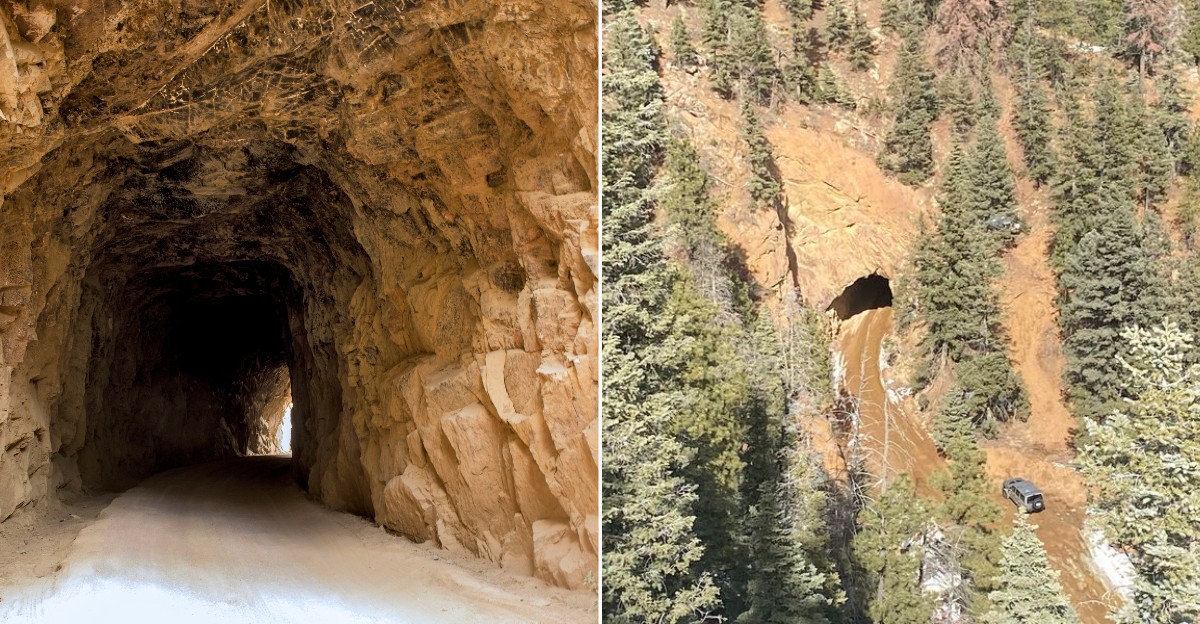
Some drivers stop inside a narrow mountain tunnel after dark, shut off their headlights, and wait. They’re hoping to find tiny handprints on their dusty cars afterward.
The legend centers on a nearby tunnel that partially caved in back in 1988, and it’s still closed to cars. Folks say giggling children echo through it, even though no record of that story exists.
I love that this spooky stretch of Colorado started life as a gold rush railroad. Trains once hauled ore and supplies through the same rock tunnels that now spark goosebumps for curious road trippers.
By day, the views are jaw-dropping and the gravel drive feels like a real adventure. After sunset, I can’t imagine volunteering to turn off the engine and sit in the dark, can you?
Ride the Path of a Gold Rush Railroad Without the Train
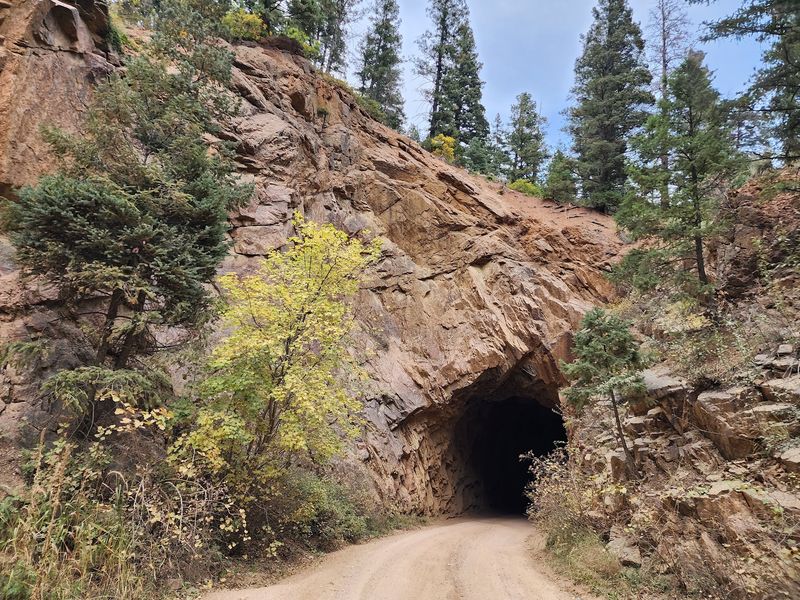
Long before ghost hunters showed up, gold was the main attraction here. The Gold Camp Road Tunnels began as part of the Short Line railroad, built during the Pikes Peak gold rush era.
Trains carried ore, supplies, and passengers between Colorado Springs and the mining towns of Victor and Cripple Creek. That route climbed through rugged mountain terrain, so crews had to blast and dig through solid rock.
Originally, nine tunnels punched through the hillsides along the line. Today, the road stretches roughly 32 miles, and drivers still follow much of the old rail bed.
That explains the steady grades and sweeping curves. Railroads couldn’t handle steep climbs, so the road feels more patient than a typical mountain switchback.
I love that a trip here doubles as a history lesson with a view. You’re rolling over the same path that carried Colorado’s gold rush dreams more than a century ago.
Want to impress your passengers? Mention that the rock walls around them were shaped by crews working long before modern machines, then watch everyone stare a little harder at the ceiling.
A Toll Road Twist Most Drivers Never Hear About
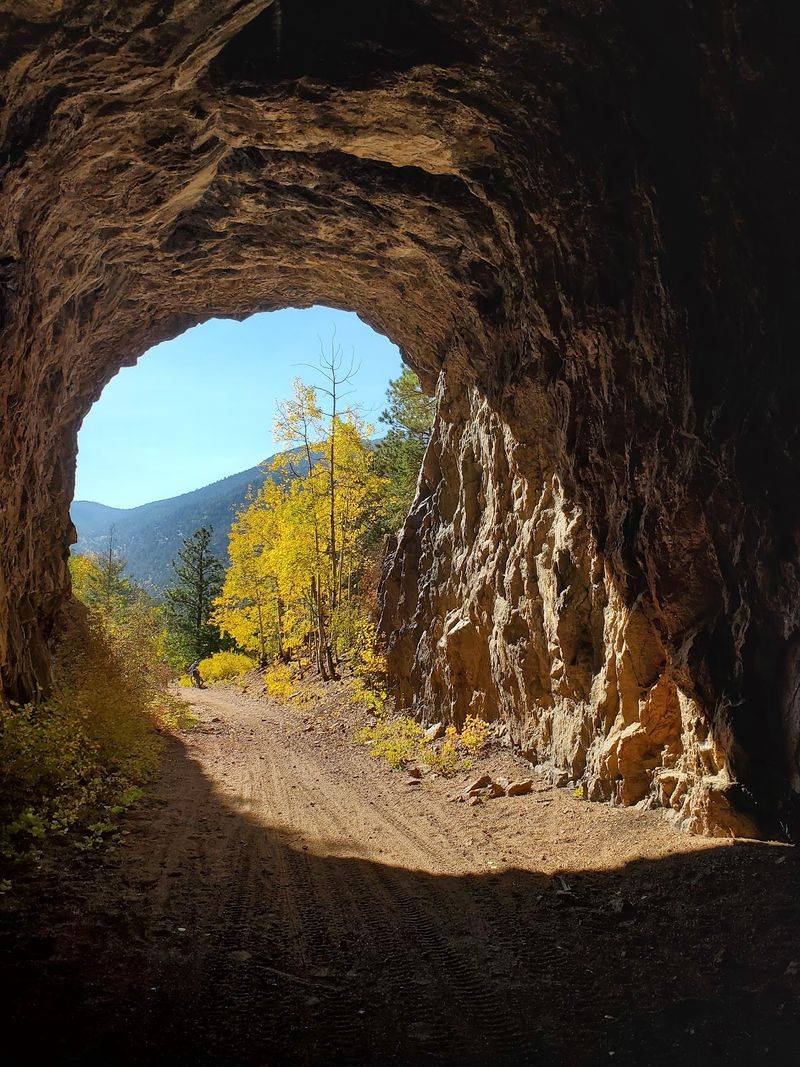
Trains didn’t hold this route forever. In the 1920s, the old railway became an automobile toll road called the Corley Mountain Highway.
Drivers paid to cruise the same ledges and tunnels that steam engines once rumbled through. Motoring up a former rail line must have felt like the height of modern adventure back then.
The toll eventually disappeared, and the route opened as a free public road in 1939. That’s when it became the Gold Camp Road everyone knows today.
Ever wonder why the road feels so quiet and old-fashioned? Much of it is still gravel and dirt, which keeps the pace slow and the mood a bit mysterious.
The surface changes as you climb, starting smoother and getting rockier in the upper stretches. Some sections can call for a high-clearance vehicle or four-wheel drive, especially in rough weather.
I think the toll road chapter is the most underrated part of the story. It turned a mining route into a scenic drive for everyday travelers.
That shift set the stage for everything that followed. More drivers meant more late-night trips, and more late-night trips meant more ghost stories.
Squeeze Through Single-Lane Tunnels Carved Right Into the Mountain
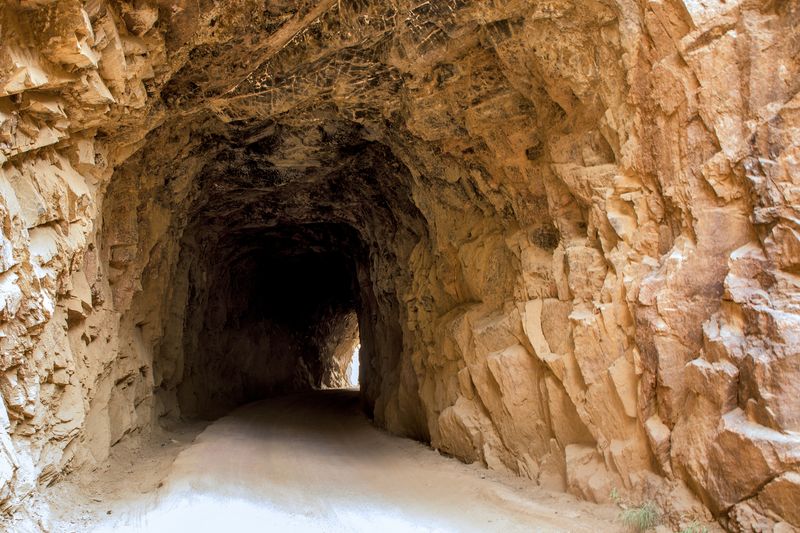
Narrow doesn’t quite cover it. The first two tunnels normally accommodate single-lane vehicle traffic, but visitors should check current road closures before attempting the drive.
Drivers often flash their headlights before entering to warn anyone coming from the other side. It’s a simple habit that saves a lot of awkward reversing on a mountain ledge.
Tunnel 2 shows up on maps as a historical landmark. Its rocky opening frames the road like a stone doorway into the past.
Outside the tunnels, the road often shrinks to one lane with no guard rails. Take it slow, watch for pullouts, and keep both hands on the wheel.
Daylight makes everything easier to judge, from the road edge to oncoming headlights. At night, the narrow walls and heavy darkness can feel downright claustrophobic.
My advice is simple. Treat the tunnels as narrow mountain passages, drive cautiously, and watch carefully for oncoming traffic.
Bonus tip: pull over safely after you exit for photos. The tunnel mouths make a great frame for a dramatic shot, and nobody has to stand in traffic to get it.
The Collapsed Tunnel That Started All the Whispers
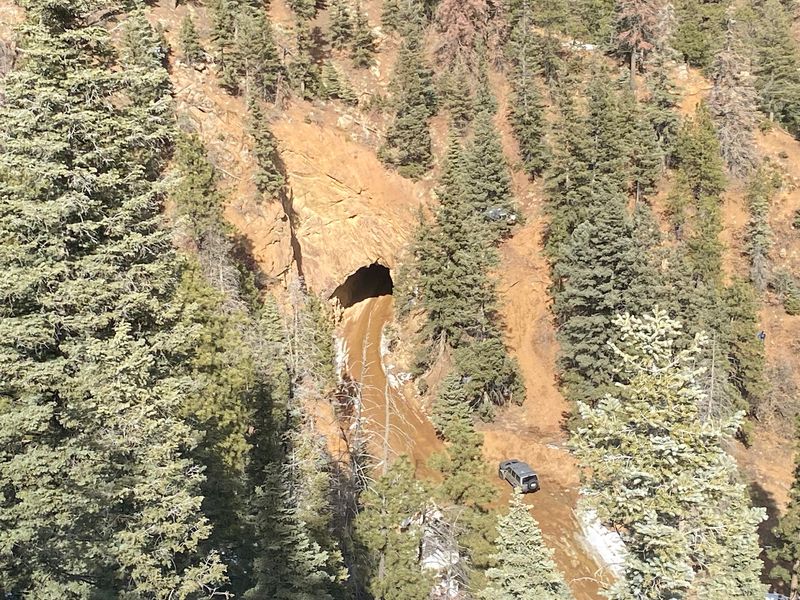
In 1988, Tunnel 3 partially collapsed, and it has stayed closed to cars ever since. Rotten timber supports got the official blame.
That practical explanation never stood a chance against a good campfire story. The most famous legend claims a school bus full of children was trapped inside during a collapse.
No official records or news reports back up that tale. Still, it spread so widely that the tunnel became the heart of the road’s haunted reputation.
Hikers and visitors often share stories of eerie laughter, giggling, and even screams near the closed tunnel. Some also describe feeling a tug on their clothes when nobody stands nearby.
Honestly, I believe the setting does a lot of the work here. A dark, broken tunnel on a lonely mountain road is basically a ghost story waiting to be told.
Want to see it for yourself? You can reach the area around Tunnel 3 on foot or by bicycle, but the collapsed tunnel itself is blocked off and should not be entered.
Visiting in daylight lets you enjoy the history without spooking yourself silly. Sundown is when the giggling stories start sounding a little too believable.
Tiny Handprints Are the Souvenir Nobody Asked For
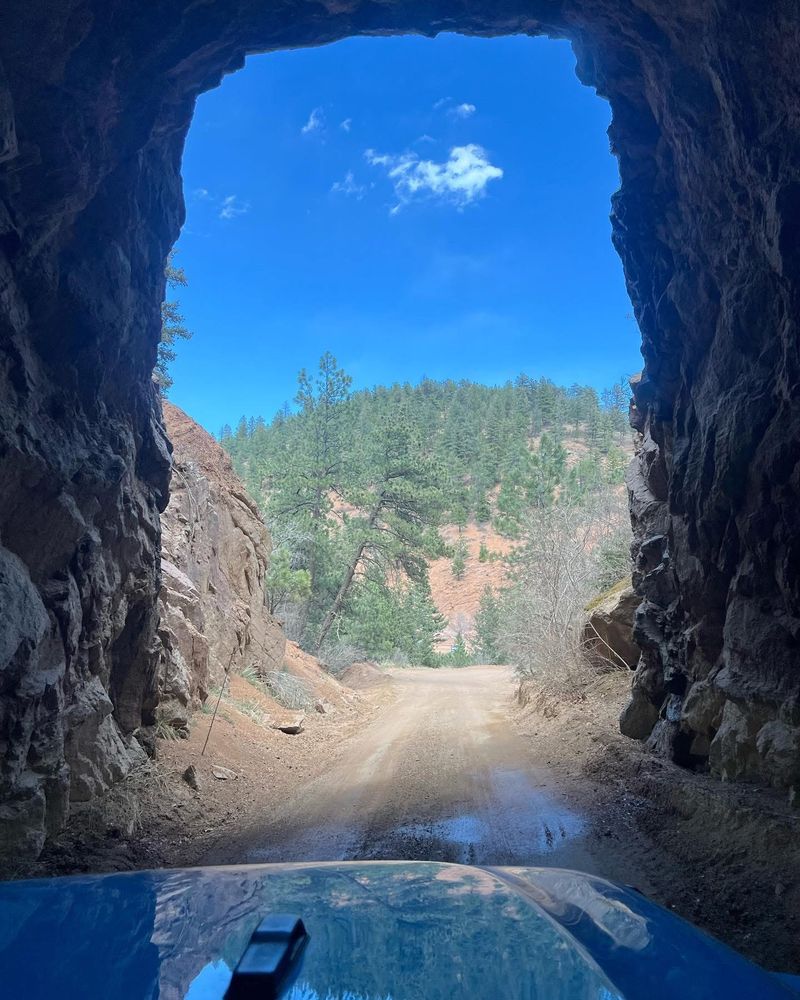
Dusty car, quick glance, mystery solved? Not according to the folklore around this Colorado Springs backroad.
One of the most repeated claims says small, child-sized handprints show up on cars after they pass through the tunnels. The stories describe prints appearing on vehicles coated in road dust.
The handprints tie back to the Tunnel 3 school bus legend. Believers say the children are still curious about visitors and like to leave a little hello behind.
Skeptics have a simpler theory. Gravel roads kick up plenty of dust, and dusty cars collect smudges from just about anything.
Other tales go further, mentioning unexplained scratches on skin after a visit. Those accounts belong to the road’s spooky lore, not to any proven record.
I like that the legend gives every road trip a built-in ending. You park, step out, and suddenly everyone is circling the car with their phone flashlights.
Wash your car before the drive if you want a clean test. Then again, the gravel will probably get the last laugh, and you’ll be left squinting at smudges and arguing about fingers.
Park Inside Tunnel Two and the Legends Get Even Stranger
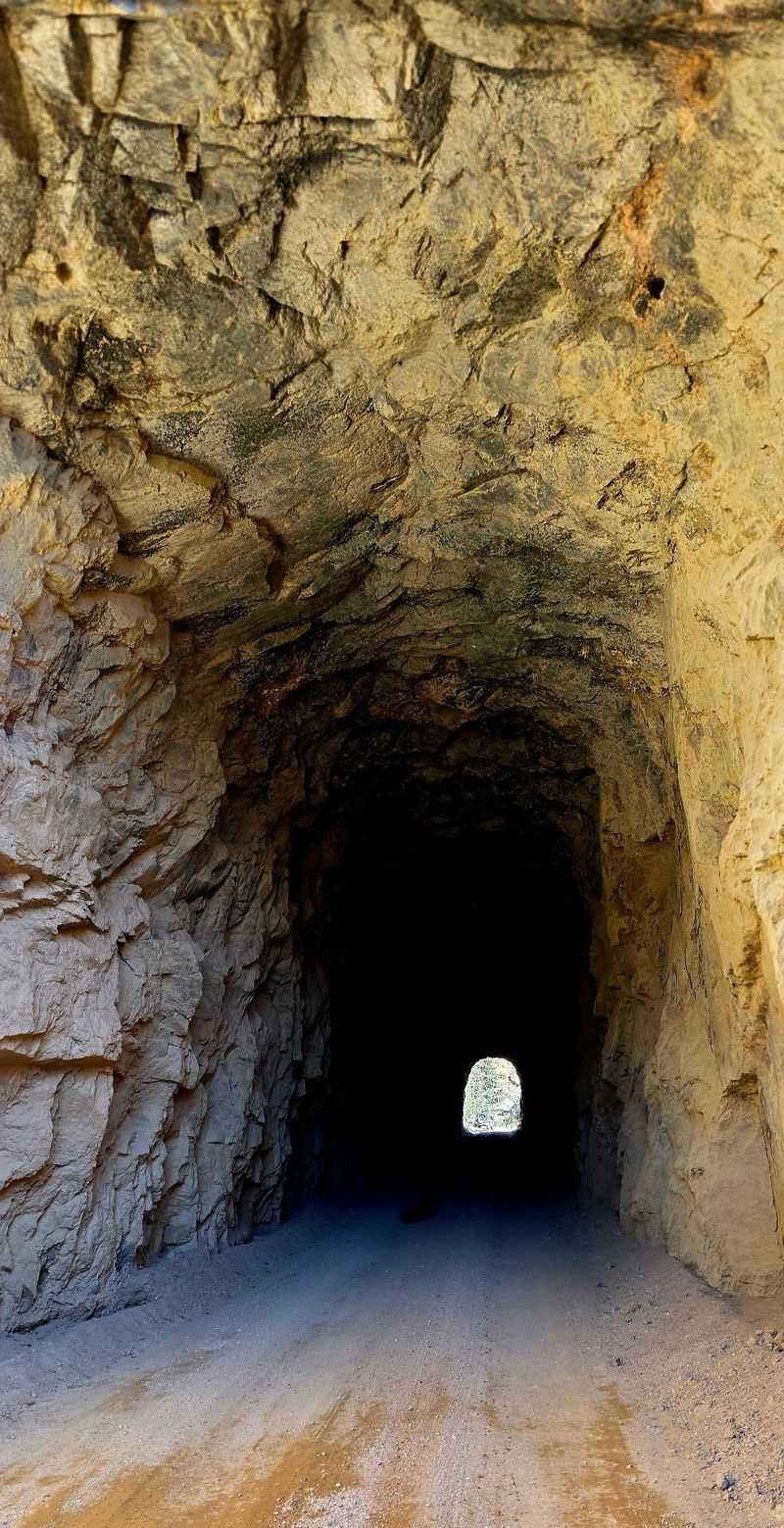
Neutral gear, lights off, and a whole lot of nerve. That’s the recipe some thrill seekers follow inside Tunnel 2 after dark.
The legend says a parked car in neutral will slowly roll uphill, as if unseen hands are pushing it. A few stories add handprints appearing on the back of the vehicle afterward.
Tunnel 2 has other tales, too. People describe a lone man pacing inside, strange voices, and even being hit by something they couldn’t see.
Older accounts from the 1970s and 1980s mention black-robed figures carrying torches near the tunnels. Add legends about workers lost during construction, and the stories pile up fast.
I can’t imagine sitting in total darkness with the engine off in a one-lane tunnel. Stopping inside also blocks traffic, which is a real hazard on a road this narrow.
If curiosity wins, choose a safe pullout instead. You’ll still get the chills without becoming a roadblock for the next driver.
Tunnel 2 is honestly impressive in daylight. The views near the entrance are worth the trip, even if every ghost decides to stay home that day.
The Views Up Here Make Every Bump Worth It
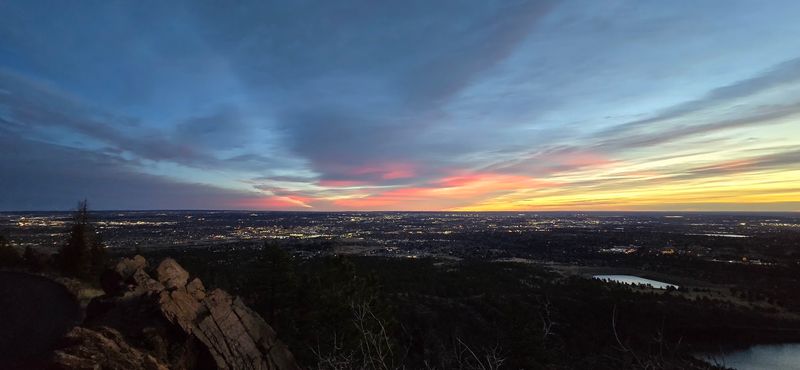
Ghosts aside, the scenery here is the real headliner. The road winds above Colorado Springs with sweeping views of downtown spread out below.
Pike National Forest surrounds much of the drive, so pine-covered slopes fill the windows on one side. On the other, the city looks like a giant map.
Helen Hunt Falls sits near the lower access area, and it makes an easy add-on stop. North Cheyenne Cañon Park is right there too, with its own overlooks and trails.
Sunsets along Gold Camp Road are famous for good reason. The sky glows over the city, which creates an awkward dilemma for anyone who heard the after-dark warnings.
Sunrise is a sneaky alternative. You get gorgeous morning light and a full day ahead to explore.
Keep your eyes open for wildlife along the route. Deer and chipmunks are part of the mountain neighborhood, and they rarely care about ghost stories.
Bring a camera with a full battery. Between the tunnels, the forest, and the skyline, you’ll fill your phone storage faster than expected and still want one more shot.
Hikers and Bikers Get the Closed Stretch All to Themselves
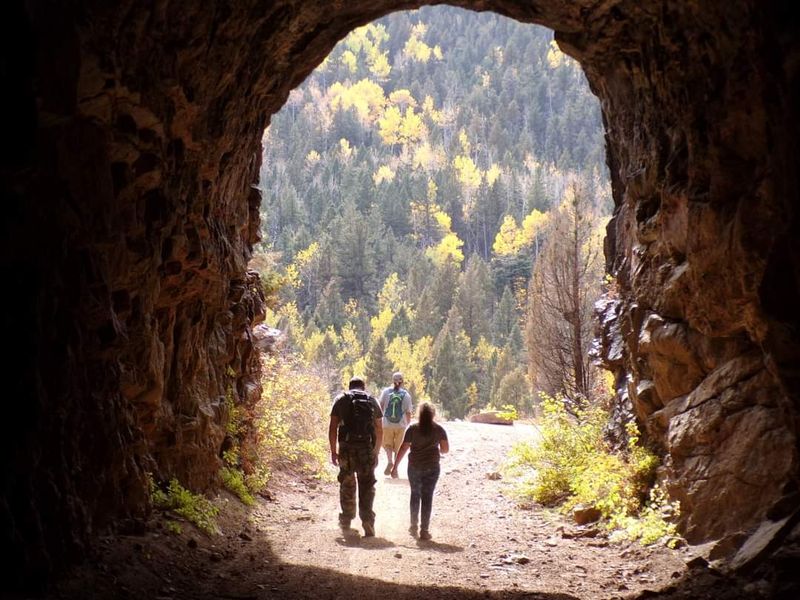
Cars stop at the closure, but the adventure keeps going. The section of Gold Camp Road around Tunnel 3 runs roughly 7 to 8.5 miles without vehicle traffic.
That stretch has become a favorite for hikers and mountain bikers. The old rail grade keeps the climb steady, which makes it friendlier than many Colorado mountain trails.
You’ll pass forest views and the fenced-off entrance to the collapsed tunnel along the way. It’s a rare chance to explore a historic railroad route at walking speed.
Pack plenty of water, snacks, and layers. Mountain weather can change quickly, and shade isn’t guaranteed on exposed sections.
Several trailheads connect to the road, so you can plan a short stroll or a longer outing. Upper Gold Camp works well as an easy trail with a dirt and gravel surface.
Bikers should keep speed in check around blind curves. Hikers share the route too, and nobody wants a surprise collision before the ghost stories even begin.
I think this is the best way to experience the road’s history up close. No engine noise, no tunnel traffic, just you, the trail, and maybe a little giggling in the wind.
Smart Moves Before You Head Up the Mountain
Planning ahead turns a spooky drive into a fun one. Many people use 4415 Gold Camp Road, Colorado Springs, CO 80906 as a starting point for reaching the upper sections.
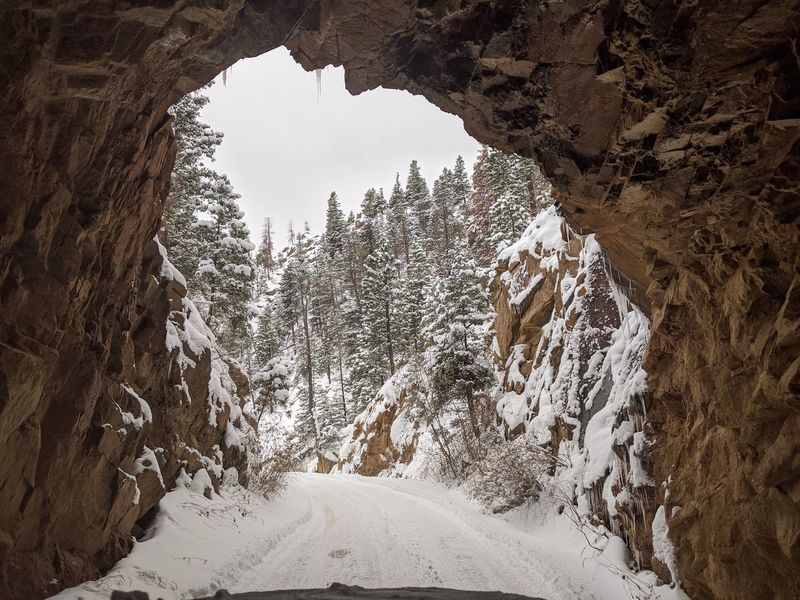
Check conditions before you go, because weather can limit access. Snow and mud make the gravel slicker, and steep drop-offs leave little room for mistakes.
A vehicle with good ground clearance helps on rougher stretches. All-wheel drive can help on rough or slippery sections, but winter conditions may make the road unsafe or inaccessible regardless of your vehicle.
Lock your car and keep valuables out of sight at trailheads and pullouts. A quick tidy-up before you leave the car is an easy habit worth keeping.
Cell service can be unreliable in the mountains, so download maps ahead of time. Tell someone your plans, especially if you’re heading out on a bike or on foot.
Most importantly, respect the sunset warning. The narrow tunnels, missing guard rails, and deep darkness are reason enough to head home before the stars come out.
The Gold Camp Road Tunnels reward early birds with stunning views and great stories. Save the ghost talk for the ride home, once you’re safely back on pavement.