
The Hidden Pennsylvania Fabric Warehouse Locals Swear By For Big Projects
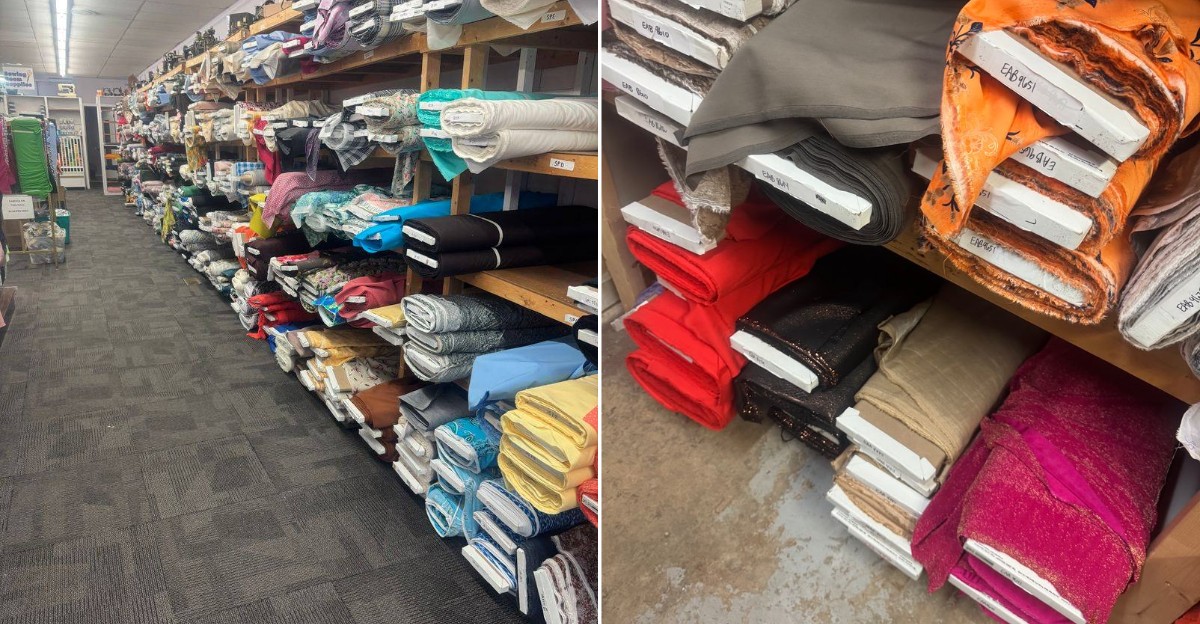
When a project outgrows the dining table, a tiny fabric aisle stops being useful very fast.
For sewists tackling curtains, quilts, costumes, or anything else that eats through yardage, Pennsylvania has a warehouse where scale is part of the appeal.
Bigger projects need room to compare, enough stock to match across multiple cuts, and the freedom to hunt without feeling boxed in by a few shelves.
That can make the difference between forcing a compromise and actually finishing the idea you had in mind.
I found out how important that is while working on a project that needed far more fabric than I expected.
After visiting two smaller shops, I was ready to simplify the whole thing just to make it easier.
Then I walked into a warehouse, saw row after row of options, and changed my mind immediately.
I left with exactly what I needed and a renewed respect for stores that understand some projects are simply too big for half-measures.
A Storefront That Hides A Warehouse Behind It
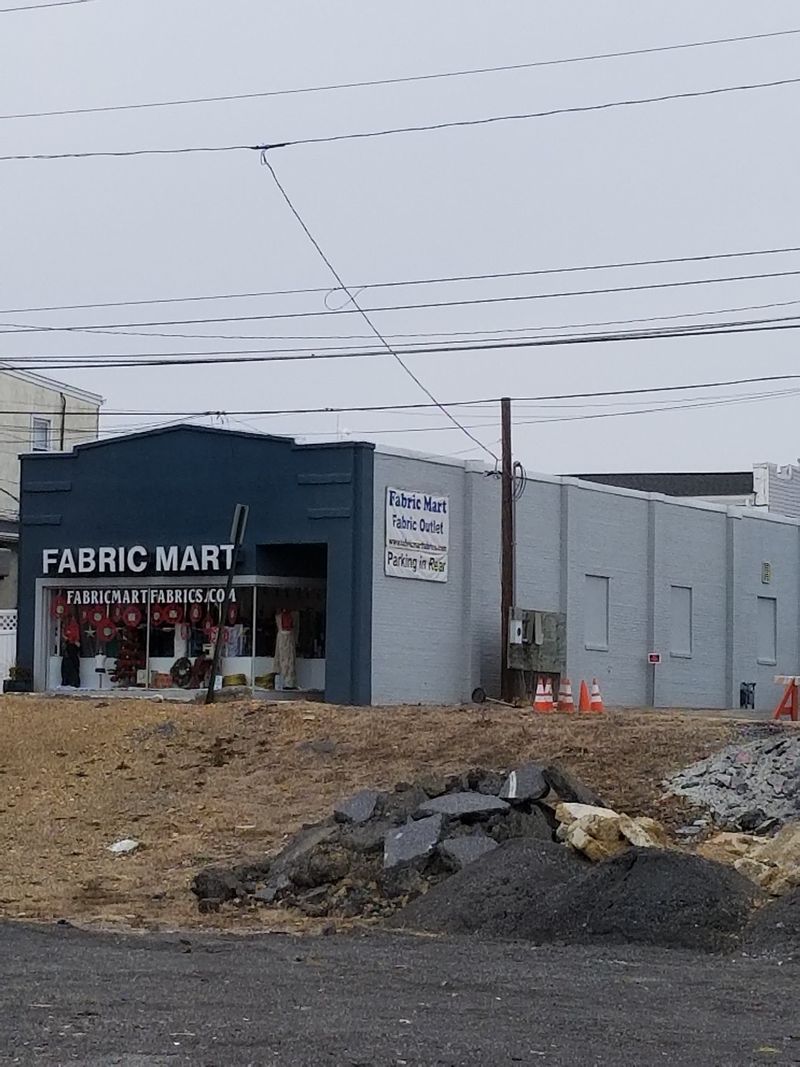
First impressions here are wildly misleading, and that is half the fun. The building at 3911 Penn Ave in Sinking Spring, Pennsylvania, reads as a compact roadside shop from the street.
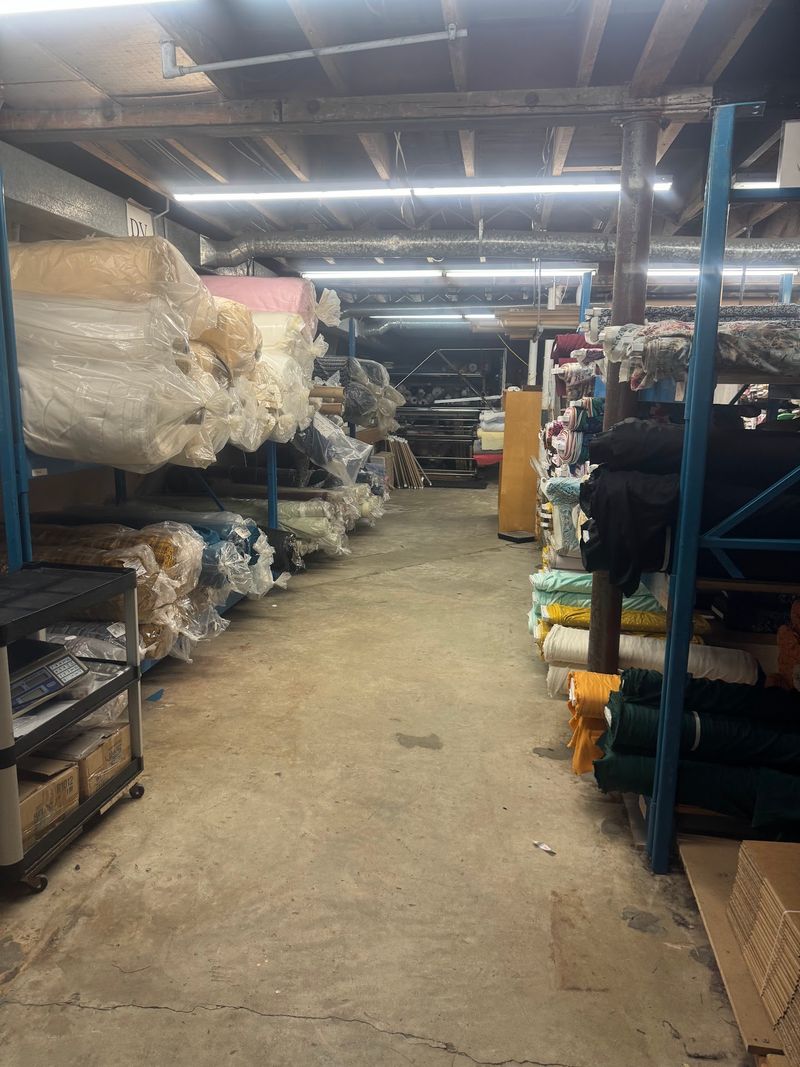
Step through the door and the floor plan keeps unfolding. There are six rooms of fabric, each packed with bolts, patterns, notions, and website inventory available to browse in person.
Sewists who visit often describe the layout as a storybook wardrobe that opens into somewhere much bigger, and that comparison fits.
You turn one corner expecting a wall and find another room of fabric instead.
Practical tip from experience: give yourself at least ninety minutes. Rushing through means missing entire sections, and the best finds are rarely near the entrance.
Comfortable shoes matter more than you would think, since browsing sessions go hand in hand here. Bring a tote or two as well, because arms fill fast and there is always one more room waiting.
Family Owned And Proud Of It
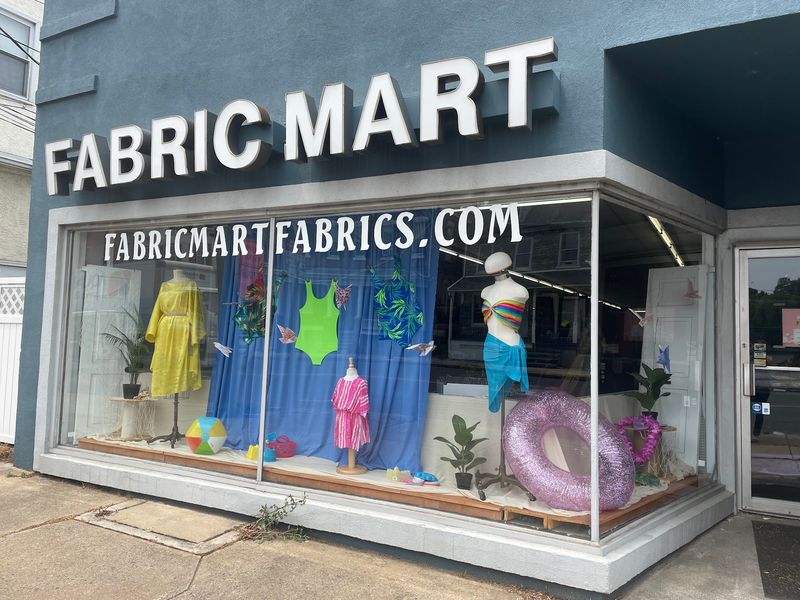
Big box chains come and go, but this Pennsylvania operation has stayed in the family and stayed focused on one thing. Fabric.
Real fabric, sold by people who sew.
That shows up in small ways. Staff answer questions about drape and weight without reaching for a script, and they will tell you honestly when a fabric is wrong for your pattern.
Phone calls get returned. Emails get answered.
In an era of automated everything, a human reply about fiber content feels almost luxurious.
Shoppers have mentioned getting sewing advice alongside their yardage, which is exactly the kind of service a warehouse-sized inventory needs. Choice without guidance can be paralyzing.
My own tip is simple. Walk in with your pattern envelope or a photo of it on your phone, then ask.
Naming the garment you want to make gets far better results than naming a fabric type. The staff will often point you toward something better than your original plan.
Deadstock Is The Whole Business Model
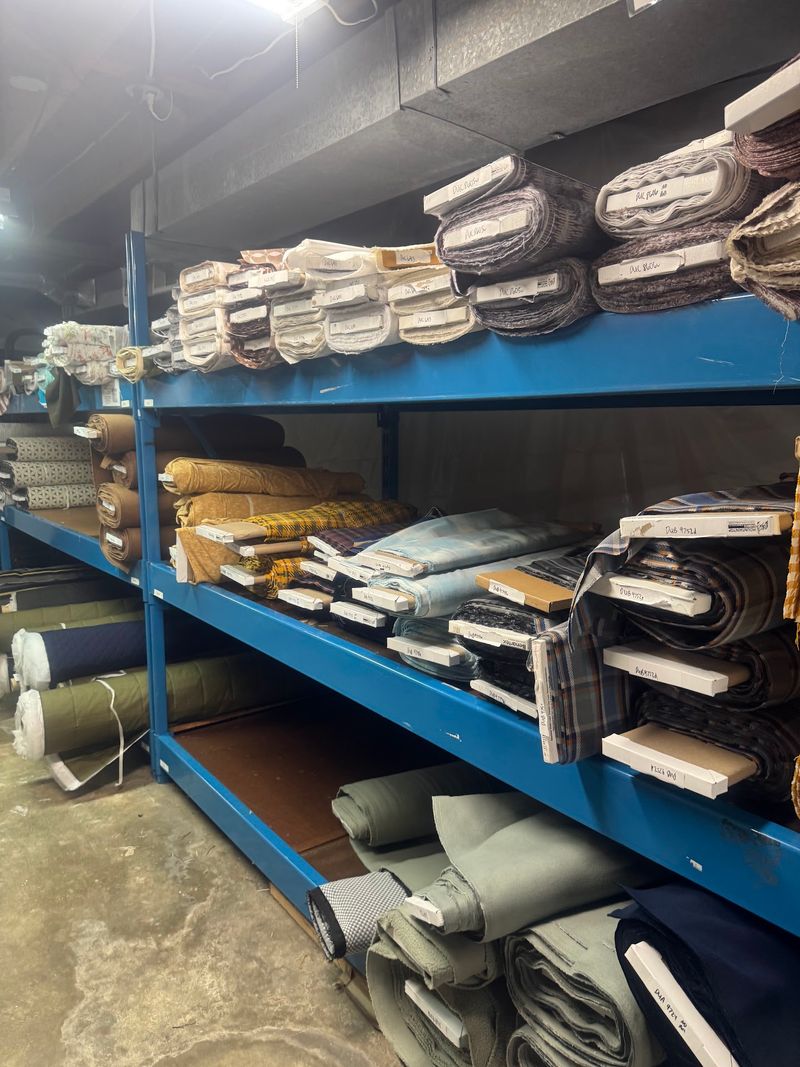
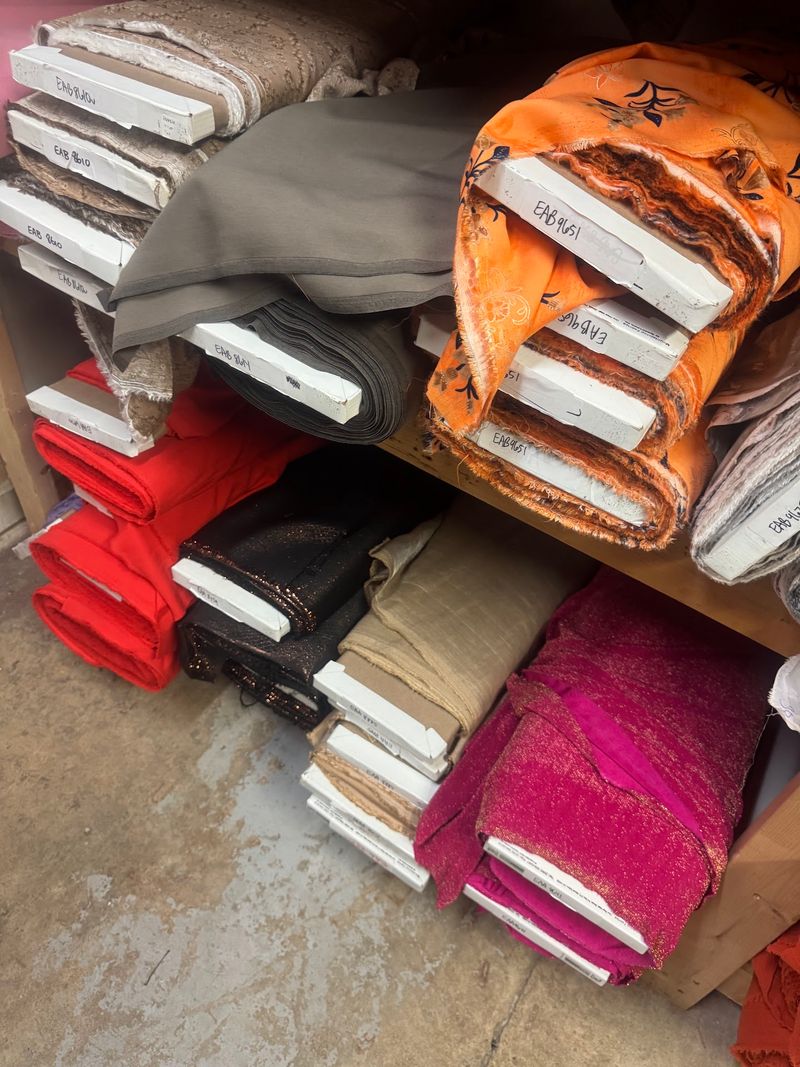
Here is the detail that changes how you shop: most of the inventory is closeout and deadstock material. Leftover mill runs, overstock from designers, ends of production lines.
That means the fabric is genuinely high quality, oft
en far nicer than standard retail offerings, and the price reflects surplus rather than prestige. Wool blends, silks, and linens turn up at prices that feel like typos.
Buying deadstock also keeps usable textiles out of landfills, which is a quiet environmental win for anyone who feels guilty about a growing stash.
The catch, and it is a real one, is that nothing repeats. When a bolt is gone, it is gone for good.
Shoppers learn fast to buy the full yardage they need on the first pass. Coming back next week for two more yards rarely works out.
My rule now is to add half a yard to whatever the pattern calls for. Insurance, essentially, against my own indecision.
Mystery Bundles Are Weirdly Well Curated
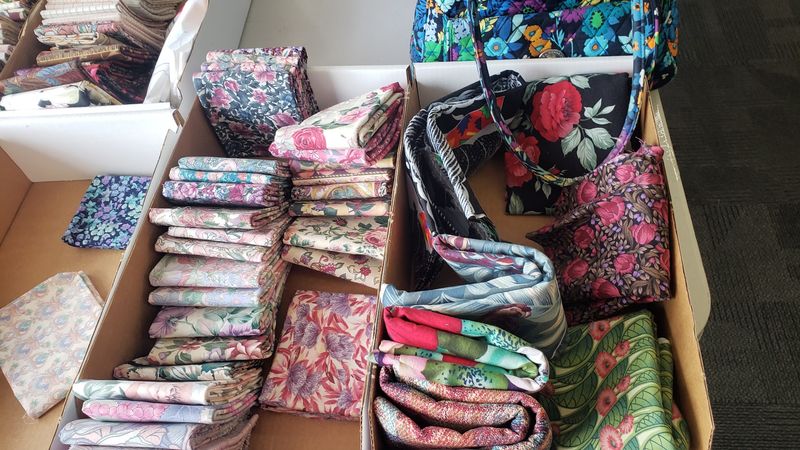
Roughly ten yards of fabric for about twenty two dollars sounds like a gimmick until you open one. Mystery bundles are one of the most talked about offerings here, and for good reason.
Each bundle contains ten yards total, divided into pieces ranging from one to four yards, with cotton, linen, knits, rayon, polyester, and other designer fabrics potentially included.
The mix is intentionally unpredictable. Fabric Mart says colors, prints, and fabric types vary, and the company does not take requests for specific combinations at all.
Fun quirk worth knowing: the stated retail value tops eighty dollars, while the bundle itself currently costs twenty two dollars. That pricing turns opening the package into a small event.
My advice for bundle newcomers is to set aside your project plans first. Open the package, spread everything out, then let the fabrics suggest the garments.
Working backwards like that turns a surprise into a genuinely useful haul instead of a stash you never touch.
Sales Run Constantly, And They Are Real Sales
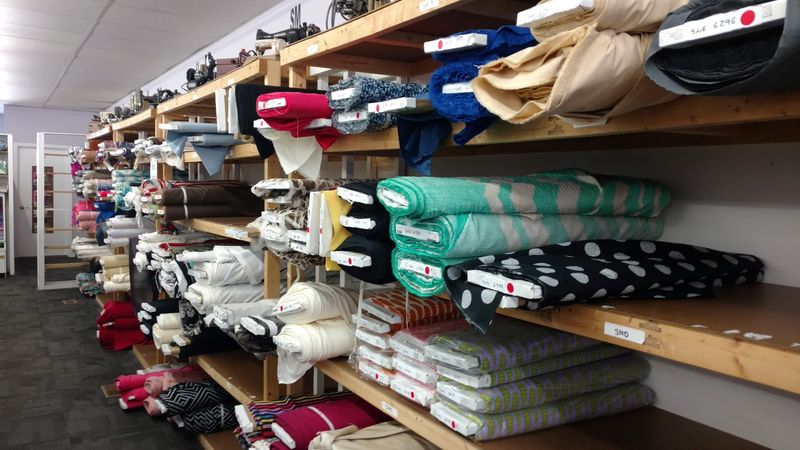
Daily sales here are not the inflate-then-discount routine shoppers have learned to distrust. Since the stock is closeout to begin with, reductions come off already low prices.
Different categories rotate through promotions, and the website regularly features deep markdown collections. Regulars check the email announcements first thing and treat it like a small daily ritual.
Clearance sections get marked down hard, with some fabrics landing around five dollars a yard or less. For garment sewing, that number is almost hard to believe.
A rewards program called Stash Cash adds another layer, with five, ten, or fifteen dollar rewards available at current redemption thresholds.
My practical suggestion is to keep a running wish list rather than buying impulsively. When your target category goes on sale, you are ready to act.
Patience pays here, though not too much patience. Deadstock waits for nobody, and a sale on something already sold out helps nobody.
Linen, Ponte, And Wool Blends Get The Loudest Praise
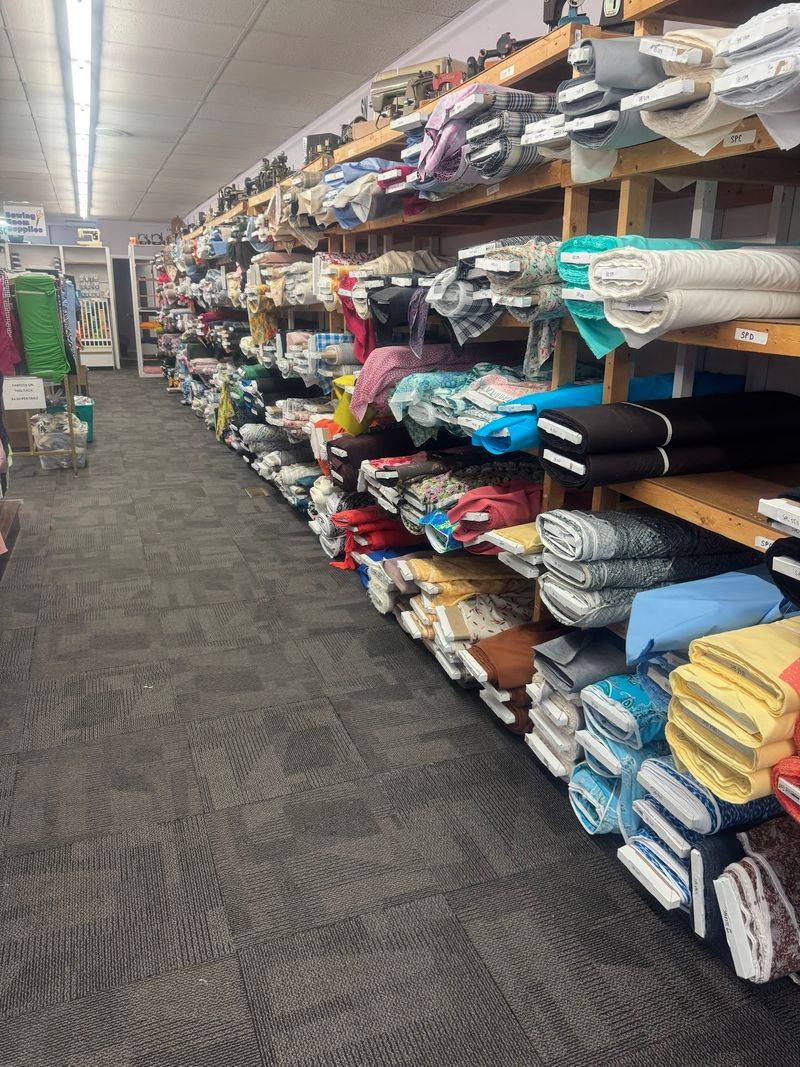
Certain fabrics have developed something close to a fan club among shoppers at this Pennsylvania warehouse. Linen tops that list by a wide margin.
Sewists describe being hooked on it, returning order after order for more. The weight and hand apparently hold up well against far pricier sources.
Ponte earns similar loyalty, especially in multiple colorways for coordinating separates. Double brushed polyester prints have their own devoted following for comfortable everyday knits.
Then there are the wool blends. One shopper found a teal and black micro houndstooth and turned it into a suit jacket, which tells you something about the tailoring-grade material that passes through here.
Challis, cotton, and silk fill out the selection alongside notions for finishing projects properly.
If you are new, my honest starting point would be a single linen cut and one knit. Sewing both teaches you the quality range quickly, and it costs less than a fancy pattern.
Mostly Weekday Hours, So Plan Accordingly
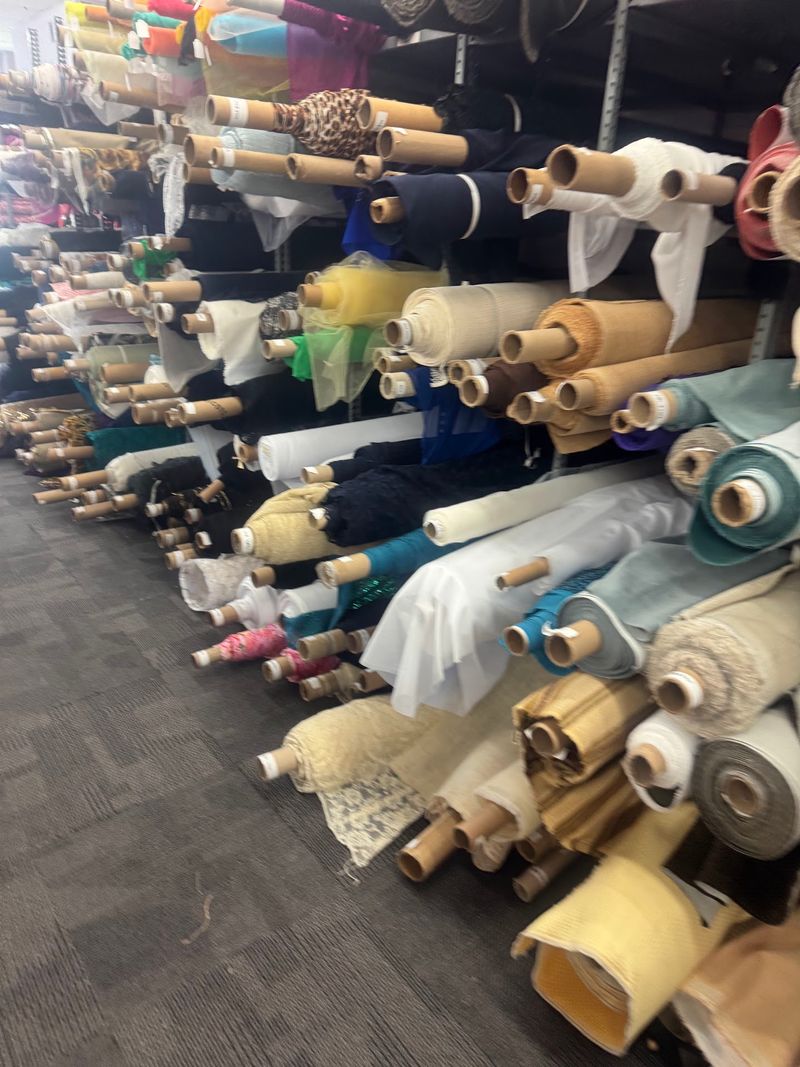
Weekend shoppers, take note before you load the car. Doors open at eight Monday through Friday and close at four thirty, while regular Saturday and Sunday hours are not offered.
That schedule catches visitors off guard. The store does open on a few announced Saturdays yearly, so checking dates before a weekend trip matters.
The early weekday opening is a gift for anyone who likes browsing. Eight in the morning means room to unroll a bolt and study the drape without navigating around other shoppers.
Arriving with less than an hour before closing is the main mistake to avoid. With six rooms to explore, you can easily miss sections if you rush.
My suggestion for out of town visitors is to build the trip around a weekday morning. Berks County has plenty of other stops for the afternoon.
Treat the fabric hunt as the main event and everything else falls into place around it.
The Online Shop Ships Nationwide
Not everyone can get to Berks County, and the online side of this business has become its own destination. Orders travel across the United States regularly.
Standard shipping currently costs $9.99 within the contiguous United States, with packages typically arriving in three to ten business days. Expedited shipping is available for an additional charge.
What makes distance buying workable is the product information.
Listings cover stretch percentage, fiber content, weight, and suggested uses, plus photographs detailed enough to judge texture.
Shoppers consistently note that fabrics arrive matching expectations, which is no small feat in online textile sales. Cuts also tend to run generous to account for uneven bolt ends.
When stock falls short of a requested yardage, customer service reaches out by email with alternatives rather than silently shorting the order.
My tip for first-timers ordering remotely is to start small. One or two cuts confirm the quality, and then the floodgates can open responsibly.
A Ratings Record That Speaks For Itself
Numbers rarely tell the whole story, but a 4.9 star average across more than six hundred ratings is a strong signal. Consistency like that is hard to fake.
The recurring themes are worth noticing. Fabric quality, selection breadth, ordering ease, and shipping speed come up again and again across years of feedback.
Longtime customers mention ordering repeatedly over many years, while current reviews continue to praise quality, service, and value.
That kind of track record builds trust faster than any advertisement.
The official return policy allows uncut, unwashed fabric to be returned within thirty days, minus original shipping charges.
For a compact family shop in Pennsylvania competing against national retailers, the reputation is genuinely impressive.
My takeaway is that reliability here is not accidental. Someone is checking orders, answering messages, and cutting yardage carefully, and those habits are exactly what keeps sewists coming back season after season.
Why Big Projects Belong Here
Ambitious sewing projects have a way of stalling at the checkout counter. Twelve yards for drapery or eight for a coat at full retail prices will end a dream quickly.
That arithmetic is exactly why this Pennsylvania warehouse matters. Bulk yardage at closeout prices turns impossible plans into weekend plans.
Quilters, garment makers, costumers, and home decor sewists all find material here, along with the notions needed to finish properly. Online classes add another layer of support for tricky garments.
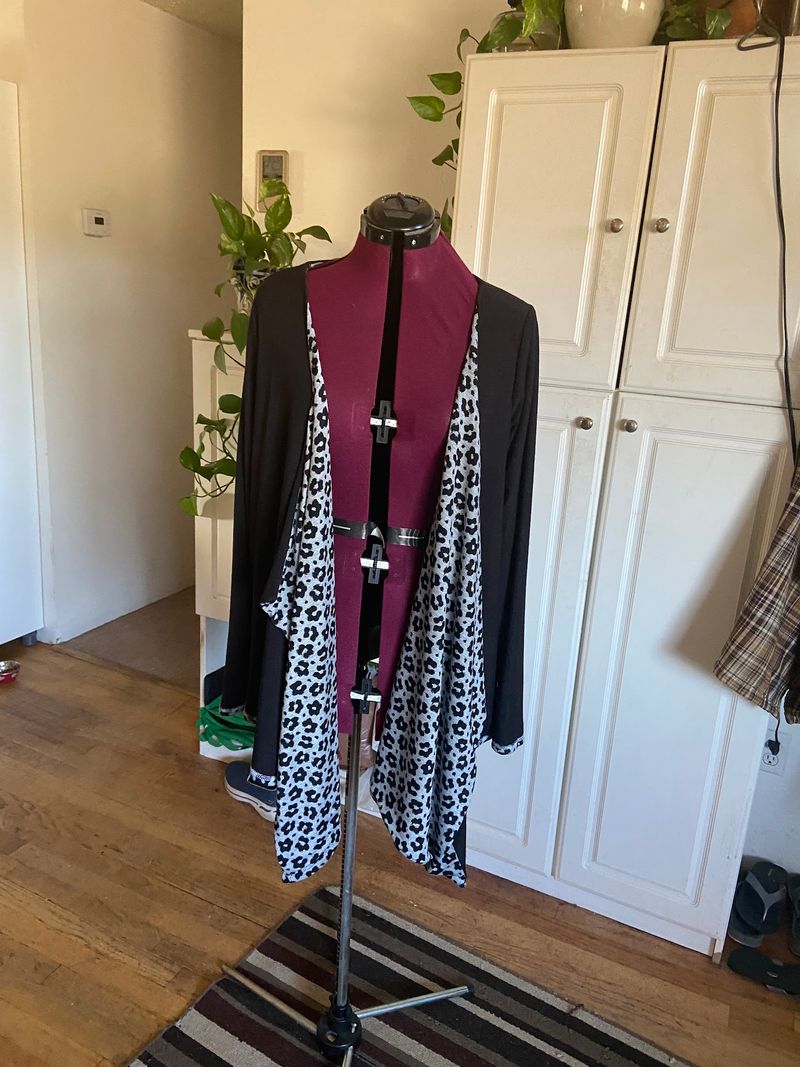
One shopper mentioned making a lawn dress that cost less than a coffee outing, which captures the appeal better than any sales pitch could.
My closing advice is to arrive with measurements written down and a rough budget in mind. Both will be tested.
Between the rooms of bolts, the rotating sales, and the staff who actually sew, Fabric Mart in Sinking Spring has earned its quiet reputation among people who measure their projects in yards rather than inches.