
The Hidden Story Behind Tampa, Florida’s Massive White Tower
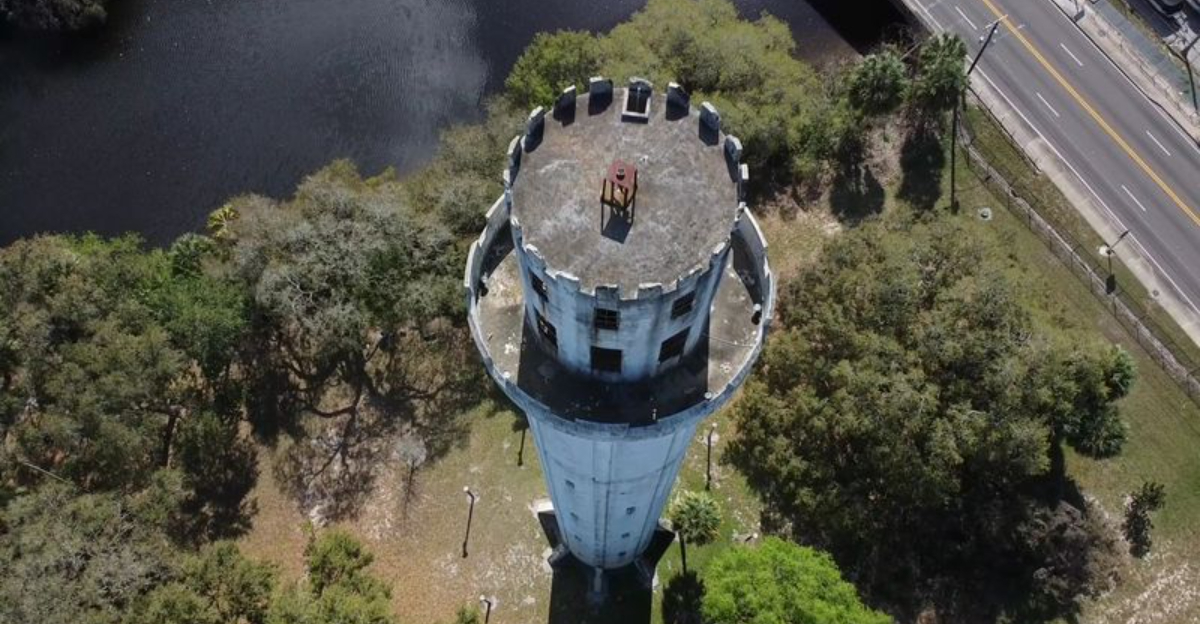
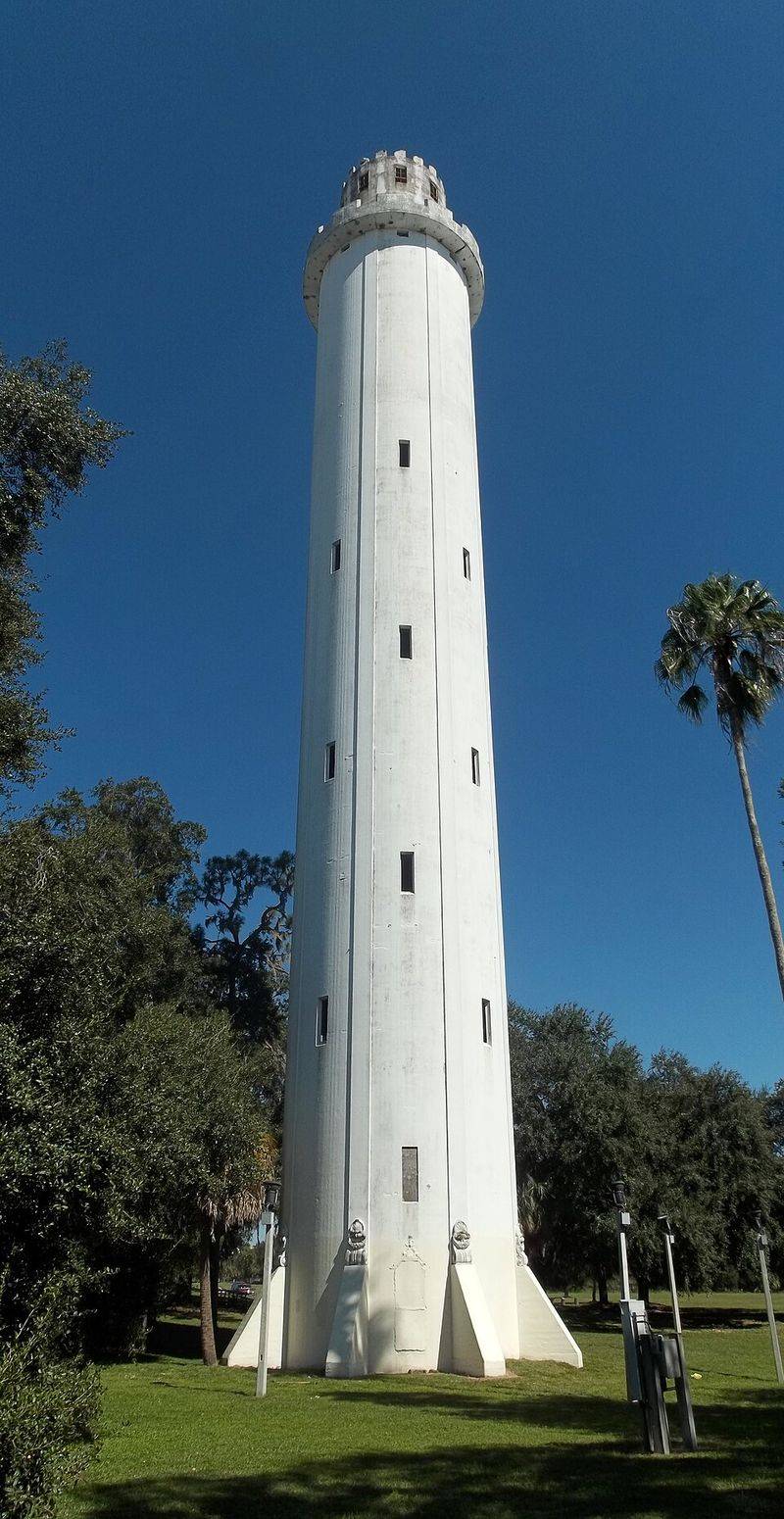
You ever drive past something so massive you instantly think: hold on… what is that? Rising out of a quiet Tampa neighborhood is a 214-foot white giant that feels completely out of place.
Like a relic from a story no one bothered to finish telling. Too tall to ignore, too strange to explain, it looks more like a movie set than something you’d just… stumble across in Florida.
But here’s the twist: it wasn’t always alone. This was once the centerpiece of a full-blown dream world.
Resorts, attractions, even an alligator farm. A place built on ambition that burned bright… until it didn’t.
Everything around it disappeared. The dream collapsed.
Yet the tower stayed. Silent, stubborn, and still watching.
The Man Behind The Tower Had Seriously Big Dreams
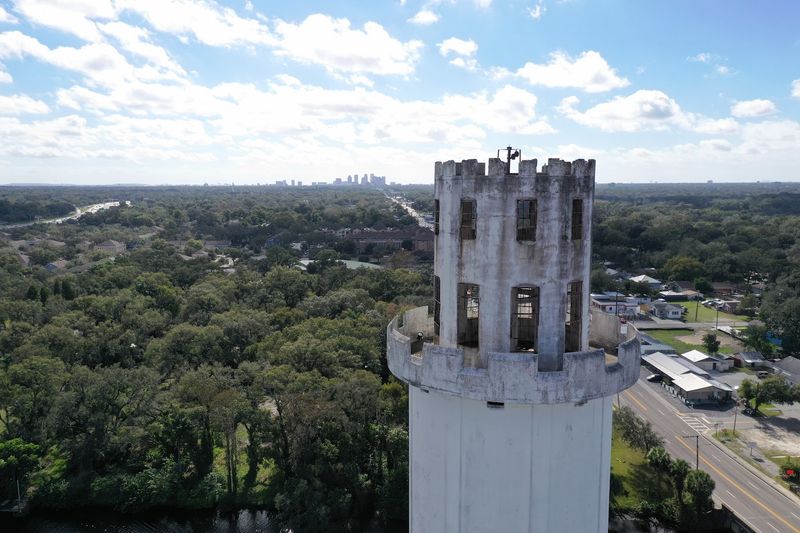
Not every water tower gets built with the energy of a theme park pitch. Developer Josiah Richardson had a vision for Sulphur Springs that went way beyond simply supplying water to a neighborhood.
He wanted a full-blown resort destination, and the tower was the beating heart of that plan.
Richardson constructed the tower in 1927 as part of a sprawling complex. The idea was to pump water from the nearby Sulphur Springs natural spring and distribute it across the resort grounds.
But the tower wasn’t just functional. It was designed to impress, to stand tall and say, something extraordinary is happening here.
The 1920s were Florida’s golden boom era. Developers across the state were pitching paradise to anyone who would listen.
Richardson was no different, channeling that same infectious optimism into every brick and beam of this project.
The tower became a visual anchor for an entire resort ecosystem.
Understanding Richardson’s ambition helps explain why the tower feels so grand today. This wasn’t a simple utility structure built to quietly do its job.
It was a statement piece, a landmark meant to draw eyes and spark curiosity.
Nearly 100 years later, it’s still doing exactly that. The boldness of one man’s dream left behind something Tampa can’t quite forget.
The Address That Holds A Century Of Tampa History
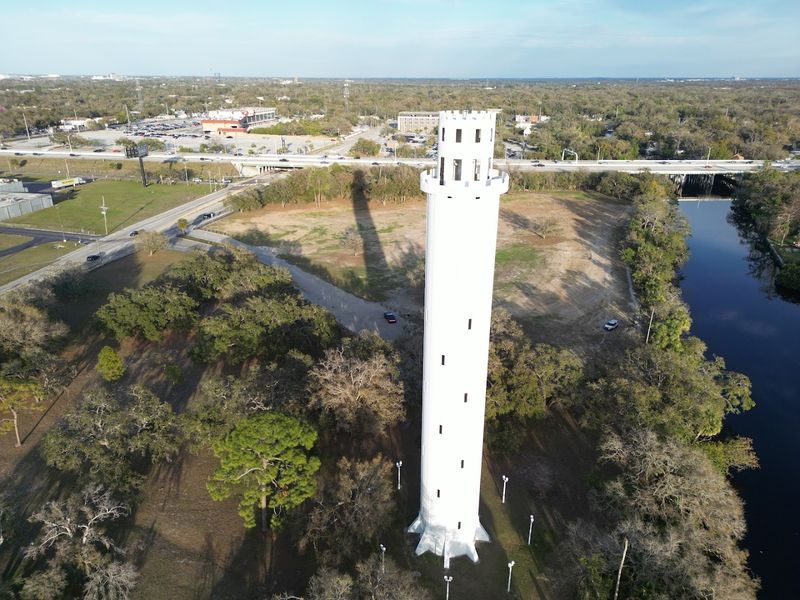
Standing at 8105 N Florida Ave, Tampa, FL 33604, the Sulphur Springs Water Tower is one of those addresses that carries real historical weight. Most people drive past Florida Avenue without a second glance, but this stretch holds something genuinely remarkable.
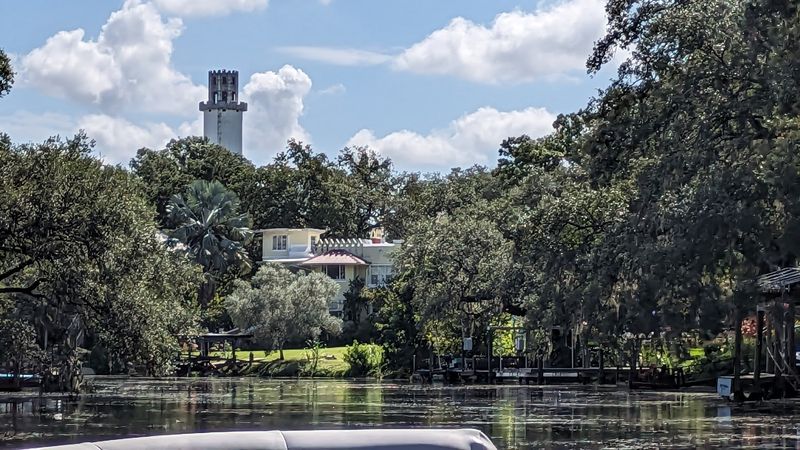
The tower sits within the Sulphur Springs neighborhood, a community with deep roots and a fascinating past.
What was once a resort destination has evolved into a tight-knit urban neighborhood, and the tower remains its most recognizable feature. It’s visible from a surprising distance, popping up above rooftops and trees like a white exclamation point on the Tampa skyline.
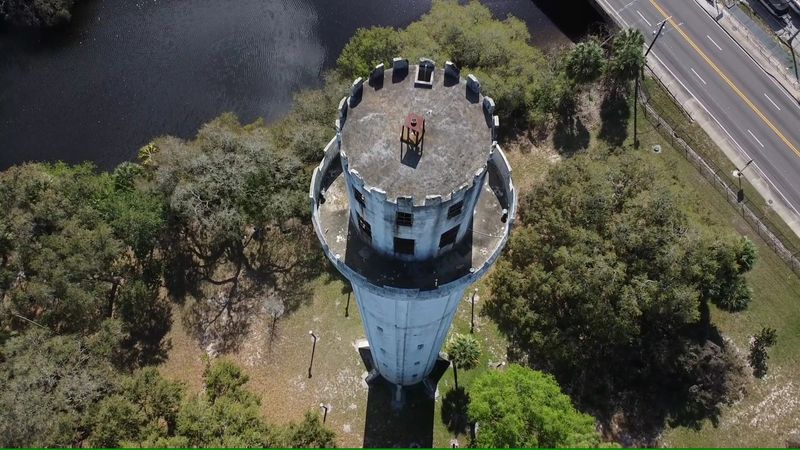
The city of Tampa officially purchased the tower and surrounding property in 2005. After the purchase, the city installed lighting around the base and created a small park space, making the area more welcoming and accessible.
That decision transformed a forgotten utility structure into a genuine public landmark.
Visiting the site today feels like standing at the intersection of two Tampas. There’s the modern city buzzing all around you, and then there’s this quiet, towering remnant of a completely different era.
The location itself tells a story that no museum exhibit could fully replicate.
Sometimes history isn’t behind glass. Sometimes it’s just standing on a street corner, waiting for someone to look up and notice.
An Amusement Park Once Surrounded This Tower
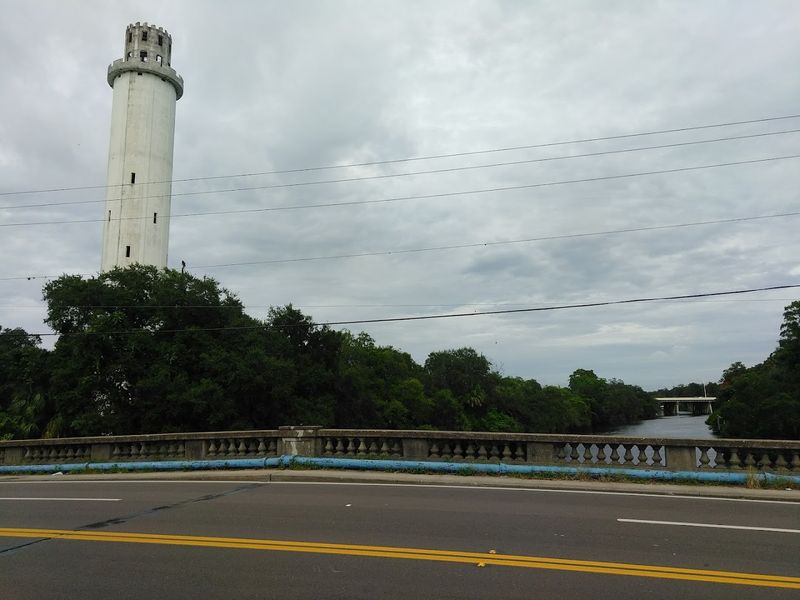
Picture this: a full amusement park, an alligator farm, and a lively arcade of shops, all clustered around a 214-foot water tower in the middle of Tampa. That’s not a fever dream.
That was Sulphur Springs in its prime, and it was genuinely buzzing with life.
Richardson’s resort complex was designed to capitalize on Florida’s natural spring water, which was believed to have health-giving properties.
People traveled to soak in the springs, explore the attractions, and spend the kind of carefree time that defined Florida tourism in the Roaring Twenties. The tower supplied the whole operation with water and doubled as a visual landmark.
The alligator farm alone would have made headlines today. Florida has always had a flair for the dramatic, and pairing a water tower with a gator exhibit is peak Florida energy.
The amusement park added rides and entertainment, making the complex a genuine day-trip destination for families across the region.
What makes this history so compelling is how completely it disappeared. There’s almost no physical trace of the resort left today, apart from the tower itself.
The rides are gone, the shops are gone, and the alligator farm is very much gone.
But knowing all of that existed here changes the way you look at that white tower. It’s not just a relic.
It’s the last survivor of an entire world that once existed here.
The Great Depression Swallowed The Dream Whole
Few things hit harder than watching a brilliant idea collapse under circumstances completely beyond anyone’s control. Richardson’s Sulphur Springs resort was thriving, then a devastating flood in the 1930s rolled in and changed everything almost overnight.
The flood damage was significant, but the timing made recovery nearly impossible. The Great Depression had already begun squeezing the life out of Florida’s tourism economy.
People weren’t traveling. They weren’t spending.
The carefree energy of the 1920s had evaporated, and resorts like this one simply couldn’t survive the shift.
One by one, the attractions closed. The amusement park went quiet.
The arcade of shops shuttered. The alligator farm disappeared into the past.
What had been a vibrant, ambitious destination became an empty lot, and the tower stood alone above it all, still and silent.
There’s something genuinely moving about that image. A structure built to serve a bustling resort, suddenly standing over nothing.
The tower wasn’t demolished. It wasn’t repurposed immediately.
It just waited, the way old things sometimes do when the world moves on without them.
The Depression era left Tampa with many scars, but this one left a visible mark. Every time someone looks up at that white tower today, they’re seeing the exact moment when one man’s dream met a force it couldn’t outlast.
Teenagers Turned The Tower Into A Secret Hideout
Once the resort was gone and the tower fell into disuse, it didn’t stay empty for long. Teenagers in Tampa figured out that the tower had an open window near the top, and climbing the exterior became something of a local rite of passage.
For decades, the tower served as an unofficial gathering spot for young people looking for adventure. Graffiti covered the exterior, and the tower developed a reputation as a place where rules didn’t quite apply.
It was the kind of spot that every city has, the one that older generations warn you about and younger ones can’t resist.
That rebellious chapter actually adds a layer of authenticity to the tower’s story. It went from resort centerpiece to civic eyesore to beloved urban legend, all within a few generations.
The graffiti became so extensive that in 1989, restoration crews applied over 150 gallons of graffiti-proof white paint to the exterior. That’s a lot of paint, which tells you something about the volume of tags that had accumulated over the years.
The restoration didn’t erase the tower’s wild reputation. It just gave it a clean coat over all those stories.
Every scrape on the exterior, every faded mark beneath the paint, represents someone who made a memory here. The tower absorbed all of it and kept standing, which honestly feels very on-brand for a structure that refused to disappear quietly.
150 Gallons Of Paint And A Second Chance At Glory
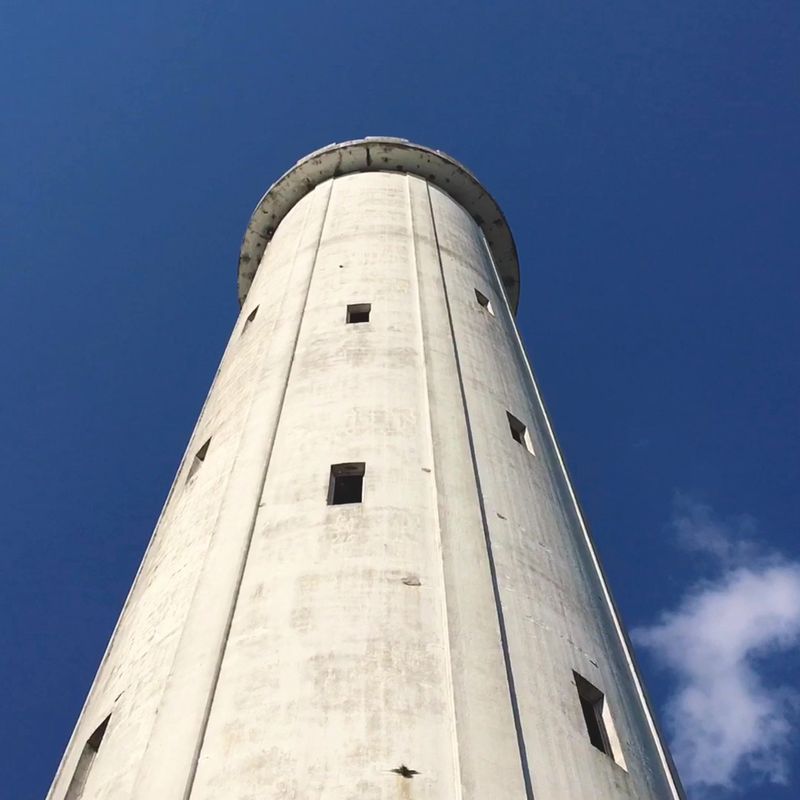
Giving something a second chance takes real commitment. In 1989, Tampa made exactly that kind of commitment to the Sulphur Springs Water Tower, applying over 150 gallons of specially formulated graffiti-proof white paint to restore its appearance.
That’s a serious amount of paint for a serious act of civic care.
The restoration was more than cosmetic. It signaled that people still valued this tower, that it was worth preserving rather than demolishing.
In a city that was changing rapidly, choosing to restore a nearly century-old structure said something meaningful about Tampa’s relationship with its own history.
The bright white finish gave the tower a new visual presence.
Suddenly it looked intentional again, like something meant to be seen rather than avoided. The gleaming exterior made it impossible to ignore, and that visibility reignited public interest in the tower’s story.
Then in 2005, the city of Tampa purchased the tower and surrounding property, added lighting, and developed a small park around the base.
That combination of restoration and public investment transformed a forgotten landmark into a genuine community asset. The tower went from graffiti-covered relic to illuminated focal point, all because someone decided it deserved better.
Few landmarks get that kind of redemption arc, and the Sulphur Springs Water Tower earned every bit of its second chapter. Sometimes all a forgotten thing needs is a little paint and someone willing to believe in it again.
Why This Tower Still Matters To Tampa Today
Some landmarks earn their place in a city’s identity through fame and fanfare. Others earn it through sheer stubbornness, by refusing to disappear no matter what history throws at them.
The Sulphur Springs Water Tower belongs firmly in that second category.
At 214 feet tall, the tower remains one of Tampa’s most visually striking structures. It doesn’t have a gift shop or a guided tour.
There’s no Instagram activation at the base. It’s just a massive white cylinder standing in a neighborhood park, and somehow that simplicity makes it more compelling than a dozen polished attractions.
The tower represents something that modern Tampa often overlooks: the city’s resort-era ambitions and the Florida dream that fueled the 1920s boom. Before Tampa became a major metropolitan hub, it was a place where developers built alligator farms next to water towers and called it paradise.
That spirit is genuinely worth remembering.
Community connection matters here too. The Sulphur Springs neighborhood has deep roots, and the tower is a source of local pride that connects residents to a shared history.
The small park surrounding the base gives people a place to gather, reflect, and look up at something that has outlasted nearly everything around it.
Next time you’re driving along North Florida Avenue, slow down and look up. That white tower has been watching over Tampa for almost 100 years.
Does it make you curious about what else this city is quietly hiding in plain sight?