
The Huge Antique Store In Maine Where $40 Fills Your Backseat With Treasures
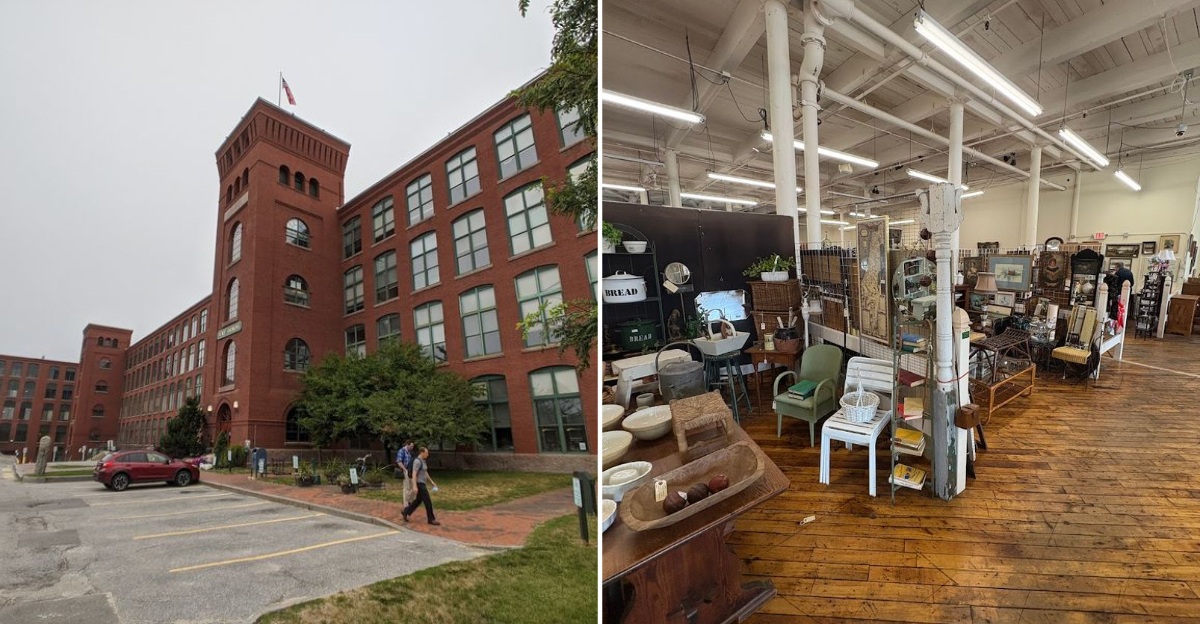
Behind the brick walls of a former Maine mill, a treasure hunt is hiding in plain sight. In Brunswick, this sprawling antique destination turns a simple afternoon into a maze of old stories, strange objects, and finds you did not know you wanted until they were right in front of you.
The setting alone feels worth the trip, with historic industrial character giving every aisle a sense of discovery. Inside, more than 160 dealer displays fill about 16,000 square feet with furniture, collectibles, glassware, clocks, tools, linens, vintage décor, and plenty of surprises.
One booth might pull you in with polished wood and old hardware, while the next could offer a quirky piece that feels impossible to leave behind.
The Mill Is Half The Magic
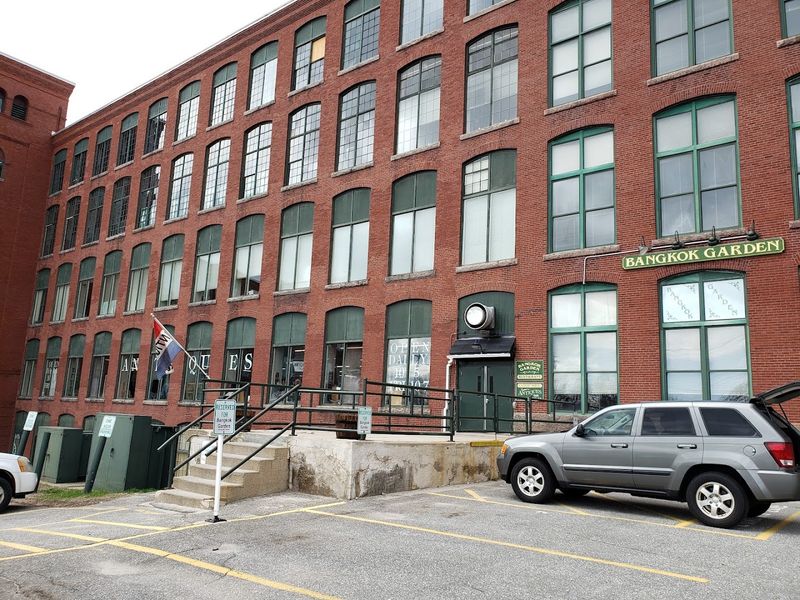
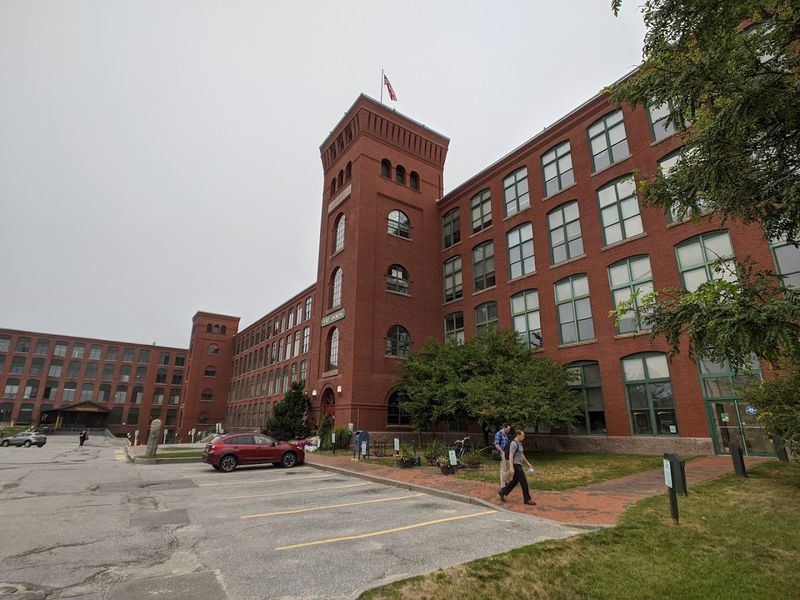
Fort Andross is not just a backdrop for shopping. It is a genuine piece of New England industrial history, and Cabot Mill Antiques has made a home inside its thick brick walls along the Androscoggin River in Brunswick, Maine.
The building dates back to the 19th century, when the Cabot Manufacturing Company used it for textile production, and the bones of that era are still very much alive inside.
Exposed brick, heavy wooden beams, and tall windows that flood the space with natural light give the whole place a mood that no modern retail space can manufacture. Walking through here feels like the building itself is part of the collection.
The preservation of Fort Andross is a notable example of adaptive reuse, turning a former industrial site into a busy mixed-use complex with shops, businesses, restaurants, and creative spaces.
The setting alone is worth the trip before you even pick up a single item off a shelf.
16,000 Square Feet Of Browsing Space
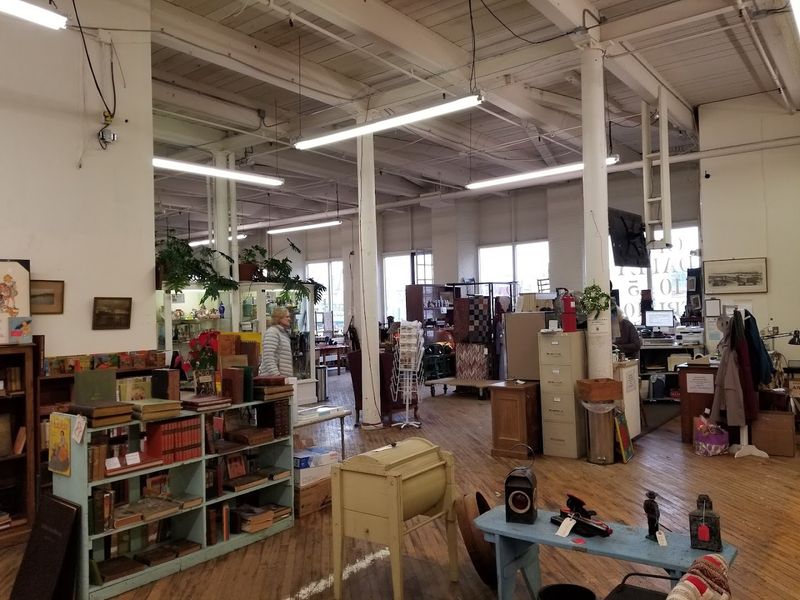
Size matters when it comes to antique hunting, and Cabot Mill Antiques does not disappoint. The store covers a full 16,000 square feet of floor space, which means you can spend hours moving from booth to booth without ever feeling rushed or cramped.
The layout is open and thoughtfully arranged, giving each dealer enough room to display items properly. For context, that is roughly the size of three full basketball courts laid side by side.
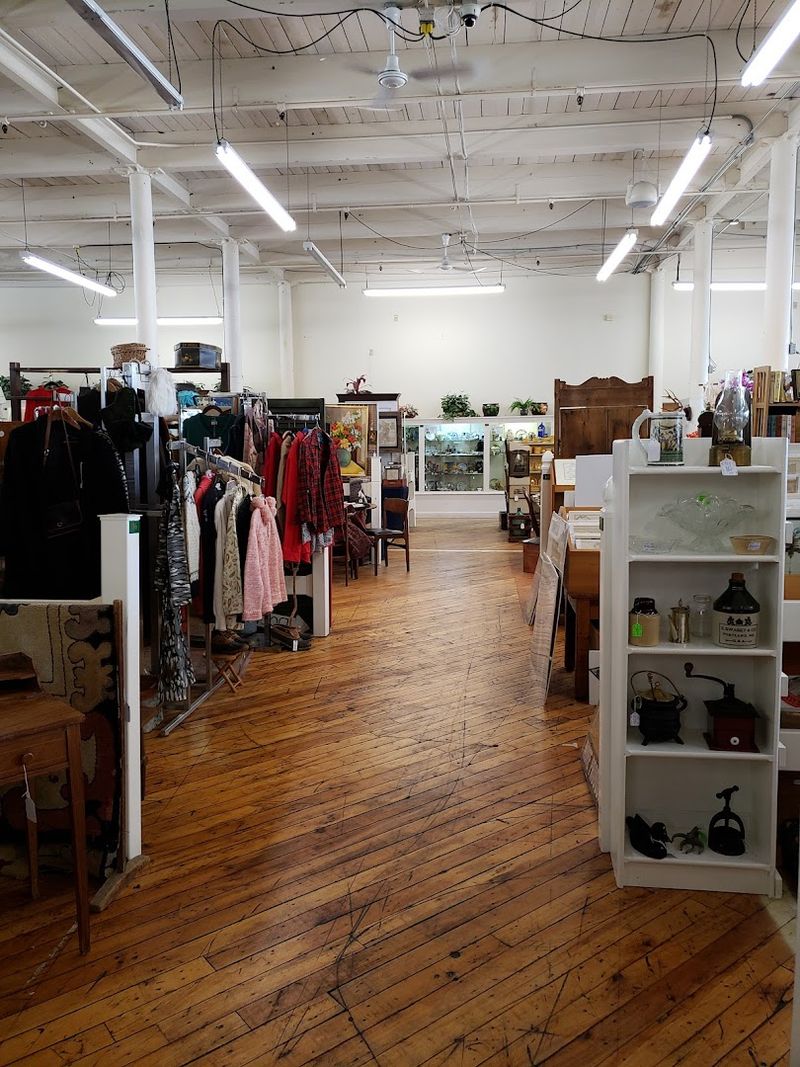
Furniture pieces have room to breathe, smaller collectibles are organized within their booths, and there is always another aisle to explore just when you think you have seen everything. The sheer scale means the inventory feels genuinely varied rather than repetitive.
First-time visitors often say they underestimate how long they will stay, planning for thirty minutes and ending up staying for two hours or more, which is honestly the best kind of surprise any shopping trip can offer.
160 Displays, Zero Sameness
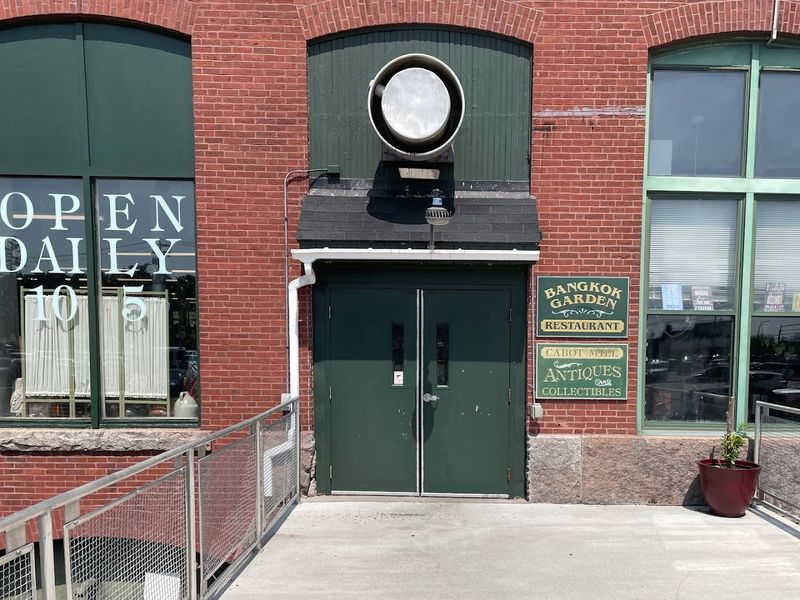
One of the things that sets this place apart from a typical antique shop is the sheer number of independent dealers operating inside.
With more than 160 dealer displays, the variety of items on offer is genuinely wide-ranging. No two booths look alike, and no two dealers have the same eye for what belongs in their space.
You might move from a booth packed with vintage clocks and scientific instruments directly into one focused entirely on folk art and painted furniture.
The next booth over could be all mid-century modern pieces, and the one after that might be overflowing with old maps, books, and paper ephemera. Each dealer brings their own personality and specialty to the floor.
This multi-dealer format also means pricing can vary from booth to booth, which keeps the browsing experience lively and gives sharp-eyed shoppers a real chance to find something that fits their budget.
Finds Without Sticker Shock
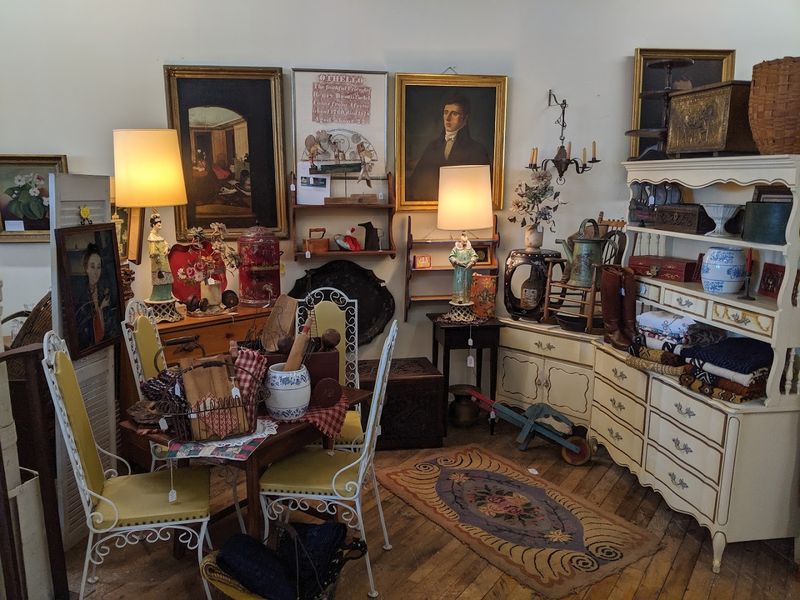
Fair pricing is one of the most talked-about qualities of Cabot Mill Antiques, and it is easy to see why shoppers keep coming back.
Unlike some antique destinations where price tags feel like they belong in a fine art auction, many dealers here price their items with everyday buyers in mind. That does not mean everything is cheap, but it does mean the value is real.
Furniture pieces that would cost three times as much at a city antique shop in Boston or New York often show up here at prices that feel almost refreshingly honest.
Smaller items like hardware, glassware, vintage textiles, and decorative pieces can often be among the more affordable finds, making it possible to leave with several pieces without spending heavily.
Occasional booth sales add another layer of opportunity for bargain hunters, and since inventory rotates regularly, there is always a reason to check back and see what new deals have appeared since your last visit.
The Weekend Bonus Hunt
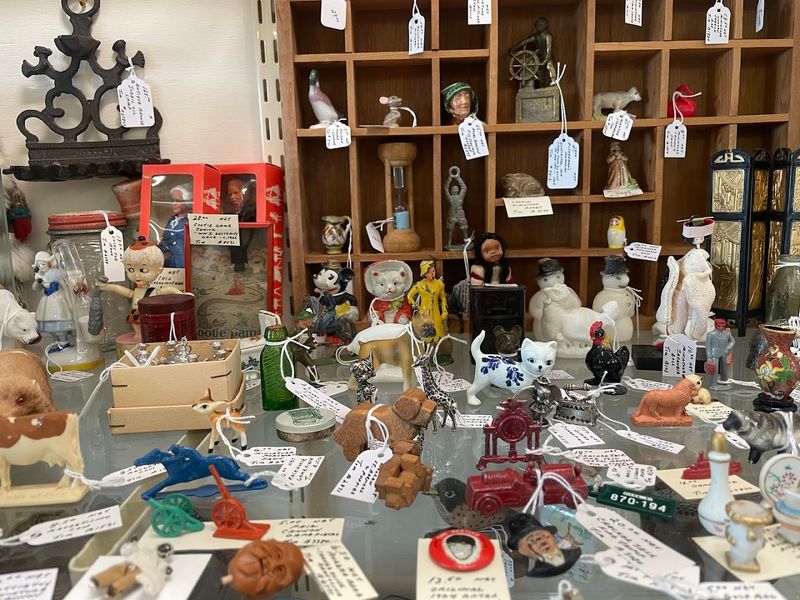
Right alongside the main antique center, there is a second building operating as a flea market, and this is where the adventure gets a little more unpredictable.
The flea market side carries a looser, more casual energy compared to the curated antique booths, with vendors selling everything from vintage tools and used books to household goods and quirky collectibles.
Prices on the flea market side tend to be more flexible, and negotiating is very much part of the culture there.
If you spot something you like and the price feels a little steep, a polite conversation with the vendor can often lead to a deal that works for both of you. It is the kind of low-pressure haggling that makes flea market shopping so enjoyable.
Together, the antique mall and the flea market create a combined destination that can realistically keep a curious shopper occupied for most of an afternoon, and that combination of depth and variety is genuinely hard to find anywhere else in the region.
Furniture Finds
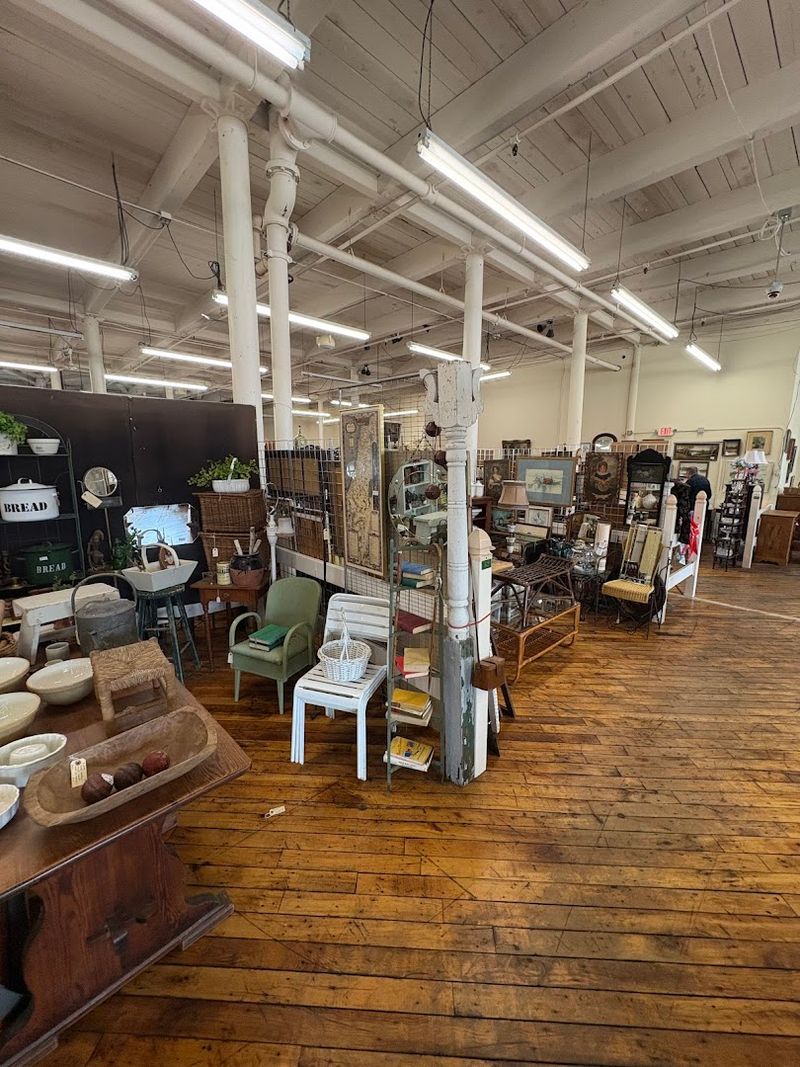
Furniture hunting at Cabot Mill Antiques is a sport in its own right.
The store carries a broad and ever-changing selection of pieces that spans multiple eras and styles, from heavy Victorian sideboards to clean-lined mid-century chairs, rustic farmhouse tables, and painted cottage pieces that look like they walked straight out of a coastal Maine home.
What makes the furniture selection here especially appealing is the combination of quality and price.
Many pieces are genuinely well-made antiques rather than mass-produced vintage-look items, and the price points reflect a regional market that has not yet caught up with what the same pieces would fetch in larger cities.
Shoppers who have hunted furniture in places like San Francisco or Texas often remark on how much further their money goes here.
The only real challenge is getting your favorite piece home, and more than a few visitors have left wishing they had driven a truck instead of a sedan to Brunswick that day.
Rainy-Day Ready
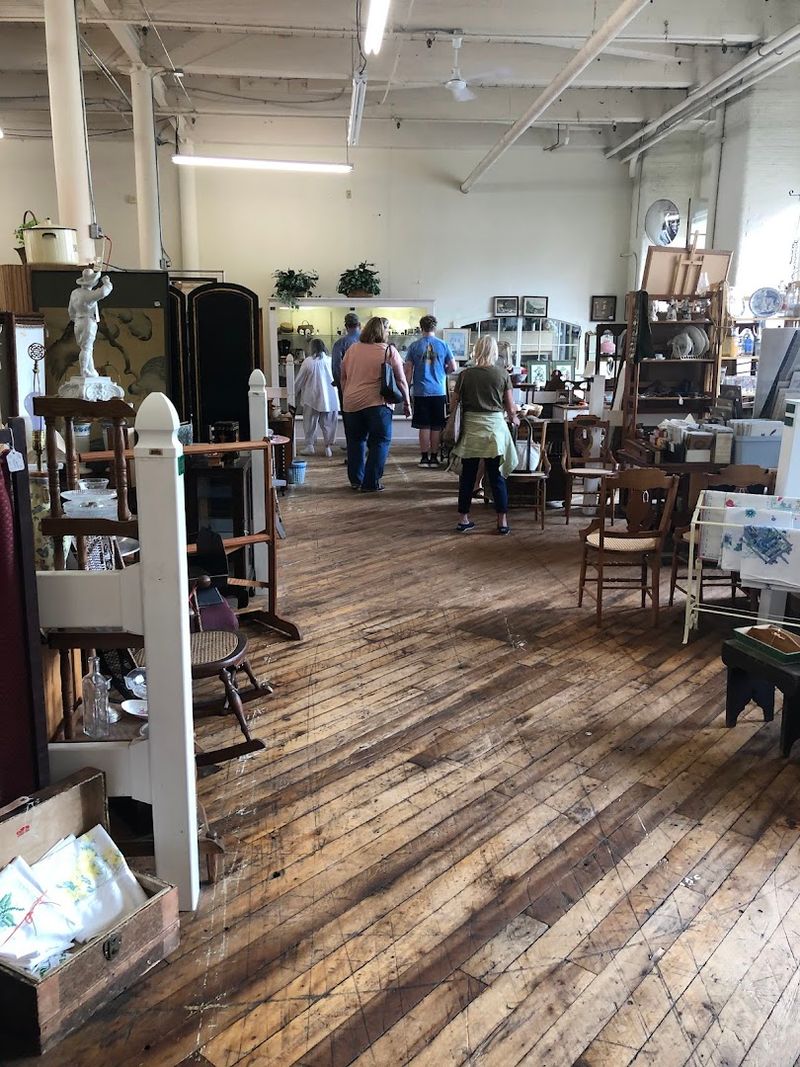
Planning a spontaneous road trip through coastal Maine is much easier when you know your destination keeps reliable hours.
Cabot Mill Antiques is open every day of the week, which means there is no need to check a complicated schedule or worry about arriving on a day when the doors are locked. That kind of accessibility is genuinely appreciated by travelers passing through the Brunswick area.
Whether you are making a dedicated day trip or simply looking for a worthwhile detour on a longer drive up the Maine coast, the store fits easily into almost any itinerary.
Rainy days in particular are prime time to visit, since the indoor space makes the weather completely irrelevant and gives you a perfect excuse to slow down and browse without rushing.
Restrooms are available on site as well, which makes the stop even more practical for families or anyone on a long drive who wants a comfortable place to take a break and explore at the same time.
The Oddities Find You
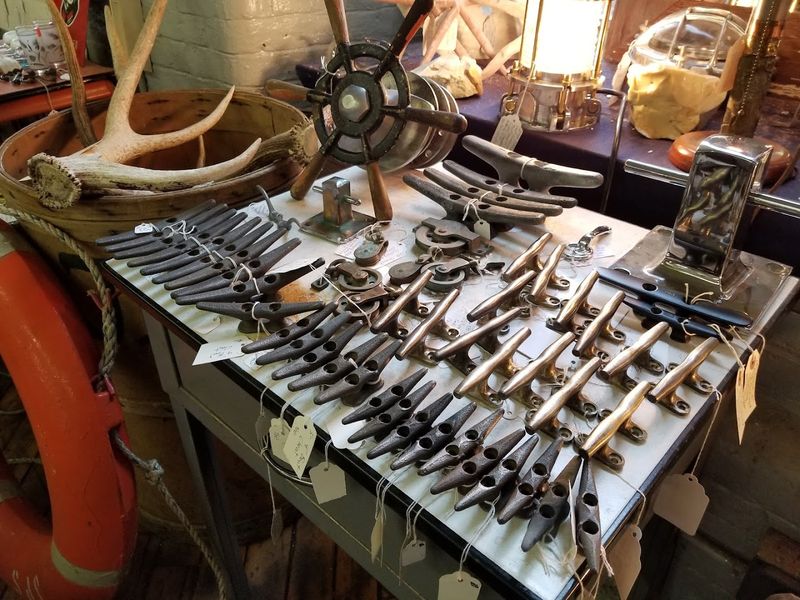
There is something almost magnetic about the way Cabot Mill Antiques pulls in items that feel genuinely one-of-a-kind.
Among the rows of dealers, you will come across things that stop you mid-stride, like a 19th-century barometer still in working condition, a hand-painted folk art portrait with no known provenance, or an unusual piece of mechanical equipment whose original purpose takes a moment to figure out.
Clocks are particularly well represented at this store, with an impressive variety of styles and ages that would satisfy even a serious horologist.
Folk art shows up frequently as well, and the quality of the pieces tends to be higher than what you might expect from a multi-dealer mall. Little filler and a lot of genuine discovery is the rule here rather than the exception.
The rotating inventory means that each visit carries real potential for finding something that was not there last time, which is exactly the kind of unpredictability that keeps dedicated antique hunters coming back season after season.
Brunswick Seals The Deal
The address alone tells you something good is nearby. Cabot Mill Antiques sits at 14 Maine St in Brunswick, Maine, right alongside the Androscoggin River and within easy walking distance of downtown Brunswick.
The town itself is a lively, attractive New England community with independent shops, cafes, and a genuine small-city energy that makes the surrounding area worth exploring before or after your antique hunting session.
Brunswick is also well positioned as a base for exploring the wider midcoast Maine region. Freeport, home to the flagship L.L.
Bean store, is just a short drive south, and the stunning coastal scenery of the Bath and Harpswell areas is easily accessible heading east.
The combination of a world-class antique destination and a genuinely appealing town makes for a day trip that feels full and satisfying from start to finish.
Arriving by car is the most practical approach, and parking near the mill building is generally easy to find, which removes one more logistical headache from the planning process.
A Living Piece Of Brunswick’s History
Shopping at Cabot Mill Antiques is not just a retail experience. It is a walk through layers of New England history that most visitors do not expect to find on a casual afternoon outing.
The Fort Andross building where the store operates has its own remarkable story, beginning with early trading posts along the Androscoggin River and continuing through decades of textile manufacturing that shaped Brunswick’s identity as an industrial town.
The Cabot Manufacturing Company gave the building its name, and the preservation of the structure represents one of the most thoughtful examples of adaptive reuse in Maine.
Rather than losing a major piece of the town’s industrial heritage, the restored complex gave the site new purpose while preserving much of its historic character.
The exposed brick, the original beams, and the industrial-scale windows are all still there, framing the antiques on display in a way that feels entirely appropriate.
History is not just something you buy here. It is something you stand inside while you shop.