
The Hummingbird Haven Of Arkansas Is Well Worth Adding To Your Bucket List
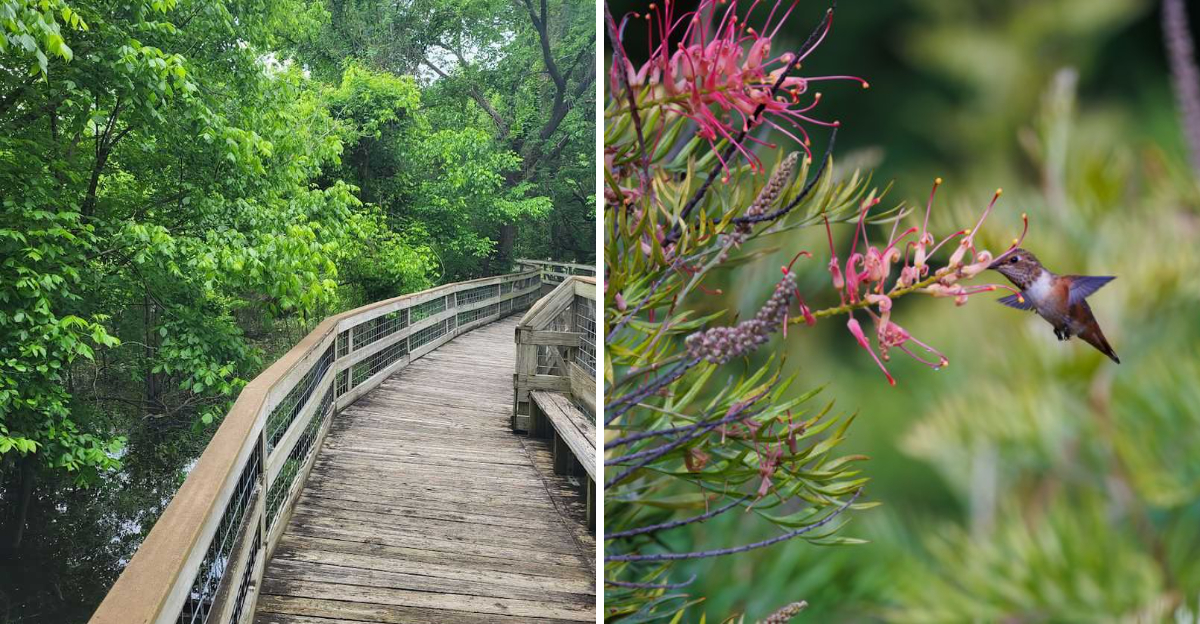
Picture this. You are standing in a quiet garden, barely moving, when the air suddenly flickers.
A hummingbird shoots past your cheek, pauses in front of a flower, then disappears before you can even point it out.
That is the kind of small, electric moment waiting at a free nature center in southeastern Arkansas. It feels calm at first, with shaded paths and soft water views.
Then something tiny moves faster than your eyes can follow, and the whole place wakes up.
The property covers 130 acres of bottomland, with bayous nearby and a peaceful lake shaping the mood. Families wander in for an easy outing.
Bird lovers bring cameras and wait for that perfect split second. Kids usually end up watching the flowers like something magical might pop out.
Best part? You do not have to spend a cent to enjoy it, and the memories can feel surprisingly big afterward.
Hummingbirds In The Garden Light
Few wildlife encounters feel as electric as watching a Ruby-throated Hummingbird freeze mid-air just inches from a flower, its wings a blur of pure energy. Arkansas sits along a key migration corridor, and these tiny travelers pass through the state from mid-March to late April and again in September, using places like this nature center as critical fuel stops on their long journeys.
The center has hosted dedicated hummingbird education programs that have drawn visitors from across the region. Those sessions gave participants a rare, up-close look at how hummingbirds are carefully studied and tracked by federally permitted banders who work to understand migration patterns better.
Standing in the garden on a clear morning, you can almost feel the air shift when one of these birds arrives. The native plantings here are chosen specifically to attract pollinators, and the hummingbirds respond with almost theatrical enthusiasm.
You can find all of this magic at the AGFC Governor Mike Huckabee Delta Rivers Nature Center at 1400 Black Dog Dr, Pine Bluff, AR 71601.
Quiet Trails Through Delta Nature
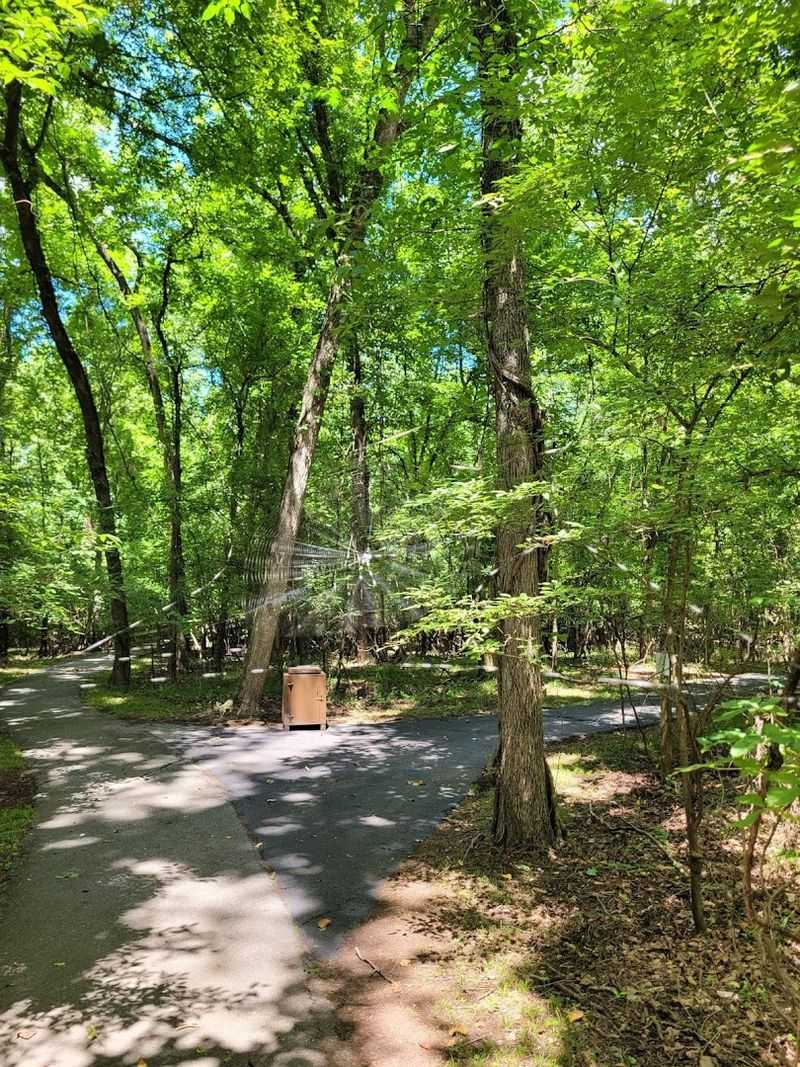
More than two miles of trails wind through the bottomland forest here, and every step feels like the outside world is slowly falling away behind you. The paths are flat and clearly marked, with trail intersection posts that include “you are here” maps, so getting turned around is nearly impossible even for first-time visitors.
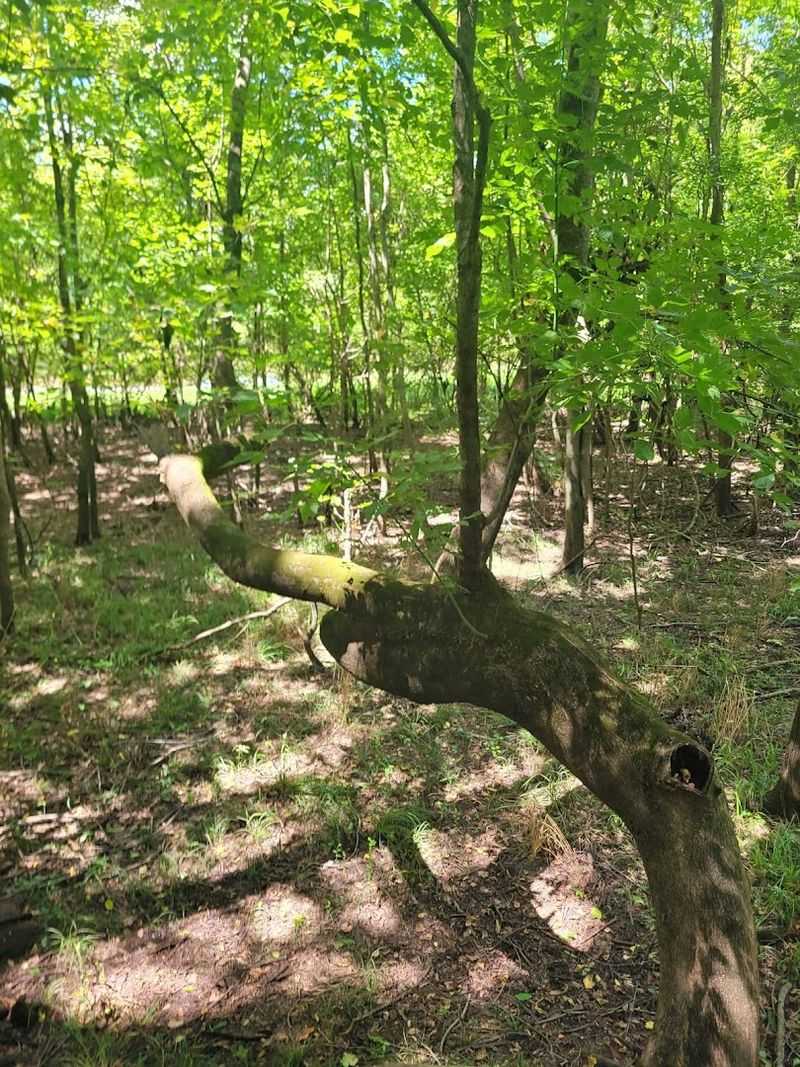
Bottomland forests have a particular kind of quiet that feels thick and alive at the same time. Towering hardwoods filter the light into soft green patches, and the ground beneath them holds centuries of rich delta soil.
Birds call from branches you cannot quite see, and small creatures rustle through the leaf litter with complete indifference to your presence.
Visitors have noted that even on a sweltering summer day, the trail system remains walkable and surprisingly comfortable under the tree canopy. The well-maintained paths make this a solid choice for families, older visitors, and anyone who wants a genuine outdoor experience without technical difficulty.
A peaceful hour on these trails tends to reset the mind in ways that are hard to explain but easy to feel.
A Peaceful Wetland Escape
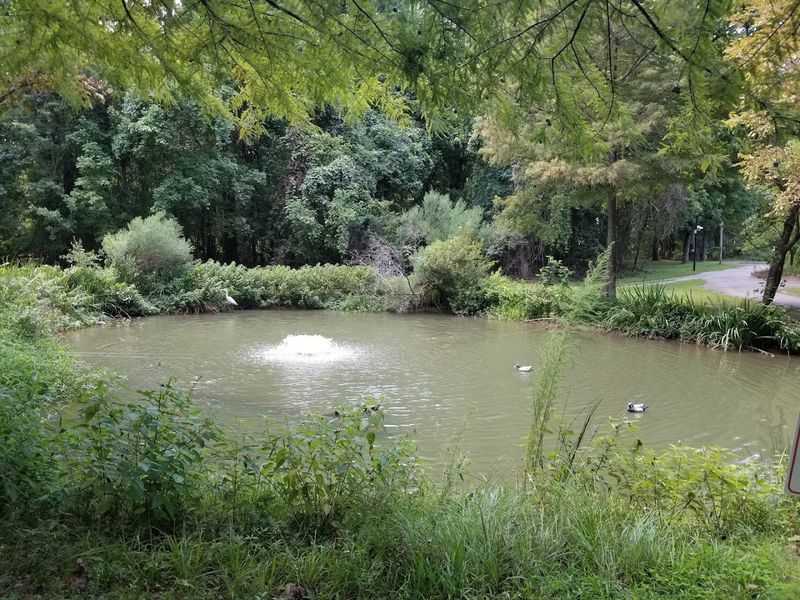
Water defines this landscape in the most beautiful way. The nature center sits bordered by Lake Langhoffer, Caney Bayou, and Black Dog Bayou, creating a layered wetland environment that supports an impressive variety of plant and animal life across all 130 acres of the property.
Bayous move slowly and quietly, and that pace sets the tone for everything here. The water mirrors the sky on calm mornings, and the cypress knees that poke up along the banks give the whole scene a slightly otherworldly quality.
There is a stillness near the water that feels genuinely restorative, the kind that no app or playlist can replicate.
Arkansas wetlands like these play an outsized role in the regional ecosystem, filtering water, sheltering wildlife, and storing floodwaters that would otherwise damage surrounding communities. Spending time near the bayous here is not just pleasant, it is also a reminder of how much healthy land quietly does on our behalf.
Pack a light snack, find a spot near the water, and give yourself permission to do absolutely nothing for a while.
Wildlife Views By The Water
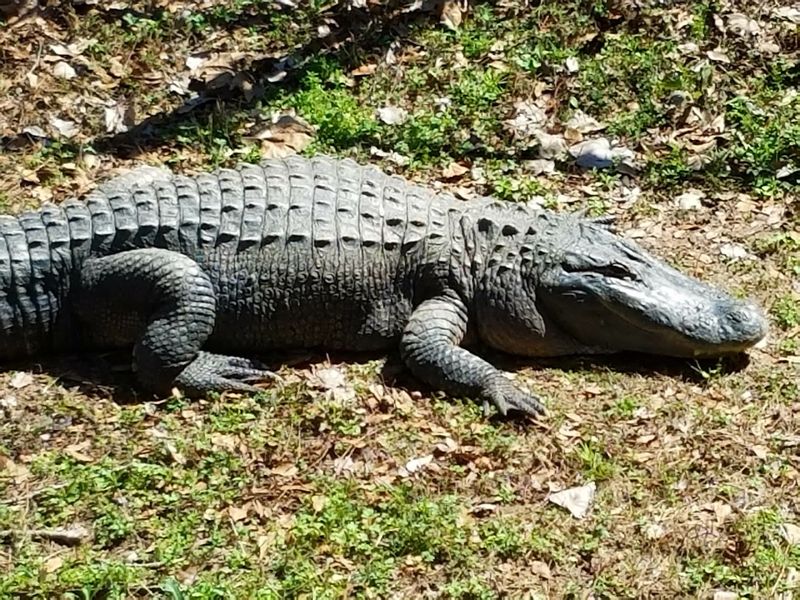
Right outside the main building, a large outdoor pond offers something genuinely unexpected: a glass viewing panel set into the side that lets you watch native fish swimming in their natural-style habitat. Massive gar glide through the water with slow, prehistoric confidence, and the effect is closer to an aquarium than anything you would expect to find at a free outdoor education center.
The wildlife presence extends well beyond the pond. Birds of prey are housed in outdoor enclosures, and these are animals that were injured and could not be fully rehabilitated for release.
Seeing a hawk or owl at close range, even in that context, carries a weight that is hard to shake.
Visitors have also spotted a wide range of wild species simply by walking the property perimeter and pausing near the water’s edge. Turtles sun themselves on logs, frogs announce their presence without any shyness, and wading birds work the shallows with focused patience.
Every visit to this stretch of waterfront tends to produce at least one sighting that makes you reach for your camera a few seconds too late.
Inside The River Nature Center
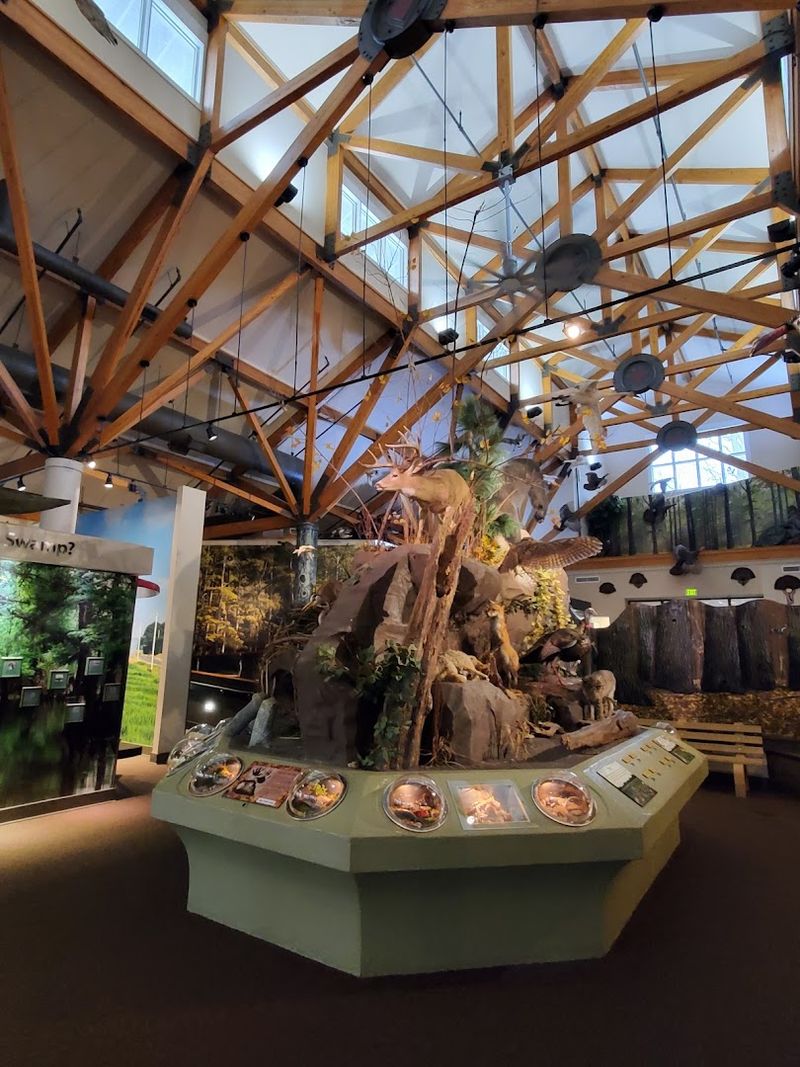
Stepping inside the main building feels like walking into a full celebration of Arkansas river ecology. Large aquarium tanks hold native fish species in bass pro-style setups that genuinely impress, and the gar alone are worth a long stare.
Taxidermy displays are positioned throughout the space in natural poses, and looking up reveals additional mounts that most visitors almost walk right past.
Interactive learning stations are scattered through the exhibits, designed for kids but genuinely interesting for adults too. There is a boat on display for water safety education, hands-on activity areas, and short films that cover topics ranging from hunting safety to local conservation history.
The whole building manages to be educational without ever feeling like a lecture.
Arkansas’s first nature center opened here on July 28, 2001, operated by the Arkansas Game and Fish Commission’s Education Division and funded by the Amendment 75 Conservation Fund, which is why admission remains completely free. The gift shop near the exit carries a small but thoughtful selection of nature-themed items, and if you ask nicely, staff members have been known to hand out free DVDs and posters to interested visitors.
Native Gardens Full Of Color
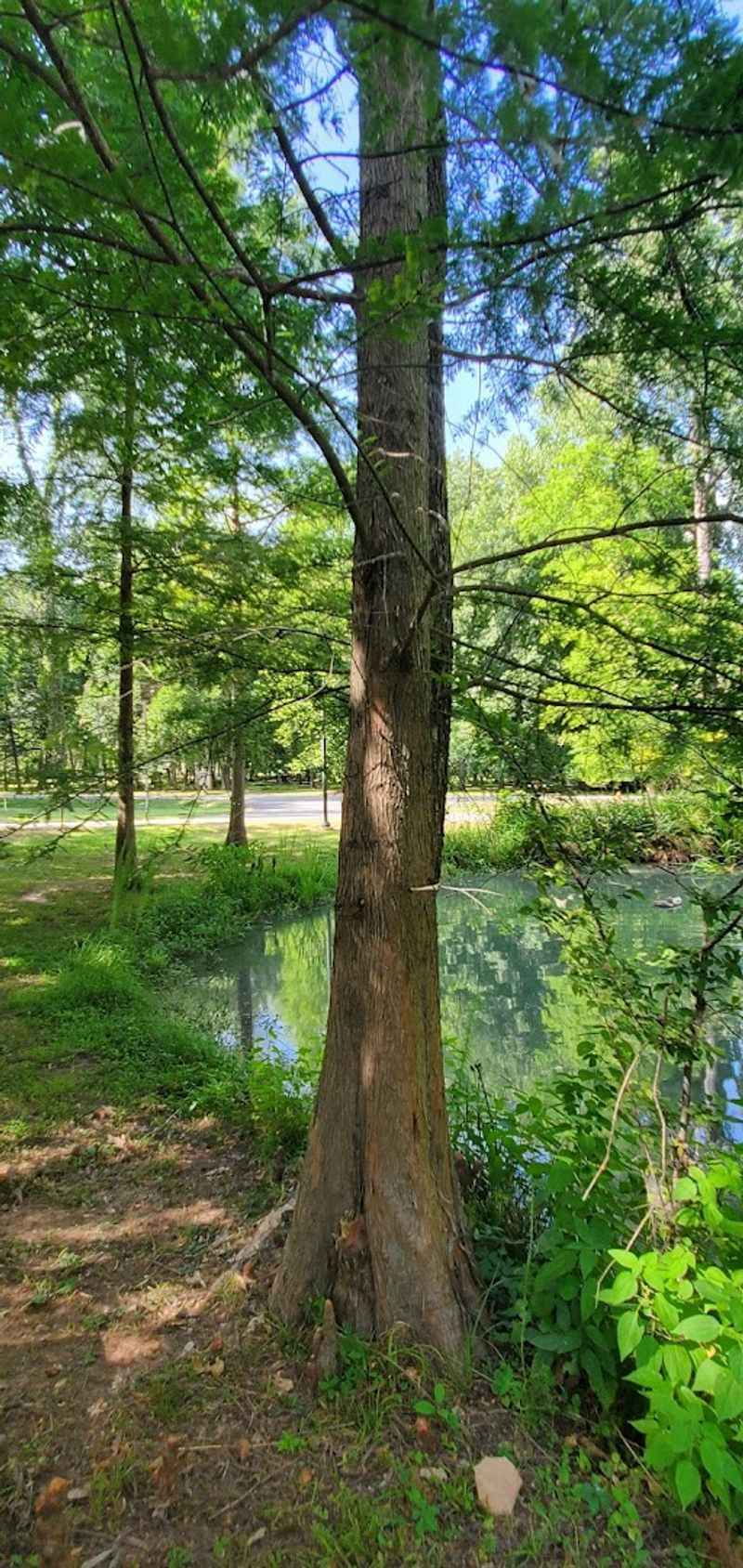
Color hits you before you even realize what you are looking at. The native gardens surrounding the center are planted with species chosen specifically for their value to local pollinators, and the result is a constantly shifting display that changes with the seasons and rewards repeat visits throughout the year.
Native plants carry a different kind of beauty than manicured ornamentals. Their shapes tend to be looser, their colors more saturated, and their relationship with visiting insects and birds more visibly alive.
Butterflies move between blooms with deliberate purpose, bees work the flowers with professional focus, and the occasional hummingbird appears like a tiny surprise guest at a party it absolutely belongs at.
Gardeners and non-gardeners alike tend to linger here longer than they planned. The plantings also serve as a practical demonstration of how homeowners can support local wildlife without a large budget or a lot of space.
Staff members are knowledgeable about the species on display, and a conversation near the garden beds can turn into an unexpectedly useful lesson in backyard habitat design that sticks with you long after you leave.
A Calm Corner For Birdwatching
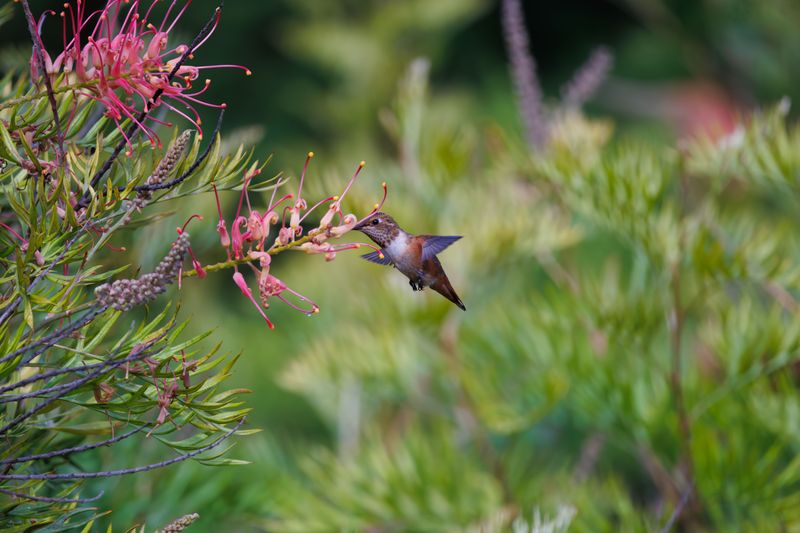
Birdwatching at this center is less about checking species off a list and more about surrendering to the pace of a place that moves on its own schedule. The combination of wetland, forest edge, and open garden creates a layered habitat that supports a genuinely impressive range of bird species across all four seasons.
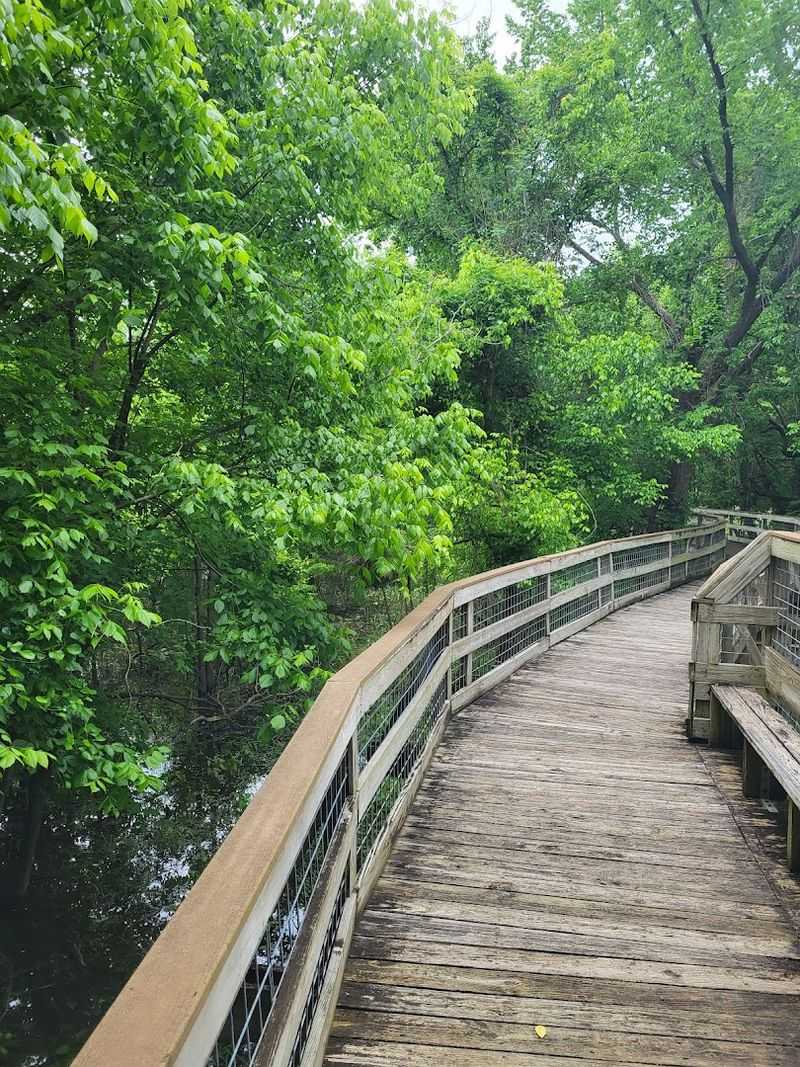
The boardwalk sections of the trail are particularly good for quiet observation, since the elevated wooden surface keeps you above the muddy ground and positions you at an interesting angle relative to the surrounding vegetation. Early mornings are the most rewarding, when the light is low and the birds are most active.
Bring binoculars if you have them, but even without them the sightings here tend to be close enough to satisfy.
Migratory species pass through during spring and fall, adding an element of pleasant unpredictability to any visit. Resident birds like woodpeckers, herons, and various songbirds provide a reliable baseline of activity year-round.
The boardwalk can get slippery after rain, so solid footwear is worth the extra thirty seconds it takes to lace up properly before you head out.
Delta Scenery With A Wild Side
The Arkansas Delta has a particular kind of beauty that does not announce itself loudly. It unfolds gradually, through flat horizons, wide water, and the specific quality of light that bounces off still bayous in the late afternoon.
This nature center sits right at the heart of that landscape, and spending a full afternoon here is enough to understand what makes this region worth paying attention to.
The 130-acre property gives visitors room to spread out and find their own rhythm. Some people spend most of their time inside with the exhibits, while others head straight for the trails and do not look back until the light starts to change.
Both approaches are completely valid, and the site accommodates them equally well.
Picnic tables across the street from the main building invite a slow lunch with a view, and the surrounding park adds extra space for families who want to extend their time outdoors. A visit here tends to leave people with a genuine appreciation for the quiet complexity of delta ecology and a strong urge to come back when the season changes and the whole place looks different again.