
The Illinois Diner Most Likely Behind the 70-Year Pie Story
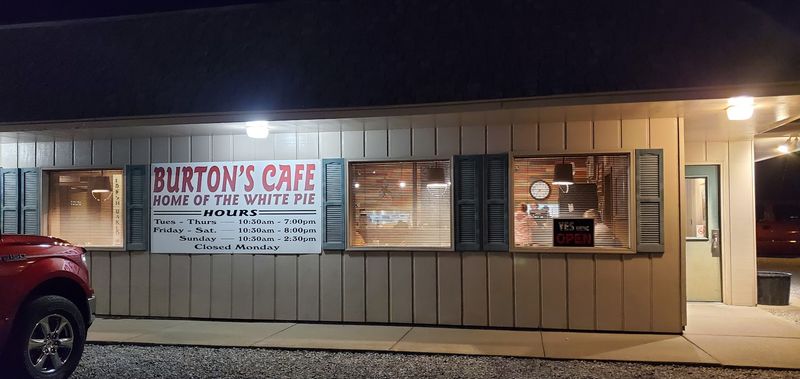
Somewhere in southern Illinois, near the quiet waters of Rend Lake, a small cafe has been feeding locals and road-trippers for decades with one dessert that keeps people coming back. Burton’s Cafe in Whittington is the diner most likely connected to the widely repeated claim about a pie recipe unchanged for 70 years.
The story is worth telling, but the details deserve a closer look before accepting the headline at face value.
Burton’s is the likely Illinois diner behind the claim
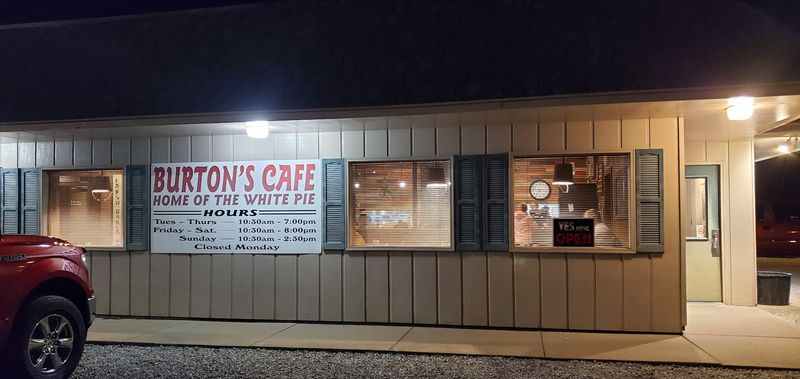
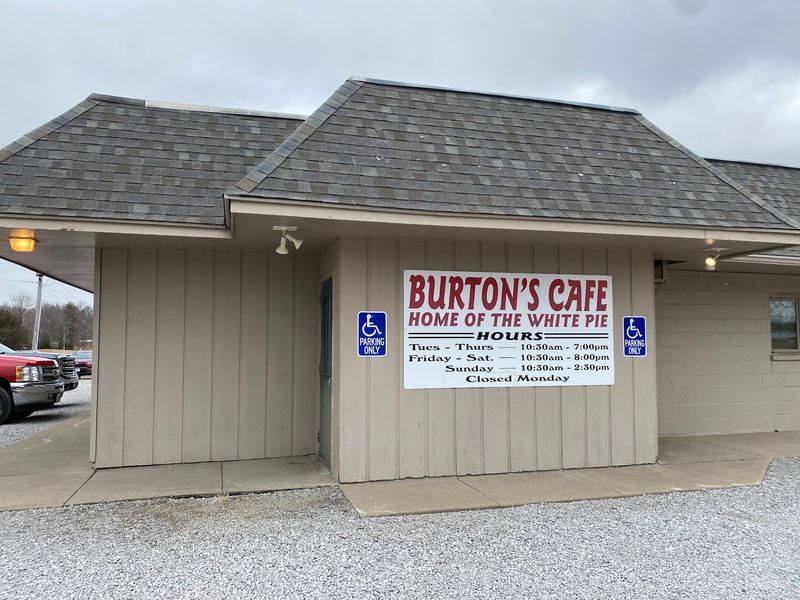
Burton’s Cafe, located at 13427 Ewing Road in Whittington, Illinois, sits just a short drive from Rend Lake in the southern part of the state. Illinois’ official tourism listing categorizes it as a cafe and diner, and specifically calls out its homemade pies, with White Pie named as the best-known dessert on the menu.
That combination of location, diner identity, and signature pie makes Burton’s the most plausible match for the story circulating about a 70-year pie recipe, even if no source has independently confirmed the connection.
The tourism listing supports the cafe’s reputation and identity, but it does not verify that the White Pie recipe has stayed the same across any particular span of years. Reputation and recipe continuity are two different things, and conflating them leads to a stronger claim than the evidence actually supports.
Readers who visit expecting a guaranteed slice of history should call ahead, since hours, ownership, and daily pie availability can change.
Still, Burton’s stands out as a genuinely distinctive Illinois food destination. Few small-town diners earn a named spot on a state tourism page for a single dessert, and fewer still maintain that kind of regional recognition across multiple decades.
The cafe’s identity is real and well-documented; the specific claim about an unchanged recipe is simply the part that needs more verification before it becomes settled fact.
A café that began in an auction barn
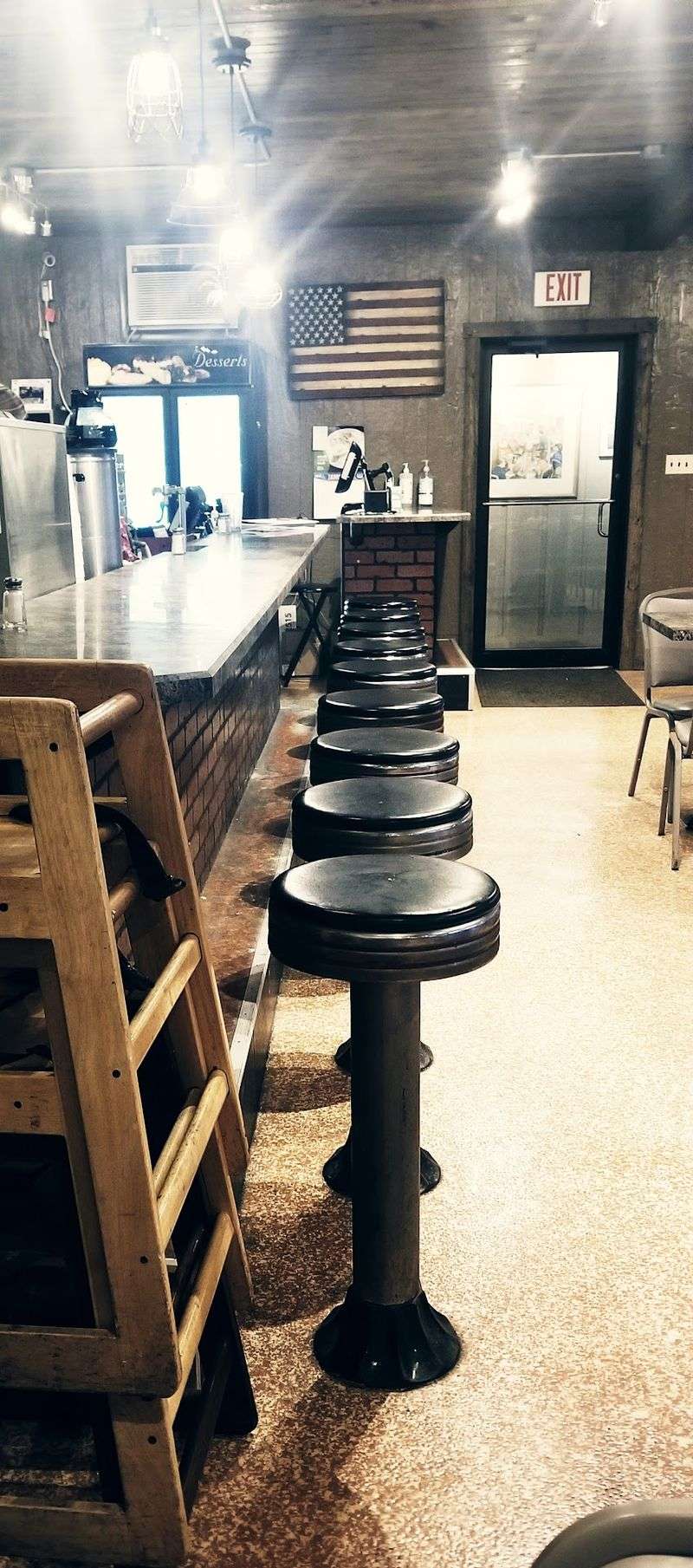
Blake and Ruth Burton started small in 1945, selling raisin pie and hamburgers to hungry cattle traders and farmers inside a livestock auction barn in Whittington. It was practical, unpretentious food served in an equally practical setting, and it found an audience quickly enough that the Burtons built a proper restaurant building across from the barn in 1954.
That structure is where Burton’s Cafe operates to this day, giving the business a physical address with more than seven decades of use behind it.
AAA’s reporting on Midwest comfort food restaurants fills in the family succession: the current owner’s grandparents purchased the cafe in 1977, and Jeff Jones, identified as the third-generation owner, later ran it in a style that reportedly echoed his grandparents’ approach. That kind of continuity across family lines is genuinely uncommon and helps explain why the cafe carries such a strong sense of inherited identity.
Business continuity and recipe continuity are related ideas, but they are not the same thing. The documented timeline shows three distinct milestones: the 1945 auction-barn start, the 1954 building, and the 1977 family purchase.
Each marks a real transition in the cafe’s history. None of them, on its own, establishes that a particular pie formula passed unchanged from one era to the next.
The history is compelling precisely because it is real and verifiable; the recipe claim requires a separate kind of evidence that the available sources do not yet supply.
Why White Pie became Burton’s signature dessert
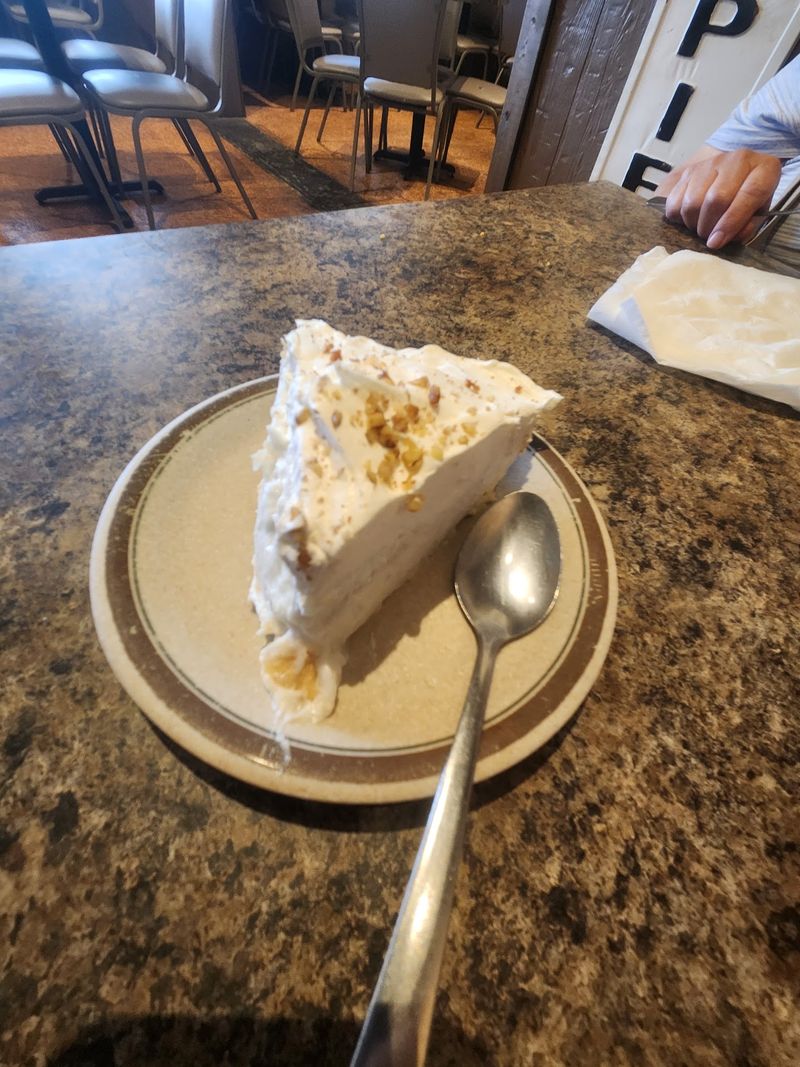
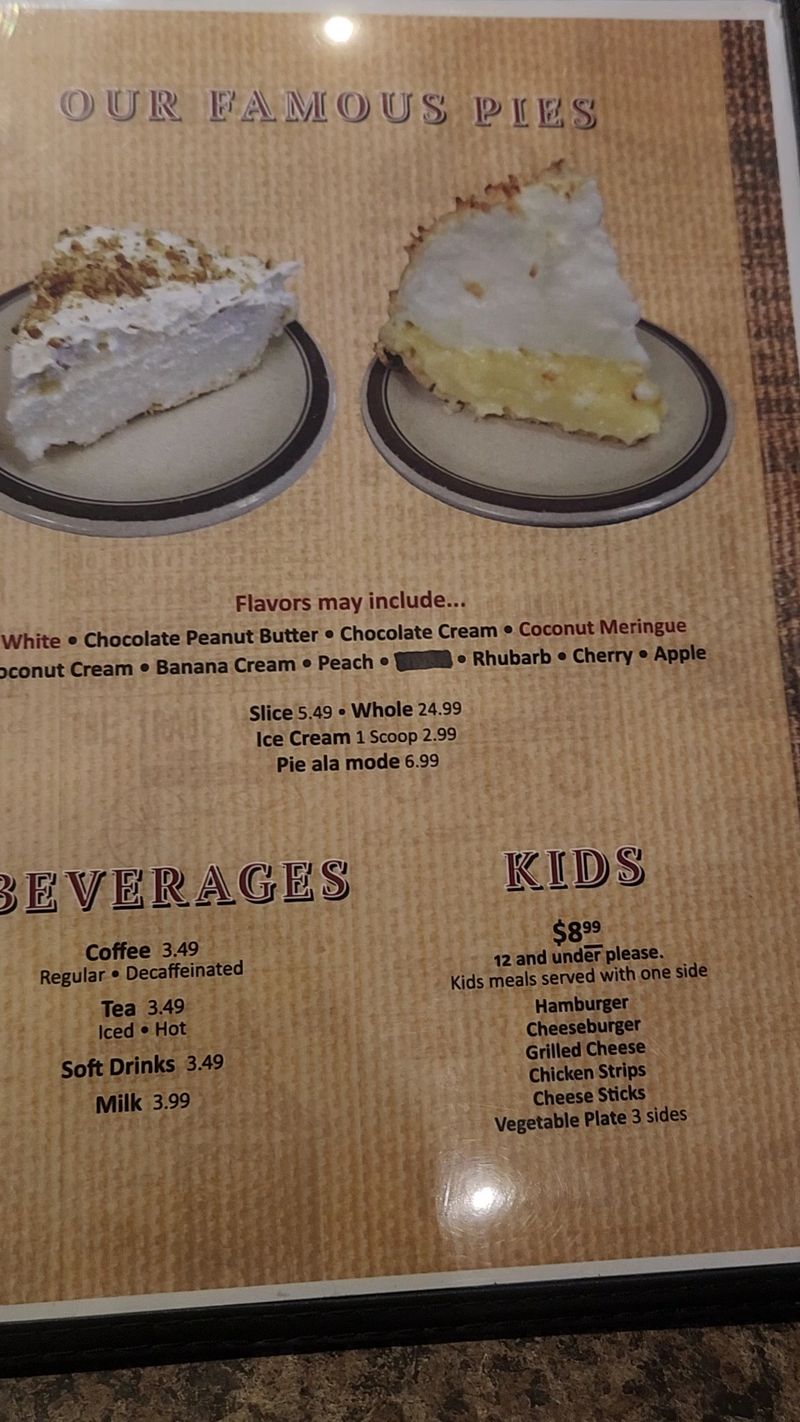
White Pie at Burton’s is described as creamy and fluffy, with a pronounced vanilla sweetness and a topping of chopped pecans that adds a little crunch to each bite. That combination of textures and flavors is simple enough to feel familiar but specific enough to feel like something worth seeking out.
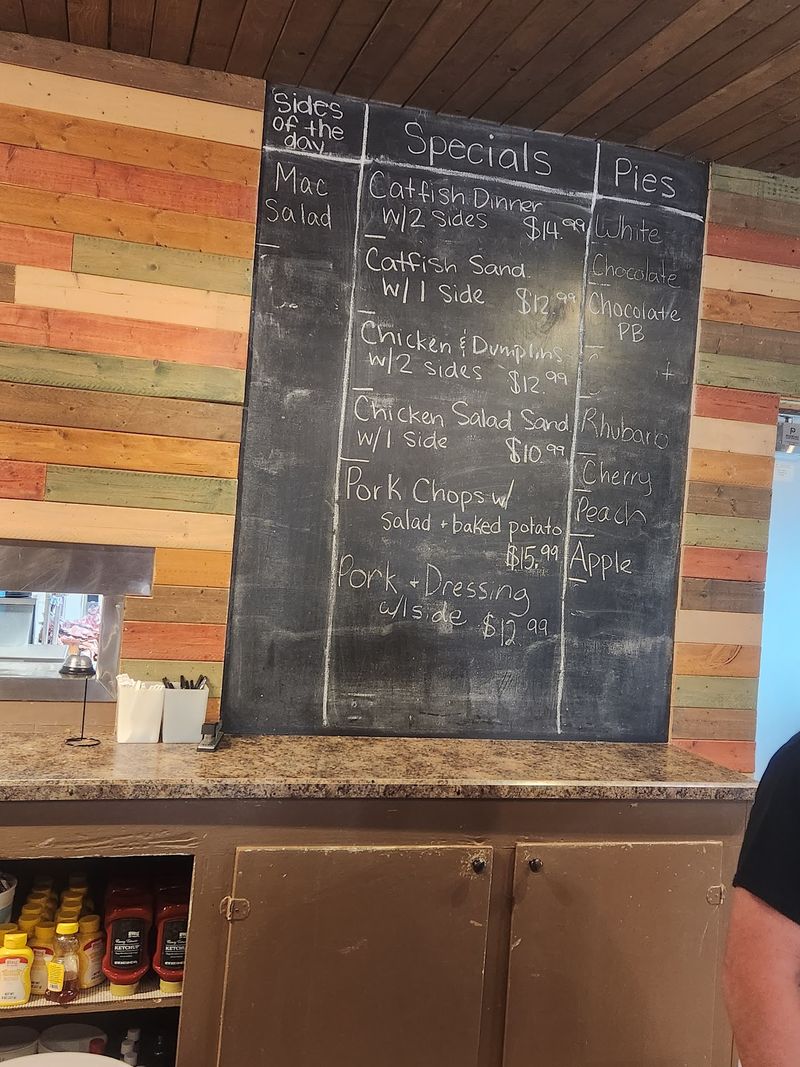
According to AAA’s reporting, the cafe’s bakers turned out roughly 15 to 20 pies each day, a volume that points to serious demand rather than an occasional specialty.
The same AAA account lists coconut cream, chocolate-peanut butter, and rhubarb among the other pies that regulars favored, which suggests the kitchen had a real range. But White Pie consistently gets top billing, both in travel coverage and on the Illinois tourism listing, which singles it out by name.
When a state tourism page calls out one specific dessert at a small-town diner, that dessert has clearly earned its place.
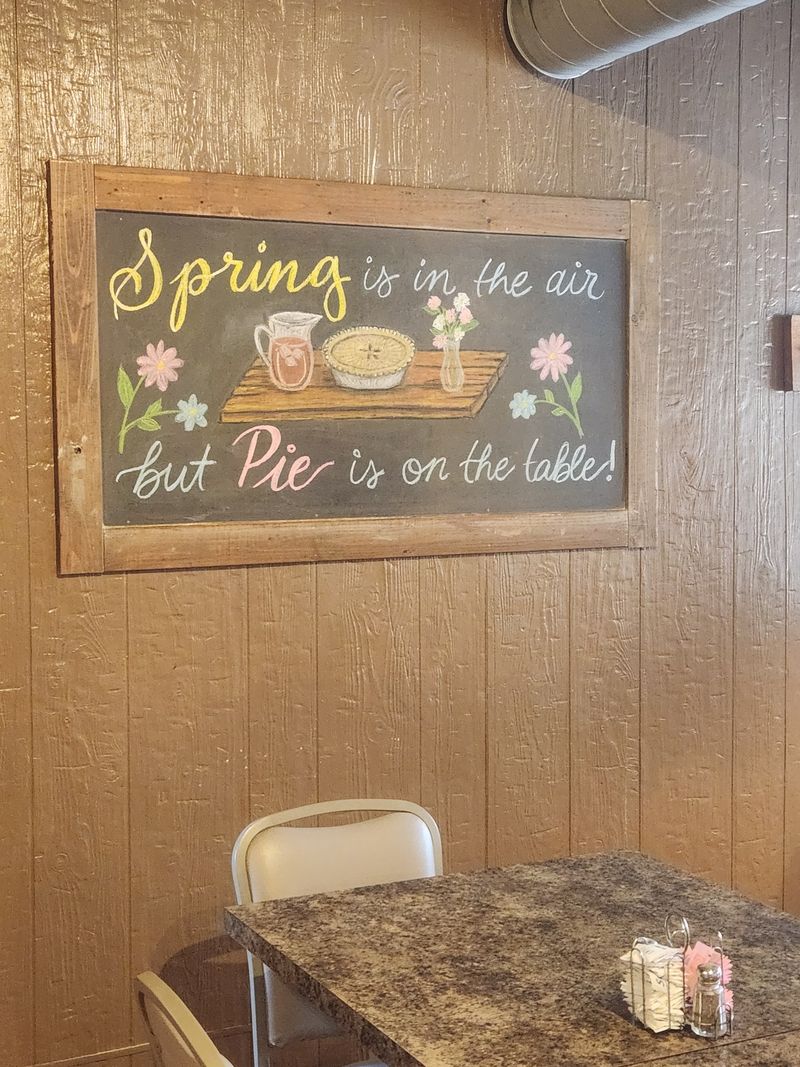
White Pie’s rise to signature status probably has less to do with any single ingredient and more to do with repetition and memory. A dessert made the same way, day after day, in a place where people return for years, becomes part of how they remember the whole experience.
That association between place and flavor is exactly what transforms a good pie into a cafe’s identity. Whether the recipe stayed precisely the same across ownership changes is a separate question, but the pie’s central role at Burton’s is not in doubt.
A longstanding café does not prove a 70-year recipe
The headline claim deserves direct attention. Burton’s documented roots go back to 1945, which puts the business’s age at more than 80 years as of 2026, not 70.
The 1954 building is about 72 years old. The reported family purchase happened in 1977, just under 50 years ago.
None of those dates maps cleanly onto a 70-year recipe, and the available sources, including AAA’s detailed profile of the cafe, do not state that the White Pie formula itself has remained unchanged across any of those transitions.
Part of the confusion comes from treating business continuity as recipe continuity. A cafe can operate under the same name, in the same building, with the same family, and still adjust its recipes over time in ways that are invisible to customers.
Quantities shift. Ingredient brands change.
Equipment gets replaced. A family cook might remember the method more clearly than the exact measurements.
The Illinois tourism listing confirms the cafe’s identity and its White Pie reputation, but it does not address whether the recipe is the same today as it was in any earlier decade.
Pinning down what “same recipe” actually means is harder than it sounds. It could mean an identical written ingredient list, a family formula with proportions adjusted to production scale, a consistent preparation method passed down through demonstration rather than documentation, or simply a flavor that tastes recognizable from one decade to the next.
Each of those definitions would be a meaningful kind of continuity, but they are not interchangeable. Direct confirmation from Burton’s current ownership would be the only way to settle which definition applies, and that confirmation is the piece the available record is missing.
The 1999 recipe offers a historical clue
In February 1999, the Deseret News published a column that put Burton’s White Pie in front of a national readership. The piece described White Pie as a puddinglike dessert and included what it presented as a recipe: a baked pastry shell filled with a cooked mixture of milk, sugar, and cake flour thickened with egg yolks and enriched with butter, vanilla extract, and almond extract.
The finished filling was topped with whipped topping, chopped pecans, and a meringue made from egg whites. The result, as described, is a layered dessert that balances custard richness with a lighter, airy topping.
That recipe is historically useful, but it comes with real limitations. A newspaper recipe attributed to a restaurant may have been supplied for publicity purposes, approximated by the columnist to work in a home kitchen, or modified to avoid disclosing a proprietary method.
The 1999 version uses Cool Whip and flavor extracts, which were common commercial products at the time, but current production at Burton’s may rely on different ingredients, altered proportions, or updated equipment. Nothing in the available record confirms that the 1999 published formula matches what the cafe uses today.
Treating the Deseret News recipe as a historical snapshot rather than a current specification is the most honest approach. It shows what one version of White Pie looked like at a particular moment in time and gives home cooks a reasonable starting point for understanding the dessert’s general character.
Whether it captures the cafe’s exact method in 1999, let alone now, remains an open question. The recipe is a clue, not a confirmation, and readers should approach any home recreation with that distinction clearly in mind.
Recreate the dessert with modern safety controls
Anyone inspired to try a White Pie at home should treat it as a perishable dessert from start to finish, not a shelf-stable bake that can sit out on the counter. The 1999 newspaper formula contains milk, egg yolks, butter, whipped topping, and a meringue made from egg whites, every one of which requires careful handling.
University of Illinois Extension advises refrigerating cream, custard, and egg-based pies and limiting the time any such pie spends at room temperature to no more than two hours. That two-hour limit applies from the moment the pie leaves the oven or the refrigerator, not just from when it hits the table.
Refrigerators should stay at 40 degrees Fahrenheit or below. USDA guidance on refrigeration and food safety is clear that custards, puddings, cream-filled pastries, and egg dishes held above 40 degrees for more than two hours should be discarded.
A pie that has been sitting on a counter during a long dinner party or a warm afternoon has likely crossed that threshold. A separate USDA consumer food safety guide reinforces the same discard rule for egg-containing desserts and cooked dishes.
The meringue layer in the 1999 recipe raises a specific concern. Raw or undercooked egg whites carry a risk of salmonella, and a meringue that has only been briefly browned under a broiler may not reach a safe internal temperature throughout.
USDA recommends cooking egg dishes to 160 degrees Fahrenheit, and USDA egg-handling guidance supports using pasteurized egg products when a recipe does not include a validated cooking step that reaches that temperature. If the meringue in a home version is not fully cooked through, pasteurized egg whites are the safer substitution.
When cooling a cooked custard filling before assembling the pie, follow the staged approach outlined in FDA guidance on cooling cooked temperature-controlled foods: bring the filling from 135 degrees down to 70 degrees within two hours, then continue cooling to 41 degrees or below within four additional hours. Spreading the hot filling in a shallow pan and stirring it periodically speeds that process safely.
A home recreation inspired by the 1999 account can be genuinely satisfying; it just requires treating the dessert with the same care any custard-based pie deserves.
The enduring tradition rests on more than one formula
What keeps people returning to Burton’s almost certainly has less to do with a single unchanging recipe than with the accumulation of things the available sources actually confirm: a building in continuous use since 1954, family ownership that has spanned multiple generations, a signature dessert with enough regional recognition to earn a name on a state tourism listing, and a daily output of 15 to 20 pies that reflects genuine, ongoing effort. AAA’s profile of the cafe captures the sense of a place operating as it always has, even if the finer details of how a recipe moved from one generation to the next remain undocumented.
The uncertainty about recipe continuity is not a reason to dismiss the story. It is simply a reason to tell it accurately.
A diner that has operated in the same southern Illinois community for more than 80 years, that built a restaurant from an auction-barn food stand, and that turned a creamy vanilla pie into its most recognized offering has a story worth telling on its own terms. The Illinois tourism listing reflects that reputation without overstating it, which is a useful model for how to talk about a place like Burton’s.
Memory, repetition, and a consistent sense of place can sustain a food tradition even when the written recipe shifts in small ways over time. The most honest conclusion is that Burton’s longevity is documented, its White Pie reputation is real, and the specific claim of a 70-year unchanged formula is unverified.
A pie that tastes like it has always been there may be the most durable kind of tradition there is.