
The Illinois Forest Trail That Feels Straight Out Of A Fantasy Novel
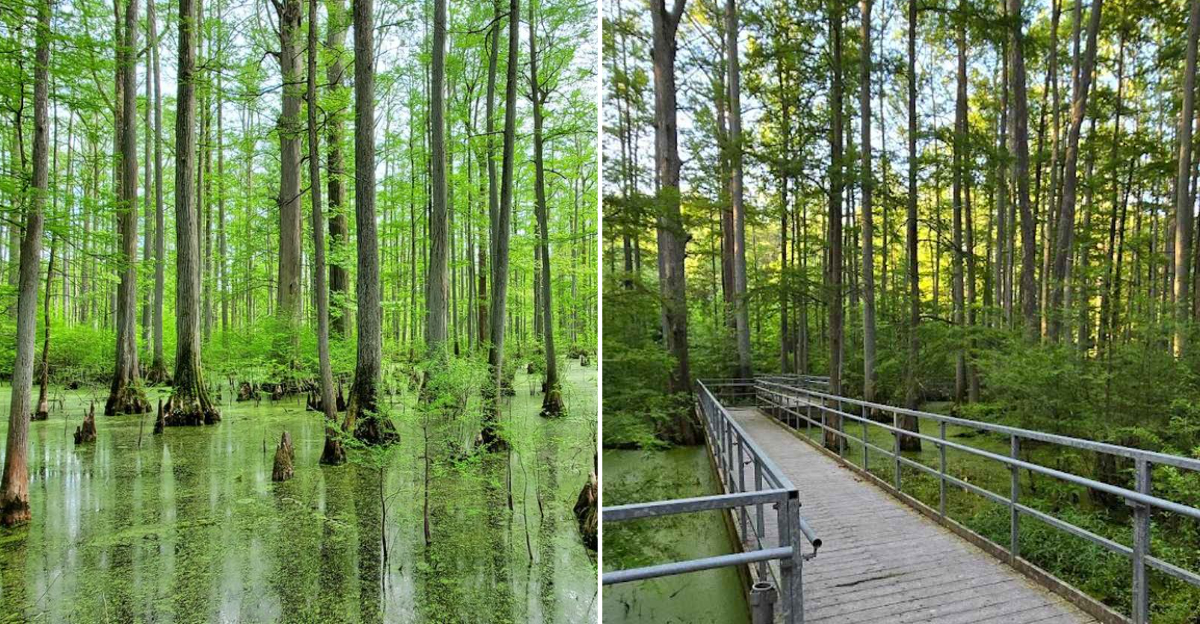
I never expected to find ancient cypress trees rising out of dark, still water in southern Illinois, but that surreal sight stopped me cold the first time I saw it.
A narrow boardwalk leads straight into a flooded forest that feels geographically misplaced, as if a fragment of deep-South bayou drifted north and settled quietly here.
The air hangs heavy with the scent of wet wood and decaying leaves, and every footstep sends soft echoes across the water’s surface. Walking among cypresses that can reach extraordinary ages, some estimated at over a thousand years, reshapes any sense of time.
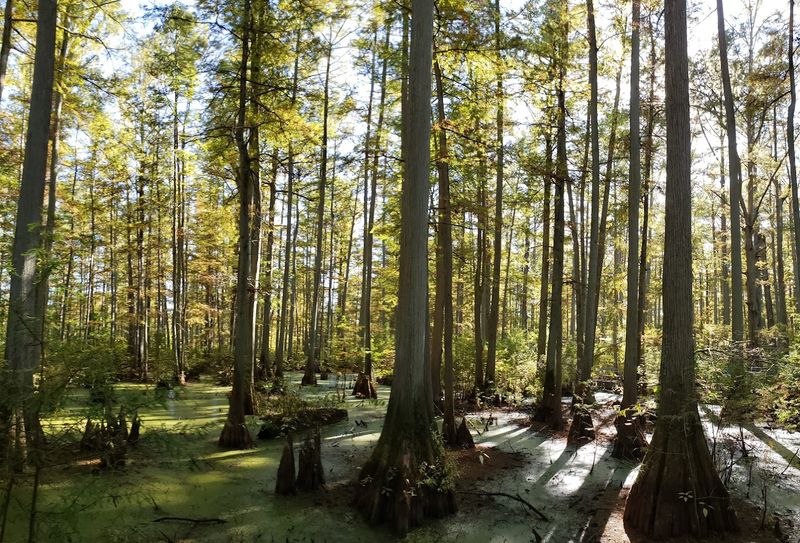
Their flared trunks rise like cathedral columns, and their knobby knees jut from the water in strange, sculptural clusters. Frogs croak unseen, something splashes in the distance, and the forest closes in with a dreamlike hush that feels far removed from everyday Illinois.
A Boardwalk Through Time
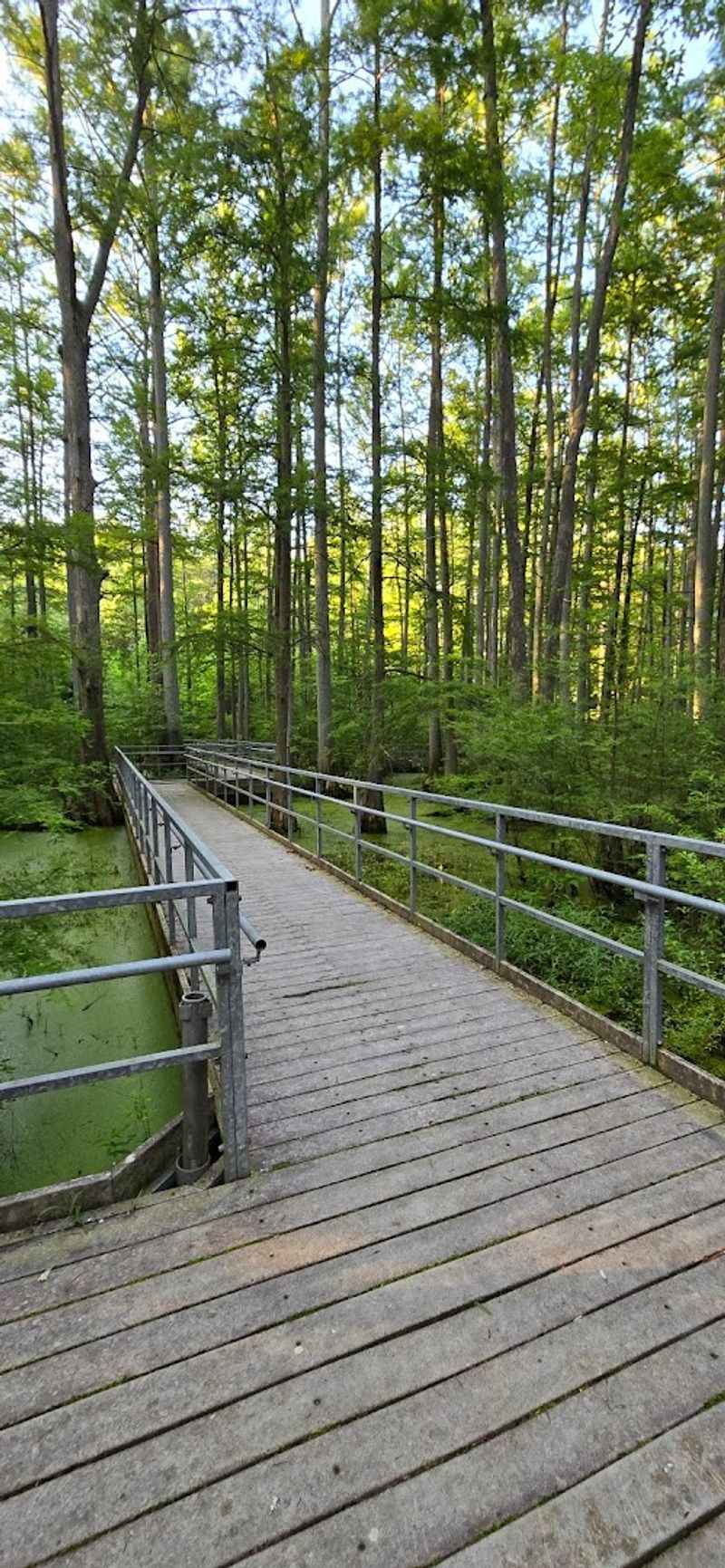
Walking out onto that floating boardwalk felt like crossing into another dimension. The sturdy wooden planks carry you right into the heart of a genuine cypress swamp, something I genuinely didn’t know existed this far north.
Cypress knees poke up through the dark water like wooden stalagmites, and the trees themselves tower overhead with that distinctive flared base that makes them look like they’re wearing fancy ball gowns.
The boardwalk itself is beautifully maintained and stable enough that you never feel unsafe, even when you’re surrounded by water on all sides.
What struck me most was how the perspective shifts as you walk deeper into the swamp. At first, you’re just entering the wetland, but within minutes you’re completely immersed in this watery forest world.
The sounds change too, from typical woodland birds to the constant chorus of frogs and the occasional splash of something sliding into the water.
I spent way more time out there than I planned, just standing still and soaking in the strangeness of it all. This boardwalk isn’t just a trail feature but a time machine of sorts.
The Surprisingly Easy Trail
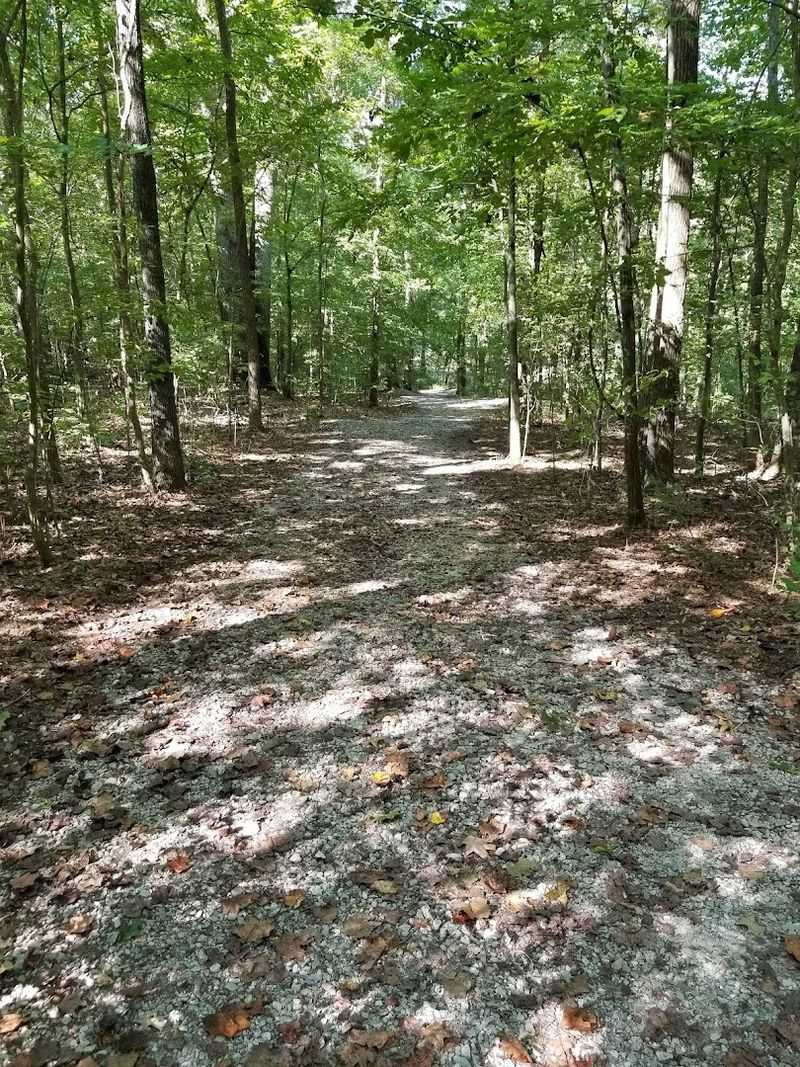
Don’t let the fantasy novel atmosphere fool you into thinking this is some grueling expedition. The trail through Cache River State Natural Area itself is remarkably accessible, making it perfect for families with kids or anyone who wants a taste of wilderness without the wilderness-level fitness requirements.
The main path to the boardwalk is wide, level, and covered with gravel, making for easy walking. It takes only about fifteen minutes to reach the swamp from the parking area, though you’ll want to budget much more time for actually exploring once you’re there.
Some sections are relatively flat and accessible, but surfaces and conditions can vary, so it’s best to check current accessibility details before planning a mobility-assisted visit. The main Todd Fink–Heron Pond Trail is about 1.5 miles, with nearby connecting trails available if you want to extend your hike.
There are a couple of mild inclines, but nothing that would challenge anyone with basic mobility. The creek crossings happen over sturdy bridges that are well-maintained and safe.
The only challenging part might be some muddy sections after heavy rain, particularly on the back side of the loop, but even then, it’s more about potentially dirty shoes than actual difficulty.
Cypress Trees That Predate America
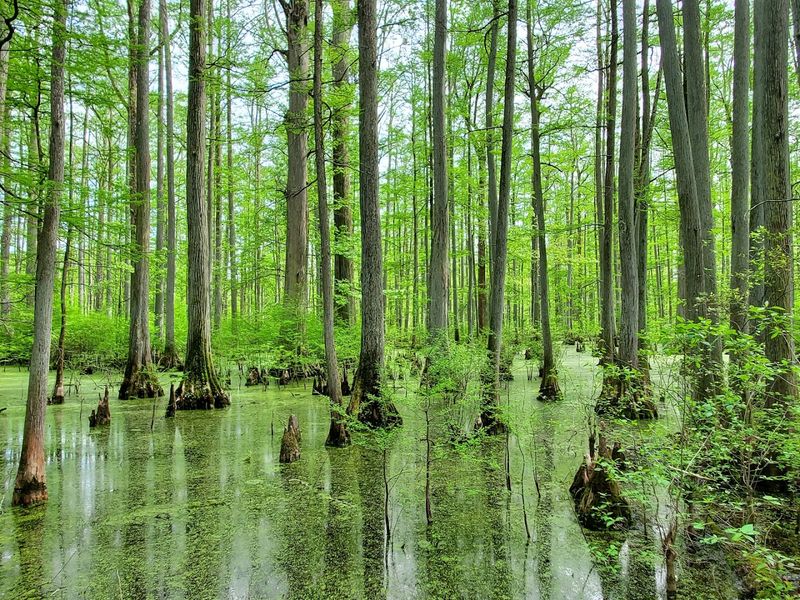
Some of the cypress trees in the Cache River wetlands, including those around Heron Pond, are estimated to be over a thousand years old. Let that sink in for a moment because these trees were already centuries old when Christopher Columbus sailed to the Americas.
Their massive trunks and the way they’ve adapted to living in standing water makes them look almost alien. The bark has this shaggy, textured quality that begs you to reach out and touch it, and the distinctive cypress knees surrounding each tree create these surreal sculptural formations.
During my visit, I couldn’t stop staring at how the light filtered through their feathery leaves, creating this dappled, dreamlike atmosphere. In autumn, those leaves turn a brilliant rusty orange before dropping, which reviewers consistently mention as one of the best times to visit.
What really gets me is that this area is often described as America’s northernmost cypress–tupelo swamp ecosystem.
These trees are living at the very edge of their natural range, making them even more special. Standing among them, you can’t help but feel humbled by their persistence and longevity through centuries of changing climate and human activity.
The Champion Cherrybark Oak
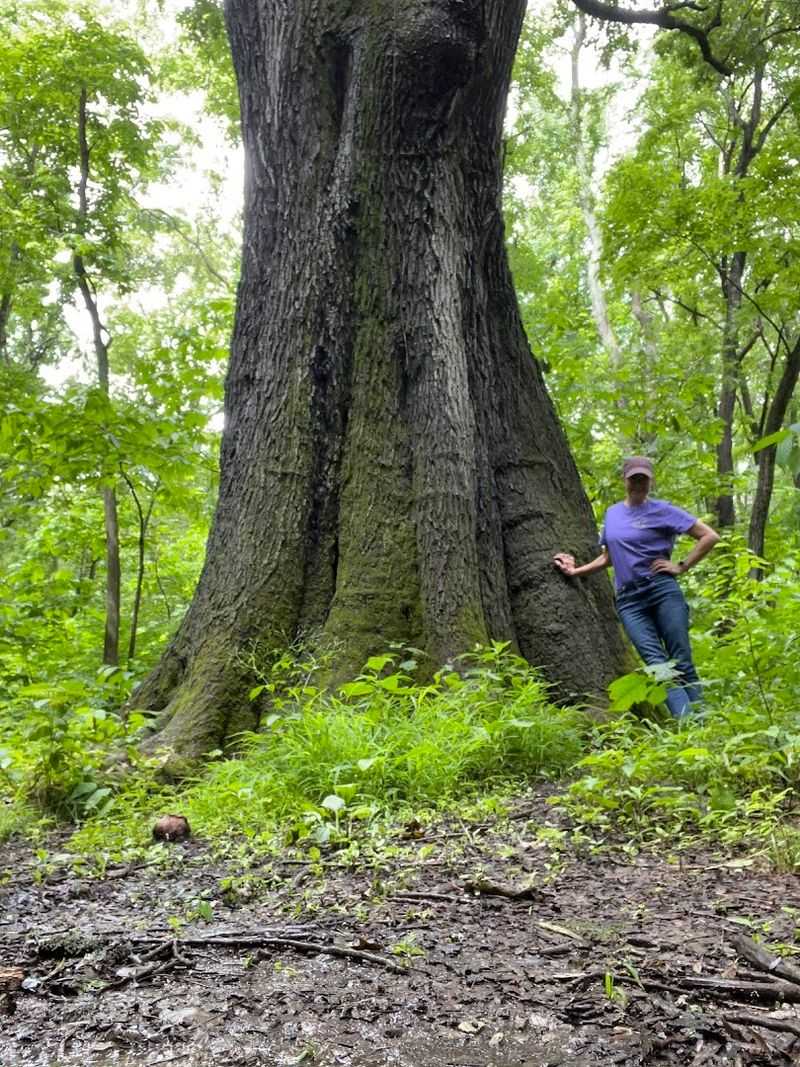
Before you even reach the boardwalk, there’s another giant waiting for you. The Champion Cherrybark Oak is a record-breaking tree that looks like several trees fused together into one massive organism.
Its girth is absolutely staggering, and when you stand underneath looking up, the canopy seems to spread forever. Multiple trunks branch out from the base, each one thick enough to be its own respectable tree, creating this cathedral-like space beneath.
I watched other visitors try to wrap their arms around it and fail spectacularly. Even with several people joining hands, you couldn’t encircle this behemoth.
The bark has deep furrows and ridges that speak to its great age, and during leafy seasons, the shade it provides is remarkable.
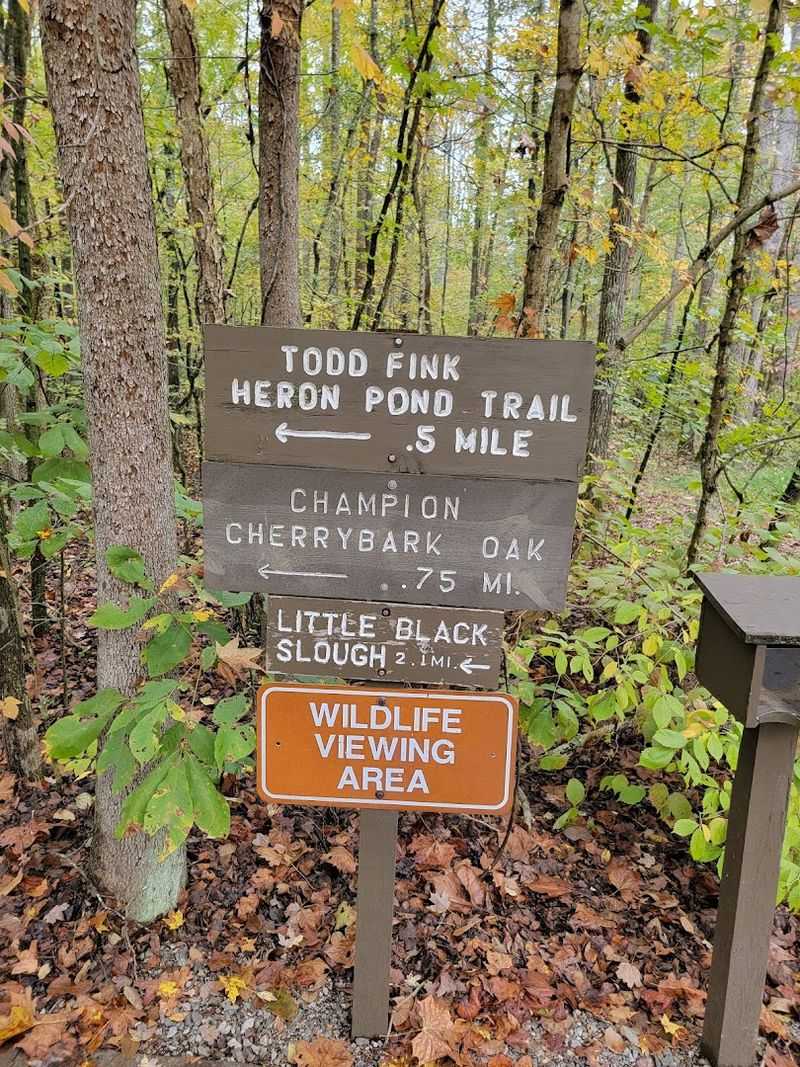
What makes this tree even more special is its designation as the Illinois state champion cherrybark oak, meaning it’s the largest recorded specimen of its species in the state. Finding it requires a short walk along the trail, and there are signs pointing the way so you won’t miss it.
Every nature photographer who visits seems to take their shot at capturing its majesty, though no camera really does it justice until you’re standing there in person.
Wildlife You Won’t Expect
The wildlife situation at Heron Pond is both fascinating and something you need to prepare for mentally. Snakes are commonly reported here during warmer months, and in southern Illinois that can include venomous species such as copperheads and, in the region, cottonmouths.
Multiple reviewers mentioned seeing snakes sunning themselves on logs or slithering through the water, which is both thrilling and slightly terrifying depending on your comfort level. I spotted at least three during my visit, including one that was so well camouflaged I nearly stepped past it before noticing.
But the reptiles aren’t the only stars here. Frogs provide a constant soundtrack, their croaking creating this primal atmosphere that really sells the swamp experience.
Visitors sometimes report seeing beavers or signs of their activity along the waterways, adding to the swamp’s sense of wildness.
Birdlife can be impressive here, and visitors occasionally report spotting large raptors overhead. The bird diversity is impressive, and if you’re patient and quiet, you’ll see far more than if you’re stomping through talking loudly.
Just remember to watch where you step and keep dogs leashed because this is genuinely wild habitat.
Seasonal Transformations Worth Planning For
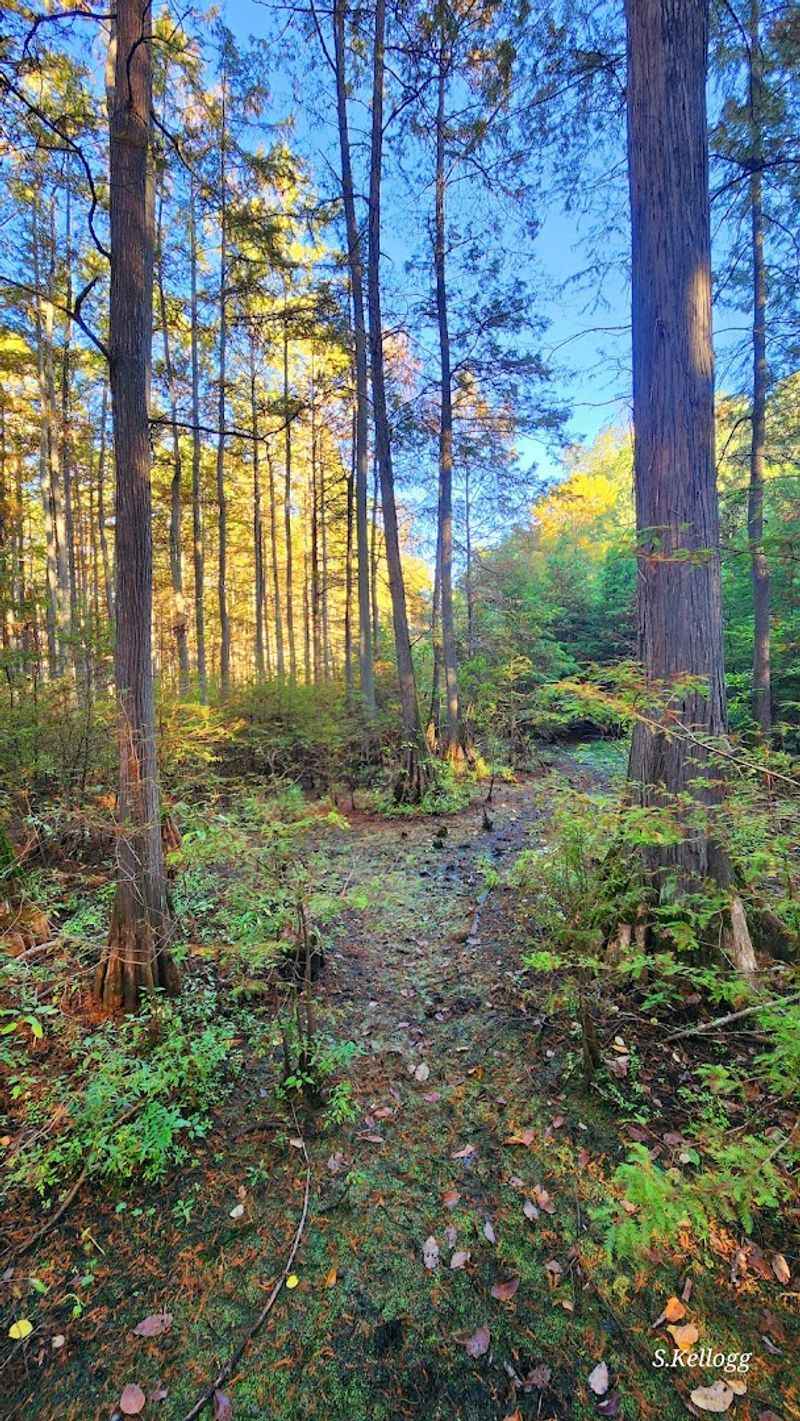
Timing your visit to Heron Pond can dramatically change your experience, and after hearing from multiple visitors, autumn seems to be the consensus favorite.
The cypress trees turn this gorgeous rusty orange color before dropping their needles, creating spectacular photo opportunities and a completely different mood.
Spring brings its own magic with wildflowers blooming throughout the forest and water levels typically at their highest, making the swamp feel more dramatic and full. However, spring also means mud and lots of it, so plan your footwear accordingly.
Summer offers the fullest canopy and most active wildlife, but you’ll be fighting mosquitoes the entire time unless you come prepared with serious bug spray. Multiple reviewers specifically mentioned the mosquito situation during warmer months, and I can confirm they’re not exaggerating.
Winter provides a completely different perspective with bare trees revealing the swamp’s structure more clearly and fewer visitors meaning more solitude. The water levels can drop significantly during drought periods, which happened during my visit in late summer, giving you a very different view of the cypress knees and swamp floor.
Each season has its advocates, but checking recent visitor photos can help you decide what appeals most to your personal preferences.
The Adventure Getting There
Half the adventure happens before you even reach the trailhead. Getting to Heron Pond requires driving down a narrow, single-lane gravel road that winds through the forest and makes you feel like you’re heading to the middle of nowhere.
This road is the source of the only consistent complaint in reviews, and I understand why. It’s genuinely narrow, meaning if you meet another vehicle coming the opposite direction, someone needs to find a pull-off spot to let the other pass.
There are a few widened areas for this purpose, but it requires some patience and careful driving. The gravel access road can develop ruts after heavy rains, so slow and careful driving is recommended.
I scraped bottom once in my sedan, though most vehicles handle it fine with cautious driving.
The isolation this road creates actually enhances the experience because it keeps crowds down and builds anticipation. By the time you reach the large parking area, you feel like you’ve earned the experience ahead.
The parking area is well established and includes basic facilities such as a pit or privy toilet, which feels welcome after the rustic drive in. Early morning visits mean less traffic on the access road, which several reviewers recommended.
Photography Paradise
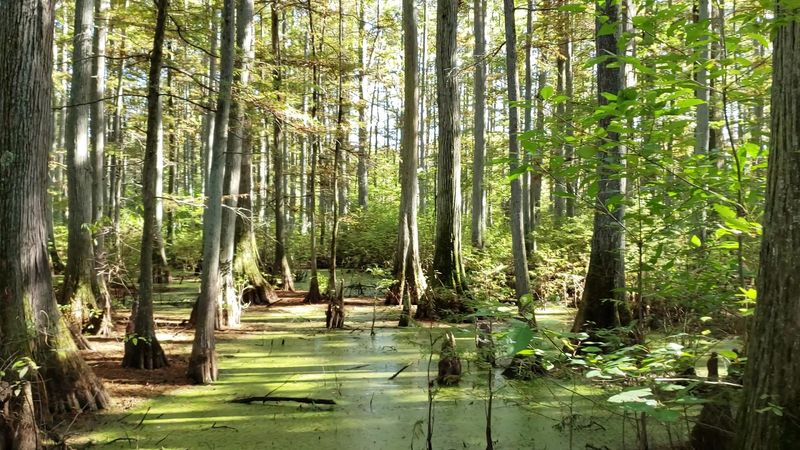
If you’re into nature photography, Heron Pond offers opportunities that are genuinely rare in Illinois. The combination of ancient trees, still water creating perfect reflections, and dramatic lighting filtering through the canopy creates conditions that photographers dream about.
The boardwalk provides stable shooting platforms right in the middle of the action, meaning you don’t need to worry about tripod stability in muddy conditions. Early morning and late afternoon light creates particularly magical conditions when the sun angles through the cypress trees.
Many reviewers specifically mentioned coming here for photography, and scrolling through visitor photos shows an impressive variety of compositions.
The Champion Oak alone could keep you busy for an hour trying different angles and perspectives. Wildlife photography is also productive here, though you’ll need patience and a decent zoom lens for the best shots.
The reflections in the swamp water during calm conditions create almost surreal mirror images of the cypress trees. Macro photographers will find endless subjects in the bark textures, cypress knees, and various fungi and mosses growing throughout.
Just remember that the best light happens during times when mosquitoes are most active, so bug spray becomes essential camera gear during warmer months.
Educational Opportunities Hidden In Plain Sight
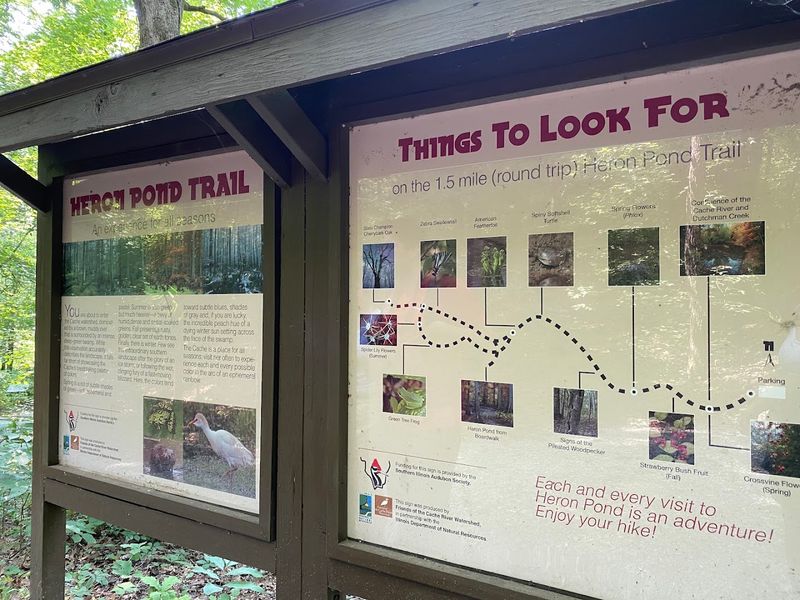
Beyond just pretty scenery, Heron Pond functions as an outdoor classroom with interpretive signs scattered along the trails. These placards provide information about native plant species, wildlife to watch for, and the ecological significance of this unique wetland ecosystem.
Learning that this represents the northernmost cypress swamp in the country adds context that makes you look at everything differently. The signs explain how these wetlands once dominated the region before human development drained most of them, making this preserved area even more precious.
Kids especially seem to get excited when they can identify plants or animals they’ve just read about on the signs.
The educational component doesn’t feel forced or overly academic but rather enhances your appreciation for what you’re seeing. Understanding why cypress trees develop those distinctive knees makes you look at them with new interest.
The information about the Champion Oak’s record-breaking status and approximate age helps visitors grasp just how special these trees are.
For school groups or homeschooling families, this trail offers hands-on science education that beats any textbook. Even as an adult, I found myself stopping to read every sign and learning things I never knew about wetland ecosystems and their importance to regional biodiversity.
The Unexpected Solitude
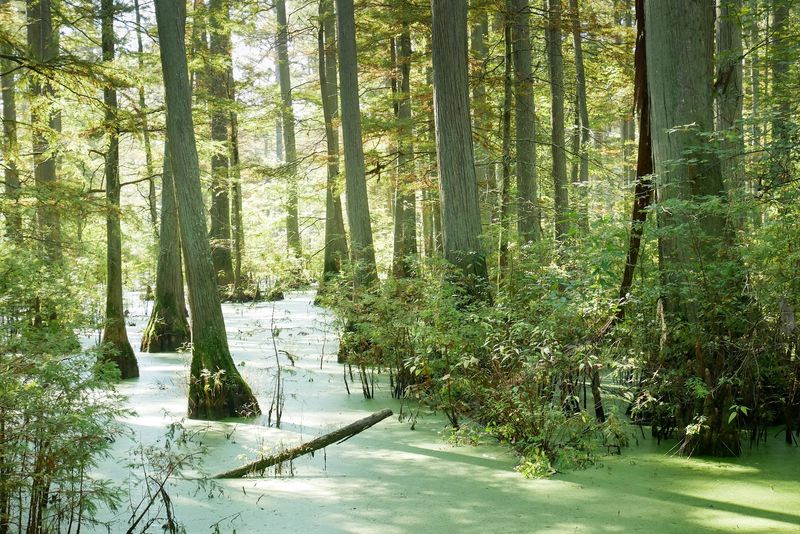
Despite being featured on social media, Heron Pond maintains a surprising sense of solitude. That difficult access road and relative remoteness keep the crowds manageable even during peak seasons, which is increasingly rare for Instagram-famous nature spots.
During my midweek visit, I encountered maybe five other people total, and there were long stretches where I had the boardwalk completely to myself.
That solitude transforms the experience from a nature walk into something almost meditative. You can actually hear the forest instead of other people’s conversations.
Early morning visits seem to offer the most solitude, with several reviewers mentioning they had the place entirely to themselves at dawn.
The peaceful atmosphere lets you slow down and really observe details you’d miss in a more crowded setting, like the patterns water makes around cypress knees or the way light shifts through leaves.
This isn’t a place where you’ll be jostling for position to take photos or waiting in line to access the boardwalk. The relative peace and quiet is part of what makes it feel so otherworldly and separate from everyday life.
That sense of discovery and personal connection with the landscape is increasingly precious in our crowded world.