
The Indiana Trail That Guides You To a Ghost Town Few People Know Exists
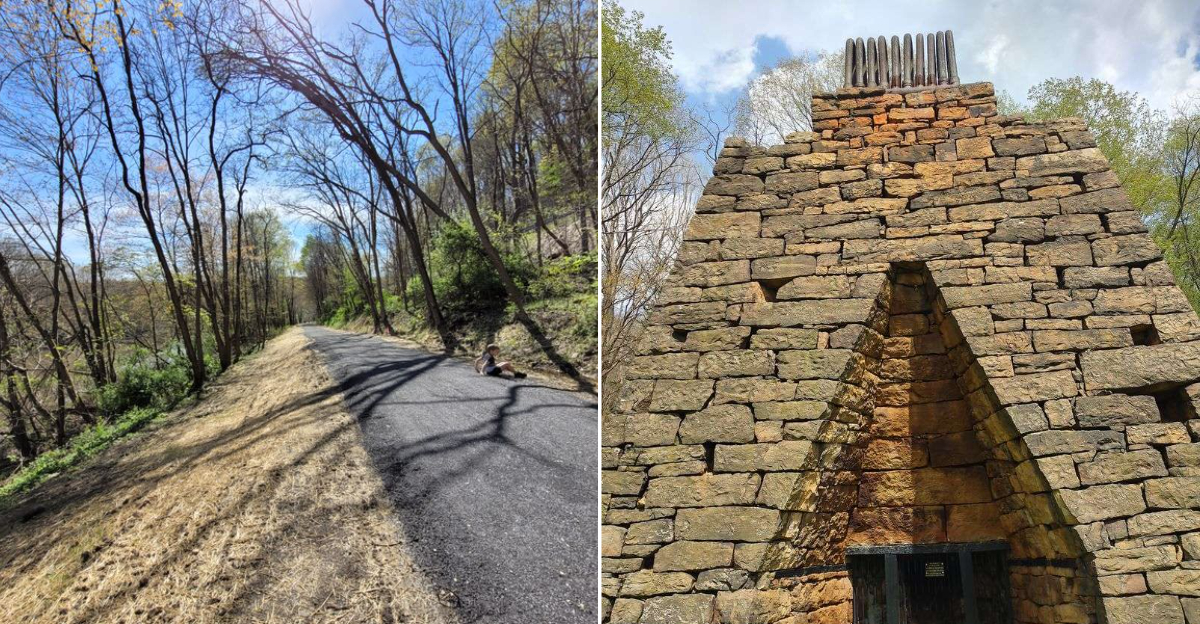
Hidden deep within Pennsylvania’s rugged landscape lies a trail that whispers secrets of forgotten towns and vanished communities.
I stumbled upon the Ghost Town Trail during a spontaneous road trip, and what I discovered was a 46-mile journey through history that few travelers even know exists.
Walking along this abandoned railroad corridor felt like stepping into a time machine, where remnants of once-thriving coal mining towns now stand silent among the trees.
If you’re looking for an adventure that combines scenic beauty with haunting history, this trail will absolutely blow your mind.
Wehrum: The Crown Jewel Of Forgotten Towns
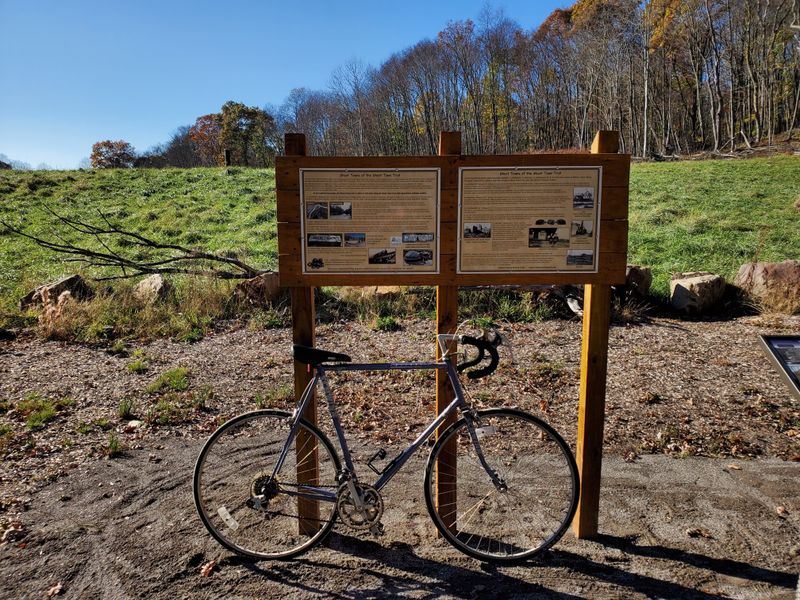
Wehrum stopped me dead in my tracks when I first laid eyes on its scattered ruins peeking through the undergrowth.
Back in its heyday, this wasn’t just some tiny settlement-it was a legitimate town with 230 houses, a hotel, a company store, a jail, and even its own bank.
Warren Delano, President Franklin D. Roosevelt’s uncle, developed this entire community, which makes standing among its crumbling foundations feel like touching a piece of presidential history.
Walking through what remains of Wehrum, I couldn’t help but imagine the bustling streets filled with coal miners and their families.
The silence now is almost eerie, broken only by birdsong and rustling leaves. Stone foundations outline where homes once stood, and if you look carefully, you can still spot remnants of old structures hiding beneath decades of forest reclamation.
What struck me most was how nature has gently reclaimed everything, creating this beautiful collision between industrial past and natural present.
The Eliza Furnace: A Monument To Iron Age Glory
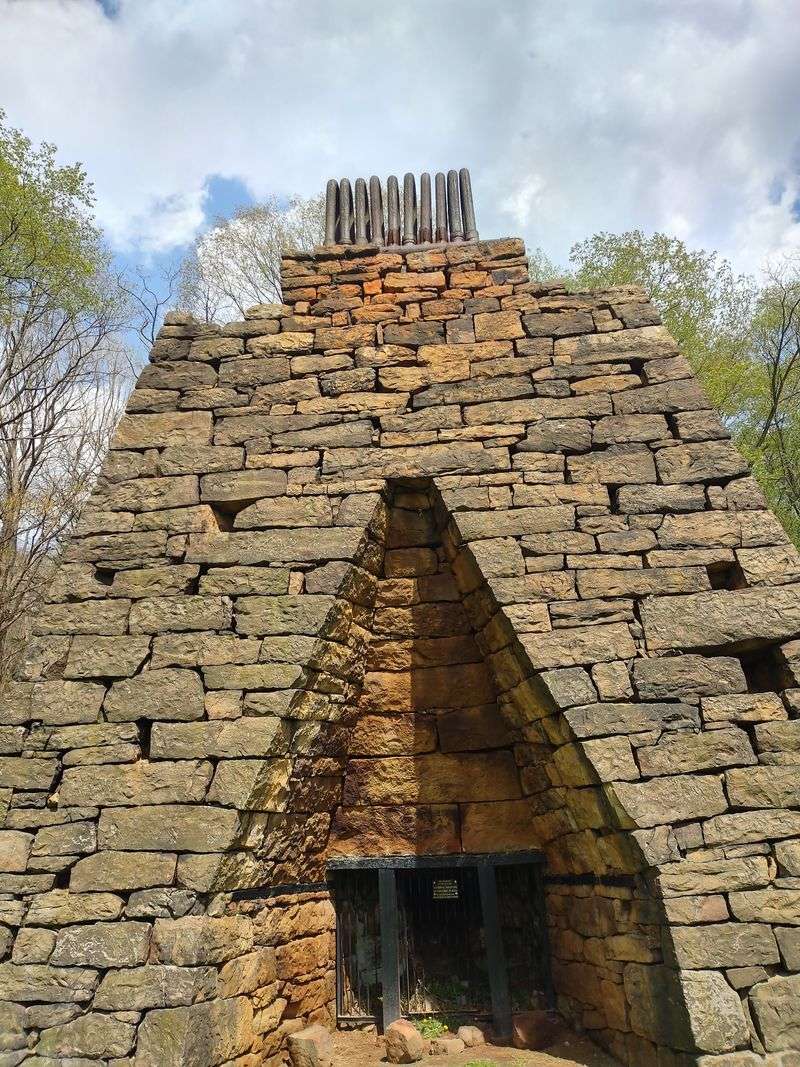
Standing before the Eliza Furnace felt like discovering a secret castle hidden in the Pennsylvania wilderness.
This remarkably preserved iron furnace represents one of the best-surviving examples of the region’s early industrial era, and honestly, photographs don’t do it justice.
The massive stone structure rises from the earth like an ancient temple, its archways and chambers still intact after more than a century.
I spent nearly an hour just circling this magnificent relic, running my hands along the weathered stones and trying to picture the intense heat and activity that once defined this spot.
Workers would have fed iron ore, limestone, and charcoal into the furnace, producing the iron that built America’s infrastructure.
The craftsmanship visible in every carefully placed stone amazed me-these builders meant for their work to last.
Interpretive signs around the furnace helped me understand the complex process of iron-making, transforming what could have been just another old building into a fascinating lesson in industrial archaeology.
Blacklick Creek Valley: Nature’s Masterpiece

Following Blacklick Creek through the valley became my favorite part of the entire trail experience.
The gentle sound of water tumbling over rocks provided the perfect soundtrack as I pedaled along the smooth, crushed limestone path.
Mountain streams branch off in multiple directions, creating little pockets of wilderness that feel completely untouched by modern life.
During my May visit, the rhododendron stands were absolutely exploding with blooms, creating natural tunnels of pink and white flowers that made me feel like I’d wandered into a fairy tale.
Wildflowers dotted the trail edges in every color imaginable, and the dense woodlands provided cool shade even on warmer afternoons.
I remember stopping at one particularly beautiful bend in the creek where sunlight filtered through the canopy, creating dancing patterns on the water’s surface-I must have taken fifty photos of that one spot alone.
Wildlife sightings were frequent too, from deer cautiously watching me pass to countless bird species filling the air with their calls.
Saylor Park Access Point: Your Gateway To Adventure
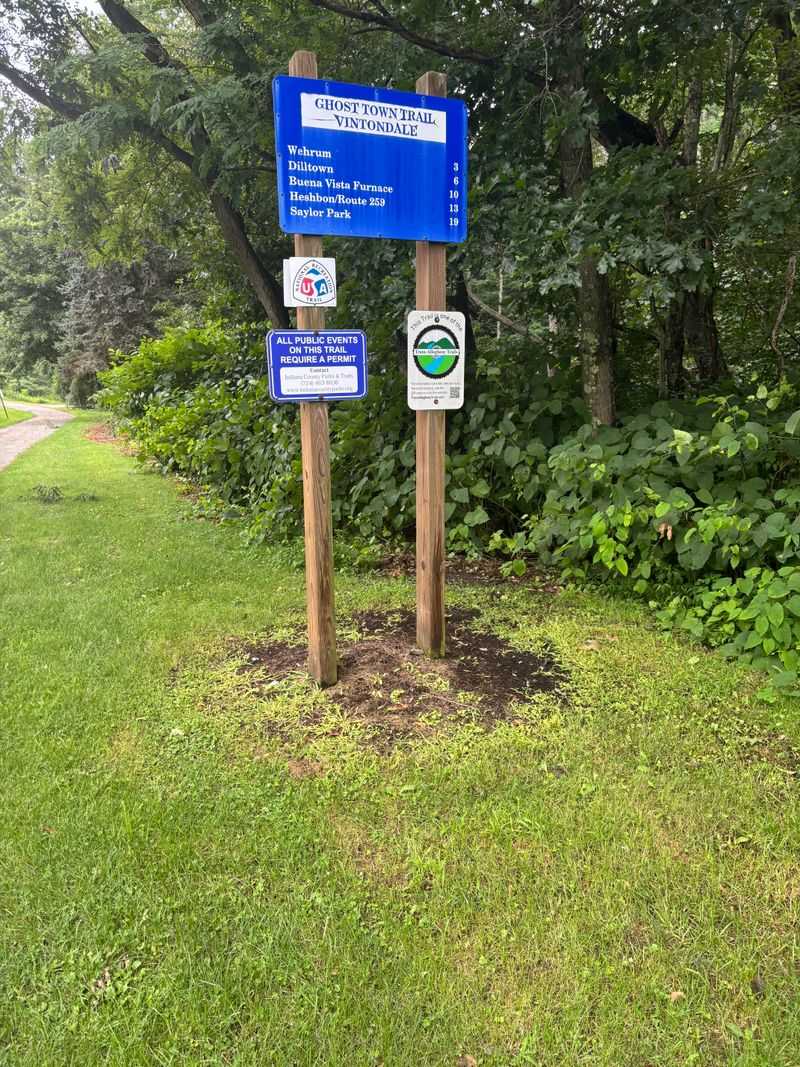
Saylor Park in Black Lick became my home base for exploring the trail, and I couldn’t have asked for a better starting point.
The parking area is spacious and well-maintained, which immediately put me at ease about leaving my car for several hours.
Clean restroom facilities (open seasonally) meant I could start my journey comfortably prepared, and the nearby picnic areas provided the perfect spot for post-trail snacks.
What I appreciated most was how thoughtfully designed everything felt-clear signage pointed me in the right direction, and informational kiosks gave me a quick overview of what to expect along the trail.
The park itself offers additional walking paths and ballfields, so I noticed several families making a full day of their visit.
On my second trip, I packed a lunch and enjoyed it at one of the picnic tables while watching kids play nearby.
The friendly atmosphere and excellent amenities made Saylor Park feel welcoming rather than intimidating, which is perfect for first-time trail visitors like I was initially.
Dilltown Station: Where History Meets Hospitality

Dilltown surprised me with its charming combination of trail access and small-town hospitality.
Located right on Route 403, this access point offers more than just a place to park your car-it’s become a genuine community gathering spot.
The parking area provided easy access, and the restroom facilities were spotless during my visit.
But here’s what really made Dilltown special: the nearby trail shop became my new favorite stop for gear, snacks, and local advice.
The owner shared insider tips about the best sections to explore and warned me about a muddy stretch I would have blindly walked into otherwise.
Just down the road, a cozy bed and breakfast caught my eye, and I made a mental note to book it for my next visit so I could tackle the entire trail over a weekend.
Picnic facilities at Dilltown gave me another reason to linger, and I met several fellow trail enthusiasts who shared their own ghost town discoveries and favorite photo spots.
Vintondale’s Eliza Station: A Rest Stop With Character
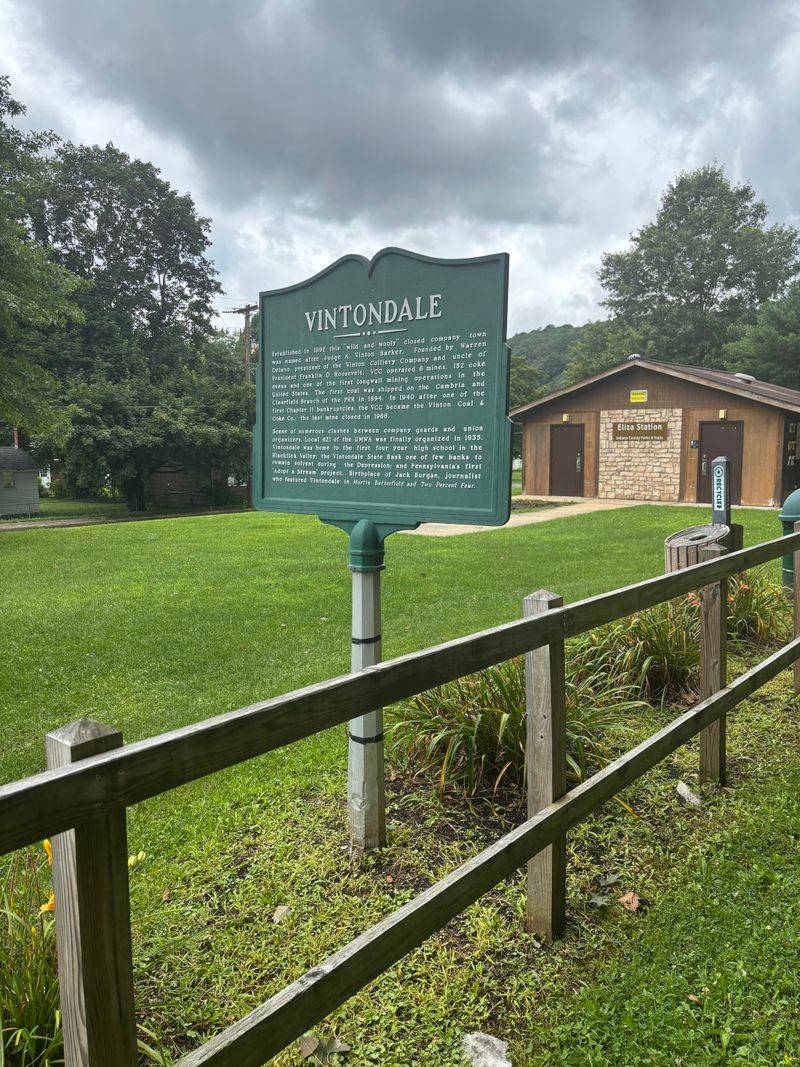
Eliza Station at Vintondale (also called Rexis) became my favorite mid-trail break spot, hands down.
Something about this access point just felt different-maybe it was the historic character of the station building itself, or maybe it was the particularly scenic stretch of trail surrounding it.
Whatever the reason, I found myself planning my rides specifically to include a stop here.
The restroom facilities at Eliza Station were convenient and well-maintained, and the available water meant I could refill my bottles without worry.
Picnic areas scattered around the station invited me to sit and soak in the atmosphere, and I gladly accepted that invitation multiple times.
During one memorable visit, an elderly gentleman struck up a conversation and shared stories about his grandfather who had worked in the nearby mines-those personal connections to history made the entire experience so much richer.
Parking was ample, and the station’s central location made it perfect for tackling the trail in either direction depending on my mood.
Nanty Glo: Small Town Charm Meets Trail Access
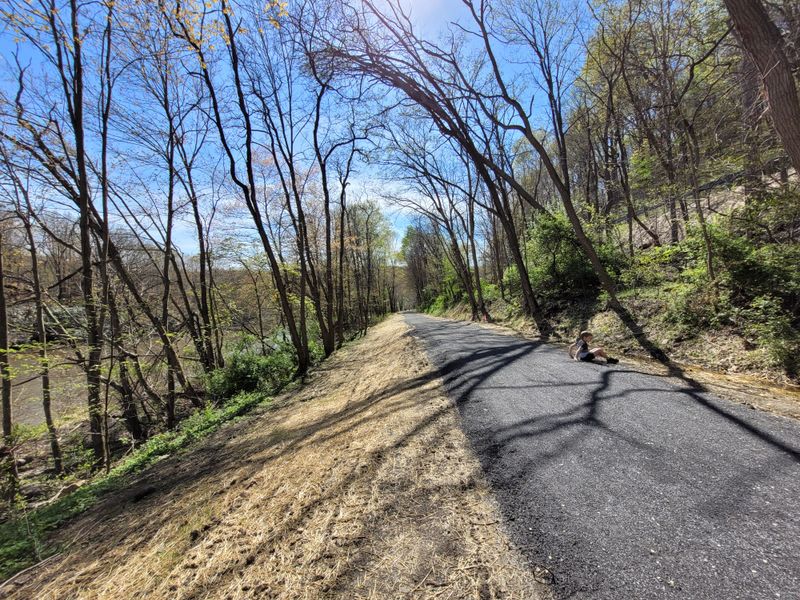
Nanty Glo won me over with its authentic small-town vibe and convenient trail access.
The parking area near the football field provided plenty of space, and the seasonal restroom facilities at the field were a welcome addition.
What really made this access point memorable, though, were the nearby local restaurants that became my post-trail reward system.
After completing a particularly challenging section of trail, I wandered into one of Nanty Glo’s family-owned eateries and enjoyed the best homemade pie I’ve had in years.
The locals were incredibly friendly, asking about my trail experience and offering suggestions for other sections I should explore. T
hat sense of community pride in their trail really shone through in every conversation.
I noticed the town has embraced its connection to the Ghost Town Trail, with businesses catering to trail users and residents clearly taking pride in maintaining this historical resource.
The football field area bustled with activity on weekends, creating this lovely blend of recreational space and trail access that served multiple community purposes beautifully.
The Complete Ghost Town Collection: Eight Forgotten Communities
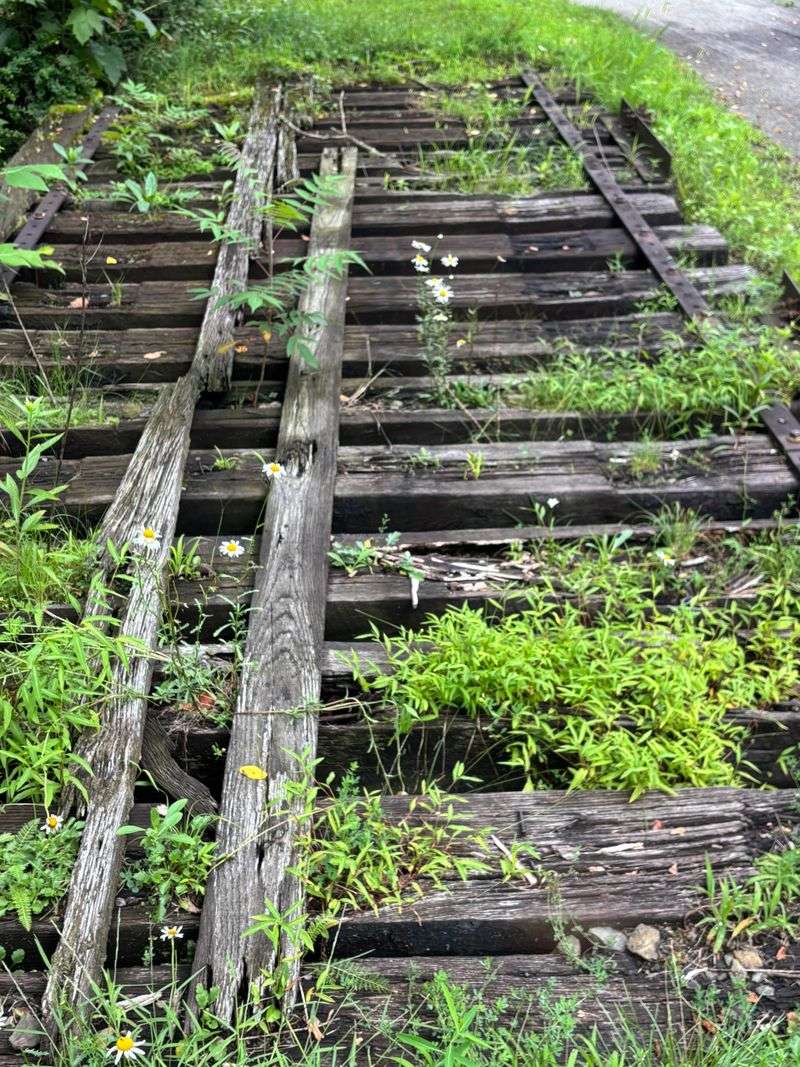
Beyond Wehrum, seven other ghost towns dot the trail like breadcrumbs through history, each with its own story to tell.
Bracken, Armerford, Lackawanna Number Three, Scott Glenn, Webster, Beulah, and Claghorn-these names rolled off my tongue like an incantation as I explored their scattered remains.
Each abandoned community offered different treasures, from barely visible foundation outlines to more substantial structural remnants.
What fascinated me most was imagining the connections between these towns-families who might have had relatives in neighboring settlements, workers who transferred from one mine to another, children who grew up playing along this same corridor.
The communities weren’t isolated dots but rather interconnected pieces of a larger industrial ecosystem that thrived for decades before economics and changing times rendered them obsolete.
Hunting for these ghost town sites became my personal treasure hunt, with each discovery feeling like uncovering a secret.
Some were well-marked, while others required careful map-reading and a keen eye for unnatural patterns in the landscape.