
The Little-Known Cave In Maine Everyone Should Explore At Least Once
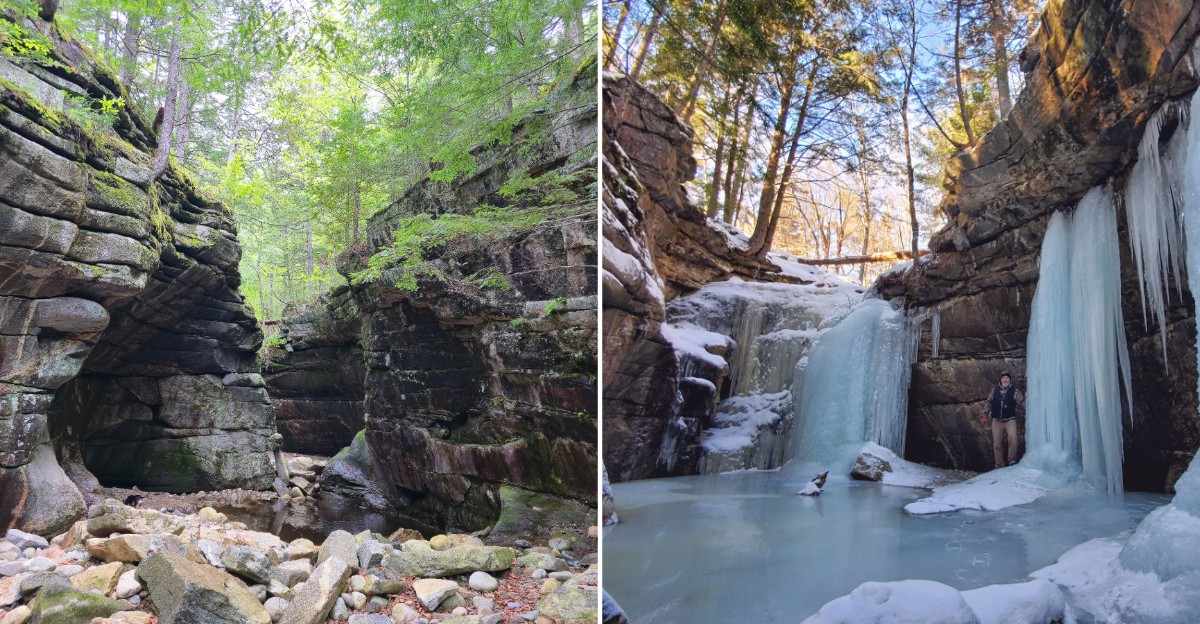
A cold stream slips between mossy boulders while a little waterfall makes enough noise to tell you you’re getting close. Then a dark rock hollow appears beside the gorge, looking like the sort of place that should come with a ghost story.
I’ll admit, any Maine day trip that makes me work just a little to find it already has my attention. The walk here is short, but the scenery feels much bigger than the effort required.
Water has carved smooth walls and small pools into the rock, giving you plenty to inspect once you arrive.
Winter changes the scene again as ice builds along the gorge. Keep reading for tips on finding the area, exploring it safely, and picking a good season to visit.
A Hidden Hollow With A Devilish Name
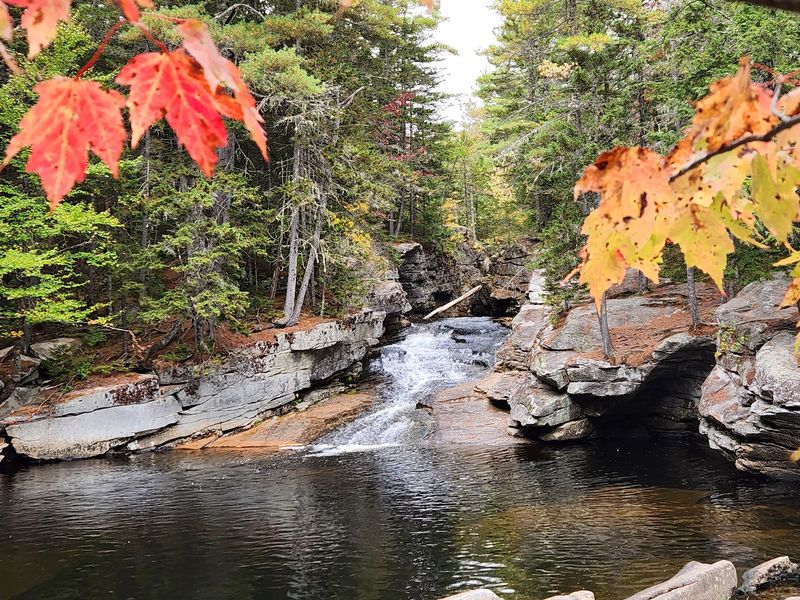
Some places shout for attention, but Devil’s Den Cave in Roxbury, Maine, prefers to whisper. Found in the western Maine mountains, not far from South Arm Road, this rocky hollow sits inside a small gorge where a stream has been doing its patient carving work for a very long time.
The name sounds spooky, yet the spot itself is calm and inviting. Many old rock shelters across New England earned devilish names because early settlers found them dark, odd, and a bit mysterious.
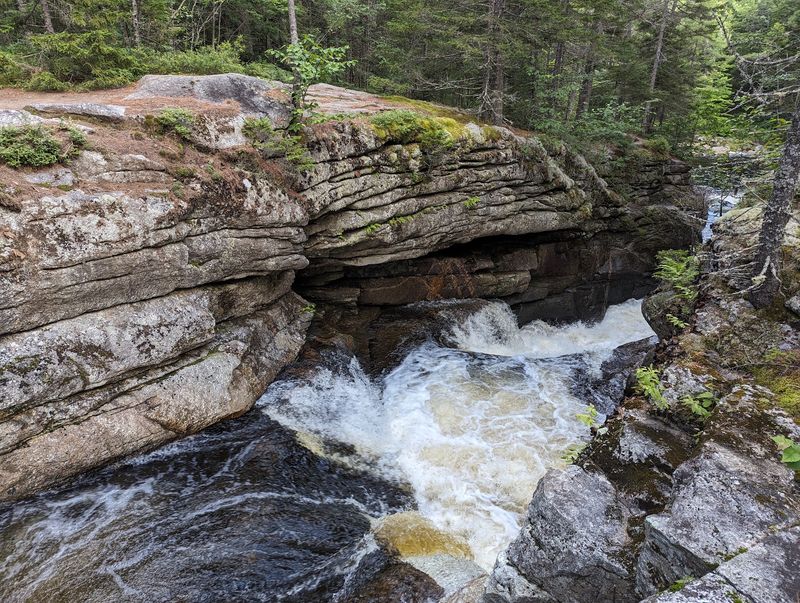
Standing at the entrance, you can see why the label stuck, since the stone curls inward like a shadowy room with water rushing just outside.
Here is the fun twist. There is nothing scary about the place at all, unless you count cold toes after stepping into the stream.
The area is officially listed as a hiking area, and it rewards visitors with rock formations, pools, and cascades instead of creepy surprises.
Think of the name as a clever hook that gets you in the door. Once you arrive, the peaceful mood takes over quickly, and most visitors leave wondering why such a quiet corner ended up with such a fiery title.
Finding It Is Half The Adventure
Bring your sense of adventure, because this cave does not come with a welcome banner. There are no official signs pointing the way, so a little homework before you leave home goes a long way.
The site sits off South Arm Road in Roxbury, north of the town center and toward the Andover area. Saving the GPS coordinates on your phone is a smart move, since cell service can be spotty in these hills.
Downloading an offline map before you drive is even better.
Parking is limited. A culvert near the bridge washed out a few years back, which removed some of the old pull-off spaces, so you may need to park carefully along the road and walk in.
Always keep the road clear and avoid blocking trails or private driveways.
Friendly folks in nearby towns can sometimes point you in the right direction if you get turned around. Asking at a local store is a great way to double-check your route.
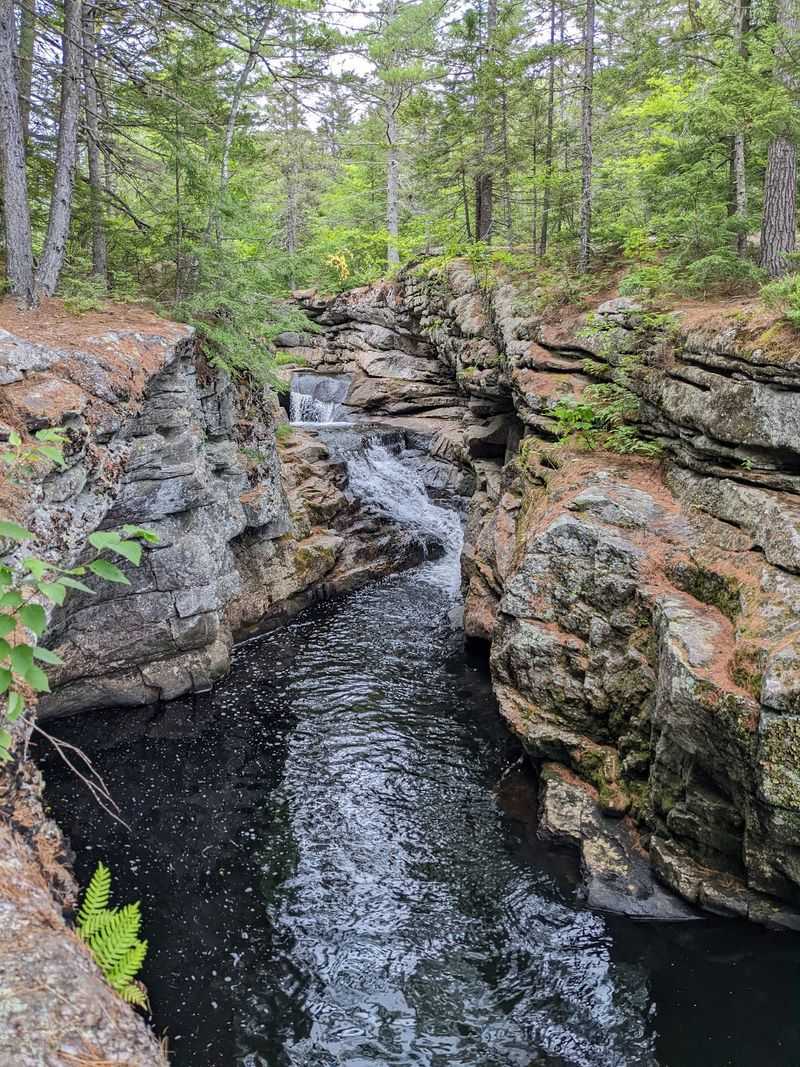
Once you spot the stream and the short trail beside it, the hard part is over. The hunt might test your patience a bit, but that first glimpse of the gorge makes every wrong turn feel worth it.
A Short Walk With A Big Payoff
Good news for anyone who dreads long uphill climbs. The walk to the good stuff here is short and simple, which makes it a great pick for families, casual hikers, and anyone squeezing a stop into a road trip.
The footpath follows the stream through the trees, and the trail is easy to see in warmer months. Within a few minutes, you reach the rock formations and the carved walls of the gorge.
There is no need for fancy gear in summer, but sturdy shoes with good grip are a must.
Some spots along the water are uneven, and wet rocks can be slippery. Take your time, watch your footing, and keep younger kids close when you get near the edges.
The paths are basic footpaths, not paved walkways, so a steady pace works best.
Because the hike is so quick, you get more time to actually enjoy the scenery. Sit on a boulder, listen to the water, and snap a few photos without feeling rushed.
It proves that a great outing does not need a marathon attached. Sometimes the shortest trail leads to the longest memories.
Rock Formations Carved By Water
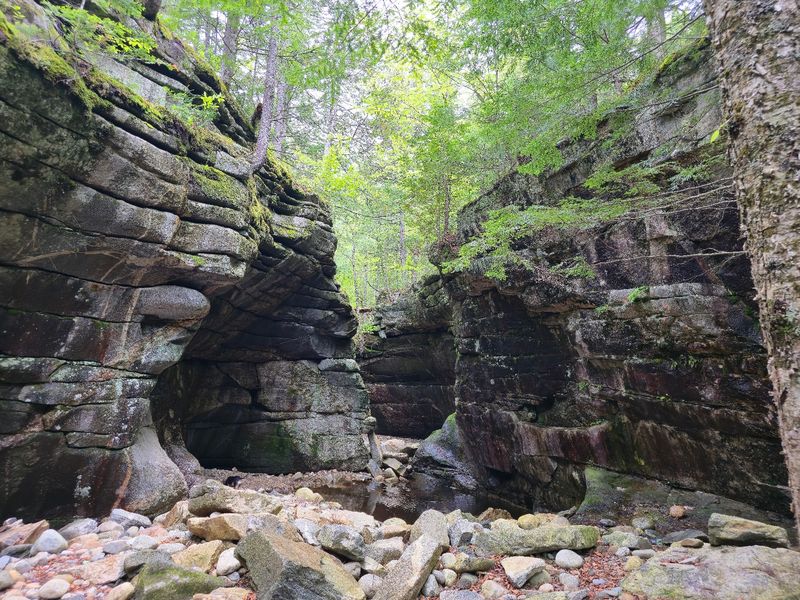
Water is a slow artist, and this gorge is one of its best galleries. Over countless years, the stream has scoured the stone into smooth curves, hollows, and ledges that look almost polished.
The biggest attraction is the rocky den itself, a sheltered opening cut into the gorge wall. Around it, you will notice rounded bowls and channels where swirling water and small stones ground away the rock bit by bit.
Geologists call these kinds of features potholes, and they form when currents spin pebbles in one place for a very long time.
Kids love running their hands along the smooth surfaces and guessing how the shapes were made. It turns a simple walk into a mini science lesson without anyone needing a textbook.
Honest expectations help here. The caves are small, so this is not a place with long tunnels or giant chambers.
The charm comes from the details, like the layered stone, the mossy corners, and the way sunlight bounces off the wet walls.
Look closely and slowly. The longer you stare at these rocks, the more stories they seem to tell about patient water and stubborn stone.
Cascades, Pools, And A Silver Surprise
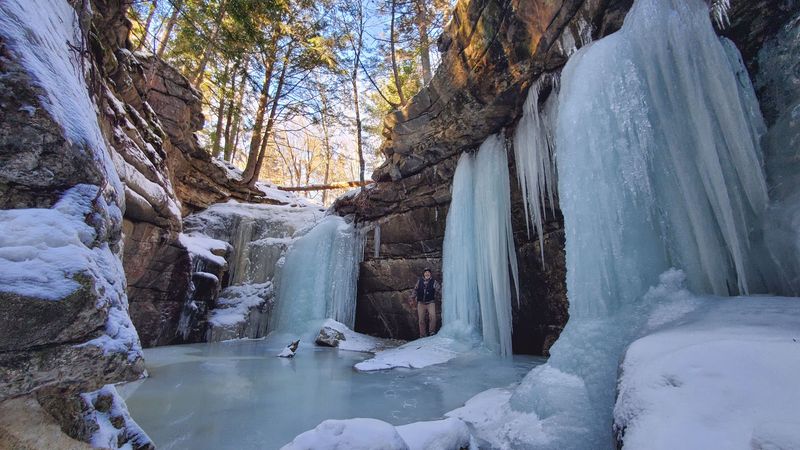
Listen closely as you approach, and the stream will announce itself before you see it. Small falls tumble over ledges, then settle into clear pools that shimmer in the sunlight.
On one side of the area, you get the dramatic rock formations. On the other side sits Silver Ripple Cascade, a lovely stretch of water that slides and sparkles over the stone.
Seeing both in one short visit feels like getting a bonus round.
The pools are fun to admire, but be careful about wading. The water is cold for much of the year, and the rocks underneath can be slick.
Spring snowmelt also makes the current stronger, so the stream can look very different in April than it does in August.
Photographers will find plenty to work with here. Try a slower shutter setting on your camera or phone to turn the rushing water into a silky blur.
Early morning and late afternoon light tends to make the scene glow.
Some visitors even bring a fishing rod, though the fish do not always cooperate. Either way, sitting beside these pools is a fine way to let the busy world drift downstream for a while.
Winter Turns It Into An Ice Palace
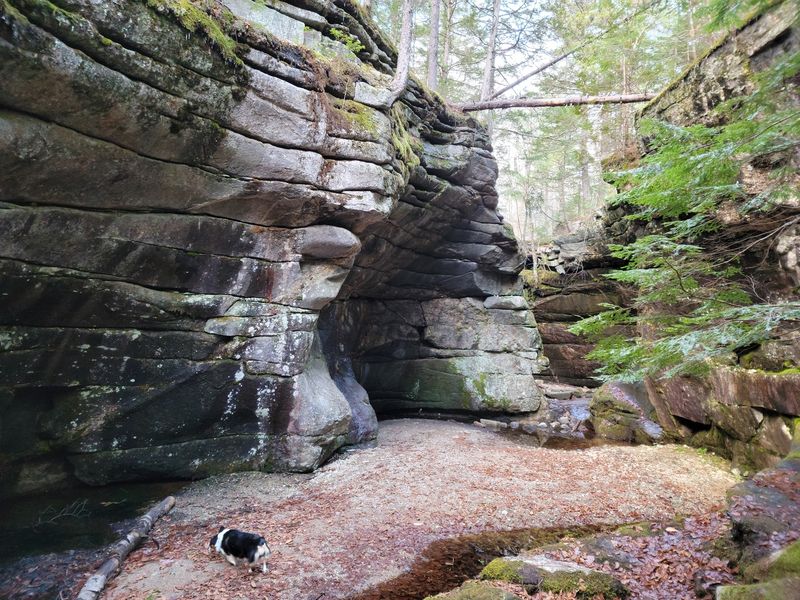
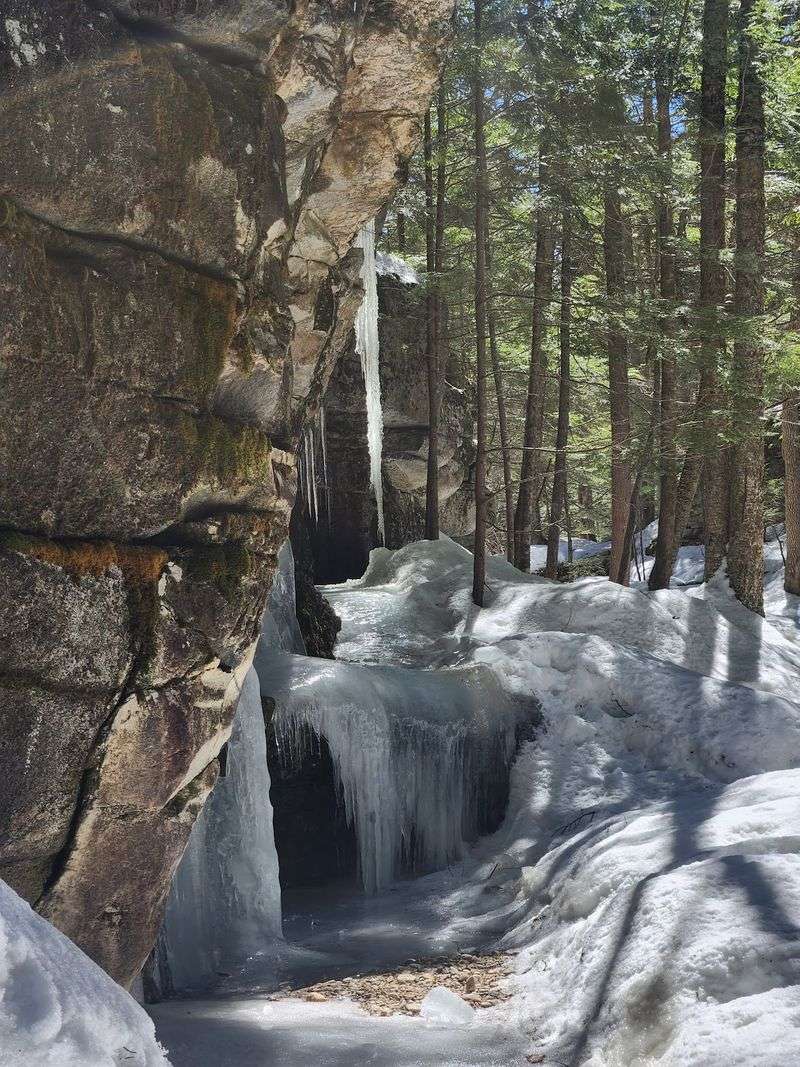
Cold weather fans, this section is for you. When winter settles over western Maine, the gorge transforms into a glittering show of giant icicles and frozen curtains that hang from the rock walls.
The ice formations can grow huge, and they often last longer than you might expect. Chunks of ice have been spotted in the gorge well into May, since the shady walls stay chilly long after the snow melts elsewhere.
Getting there in winter usually means parking on South Arm Road and walking down the snowmobile trail. It is not a long trek, but the ground near the den gets very slippery.
Microspikes or crampons are highly recommended, along with warm layers, waterproof boots, and gloves you can still use to hold a camera.
Watch out for snowmobiles sharing the trail, and step aside to let them pass safely. Staying alert keeps everyone happy.
On a sunny winter day, the blue ice glows against the gray stone, and the whole place feels hushed and magical. It is chilly, sure, but the view is so cool it might just be the best frozen treat in Maine.
Wildlife And Wild Quiet
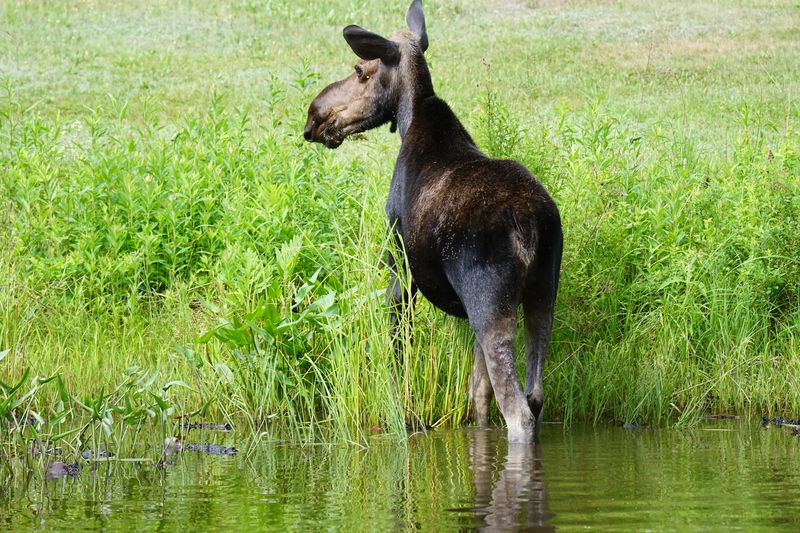
Moose country begins right outside your car door. The woods around the gorge belong to some of Maine’s most famous residents, so keep your eyes open on the drive in and along the trail.
Early mornings and evenings are the best times to spot moose near wet, marshy areas and roadside ditches. Admire them from a safe distance, since these animals are much larger up close than they look in pictures.
Never approach or try to feed wildlife.
Birds, squirrels, and the occasional deer also call this forest home. In summer, you may hear woodpeckers tapping and songbirds chattering above the rush of the stream.
What really stands out, though, is the quiet. With no crowds and few signs of busy life, the spot has a peaceful feeling that is hard to find in more famous parks.
You might have the whole gorge to yourself on a weekday.
Please help keep it that way. Pack out every scrap of trash, stay on existing footpaths, and leave rocks and plants where you found them.
Treat the area with care, and nature will keep putting on a quiet, wild show for the next visitors who wander in.
Make A Day Of It Nearby
A short hike leaves plenty of daylight for more fun, and the surrounding area is packed with outdoor options. Plan a little, and your cave trip can grow into a full weekend escape.
South Arm Campground sits just up the road on Lower Richardson Lake, making it a handy base for camping, paddling, and swimming in summer. Waking up by the lake and visiting the gorge after breakfast is a pretty great way to start a day.
The region also has many four-wheeling and snowmobile trails, so riders will feel right at home. Be sure to follow local trail rules and respect private land.
For a scenic drive, cruise through the mountains between Rumford, Andover, and the Rangeley Lakes region. Fall foliage in western Maine often reaches peak color around the second week of October, painting these hills in bright red and gold.
Before you go, pack water, snacks, bug spray for summer blackflies, a first aid kit, and a paper map. Services are limited, so fill your gas tank in a larger town first.
Wrap it all together, and a tiny cave with a big name becomes the heart of a memorable Maine adventure. Some of the best discoveries really are the ones hiding just off the main road.